Robot Vacuum vs Robot Mop: Which One Do You Actually Need?
Both promise hands-free floors — but they solve very different problems. This guide breaks down exactly what each one does, where each one fails, and when a vacuum-and-mop combo is the smarter buy.
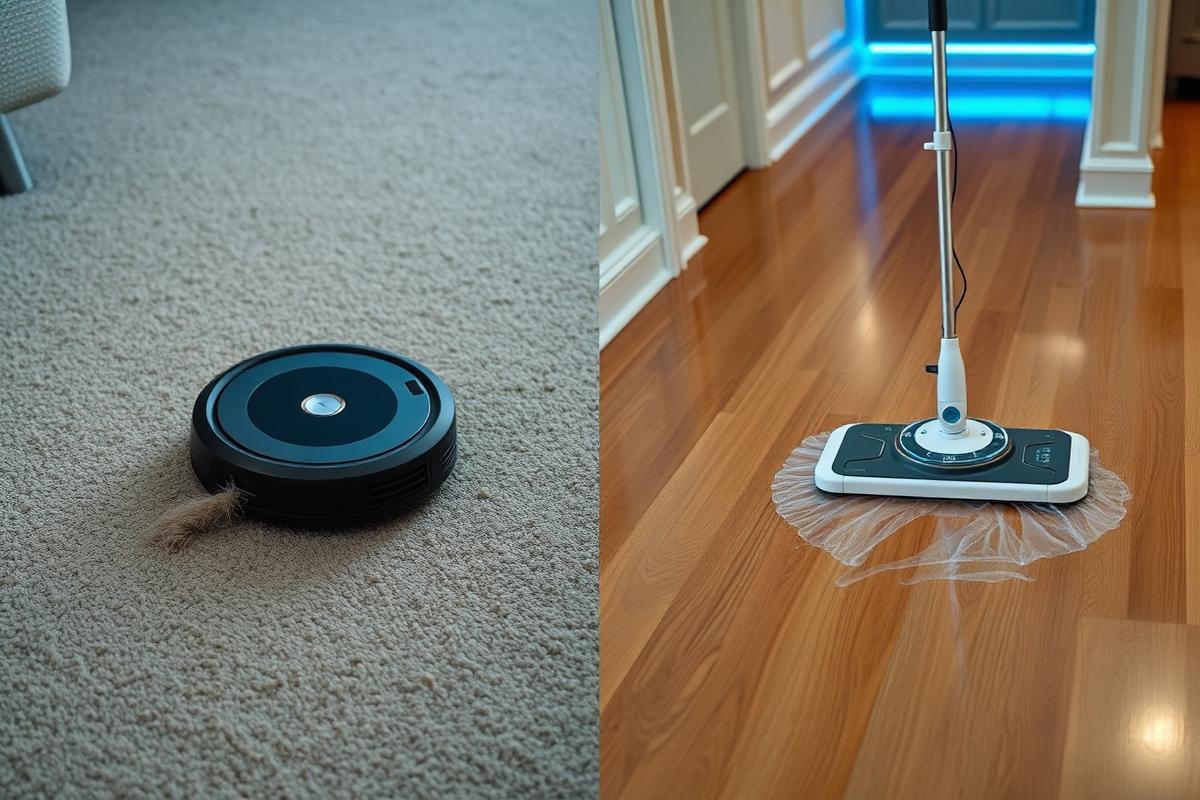
Robot Vacuum vs Robot Mop — At a Glance
| Category | 🌀 Robot Vacuum | 💧 Robot Mop |
|---|---|---|
| Best surface | Carpet, rugs, hard floors | Sealed hardwood, tile, vinyl |
| Kills dust & pet hair | Yes — 4,000–8,000 Pa suction | No — mopping only |
| Removes spills & footprints | No | Yes — water + microfibre / spinning pads |
| Safe on carpet | Yes | No — needs a lift-mop feature to avoid soaking carpet |
| Runs daily? | Yes — designed for daily maintenance | 2–3× per week is enough |
| Typical price | $250 – $1,600 | $250 – $1,200 |
| Dock complexity | Auto-empty (dust) | Water refill + dirty water tank + pad wash |
Which Should You Buy?
Pick a Robot Vacuum if…
- Your home is mostly carpet or rugs.
- You have pets that shed daily.
- You want the single biggest hands-free cleaning win.
- Budget is tight — vacuums start at $250.
Pick a Robot Mop if…
- Your home is mostly sealed hardwood, tile or vinyl.
- You already own a stick or handheld vacuum for the rugs.
- You have small kids or pets tracking prints daily.
- You want visibly cleaner floors, not just dust-free.
Pick a Combo Unit if…
- Your home has a mix of carpet and hard floors.
- You want one dock, one app, one machine to maintain.
- You can stretch to $700+ for a lift-mop model.
- Simplicity matters more than absolute best-in-class.
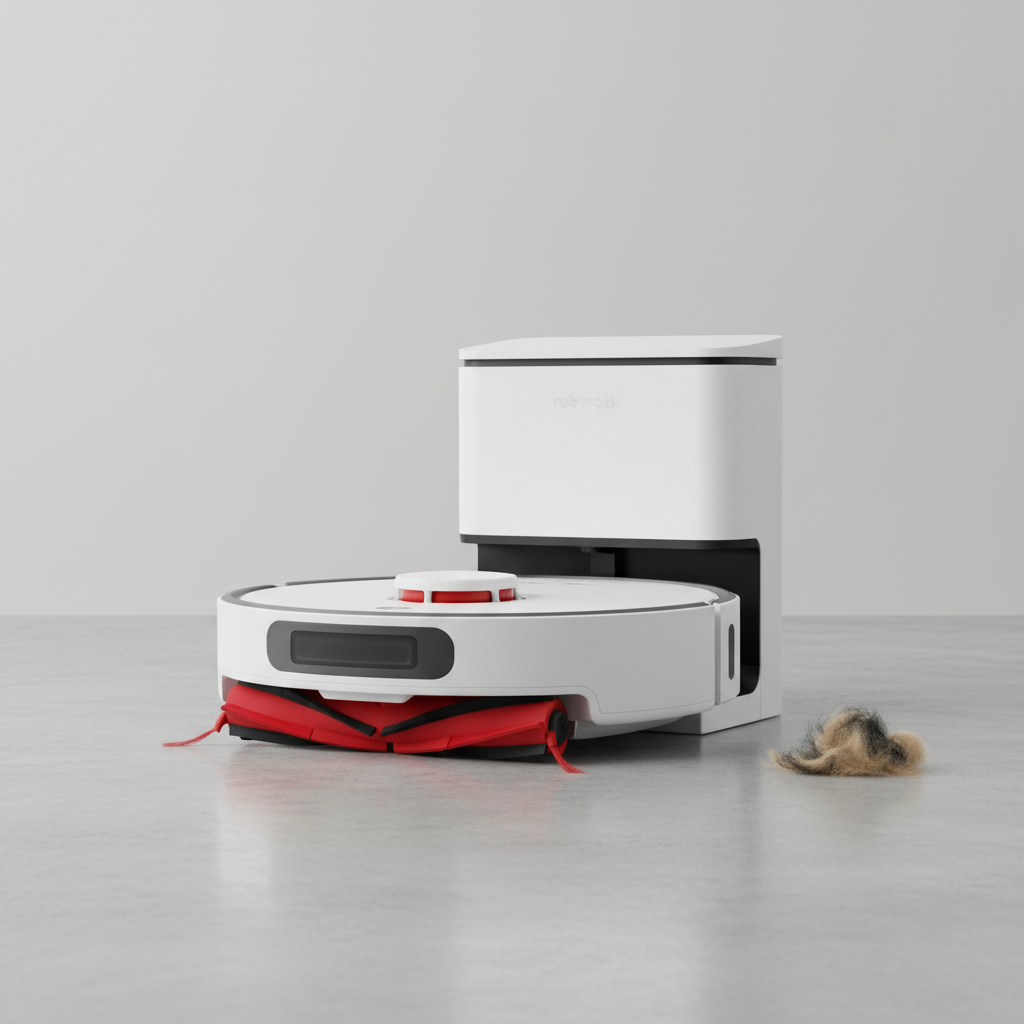
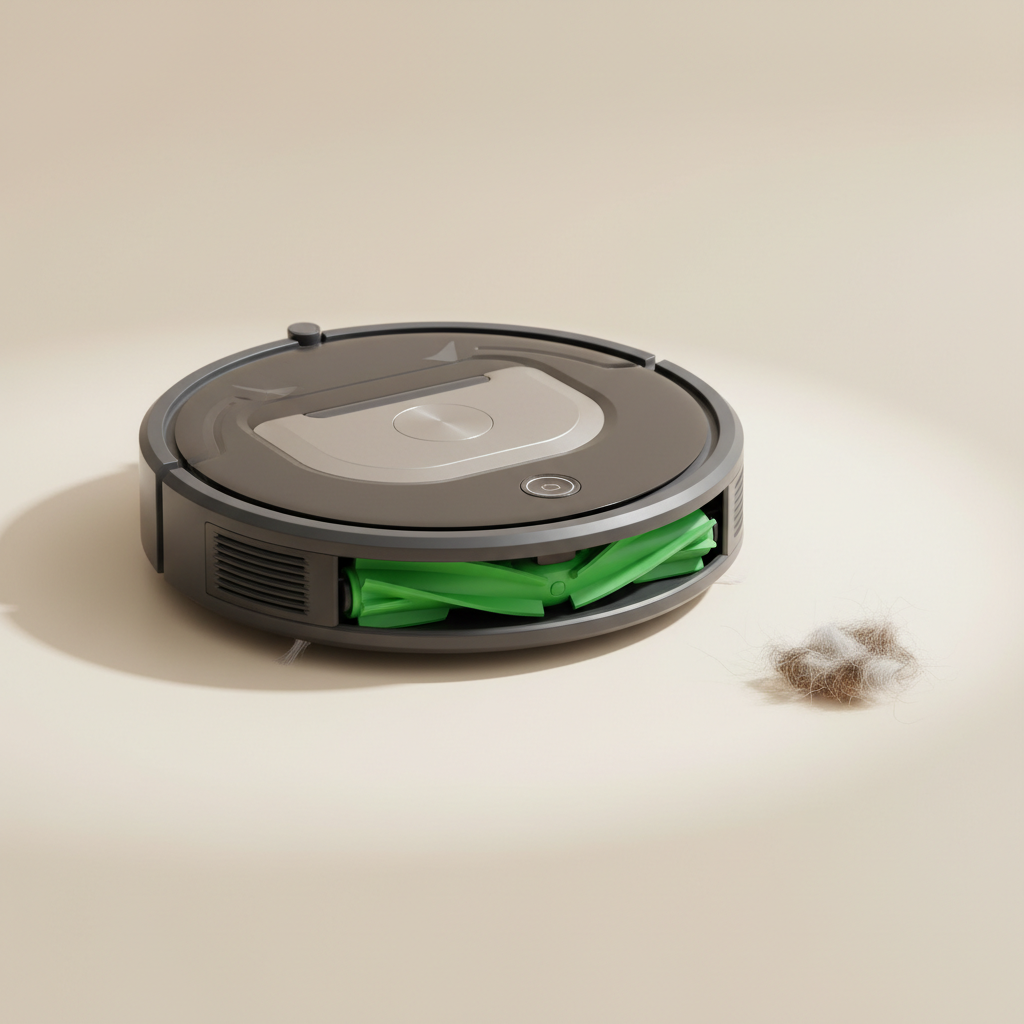
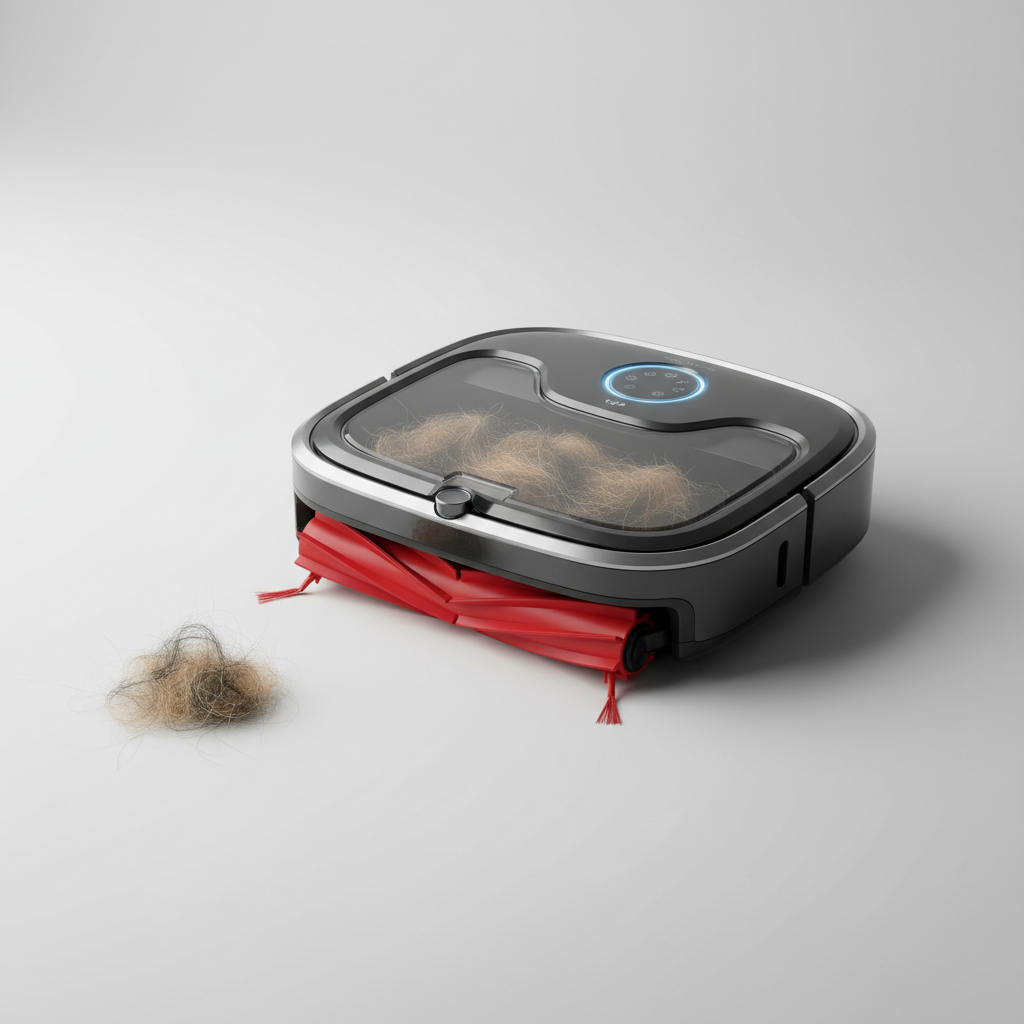
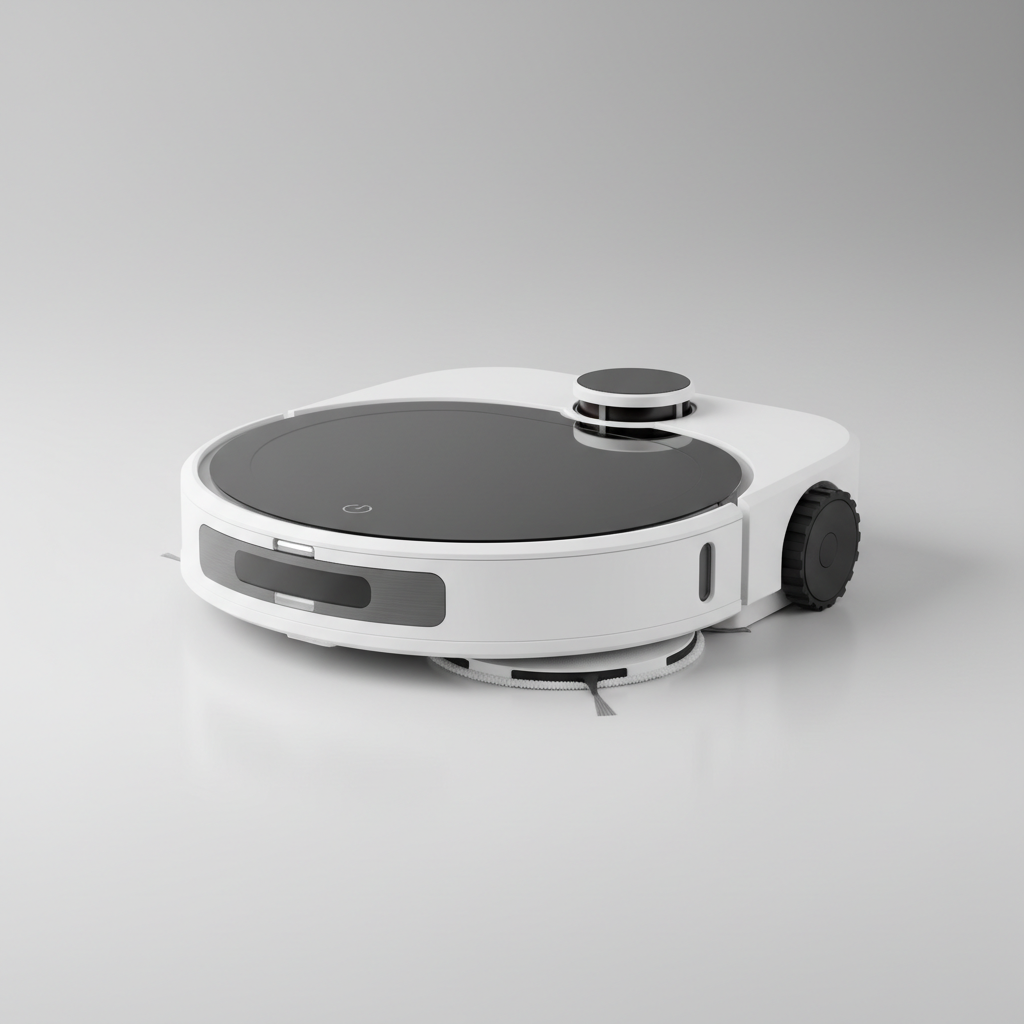
🌀 Best Robot Vacuums
For carpet, rugs and pet hair.
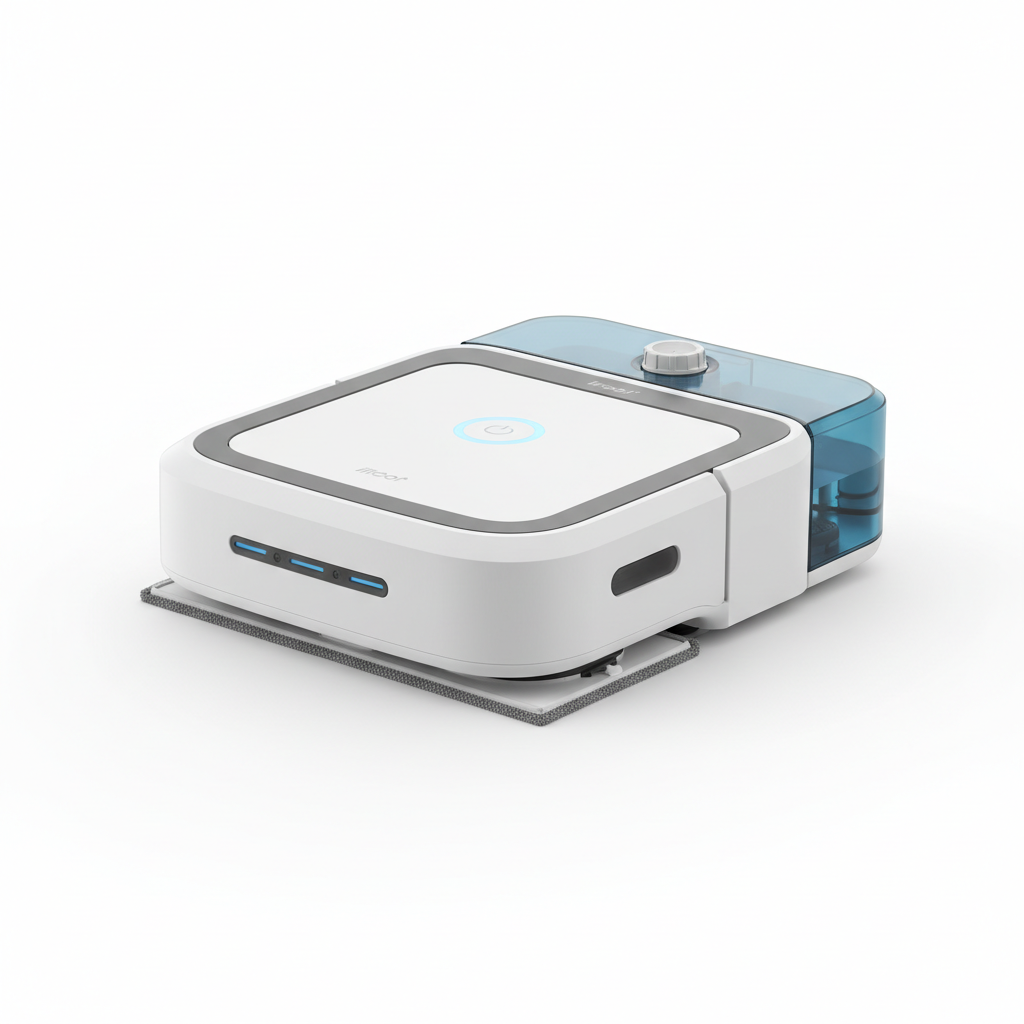
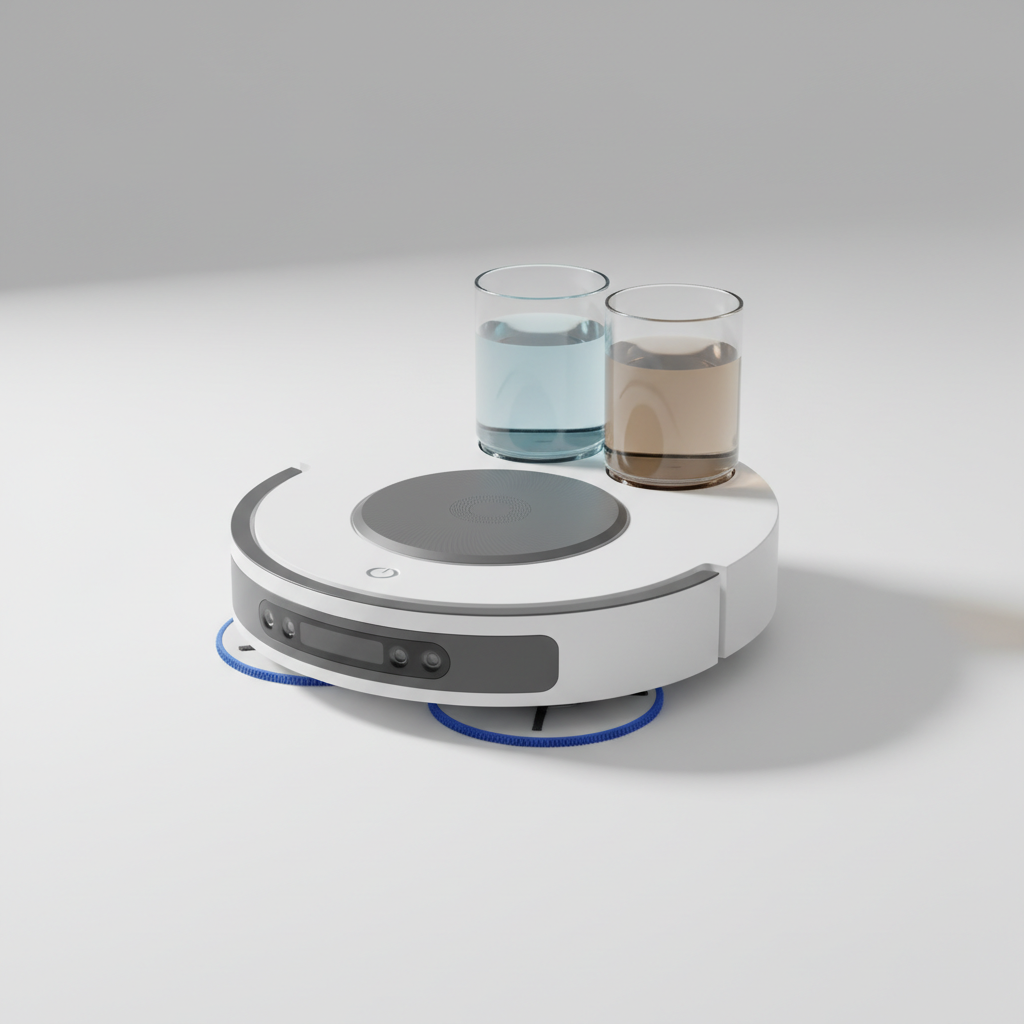
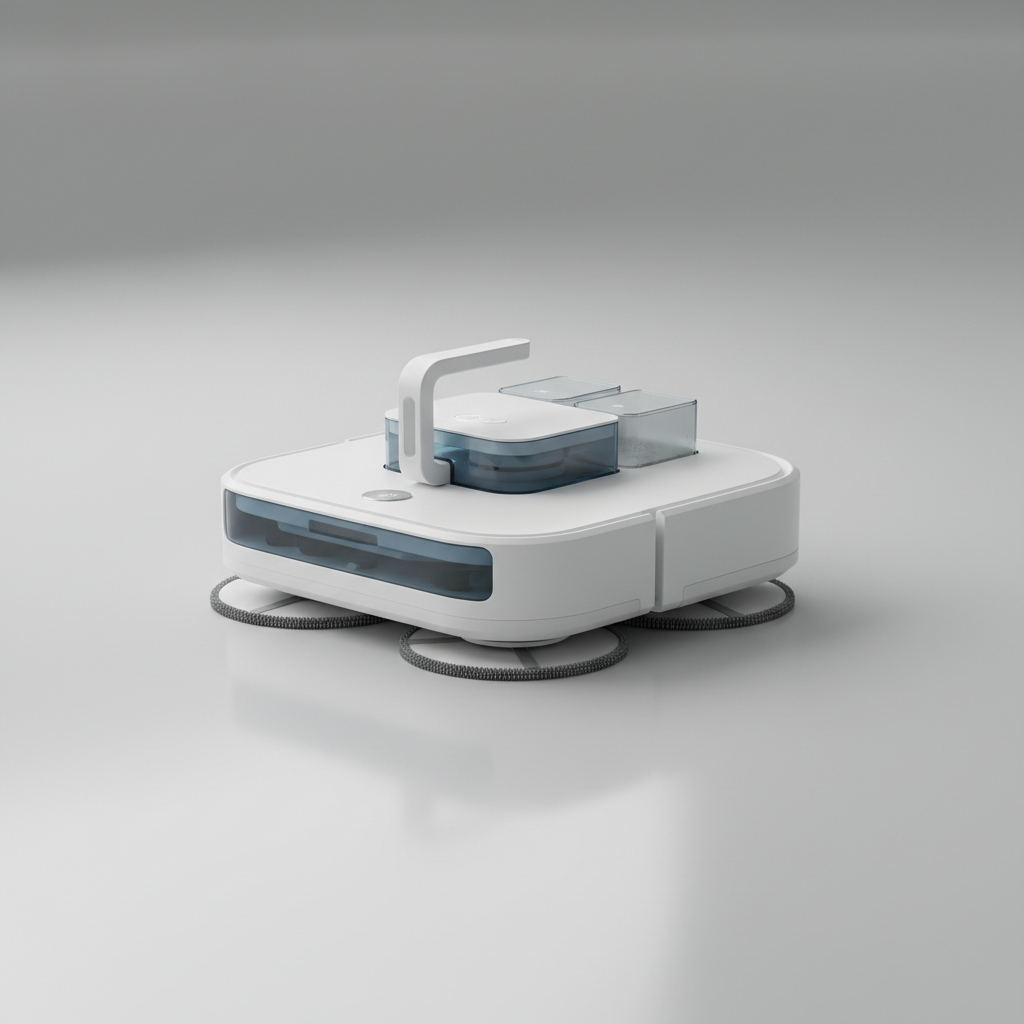
💧 Best Robot Mops
For sealed hardwood, tile and vinyl.
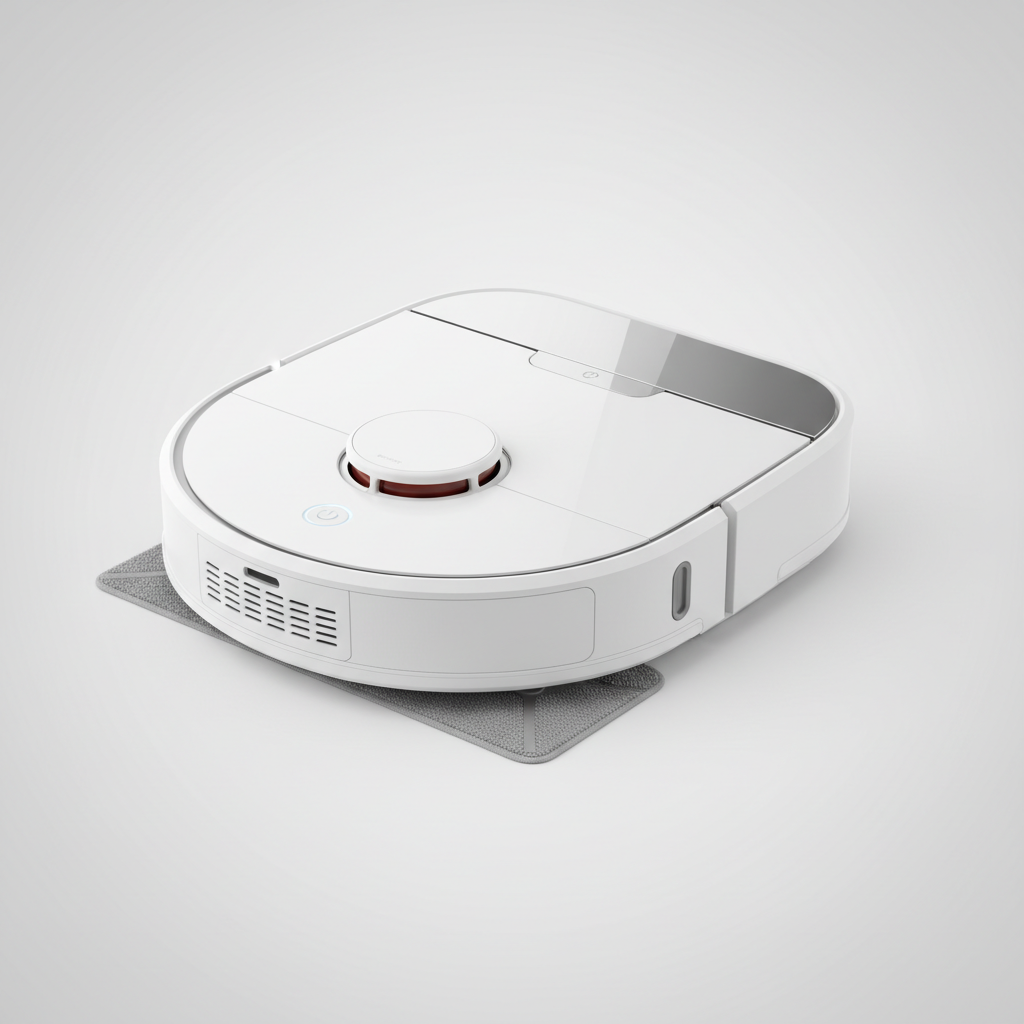
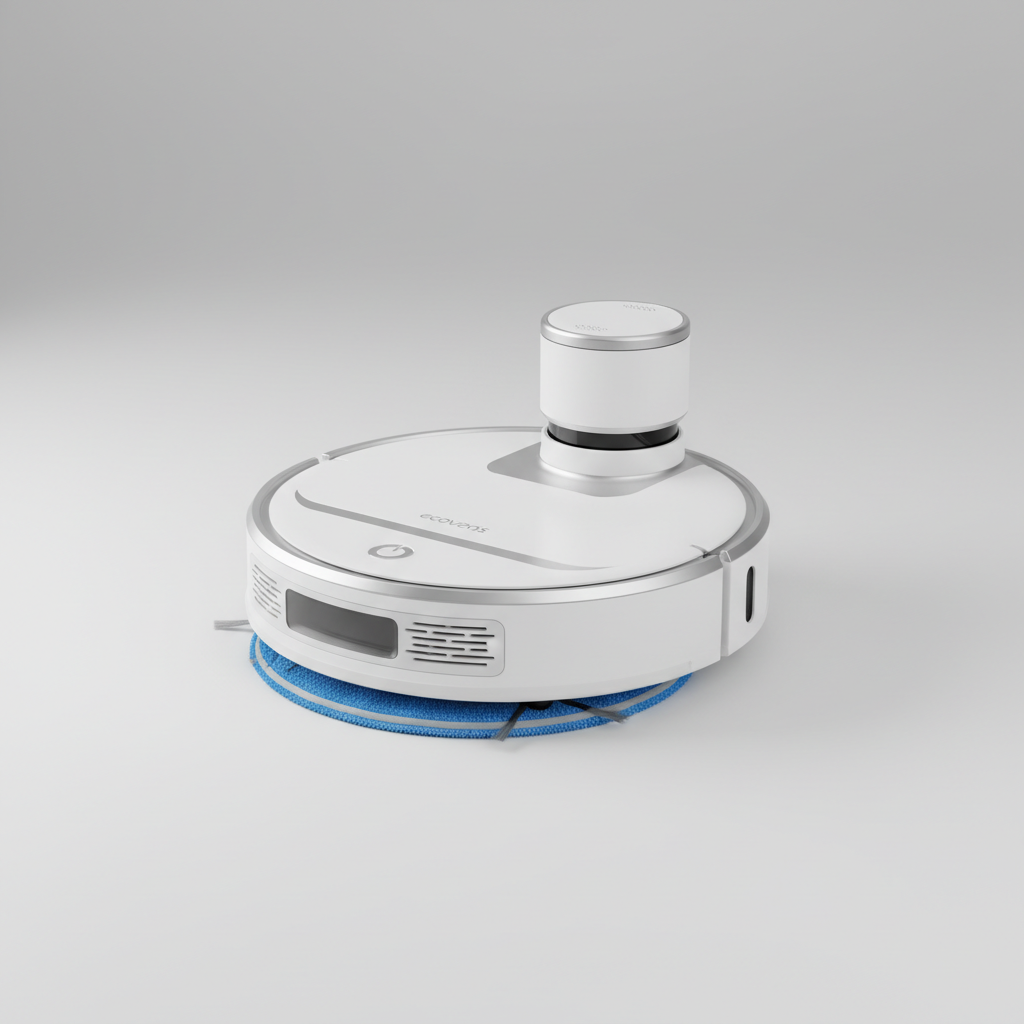
🌀💧 Best Vacuum & Mop Combos
One robot for mixed-surface homes.
Frequently Asked Questions
Do I need both a robot vacuum and a robot mop?
If your home is mostly carpet, a robot vacuum alone is enough. If it's mostly hard floors (tile, vinyl, sealed hardwood), you'll want mopping too — either a dedicated robot mop or a vacuum-and-mop combo. Homes with a mix of both surfaces benefit most from a combo unit with a lift-mop feature that raises the pad over carpet.
Are robot vacuum-and-mop combos as good as dedicated units?
The top-tier combos (Roborock S8 Pro Ultra, Dreame L20 Ultra, Ecovacs T20 Omni) are now genuinely competitive with dedicated units for everyday cleaning. They vacuum with 6,000+ Pa suction and mop with real down-pressure, then wash and dry the mop pads at the dock. Dedicated mops still win on scrubbing power for kitchens and bathrooms; dedicated vacuums still win on deep carpet cleaning.
Can a robot mop replace hand mopping?
For daily and weekly maintenance, yes — a robot mop keeps sealed hard floors visibly cleaner day-to-day than a manual mop that comes out once a week. For sticky spills, grout scrubbing and stripped-back deep cleans, you'll still reach for a hand mop occasionally, but the frequency drops from weekly to monthly.
Which should I buy first if my budget only allows one?
Buy a robot vacuum first. Dust, hair and dander accumulate faster than sticky floors, and vacuuming is the more time-consuming manual chore. A capable vacuum with a small mop attachment (like the Eufy X10 Pro Omni or Roborock Q Revo) covers 80% of the cleaning workload for most homes.
Will a robot mop damage hardwood floors?
Modern robot mops with lift-mop and low-water systems are safe on sealed hardwood. Avoid them on unsealed, waxed or engineered floors with soft finishes — the constant moisture can dull the finish over time. Always test in a small area first and use the driest setting available.
How often should each type run?
A robot vacuum: daily or every second day, especially in pet homes. A robot mop: two to three times a week for kitchens and bathrooms, once a week for living areas. Scheduling both to run on alternate days (vacuum Monday/Wednesday/Friday, mop Tuesday/Thursday/Saturday) keeps floors consistently clean without either machine getting in the way.