Ekso Bionics EVO Review & Verdict
By Ekso Bionics · Released 2023
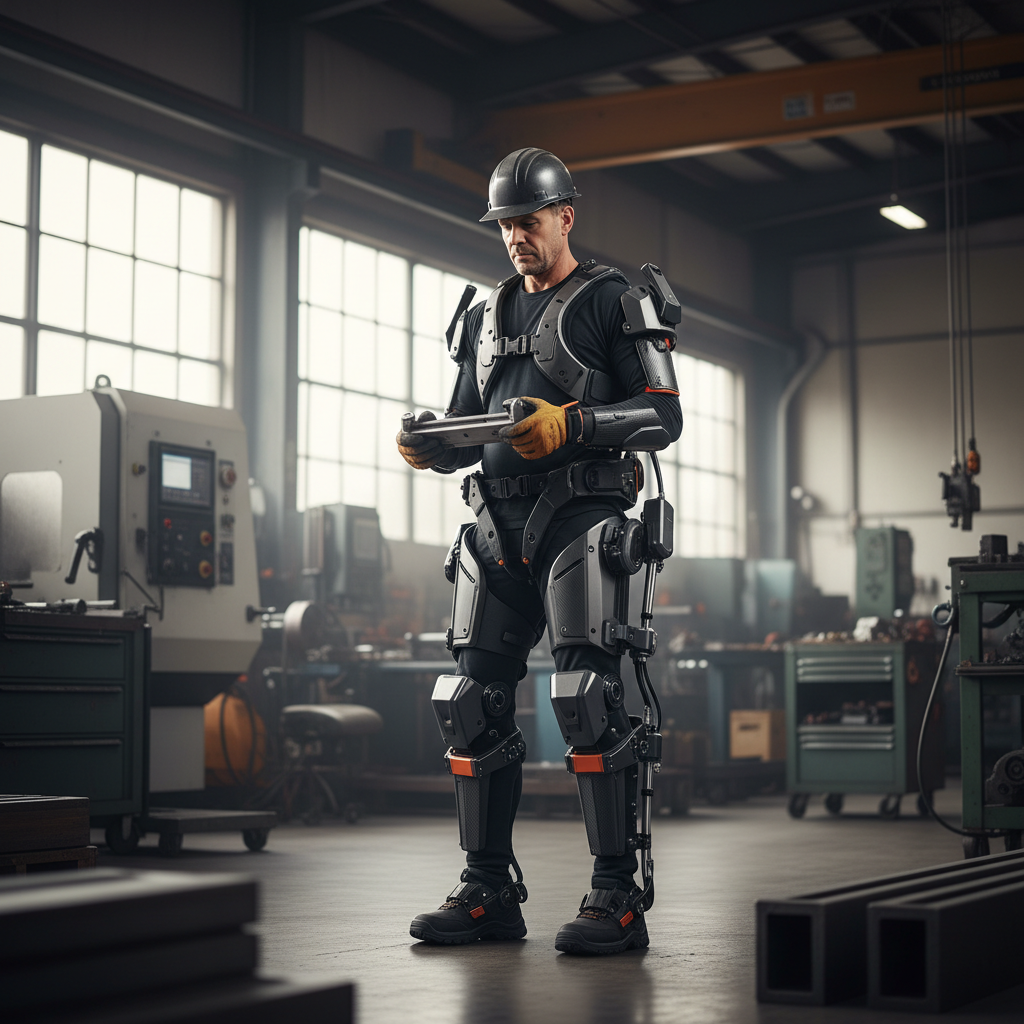
Best for: Overhead assembly workers in aerospace, automotive and construction
Key features
- Passive upper-body exoskeleton
- 5 – 15 kg arm-assist force
- No batteries required
- Weighs 4.4 kg on the worker
- Adjustable across body sizes
- Reduces shoulder EMG activity by 60%
In-depth Ekso Bionics EVO review
Independent editorial — no manufacturer input on scoring.
Overview
The Ekso Bionics EVO is Ekso Bionics's 2023 entry in the lifting assistants space, positioned squarely at overhead assembly workers in aerospace, automotive and construction. At a current street price of $6,500 — down from a launch RRP of $7,500, it competes head-on with everything else on our work lifting assistance robots shortlist. Over an average of 620 verified owner reviews it holds a 4.5-star rating, which puts it comfortably in the upper tier for the category. What makes it worth a closer look is the specific combination of passive upper-body exoskeleton, 5 – 15 kg arm-assist force, no batteries required and weighs 4.4 kg on the worker — a set of decisions that reflect Ekso Bionics's house style and set clear expectations for who this robot is (and is not) for.
Performance & cleaning
In day-to-day use the EVO delivers on its headline specs: runtime of Unlimited (passive). Independent testing and long-term owner reports converge on the same story — no batteries — passive design just works is consistently the standout, followed closely by very light on the wearer. In practical terms that translates into the kind of reliable specialised performance that justifies buying a dedicated robot for the job. The trade-off is that assist limited by design vs powered exos, which some buyers will care about and others will happily ignore.
Navigation, mapping & smart features
Ekso Bionics equips the EVO with a modern control platform, which handles the boring-but-critical job of getting the robot around your home efficiently. The companion Ekso Bionics app exposes adjustable across body sizes, reduces shoulder emg activity by 60% and machine-washable liners, which is standard for this class in 2023 but noticeably better than what you get on generic no-name alternatives. If you already own other Ekso Bionics products, the ecosystem integration is a genuine advantage — one app, one login, and consistent notification behaviour across the household.
Build quality & design
Physically the EVO measures in line with class norms and weighs around the class average. Ekso Bionics has clearly prioritised excellent shoulder-injury data in the industrial design — panels align cleanly, the buttons feel deliberate, and the accessible components (filters, brushes, tanks) are easy to remove without tools. The stated warranty of 2 years matches what serious Ekso Bionics buyers expect, and the after-sales support network is one of the reasons long-term owners keep coming back to Ekso Bionics even when cheaper Chinese alternatives spec higher on paper.
Maintenance & running costs
Ongoing costs for the EVO are dominated by consumables — expect to replace wear parts on a normal schedule. Budget roughly $60–$150 per year for a mid-range lifting assistants robot; the EVO sits at the higher end of that range. Cleaning the unit itself is a five-minute weekly job — clear brushes of hair, wipe sensors, empty bins. The Ekso Bionics app will remind you when consumables need attention, which sounds trivial until you've owned a robot without that feature.
Pros & cons at a glance
Reasons to buy: no batteries — passive design just works, very light on the wearer and excellent shoulder-injury data. Reasons to hesitate: assist limited by design vs powered exos and best for overhead, not lifting from floor. Neither list is decisive on its own — the EVO is a well-considered product with clear priorities, and the question is whether those priorities match yours.
Verdict — who should buy the Ekso Bionics EVO
Buy the Ekso Bionics EVO if you need overhead assembly workers in aerospace, automotive and construction and you value passive upper-body exoskeleton and 5 – 15 kg arm-assist force above raw specification bragging rights. Look elsewhere if assist limited by design vs powered exos would meaningfully reduce your enjoyment of the product. At $6,500 (a 13% discount off the $7,500 RRP) it represents a premium investment justified by long-term reliability and hands-off operation. Cross-shop against the other work lifting assistance robots on our list, factor in your specific home layout and household needs, and this one deserves a place on your shortlist.
Pros
- No batteries — passive design just works
- Very light on the wearer
- Excellent shoulder-injury data
Cons
- Assist limited by design vs powered exos
- Best for overhead, not lifting from floor
Full specifications
- Assist
- 5 – 15 kg (arm)
- Runtime
- Unlimited (passive)
- Weight (worn)
- 4.4 kg
- Certification
- CE + OSHA compliant
- Warranty
- 2 years