What a combo robot actually cleans well
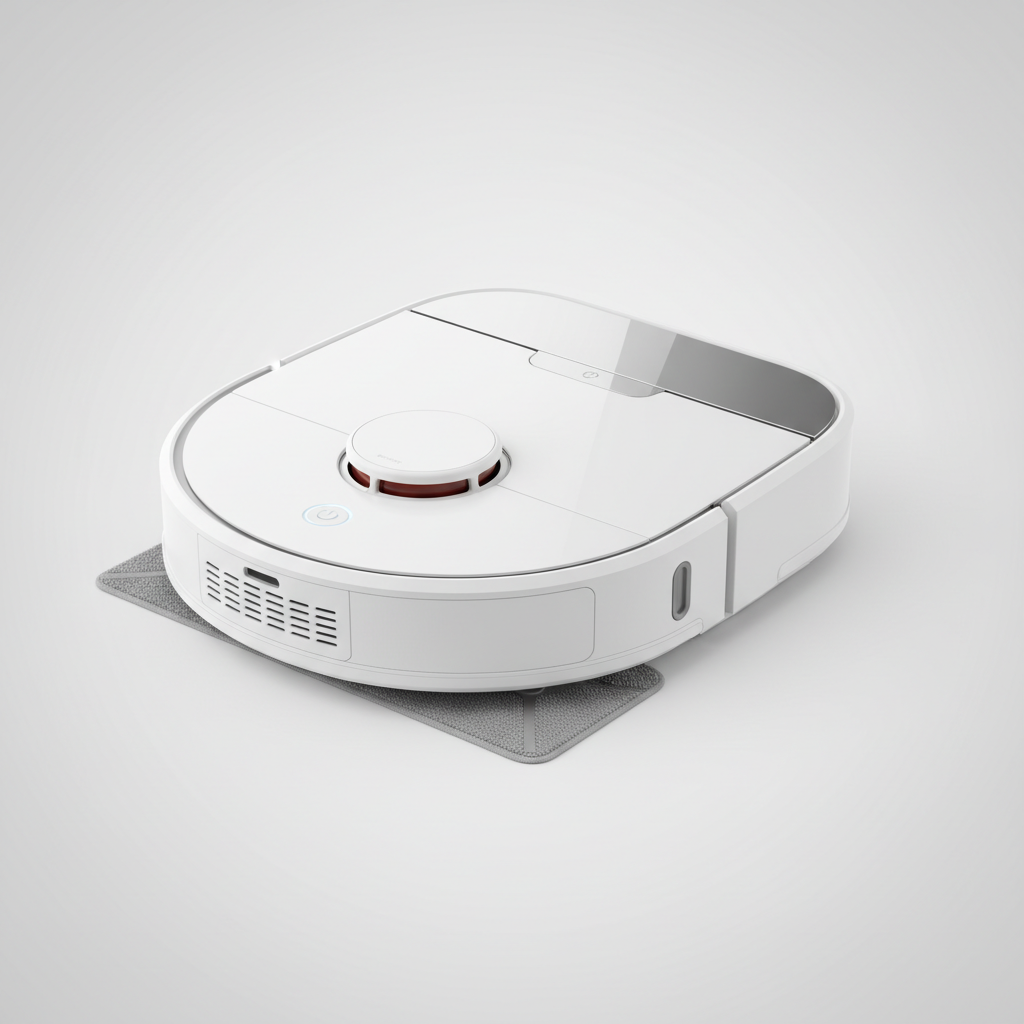
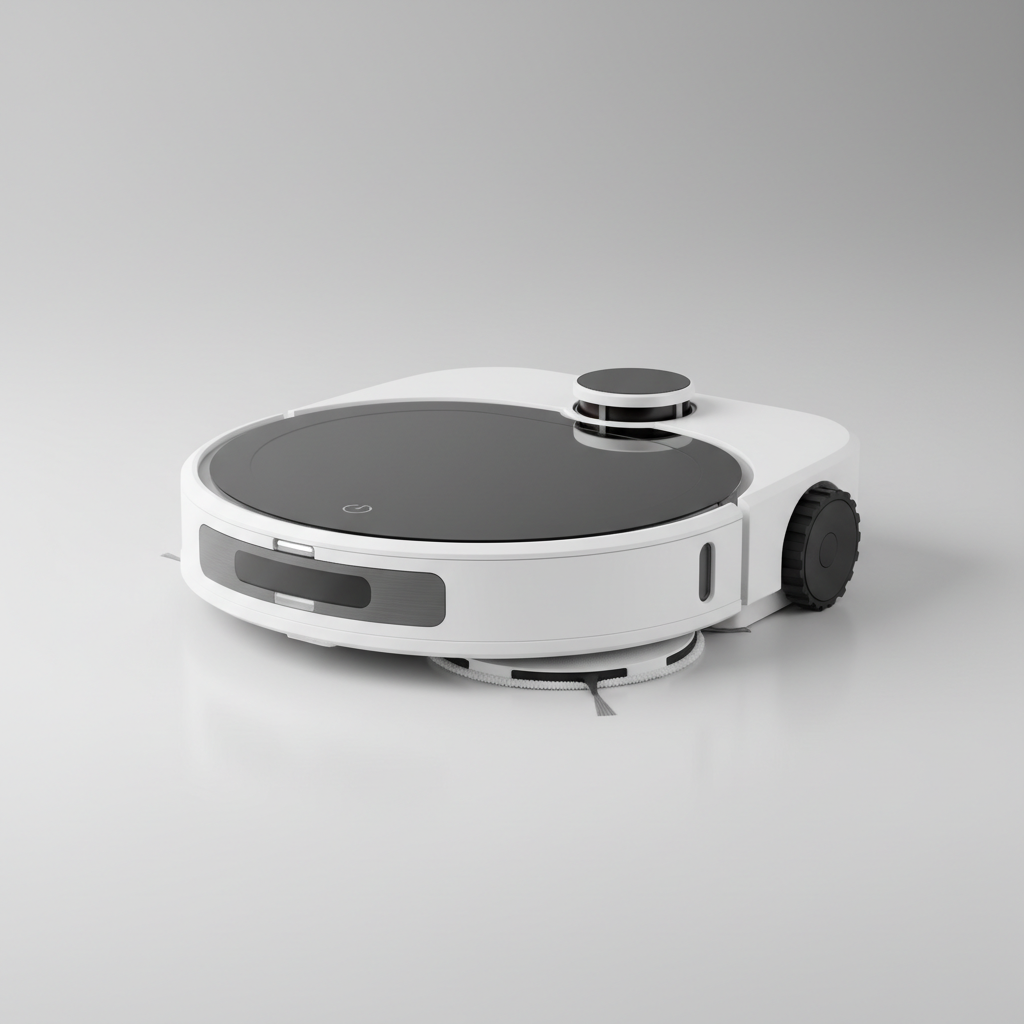
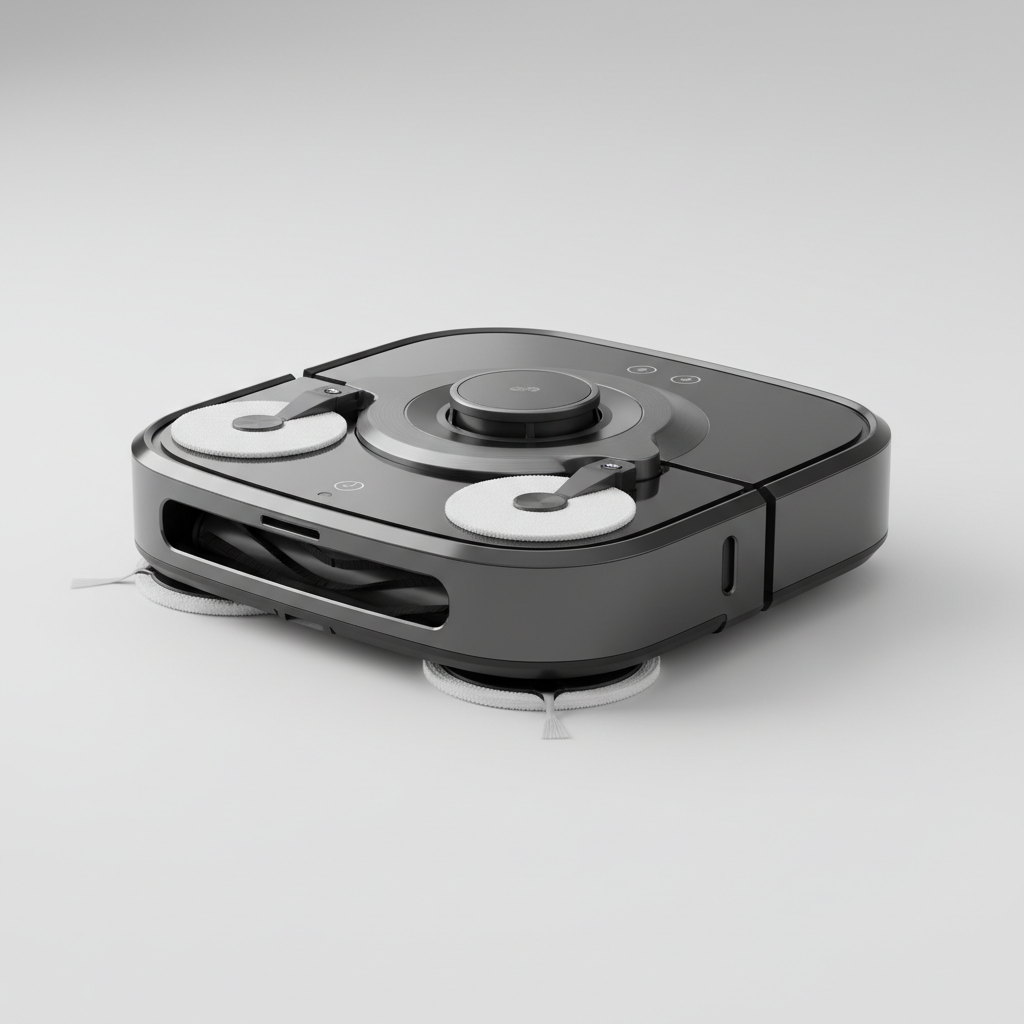
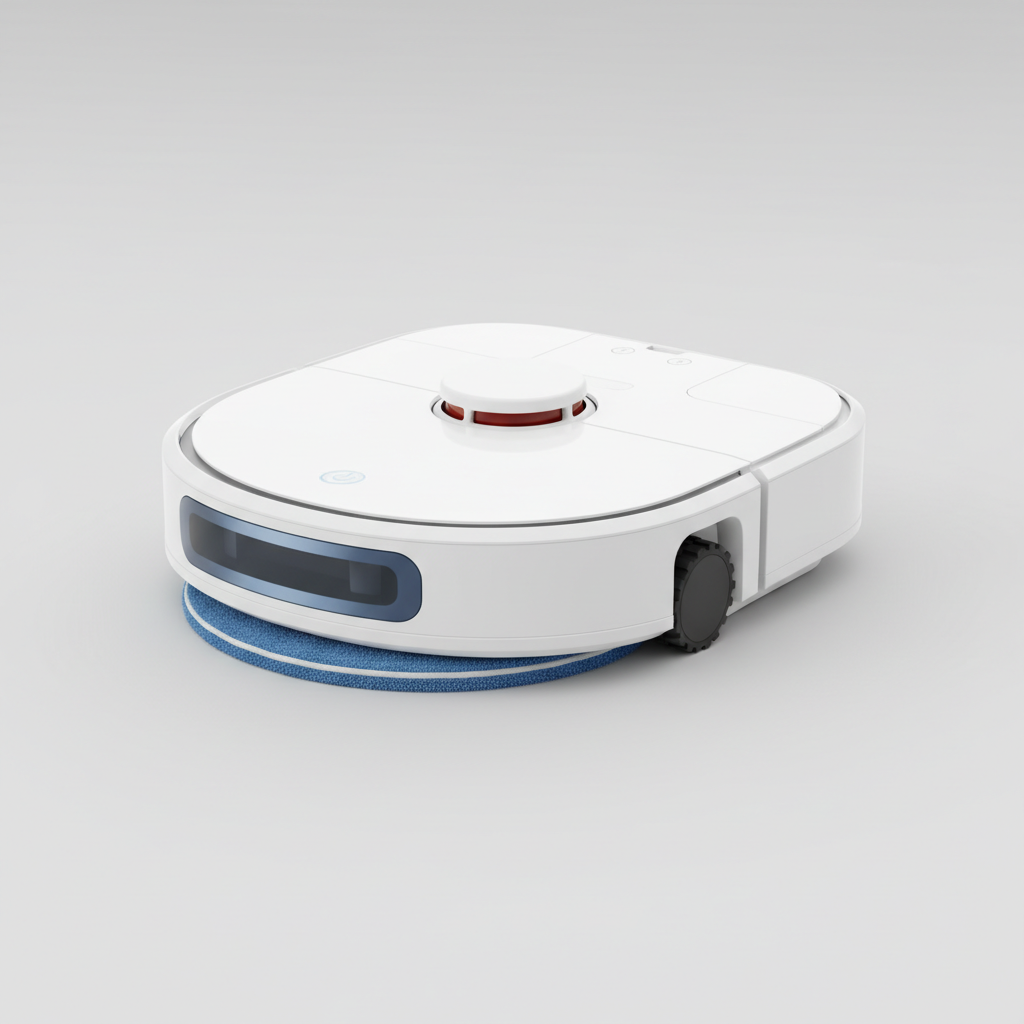
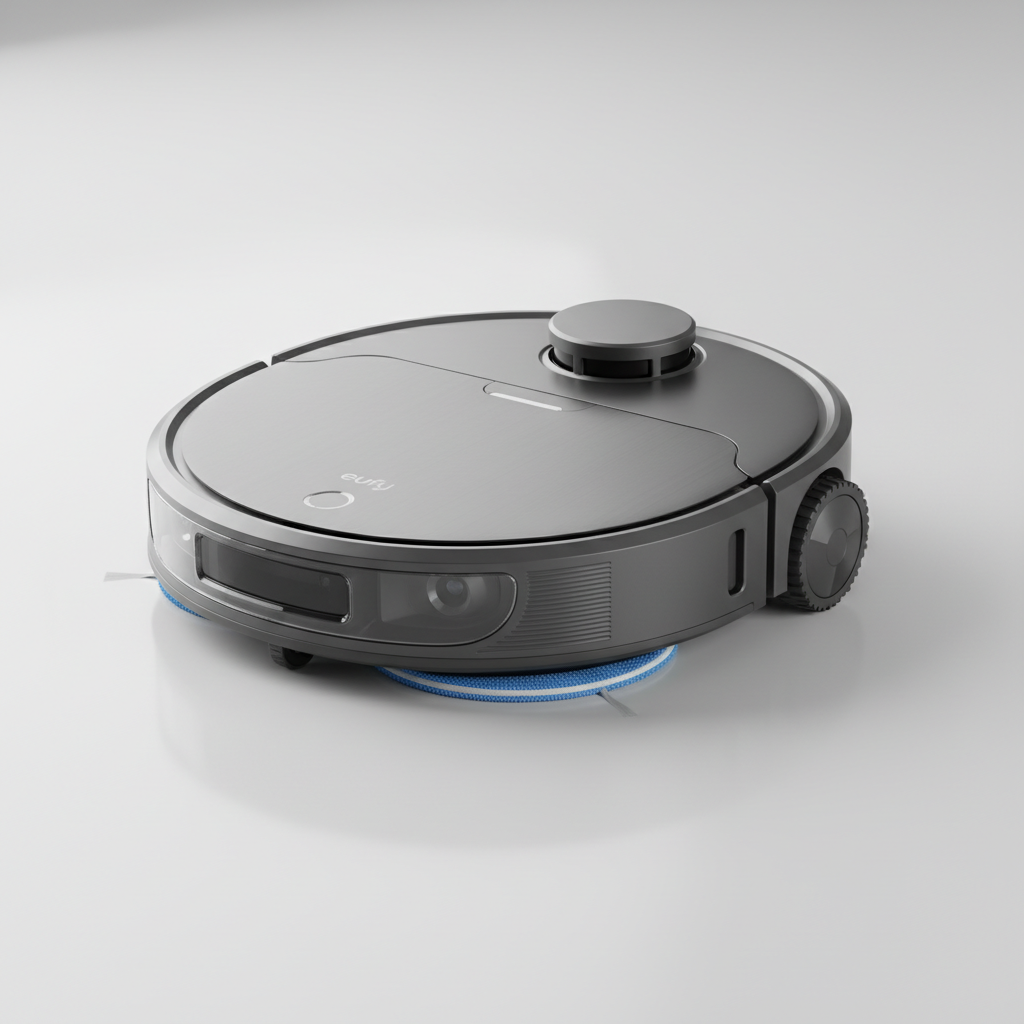
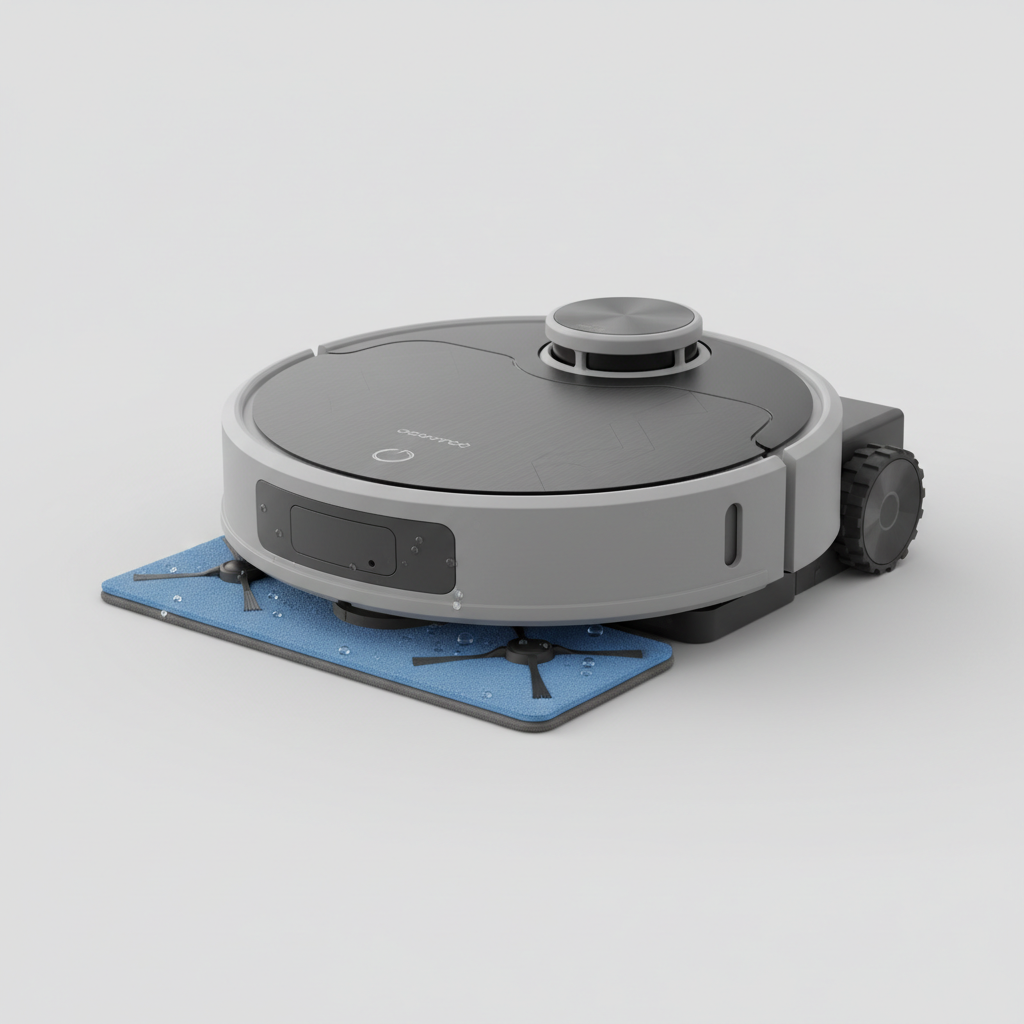
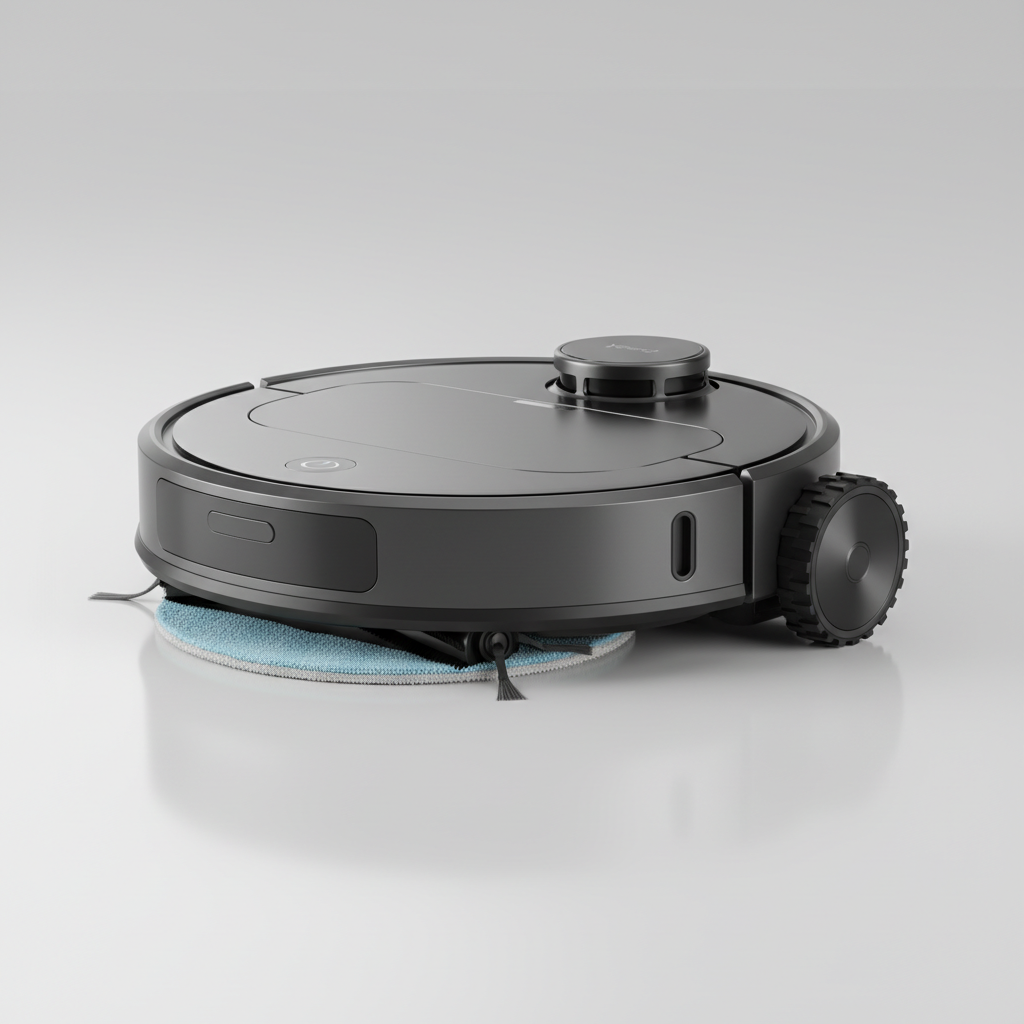
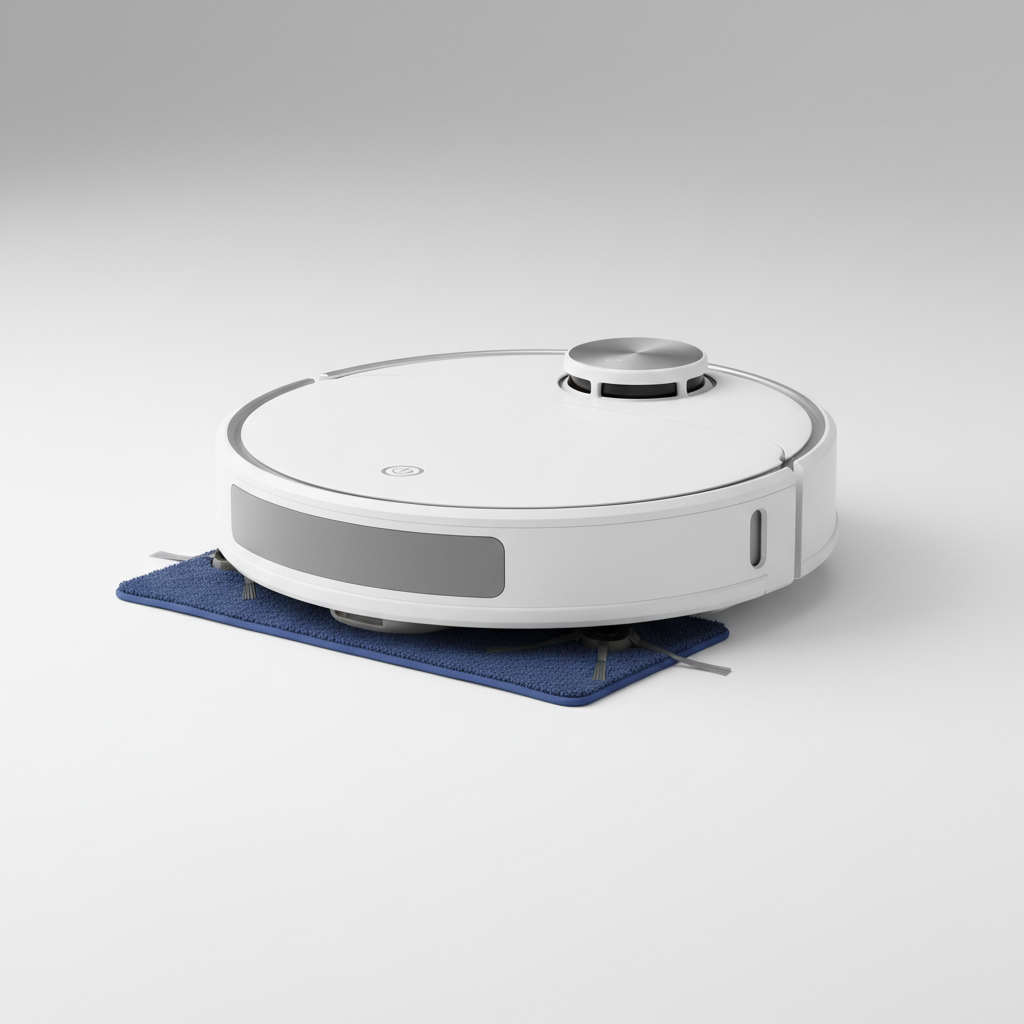
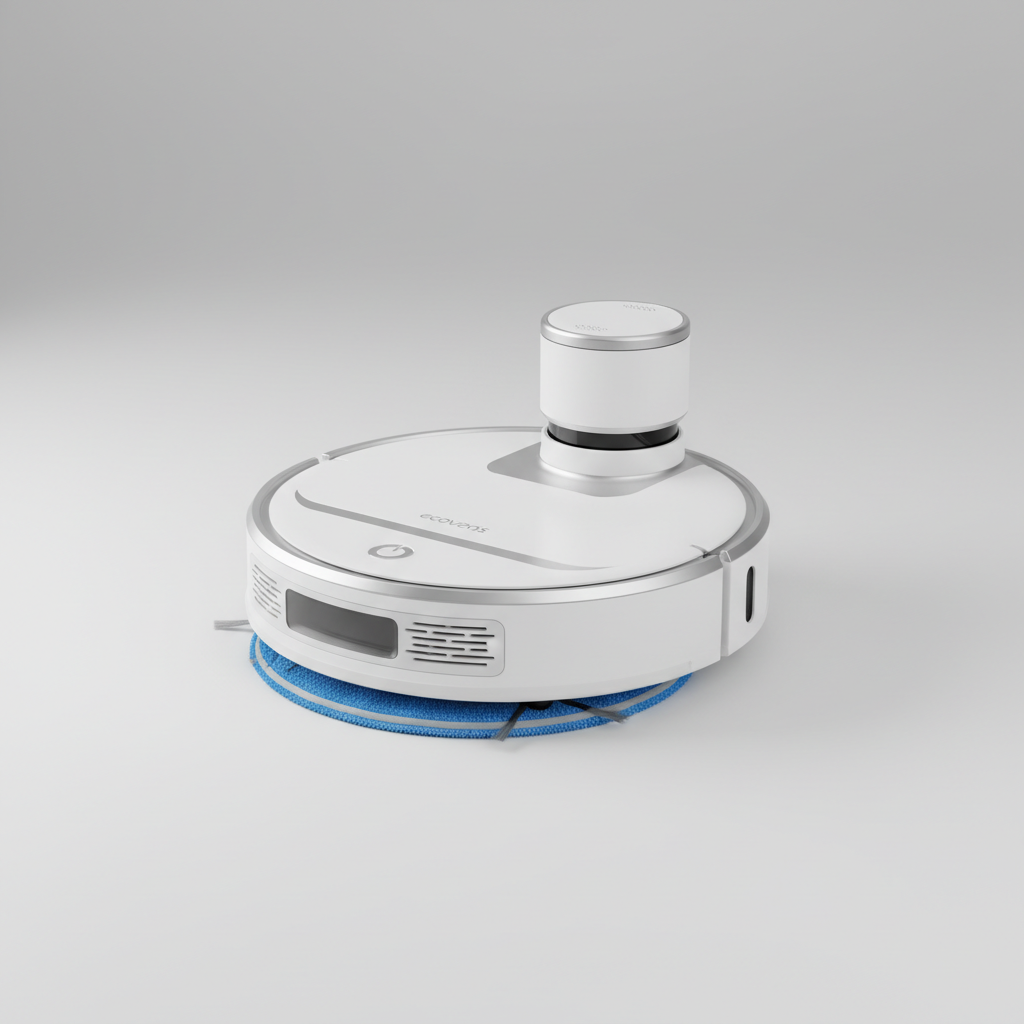
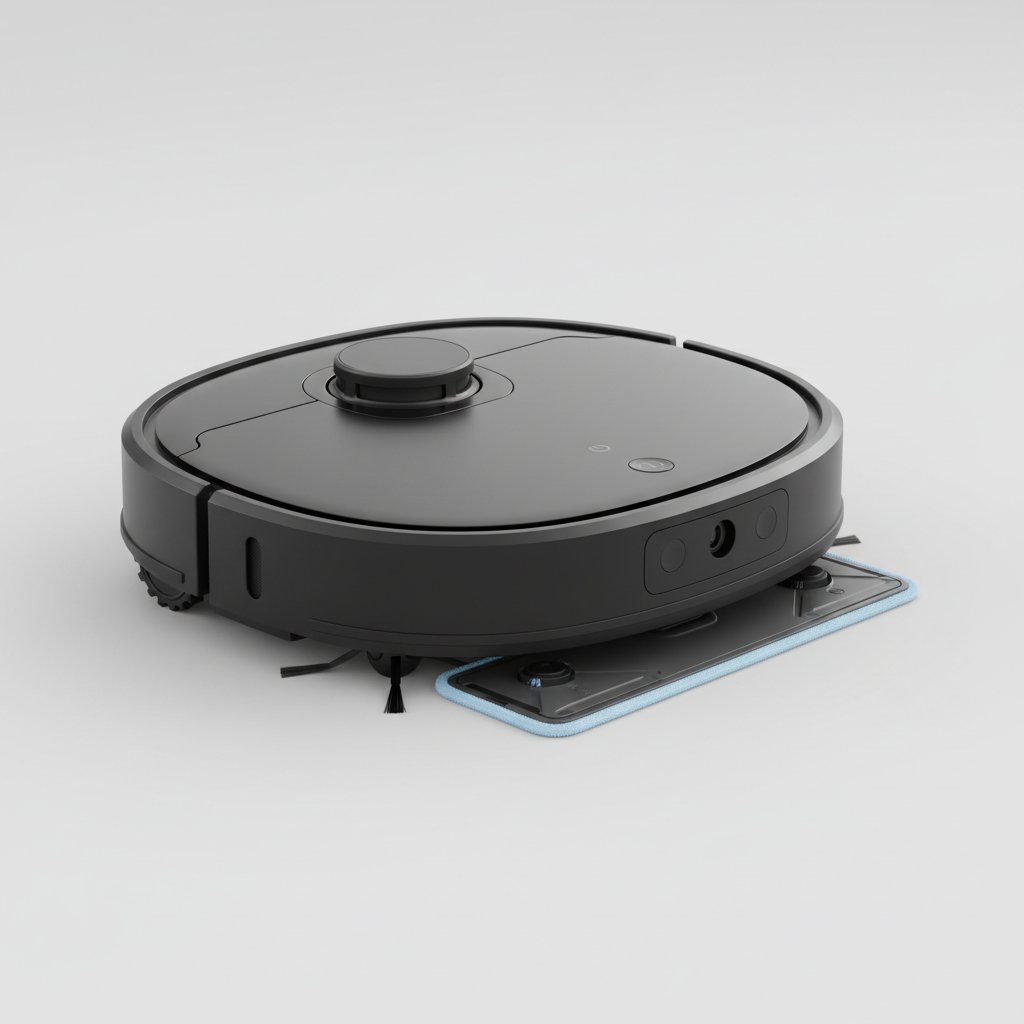
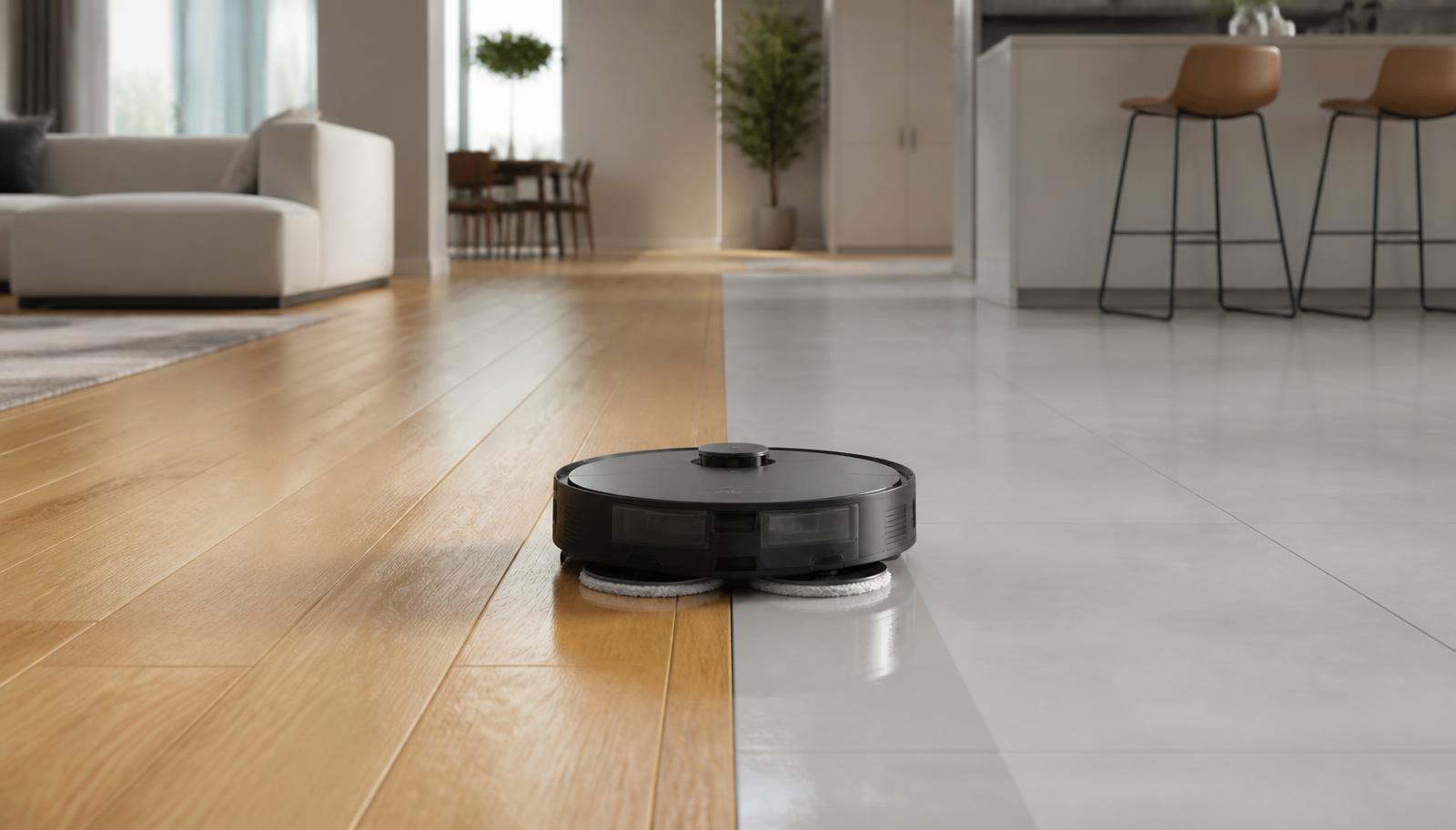
A vacuum mop combo robot performs two jobs in one pass: it vacuums dust, hair and crumbs, then wipes the floor with a damp microfibre or spinning pad to lift light surface residue such as dried spills, dust film and light grime. On sealed hard floors — tile, vinyl, sealed timber and laminate — this combination genuinely reduces the frequency of manual mopping for everyday maintenance cleaning, particularly in kitchens and entryways where light daily grime accumulates.
It is not a substitute for a proper mop-and-bucket clean when floors have sticky spills, greasy residue or ground-in dirt. The mopping pressure a robot applies is far lighter than a human pushing a mop, so it excels at maintenance between deeper cleans rather than replacing them.
Carpet handling is the biggest practical hurdle
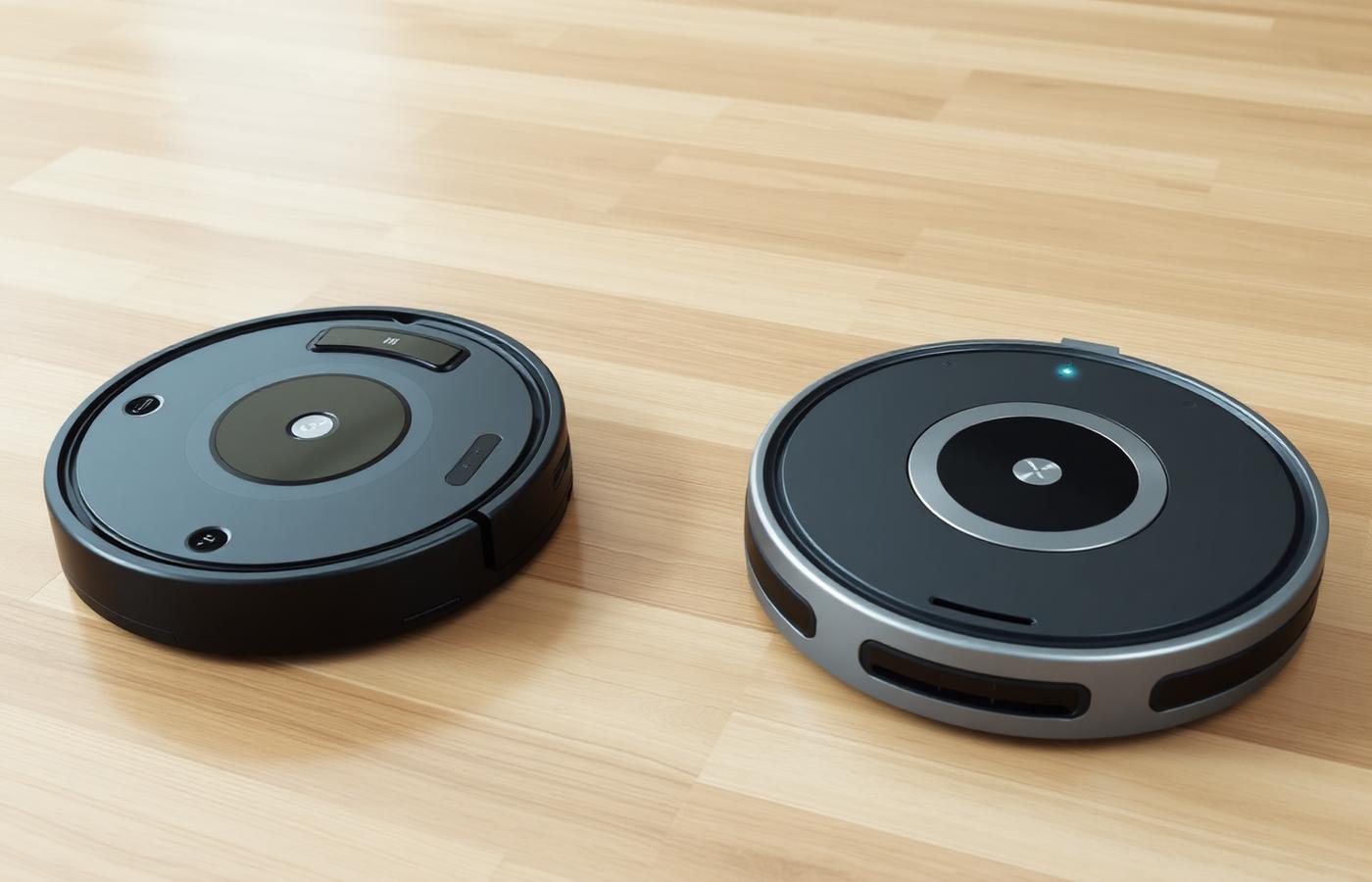
Homes with a mix of hard floor and carpet need to check how the specific model handles the transition. Better combo robots use a mechanical lift system that raises the mop pad several millimetres clear of the floor when carpet is detected, so the vacuum still runs but the pad stays dry. Cheaper models may only reduce water flow rather than lift the pad fully, which can leave faint damp marks on carpet edges over time.
If your home is majority carpet with only small hard-floor areas, a combo robot delivers less relative benefit than in an open-plan hard-floor home, and a dedicated vacuum with strong carpet suction may serve you better.
Water quality and hygiene considerations
Because the mop pad is dragged across the entire floor using the same reservoir of water, hygiene-conscious buyers should look for models with self-washing pad stations and separate clean/dirty water tanks at the dock. Basic combo robots without a washing dock will spread the same slightly dirty water across the whole floor for an entire cycle, which is fine for dust but less ideal after something like a food spill.
Regular maintenance — rinsing pads, refilling clean water, emptying dirty water tanks, and periodically descaling — is more involved than for a vacuum-only robot. Skipping this maintenance leads to mildew odour in the pads and reduced mopping effectiveness.

Cost versus buying two separate devices
Combo robots typically cost more upfront than a vacuum-only model but less than buying a separate high-end robot vacuum plus a separate robot mop. Entry-level combo units in Australia start around $400–$600 AUD, mid-range models with pad lifting and basic self-cleaning docks run $700–$1,200, and premium combo units with full auto-wash, auto-refill and hot-air drying docks reach $1,300–$2,000. These figures are approximate and move with sales cycles.
For households wanting the absolute best result on both fronts, two dedicated devices still generally outperform a combo unit, since a mop-only robot can apply more consistent wet cleaning without needing to also manage a vacuum motor and dustbin in the same chassis.