Home Assistant Robots

Smart Home Cleaning Robot Integration, Explained

A smart home cleaning robot is only as useful as the ecosystem it plugs into. Voice control, routines and cross-device automation can turn a robot vacuum into a genuinely hands-off appliance, or leave it stranded as an isolated app icon. Here is how the integrations actually work in 2026, and which promises are overstated.

Published 31 July 2026 ยท Cleaning Robots editorial team

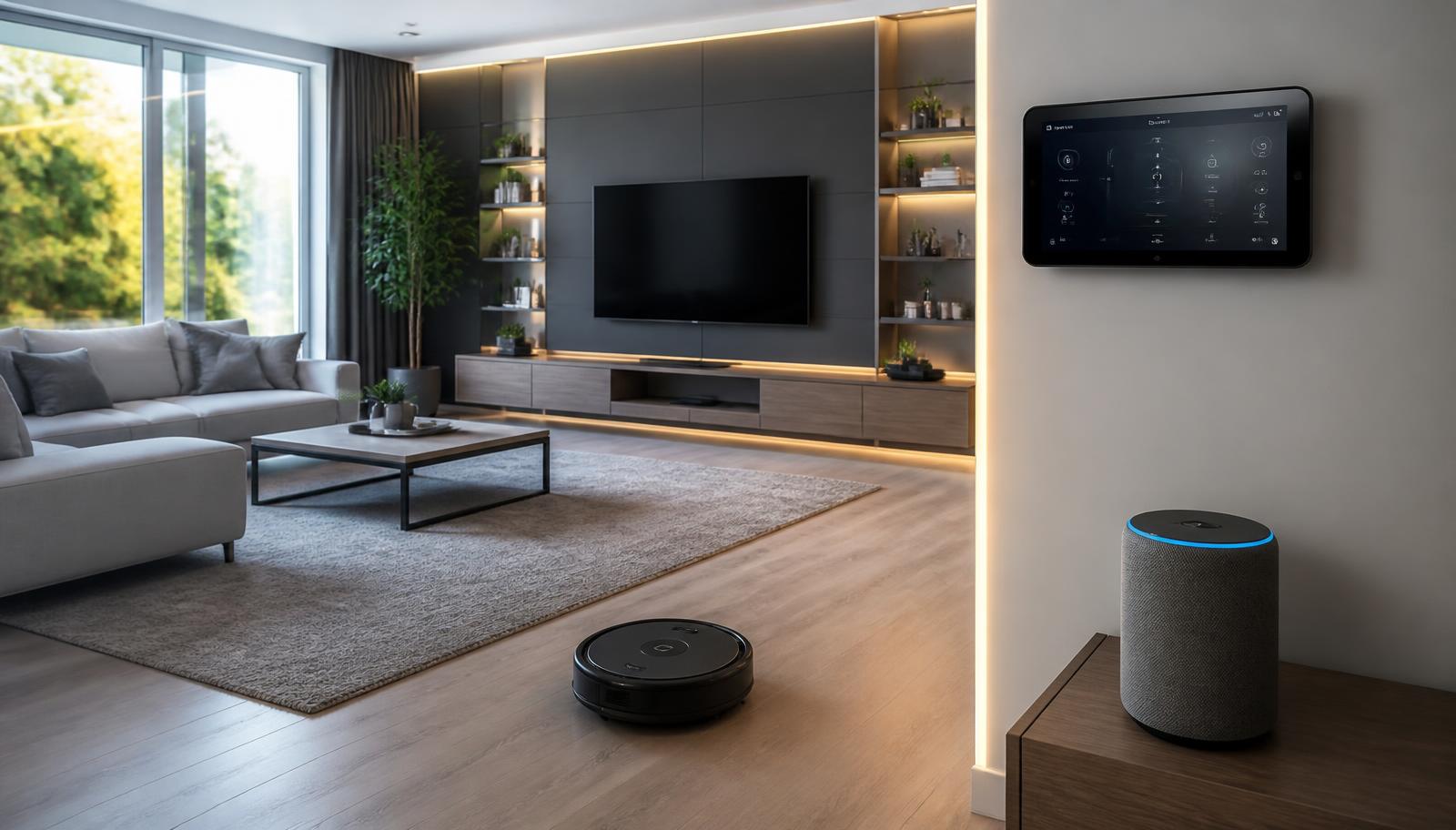
A modern smart living room with a robot vacuum docked and a wall-mounted tablet showing a home automation dashboard. Image by www.CleaningRobots.Online.
A connected robot vacuum sits alongside speakers, hubs and displays in a single automation ecosystem.
Advertisement

What smart home integration actually means for a cleaning robot

A smart home cleaning robot connects to a home network via Wi-Fi, then exposes control to a voice assistant (Amazon Alexa, Google Assistant, or Apple's Siri via HomeKit/Matter) and to automation platforms that let it act on triggers from other devices. In practice this covers three tiers of capability: basic (start, stop, dock via voice command), intermediate (room-specific cleaning, scheduling, status reporting) and advanced (automations that trigger cleaning based on other smart home events, such as starting a vacuum run when a smart lock confirms everyone has left the house).

The 2022-launched Matter standard, now supported by most major robot vacuum brands as of 2025โ€“2026 firmware, was meant to unify this landscape. In reality Matter has standardised basic start/stop/dock control well but has not yet standardised the richer room-mapping and zone-cleaning features, which still run through each brand's proprietary cloud API and app.
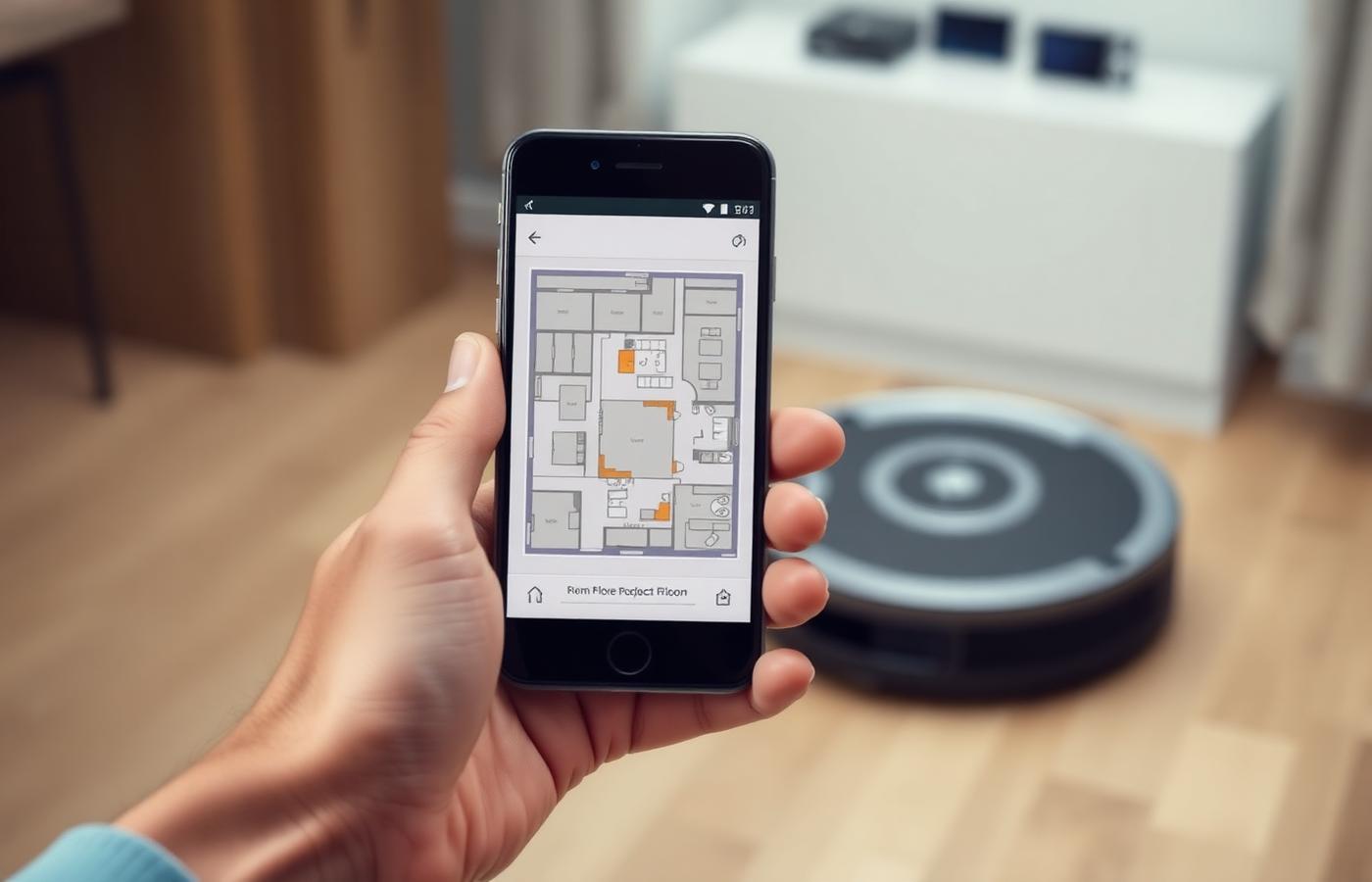
A smartphone screen showing a home automation app with a floor map and cleaning schedule, robot vacuum cleaning in the background. Image by www.CleaningRobots.Online.
Room-level maps let a smart home routine target specific zones rather than the whole floor.

Voice assistants: what works and what doesn't

Alexa and Google Assistant both support basic commands โ€” 'start cleaning', 'send the vacuum to dock', 'pause' โ€” reliably across nearly all connected robots from mid-range up. Room-specific voice commands ('clean the kitchen') require the brand's own skill or action to be linked and a robot that has already built and named a room map; this works well on LiDAR-equipped robots and is unreliable or unsupported on cheaper gyroscope/camera-only models that lack persistent room maps.

Apple HomeKit support is more fragmented. Robots with genuine HomeKit or Matter certification appear in the Home app and Siri; a much larger number only offer a HomeKit bridge through a third-party hub or no support at all, so confirm certification explicitly rather than assuming any Wi-Fi robot will show up in Apple's Home app.
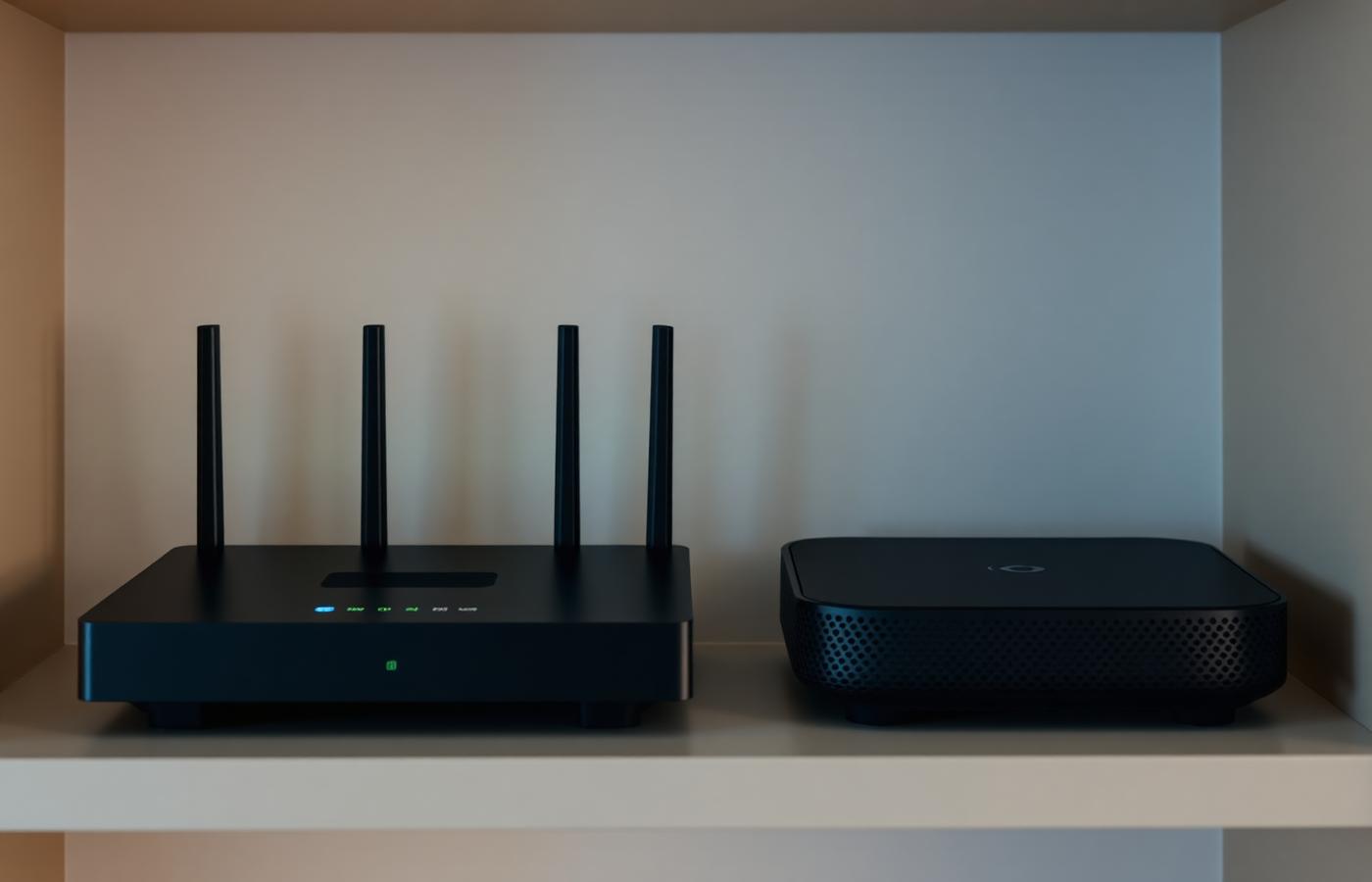
A smart home hub device on a kitchen counter with a robot vacuum passing by on the tile floor. Image by www.CleaningRobots.Online.
A local hub or Matter controller reduces reliance on cloud round-trips for basic commands.

Building useful automations

The most reliable automation pattern is presence-based: trigger a clean when a smart lock or geofencing app confirms the last person has left, and pause automatically if a smart lock or motion sensor detects someone has returned, since most robots interpret an open door or detected pet as a reason to stop rather than risk collision. This single automation removes the need to remember to run the robot at all and is supported by IFTTT or native routines on most major platforms.

A second common pattern links a robot vacuum to an air quality or smart vacuum-adjacent sensor: some households trigger an extra clean cycle when a connected air-quality monitor reports elevated dust or pollen readings. This is a genuinely useful but niche automation, and depends on both devices supporting a shared automation platform such as Google Home routines, Alexa routines or Home Assistant.
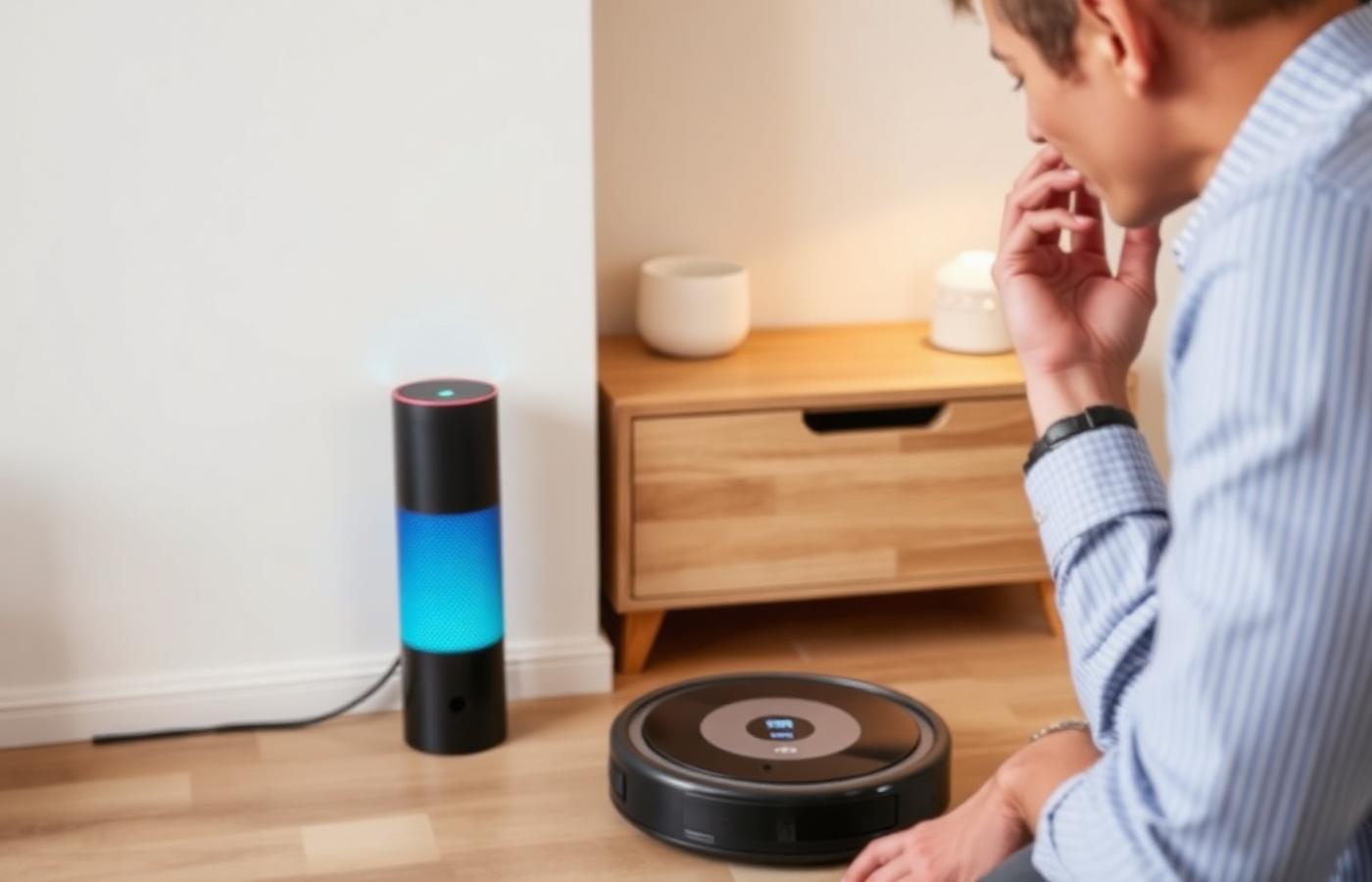
A person speaking to a smart speaker in a bright kitchen while a robot vacuum starts cleaning nearby. Image by www.CleaningRobots.Online.
Voice commands are the most common way owners actually trigger a clean day to day.

Local control, privacy and reliability trade-offs

Nearly every mainstream cleaning robot still routes voice and app commands through the manufacturer's cloud rather than working purely on the local network, which means a robot can become uncontrollable during a cloud outage even though it is sitting three metres from the router. Home Assistant, the open-source automation platform, has become the most reliable workaround: community-maintained integrations for most major robot vacuum brands allow local network control that keeps working when the manufacturer's servers do not, though setup requires more technical comfort than the brand's own app.

On privacy, room maps and cleaning history are typically stored on the manufacturer's servers by default. Most brands now offer an option to disable cloud map storage or delete history after each cycle; this is worth checking in settings rather than assuming, since defaults vary significantly between brands and firmware versions.

Getting integration right the first time

Before buying, confirm three things directly against the current spec sheet rather than marketing copy: Matter or HomeKit certification if using an Apple-based smart home, whether the brand's Alexa/Google skill supports room-specific commands (not just start/stop), and whether a Home Assistant integration exists if local control matters. All three vary between models from the same brand, not just between brands.

Once set up, keep the robot's firmware current โ€” voice and automation compatibility is frequently added or fixed via firmware updates rather than being present at launch โ€” and test automations with the household present the first few times, since a robot triggered by a false-positive 'nobody home' reading in an empty house is a nuisance rather than a convenience if it happens while a guest or pet is present.
Frequently asked questions

Does Matter mean any cleaning robot works with any smart home system?
Not yet for advanced features. Matter has standardised basic start, stop and dock commands across ecosystems, but room-specific cleaning and mapping still depend on the manufacturer's own app and voice-assistant skill.
Can I control my robot vacuum without an internet connection?
Only on a limited number of models with genuine local-network protocols, or via a Home Assistant integration built for local control. Most cloud-dependent robots will not respond to voice or app commands during an internet outage.
Will my robot vacuum work with Apple HomeKit?
Only if it is explicitly HomeKit or Matter certified โ€” check the current spec sheet rather than assuming, since many Wi-Fi robots support Alexa and Google Assistant but not Apple's ecosystem.
Is it safe to let a robot vacuum trigger automatically when I leave home?
Generally yes, provided the automation also checks for pets or other household members remaining, since most robots will pause for detected obstacles but a poorly configured trigger can still start a cycle at an inconvenient moment.
Do smart home integrations affect battery life or cleaning performance?
No โ€” voice and automation control simply send the same start/stop/schedule commands the app does. They have no measurable effect on suction, runtime or navigation quality.
Advertisement

All our Home Assistant Robots โ€” 10 models reviewed

Every model we cover in this category, ranked with specs, pricing and honest pros and cons.

See the full Home Assistant Robots category

Related robot categories

Read our other Full Feature Articles

Outdoor Cleaning RobotsThe Robot Pool Cleaner Buying Guide: What Actually MattersCordless vs Corded Robot Pool Cleaners: Which Suits Your PoolSolar Pool Skimmer Robots: What They Do and Their LimitsLiDAR vs vSLAMRobot Lawn Mowers Without Boundary Wire: How They NavigateSelf-emptying robot vacuum systems explainedRobot mops for hard floorsThe Robot Vacuum Buying Guide: What Actually Matters in 2026Are Vacuum Mop Combo Robots Worth It in 2026?Self Cleaning Litter BoxThe Best Robot Vacuum for Pet Hair in a Shedding HouseholdThe Robot Window Cleaner Guide: How They Work and Who Needs OneThe Grill Cleaning Robot Guide: How They Work and What They CostHome Assistant Robots for Elder Care: A Practical GuideChoosing a Robot Mower for Slopes and Large LawnsSecurity Patrol Robots for Home and Business: What to KnowHow a flying delivery drone actually gets a parcel to your doorDrone Delivery Regulations Worldwide: A Country-by-Country OverviewHow a Food Delivery Robot Gets Your Order to Your DoorCommercial Floor Scrubbing Robots: What They Cost and How They WorkWarehouse Lifting Robots: Cutting Manual Handling Injuries on the FloorWorkplace Safety RobotsThe Complete Robot Vacuum Maintenance ChecklistThe Real Cost of Cleaning Robots, Beyond the Sticker PriceGutter Cleaning Robots Explained: How They Work, What They CostThe Best Gutter Cleaning Robot for 2026: A Buyer's ShortlistiRobot Looj Alternatives: What to Use Now for Gutter CleaningOutdoor Sweeper Robots: Keeping Driveways and Paths Clear Automatically

30 full feature articles published ยท browse them all