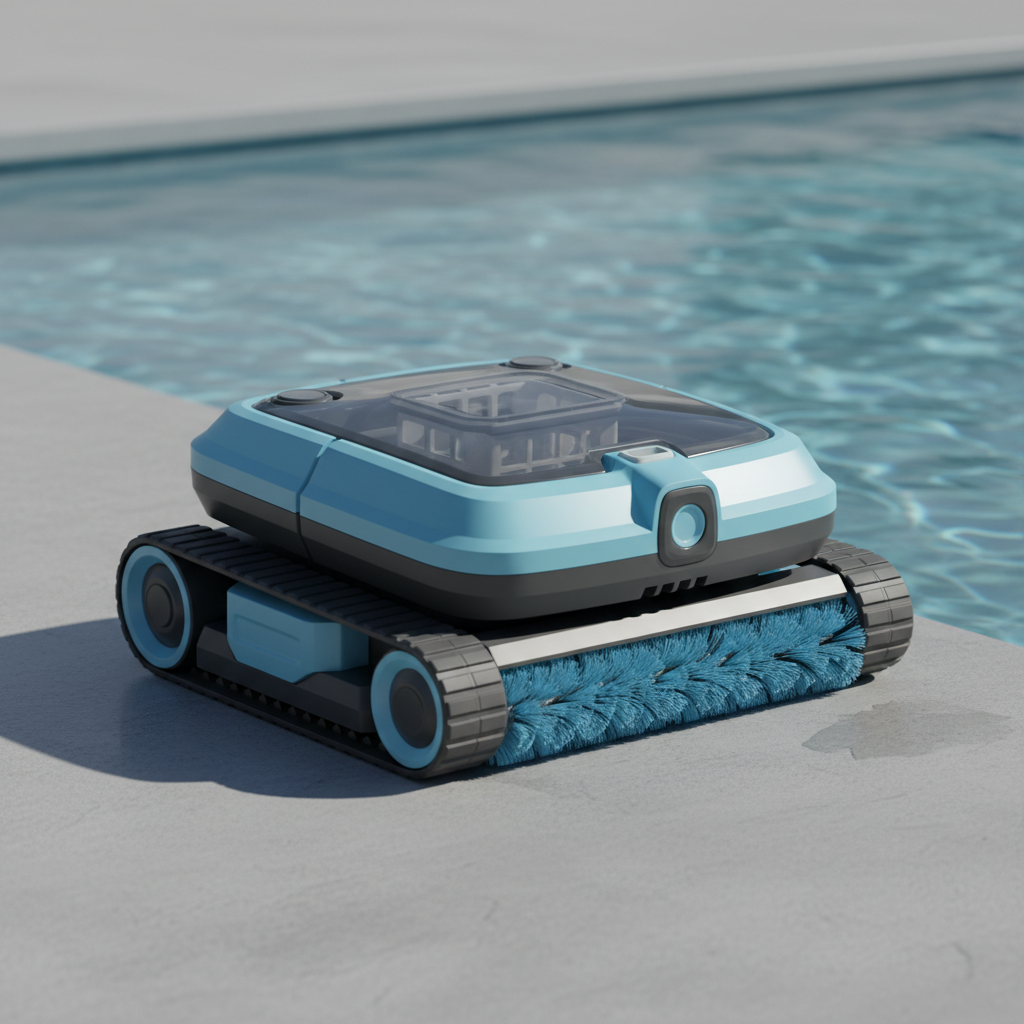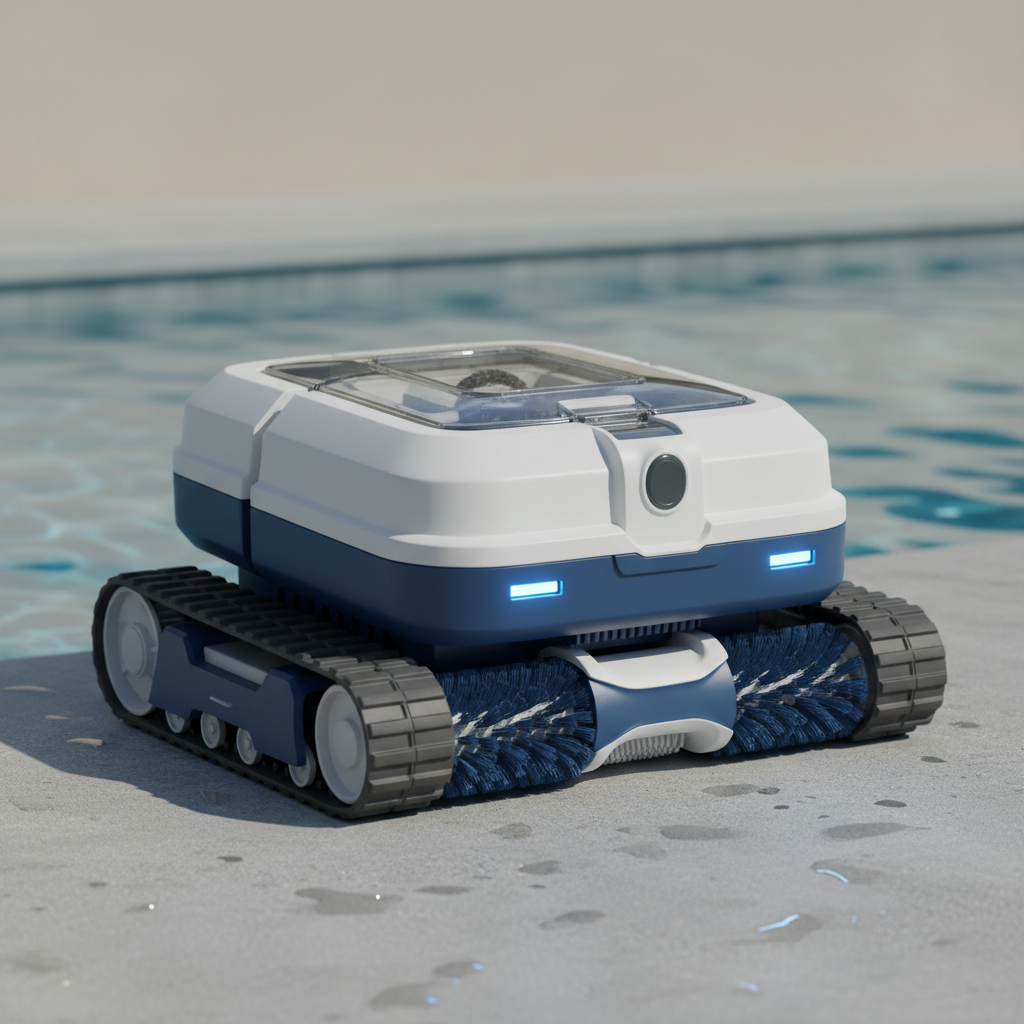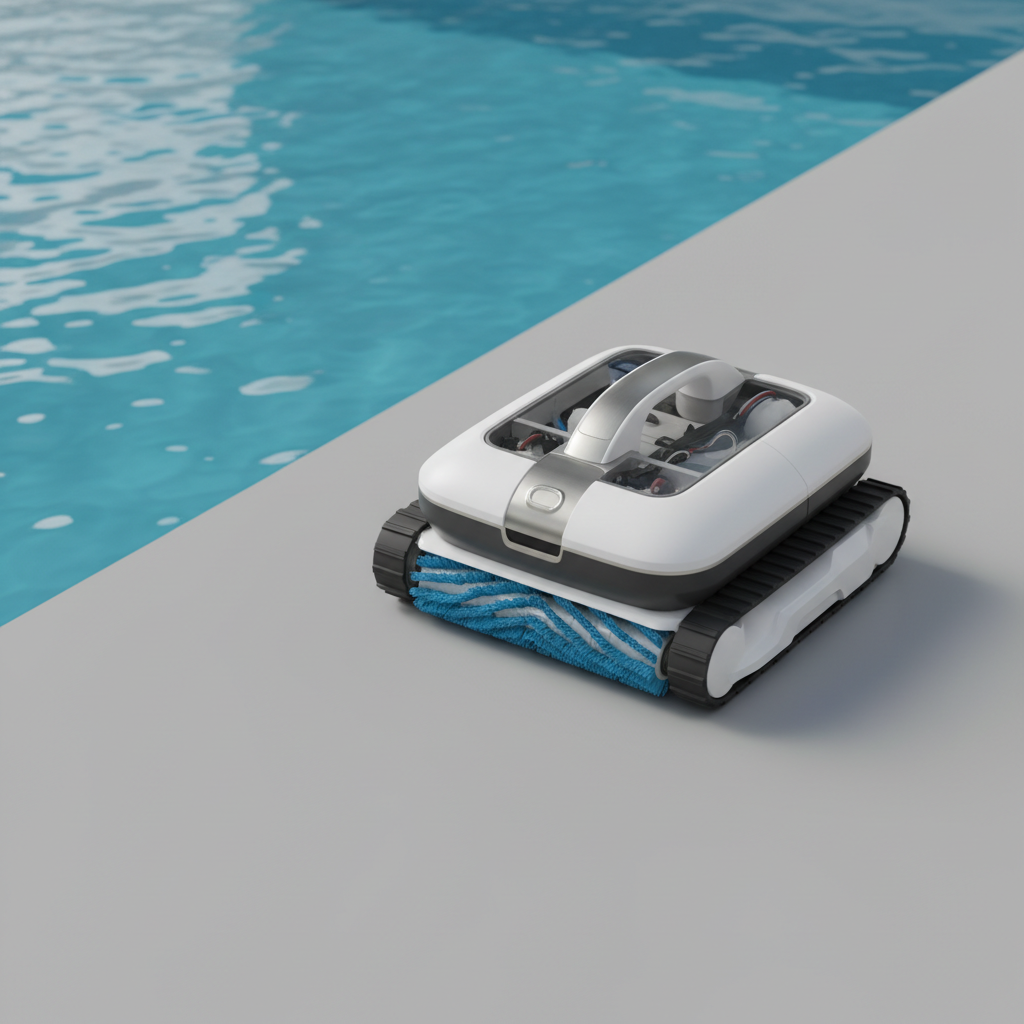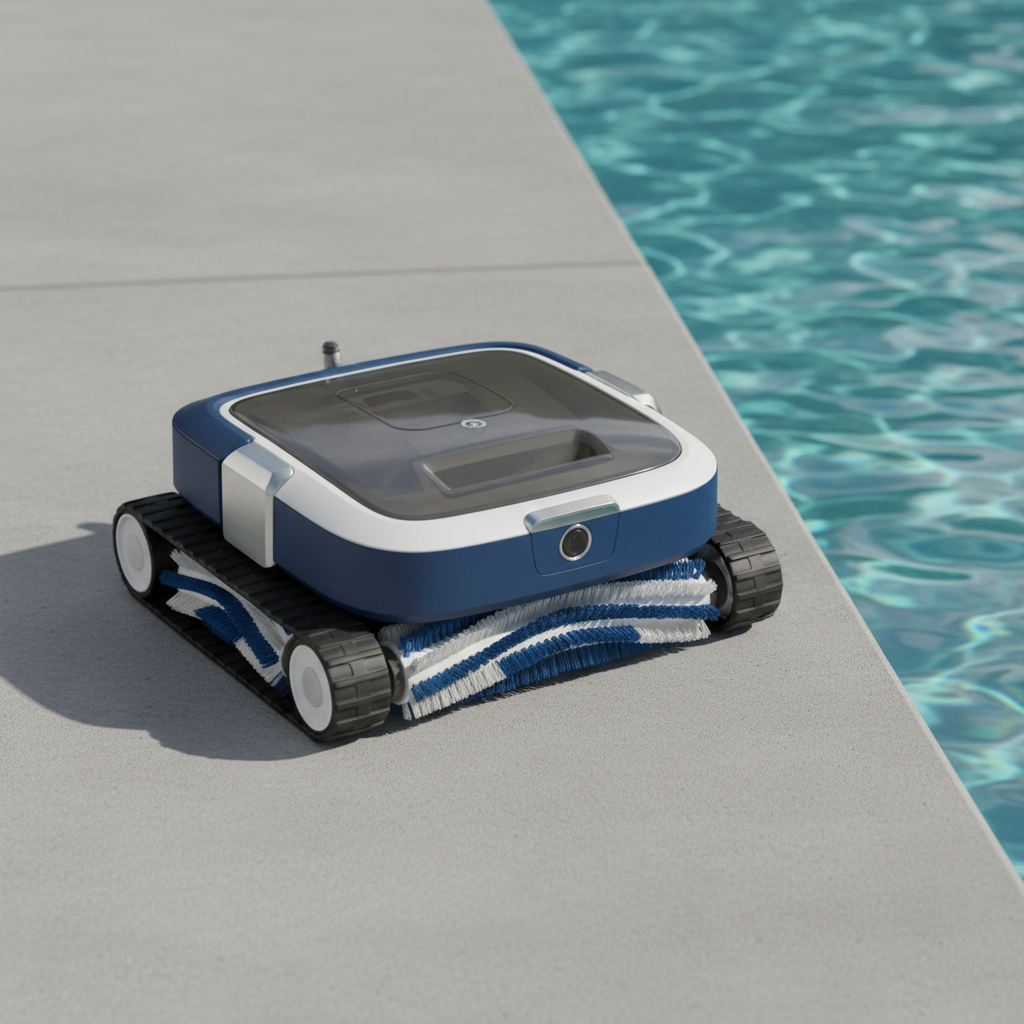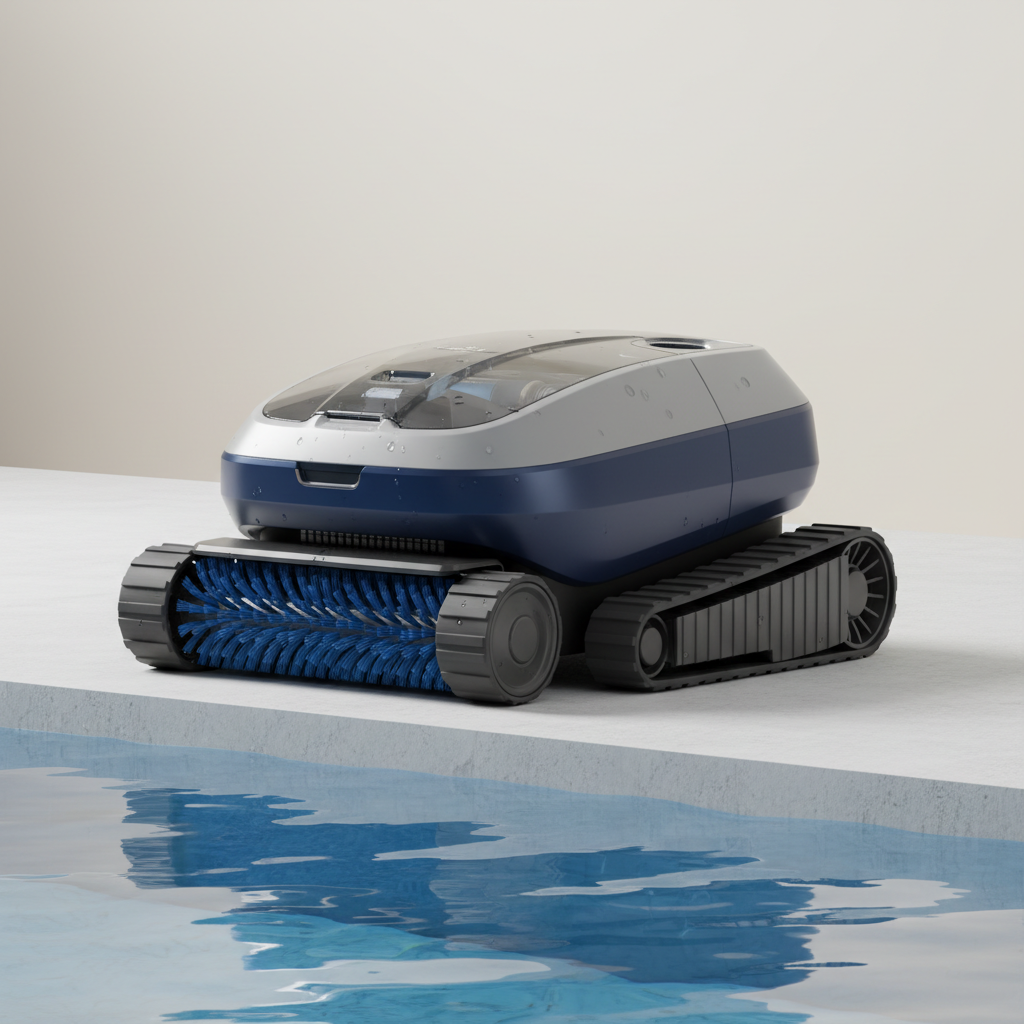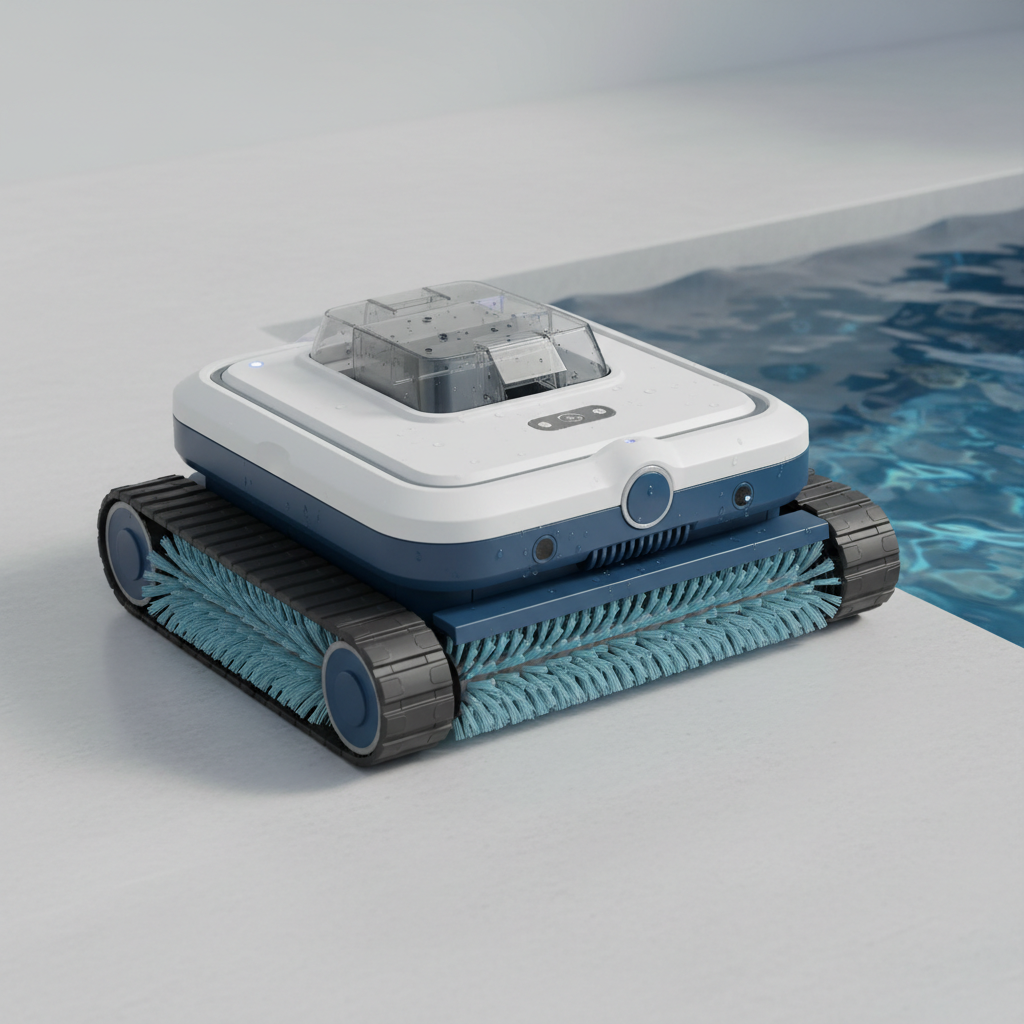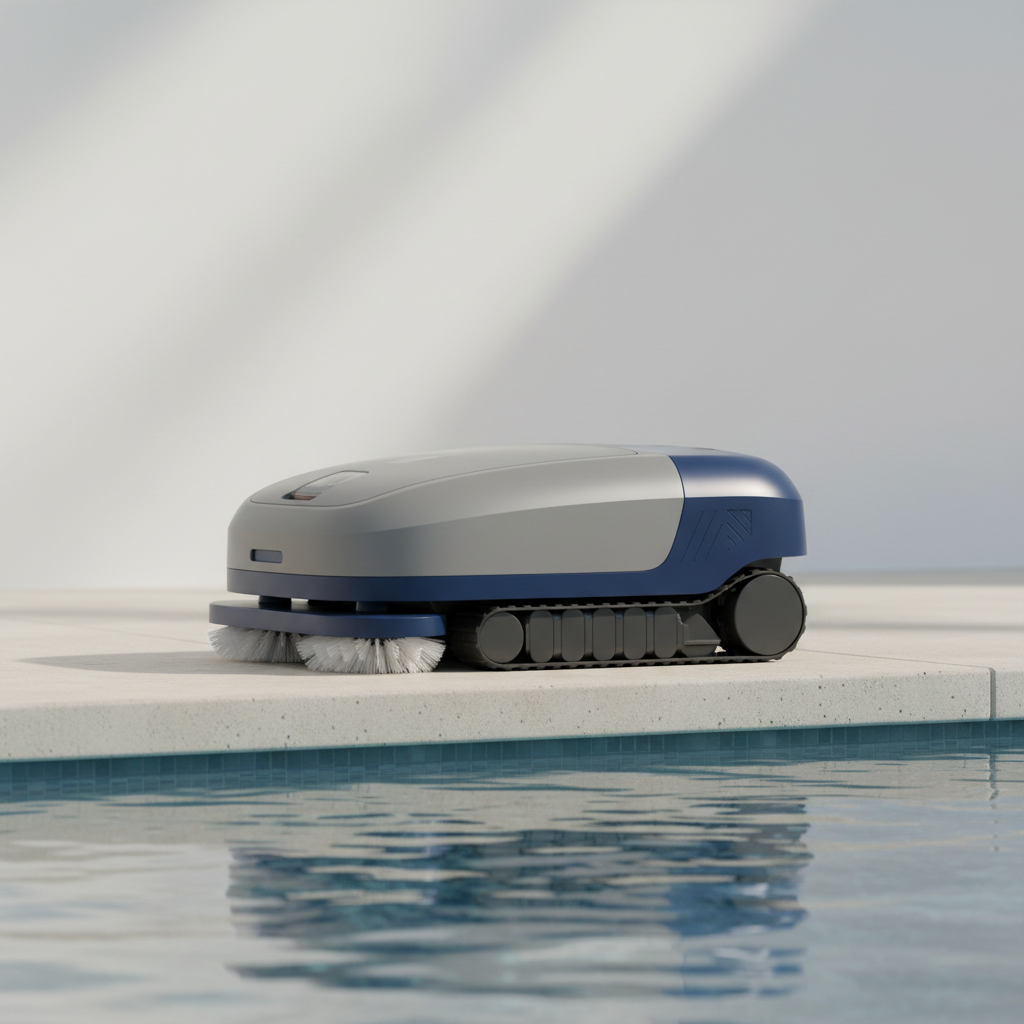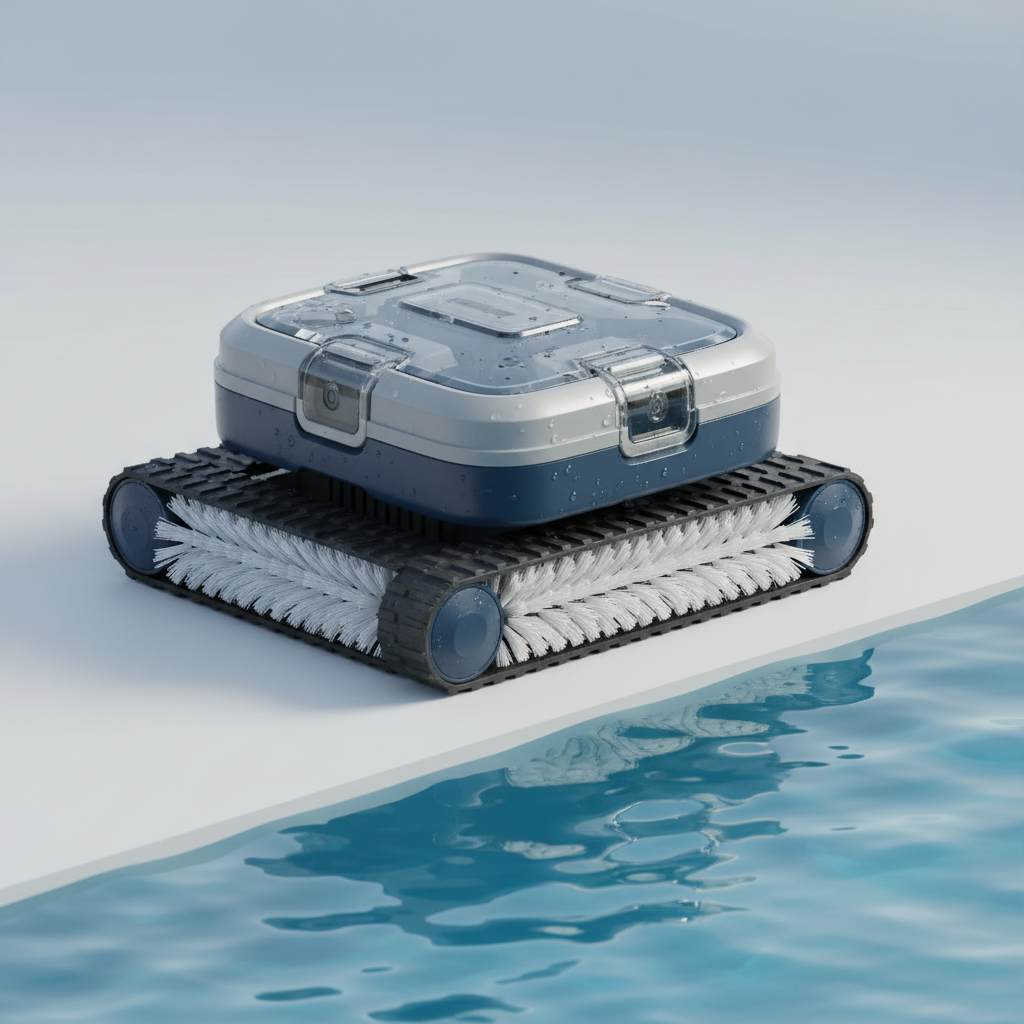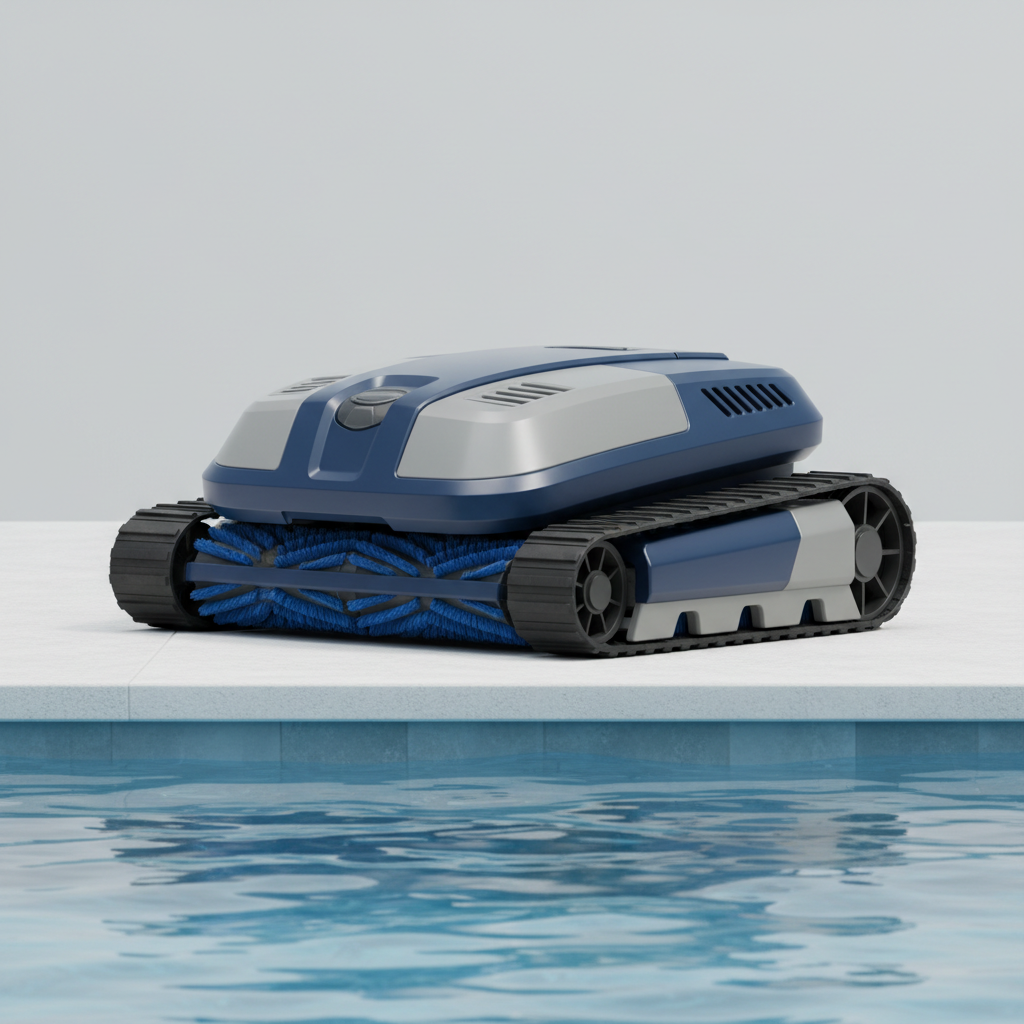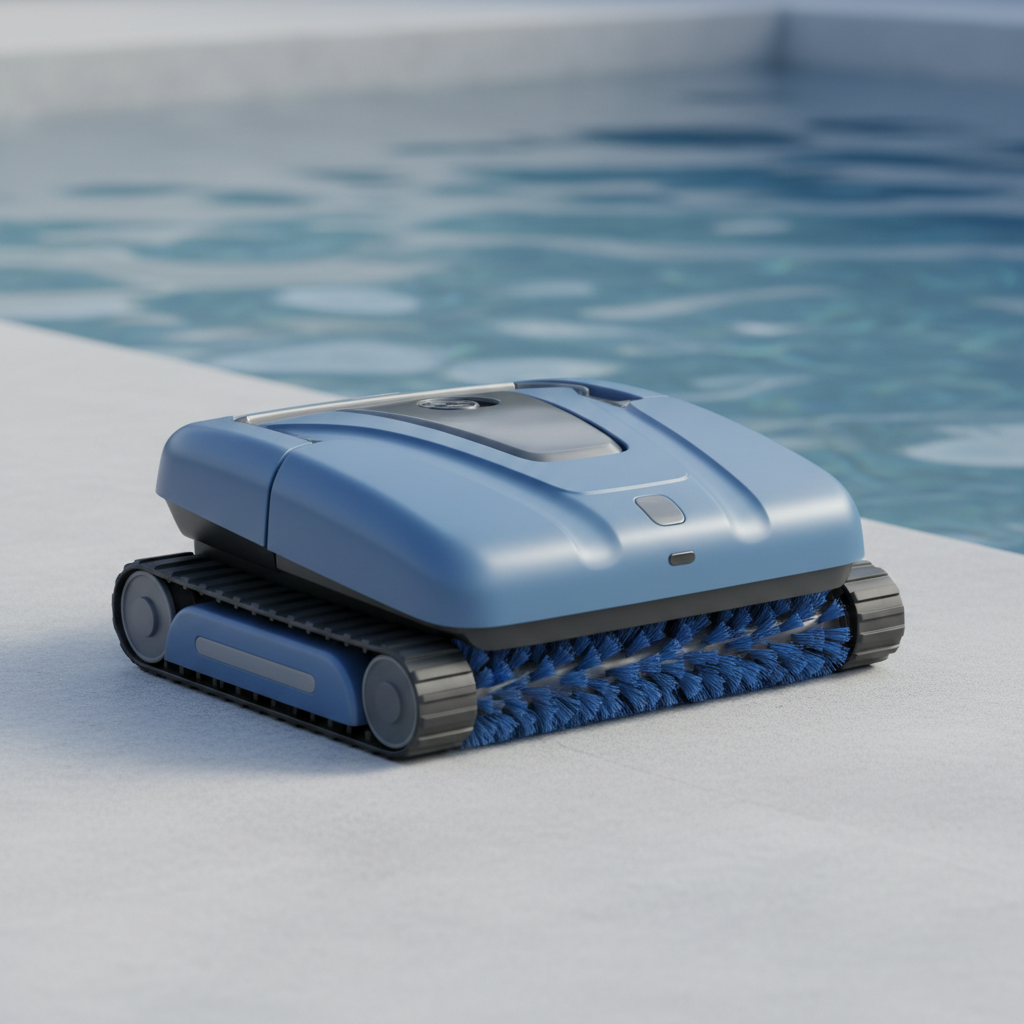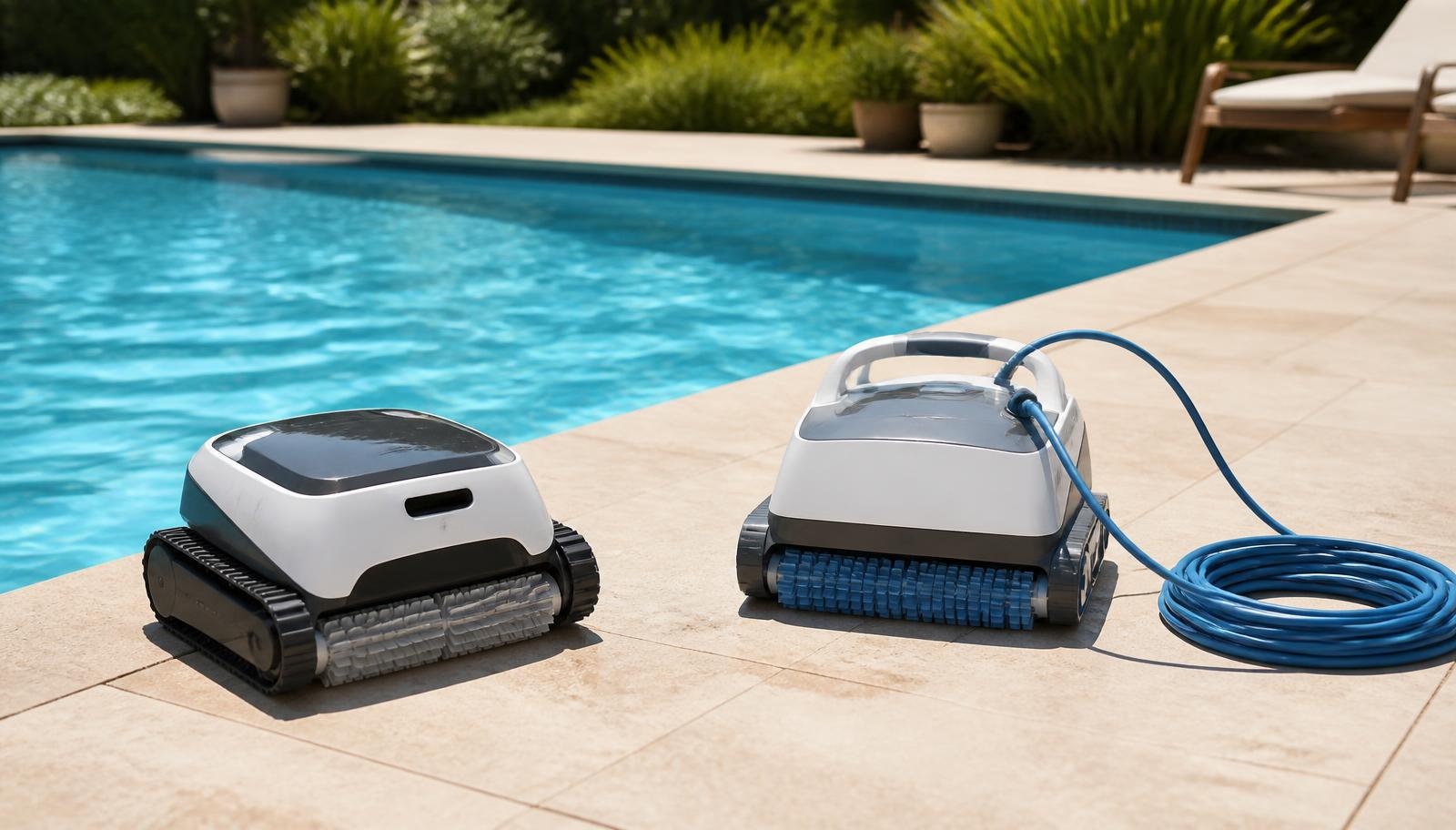
How the two designs differ
A corded robot pool cleaner is powered continuously through a cable running from a transformer on the pool deck, converting mains power to a safe low voltage for underwater use. A cordless robot pool cleaner instead runs on a rechargeable battery, usually lithium-ion, sized to complete one or more full cleaning cycles before needing to be recharged on a dock or via a charging cable when out of the water. Neither design uses mains voltage directly in the pool, so both are broadly similarly safe when used as intended.
The core trade-off is straightforward: corded units offer effectively unlimited runtime for as long as the cable allows access, while cordless units offer freedom of movement and no tangling risk, at the cost of a finite runtime per charge, typically 60 to 120 minutes depending on the model and battery size.
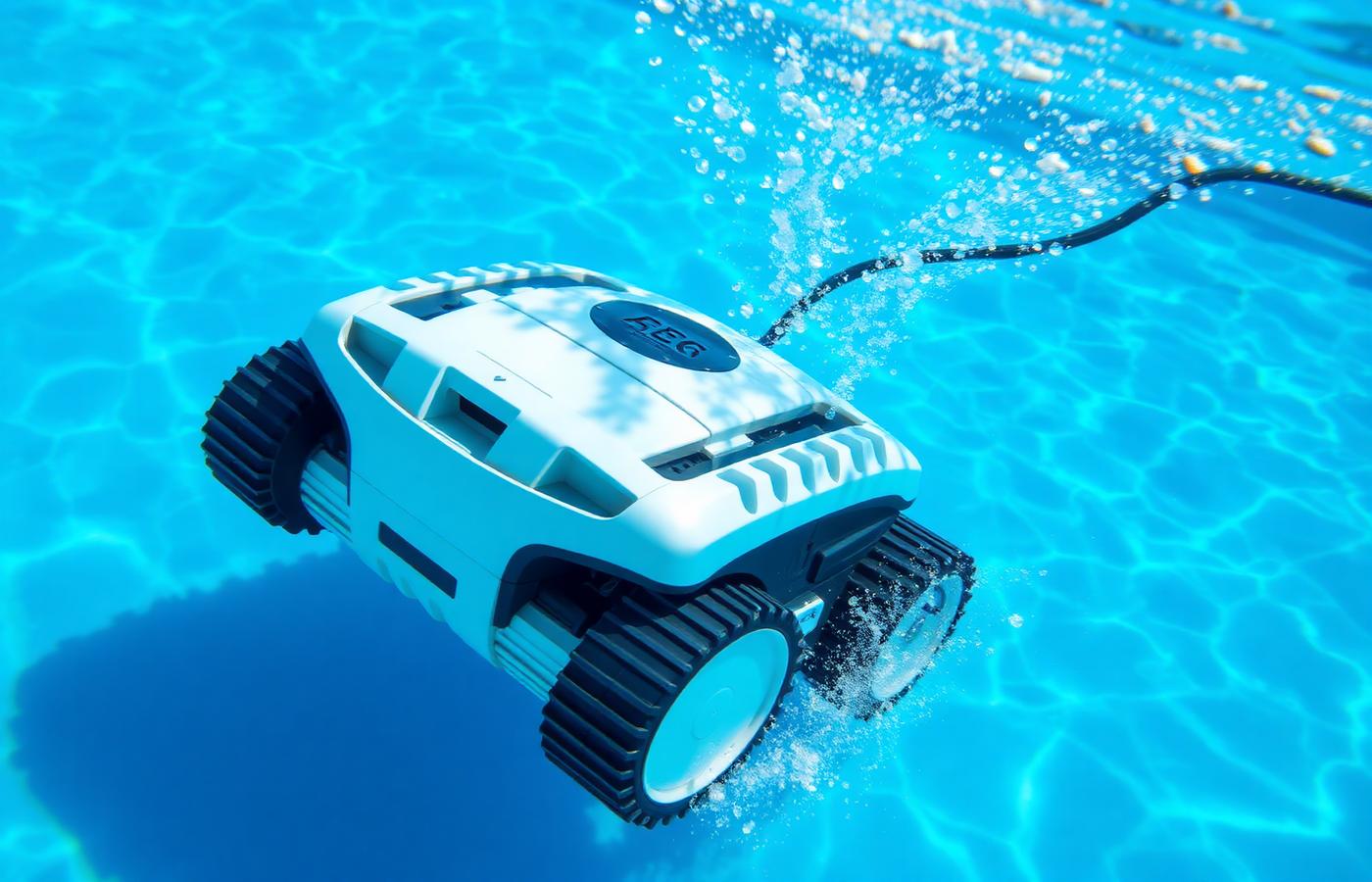
Coverage and pool size considerations
For larger pools, particularly anything over around 12 metres in length or with an irregular shape, a corded model's continuous power can be an advantage, since some cordless units may need to pause, dock, and resume to cover the entire floor in one session. For small to mid-sized suburban pools, a single charge on a good cordless robot is usually enough to complete a full clean, making the runtime limitation largely theoretical for typical backyard use.
Corded units are also generally not limited by cable length as much as some buyers fear, since cables are typically sold matched to pool size, but a cable that is too short for a large or oddly shaped pool will leave gaps a cordless unit with adequate charge would not.
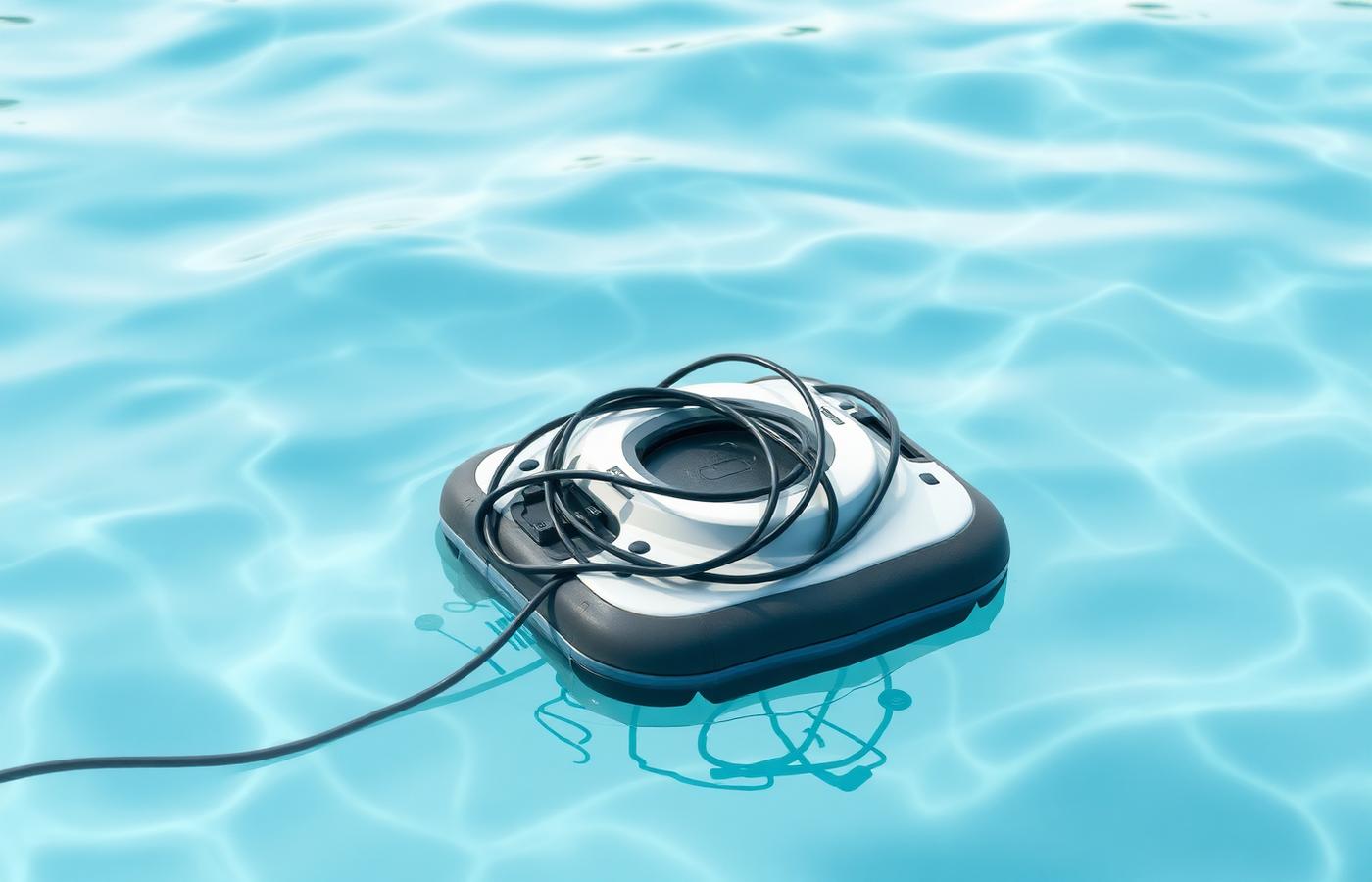
Tangling, convenience and setup
The single biggest complaint about corded robot pool cleaners is cable tangling, which can stall the unit mid-cycle or twist the cable into a permanent kink over time. Swivel connectors reduce this significantly but do not eliminate it entirely. Cordless units remove this problem altogether, and owners often report a much simpler experience: drop the robot in, let it run, lift it out — no cable to feed out, coil up or check for knots.
On the other hand, cordless units require remembering to charge them, and a flat battery mid-cycle means an incomplete clean until the next charge. Corded units are always ready to go as soon as they are plugged in, with no charge cycle to manage.
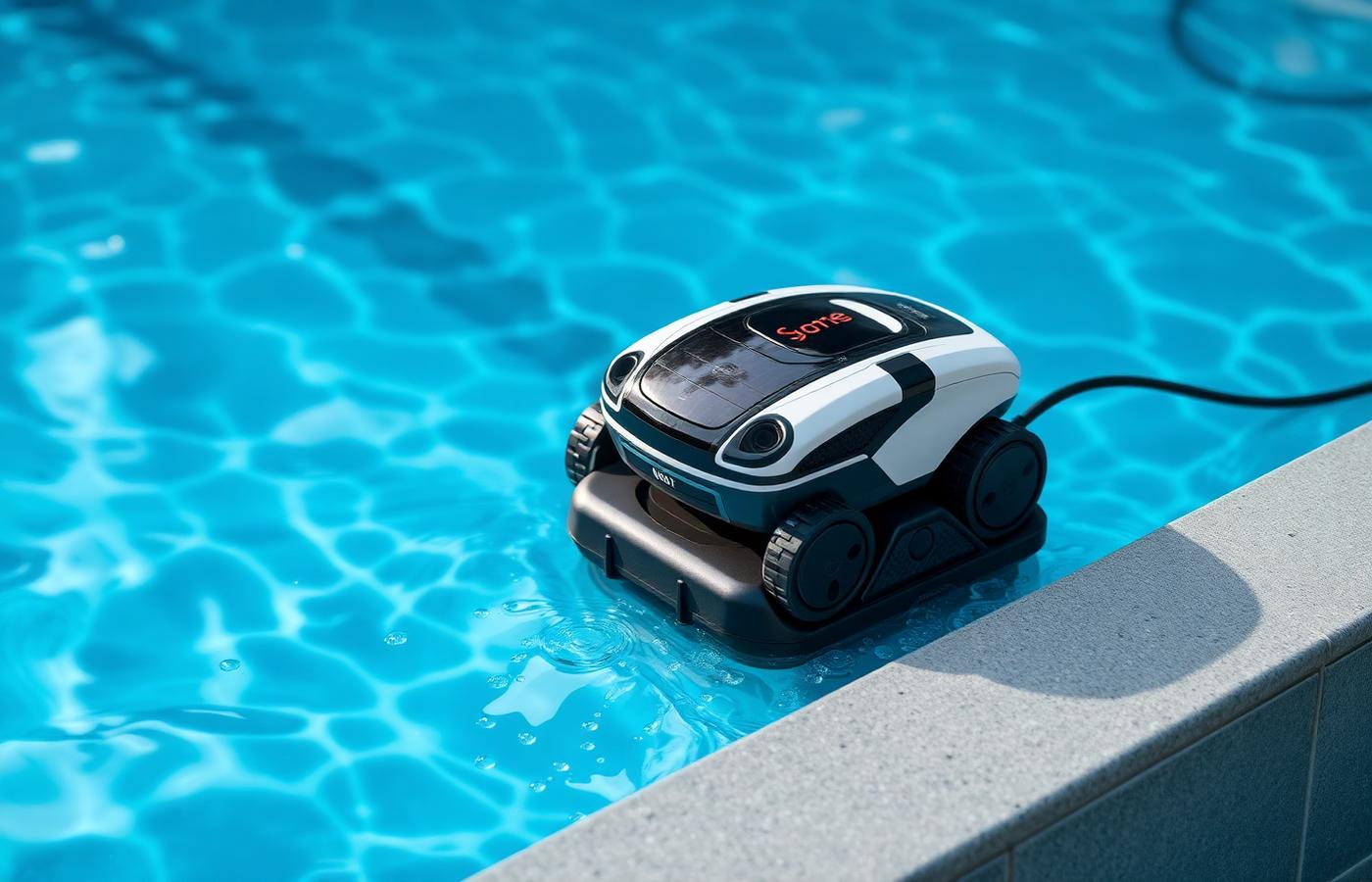
Cleaning performance and filtration
Historically, corded robot pool cleaners have offered stronger and more consistent suction because they are not constrained by battery capacity, and many premium wall-climbing models remain corded for this reason. Cordless technology has improved substantially, and several current cordless models now match mid-range corded performance for floor cleaning, though very few cordless units yet match the strongest corded models for waterline and wall climbing, which draws more power.
If ingrained algae, heavy overhangs or a consistently dirty pool are the norm, a corded model's sustained power may still edge ahead. For general maintenance cleaning of a well-kept pool, the gap has narrowed enough that cordless is a realistic choice for most households.
Price and typical Australian costs
Corded robot pool cleaners span the widest price range, from around $500 for basic in-ground models to $2,500-plus for premium wall-and-waterline climbers. Cordless robot pool cleaners tend to sit in a narrower $600–$1,600 band currently, reflecting the newer battery technology and smaller number of models on the market, though this range is expected to widen as more manufacturers release cordless options.
Replacement batteries for cordless units are an ongoing cost to factor in, typically needed every 2 to 4 years of regular use, whereas a corded unit's transformer and cable rarely need replacing outside of accidental damage.