What 'best' means for a gutter cleaning robot
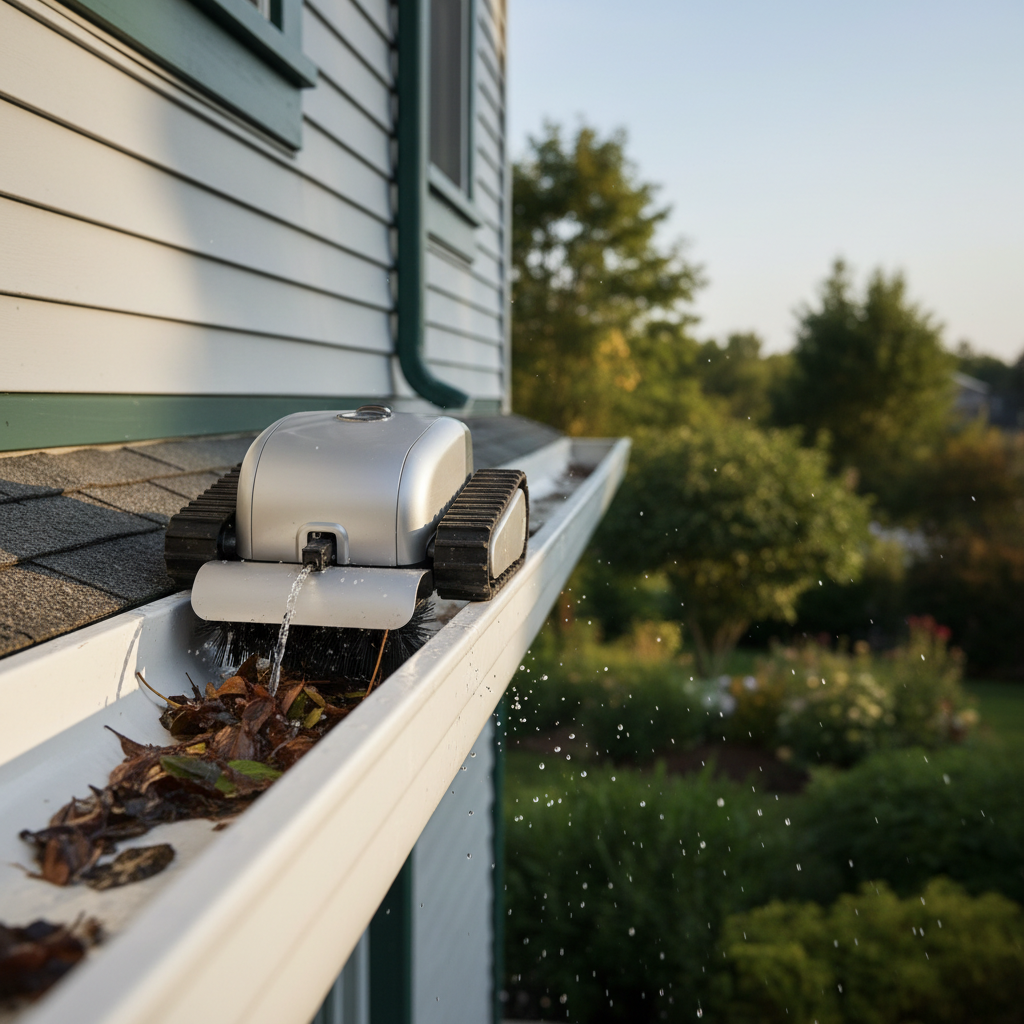
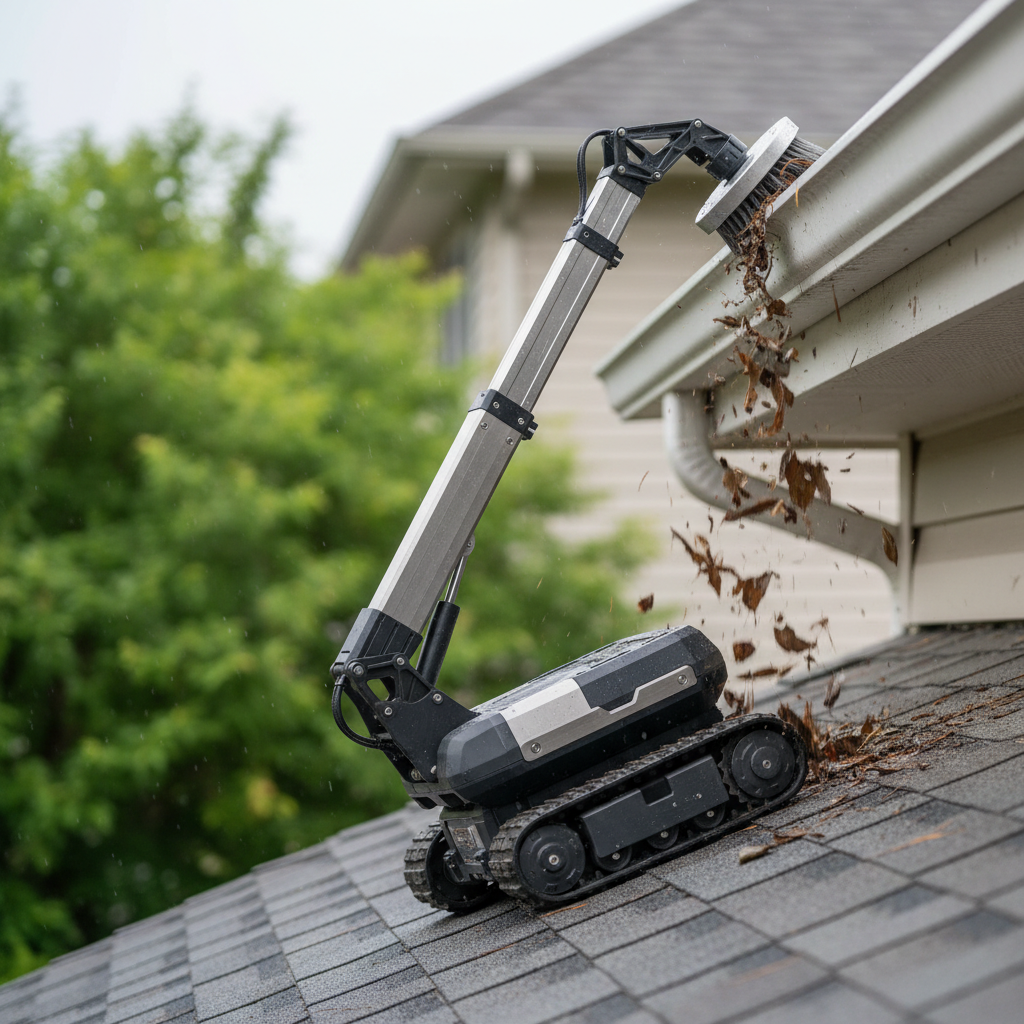
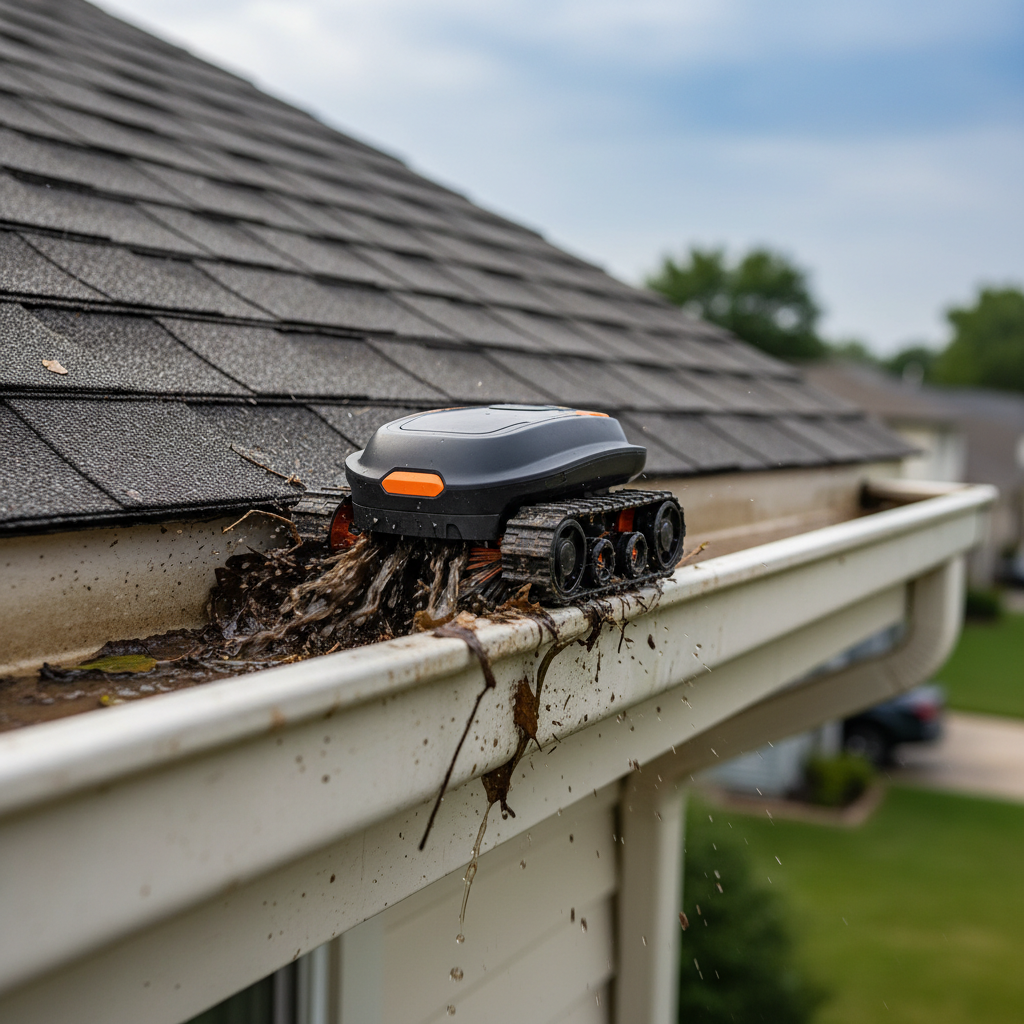
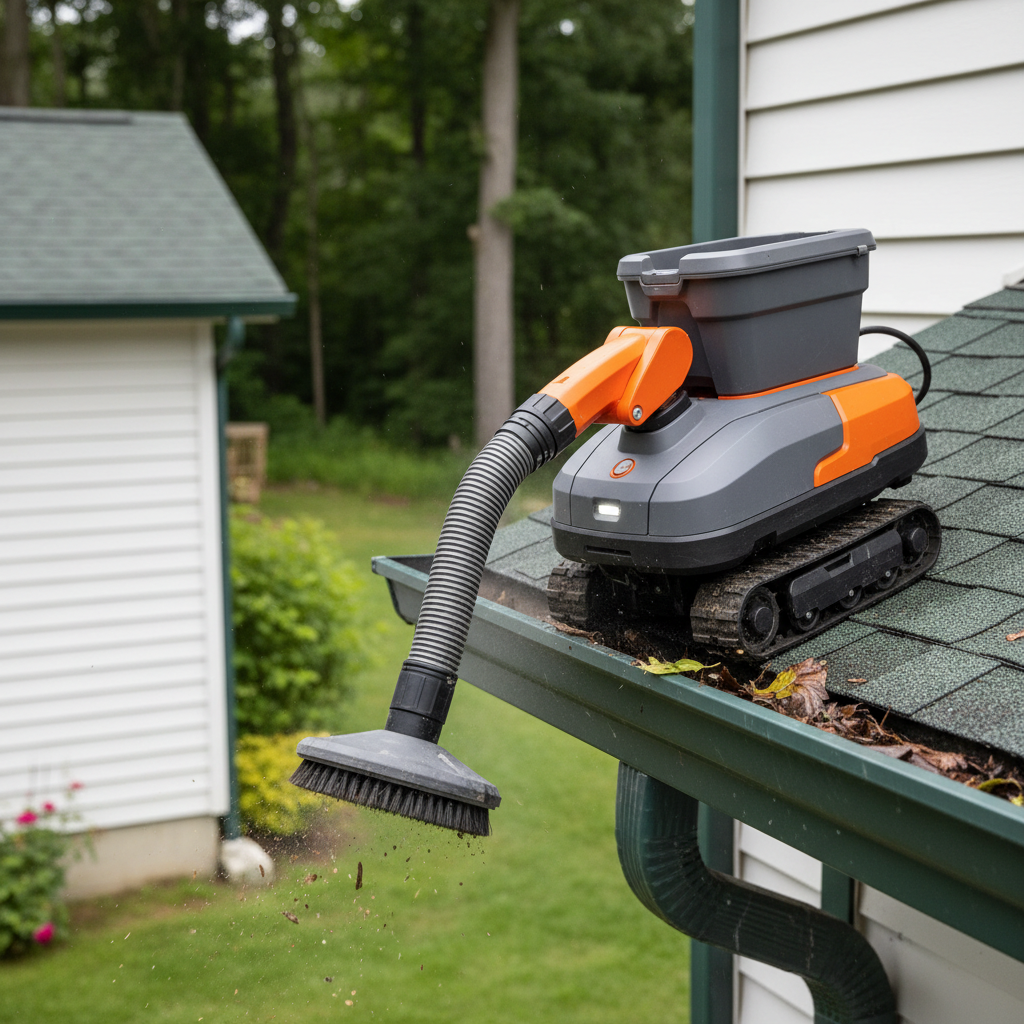
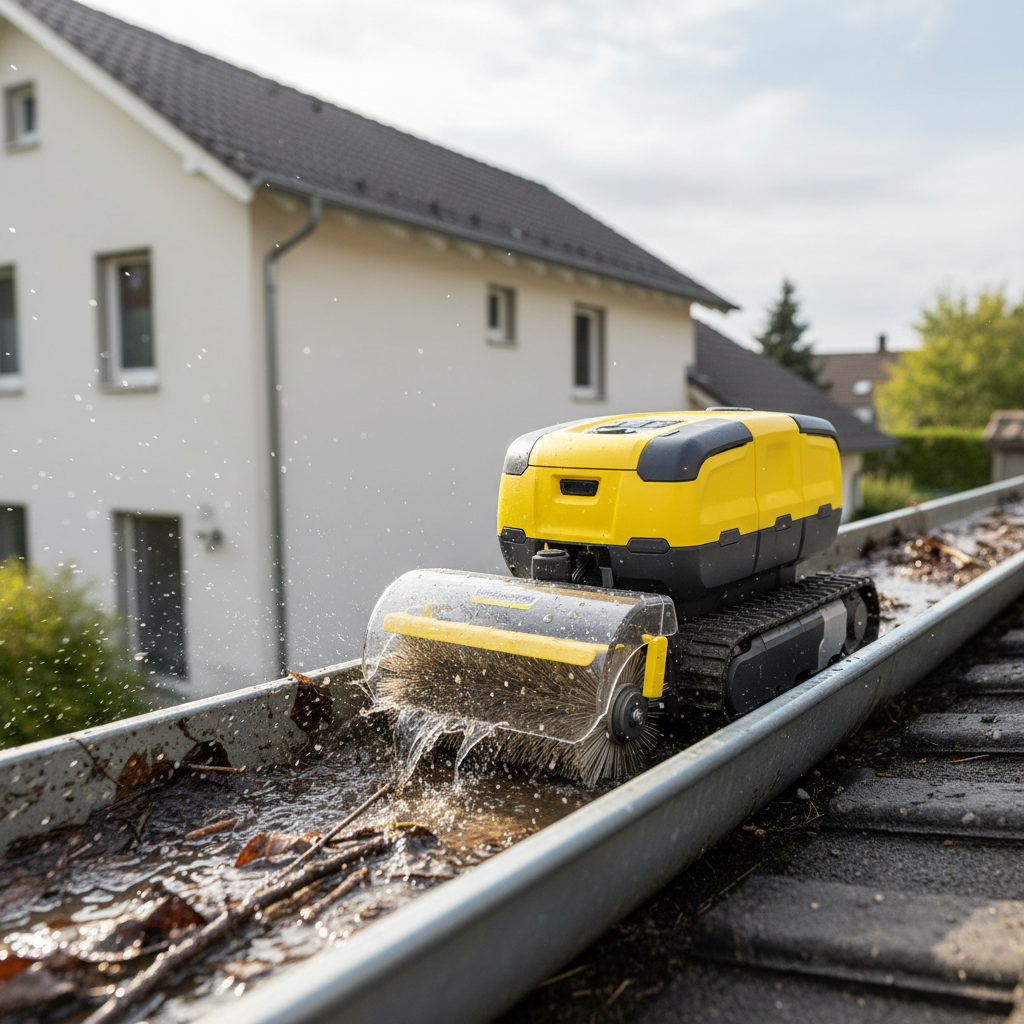
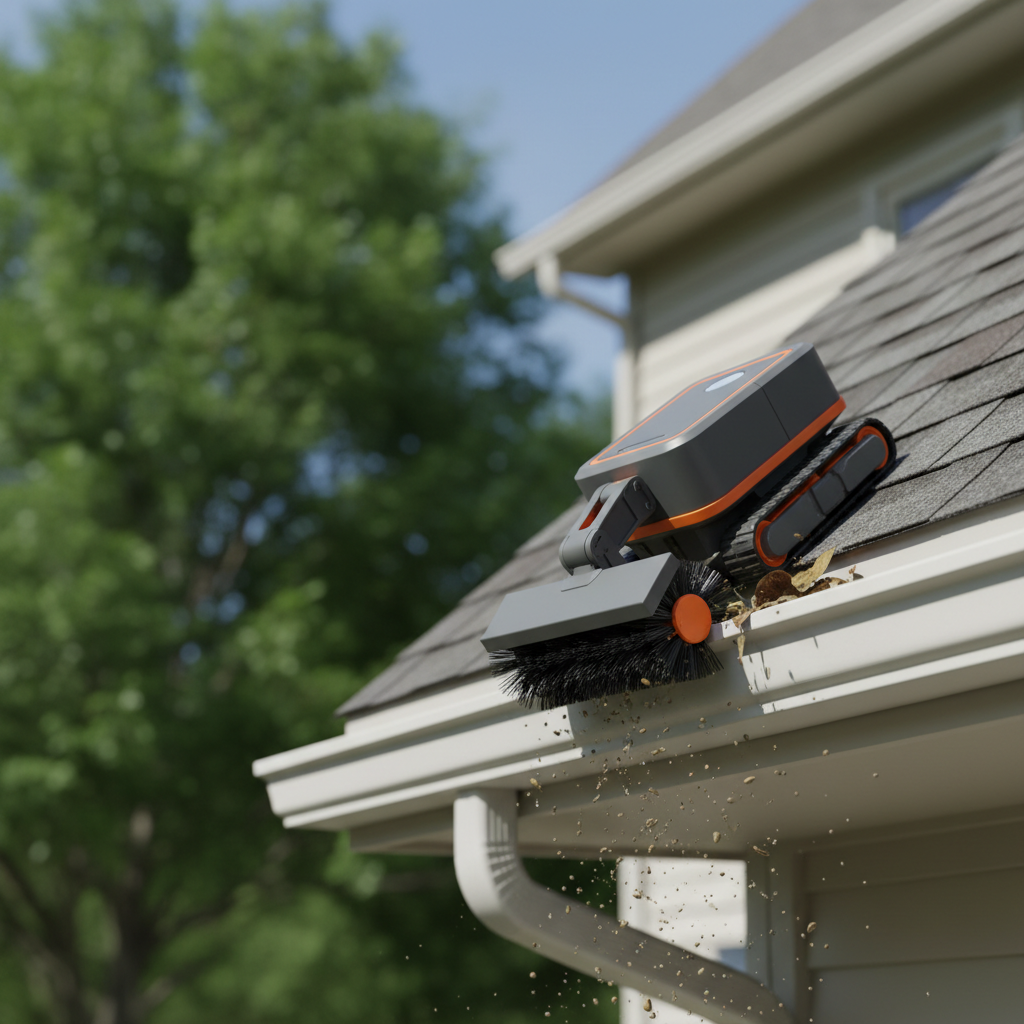
Because gutter cleaning robots range from simple pole attachments to camera-guided, self-propelled units, the best gutter cleaning robot for a single-storey brick veneer home with box gutters is rarely the best choice for a two-storey home with half-round gutters and overhanging trees. Rather than chasing one 'winner', it is more useful to match a unit's reach, head design and power source to your specific roofline before comparing brands.
The criteria that matter most are: maximum safe working reach, compatibility with your existing blower or vacuum (or whether the kit is self-contained), head width relative to your gutter's internal profile, and whether you need a camera to see what you're clearing.
Reach and pole quality
Telescopic poles are usually made from aluminium, fibreglass or carbon fibre. Aluminium is the cheapest but heaviest to hold overhead for extended periods and is not appropriate near overhead power lines; fibreglass is a common middle ground offering non-conductivity at a reasonable weight; carbon fibre is lightest but pricier and, notably, conductive, so it should be kept well clear of power infrastructure regardless of manufacturer claims.
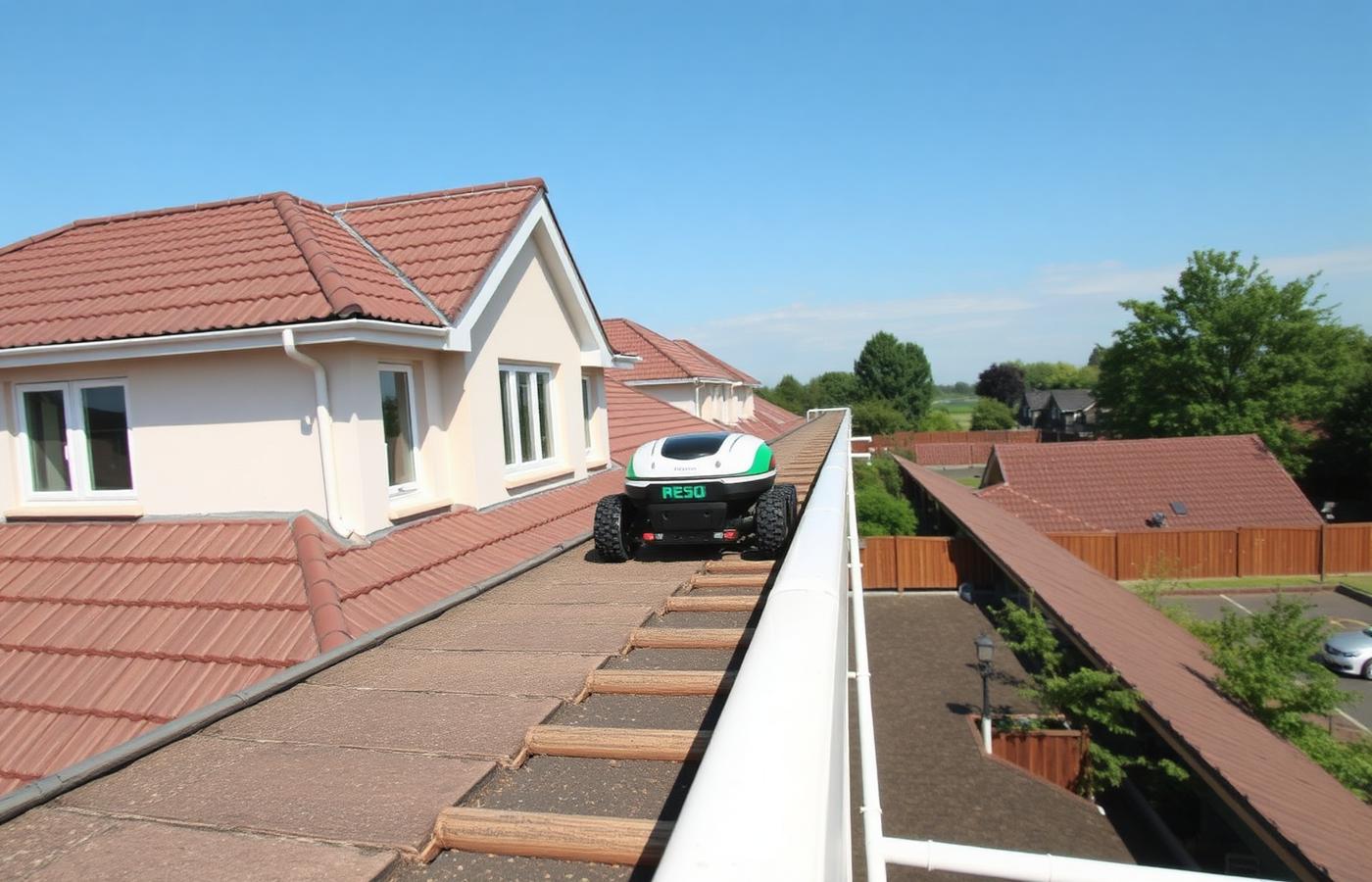
A pole rated to 6 metres sounds impressive, but usable working reach is always less than the rated length once you account for holding it at an angle rather than dead vertical. Add at least 1 metre of margin between your actual gutter height and the pole's rated maximum when shortlisting.
Head design and gutter compatibility
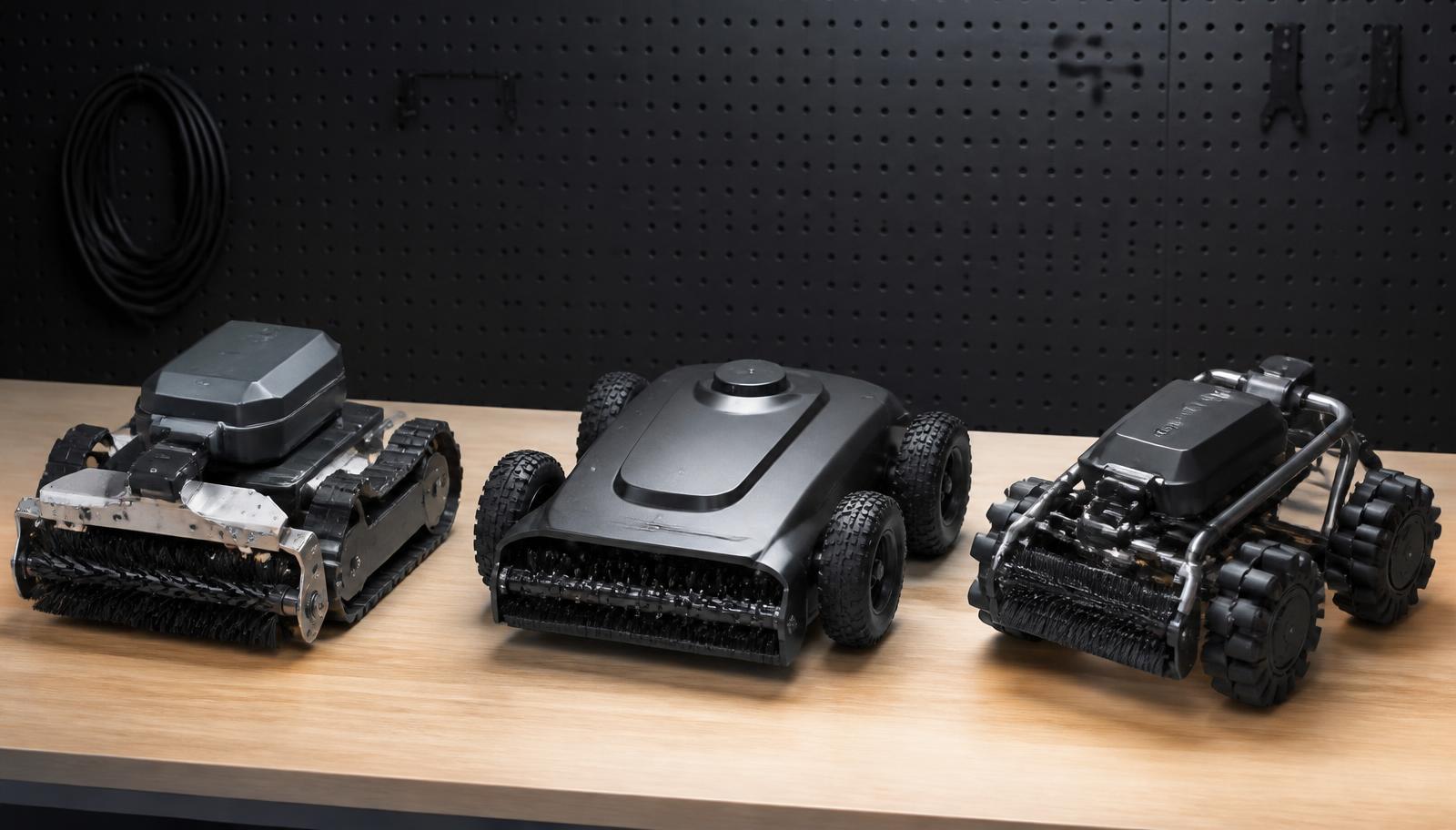
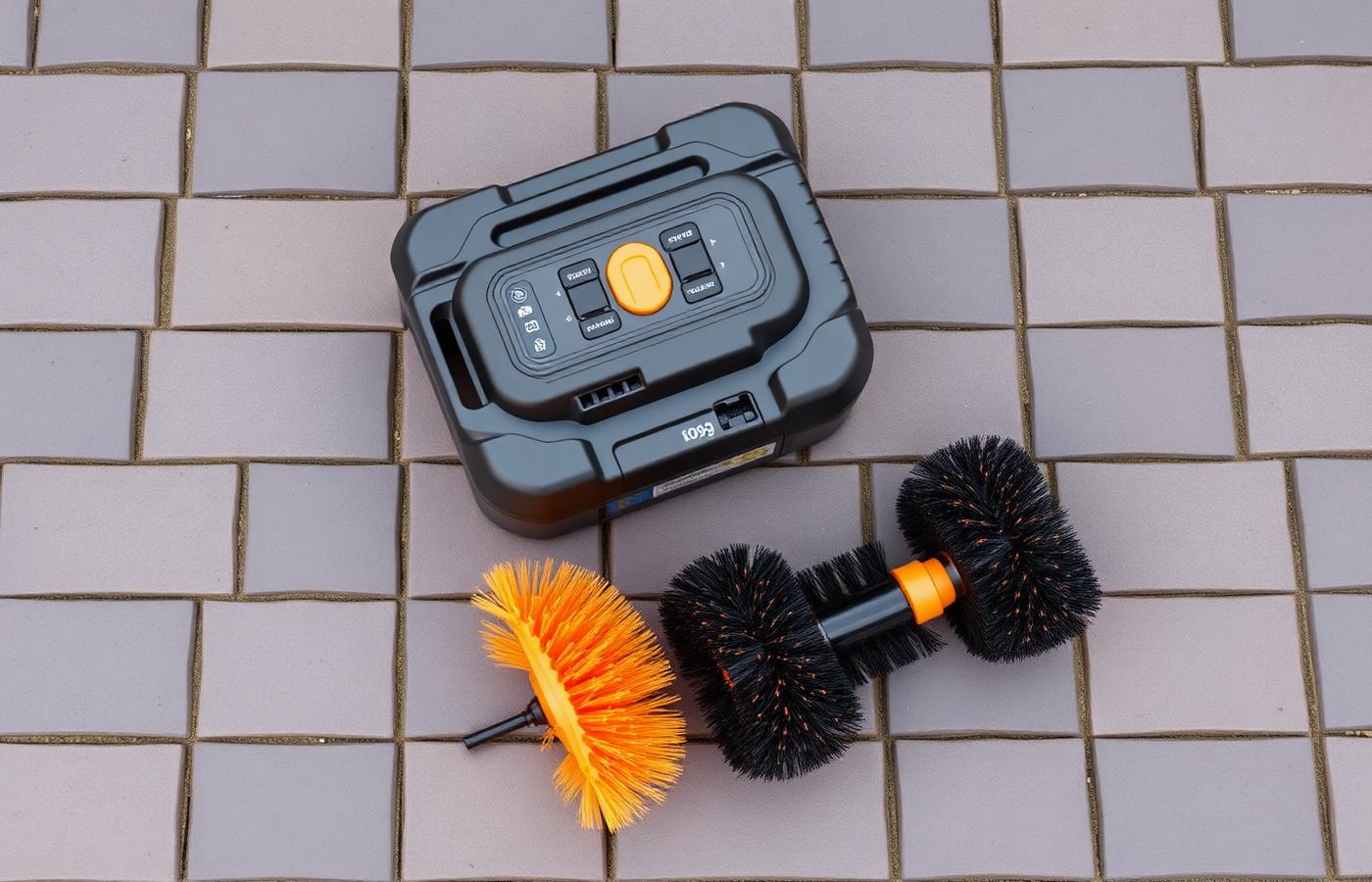
Rotating brush heads are best for dry leaf litter and twigs; auger-style heads dig into compacted, wet debris more effectively but can be rougher on gutter interior coatings if used carelessly; combination heads that pair a brush with a blast nozzle handle mixed debris but cost more. Measure your gutter's internal width and depth before buying, since a head that is too wide will not seat properly in narrow box-profile gutters common on older Australian homes, and one that is too narrow will leave debris along the edges.
Half-round gutters, common on heritage-style homes, need a head profile shaped to follow the curve rather than a flat-bottomed design intended for box gutters.
Self-contained kits versus blower attachments
If you already own a petrol or battery leaf blower, an attachment-only kit is the cheaper and more practical option, provided the nozzle diameter matches. If you do not, a self-contained kit with its own motor avoids compatibility guesswork but adds weight to the pole assembly, which matters over a long cleaning session on a large roofline.
Battery-powered self-contained units are lighter than petrol equivalents but typically offer shorter run times, so check the stated battery life against your gutter's total length before assuming one charge will cover the whole house.
Is a camera worth paying for?
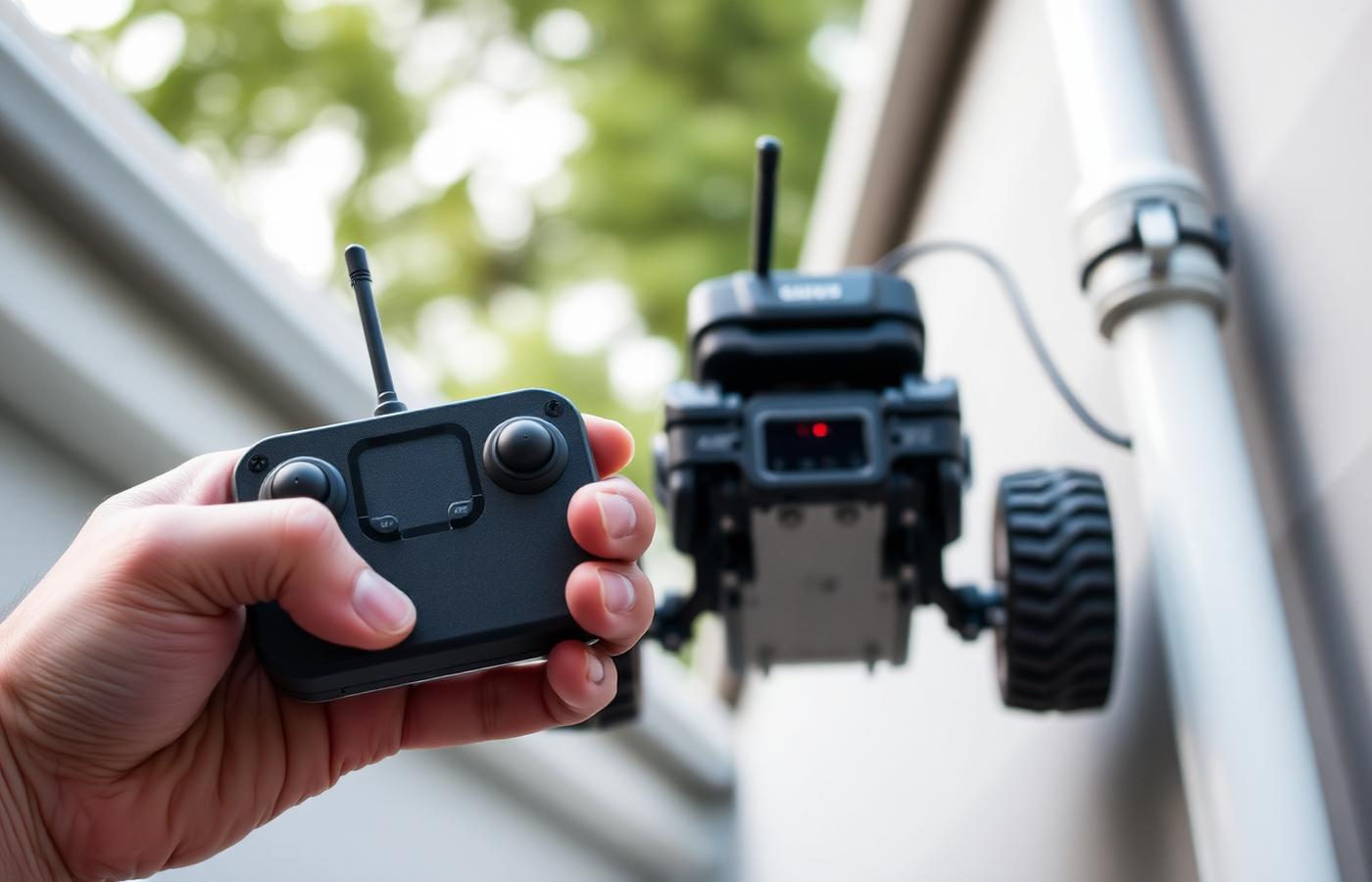
A camera feed, usually streamed to a phone app or a small handheld screen, lets you confirm the head is actually inside the gutter channel and see exactly what is blocking a section rather than guessing from ground level. This is genuinely useful on gutters obscured by overhanging branches or on upper storeys where visual confirmation from the ground is difficult. For simple, low, easily visible single-storey gutters, a camera adds cost without much practical benefit.
Realistic pricing in 2026
Budget attachment-only kits sit around $60–$120. Mid-range kits with a dedicated head, telescopic fibreglass pole and blower compatibility run roughly $150–$350. Camera-equipped systems typically cost $300–$600, and fully self-propelled trade-grade units can exceed $1,000. Paying more only makes sense if the extra reach, camera or head design actually solves a problem your current gutters present.