What a security patrol robot actually senses
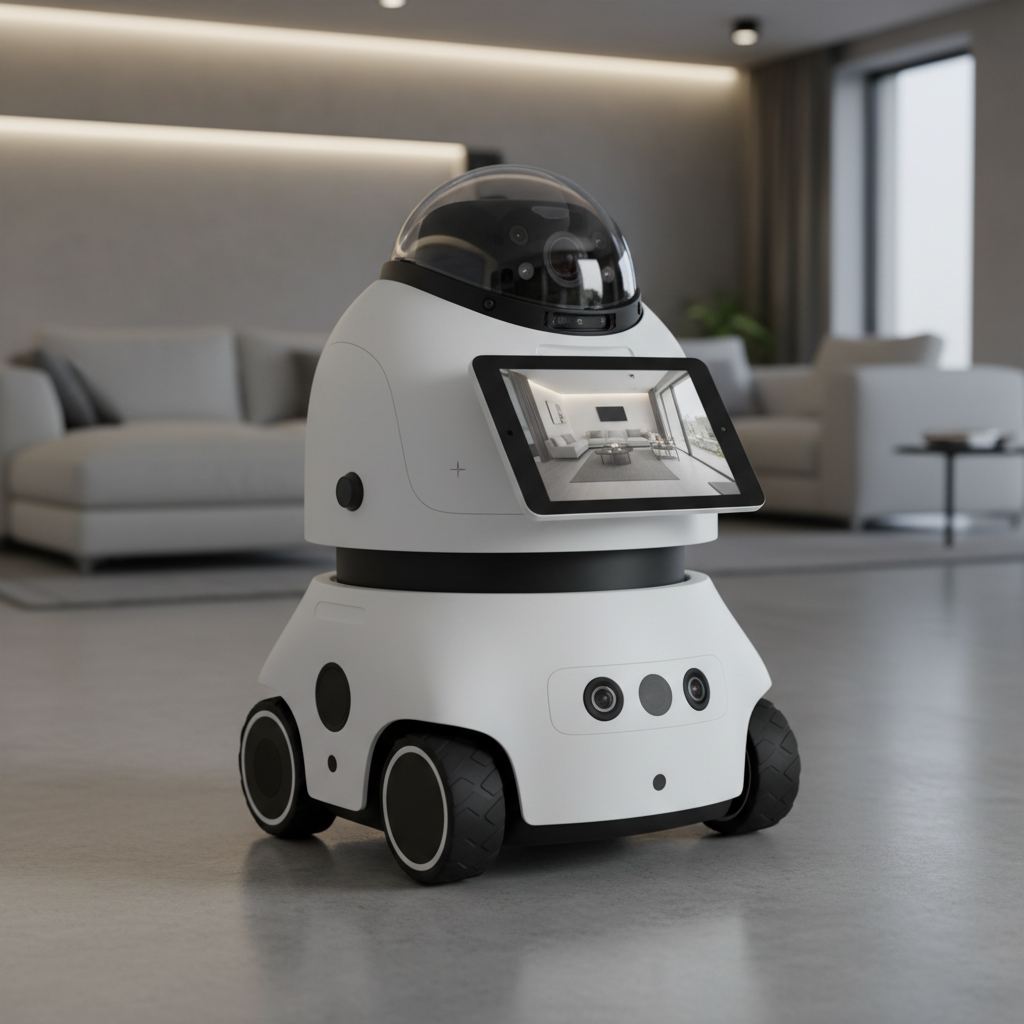
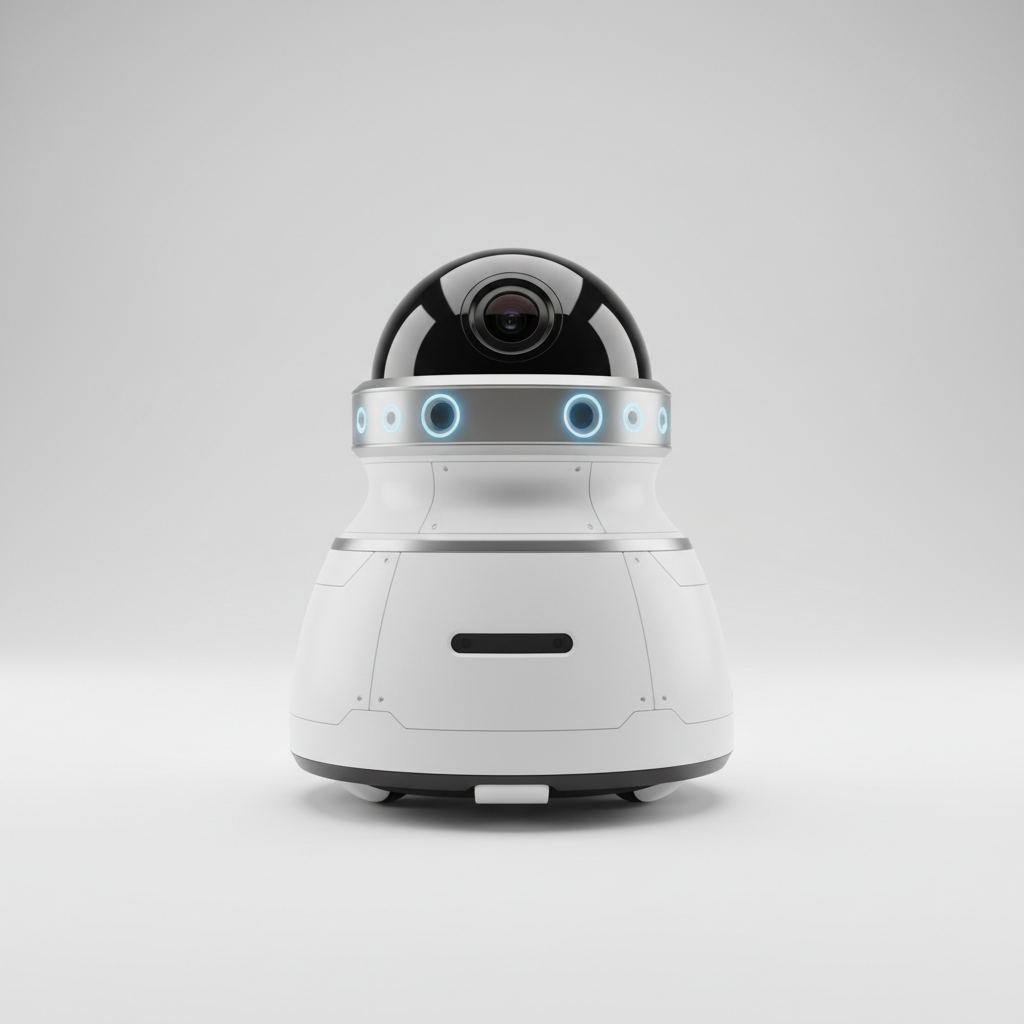
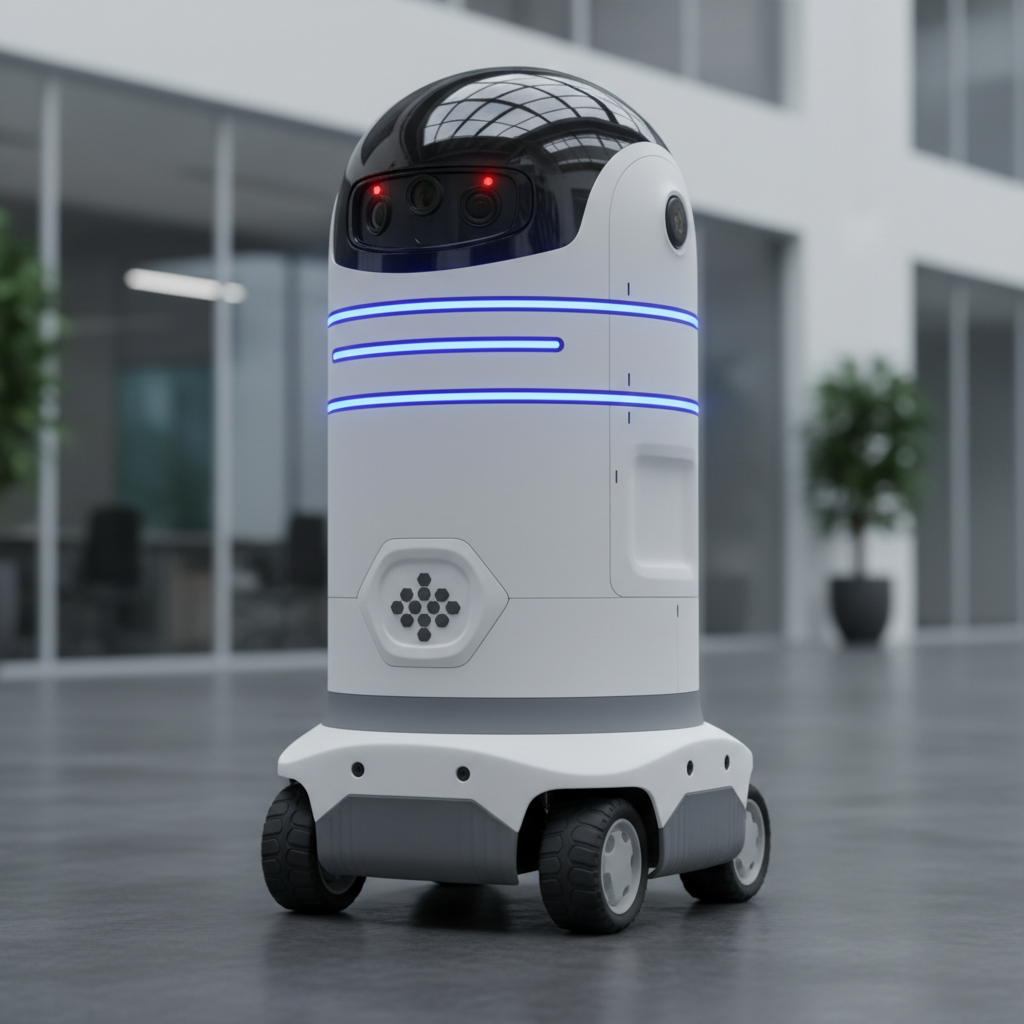
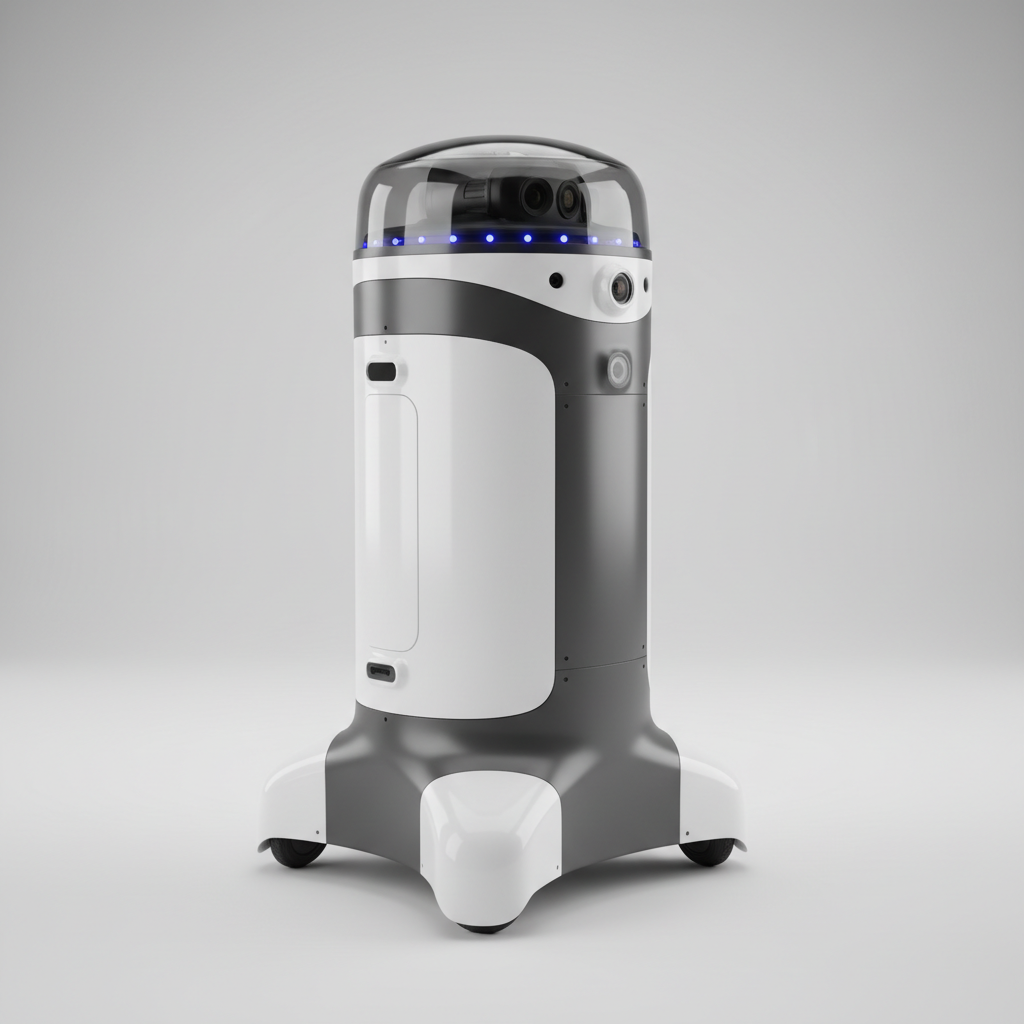
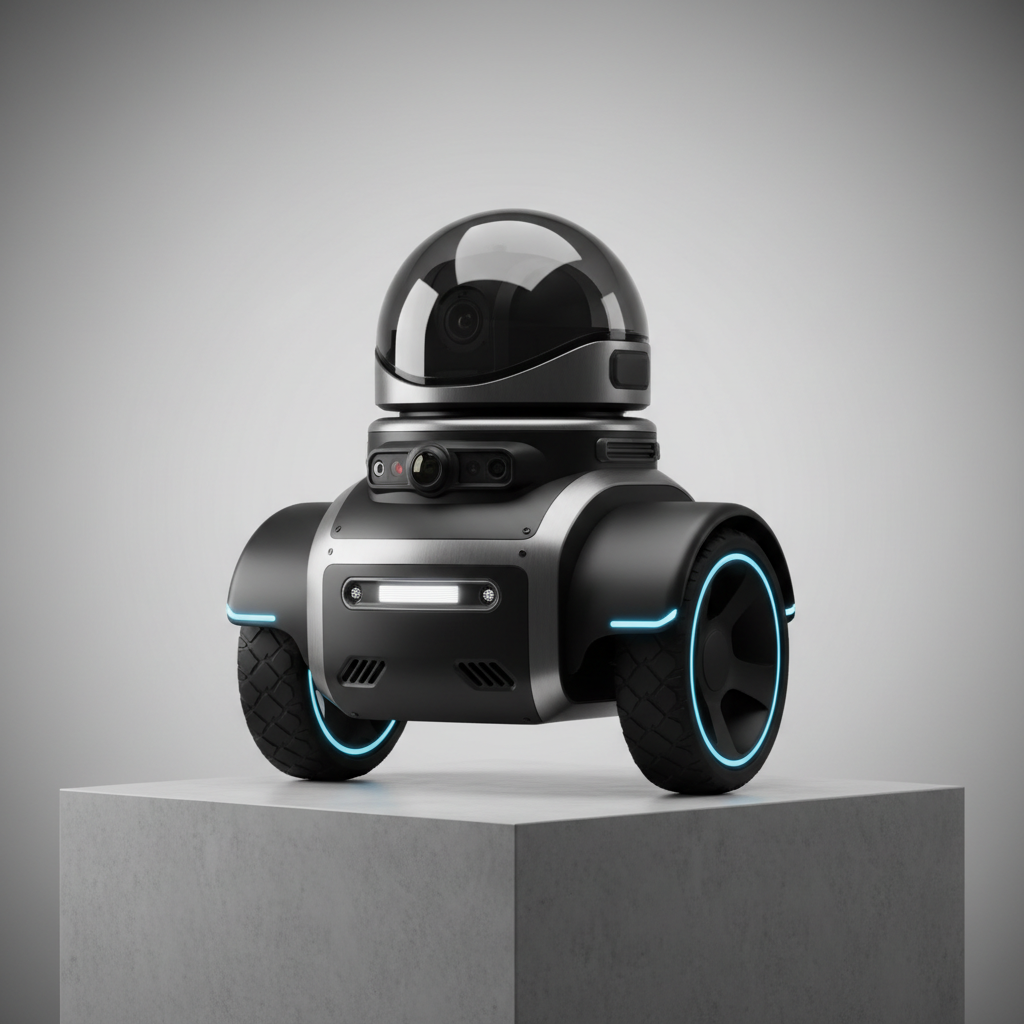
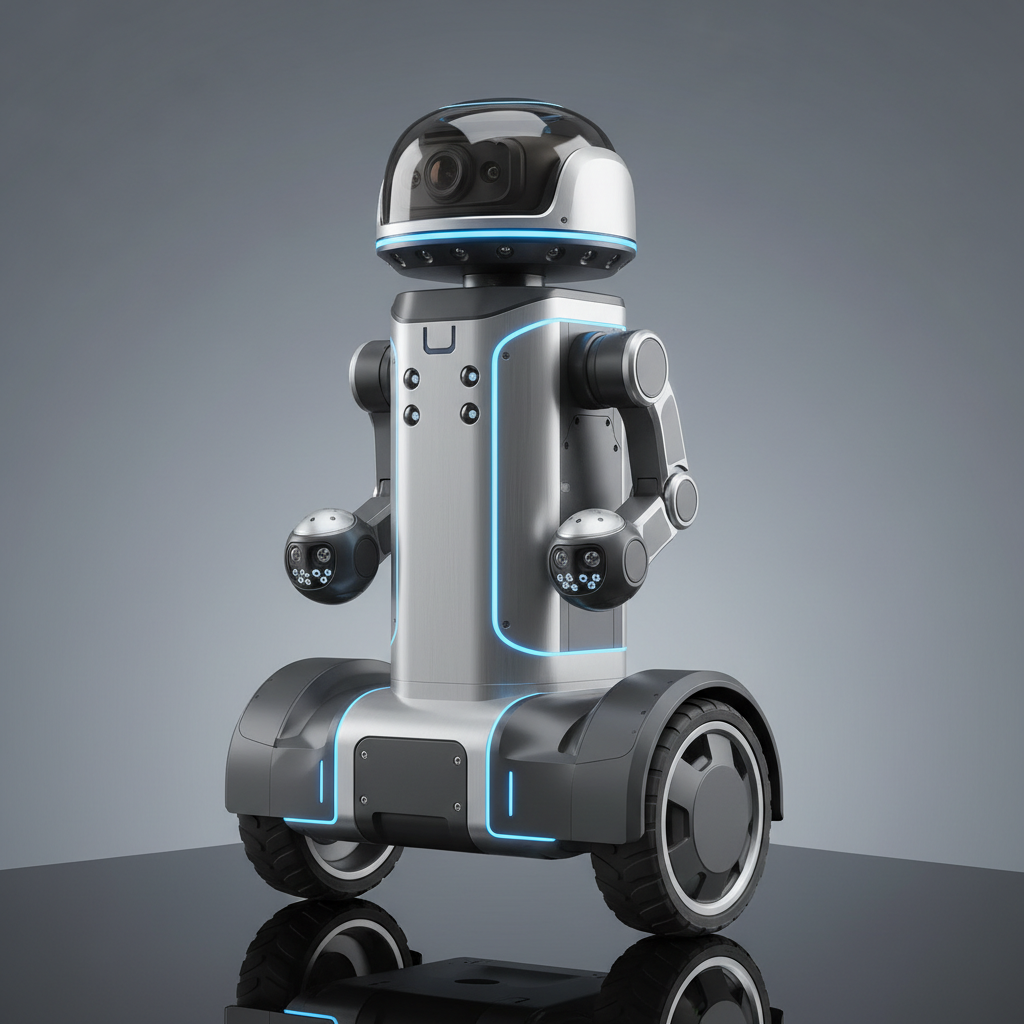
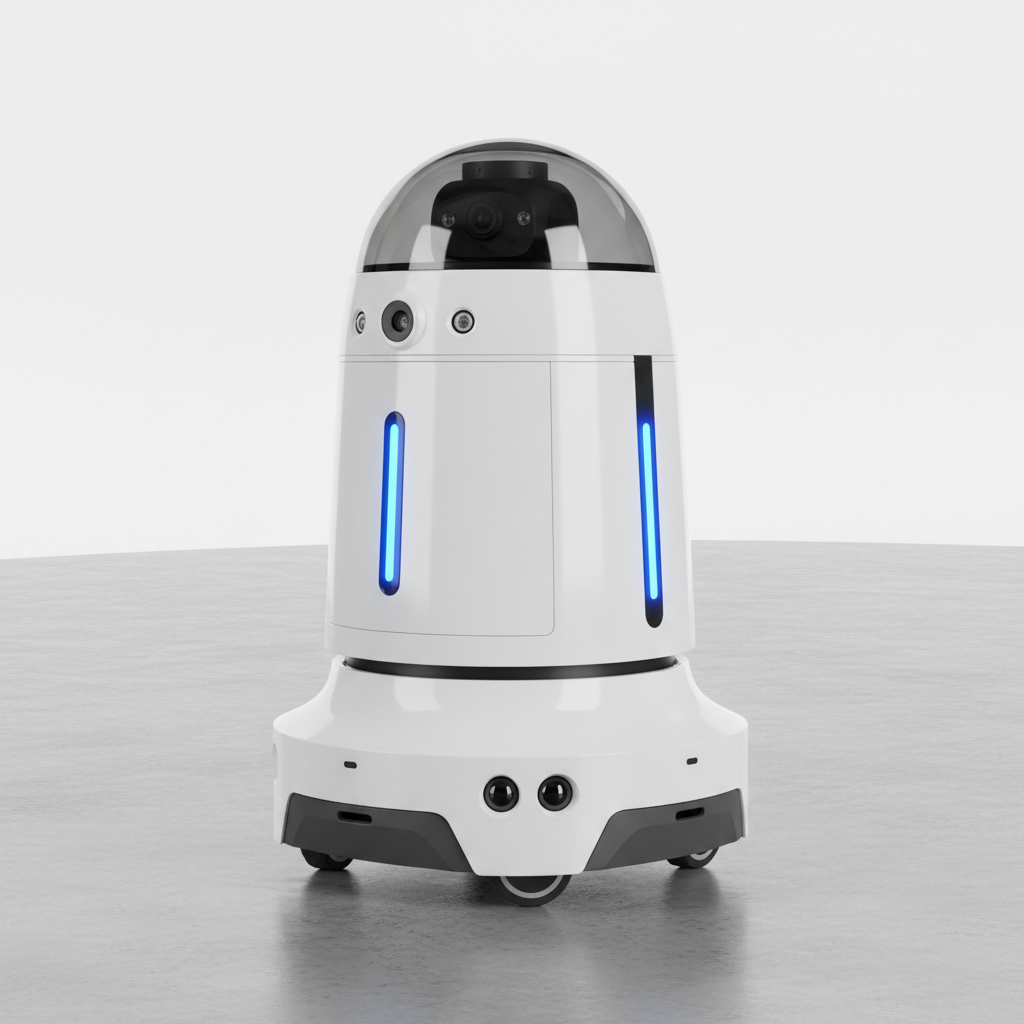
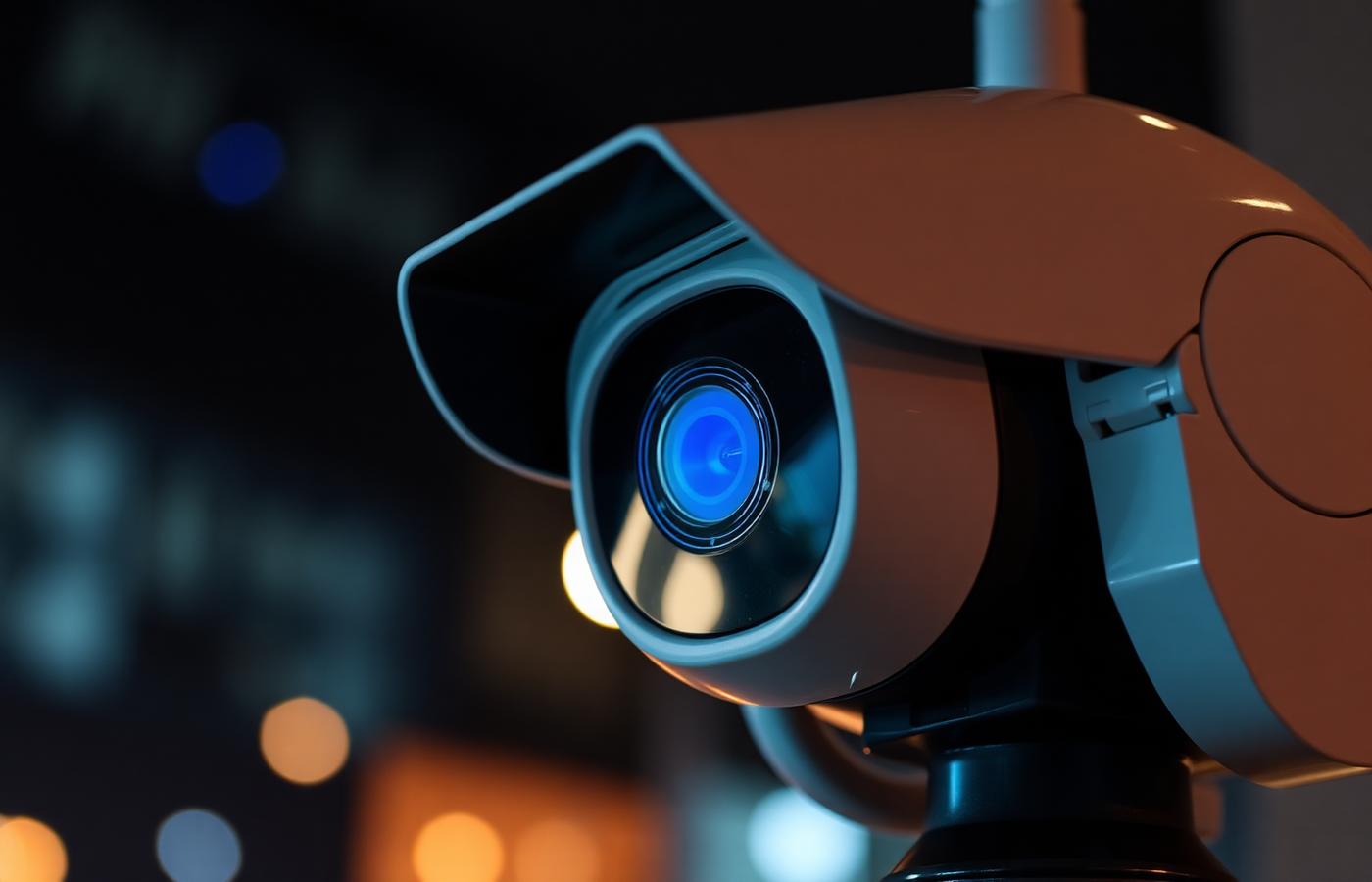
A security patrol robot combines several sensor types that, together, cover gaps a single fixed camera cannot. Visible-light cameras with night vision handle general surveillance; thermal cameras detect a person's heat signature in total darkness or through light smoke and fog where a standard camera sees nothing useful; and LiDAR or ultrasonic sensors handle navigation and obstacle avoidance rather than security detection itself. Commercial units add license plate recognition, audio detection for glass breaking or raised voices, and in some deployments, gas or smoke sensors for combined safety-and-security monitoring.
Detection alone is not the same as verified intrusion. Every credible system routes flagged events to a human — either an on-site security team, a remote monitoring centre, or the property owner's phone — because autonomous robots today are not certified to make an independent decision to escalate to emergency services. Understand this before buying: a patrol robot is a very capable sensor platform, not an autonomous decision-maker.
Patrol patterns and scheduling
Commercial patrol robots typically follow a pre-mapped route using LiDAR-based simultaneous localisation and mapping, patrolling a fixed circuit at scheduled intervals — for instance every 30 to 90 minutes overnight — or continuously on a loop with charging breaks managed automatically. Random-interval patrolling, where the exact timing varies, is a documented deterrent advantage over fixed CCTV, since a predictable patrol schedule is easier for an intruder to work around than an unpredictable one.
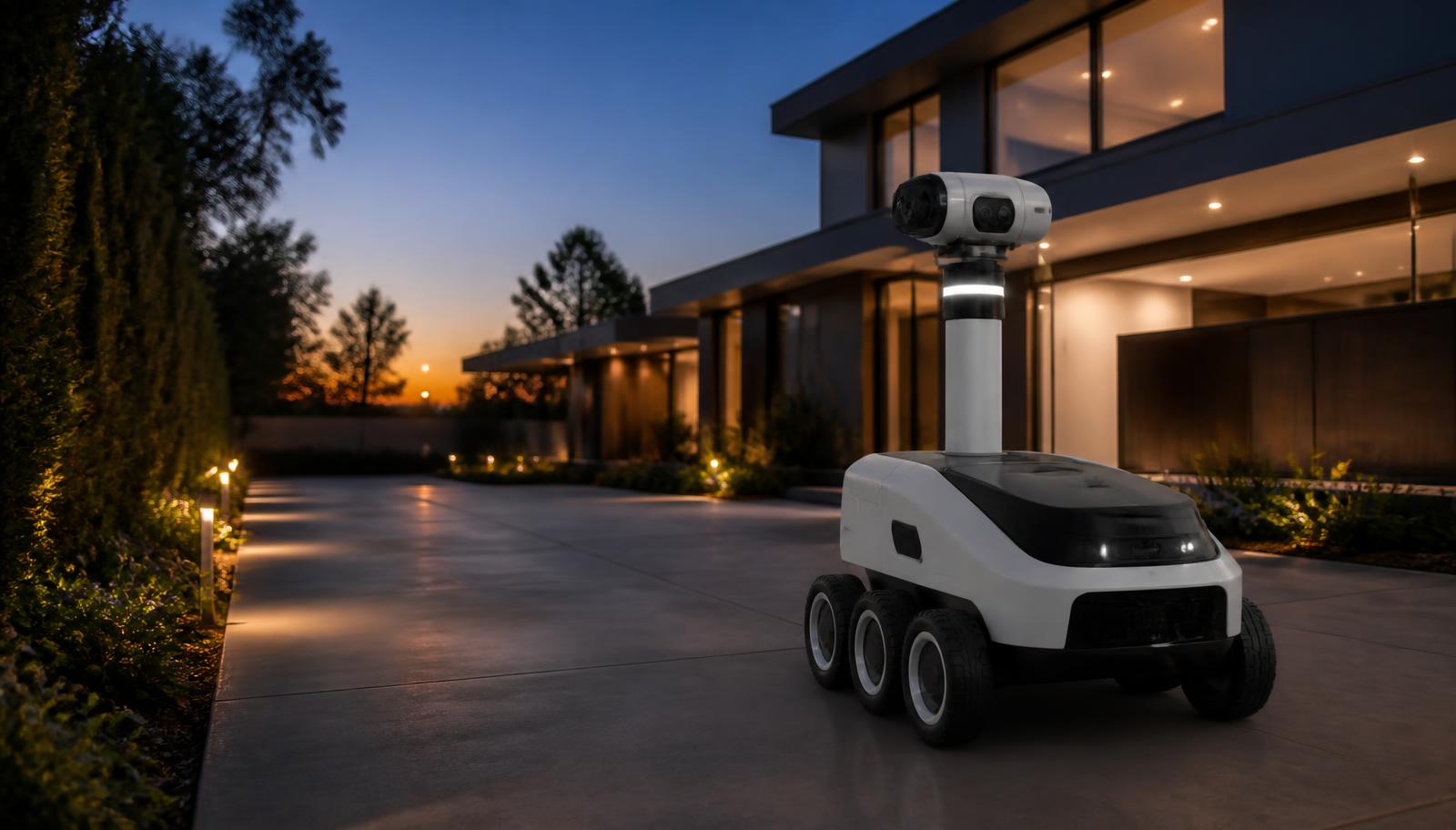
Residential units generally patrol a smaller, simpler perimeter — driveway, side gates, back garden — on a schedule set through a home app, and most integrate with existing smart-home hubs to trigger lights or an alarm siren when the robot's sensors flag movement outside expected hours.

Weatherproofing and terrain
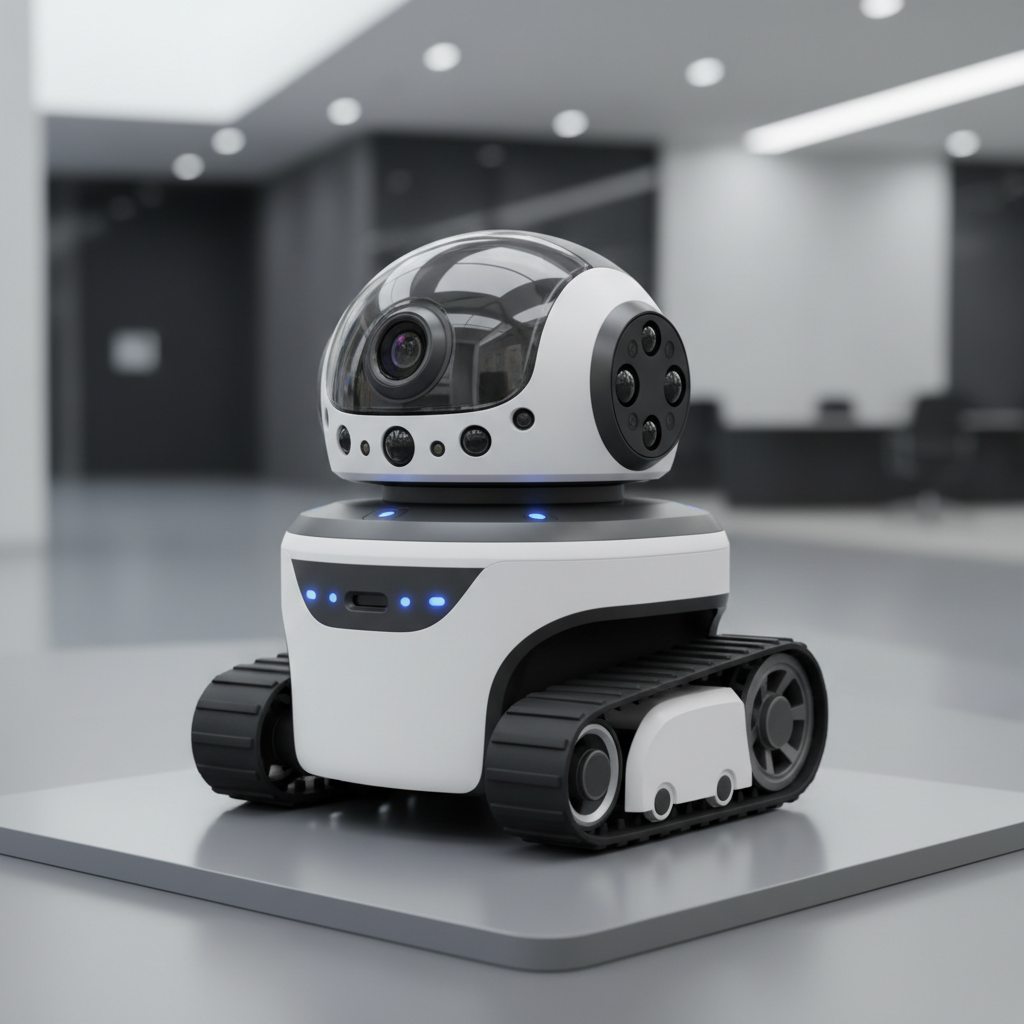
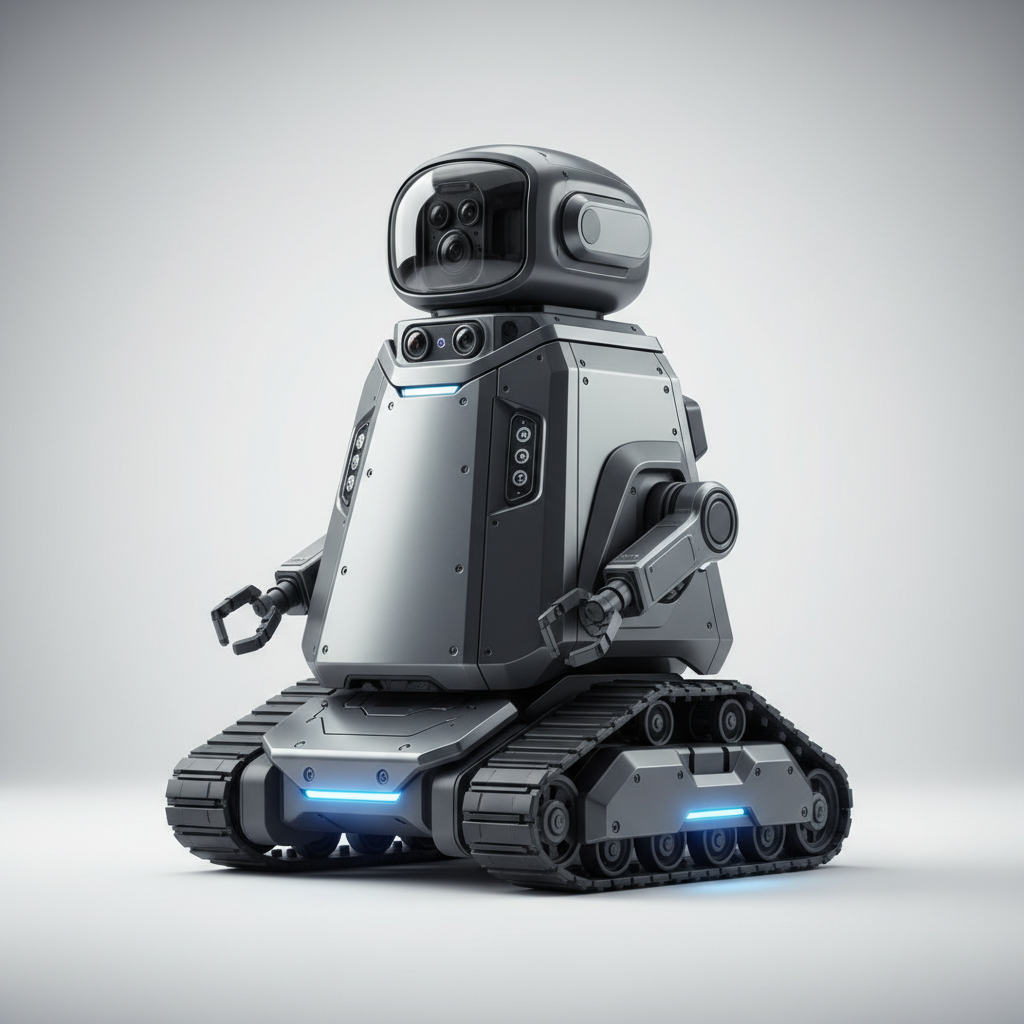
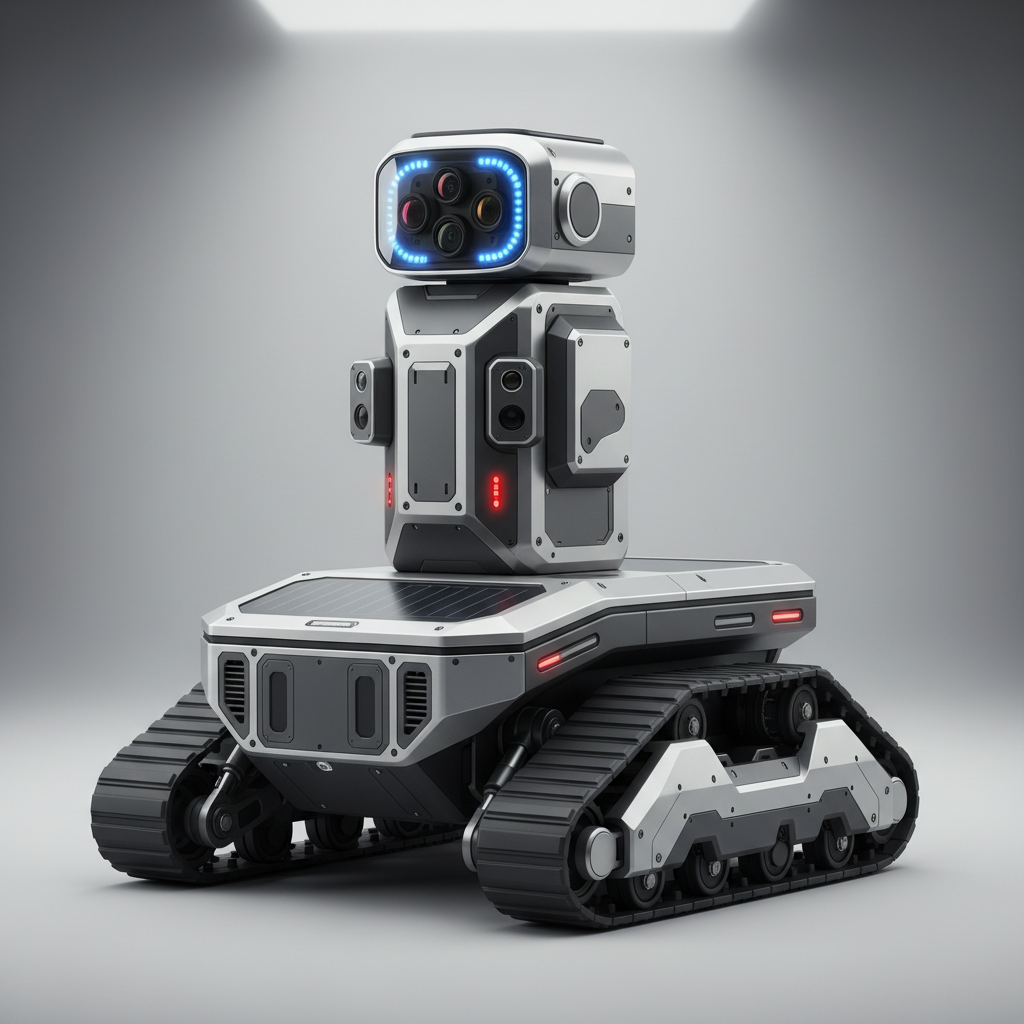
Outdoor-rated patrol robots need at minimum an IP65 rating to handle rain and dust reliably; commercial units operating in exposed car parks or industrial yards often carry IP66. Terrain matters as much as weatherproofing: wheeled units handle flat paved surfaces well but struggle with kerbs, gravel, stairs and steep grades above roughly 15–20 degrees, which is why some commercial deployments use tracked or hybrid leg-wheel platforms for mixed terrain, at a significant cost premium.
Battery runtime for continuous outdoor patrol units typically runs 8 to 12 hours between charges, with automatic return-to-dock behaviour and a charge cycle of 2 to 4 hours, meaning a single robot generally cannot provide true 24-hour coverage without either a fast-swap battery or a second unit rotating in.

Costs for home versus business use
Residential security patrol robots start around $1,500–$3,000 for a basic outdoor unit with cameras, motion detection and app alerts, with no ongoing subscription required beyond optional cloud video storage at $5–$15 a month. Small business units with thermal imaging and a fixed patrol route run $8,000–$20,000, often financed as a monthly lease of $500–$1,500 including maintenance and monitoring-centre integration. Large commercial and industrial deployments with license plate recognition, multi-robot fleets and full monitoring-centre contracts run considerably higher, typically negotiated per site rather than sold off a price list.
Factor in that patrol robots require periodic sensor cleaning, firmware updates and, for outdoor units in variable climates, a battery replacement roughly every 2 to 3 years — none of which is usually included in the sticker price.
Where a patrol robot fits alongside existing security
The strongest deployments treat a security patrol robot as one layer among several, not a replacement for fixed cameras, alarm sensors and access control. A mobile unit is excellent at covering large, irregular outdoor areas that would otherwise need many fixed cameras, and its visible presence is itself a documented deterrent. It is weaker at covering fixed choke points like doors and windows, where a simple contact sensor or fixed camera is cheaper and more reliable. Combine the two rather than choosing one.