Home Assistant Robots

Home Assistant Robots for Elder Care: A Practical Guide

A home assistant robot will not replace a carer, but a well-chosen one closes real gaps between visits: a missed pill, a fall with nobody nearby, a family member who cannot tell if today was a good day. Here is what today's units genuinely do, what they cost, and where the limits are.

Published 9 August 2026 ยท Cleaning Robots editorial team

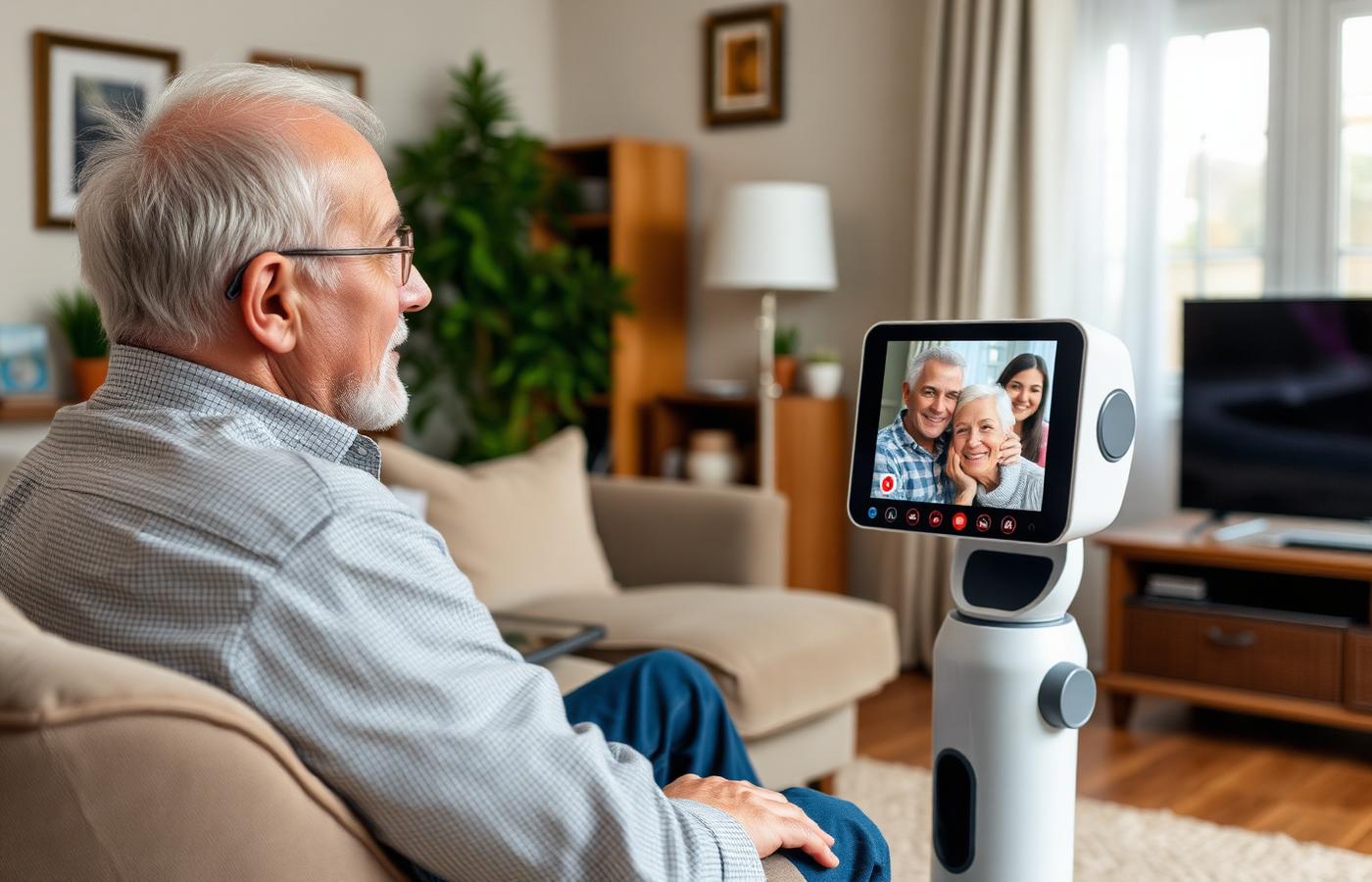
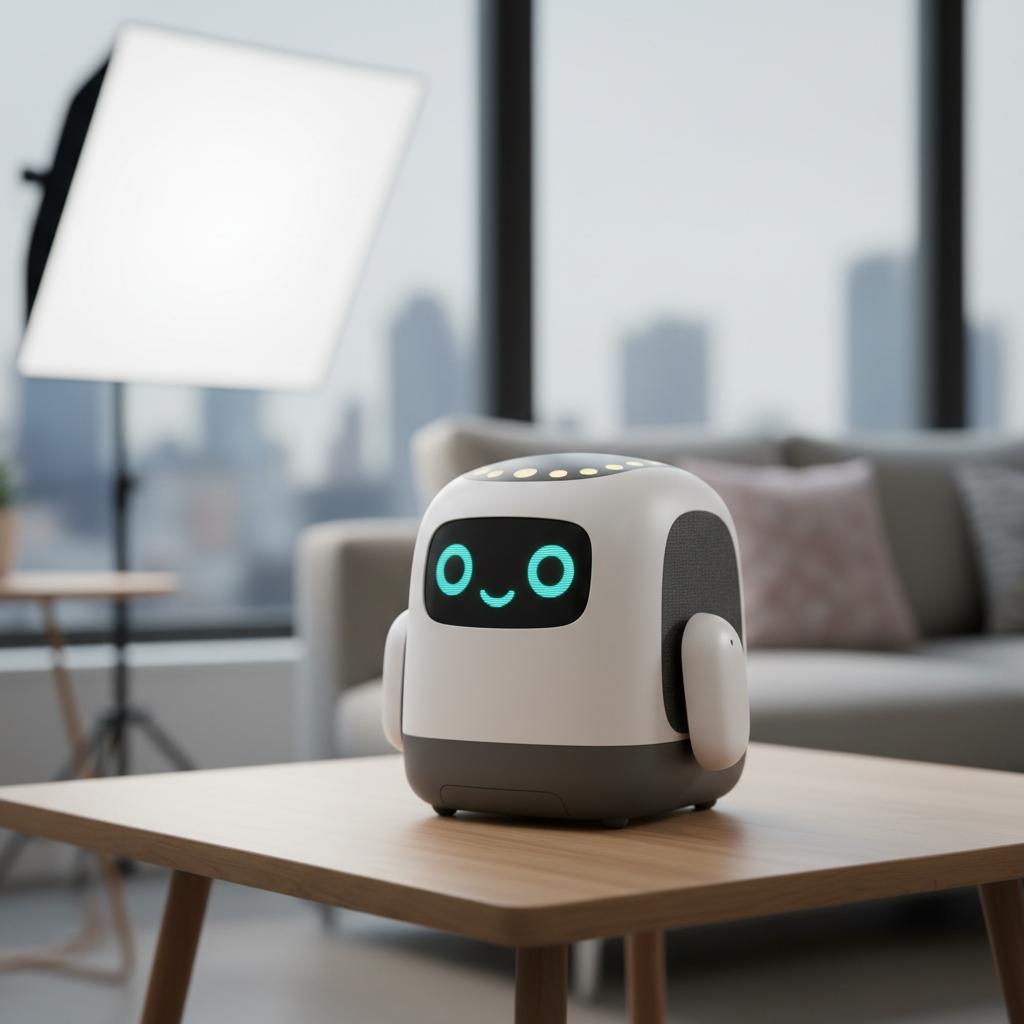
A friendly home companion robot with a small screen assisting an elderly woman in a bright living room. Image by www.CleaningRobots.Online.
Home assistant robots combine a mobile or stationary body with voice interaction and sensor monitoring.
Advertisement

What a home assistant robot for elder care actually does

The category splits into two physical forms: stationary tabletop units with a screen, microphone array and camera, and mobile units on a wheeled base that can follow a resident between rooms. Both types share a common core function set: voice-activated reminders for medication, appointments and hydration; two-way video calling that a family member or carer can trigger remotely; and passive monitoring that looks for irregular patterns โ€” a resident not moving through the kitchen by a usual hour, for instance โ€” and sends an alert rather than requiring the resident to ask for help.

Fall detection is the feature most families ask about first. Camera-based systems detect a fall through pose estimation and typically achieve high detection rates in open, well-lit rooms, but accuracy drops in bathrooms (steam, reflections) and in rooms with clutter or poor lighting. Wearable fall-detection pendants paired with the robot's hub generally outperform camera-only detection for actual fall events and are worth combining with a robot rather than relying on cameras alone.

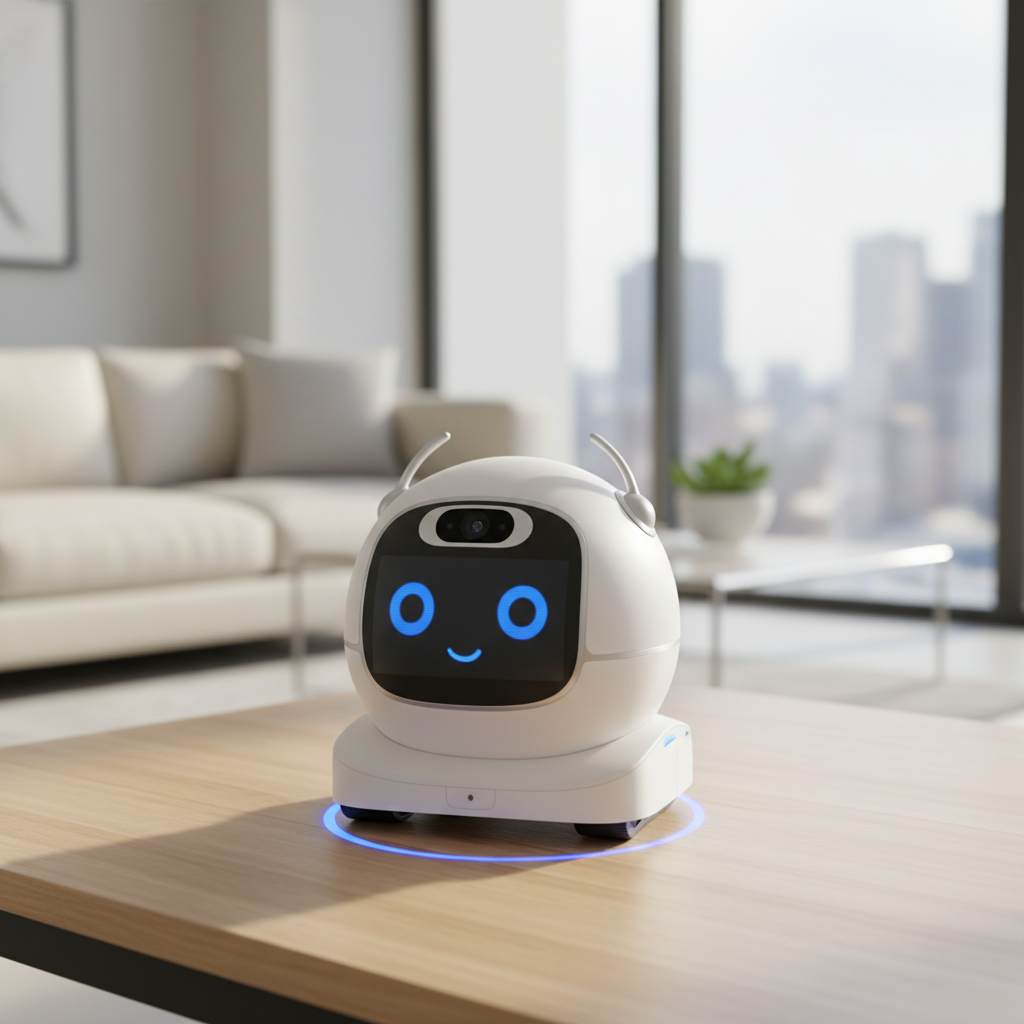
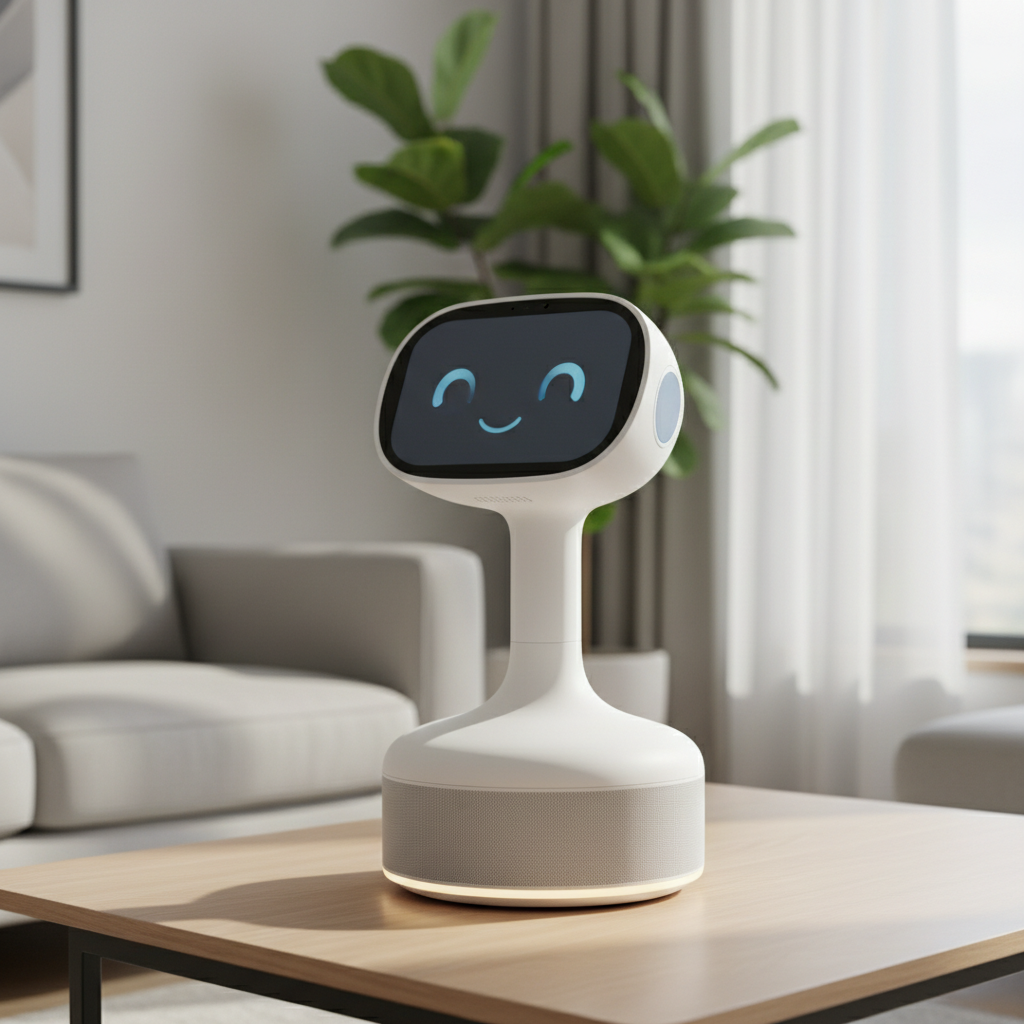
A compact home assistant robot on a kitchen counter displaying a medication reminder near elderly hands. Image by www.CleaningRobots.Online.
Scheduled medication reminders are one of the most reliably useful features across current models.

Medication and routine support

Voice and screen-based medication reminders are simple, reliable and arguably the single highest-value feature: the robot announces the reminder, waits for a spoken or button confirmation, and โ€” on premium units โ€” escalates to a text or call to a family member if the reminder goes unacknowledged after a set window, typically 15 to 30 minutes. This closes a genuine gap for residents managing multiple daily medications, where forgetting a dose is far more common than most families realise.

Some units integrate with smart pill dispensers that physically release only the current dose, adding a mechanical safeguard against double-dosing or confusion, at an additional cost of $50โ€“$150 for the dispenser hardware.

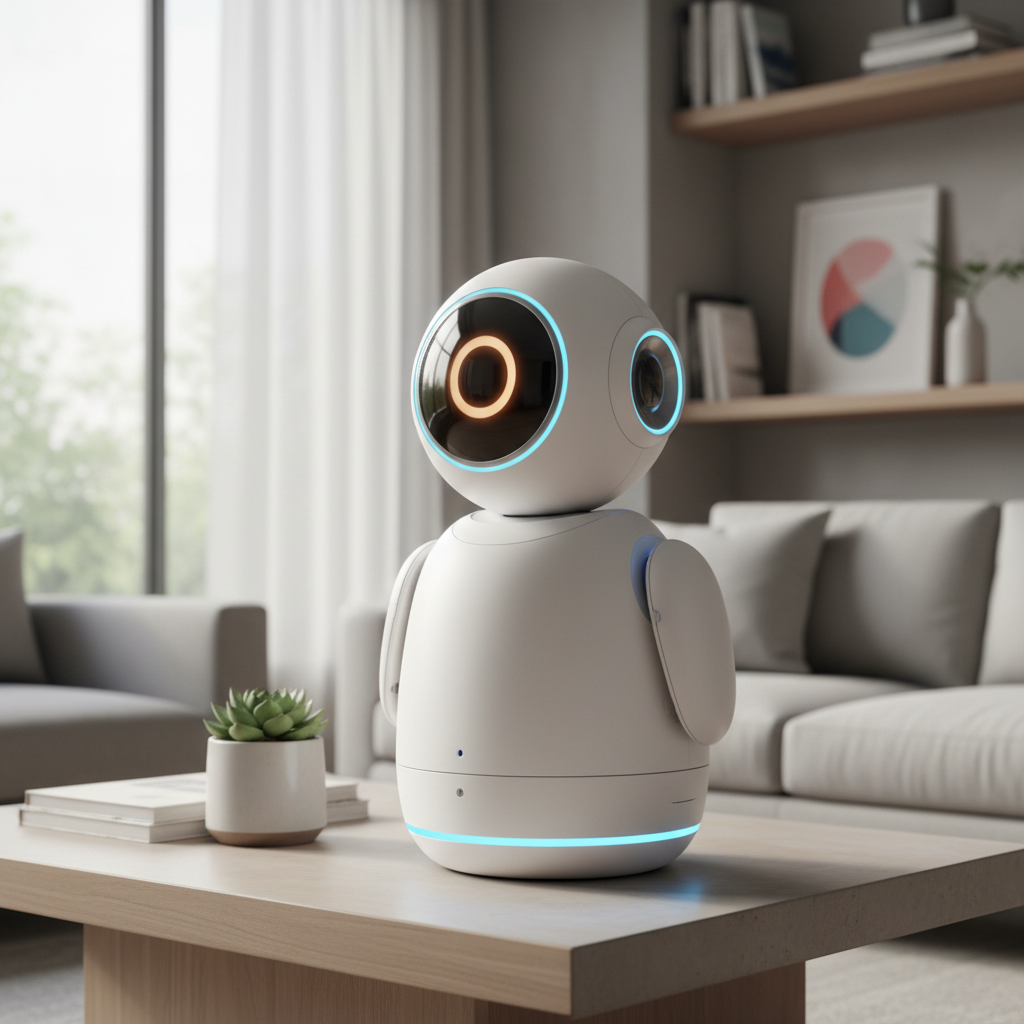
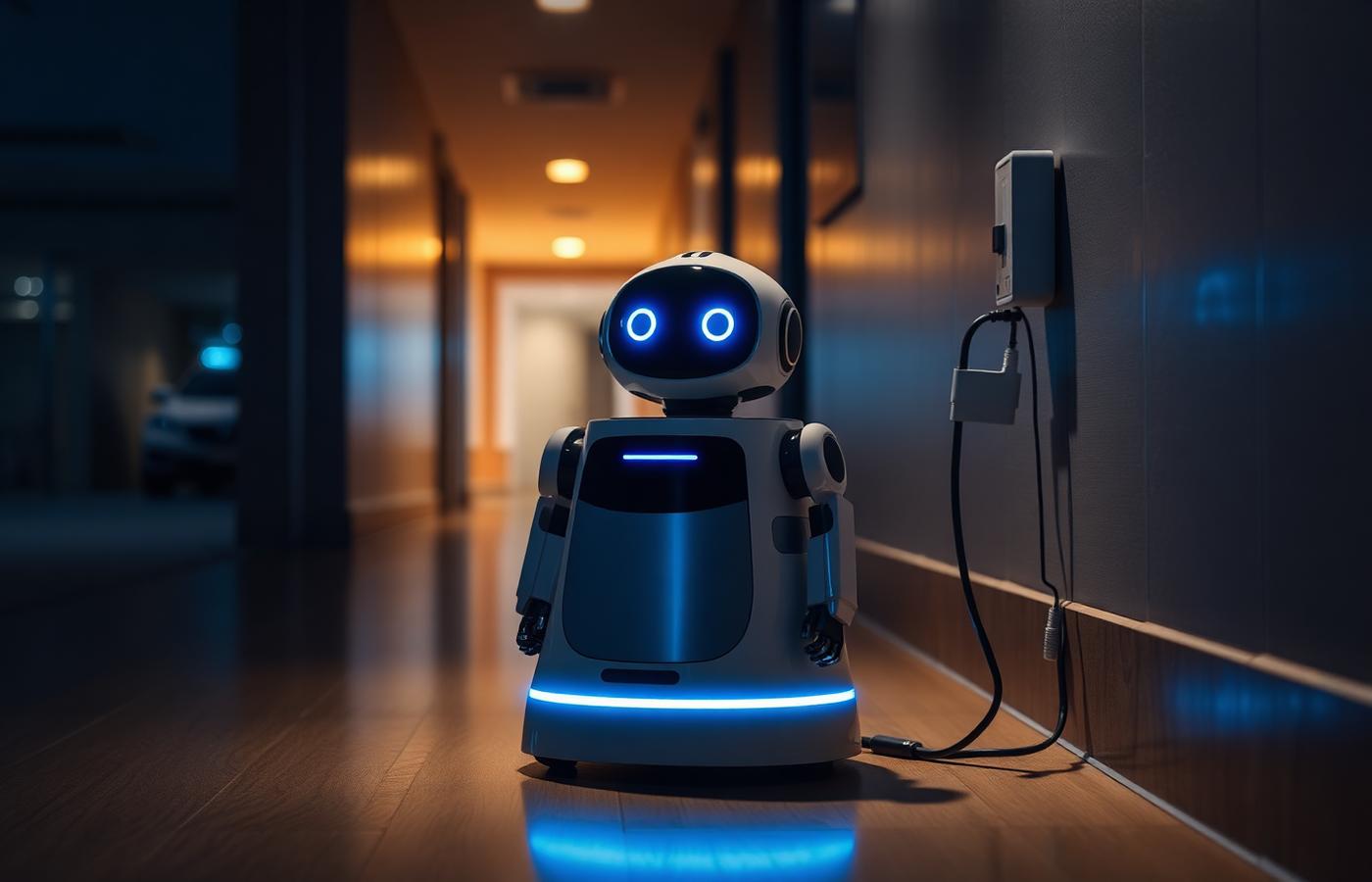
A small mobile home robot with camera sensors following an elderly man walking through a hallway with a cane. Image by www.CleaningRobots.Online.
Mobile units can follow a resident room to room, extending fall-detection coverage beyond one fixed sensor.

Family connection and remote oversight

The companion app is where most of the day-to-day value lands for family members who do not live nearby. A well-designed app shows a simple activity summary โ€” movement detected, medication confirmed, last video call โ€” without turning into constant surveillance, which is important both ethically and for the resident's sense of dignity and autonomy. Look for units that let the resident control camera privacy, such as a physical lens cover or a clearly indicated 'do not disturb' mode, rather than an always-on camera feed a family member can view at will.

Video calling quality matters more than it sounds: a robot that automatically frames and follows the resident's face during a call, rather than requiring them to sit in one fixed spot, meaningfully increases how often older adults with limited mobility or vision actually use the feature.
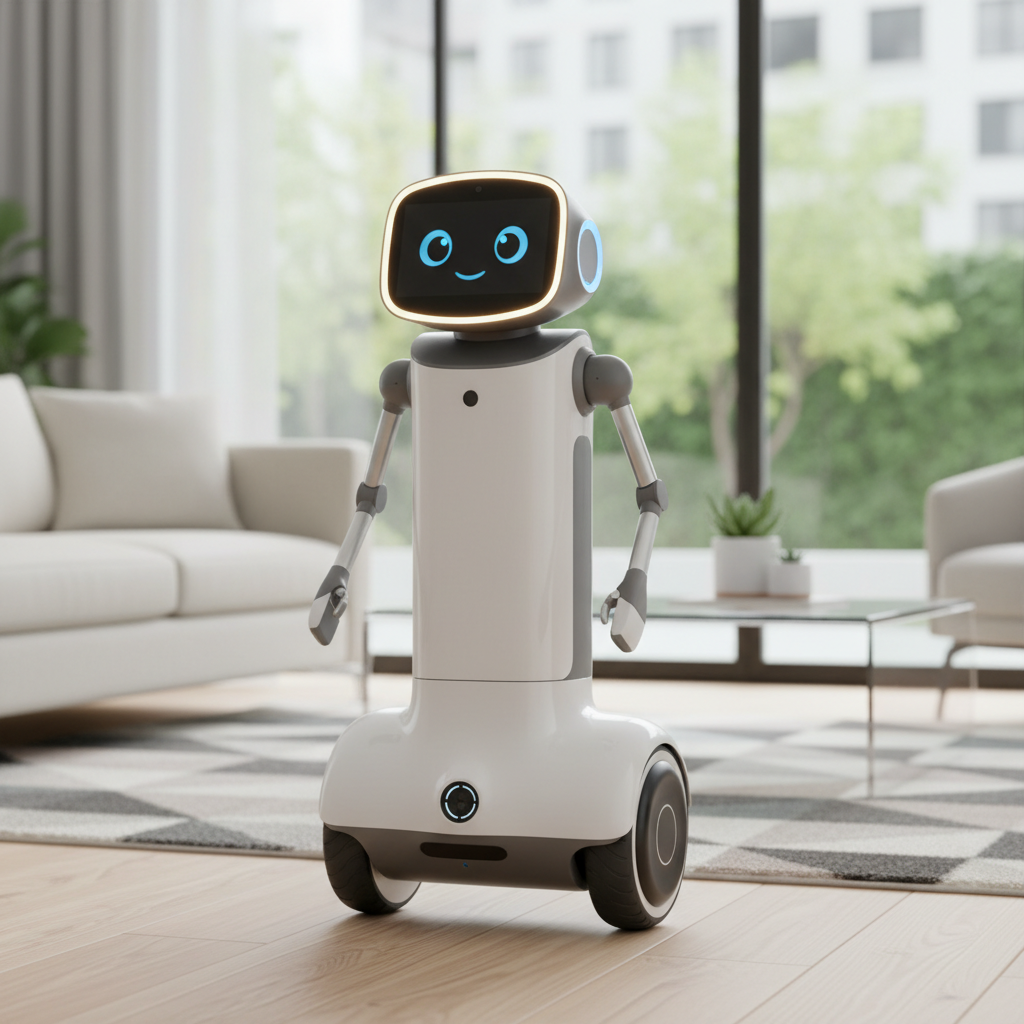
An adult child video calling on a tablet to check on a home assistant robot device in a relative's living room. Image by www.CleaningRobots.Online.
Remote check-in through a companion app is often the feature families value most.

Costs and what is not included

Basic stationary units with voice reminders and video calling start around $200โ€“$350, often with a required monthly monitoring subscription of $20โ€“$40 for cellular connectivity, alert routing and data storage. Mobile follow-me units with fall detection and room-to-room tracking run $800โ€“$1,800 plus a similar monthly subscription. Premium integrated systems bundling a wearable pendant, smart pill dispenser and 24/7 monitored alert response โ€” where a live operator calls or dispatches help โ€” cost $1,200โ€“$2,500 upfront plus $30โ€“$60 a month.

None of these units provide hands-on physical care: they cannot help someone up after a fall, administer medication physically, or manage complex care needs. They are a monitoring and communication layer that sits alongside, not instead of, in-person care, whether that is family, a carer, or a home-care service.

Choosing the right unit for the person, not the feature list

Start from the resident's actual daily challenges rather than the spec sheet. Someone managing five medications a day benefits most from reliable reminder escalation; someone with a recent fall history benefits most from a wearable pendant paired with a monitored alert service rather than camera-only detection; someone whose main risk is isolation benefits most from an easy, low-friction video-calling unit. Involve the resident in the decision and the setup โ€” uptake and trust drop sharply when a monitoring device is installed without buy-in, regardless of how capable the technology is.
Frequently asked questions

Can a home assistant robot detect a fall reliably?
Camera-based detection performs well in open, well-lit rooms but is less reliable in bathrooms and cluttered spaces. Pairing a robot with a wearable fall-detection pendant gives materially better coverage than cameras alone.
Is there a monthly cost beyond the purchase price?
Most units with remote monitoring, cellular connectivity or a live alert-response service require a subscription, typically $20โ€“$60 a month. Basic Wi-Fi-only reminder units without monitoring can avoid this.
Will the robot replace a home carer?
No. It supports independent living between care visits by handling reminders, monitoring and communication, but it cannot provide hands-on physical assistance or complex medical care.
How do you address privacy concerns with a resident?
Choose a unit with a physical camera cover or clear privacy mode, involve the resident in setup, and agree explicitly on what family members can see and when, rather than defaulting to always-on monitoring.
What happens if the internet or power goes out?
Most units pause remote features during an outage; premium models with cellular backup and battery power can maintain basic alert functions for several hours, which is worth prioritising for anyone with significant fall risk.
Advertisement

All our Home Assistant Robots โ€” 10 models reviewed

Every model we cover in this category, ranked with specs, pricing and honest pros and cons.

See the full Home Assistant Robots category

Related robot categories

Read our other Full Feature Articles

Outdoor Cleaning RobotsThe Robot Pool Cleaner Buying Guide: What Actually MattersCordless vs Corded Robot Pool Cleaners: Which Suits Your PoolSolar Pool Skimmer Robots: What They Do and Their LimitsLiDAR vs vSLAMRobot Lawn Mowers Without Boundary Wire: How They NavigateSelf-emptying robot vacuum systems explainedRobot mops for hard floorsThe Robot Vacuum Buying Guide: What Actually Matters in 2026Are Vacuum Mop Combo Robots Worth It in 2026?Self Cleaning Litter BoxThe Best Robot Vacuum for Pet Hair in a Shedding HouseholdThe Robot Window Cleaner Guide: How They Work and Who Needs OneThe Grill Cleaning Robot Guide: How They Work and What They CostChoosing a Robot Mower for Slopes and Large LawnsSecurity Patrol Robots for Home and Business: What to KnowHow a flying delivery drone actually gets a parcel to your doorDrone Delivery Regulations Worldwide: A Country-by-Country OverviewHow a Food Delivery Robot Gets Your Order to Your DoorCommercial Floor Scrubbing Robots: What They Cost and How They WorkWarehouse Lifting Robots: Cutting Manual Handling Injuries on the FloorWorkplace Safety RobotsThe Complete Robot Vacuum Maintenance ChecklistSmart Home Cleaning Robot Integration, ExplainedThe Real Cost of Cleaning Robots, Beyond the Sticker PriceGutter Cleaning Robots Explained: How They Work, What They CostThe Best Gutter Cleaning Robot for 2026: A Buyer's ShortlistiRobot Looj Alternatives: What to Use Now for Gutter CleaningOutdoor Sweeper Robots: Keeping Driveways and Paths Clear Automatically

30 full feature articles published ยท browse them all