Gutter Cleaning Robots

iRobot Looj Alternatives: What to Use Now for Gutter Cleaning

The iRobot Looj was one of the first consumer gutter-cleaning robots, a small tracked unit that drove along the inside of a gutter flinging debris out with a spinning auger. iRobot discontinued the product line some years ago, and it is no longer manufactured or supported. If you're searching for a Looj replacement, here is how the current market has reshaped around that idea.

Published 22 July 2026 Β· Cleaning Robots editorial team

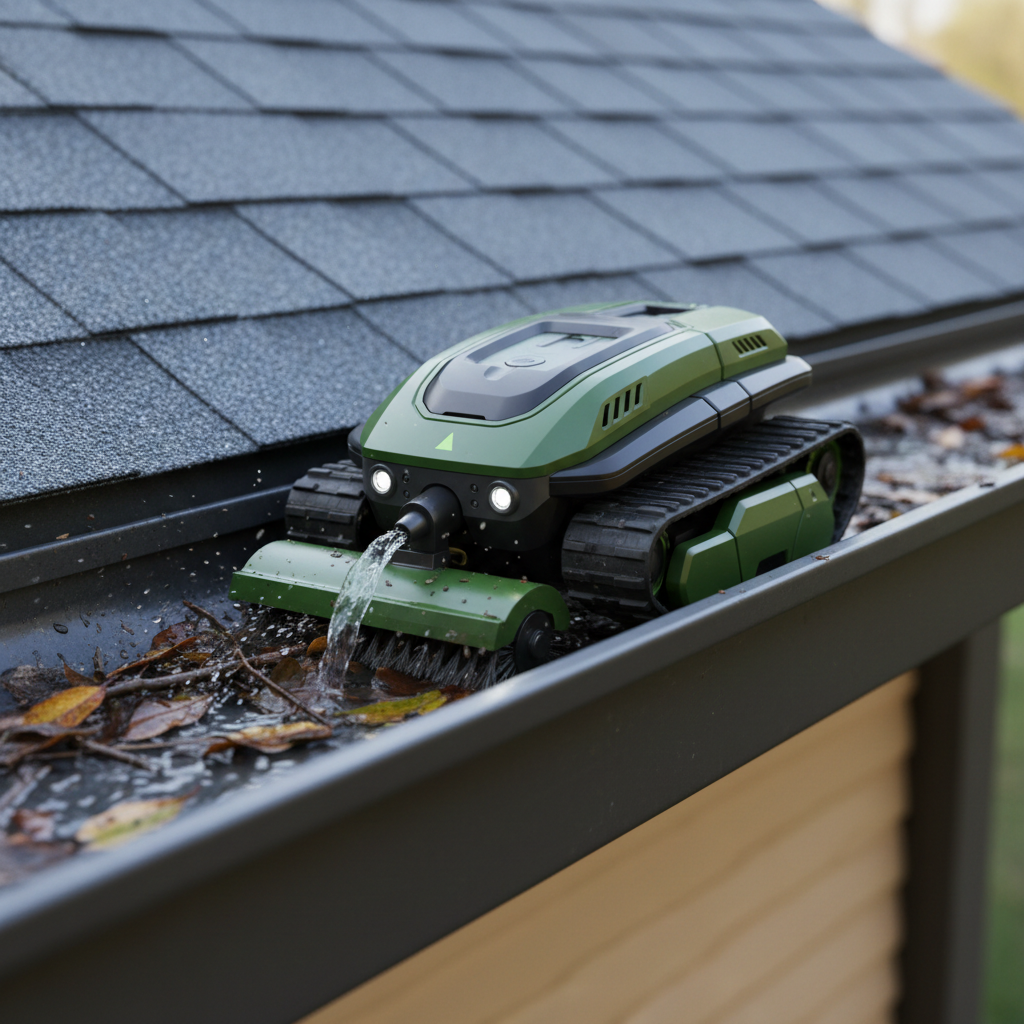
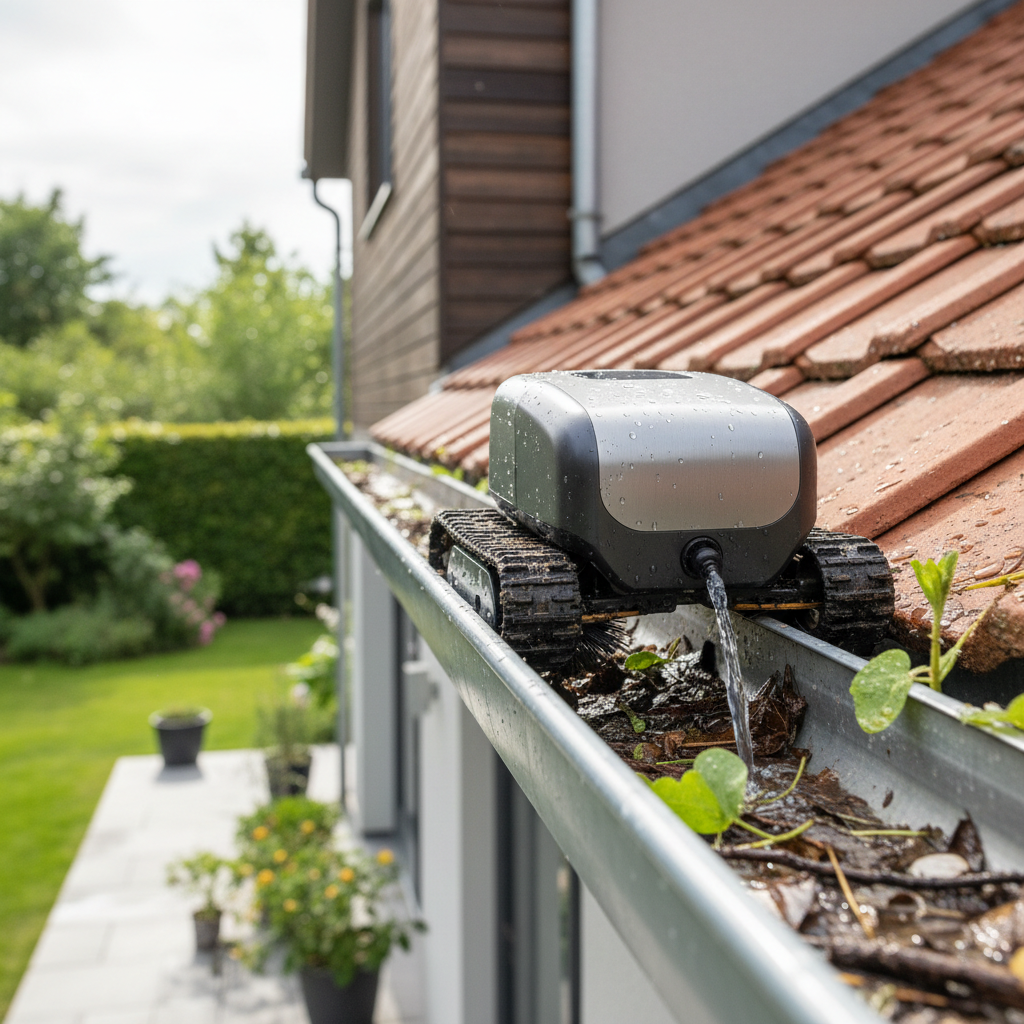
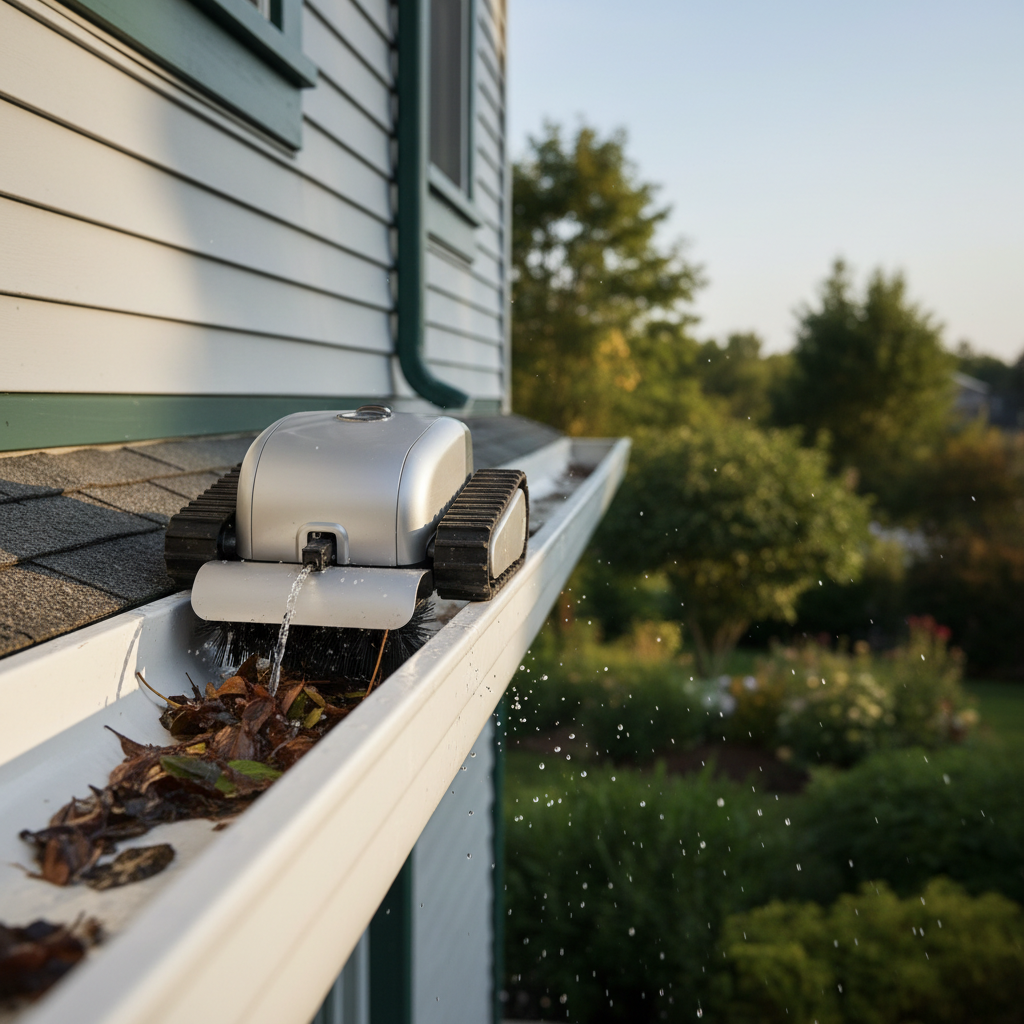
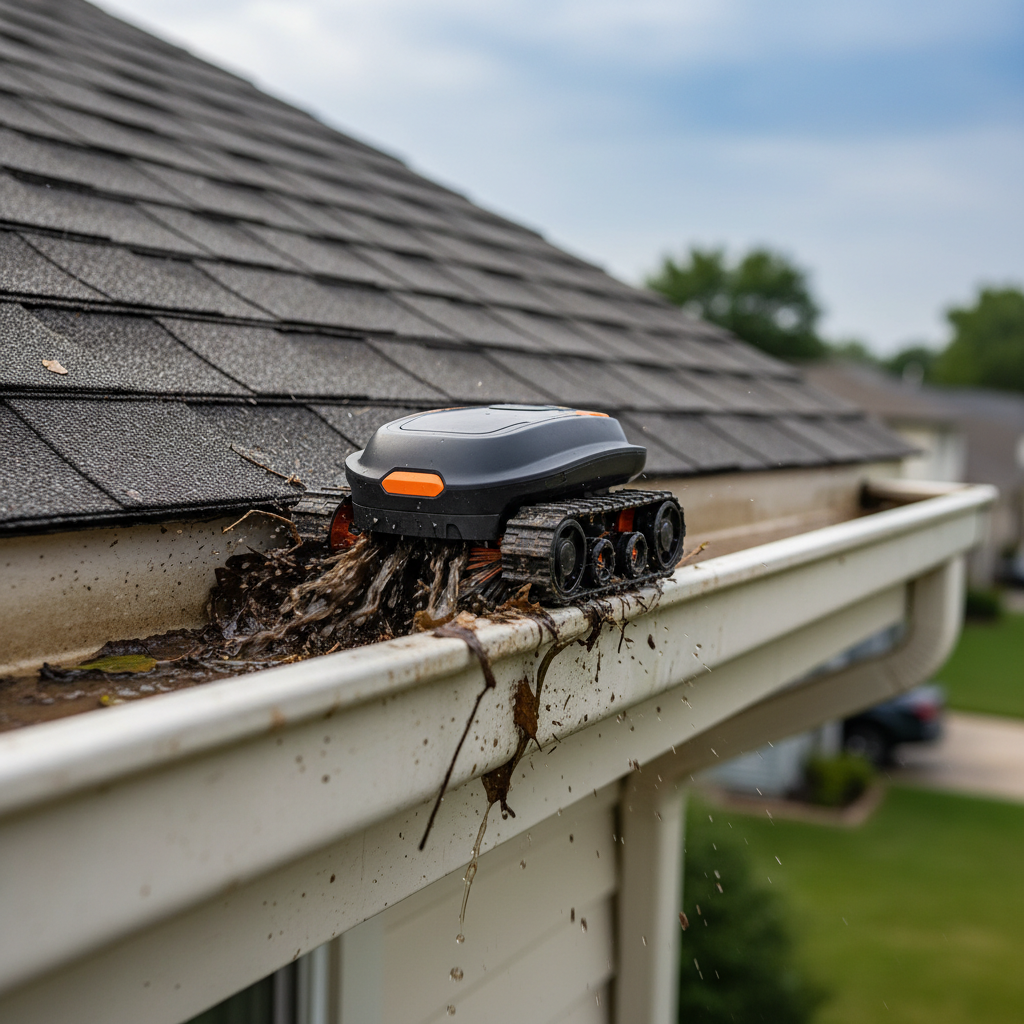
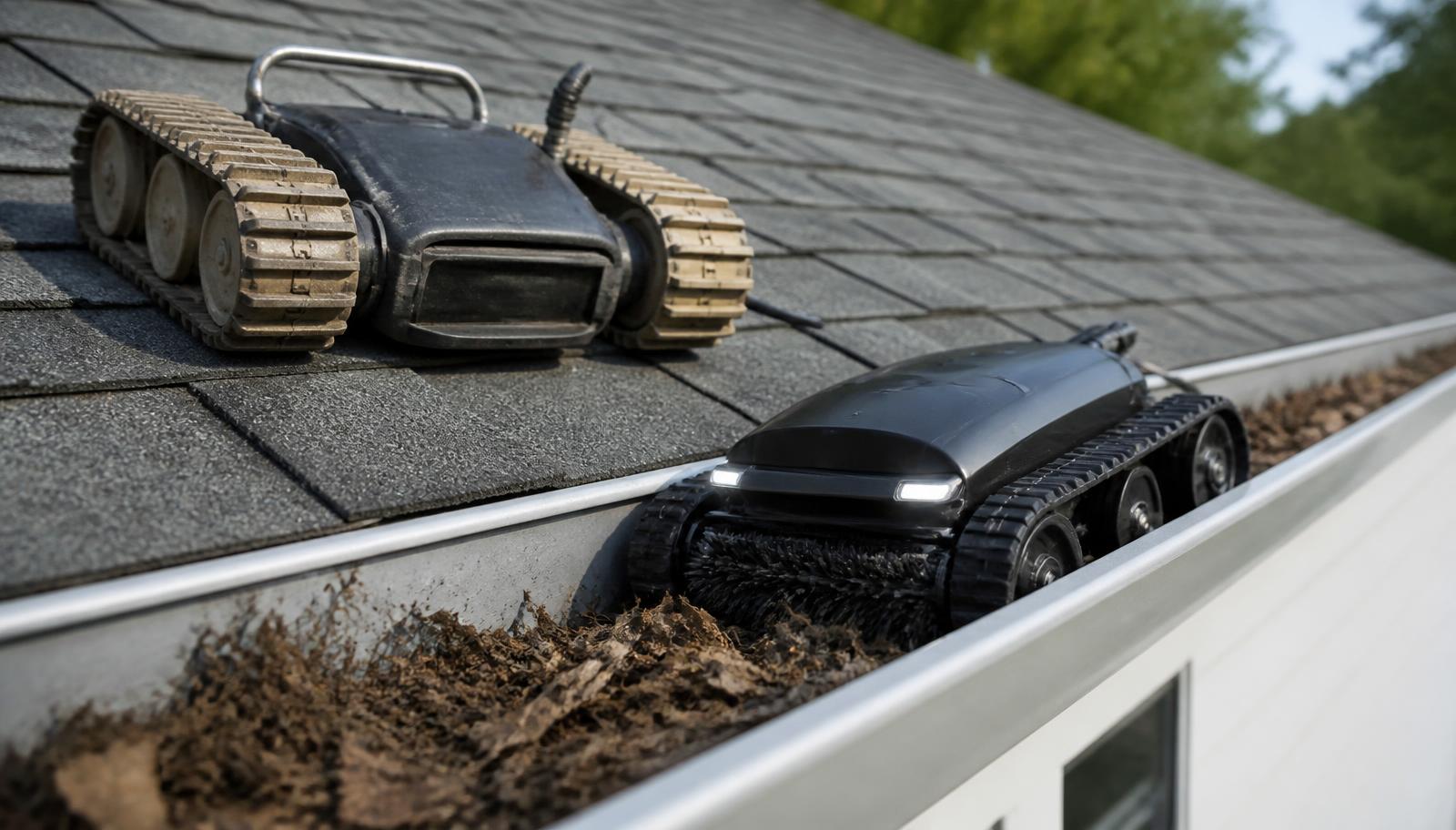
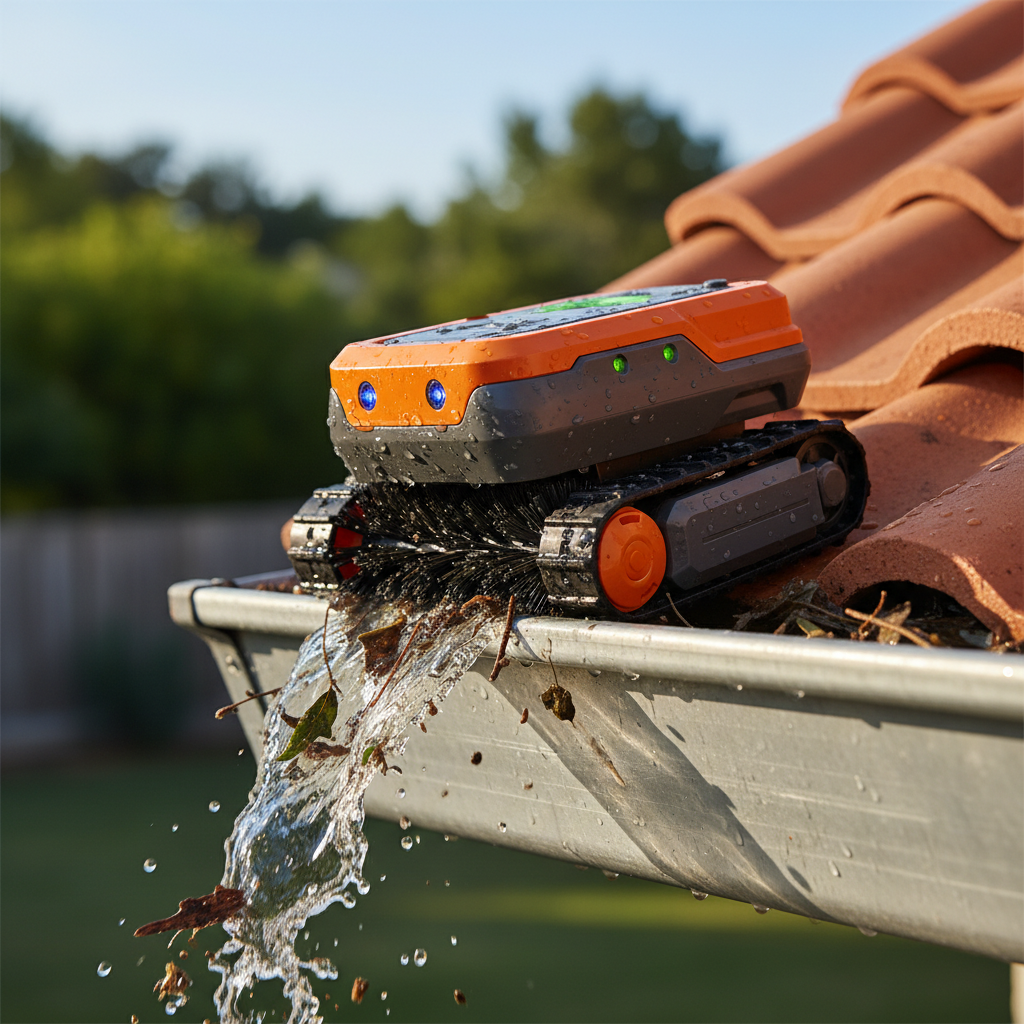
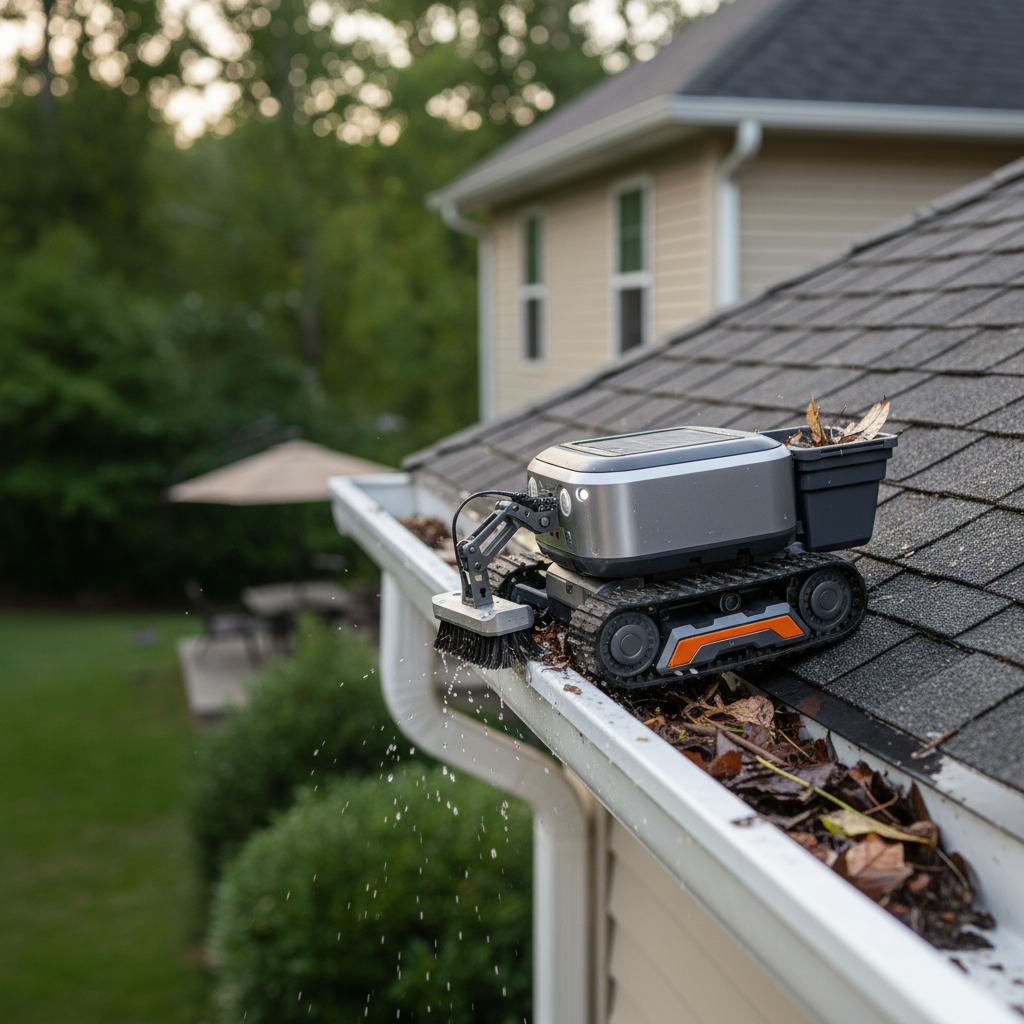
A small tracked gutter robot driving along the inside of a residential gutter channel. Image by www.CleaningRobots.Online.
Tracked, self-driving gutter units like the discontinued Looj are now a niche category.
Advertisement

Why the iRobot Looj is no longer an option

iRobot's Looj was a tracked, self-propelled unit roughly the width of a standard gutter that drove itself along the channel while a spinning auger head flung leaves and debris out as it went. It was controlled by a handheld remote and required the operator to place it in the gutter, typically from a ladder, then let it drive along sections at a time. iRobot discontinued the Looj line and no longer sells, services or provides replacement parts for it, meaning existing units still in use cannot be repaired through official channels.

This has left a genuine gap for anyone specifically wanting a self-driving, in-gutter robot rather than a ground-operated pole tool, and no other major manufacturer has released a direct like-for-like successor at consumer pricing.
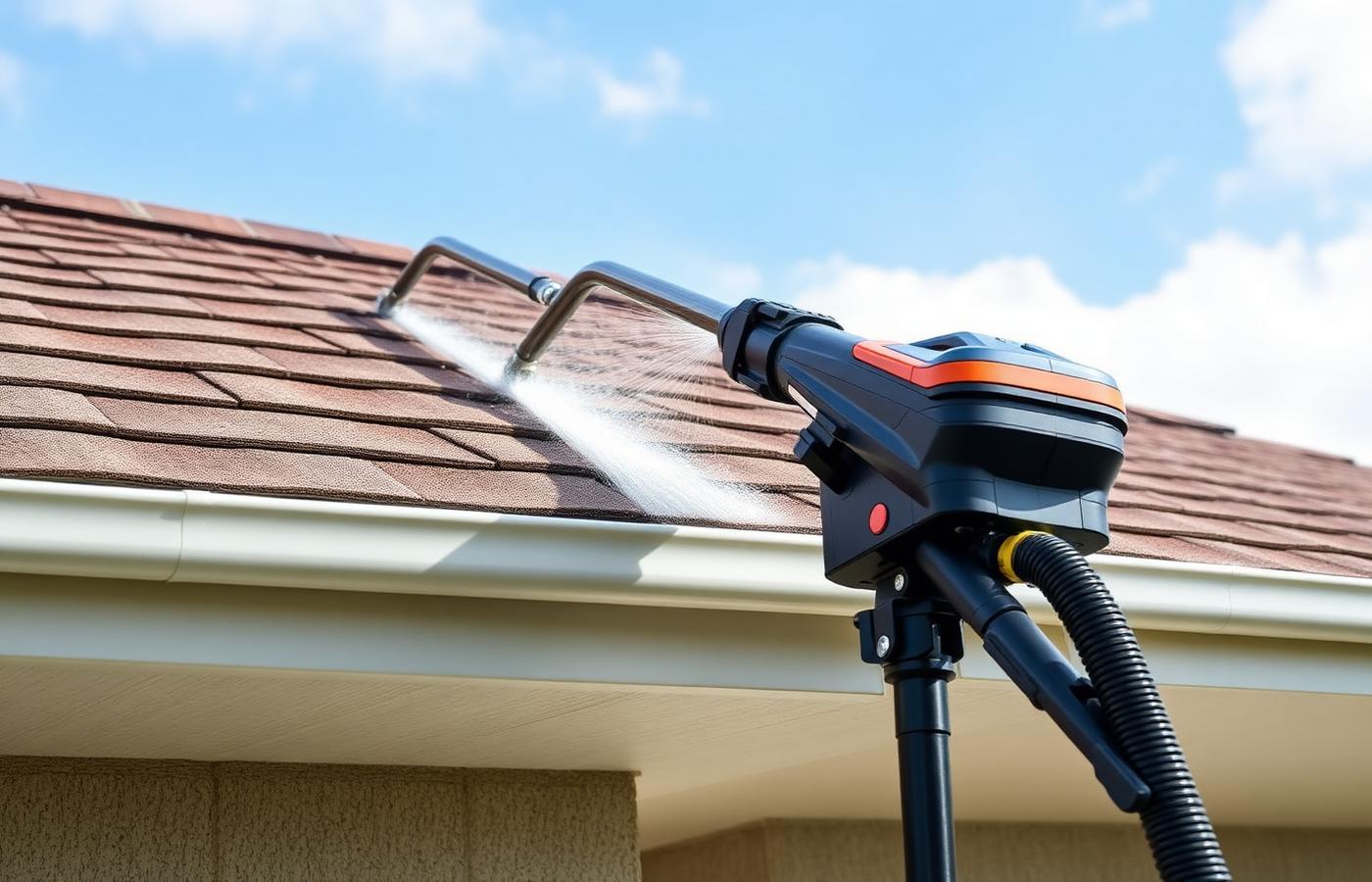
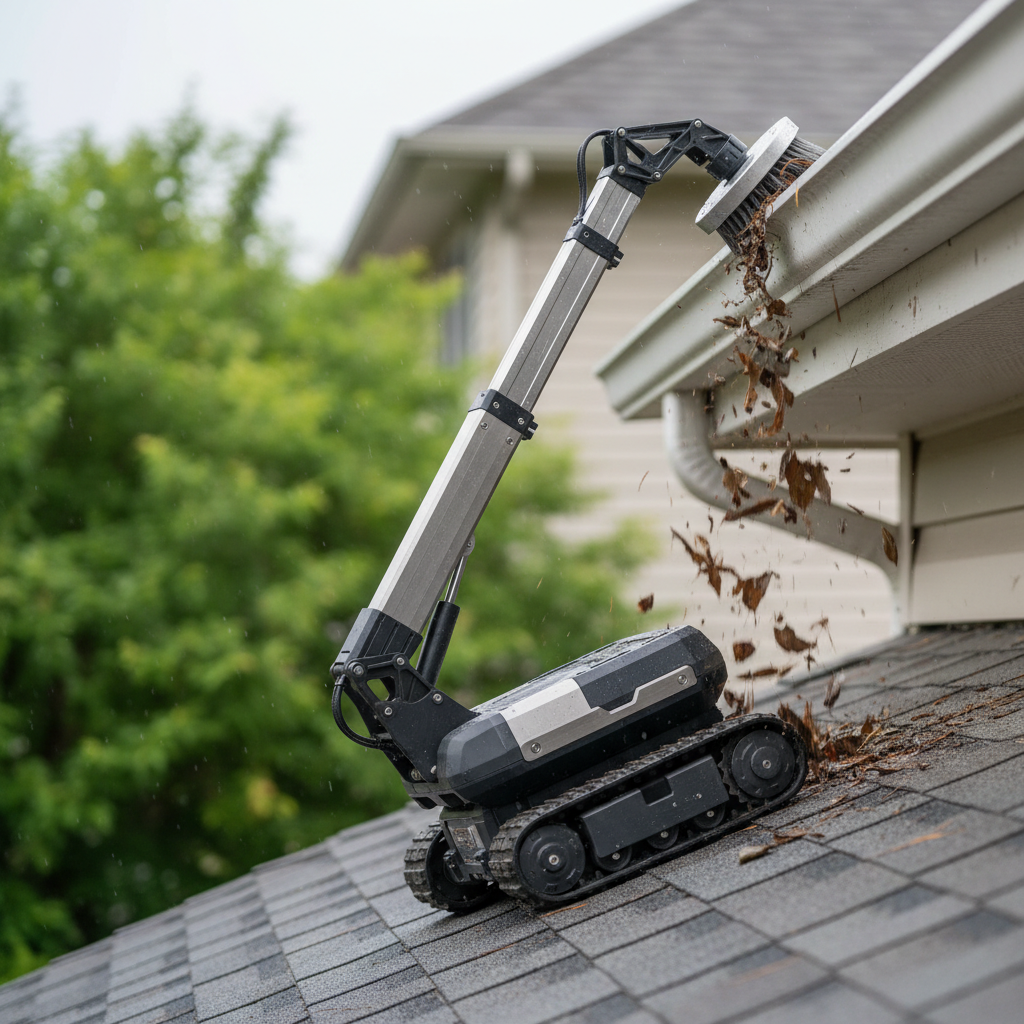
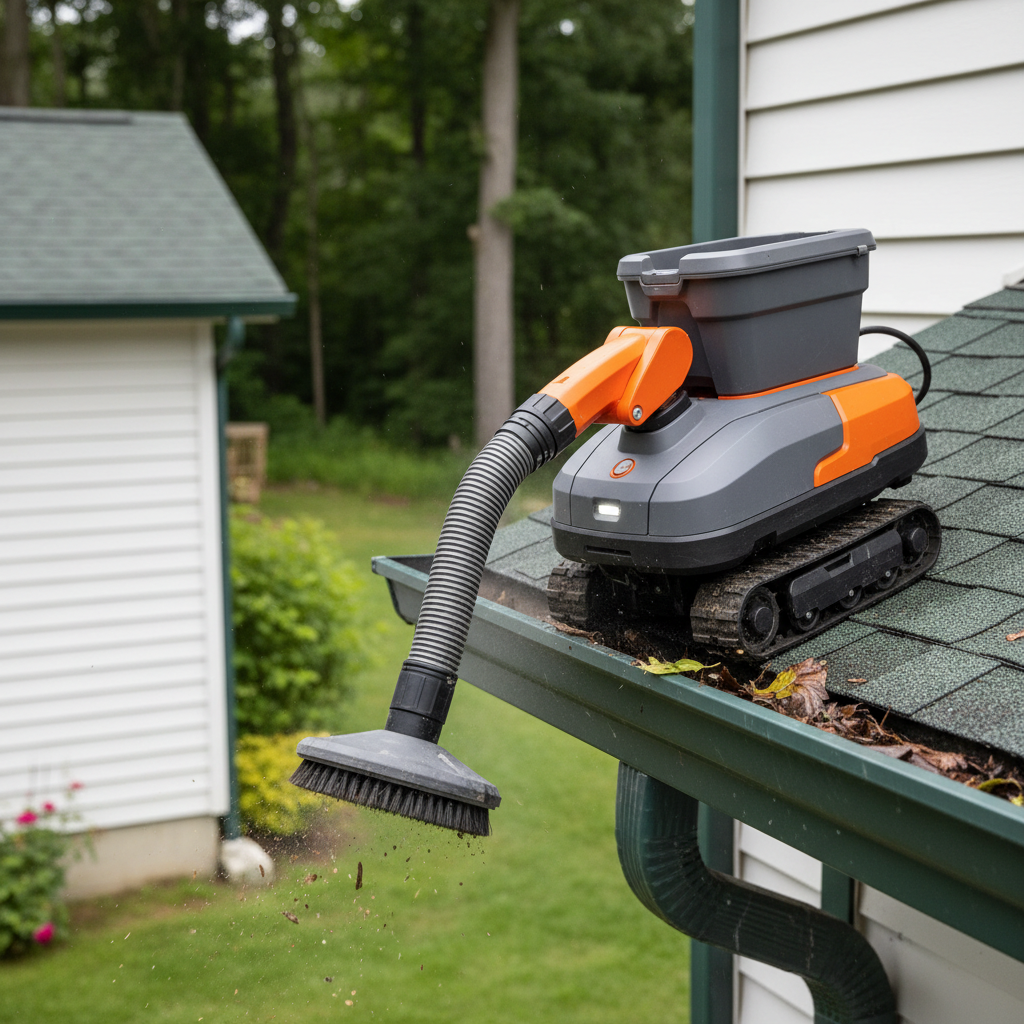
A pole-mounted gutter cleaning attachment being used as an alternative to a tracked gutter robot. Image by www.CleaningRobots.Online.
Pole-mounted attachments have become the mainstream alternative for most households.

The mainstream alternative: pole-mounted attachments

The category that has effectively replaced the Looj in the mass market is the pole-mounted gutter cleaning attachment, operated from the ground rather than placed inside the gutter. These connect a rotating brush or auger head to a telescopic pole and a leaf blower or vacuum, letting you clear debris while standing on the ground rather than a ladder. They lack the fully autonomous, self-driving element the Looj offered, but they remove the need to climb up at all, which for many households is the safety benefit that mattered most about the original product.

Expect to pay roughly $60–$350 depending on whether the kit includes its own motor, with camera-equipped versions extending to $600 for better visibility of blockages.
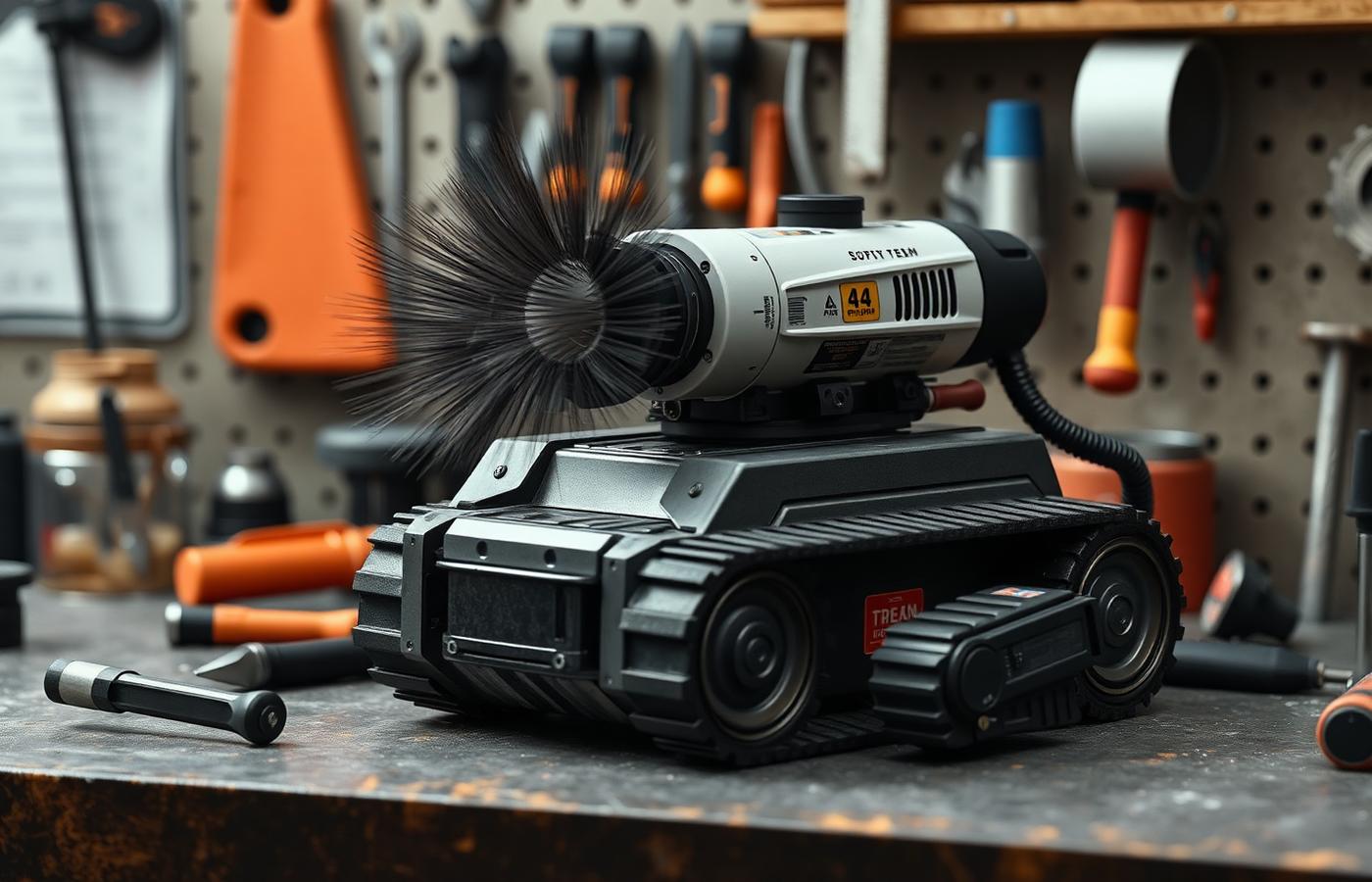
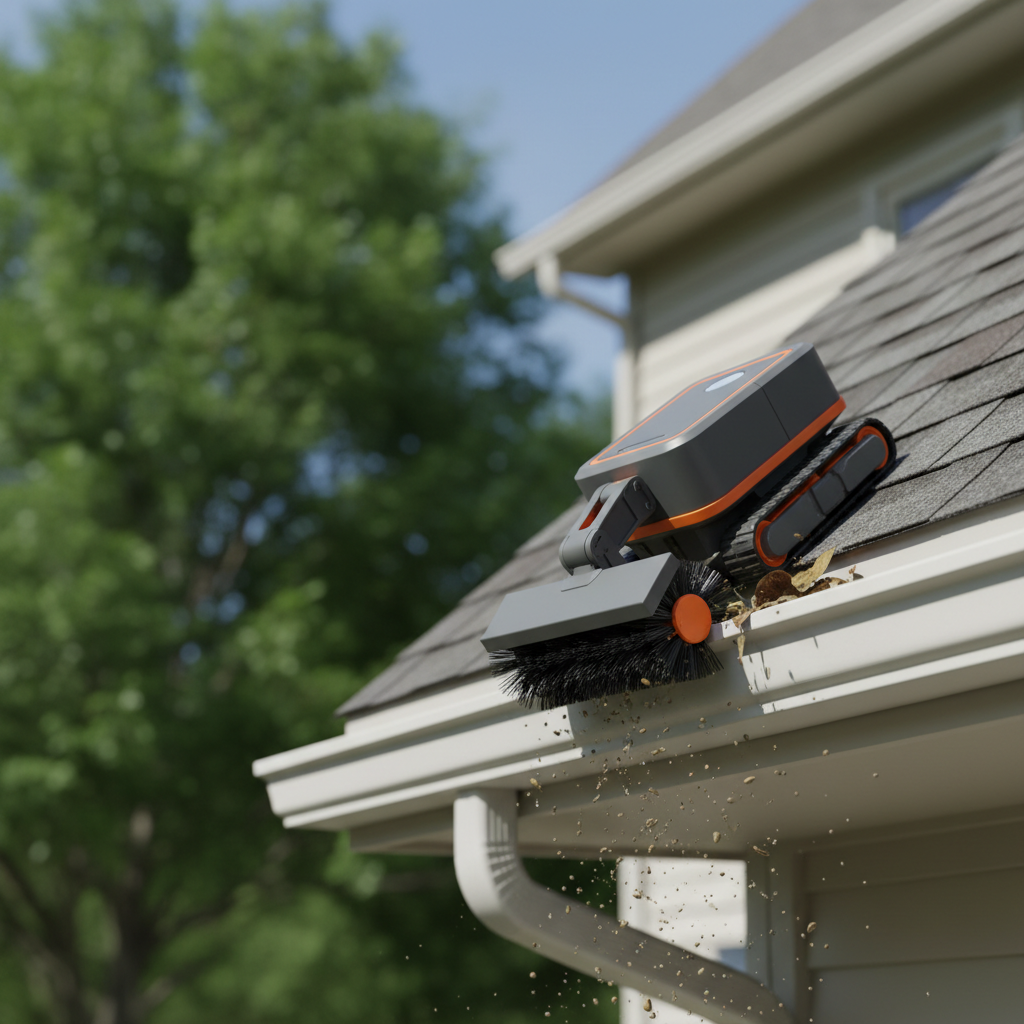
A gutter guard mesh installed along a roofline to reduce the need for gutter cleaning robots. Image by www.CleaningRobots.Online.
Gutter guards reduce debris build-up and can lower how often any cleaning tool is needed.

Camera-guided pole systems as a closer match

For anyone missing the Looj's ability to actually see and steer within the gutter, camera-equipped pole systems are the closest current equivalent. A small camera mounted near the cleaning head streams video to a phone or handheld screen, letting the operator confirm the head's position and see blockages directly rather than working blind from the ground. This adds a genuine feedback loop similar to the Looj's remote operation, without needing to physically place a unit inside the gutter.
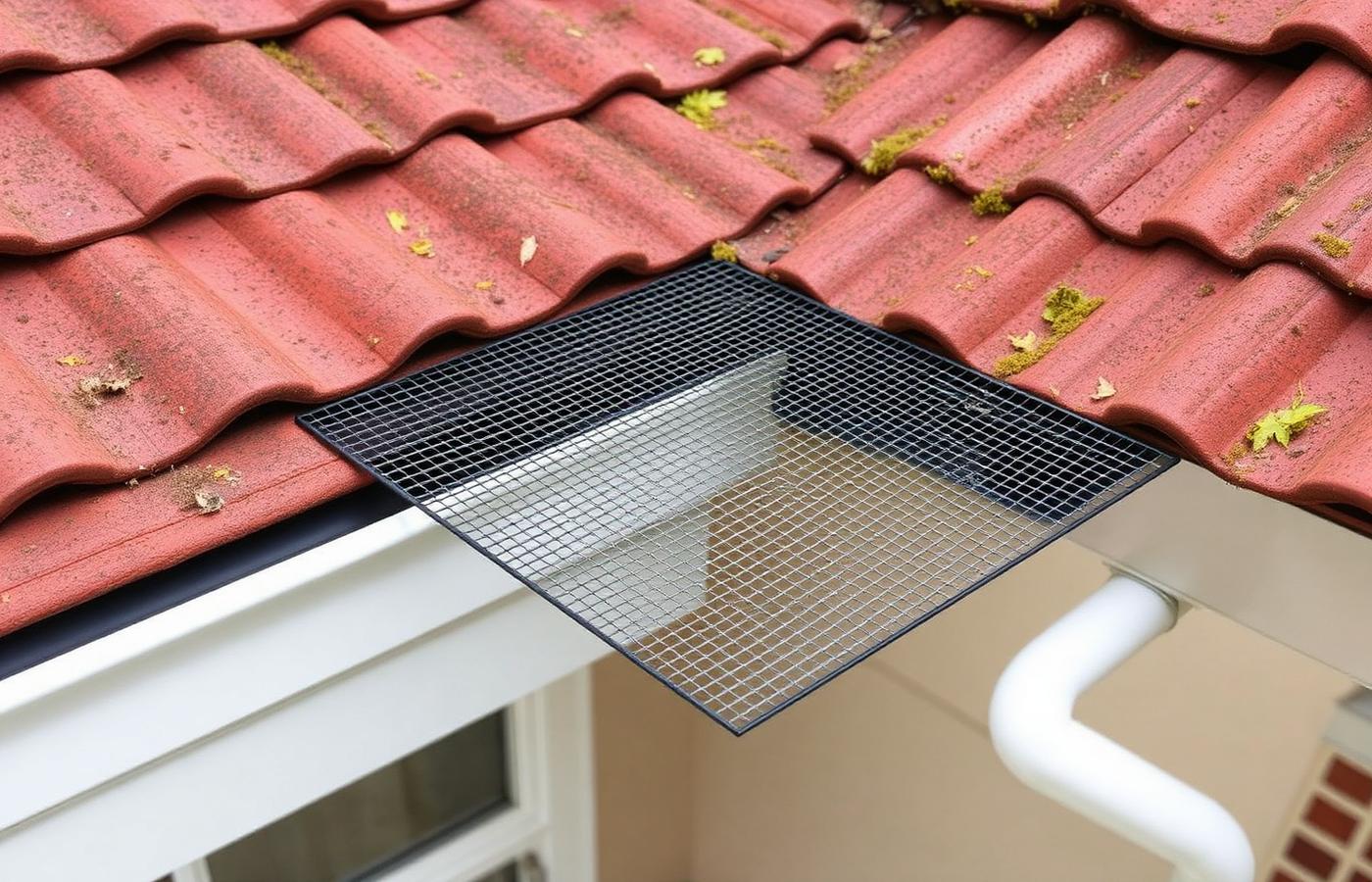
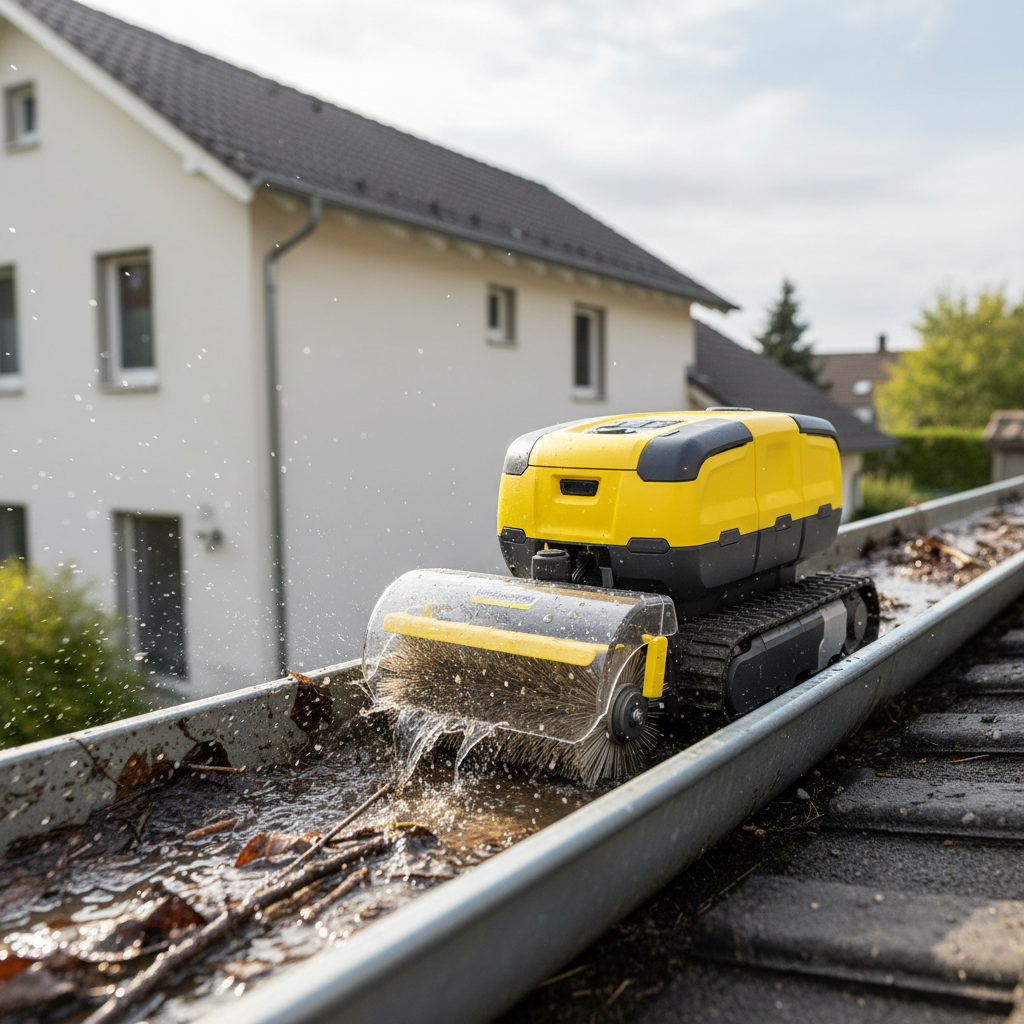
A tradesperson using a professional-grade vacuum gutter cleaning system on a two-storey home. Image by www.CleaningRobots.Online.
Professional vacuum-based gutter systems suit taller or harder-to-reach homes.

Professional vacuum-based systems for harder cases

For taller homes, heavily compacted debris, or gutters that are difficult to access safely, professional gutter vacuum systems β€” large capacity vacuums attached to lightweight carbon-fibre poles, often extending 10 metres or more β€” are used by trade cleaners rather than sold as consumer products. Hiring this service periodically is often more cost-effective than buying premium DIY equipment if your gutters are only cleaned once or twice a year.

Reducing the need for any gutter robot at all

Gutter guards β€” mesh or perforated covers that sit over the gutter opening β€” reduce leaf and debris accumulation substantially, particularly under deciduous trees or gum trees that shed heavily. They do not eliminate the need for cleaning entirely, since fine debris and seed pods can still work through some mesh types, but they reduce the frequency, meaning a cheaper pole-mounted kit may be all that's needed even without a Looj-style robot.
Frequently asked questions

Is the iRobot Looj still sold anywhere?
No, iRobot discontinued the Looj line and no longer manufactures, sells or services it. Any units still in use cannot be repaired through official iRobot channels.
What is the closest replacement to the Looj today?
There is no direct like-for-like tracked, self-driving successor at consumer pricing. The closest practical alternatives are camera-equipped pole-mounted attachments operated from the ground.
Are pole-mounted gutter tools as effective as the Looj was?
For typical leaf and twig debris, yes, and they avoid climbing a ladder entirely. They lack the Looj's in-gutter self-driving mechanism, so very compacted debris may need a pressure-washer attachment or professional help.
Should I just hire a professional instead of buying a new robot?
If your gutters are cleaned only once or twice a year, professional vacuum-based cleaning is often more cost-effective than buying premium DIY equipment that sits unused most of the year.
Do gutter guards remove the need for a cleaning robot?
They reduce debris build-up significantly but rarely eliminate cleaning entirely, since fine debris and seed pods can still pass through some mesh types.
Advertisement

All our Gutter Cleaning Robots β€” 10 models reviewed

Every model we cover in this category, ranked with specs, pricing and honest pros and cons.

See the full Gutter Cleaning Robots category

Related robot categories

Read our other Full Feature Articles

Outdoor Cleaning RobotsThe Robot Pool Cleaner Buying Guide: What Actually MattersCordless vs Corded Robot Pool Cleaners: Which Suits Your PoolSolar Pool Skimmer Robots: What They Do and Their LimitsLiDAR vs vSLAMRobot Lawn Mowers Without Boundary Wire: How They NavigateSelf-emptying robot vacuum systems explainedRobot mops for hard floorsThe Robot Vacuum Buying Guide: What Actually Matters in 2026Are Vacuum Mop Combo Robots Worth It in 2026?Self Cleaning Litter BoxThe Best Robot Vacuum for Pet Hair in a Shedding HouseholdThe Robot Window Cleaner Guide: How They Work and Who Needs OneThe Grill Cleaning Robot Guide: How They Work and What They CostHome Assistant Robots for Elder Care: A Practical GuideChoosing a Robot Mower for Slopes and Large LawnsSecurity Patrol Robots for Home and Business: What to KnowHow a flying delivery drone actually gets a parcel to your doorDrone Delivery Regulations Worldwide: A Country-by-Country OverviewHow a Food Delivery Robot Gets Your Order to Your DoorCommercial Floor Scrubbing Robots: What They Cost and How They WorkWarehouse Lifting Robots: Cutting Manual Handling Injuries on the FloorWorkplace Safety RobotsThe Complete Robot Vacuum Maintenance ChecklistSmart Home Cleaning Robot Integration, ExplainedThe Real Cost of Cleaning Robots, Beyond the Sticker PriceGutter Cleaning Robots Explained: How They Work, What They CostThe Best Gutter Cleaning Robot for 2026: A Buyer's ShortlistOutdoor Sweeper Robots: Keeping Driveways and Paths Clear Automatically

30 full feature articles published Β· browse them all