What a commercial floor scrubbing robot does
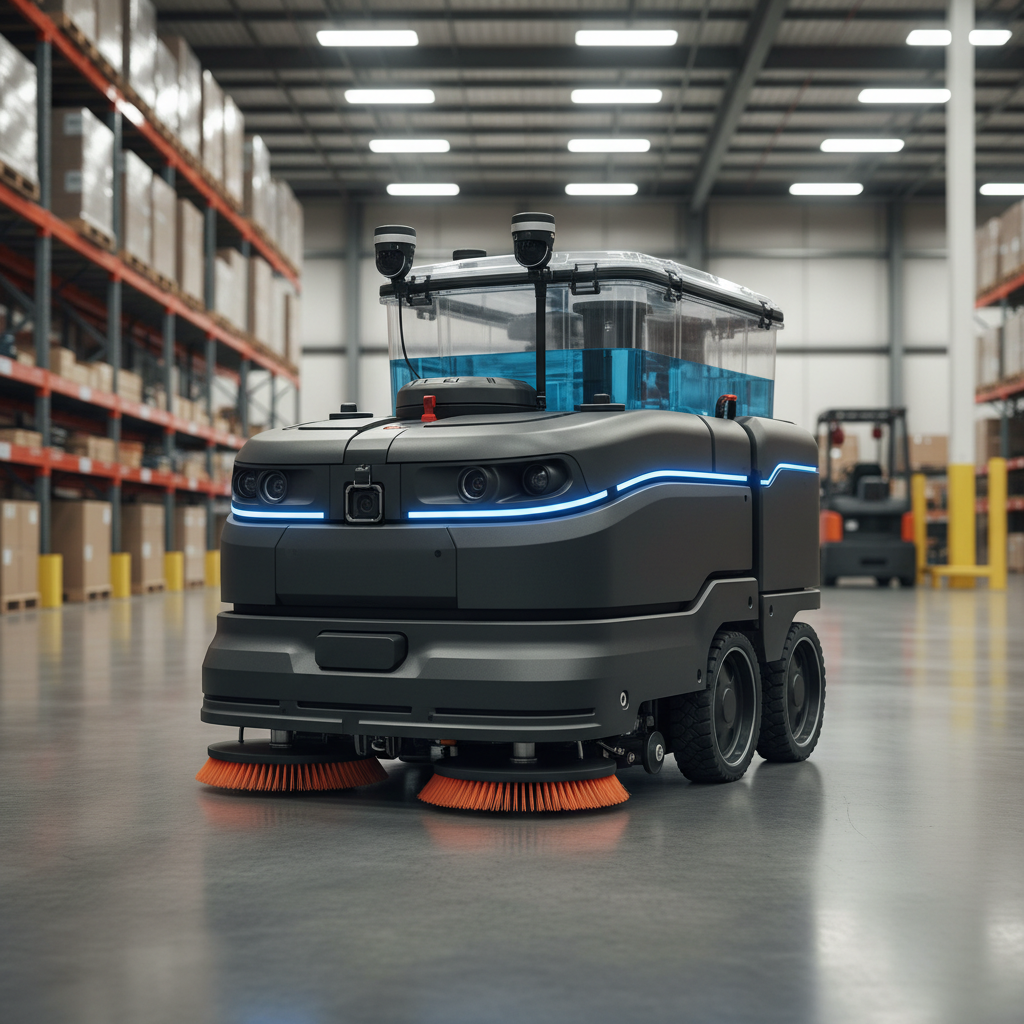
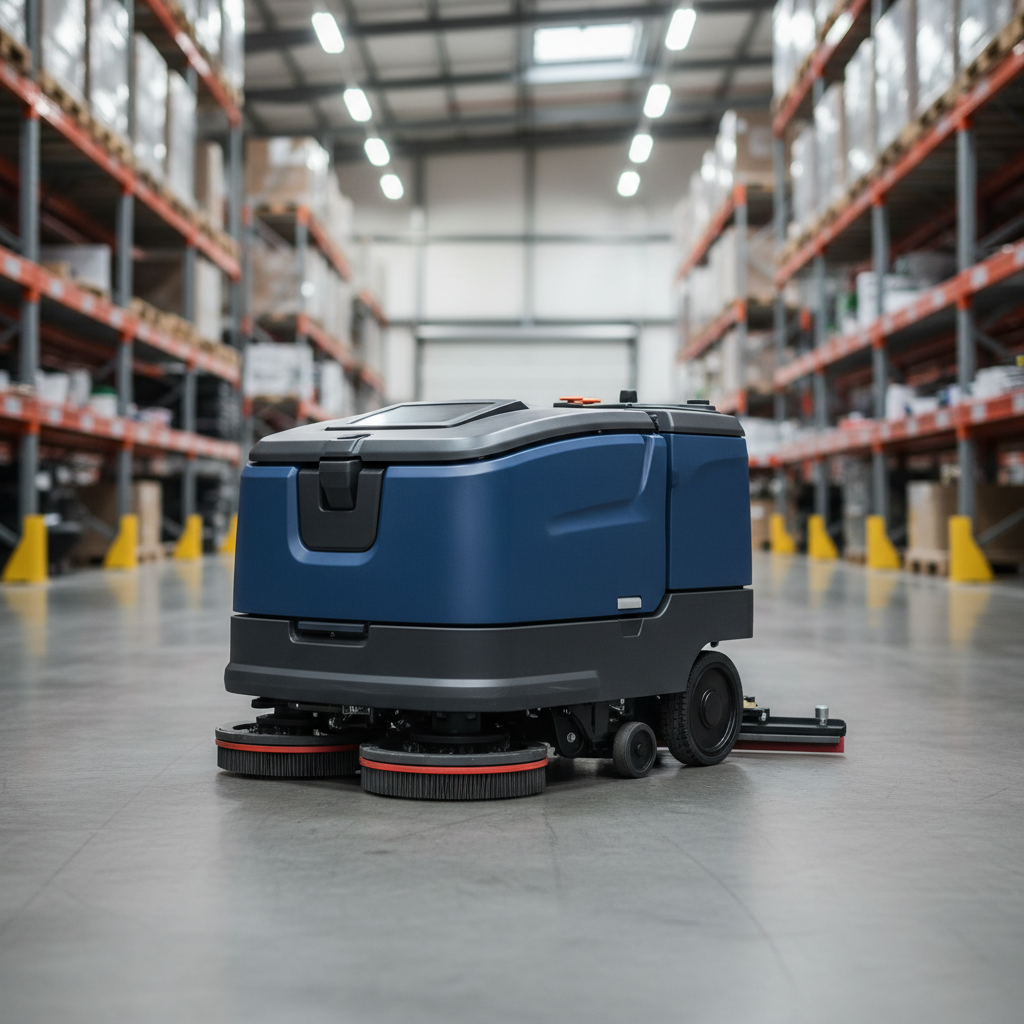
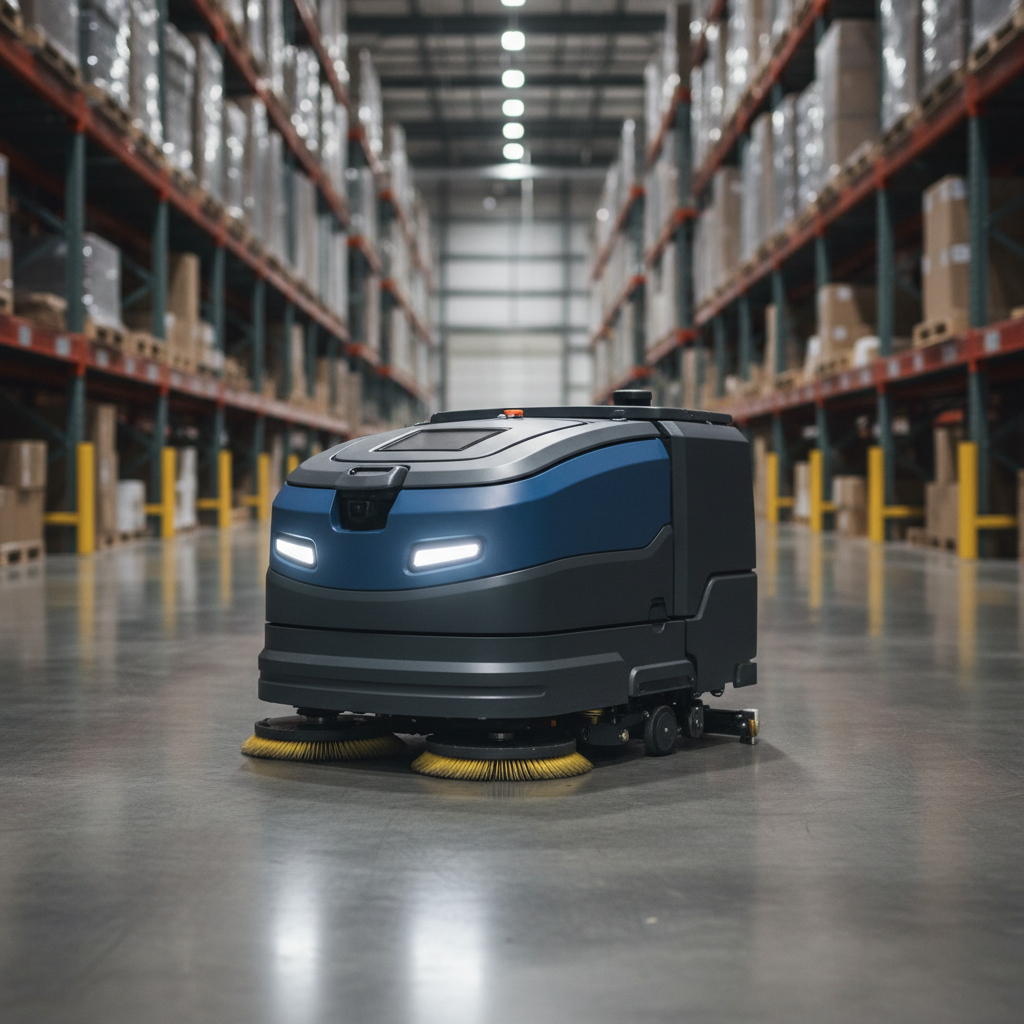
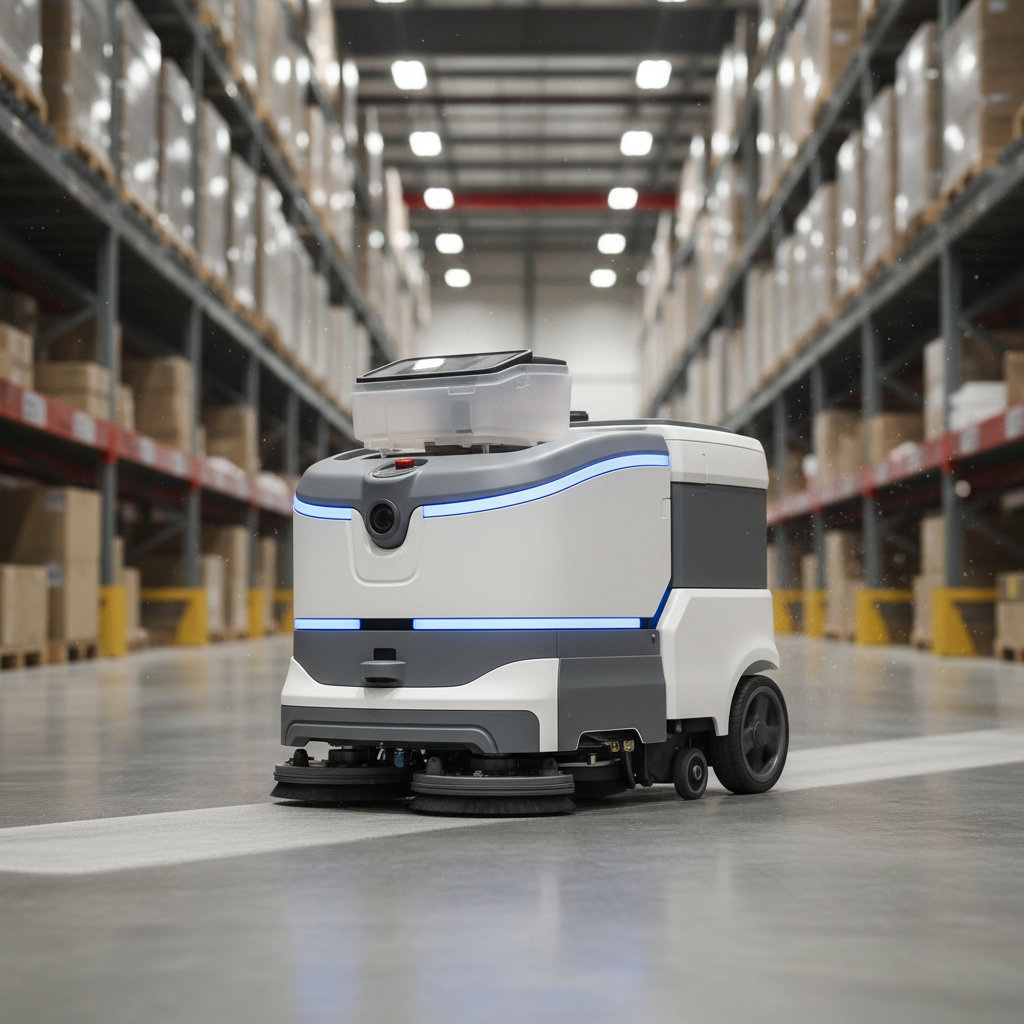
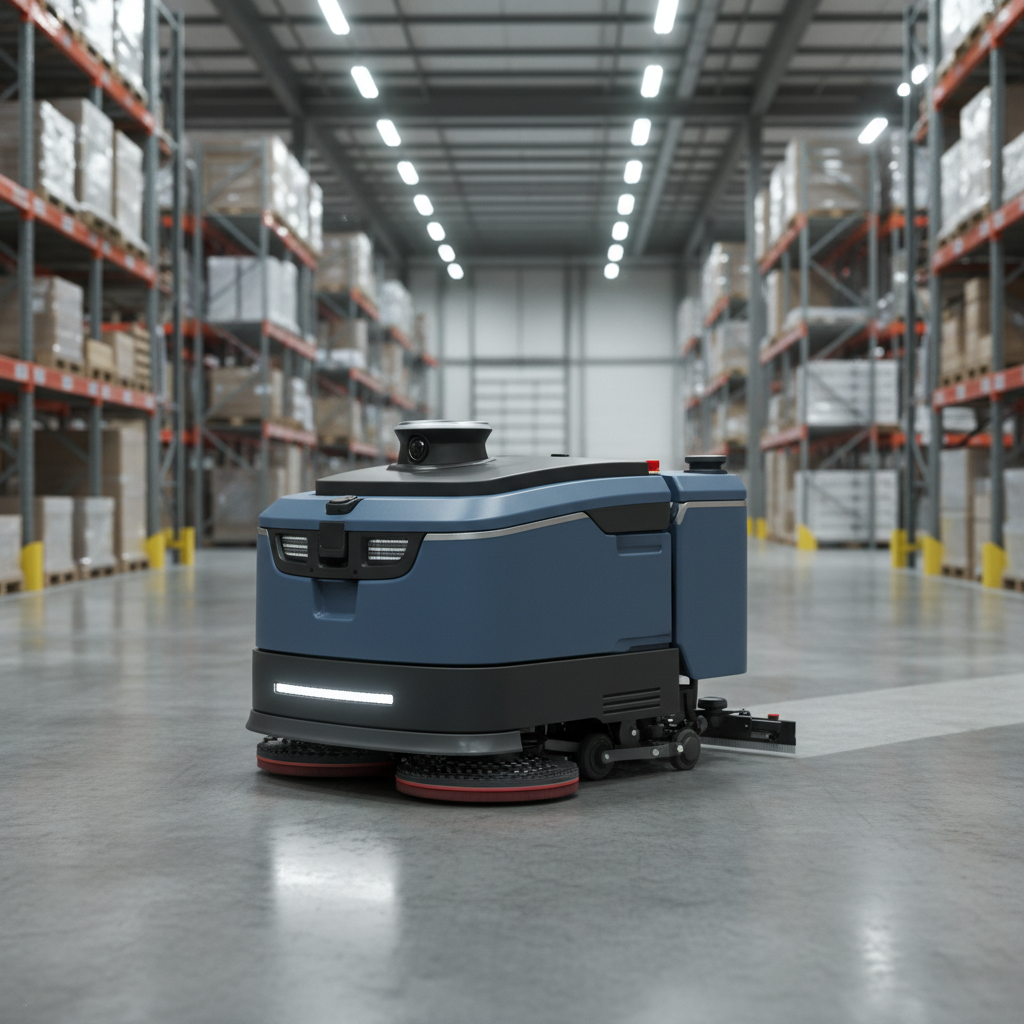
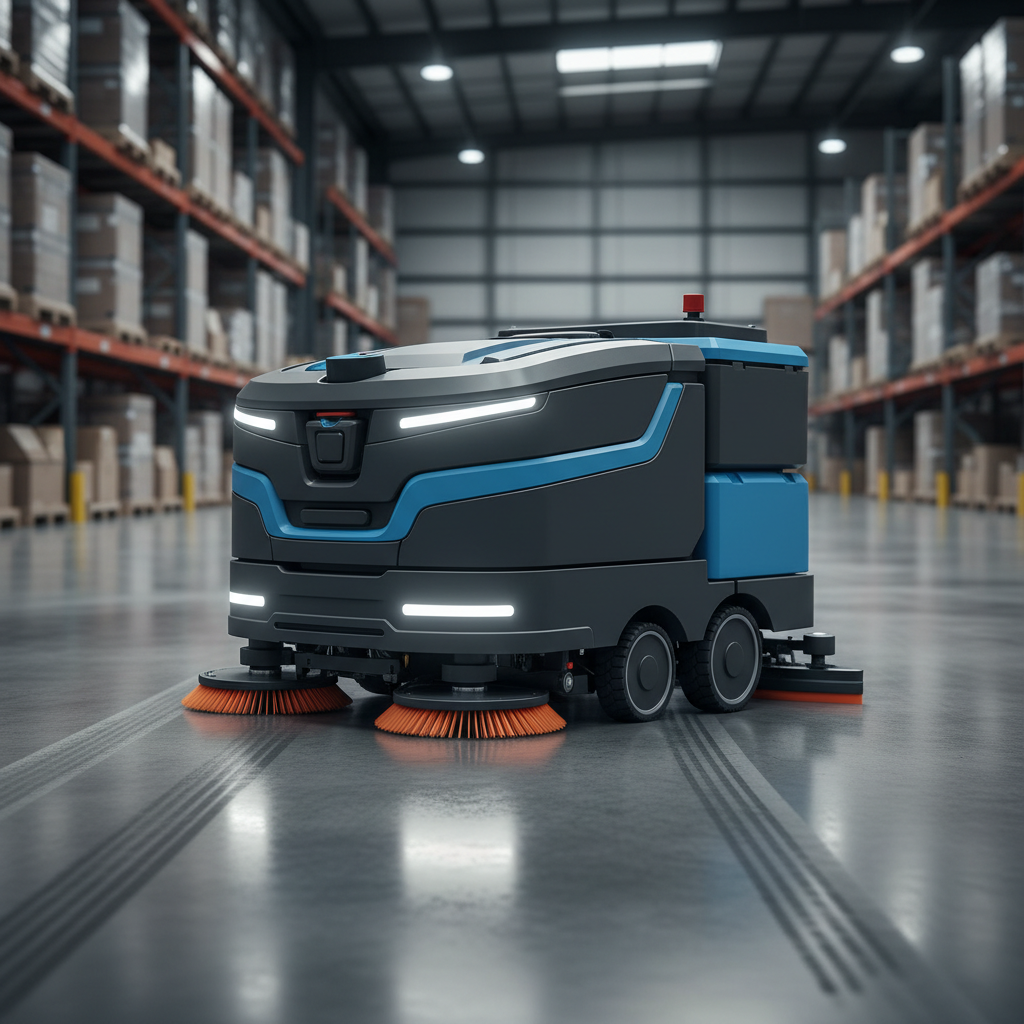
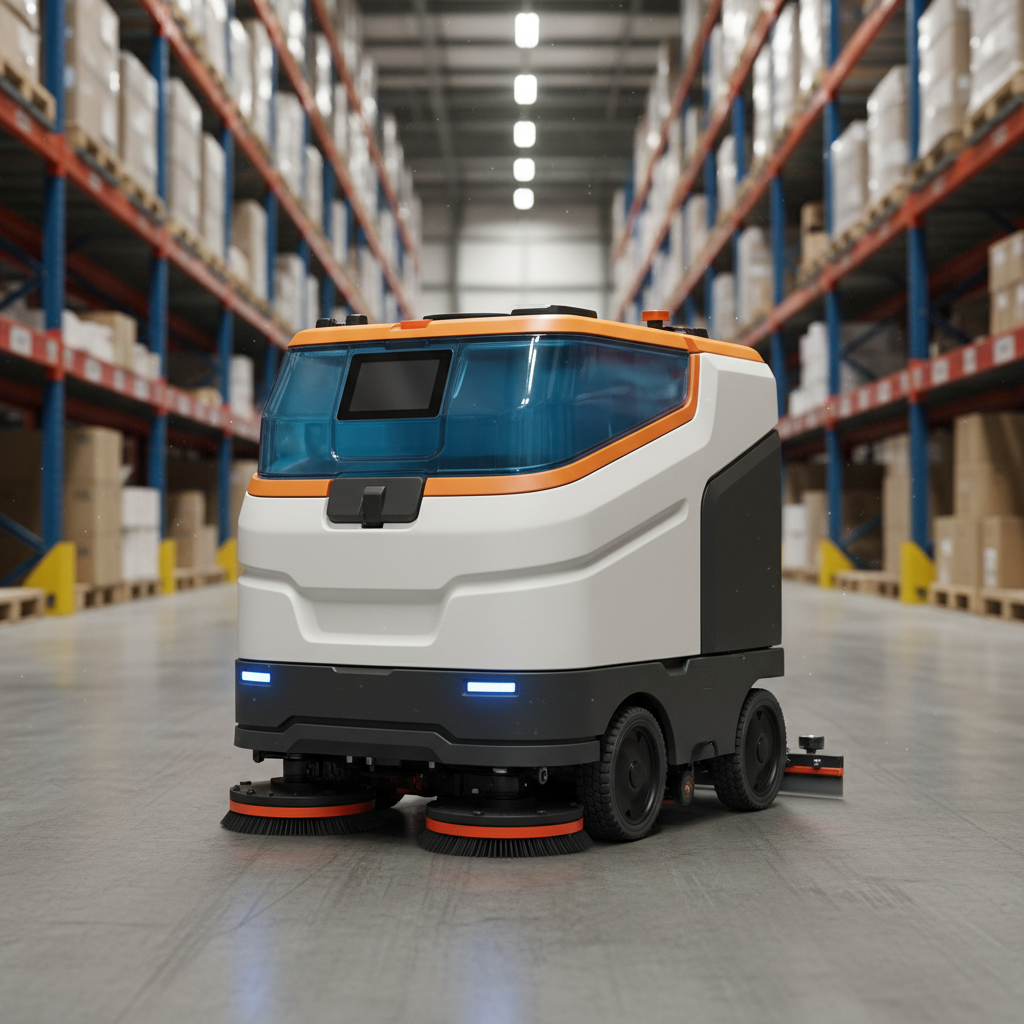
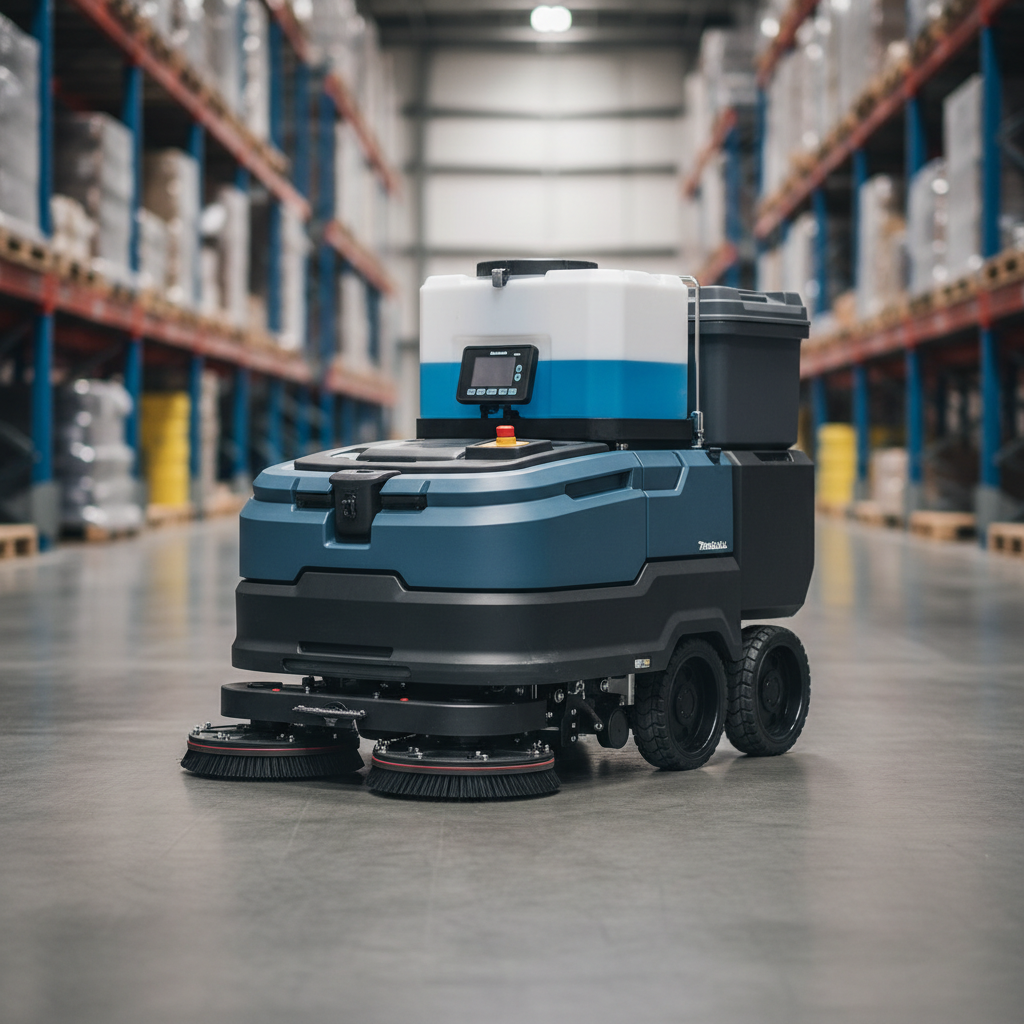
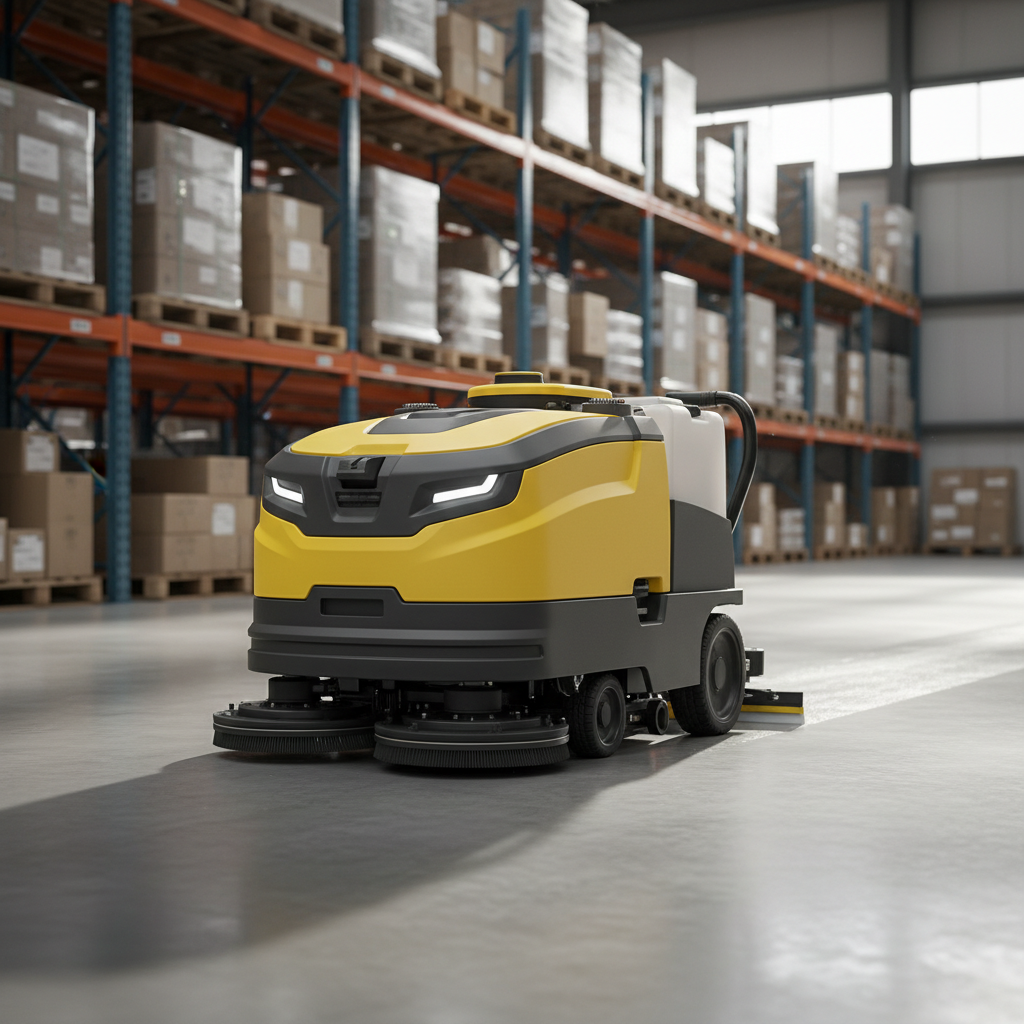
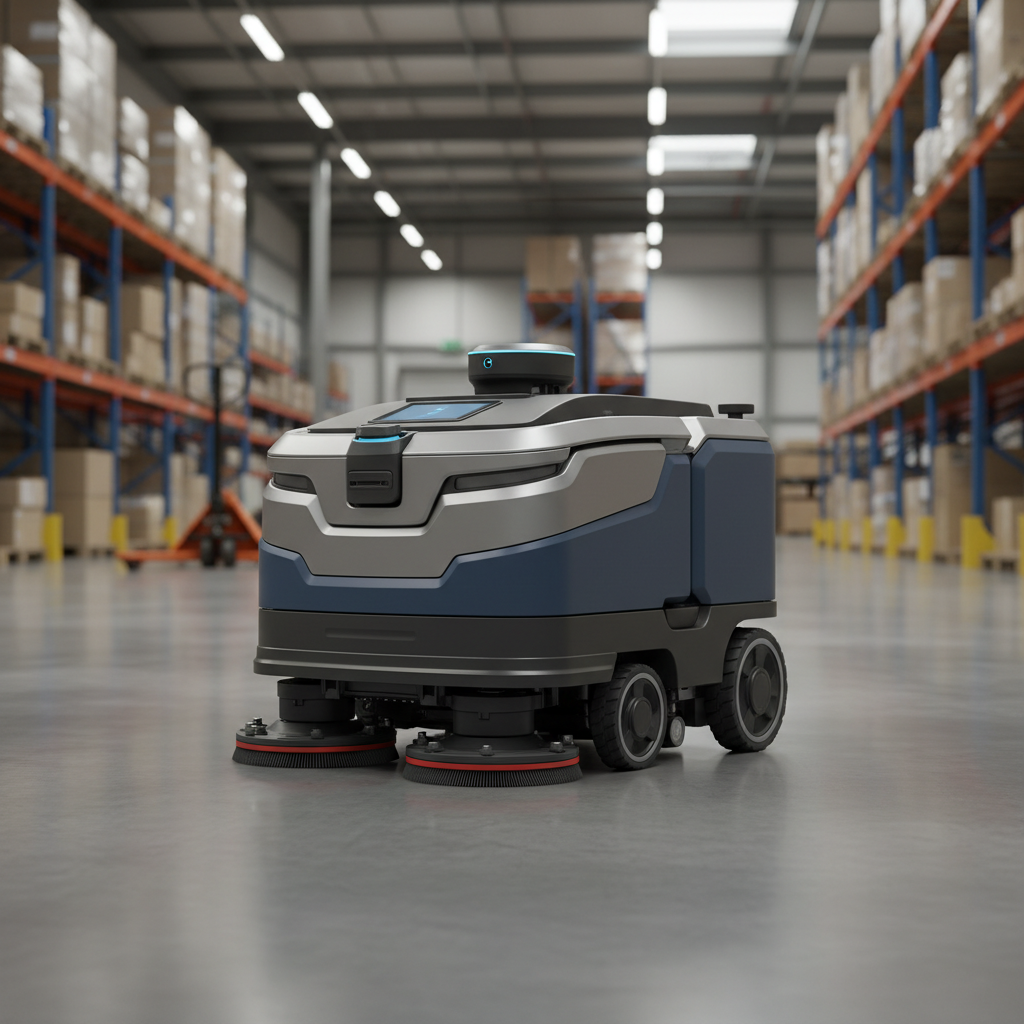
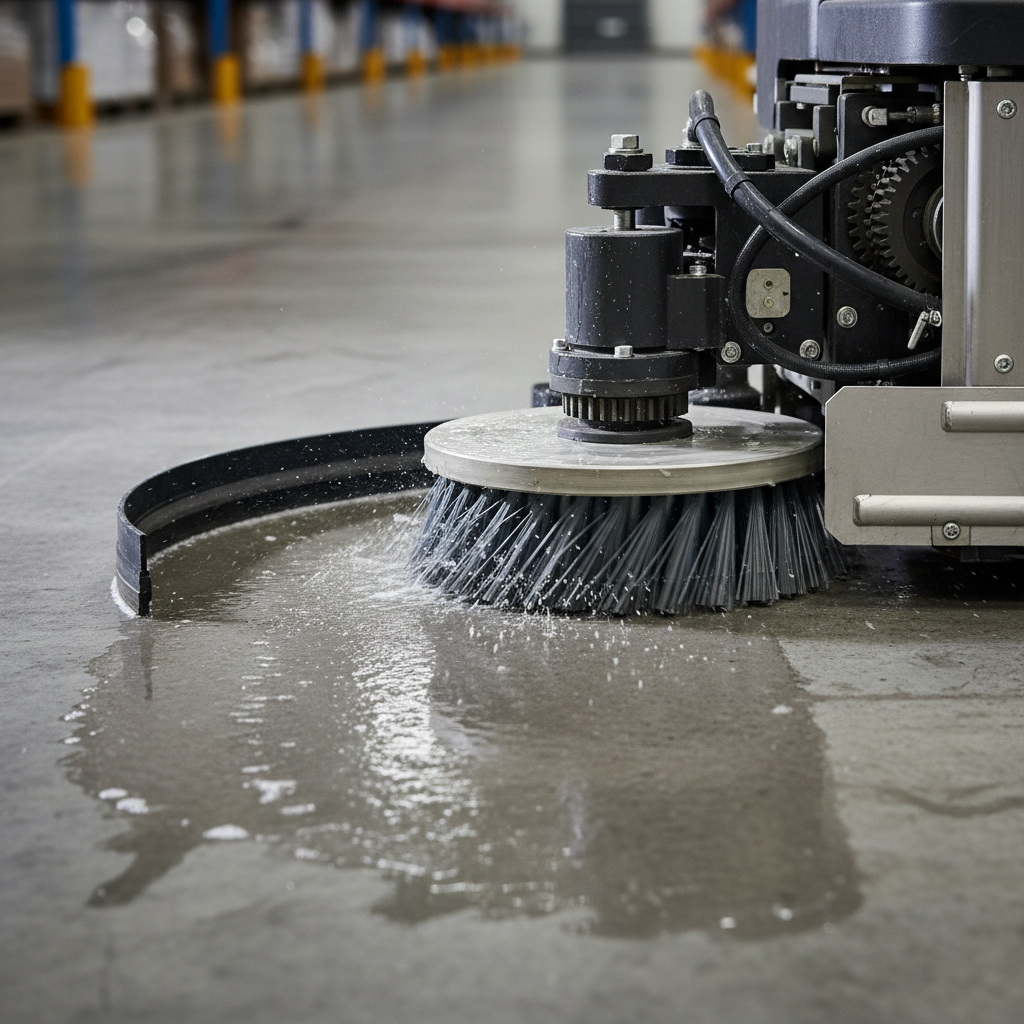
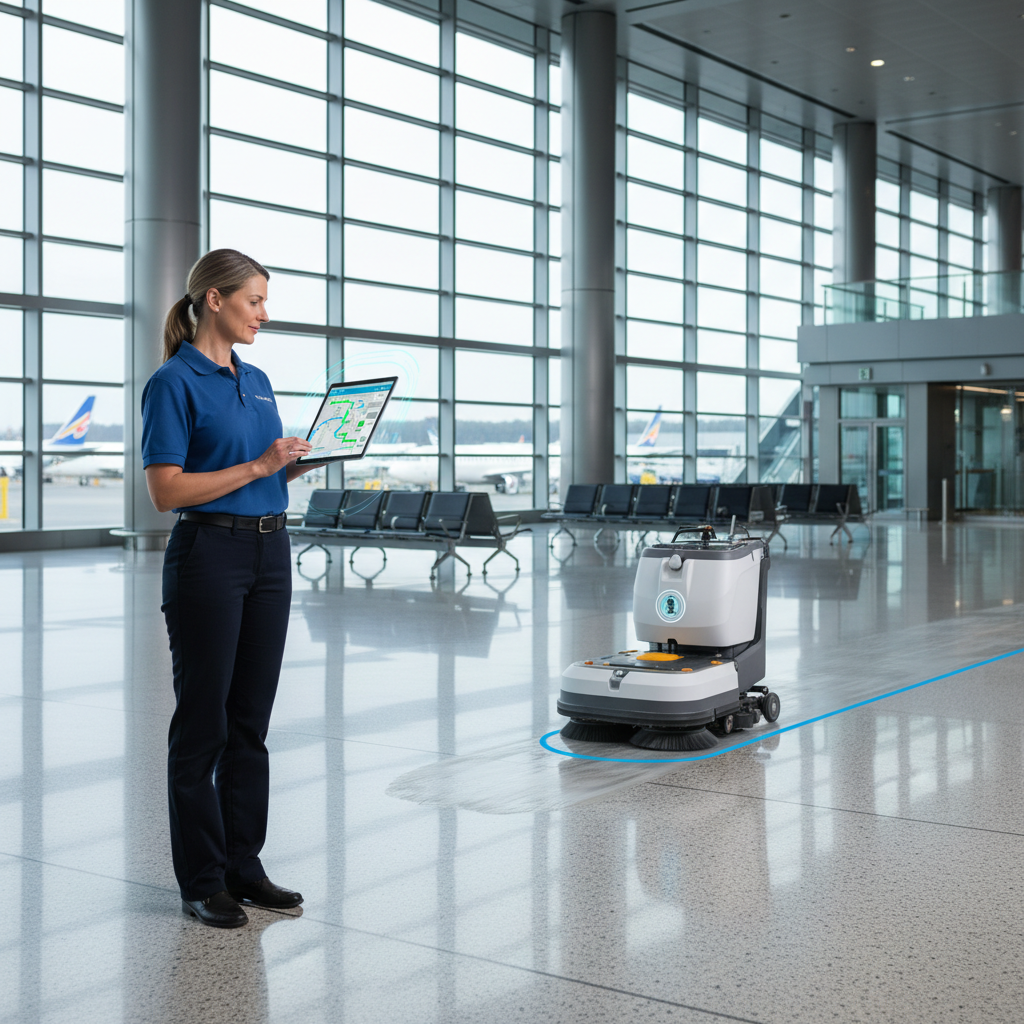
A commercial floor scrubbing robot is an autonomous version of the ride-on or walk-behind scrubbers used in large facilities, combining a cleaning solution tank, rotating brushes, a squeegee and a recovery vacuum into a self-driving unit. It dispenses water and detergent onto hard flooring — sealed concrete, vinyl, tile or epoxy — scrubs with brushes, then squeegees and vacuums up the dirty water in a single pass, leaving the floor usable again within minutes rather than requiring a long drying period.
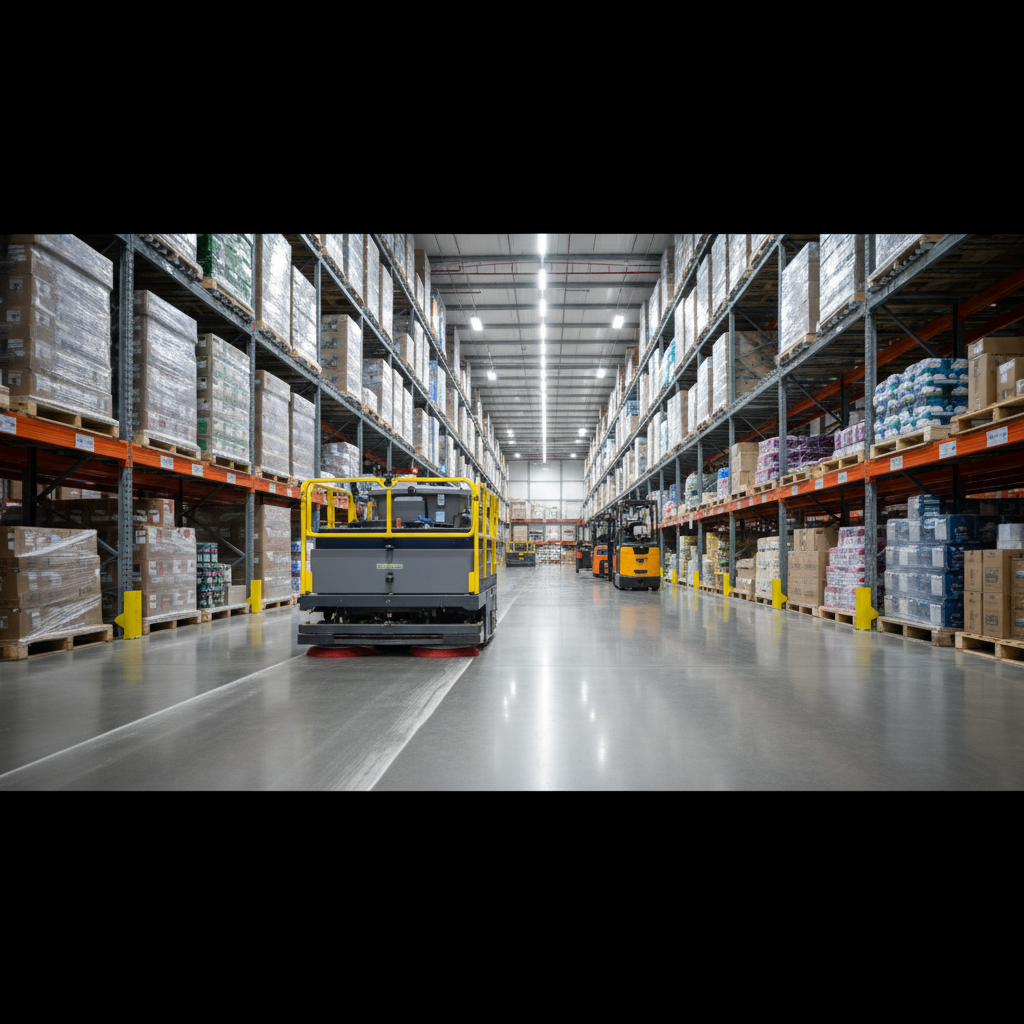
These are industrial-scale machines, generally far larger and heavier than a household robot mop, built to clean thousands of square metres per shift rather than a single room. Tank capacities commonly range from 20 to over 100 litres of solution, and cleaning widths of 45 to 90 centimetres let a single robot cover an aisle in one pass.
How it maps and navigates a facility
Most commercial units use LiDAR combined with cameras and sometimes reflective navigation markers to build a map of the facility during an initial supervised run, where a staff member drives or walks the robot through the areas it needs to clean. After mapping, the robot can run that route autonomously, detecting and avoiding pallets, shelving, people and forklifts using a mix of LiDAR, 3D depth cameras and safety-rated bumpers that stop the machine on contact.
Facilities with constantly shifting layouts, such as warehouses with moving pallet stacks, require more frequent remapping or a robot with strong dynamic obstacle handling, since a fixed map quickly becomes outdated if racking or stock positions change often.

Costs and deployment models
Commercial scrubbing robots are typically sold or leased rather than bought outright by smaller operators, given the high upfront cost. Purchase prices for mid-size units commonly range from approximately $25,000 to $60,000 AUD, with larger, high-capacity machines exceeding that. Many suppliers offer a robot-as-a-service model instead, charging a monthly fee that can range from roughly $1,500 to $4,000 AUD depending on machine size and contract length, which includes maintenance and software updates and avoids the large capital outlay.
Return on investment is usually calculated against the labour hours a robot displaces for the repetitive scrubbing task, not against eliminating cleaning staff entirely — most facilities still need staff for edge cleaning, spot cleaning, restrooms and supervision of the robot fleet.
What it doesn't handle well
Scrubbing robots are built for open, relatively flat floor areas and struggle with tight corners, edges against walls, cluttered areas, stairs and heavily carpeted zones. Most leave a gap of several centimetres along walls and around fixed obstacles that still needs a manual edge-clean, similar to the edge limitations seen in household robot vacuums but on a larger scale. Spills of thick or sticky substances, broken glass, and areas with loose debris typically need pre-clearing before a robot pass, since brushes can push large debris rather than lift it.
Very high-traffic periods can also be a problem: a robot sharing floor space with customers or staff during business hours may need to run at reduced speed or be restricted to off-peak or overnight shifts to avoid disruption and safety concerns.
Fleet management and staff training
Most commercial models come with a fleet management dashboard that lets a facilities team schedule cleaning routes, monitor battery and water levels, review coverage reports, and get alerts if a unit gets stuck or needs manual intervention. Staff training is generally quick for day-to-day operation — starting and monitoring routes — but the initial mapping and route configuration is usually done with support from the supplier's technicians, especially for large or complex sites.
Ongoing maintenance includes brush replacement, squeegee blade checks and periodic sensor cleaning, roughly comparable in frequency to servicing a traditional ride-on scrubber, though software updates for navigation and obstacle detection are typically pushed remotely by the manufacturer.
Choosing the right unit for a site
The right commercial floor scrubbing robot depends heavily on floor area, layout complexity and traffic patterns rather than price alone. A large, open warehouse with predictable layouts suits a bigger-tank, wider-path unit running mostly unattended overnight, while a supermarket with constant customer foot traffic needs a smaller, slower unit with strong obstacle detection that can operate safely during trading hours. Requesting an on-site trial or a mapped demonstration run before committing to a purchase or lease is standard practice and worth insisting on, since manufacturer specifications don't always reflect real performance on a specific floor surface.