What a gutter cleaning robot actually is
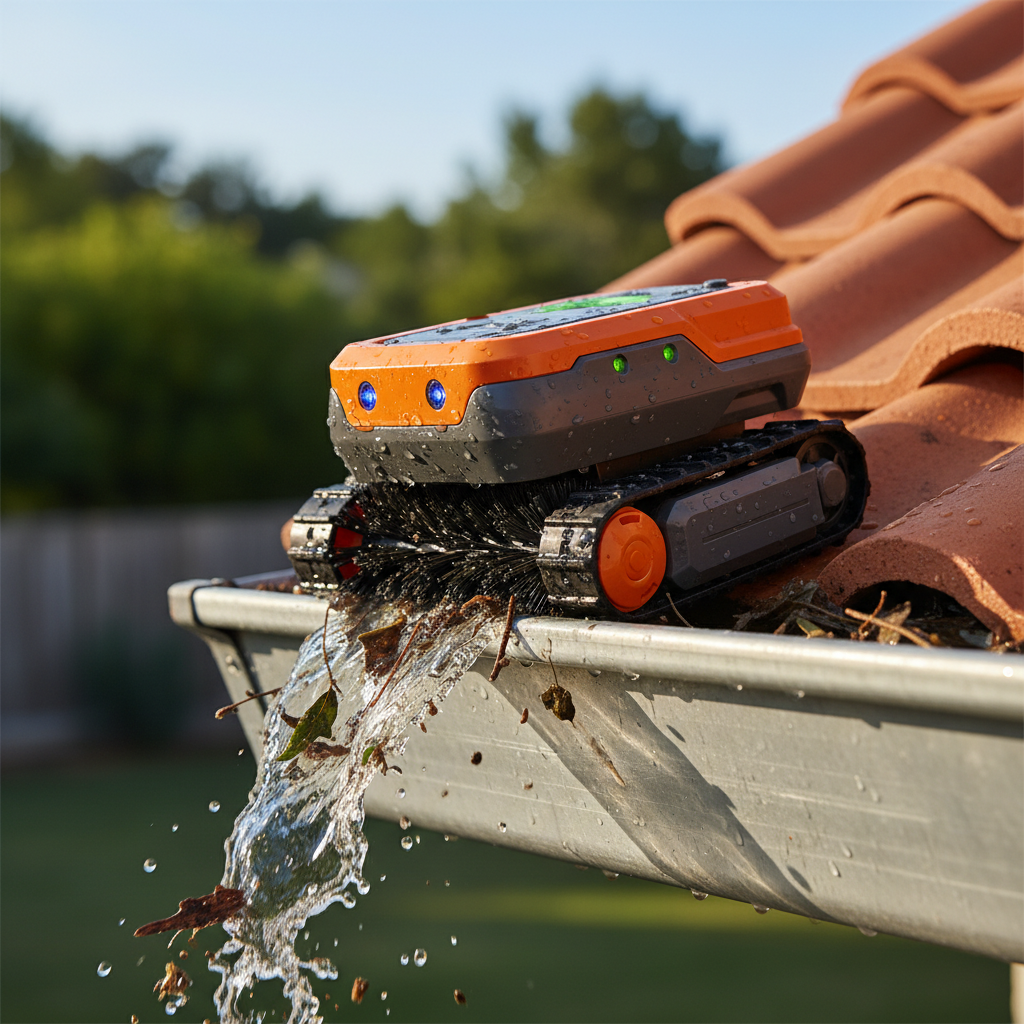
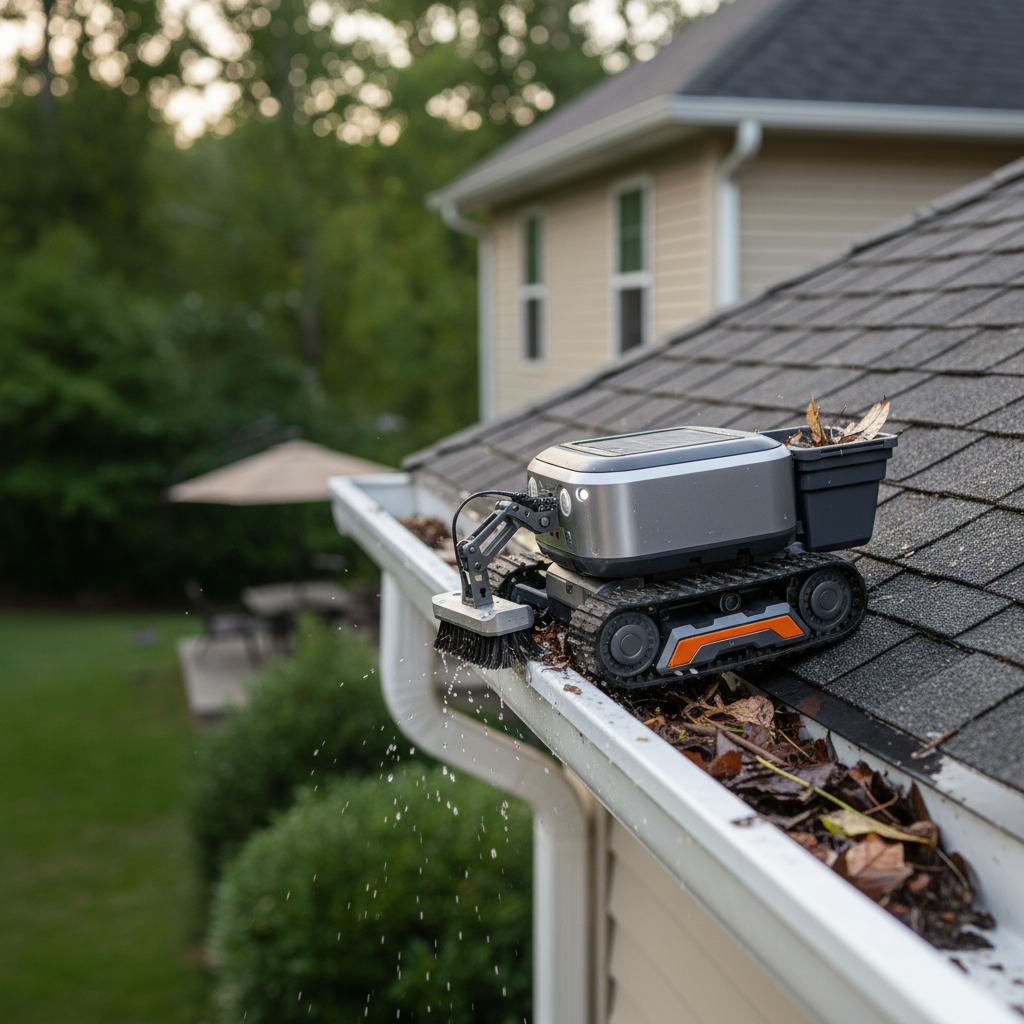
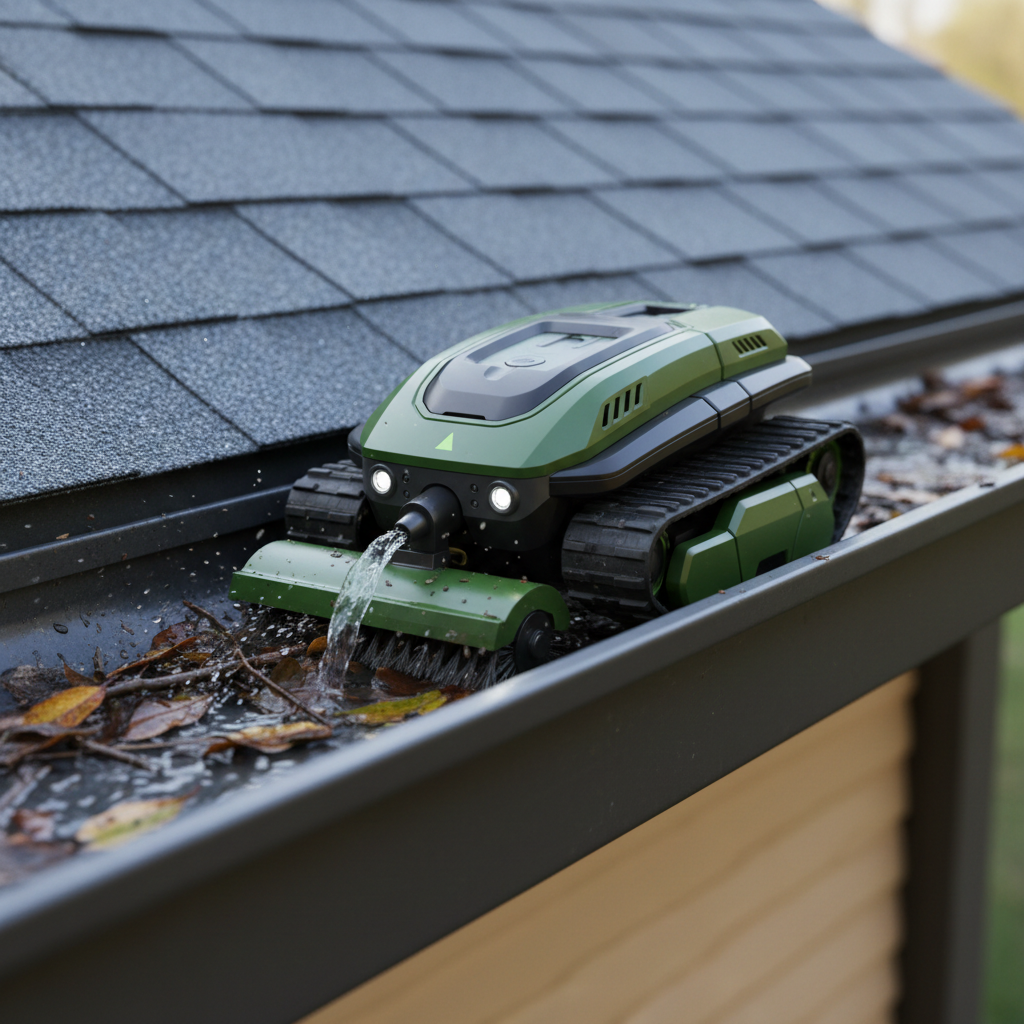
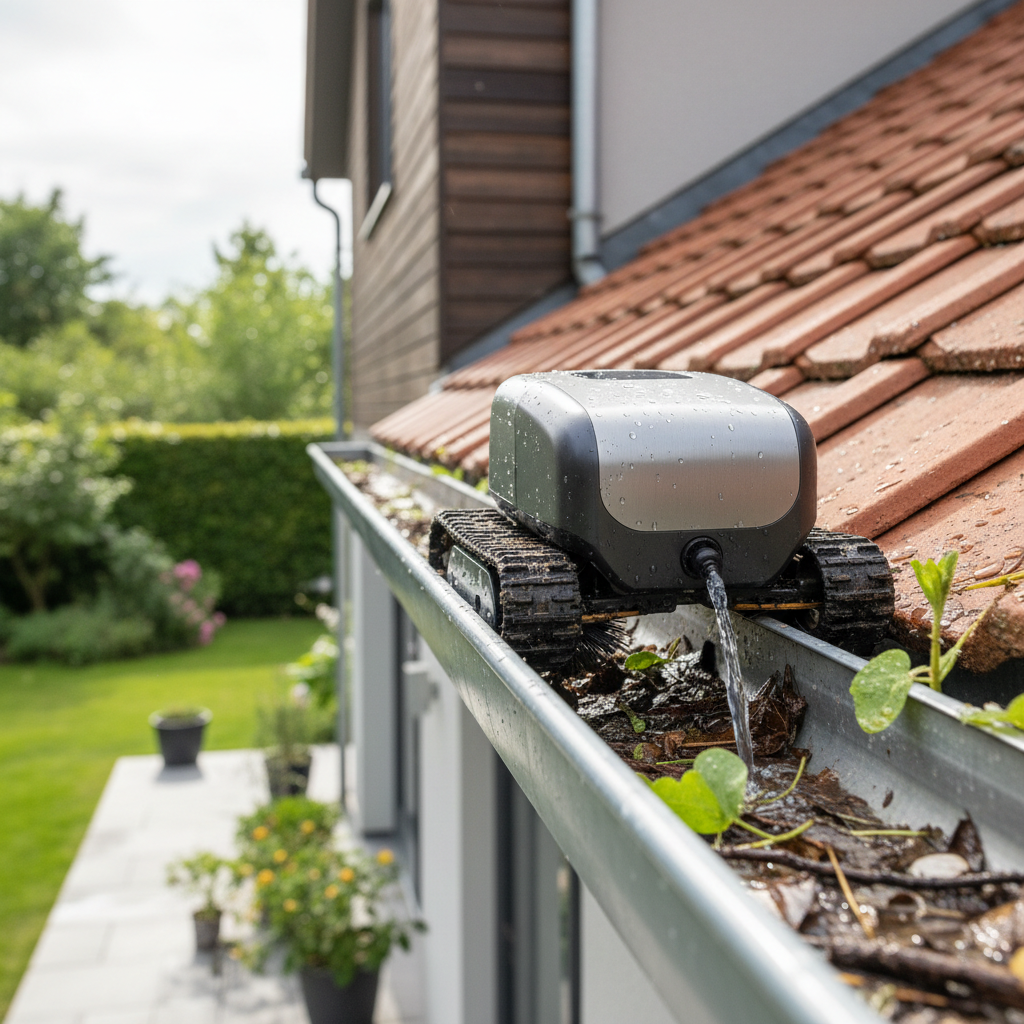
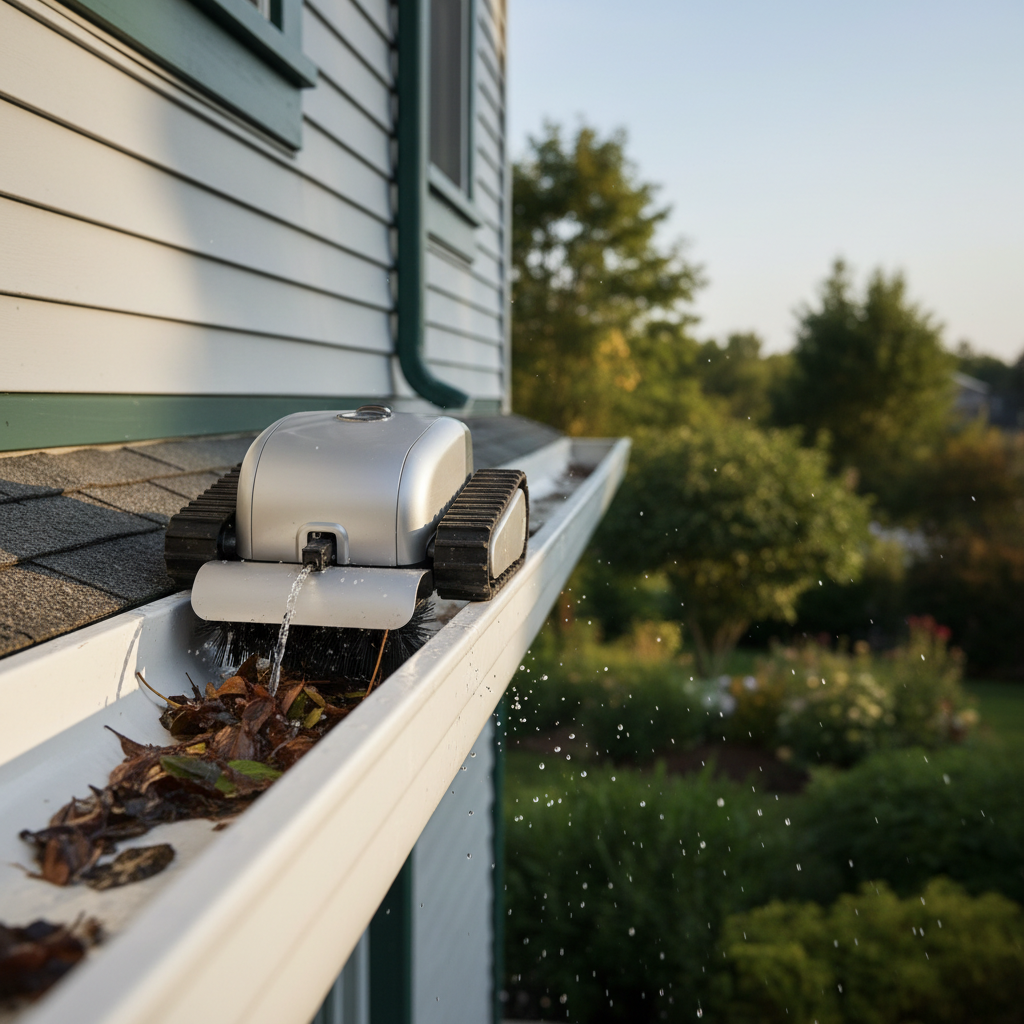
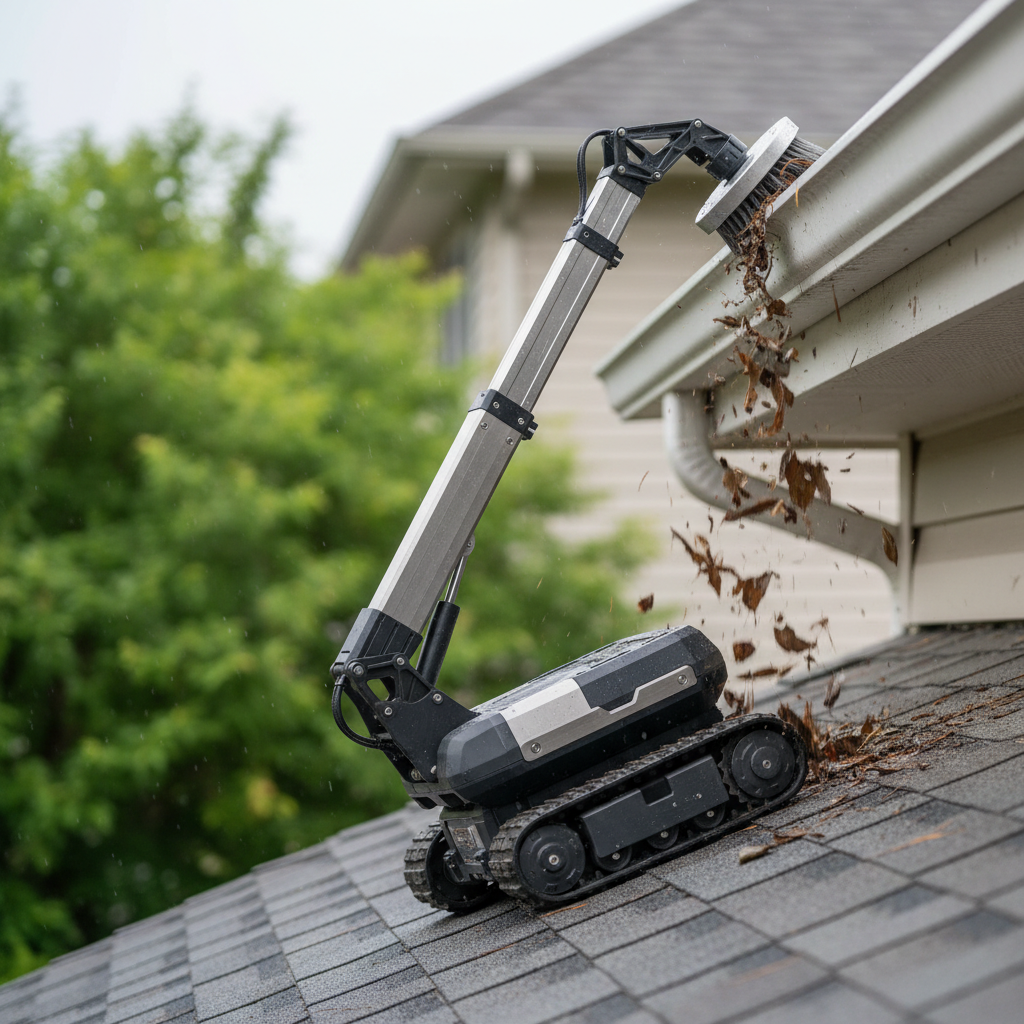
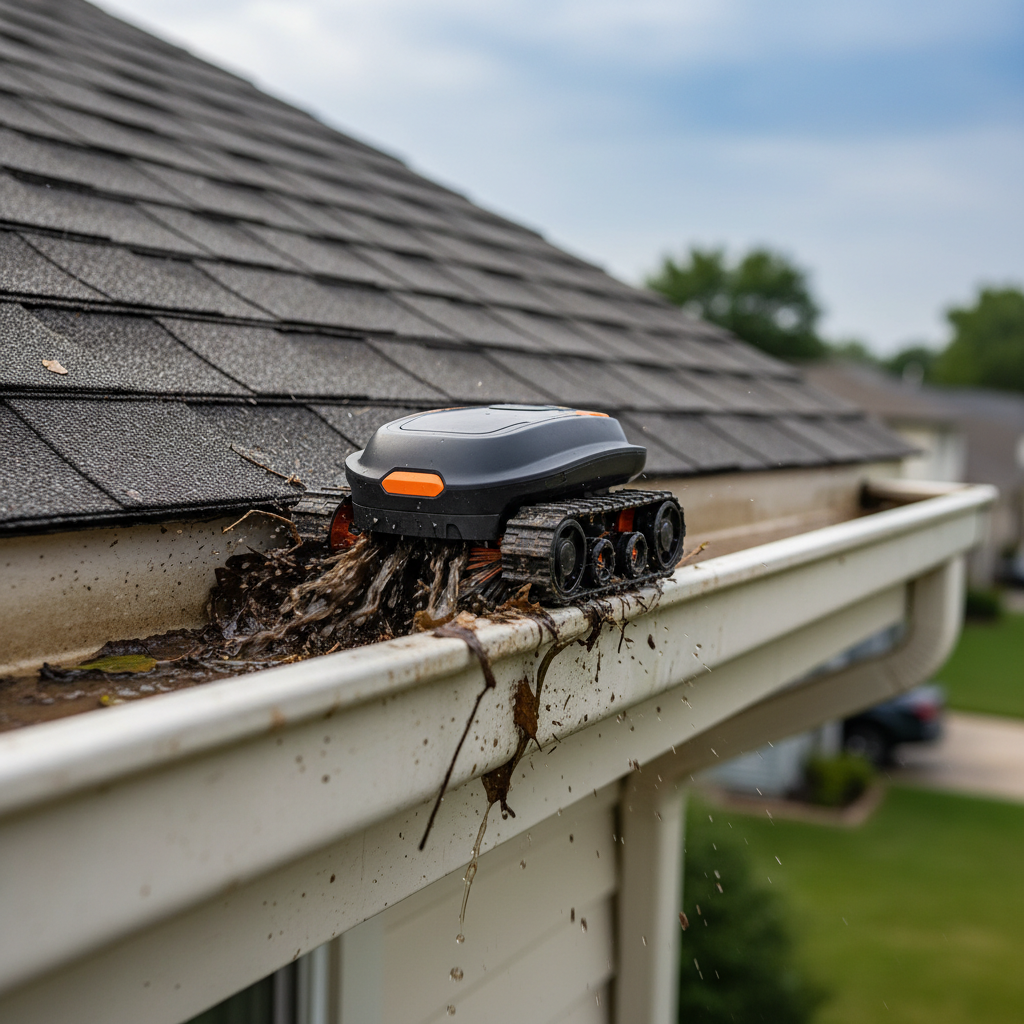
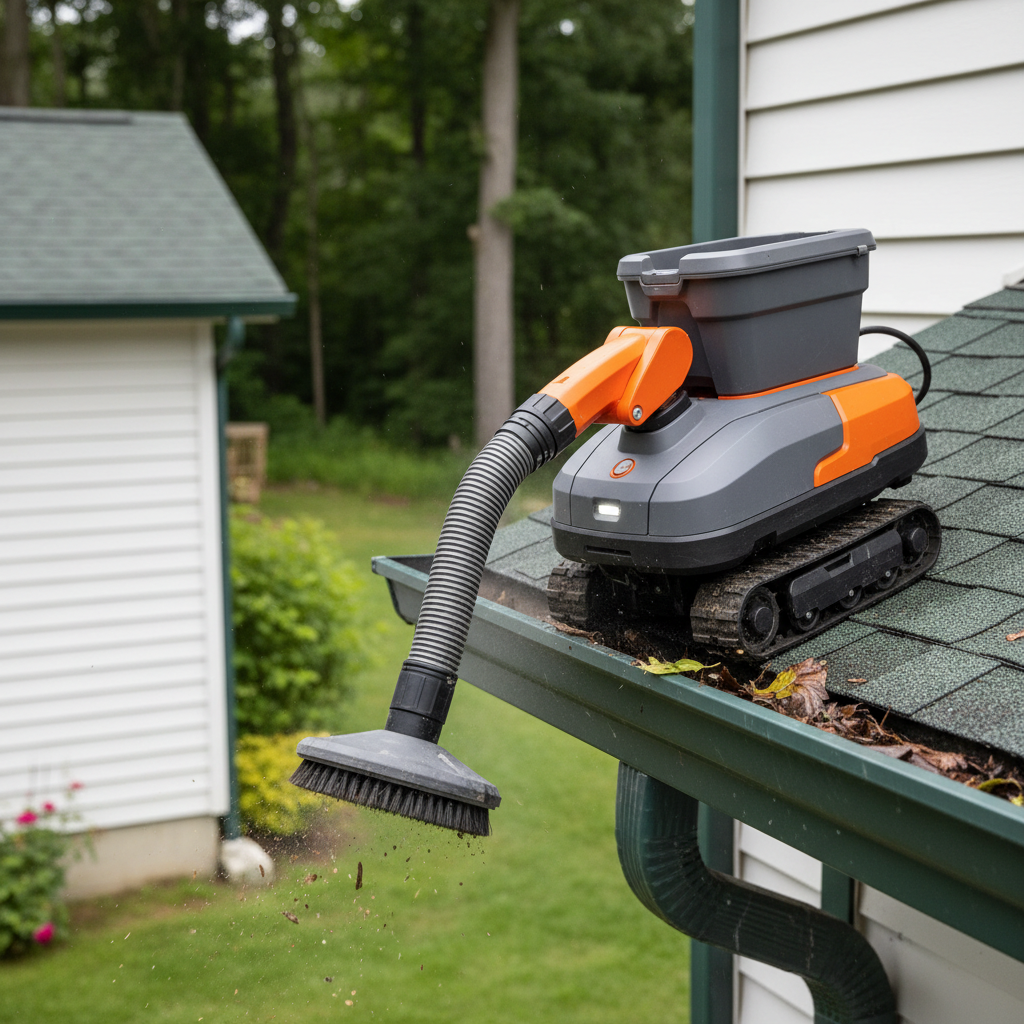
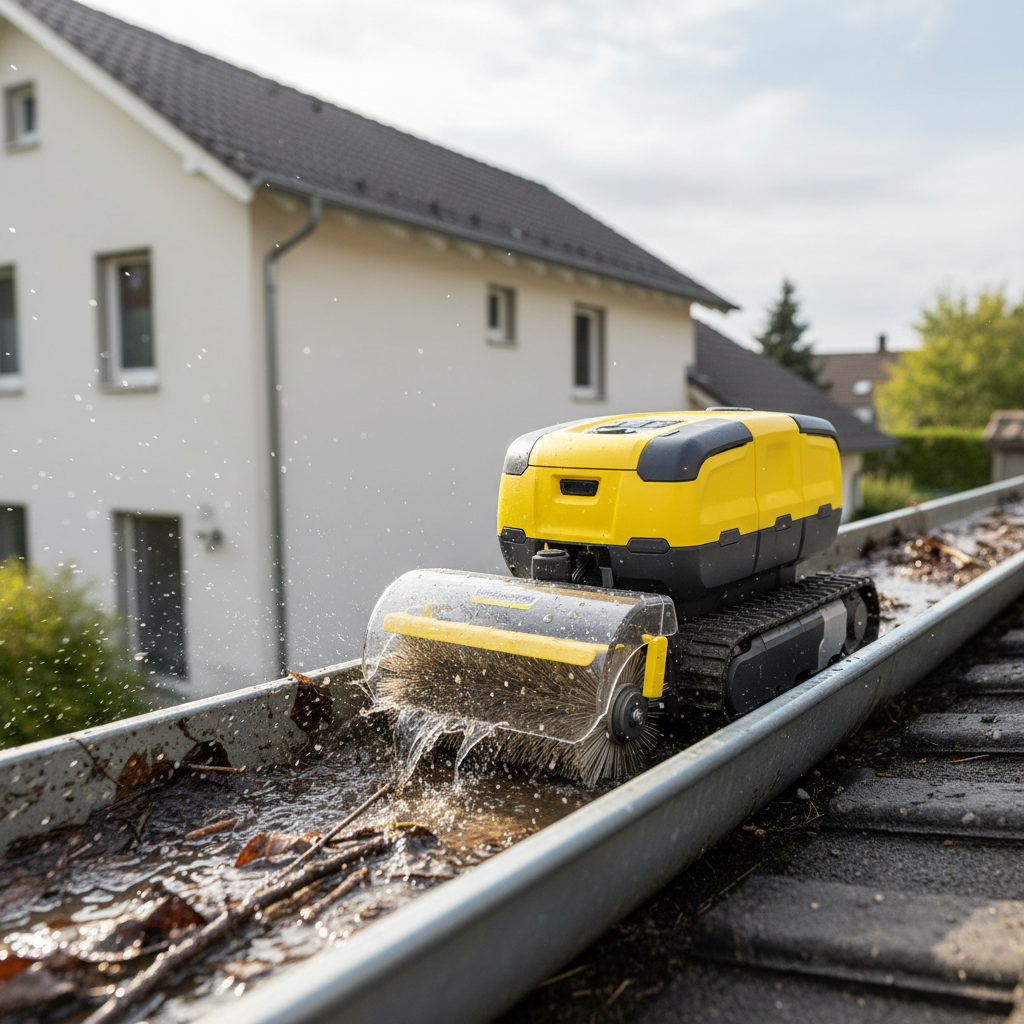
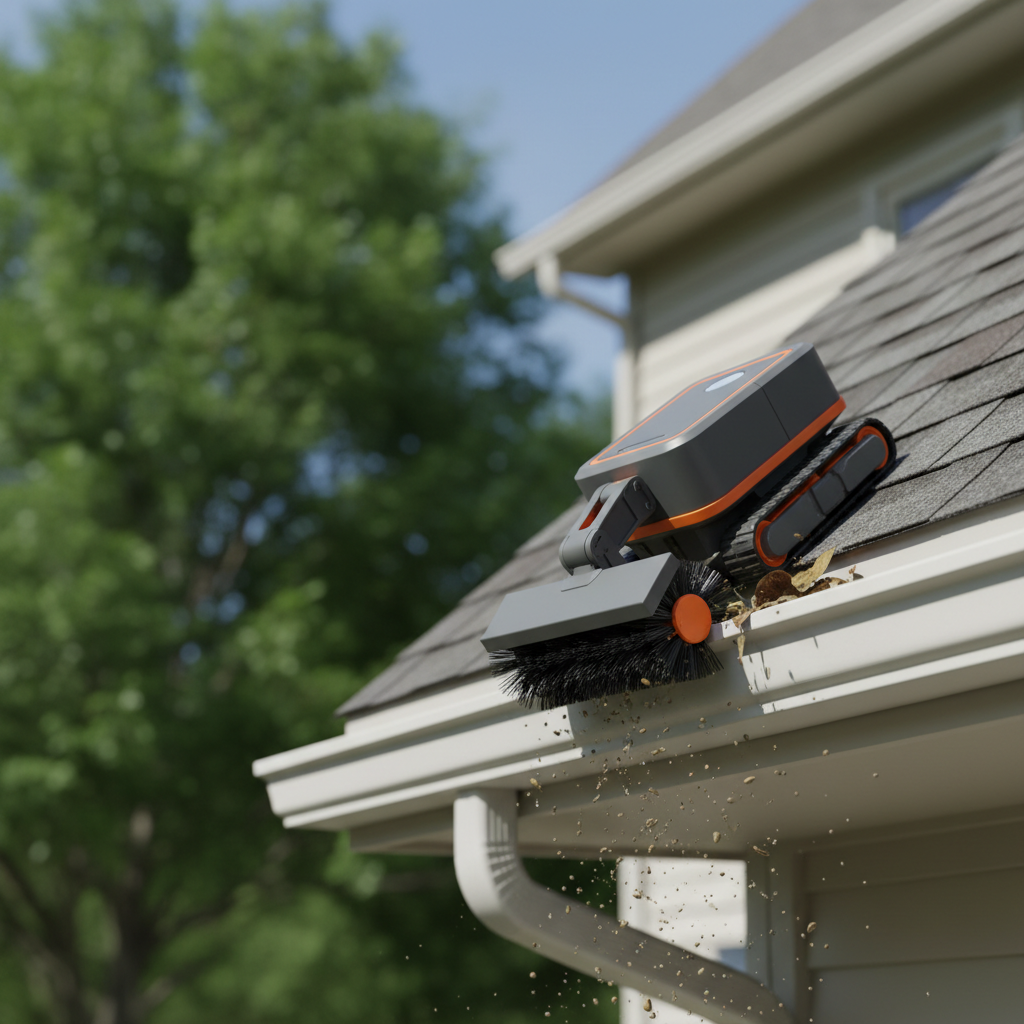
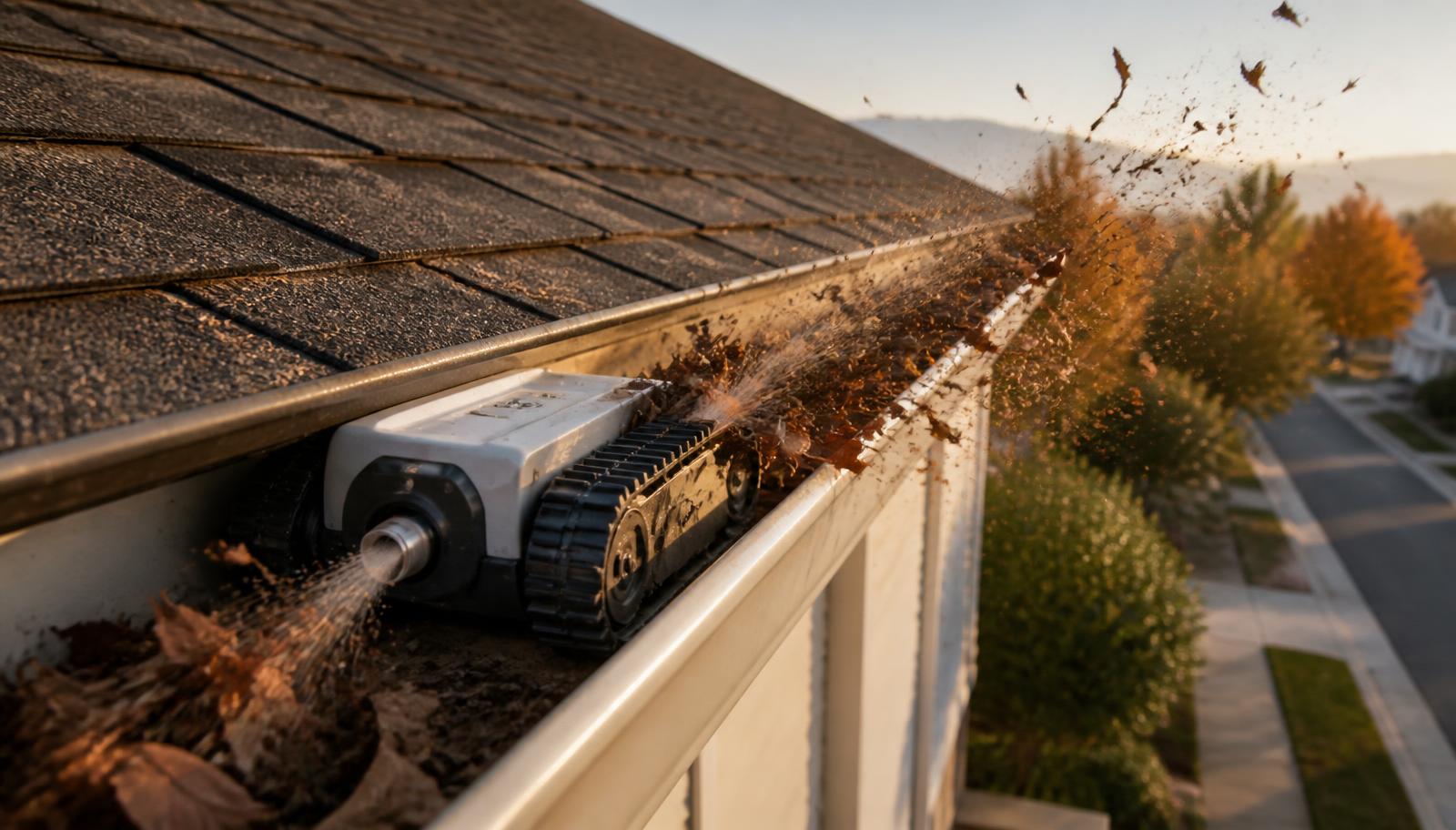
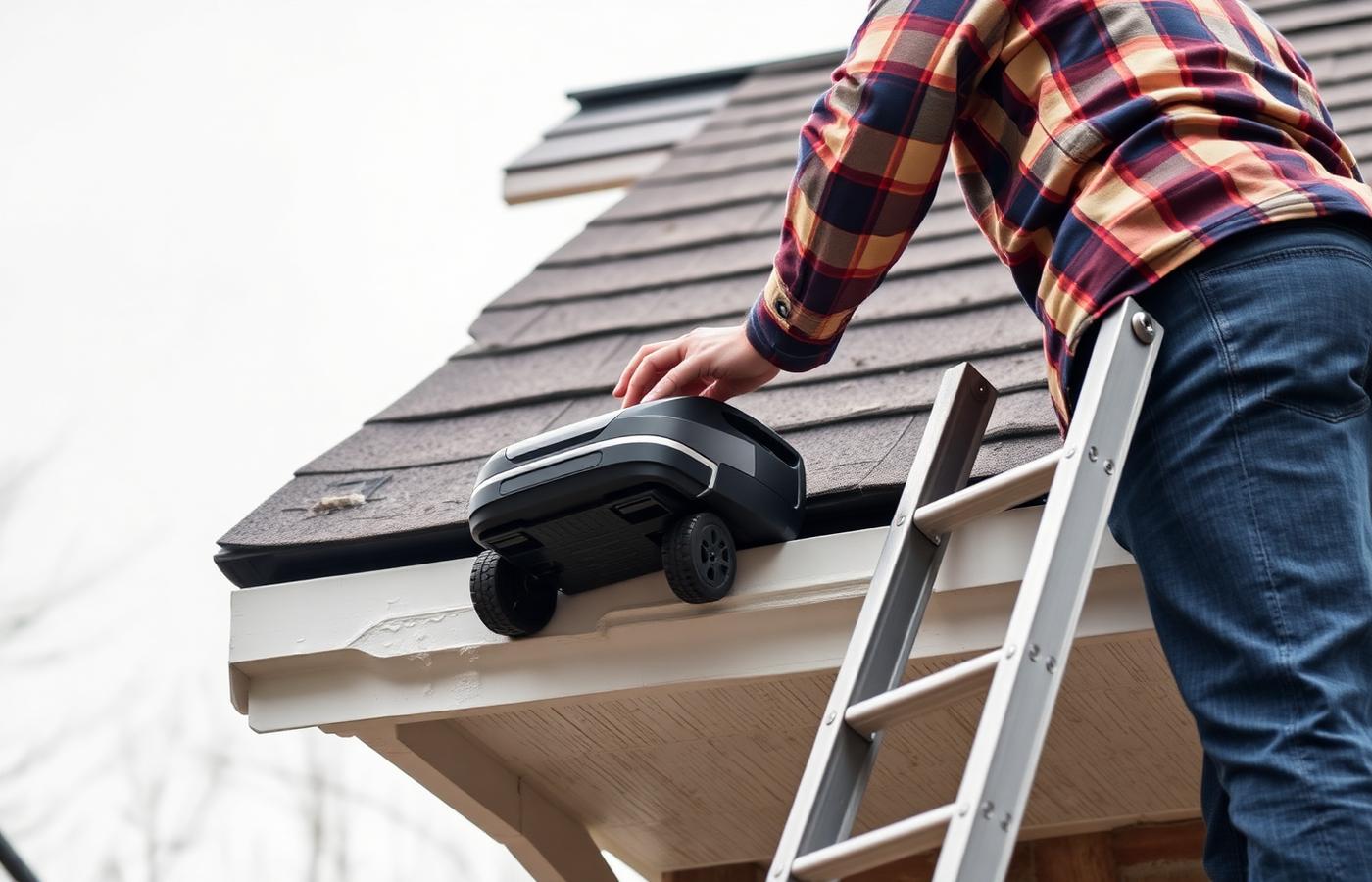
A gutter cleaning robot is not usually a fully autonomous machine that climbs onto your roof by itself. In the residential market, the term most often describes a motorised cleaning head mounted on the end of a telescopic pole, connected to a leaf blower, wet/dry vacuum, or pressure washer, and steered from the ground via a camera feed or a simple mechanical linkage. Some higher-end systems use a small tracked or wheeled chassis that drives itself along the gutter channel while tethered to a power and control cable, which is closer to what people picture when they hear 'robot'.
Either way, the working principle is the same: a rotating brush, auger or high-pressure nozzle loosens compacted leaves, twigs and sludge, and a blower or vacuum stream then clears the debris out of the gutter, either onto the ground below or into a collection bag at the base of the pole.
Pole-mounted attachments versus self-driving units
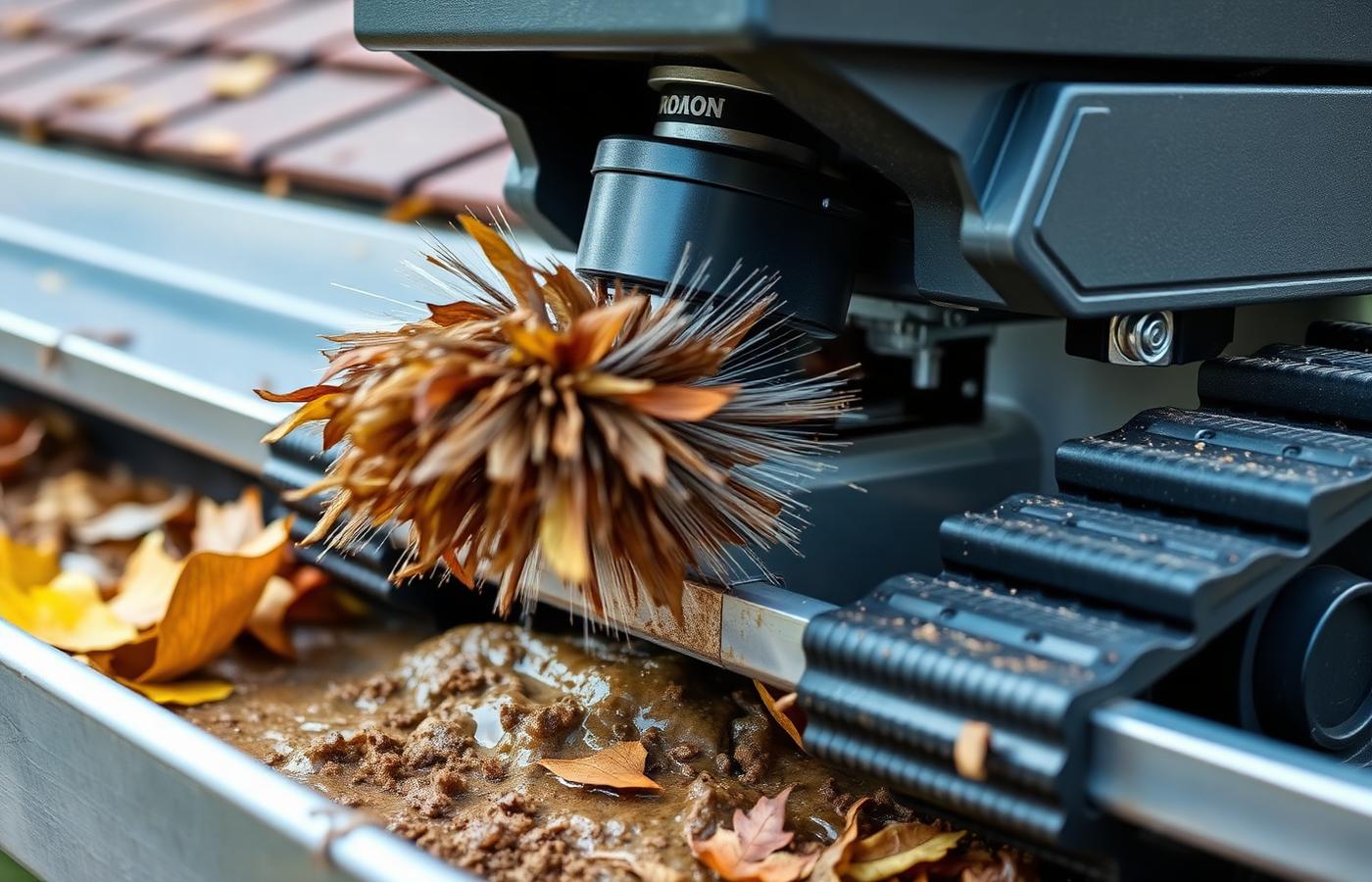
The overwhelming majority of gutter cleaning robots sold for home use are pole-attachment kits that connect to a leaf blower or vacuum you already own. These are affordable, lightweight and genuinely keep you off the ladder, but they still require you to walk the perimeter of the house holding a pole that can extend 4–6 metres, which is tiring on multi-storey homes and awkward around obstacles like downpipes and brackets.
Self-driving, camera-guided units that physically travel along the gutter are far less common in Australia and sit at a higher price point, generally aimed at trade users or very large properties. They offer better visibility of blockages via a live camera feed but add setup complexity, since the gutter still needs to be accessed to place the unit initially.
What it clears well, and what it struggles with
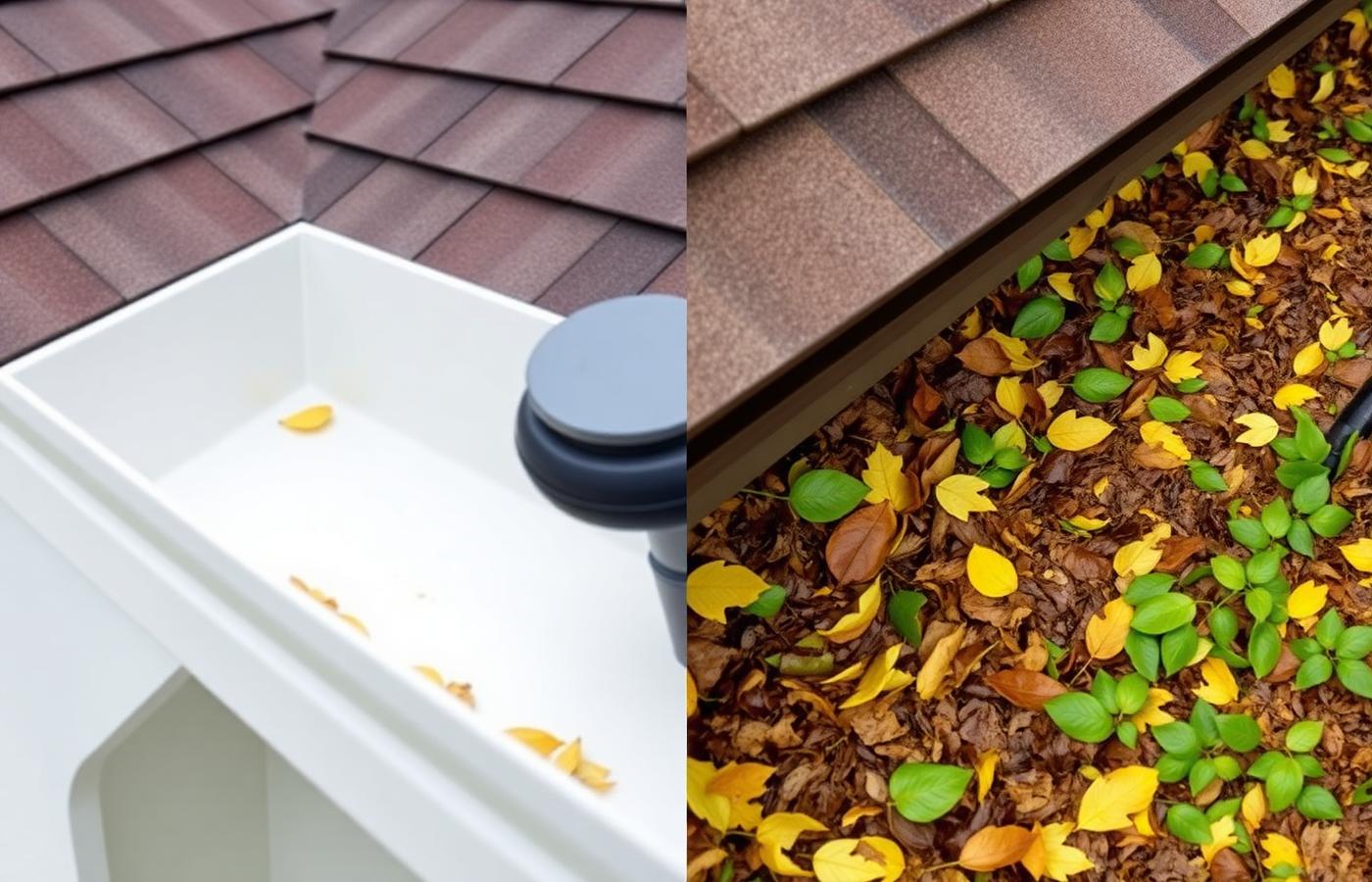
Dry leaves, twigs and light debris are cleared efficiently by most gutter cleaning robots, particularly in autumn when jacaranda, gum or deciduous leaf litter is the main problem. Compacted wet sludge, moss, and debris that has sat through a wet season and formed a dense mat is much harder for a rotating brush alone to shift, and often needs a pressure-washer attachment or a manual first pass with a trowel.
These tools also cannot fix structural gutter problems: sagging sections, rusted-through spots, disconnected joints or undersized downpipes will still cause overflow even with a perfectly clean channel. A gutter cleaning robot clears debris; it does not repair the gutter system itself.
Safety considerations
The main selling point of these tools is safety: ladder falls are one of the most common causes of serious home DIY injury in Australia, and a ground-operated gutter cleaning robot removes that risk for single and double-storey homes with clear ground access. For homes with steep roof pitches, power lines running close to the gutter line, or three-storey-plus elevations, a pole simply may not reach safely or the working angle becomes awkward, and professional gutter cleaning services remain the safer option.
Always check the pole's rated working height against your actual gutter height plus some margin, and be mindful of overhead power lines when extending metal or conductive poles near the roofline.
Cost and buying considerations
Basic pole-attachment gutter cleaning kits designed to connect to your own leaf blower start around $60–$120. Kits that include their own dedicated blower or vacuum motor typically run $150–$350. Camera-equipped systems that let you see inside the gutter as you clean sit in the $300–$600 range, and fully self-propelled, trade-oriented units can exceed $1,000.
Before buying, measure your actual gutter height and check the pole's maximum reach with a margin, confirm the attachment fits your existing blower or vacuum's nozzle diameter, and check the head width against your gutter profile — some are too wide for narrow box-profile gutters common on older Australian homes.