Pool Cleaning Robots

The Robot Pool Cleaner Buying Guide: What Actually Matters

A robot pool cleaner can turn a weekly hour of manual vacuuming and net-skimming into a set-and-forget task, but the market spans cheap suction-side gadgets and serious independent units costing well over a thousand dollars. Here is what separates a good buy from a disappointing one.

Published 22 August 2026 ยท Cleaning Robots editorial team

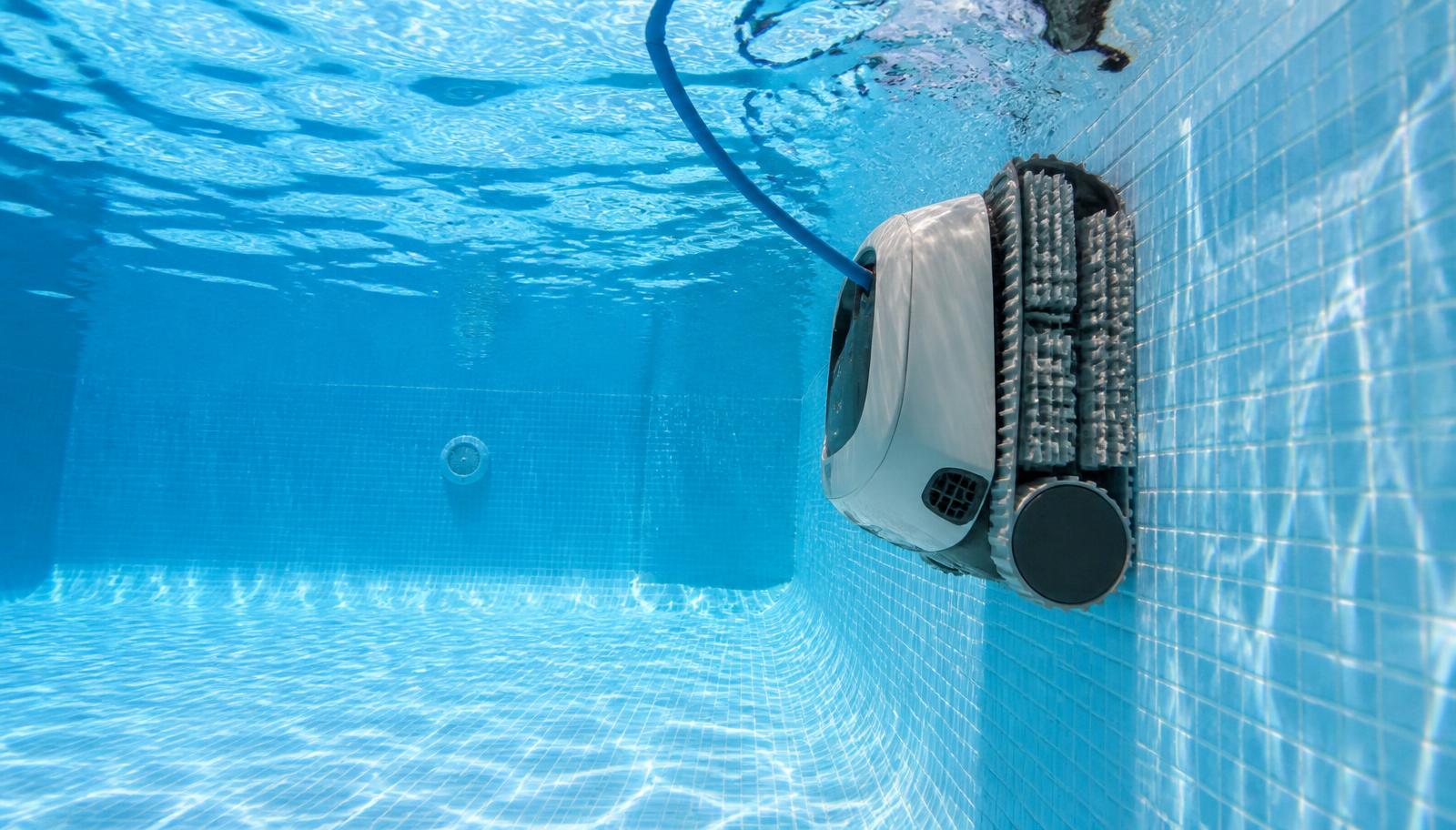
A robotic pool cleaner submerged and crawling along the floor of a backyard swimming pool. Image by www.CleaningRobots.Online.
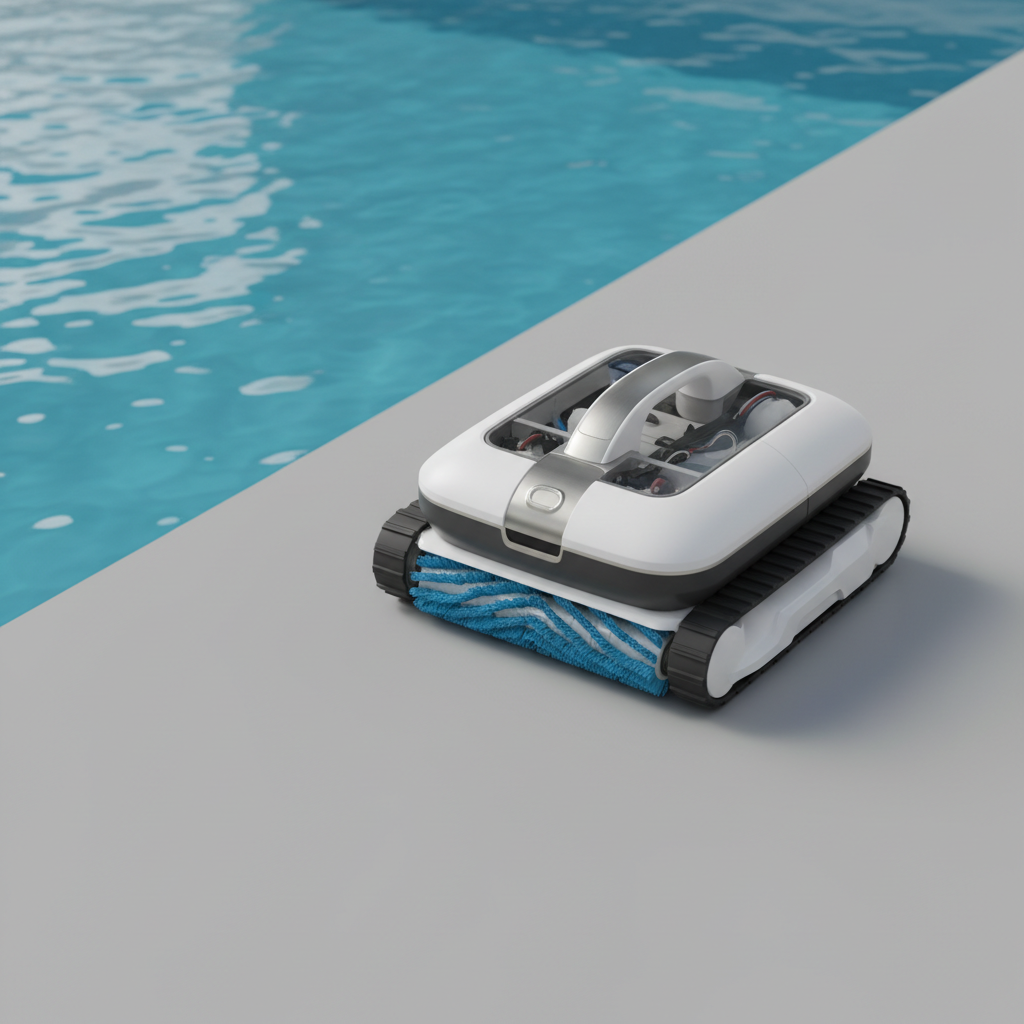
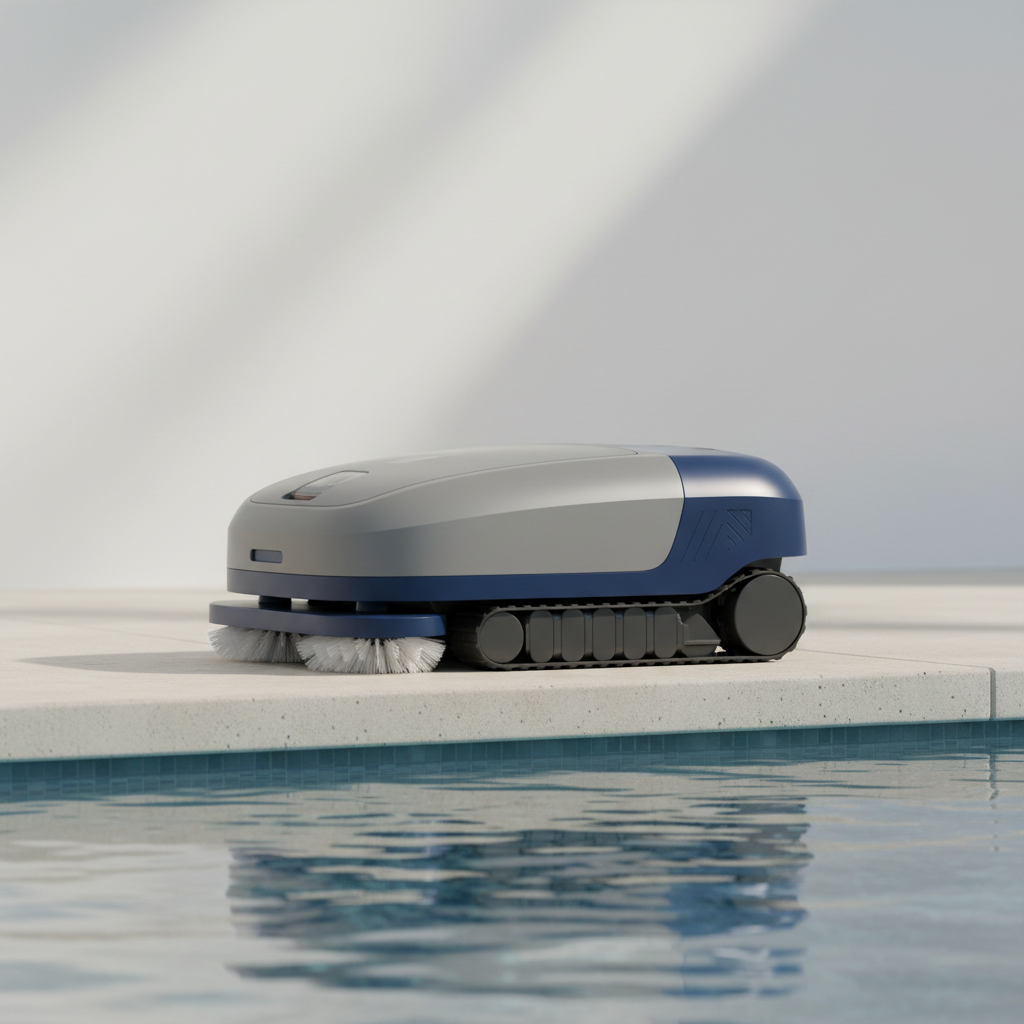
A robot pool cleaner drives independently along the pool floor and walls, filtering as it goes.
Advertisement

What a robot pool cleaner actually does

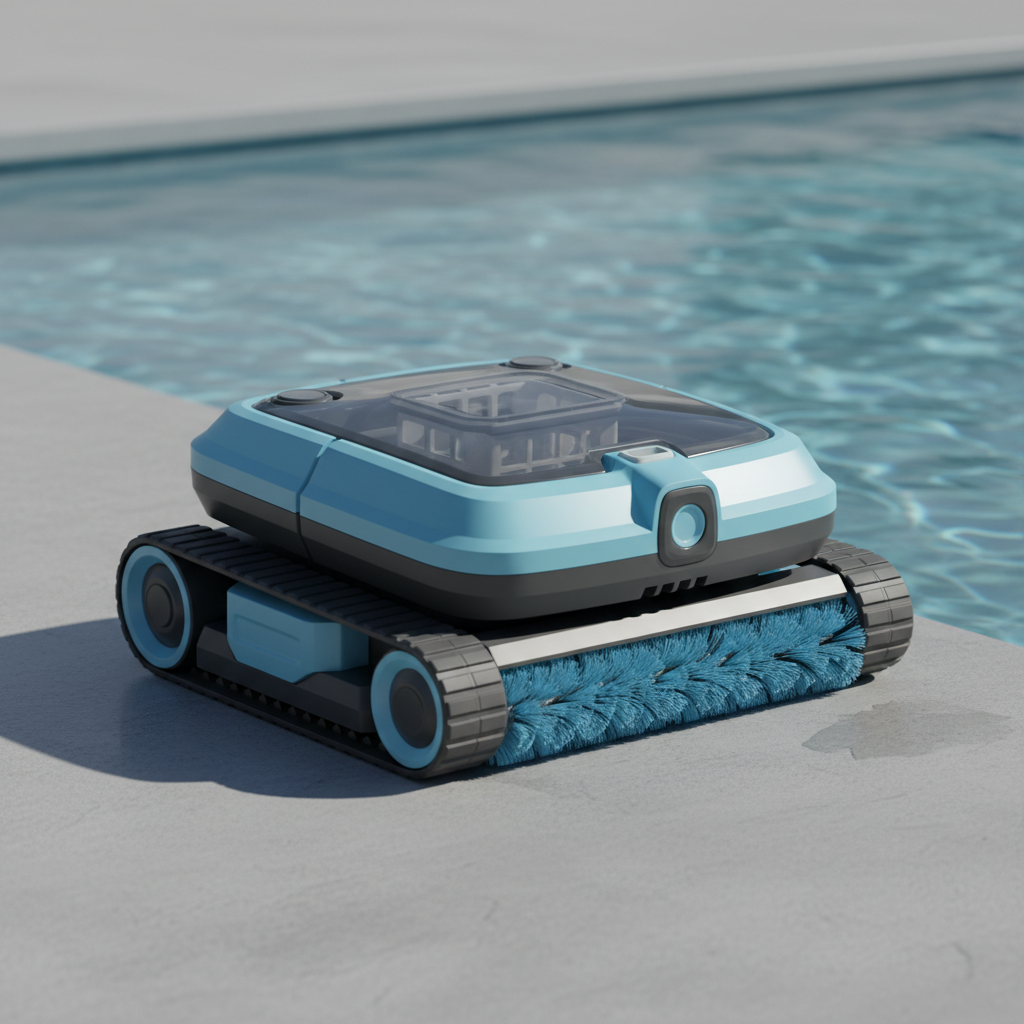
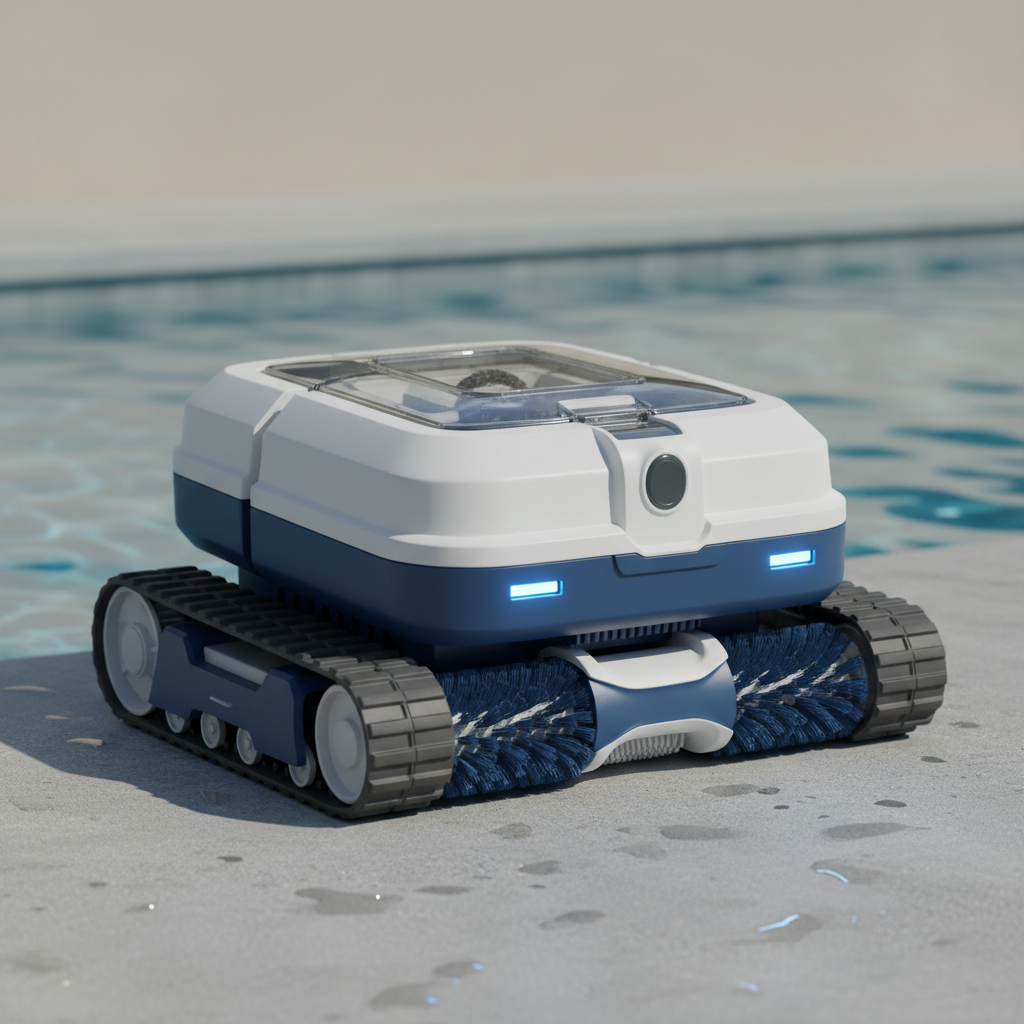
A robot pool cleaner is a self-contained unit that drives around the floor, walls and sometimes waterline of a swimming pool, scrubbing the surface with brush rollers and drawing debris and fine sediment through an internal filter basket or cartridge. Unlike suction-side or pressure-side cleaners, which rely on the pool's own pump and hoses, a true robot pool cleaner runs its own low-voltage motor and pump, so it does not add wear to the pool's existing circulation system and generally filters far more finely, often down to 2โ€“5 microns.

Because the robot carries its own filtration, it also reduces the load on the pool's main filter and can measurably cut chemical and energy costs over a season, since the main pump does not need to run as long to keep the water clear.
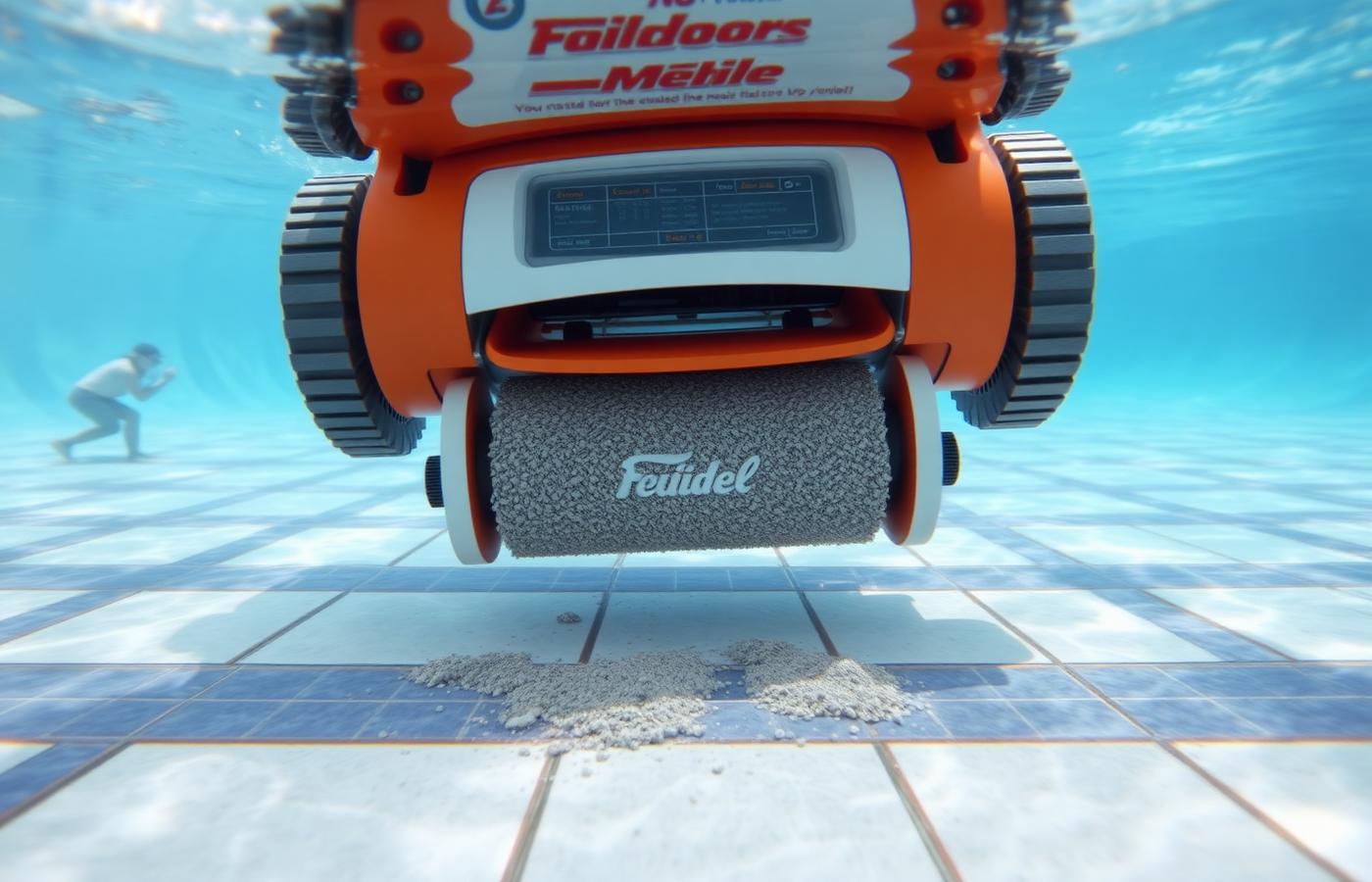
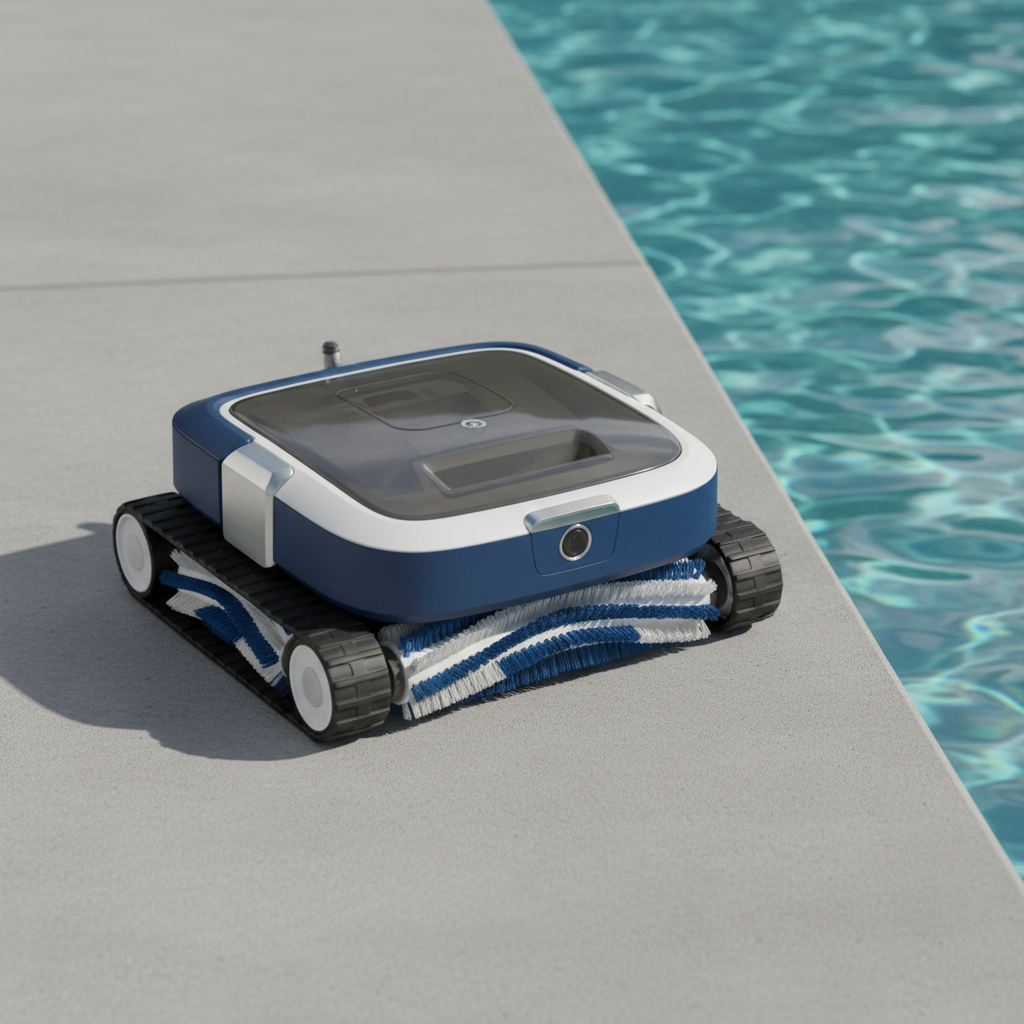
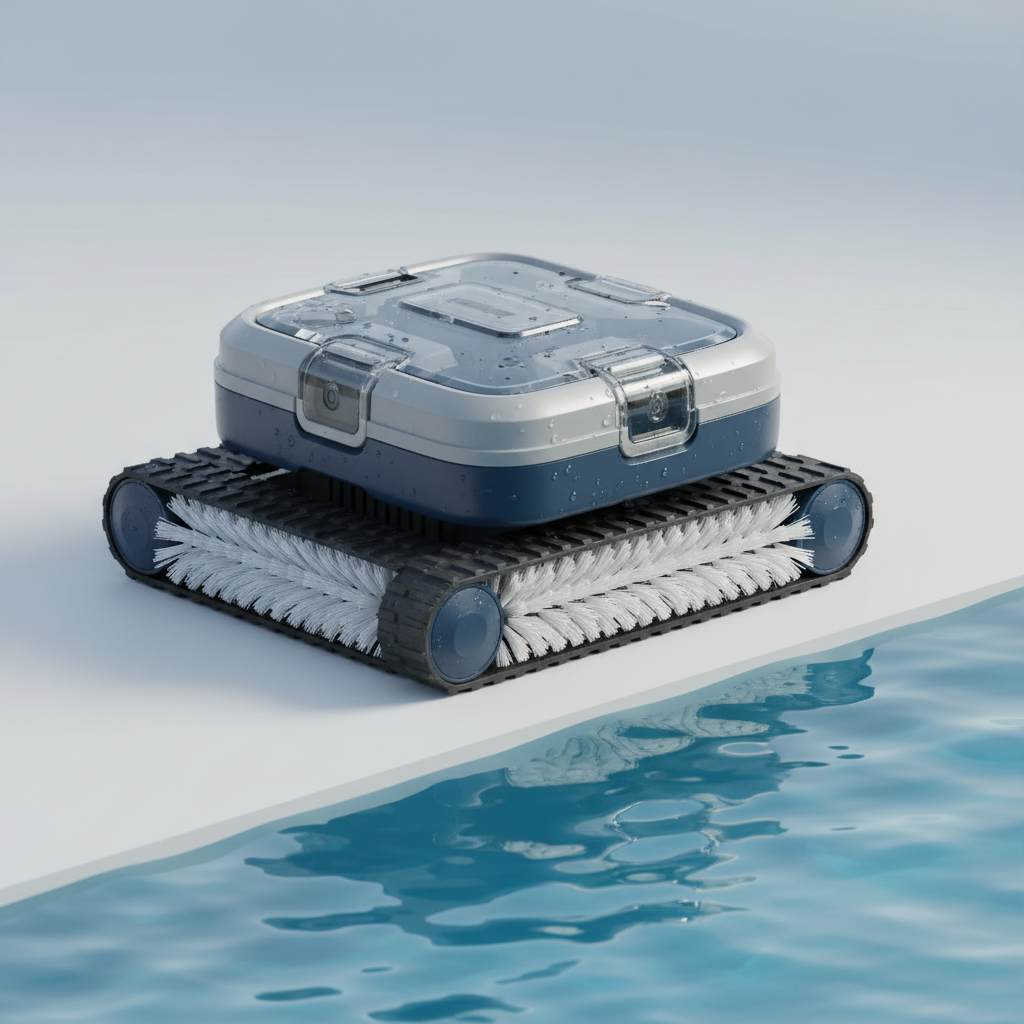
Close-up of a pool cleaning robot's caterpillar tracks and brush rollers underwater. Image by www.CleaningRobots.Online.
Caterpillar tracks and brush rollers grip tiled, vinyl and concrete pool surfaces alike.

Matching the robot to your pool type and size

Pool shape, surface material and size all affect which robot suits you. In-ground concrete or pebblecrete pools benefit from a robot with strong brush pressure to lift ingrained algae, while vinyl and fibreglass pools need softer brushes to avoid scuffing the liner. Above-ground pools generally need a lighter, smaller robot designed for their shallower depth and different wall angle, and buying an in-ground unit for an above-ground pool (or vice versa) is one of the most common mistakes.

Cable length matters more than most buyers expect: a cleaner rated for an 8-metre pool will not reliably reach the far corners of a 15-metre pool, and running a robot slightly beyond its rated cable length can cause tangles or leave patches uncleaned. Check the pool's longest diagonal, not just its length, against the manufacturer's coverage rating.
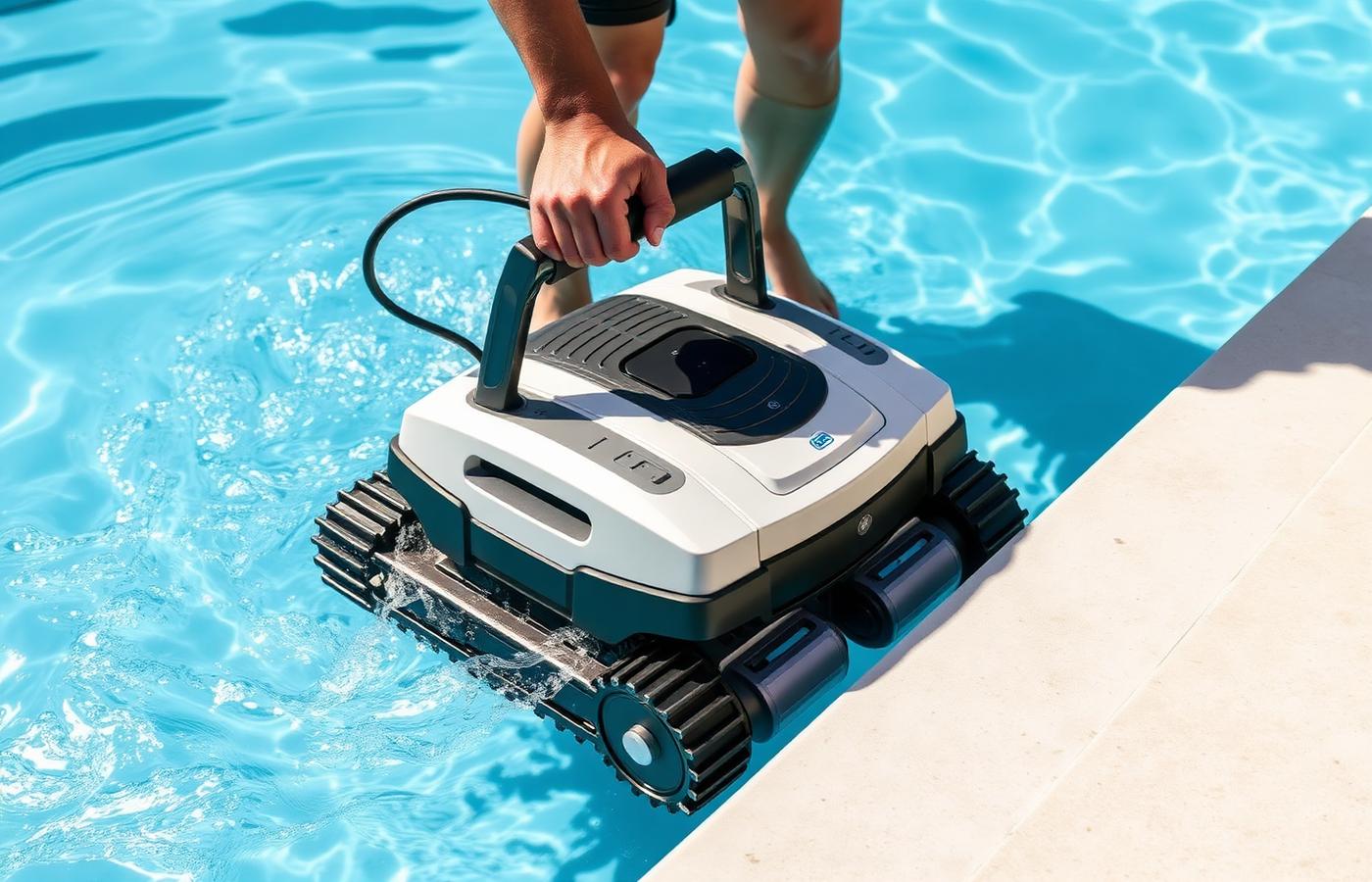
A pool owner lifting a robot pool cleaner out of the water using its caddy and cable. Image by www.CleaningRobots.Online.
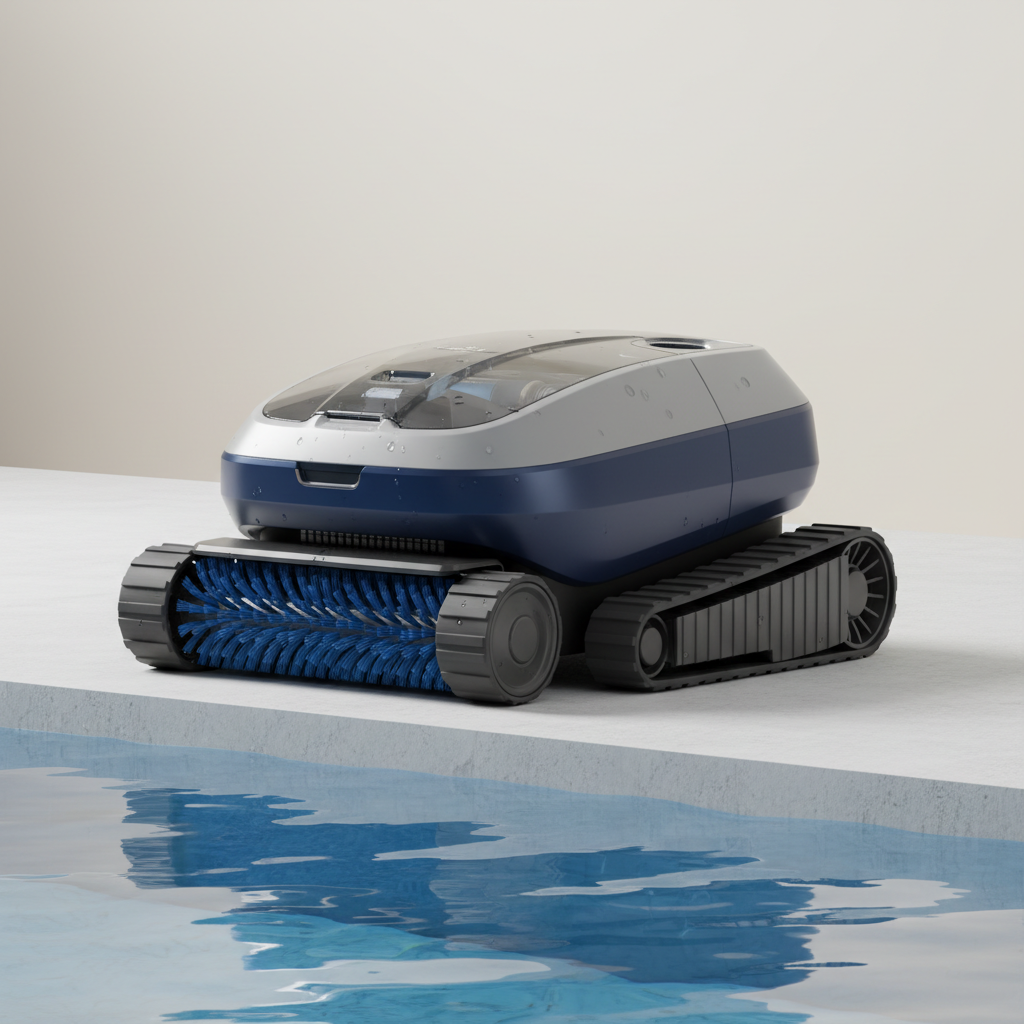
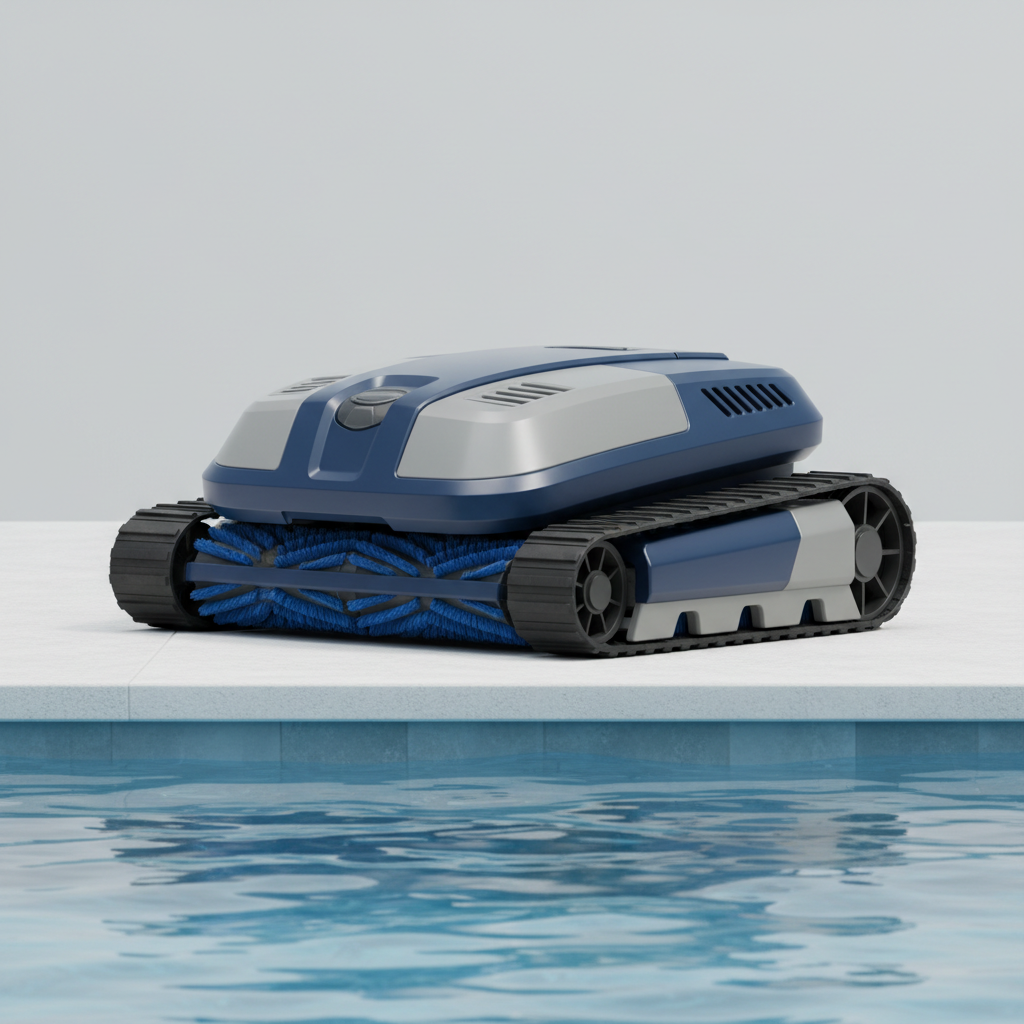
Most robot pool cleaners come with a caddy for storage and to help lift the unit out after a cycle.

Climbing walls and waterlines

Many mid-range and premium robot pool cleaners can climb pool walls and clean the waterline tile band where body oils and sunscreen residue build up as a persistent scum line. This ability depends on track grip and onboard gyroscopic navigation, and cheaper floor-only models simply cannot do it. If waterline scum is a recurring problem, prioritise a model explicitly marketed with wall-and-waterline climbing rather than assuming any robot will manage it.

Navigation quality also varies widely. Better units map the pool using gyroscopes and pressure sensors to cover the whole floor systematically in a set cycle time, while basic models move semi-randomly and can miss patches or take longer to achieve full coverage.
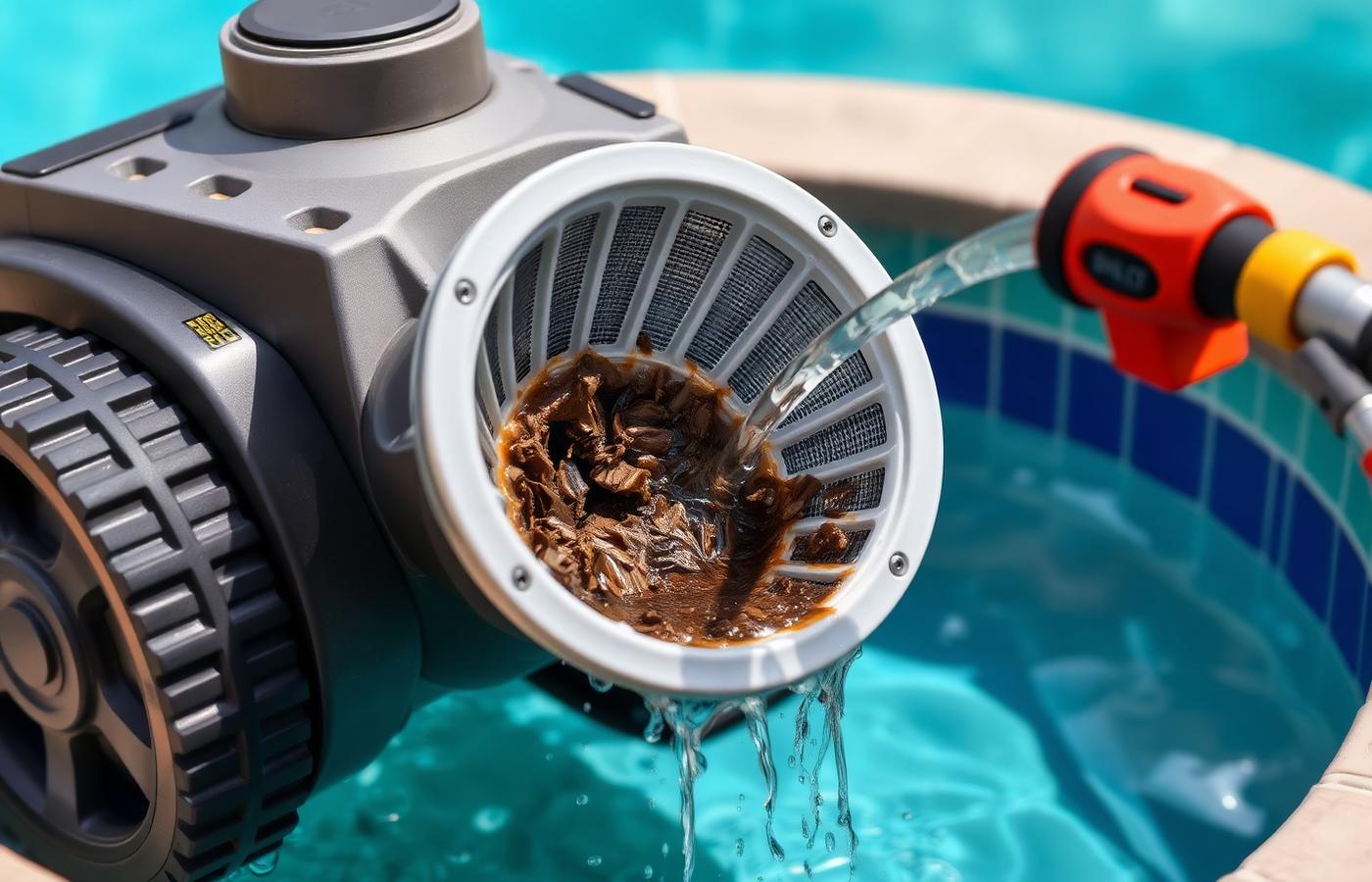
An open robot pool cleaner filter basket full of leaves and debris beside a swimming pool. Image by www.CleaningRobots.Online.
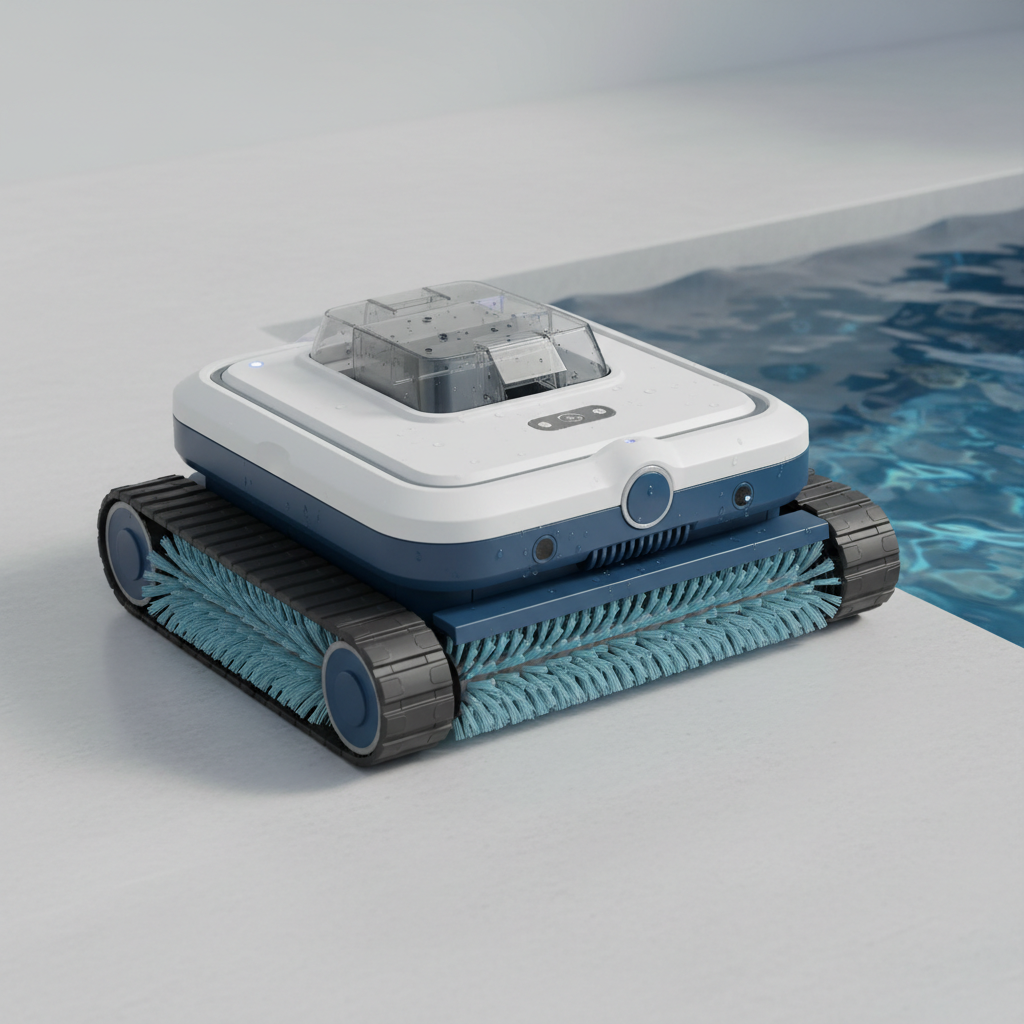
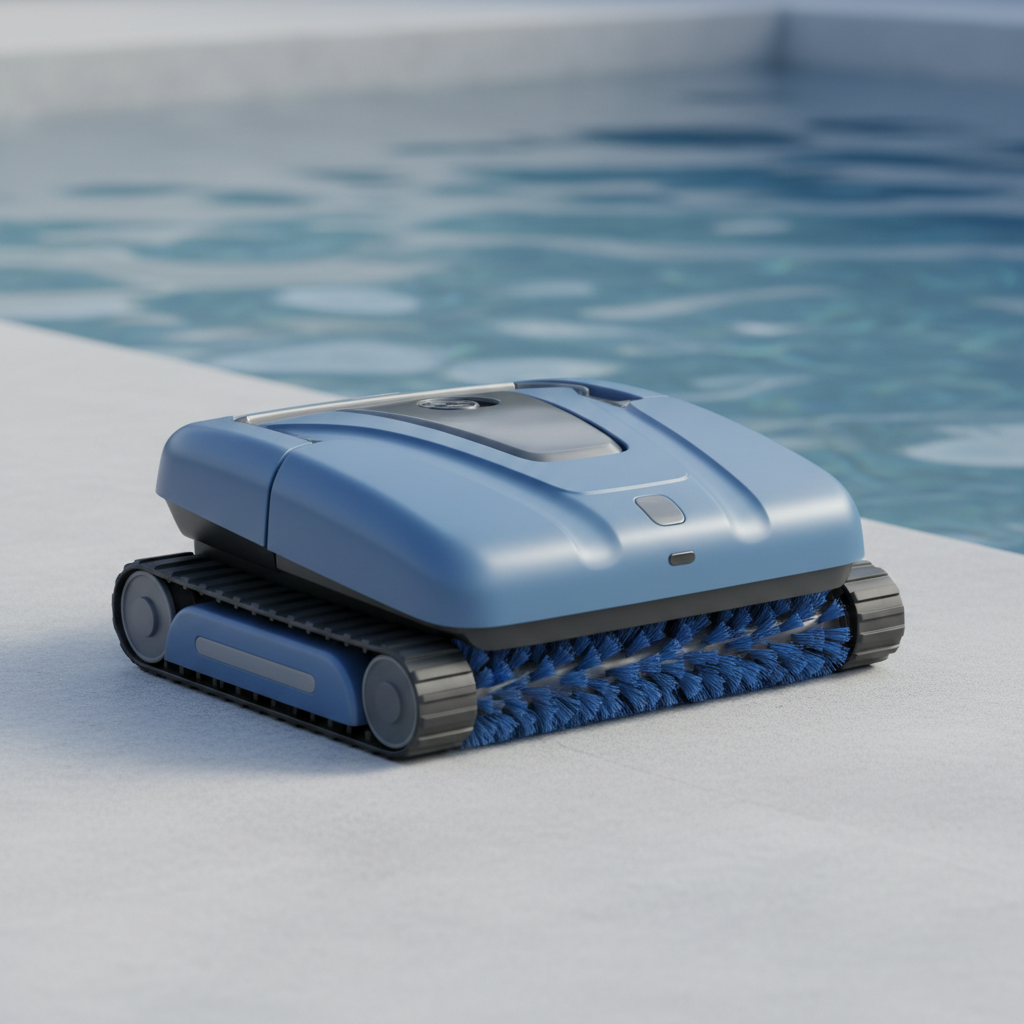
Filter baskets need emptying after most cycles, especially in pools surrounded by trees.

Filtration, maintenance and filter types

Filter baskets and cartridges need emptying after most cleaning cycles, particularly in pools near trees or during pollen season, since a clogged filter sharply reduces suction and cleaning performance. Cartridge-style filters usually need an occasional hose-down or replacement, while some premium models offer fine, medium and coarse filter options to swap depending on whether you are chasing leaves, algae or fine silt.

Cable management is an underrated maintenance factor: swivel cables reduce tangling significantly compared with basic cables, and a tangled cable is one of the most common reasons a robot stalls mid-cycle or fails to reach parts of the pool.

Realistic Australian pricing

Entry-level robot pool cleaners for small above-ground pools typically sit around $400โ€“$700, covering basic floor cleaning without wall-climbing or app control. Mid-range in-ground models with wall-climbing, better filtration and remote or app control generally run $900โ€“$1,800. Premium units with waterline cleaning, smart navigation mapping and app scheduling can reach $2,000โ€“$3,500, which is a significant outlay but often justified for larger pools cleaned several times a week over many years.

It is worth weighing the robot's price against ongoing savings on manual labour, pump running hours and chemical use, since a well-chosen unit often pays back part of its cost within a couple of pool seasons.
Frequently asked questions

Do robot pool cleaners replace the pool's main filtration system?
No. They supplement it by picking up debris and fine sediment the main pump and filter would otherwise handle, which reduces pump running time and chemical demand but does not eliminate the need for a functioning main filtration system.
Can a robot pool cleaner climb pool walls and clean the waterline?
Only models specifically designed for it, using tracked wheels and gyroscopic navigation. Budget floor-only units generally cannot climb walls reliably.
How often should I run a robot pool cleaner?
Two to three cycles a week suits most residential pools, though heavily used pools or those near trees may need daily short cycles during peak leaf drop or algae season.
Is a longer cable always better?
Not necessarily โ€” a cable should match the pool's coverage rating closely. Too short and it will not reach every corner; excessively long cable can tangle more easily during operation.
Do robot pool cleaners work in saltwater pools?
Most modern units are built with saltwater-compatible components, but always check the manufacturer's specification, since some cheaper models are rated for chlorine pools only.
Advertisement

All our Pool Cleaning Robots โ€” 10 models reviewed

Every model we cover in this category, ranked with specs, pricing and honest pros and cons.

See the full Pool Cleaning Robots category

Related robot categories

Read our other Full Feature Articles

Outdoor Cleaning RobotsCordless vs Corded Robot Pool Cleaners: Which Suits Your PoolSolar Pool Skimmer Robots: What They Do and Their LimitsLiDAR vs vSLAMRobot Lawn Mowers Without Boundary Wire: How They NavigateSelf-emptying robot vacuum systems explainedRobot mops for hard floorsThe Robot Vacuum Buying Guide: What Actually Matters in 2026Are Vacuum Mop Combo Robots Worth It in 2026?Self Cleaning Litter BoxThe Best Robot Vacuum for Pet Hair in a Shedding HouseholdThe Robot Window Cleaner Guide: How They Work and Who Needs OneThe Grill Cleaning Robot Guide: How They Work and What They CostHome Assistant Robots for Elder Care: A Practical GuideChoosing a Robot Mower for Slopes and Large LawnsSecurity Patrol Robots for Home and Business: What to KnowHow a flying delivery drone actually gets a parcel to your doorDrone Delivery Regulations Worldwide: A Country-by-Country OverviewHow a Food Delivery Robot Gets Your Order to Your DoorCommercial Floor Scrubbing Robots: What They Cost and How They WorkWarehouse Lifting Robots: Cutting Manual Handling Injuries on the FloorWorkplace Safety RobotsThe Complete Robot Vacuum Maintenance ChecklistSmart Home Cleaning Robot Integration, ExplainedThe Real Cost of Cleaning Robots, Beyond the Sticker PriceGutter Cleaning Robots Explained: How They Work, What They CostThe Best Gutter Cleaning Robot for 2026: A Buyer's ShortlistiRobot Looj Alternatives: What to Use Now for Gutter CleaningOutdoor Sweeper Robots: Keeping Driveways and Paths Clear Automatically

30 full feature articles published ยท browse them all