Why the purchase price is misleading
The cost of cleaning robots is usually quoted as a single number at checkout, but that figure represents 40–60 percent of what a typical unit costs over a realistic five-to-seven-year ownership period once consumables, energy, occasional repairs and eventual battery replacement are included. A $500 robot vacuum and a $1,300 premium model can end up costing nearly the same over five years if the cheaper unit needs a battery and two brush-motor replacements while the premium model sails through on scheduled filter changes alone.
This matters most when comparing categories rather than models within a category: an outdoor sweeper robot at $1,800 looks expensive next to a $500 indoor vacuum, but if it replaces a $250 quarterly gutter clean or a $400 seasonal driveway pressure-wash, its five-year total cost of ownership can undercut the paid-service alternative by thousands of dollars.
Consumables: the cost that never stops
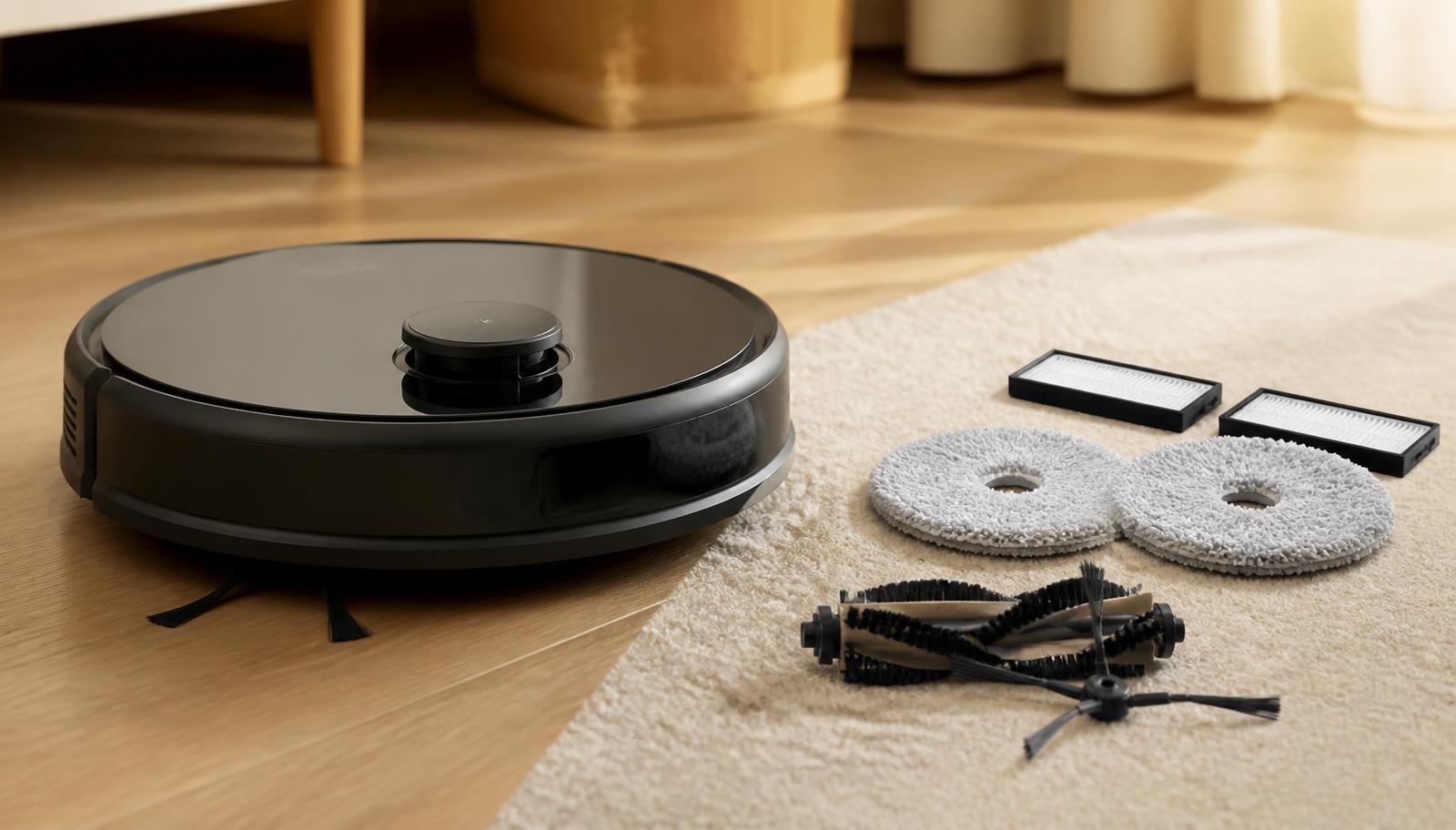
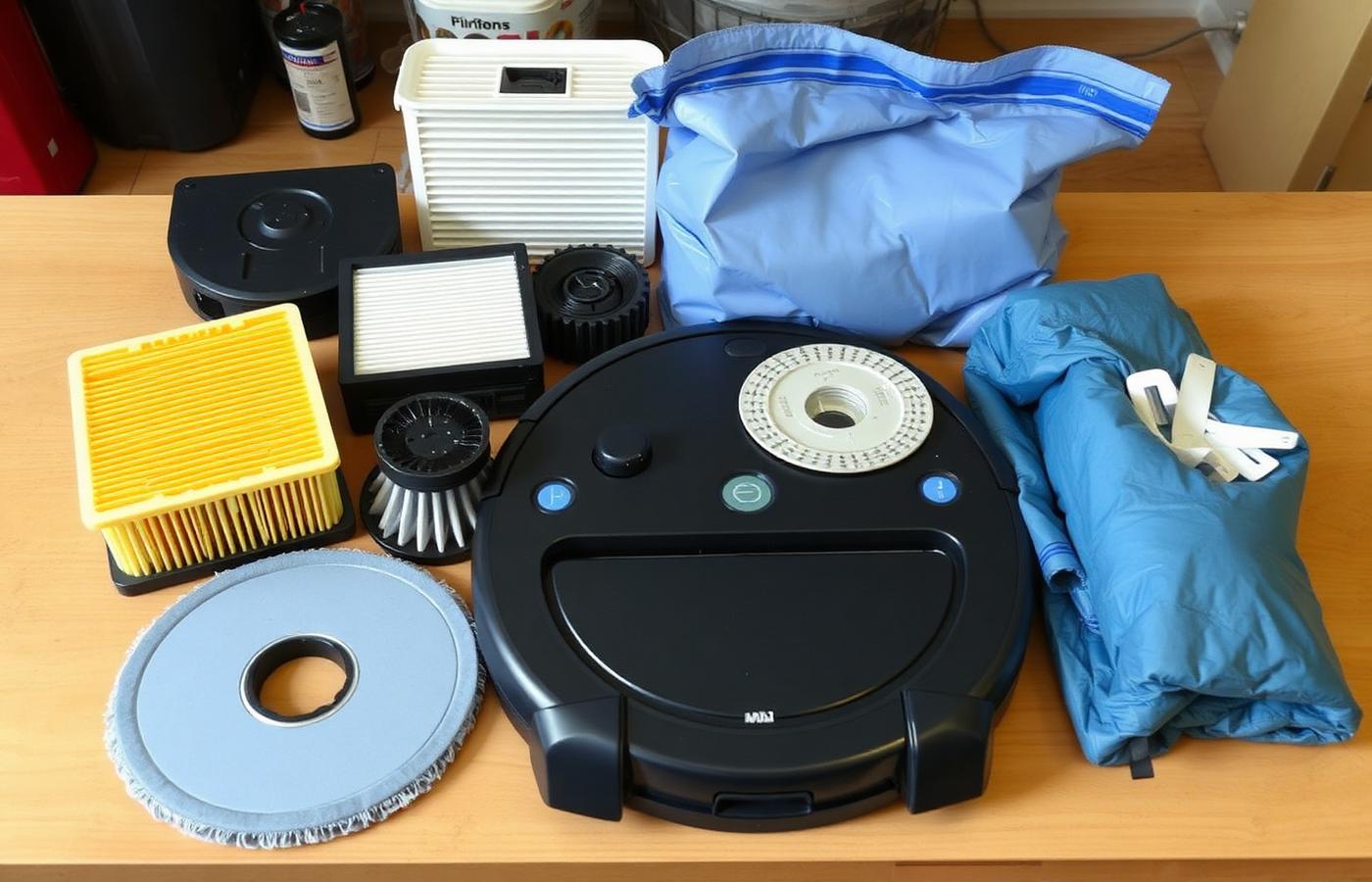
Every cleaning robot category has a consumables bill baked into ownership. Indoor robot vacuums and mop-combos typically run $50–$90 a year in filters, side brushes, mop pads and self-empty bags. Pool-cleaning robots need filter cartridge or bag replacement every one to two months in swim season, at $15–$30 per cartridge, plus an impeller or drive-belt service roughly every two years costing $60–$150. Robotic lawn mowers wear blades on a rotating basis — budget $20–$40 a year for blade sets — plus a boundary-wire repair kit if using wired models, at $15–$25 per repair.
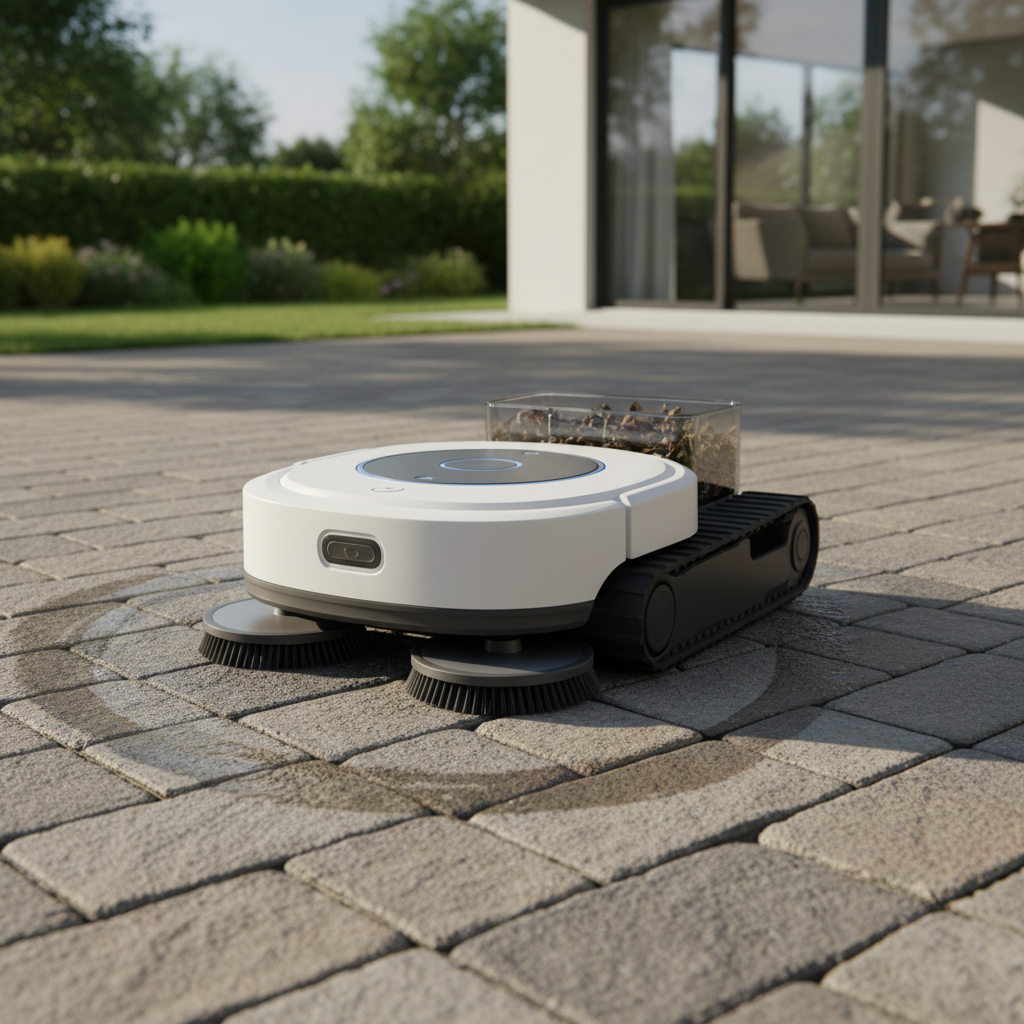
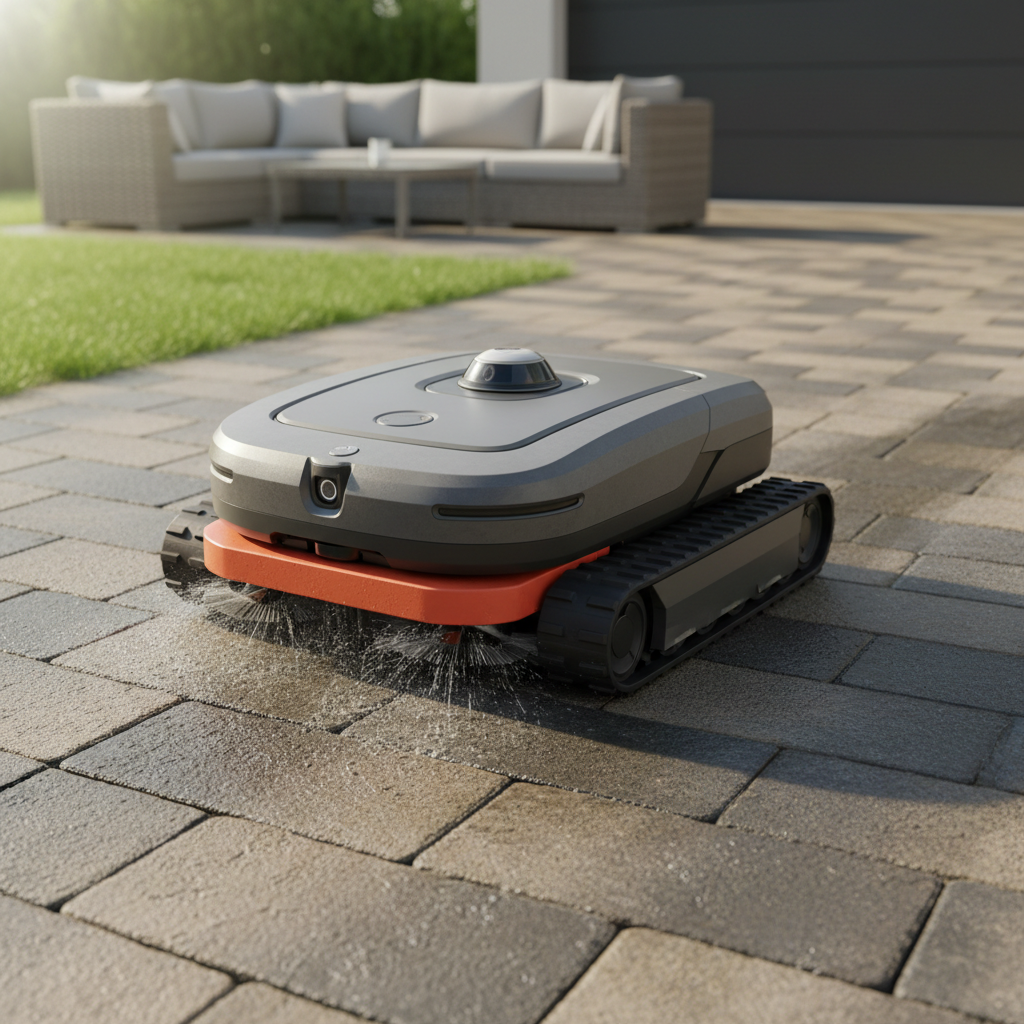
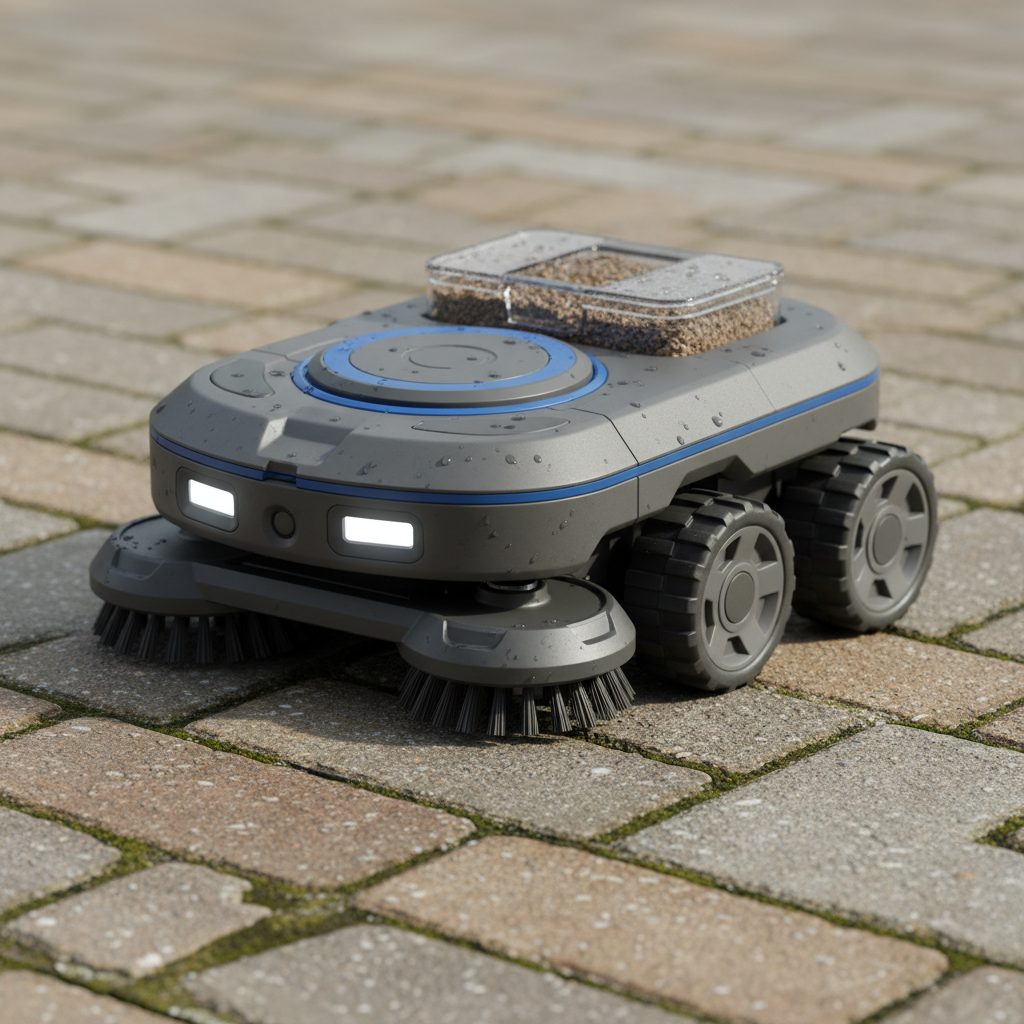
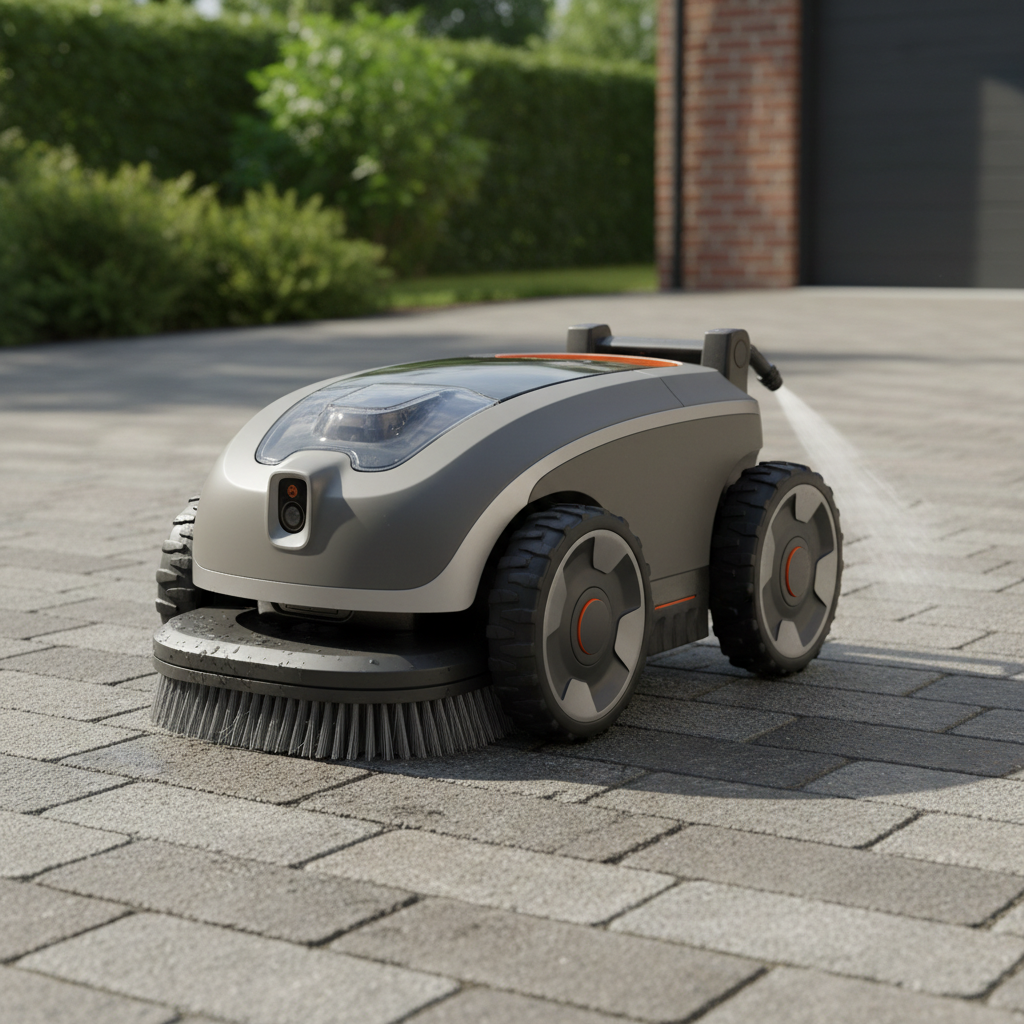
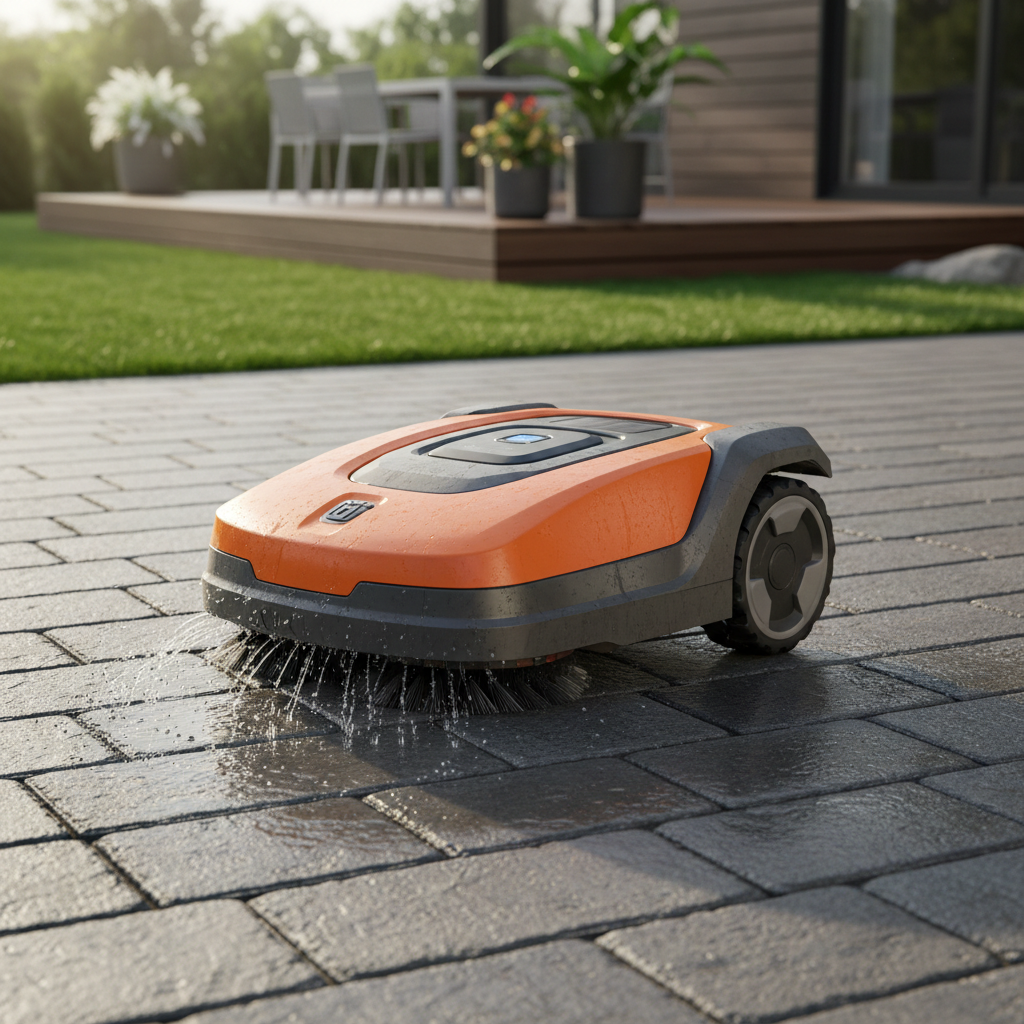
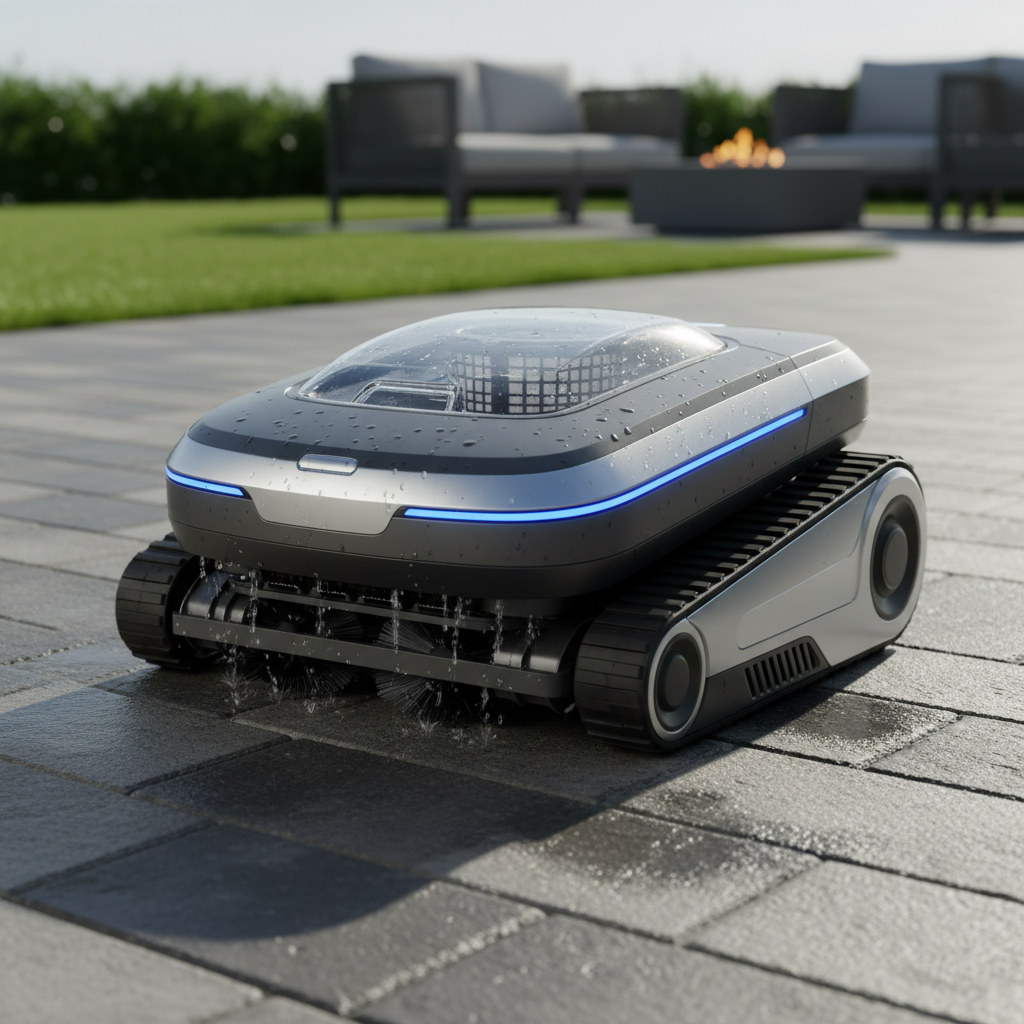
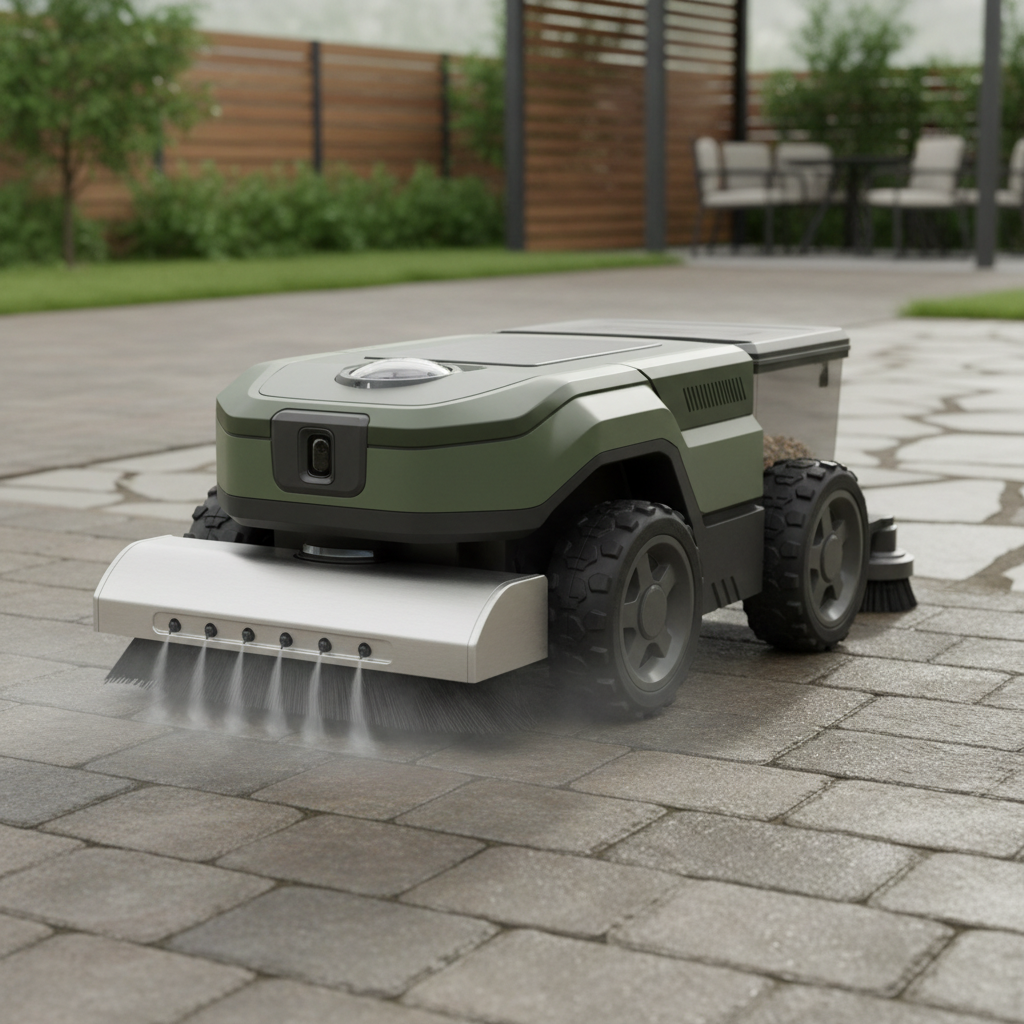
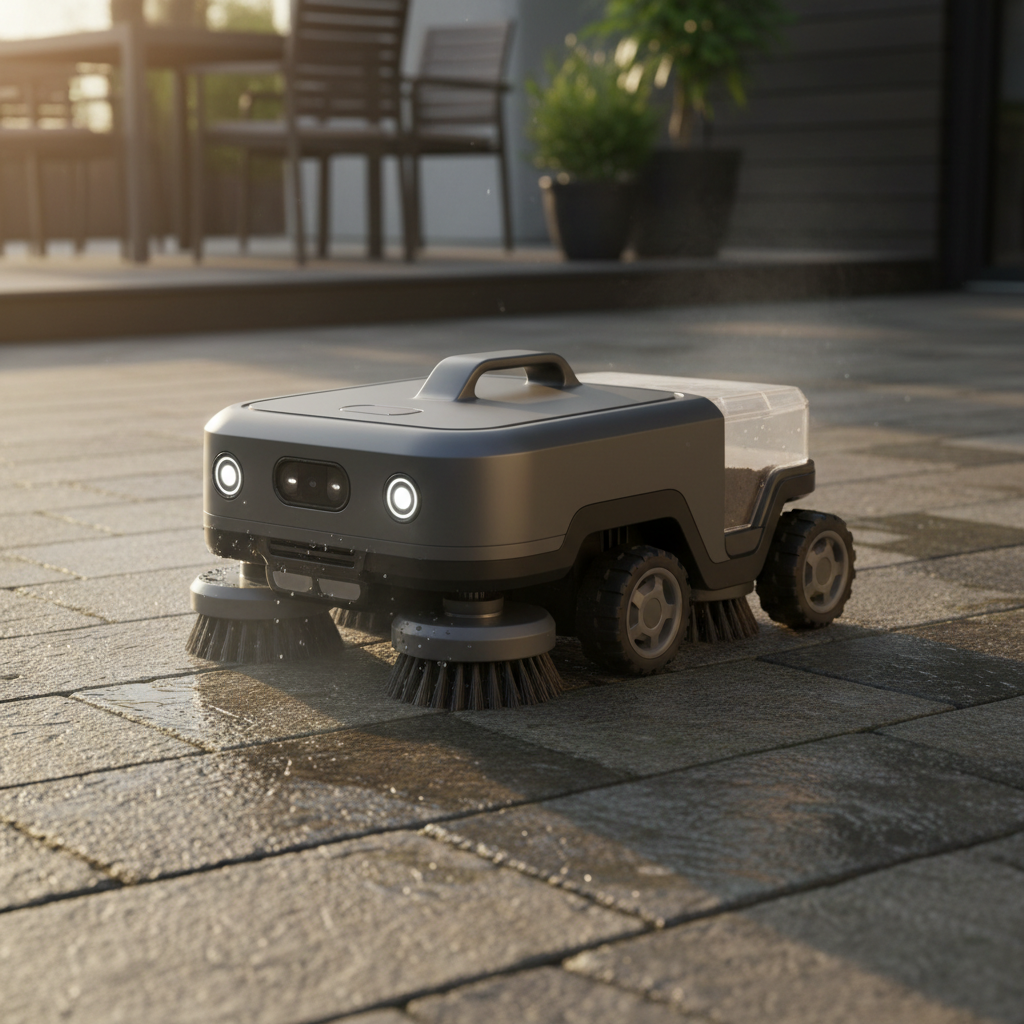
Outdoor sweepers and gutter-cleaning robots have the highest consumables cost per unit, largely because their brushes and augers do more mechanical work against grit and debris than an indoor floor ever presents: $80–$180 a year is a realistic budget for a mid-duty outdoor sweeper used weekly.
Energy costs are small but not zero
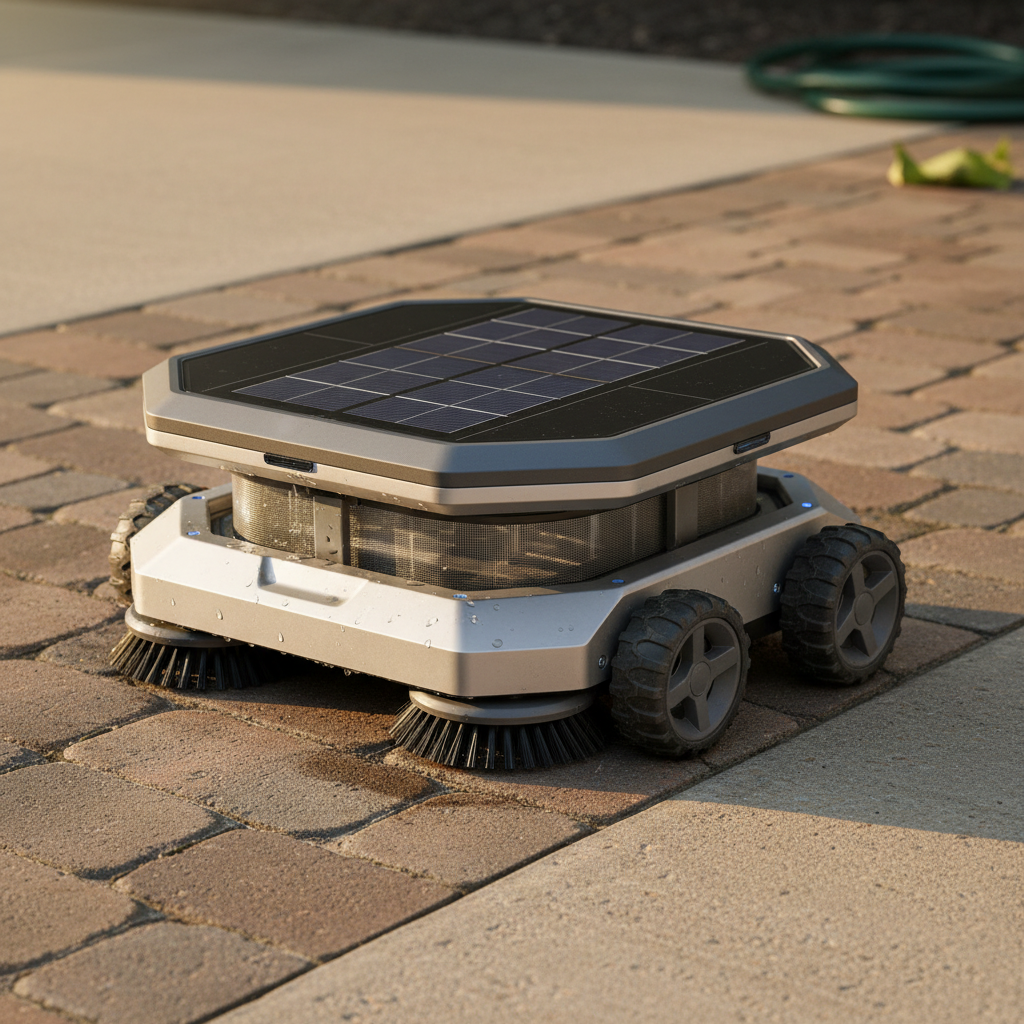
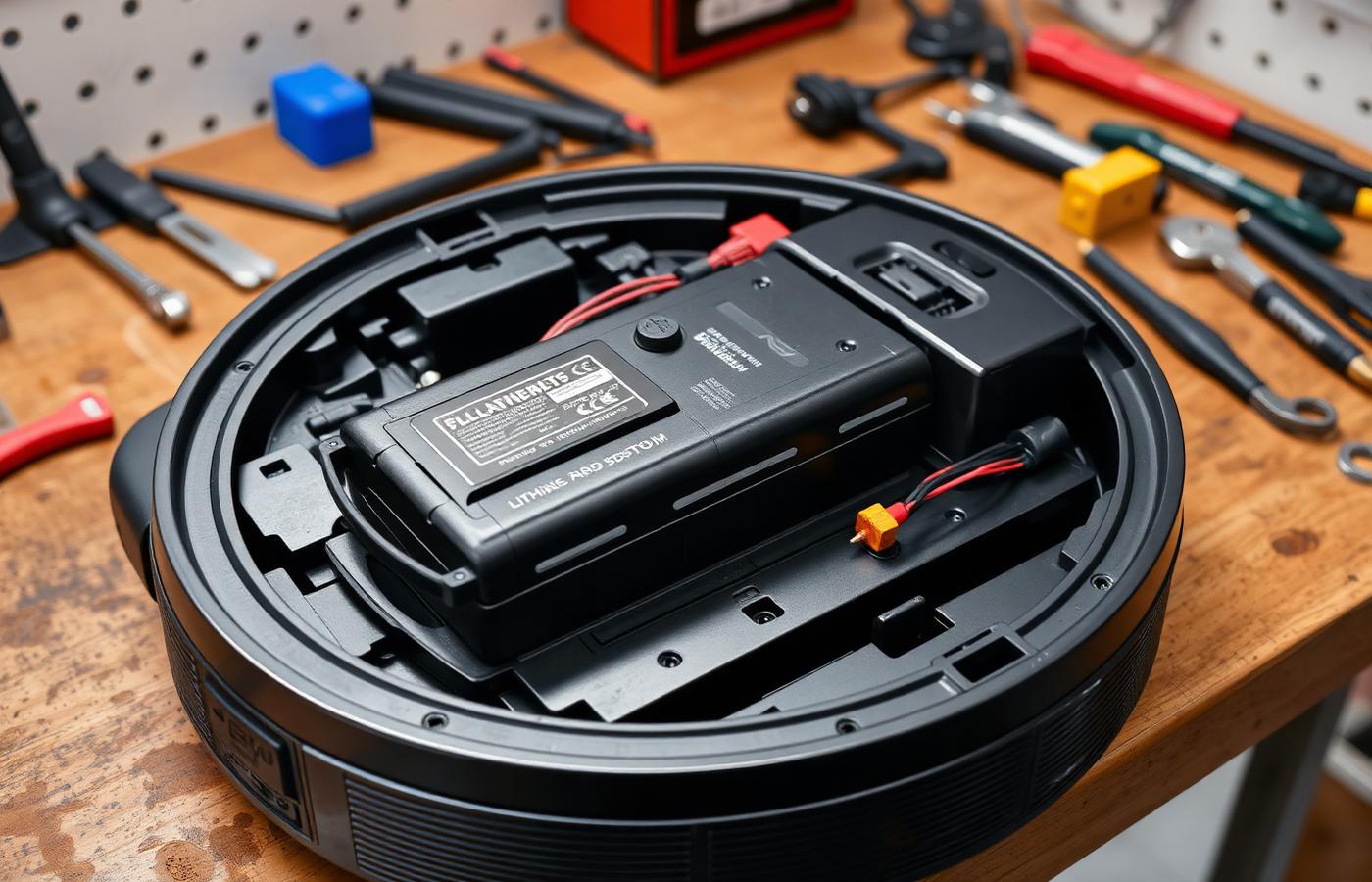
Charging a robot vacuum daily costs roughly $3–$8 a year in most regions at typical residential electricity rates, since the battery packs involved are small (2,000–5,200 mAh) and charge cycles brief. Robotic lawn mowers running through a full growing season draw more — typically $15–$35 a year — because they charge multiple times a day across a long mowing season. Solar-powered outdoor robots such as pool skimmers have effectively zero running energy cost, which is one of the strongest arguments for that category specifically, though they still need occasional panel cleaning to maintain charge rates.
None of these figures are large individually, but across a fleet of three or four robots running a fully automated property, expect $50–$100 a year in combined electricity — a rounding error next to consumables and battery replacement, but worth including in an honest total.
Battery replacement: the biggest single line item
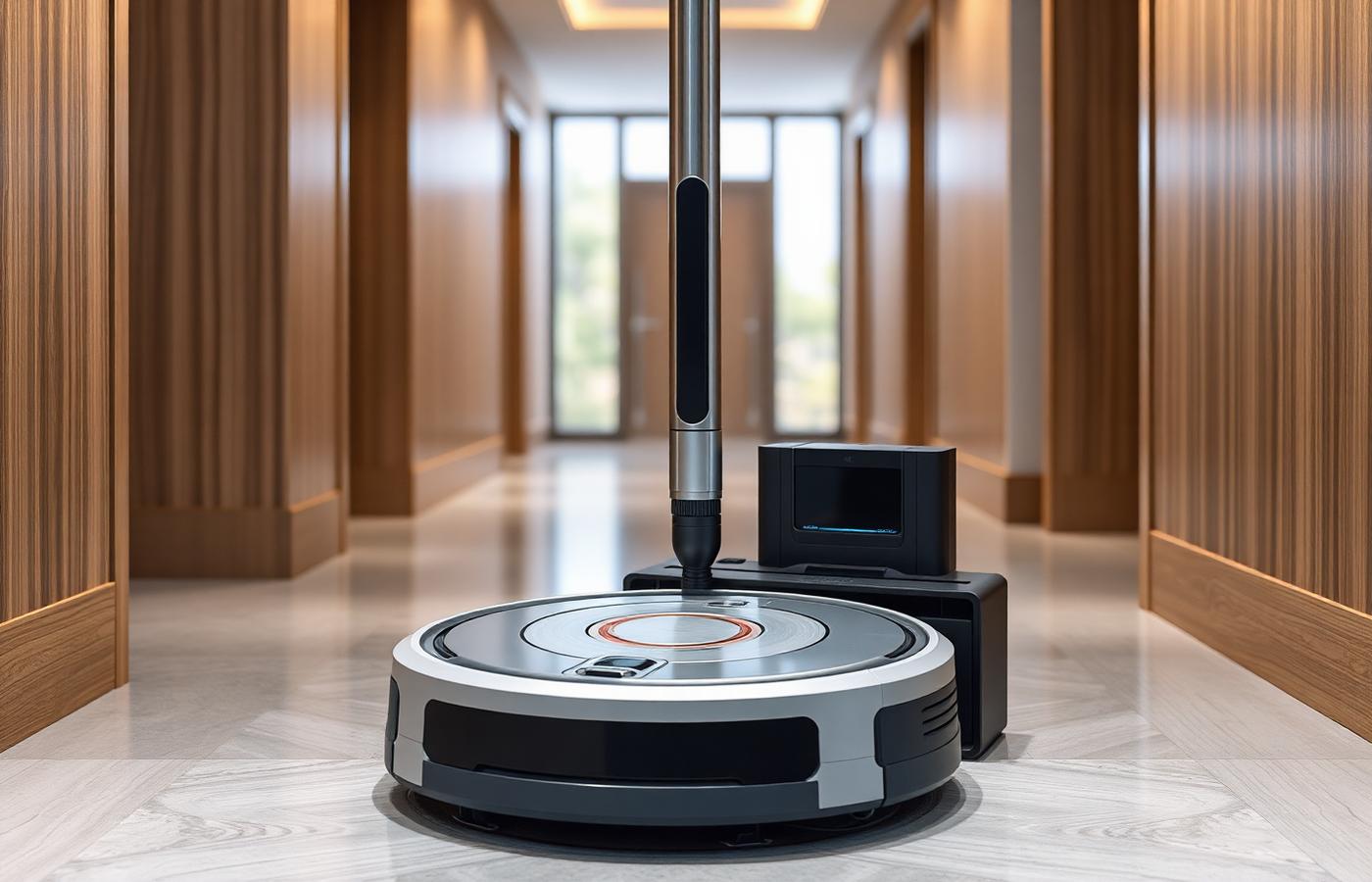
Lithium battery packs degrade with charge cycles regardless of category, and replacement is the largest single ownership cost most owners underestimate. Indoor robot vacuum batteries typically need replacement at the 2–4 year mark, at $30–$120 depending on brand and capacity. Outdoor robots — pool skimmers, sweepers, mowers — commonly last 3–5 years on the original pack given more variable thermal conditions, with replacement packs running $60–$250. Robots with non-removable, glued-in batteries push replacement into the $150–$300 range once labour or a repair service is involved, versus $30–$80 for a simple screw-in swap the owner can do themselves.
Factoring one battery replacement into a five-year ownership plan for every robot in the household is the single most important adjustment to make when comparing sticker prices between brands — a cheaper unit with a glued-in, hard-to-source battery is often the more expensive machine by year four.
Cleaning robots versus paid services: the real comparison
The comparison that actually matters for most buyers is not robot-versus-robot but robot-versus-service. A weekly professional house clean runs $100–$180 in most US metro areas; a robot vacuum fleet handling floors alone will not replace that fully but meaningfully reduces the frequency needed, often to fortnightly, saving $2,500–$4,500 a year. A solar pool skimmer at $500–$900 upfront plus $40–$80 a year in upkeep comfortably undercuts $80–$150 a month in pool servicing focused on surface debris. Robotic mowers at $1,000–$3,000 upfront typically break even against a $50–$80 fortnightly mowing service within 18–30 months.
The honest conclusion: cleaning robots are rarely the cheapest possible option in their first year, but across a five-year window most categories — outdoor robots especially — cost less than the paid-service equivalent while adding daily rather than weekly maintenance frequency. Indoor robot vacuums are the exception where the case is about convenience and reduced clean frequency rather than a hard dollar saving over professional cleaning.