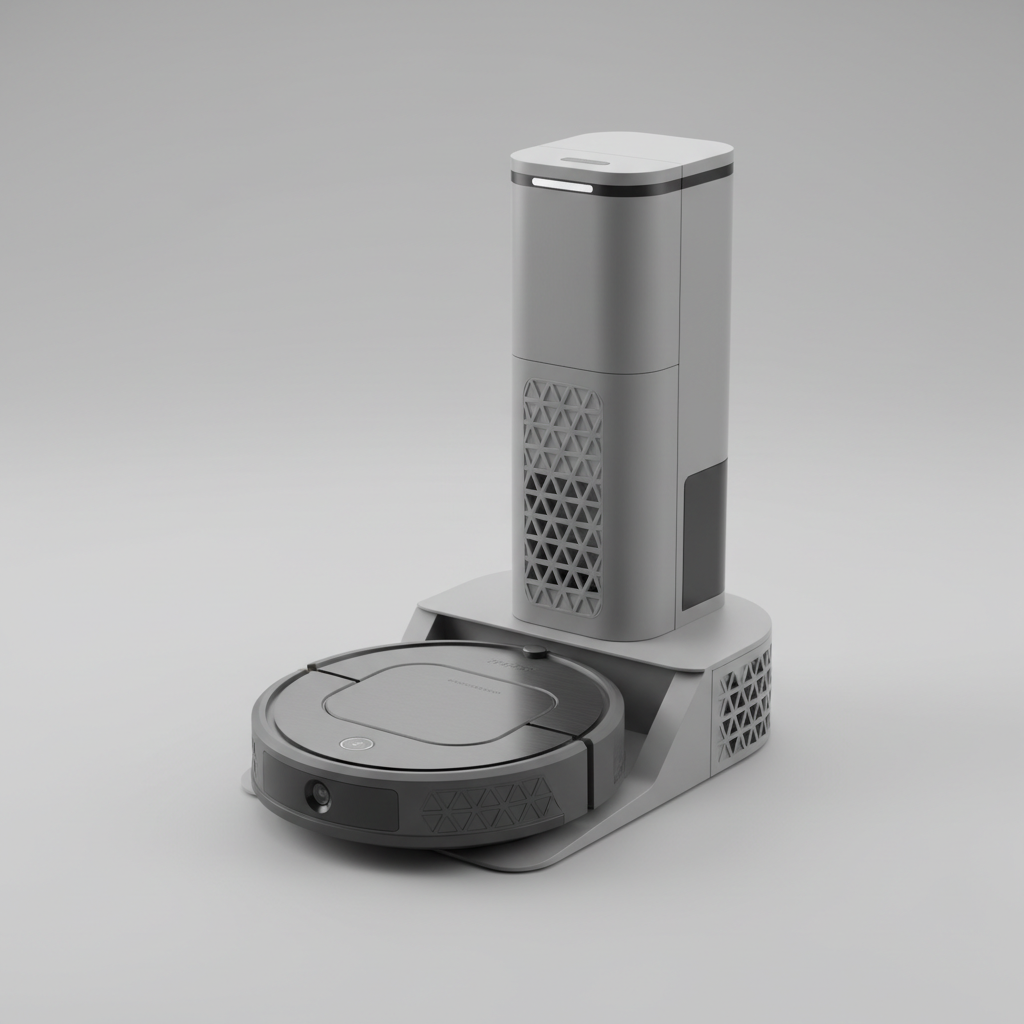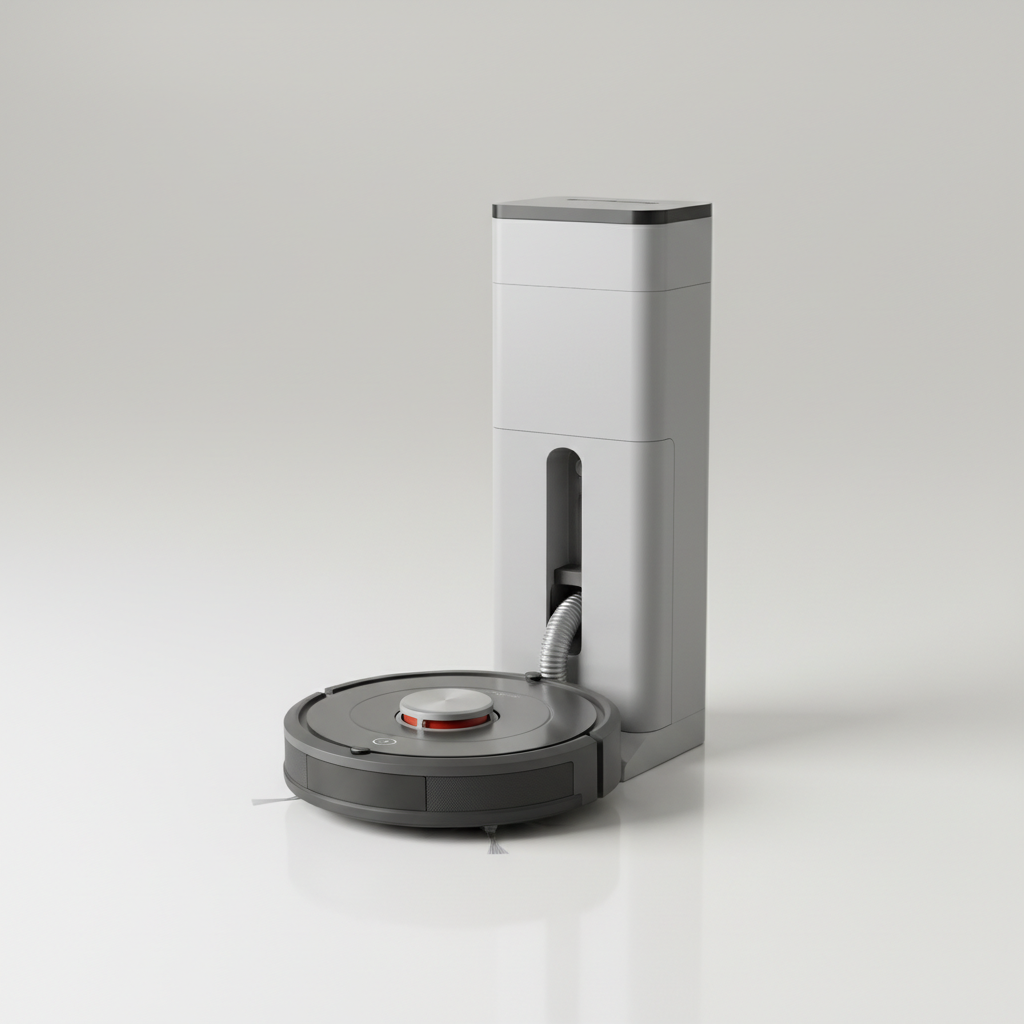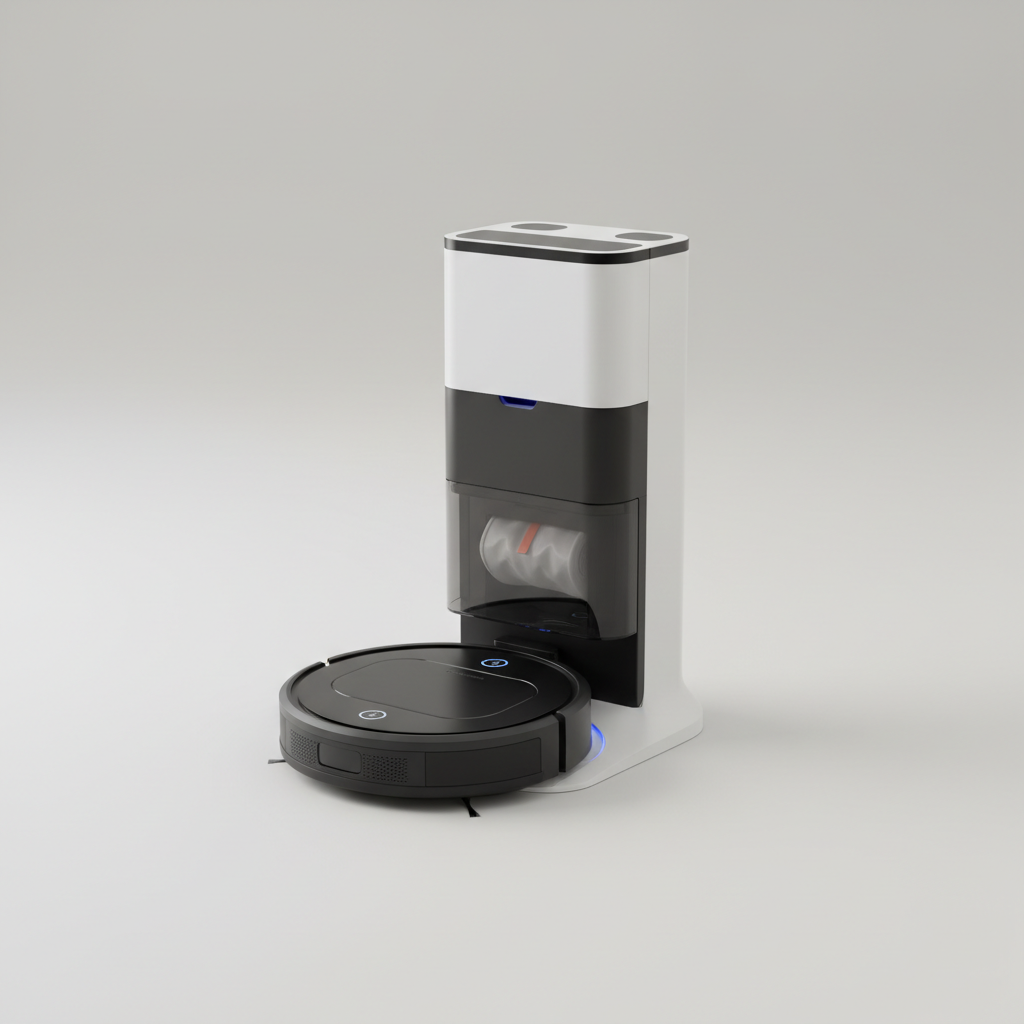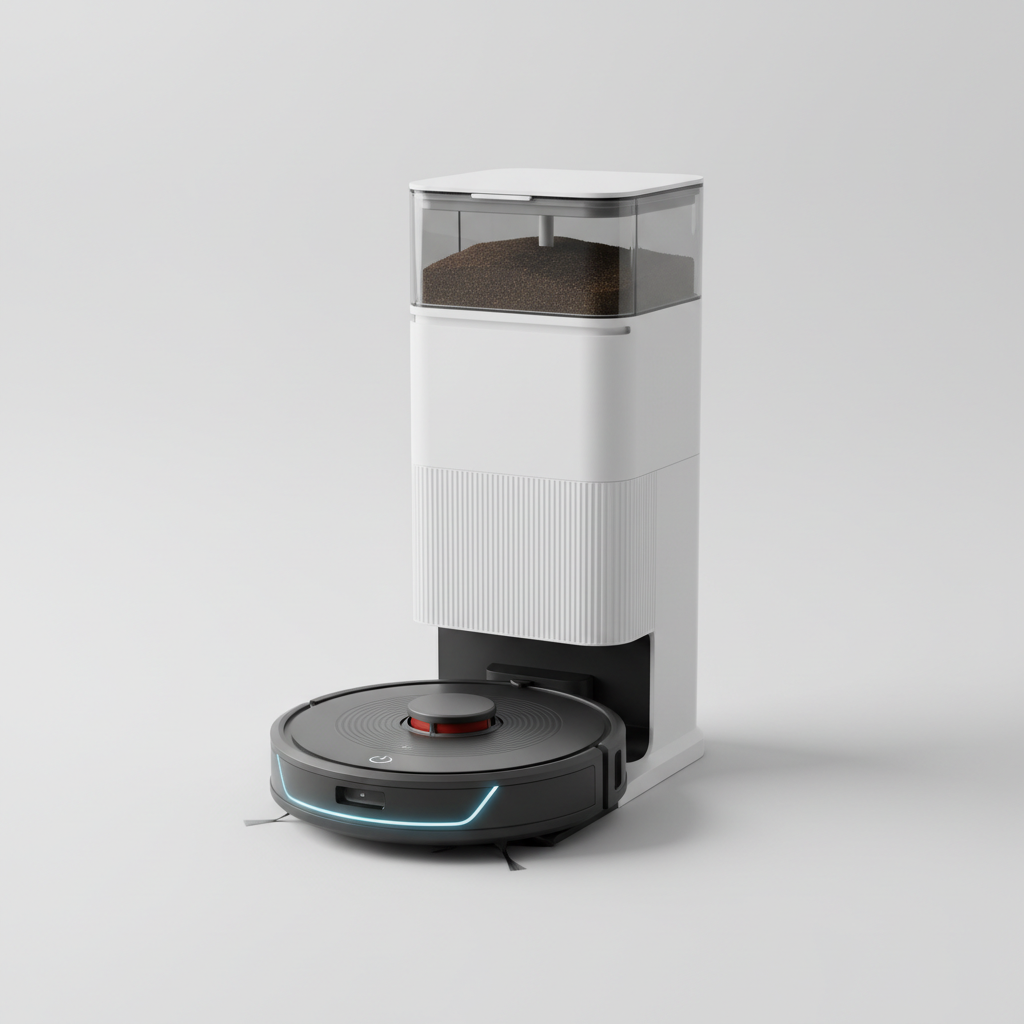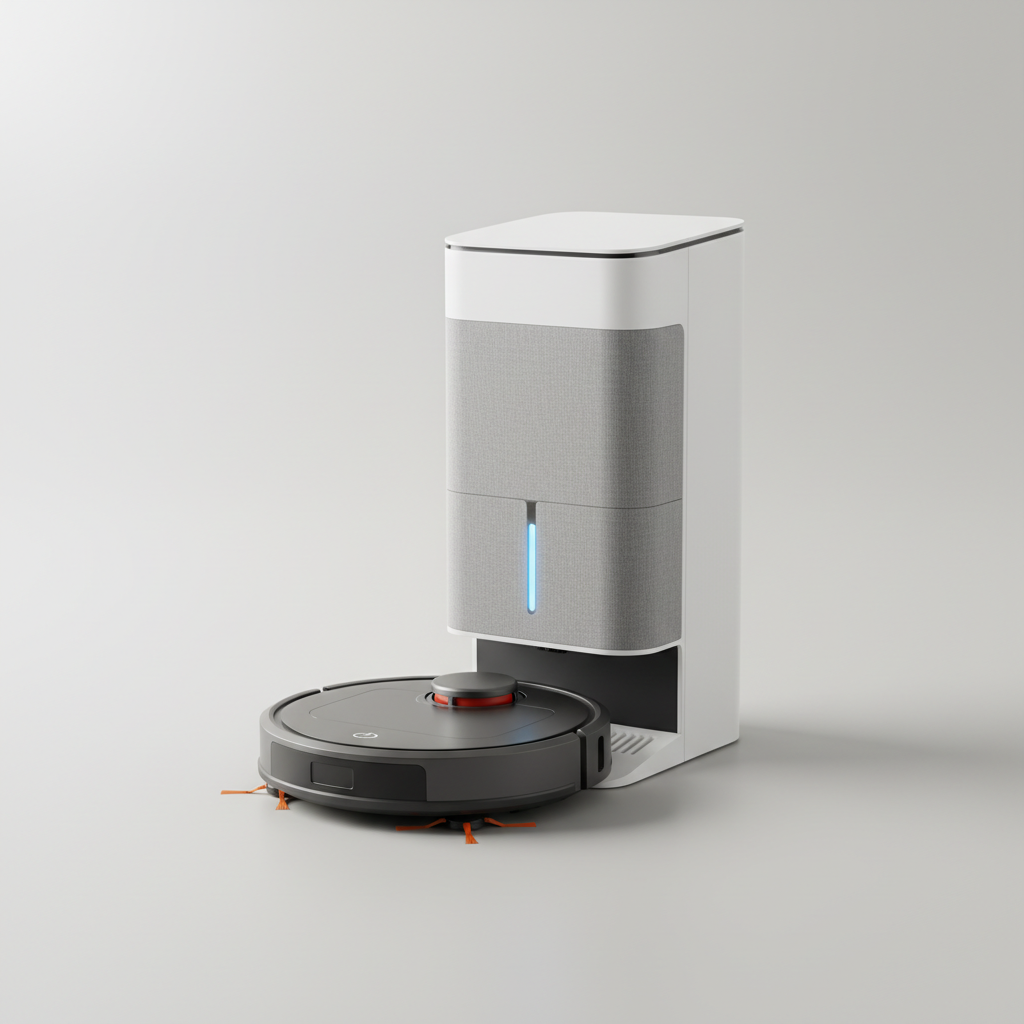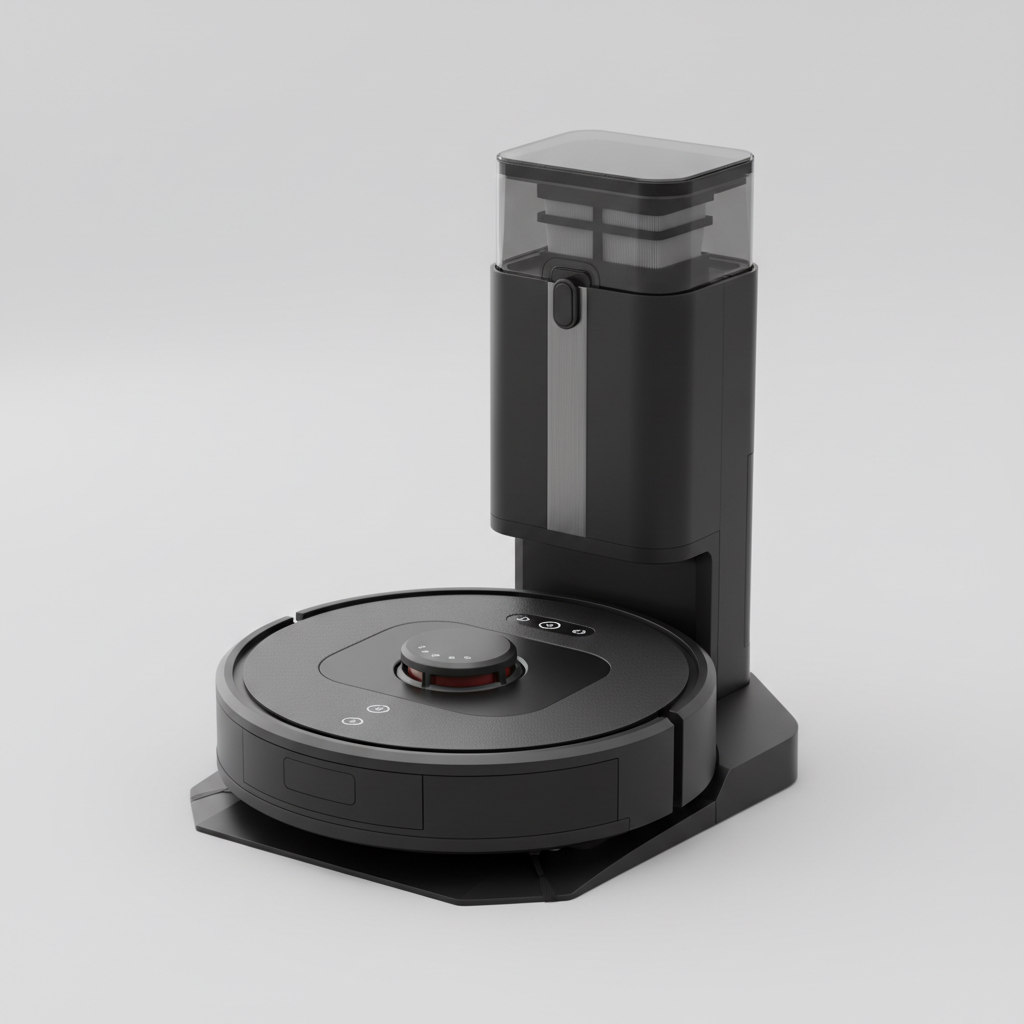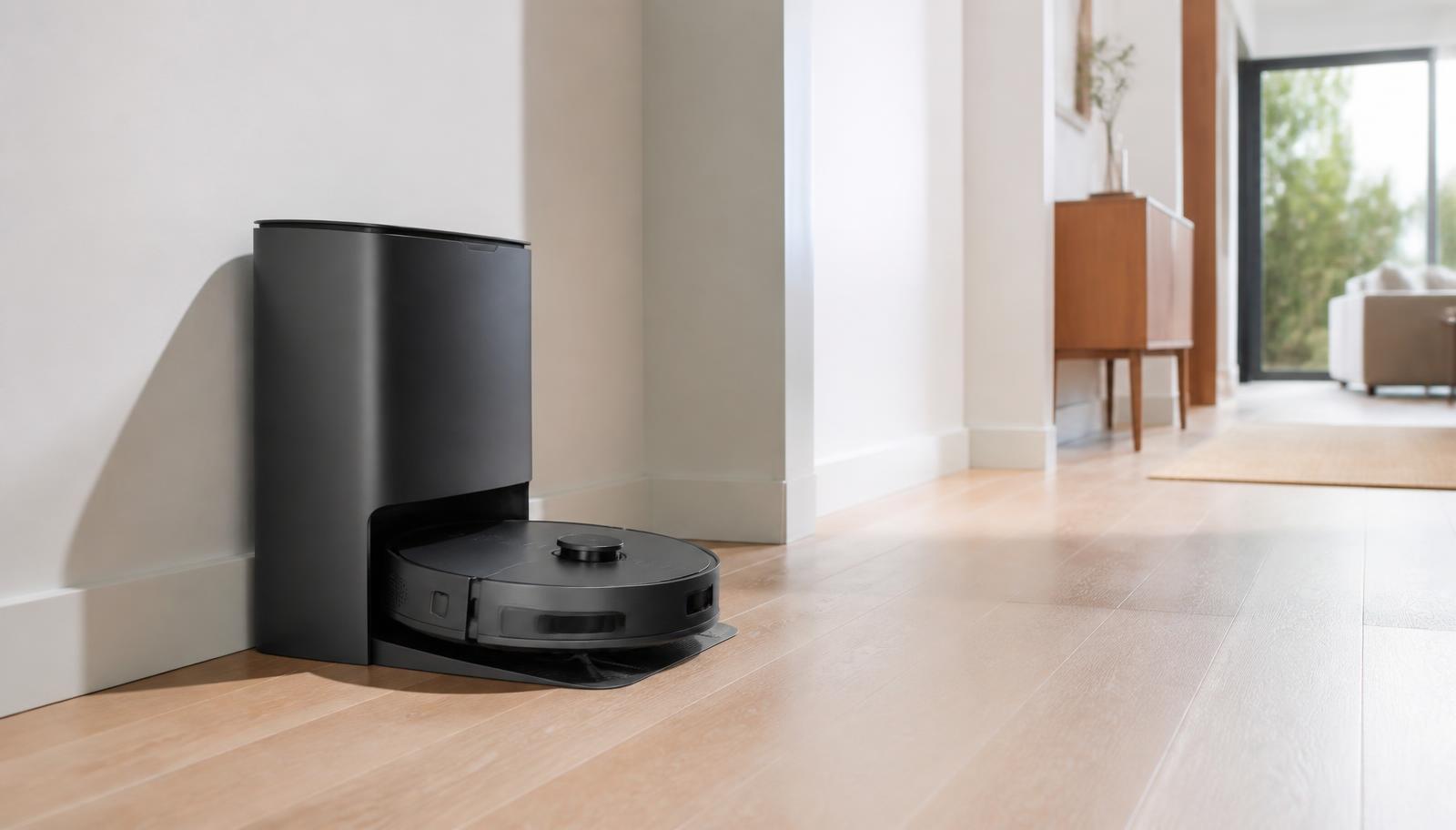
How the auto-empty cycle works
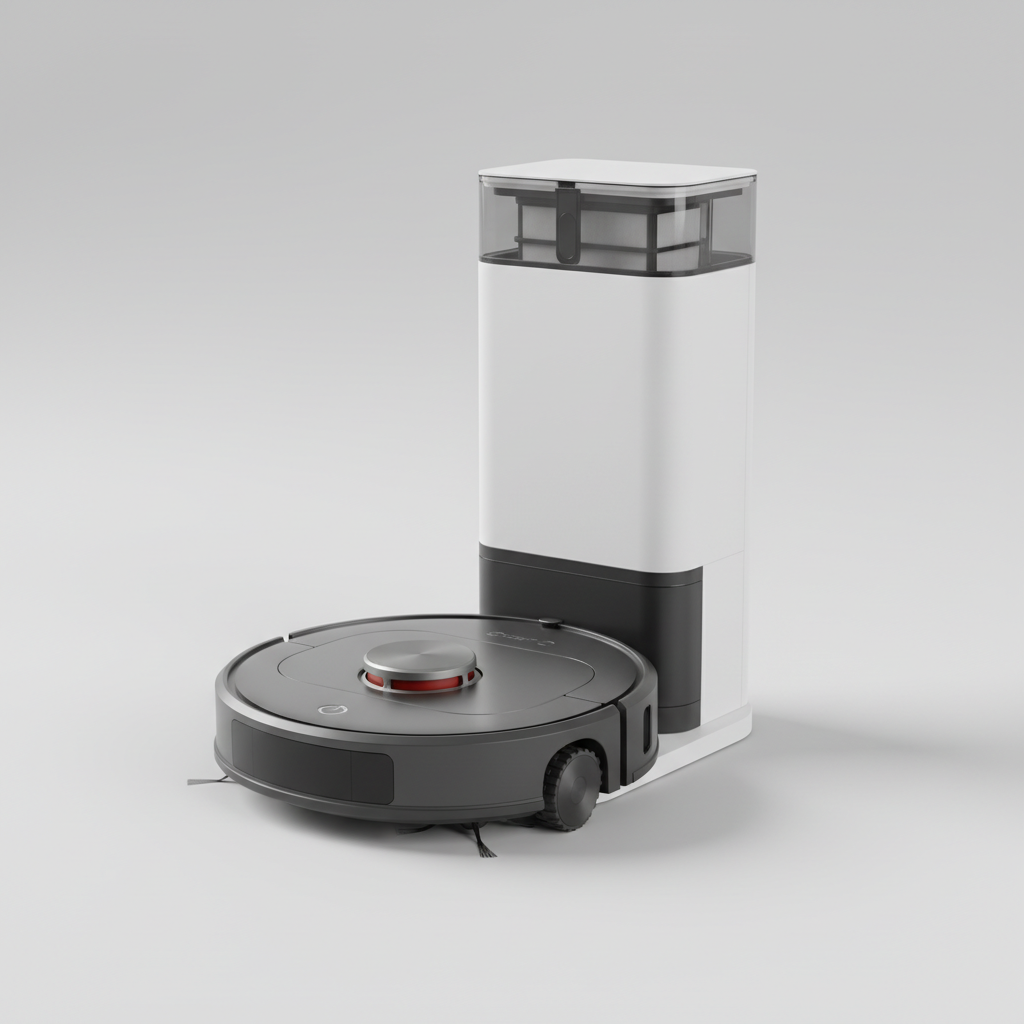
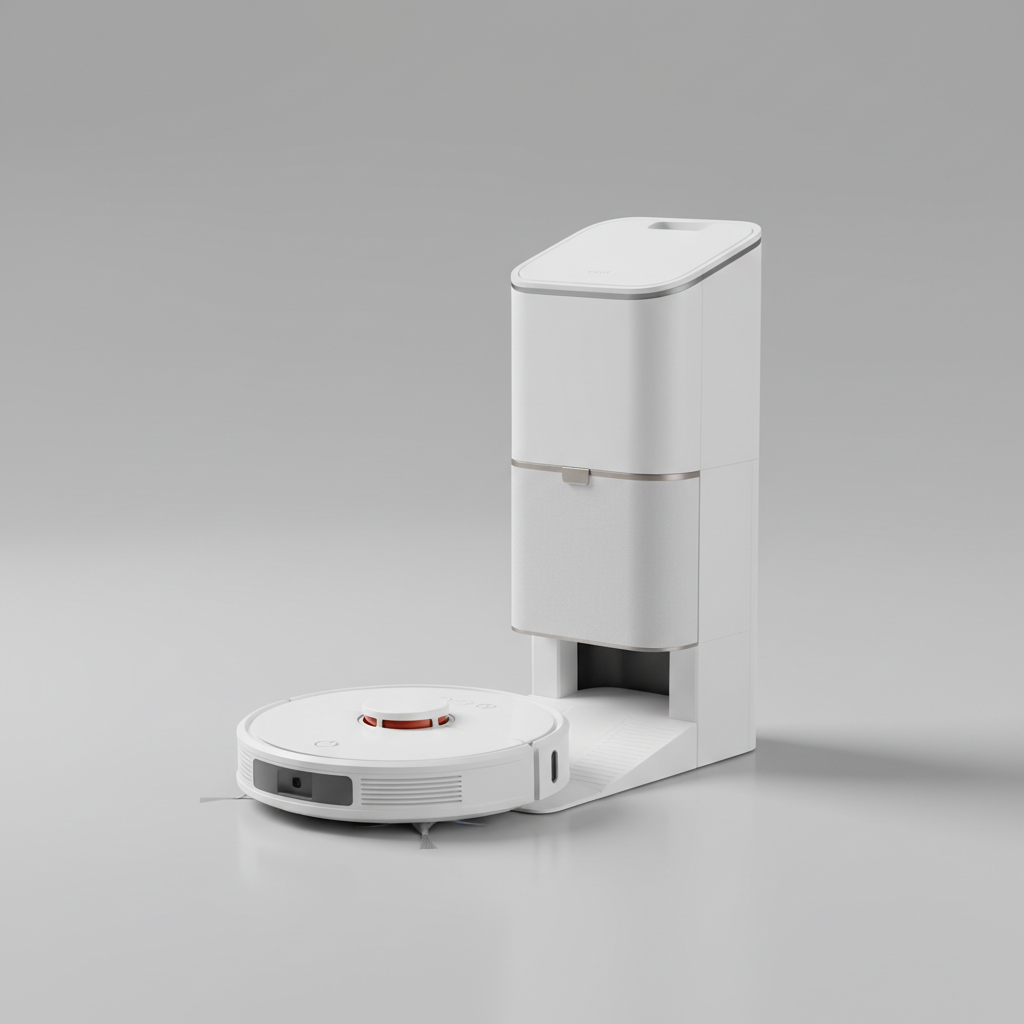
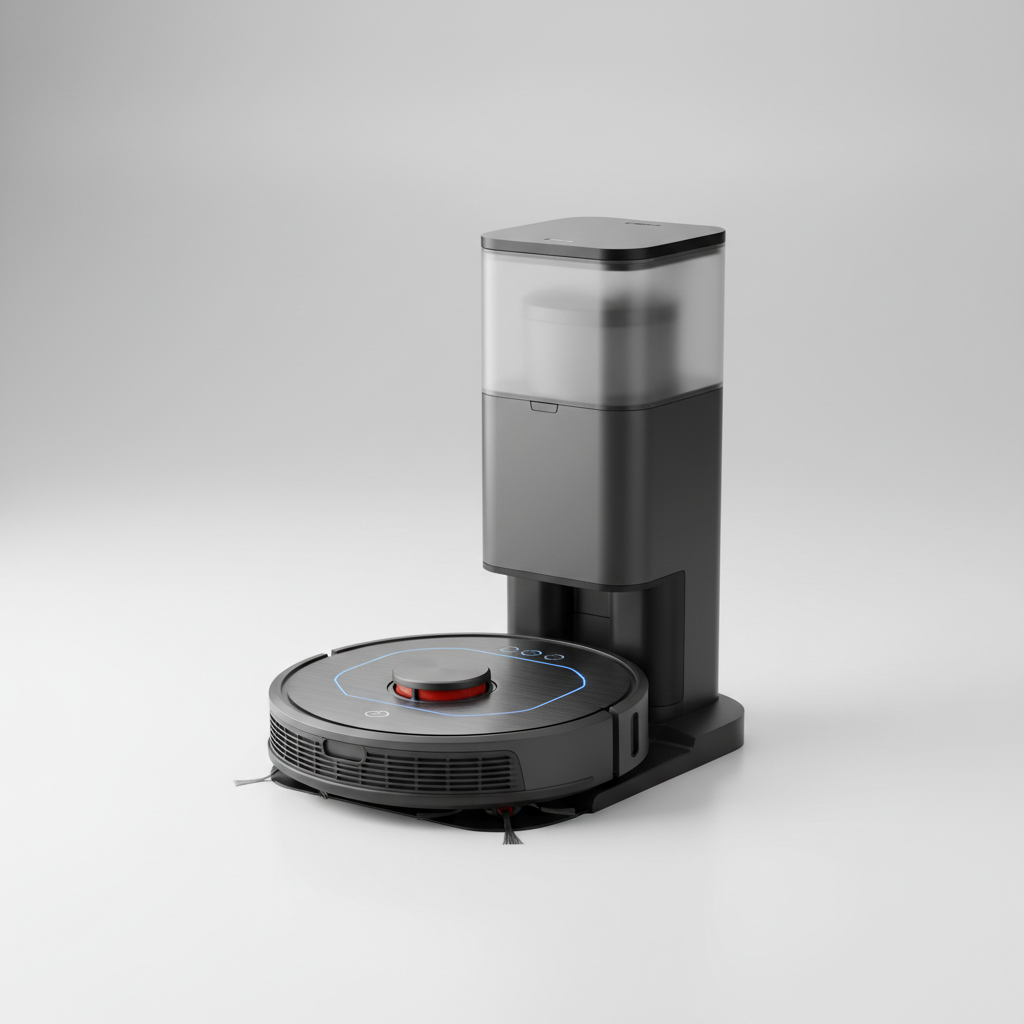
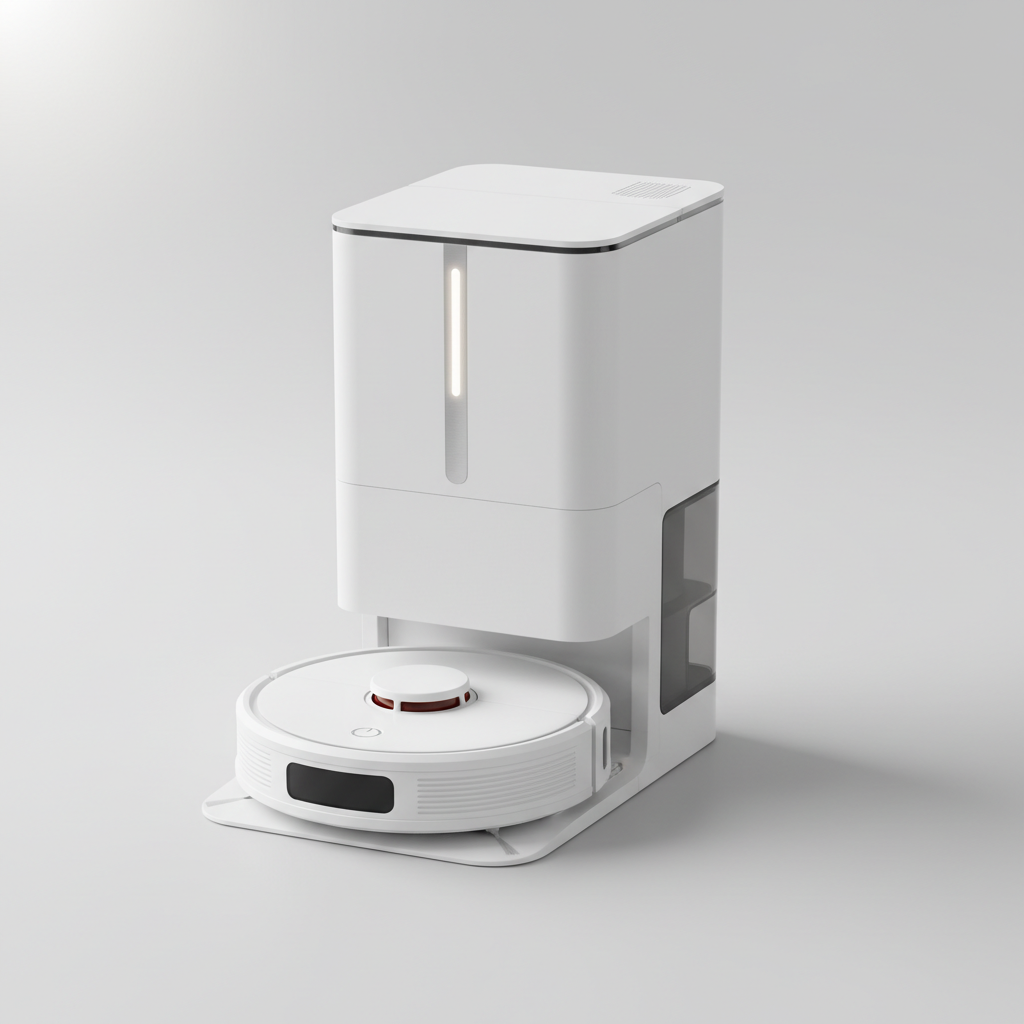
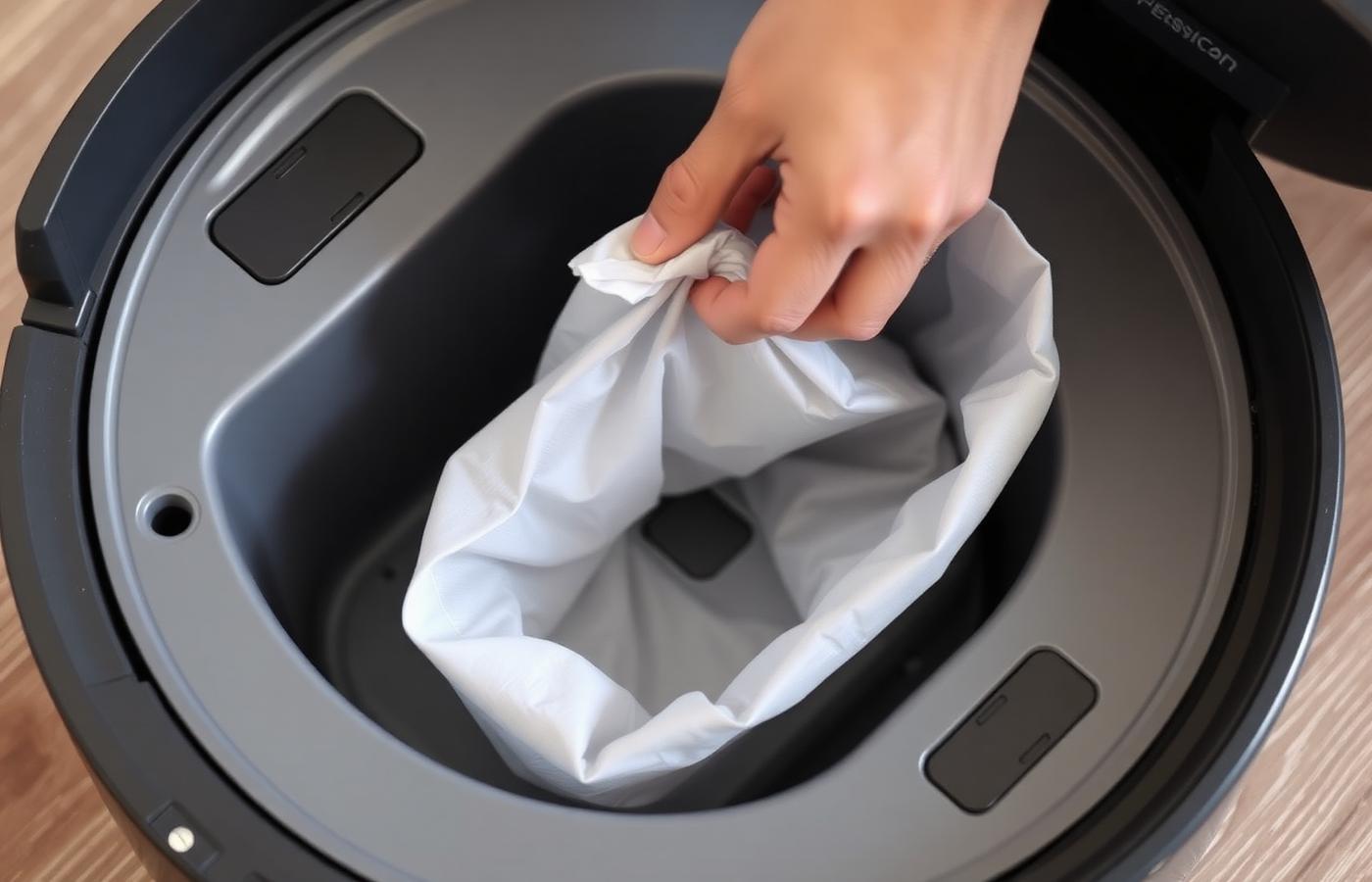
A self emptying robot vacuum still carries a small onboard dustbin, usually 300-500 ml, exactly like a standard robot. The difference is what happens when it returns to base. Sensors detect the robot has docked, and after a short delay the base station's own motor spins up a much stronger, short-burst vacuum that pulls debris out through a sealed duct in roughly 10-15 seconds and deposits it into a disposable bag or, on some models, a washable canister inside the dock.
The bag itself is usually 2-3 litres and rated for 45-75 days of debris on a home run daily, depending on floor type and pet hair load. Because the transfer happens through a sealed channel and the bag is only opened when you remove and discard it, the system meaningfully reduces the dust exposure of manual bin emptying — a real benefit for allergy and asthma sufferers.
What it costs, upfront and ongoing
Self-empty capability typically adds $150-$350 to a robot vacuum's price versus an equivalent model without the dock. Entry-level self-emptying robots start around $350-$450 total; mid-range models with LiDAR navigation and self-empty sit at $600-$900; flagship units that also mop and wash their own mop pads in the same dock reach $1,000-$1,600.
Ongoing cost is the bags. A pack of six replacement bags typically runs $15-$25, so budget $1-$4 a month depending on household size and pet hair volume. That is a modest but real running cost that a standard robot vacuum does not carry, and it is worth checking whether a manufacturer sells generic-compatible bags or locks you into a proprietary size.
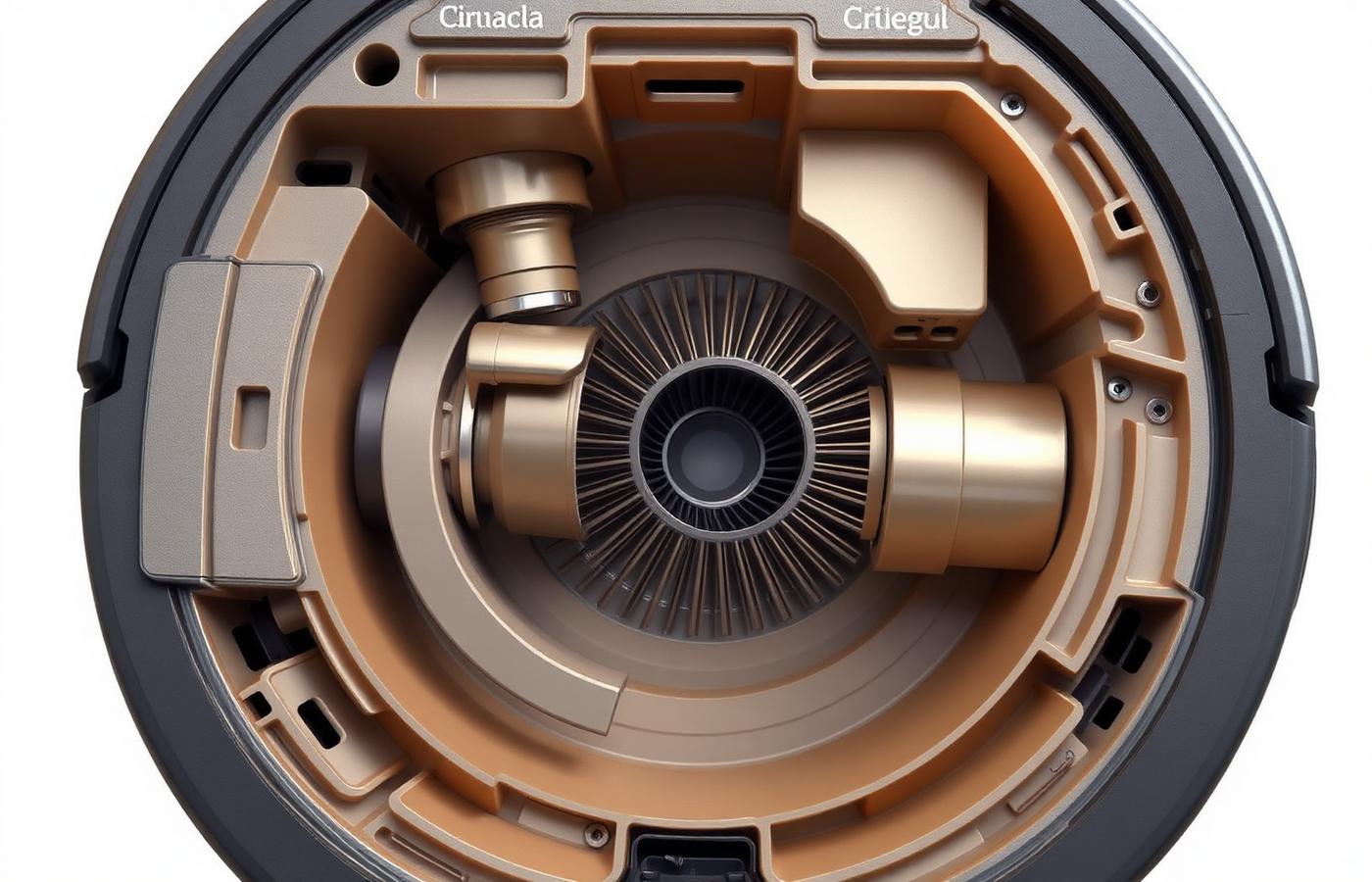
Suction, filtration and noise during the empty cycle
The base station's emptying pump is genuinely loud — commonly 75-80 dB for the 10-15 second cycle, comparable to a kitchen blender. Most households find this a fair trade for not touching the bin, but it is worth knowing before you dock the robot near a nursery or open-plan office. Filtration matters here too: look for a dock and bag system rated to capture particles down to 99.5% at the HEPA-equivalent H12-H13 class, so allergen dust is trapped in the bag rather than recirculated.
On-robot suction itself is unaffected by the self-empty feature; typical mid-range units run at 2,500-4,000 Pa and flagships push past 6,000-8,000 Pa on boost mode. Self-emptying does not make a robot vacuum better at picking up dirt, it only changes what happens to the dirt afterwards.
Where self-empty falls short
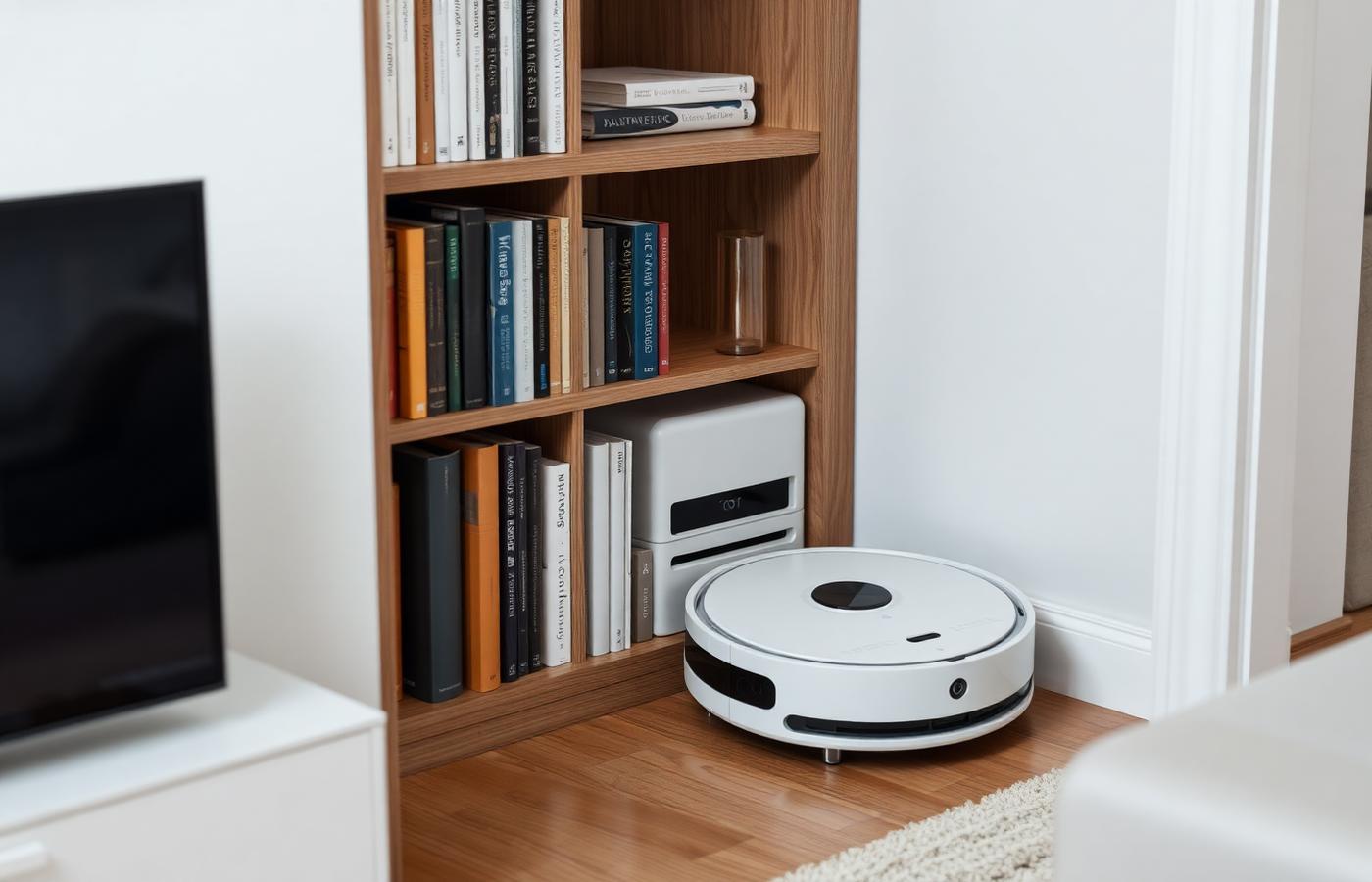
The dock is bulky, typically 35-45 cm tall, and needs a permanent spot against a wall with mains power nearby — not always easy in a small entryway or under a low shelf. Wet debris, spilled cereal or long pet hair can jam the narrow transfer duct and force a manual clear-out, so a self-emptying robot is not a complete substitute for occasional hands-on maintenance.
It is also worth noting the dock does nothing for mopping robots' dirty water tank, which still needs manual emptying and refilling on most models unless you pay the premium for a combined auto-empty and auto-wash base.
Is it worth the money?
For households running the robot daily, with pets, allergies, or simply no interest in touching a dustbin, the $150-$350 premium is one of the best-value upgrades in the category — it is the difference between genuine hands-off cleaning and a chore that has merely moved from the floor to the bin. For occasional users cleaning once or twice a week in a small, pet-free apartment, a standard bin emptied by hand is perfectly adequate and saves the money for a better navigation system instead.