Why drone delivery regulations exist
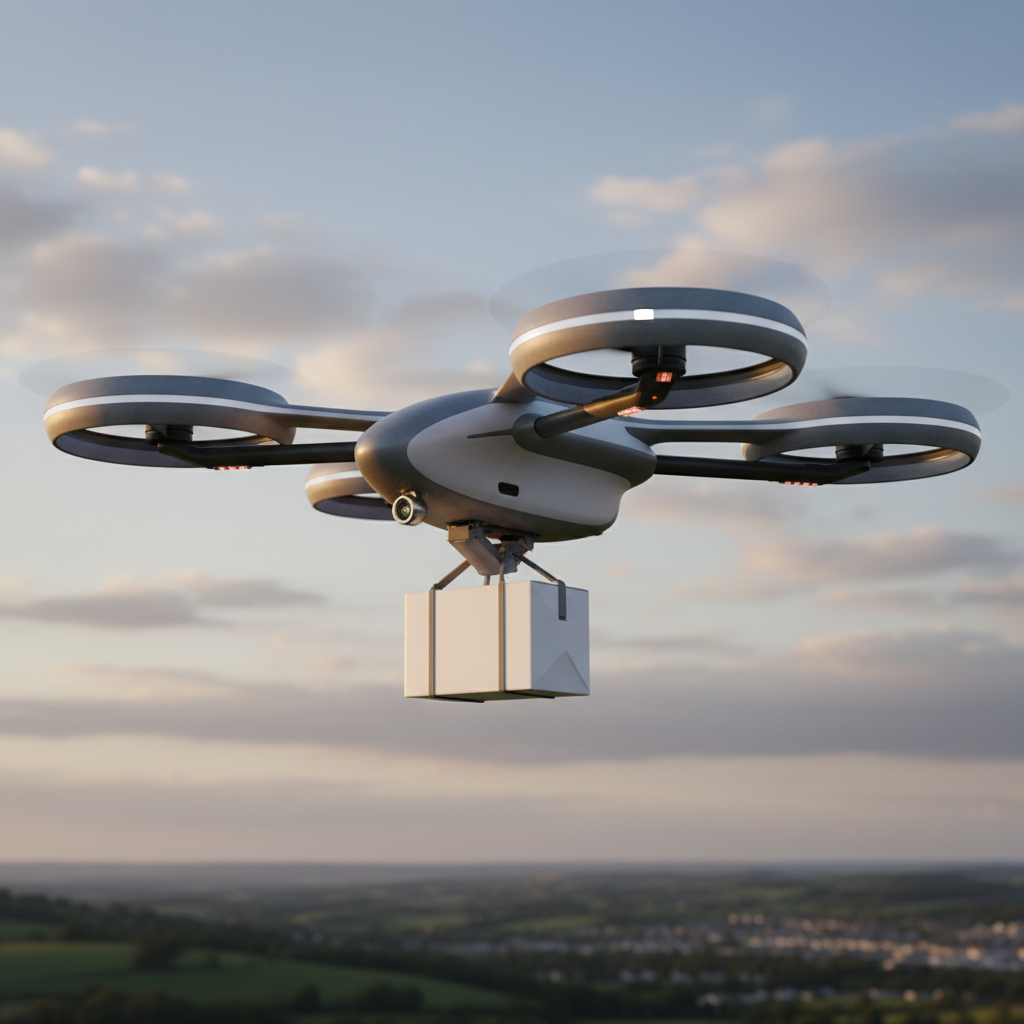
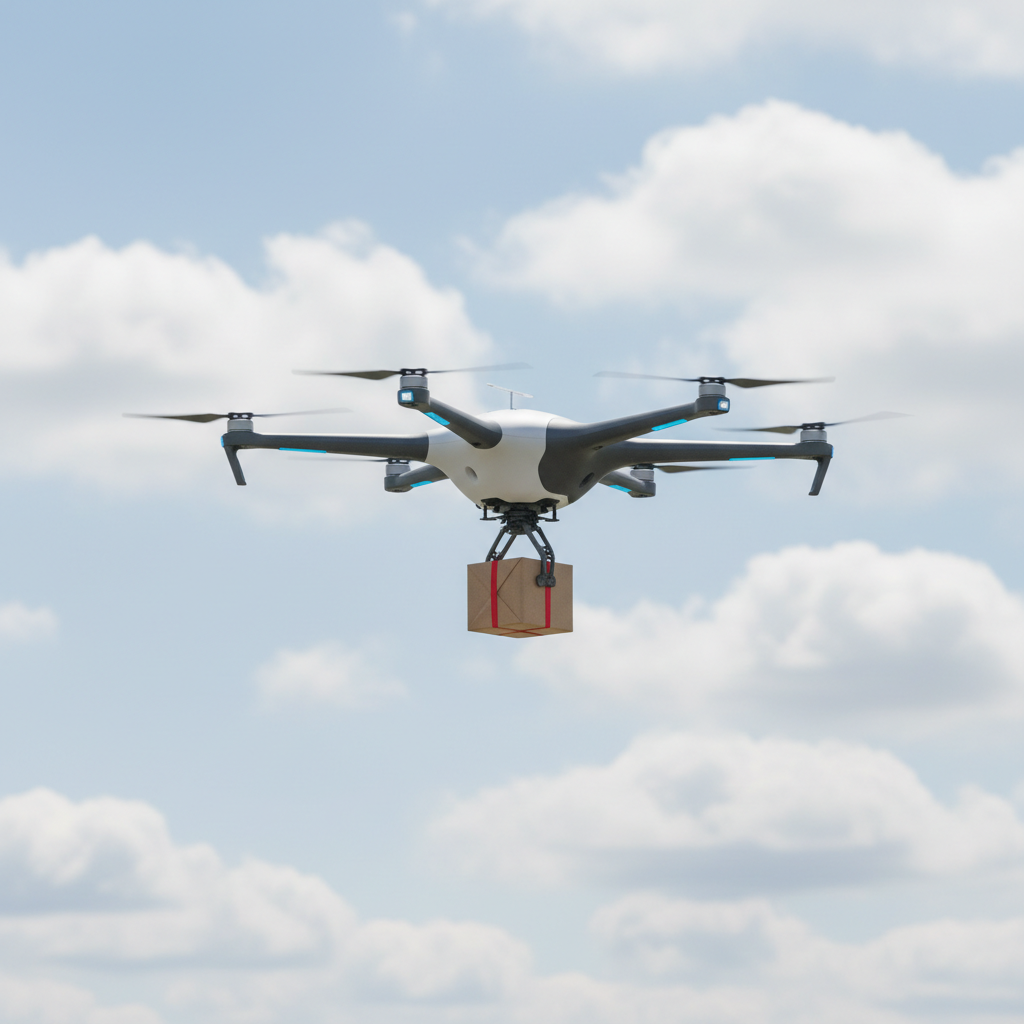
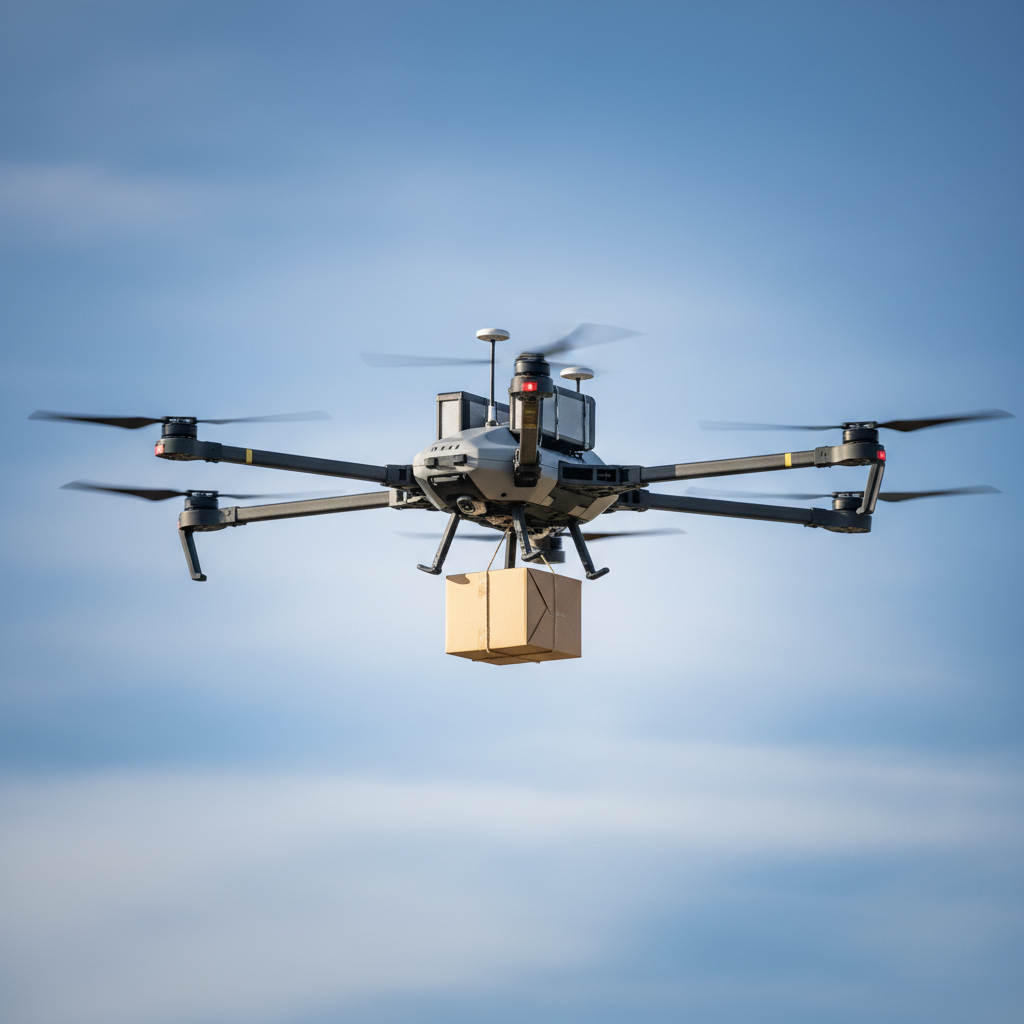
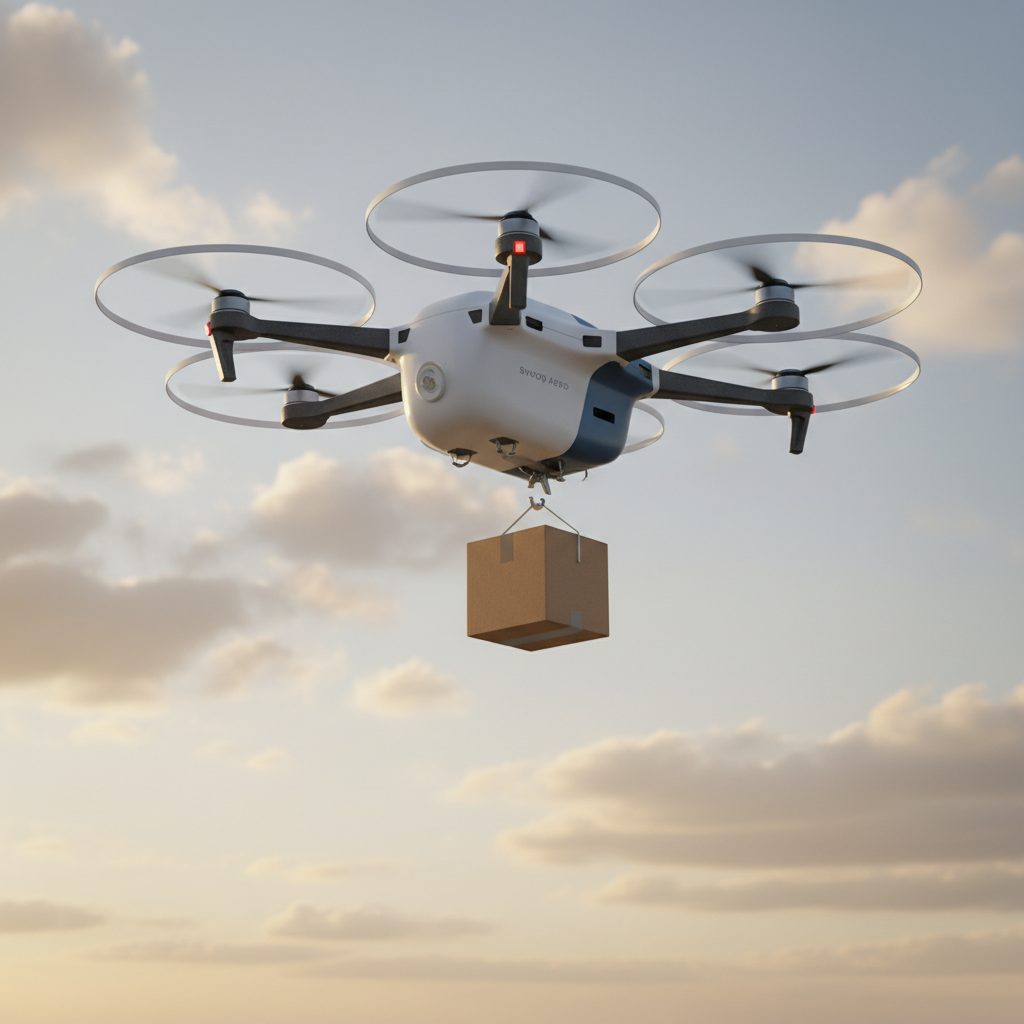
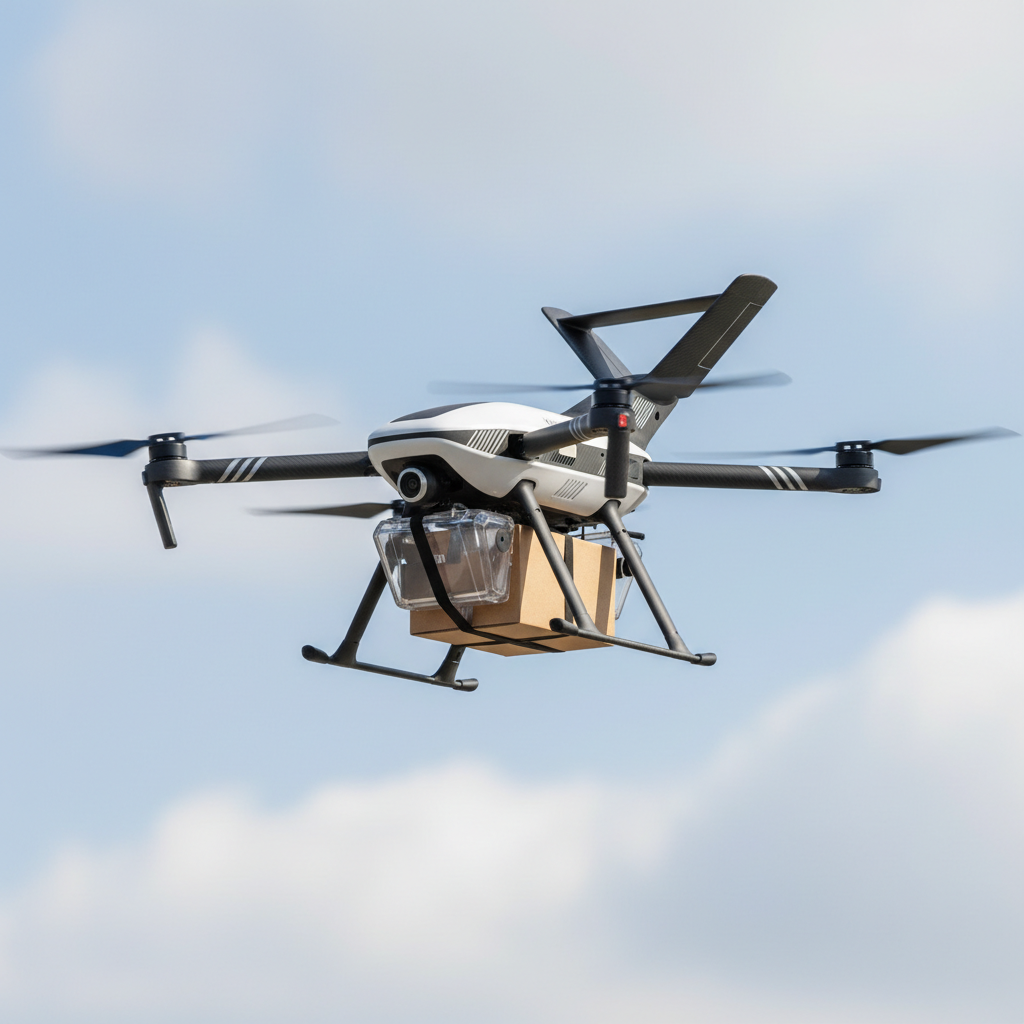
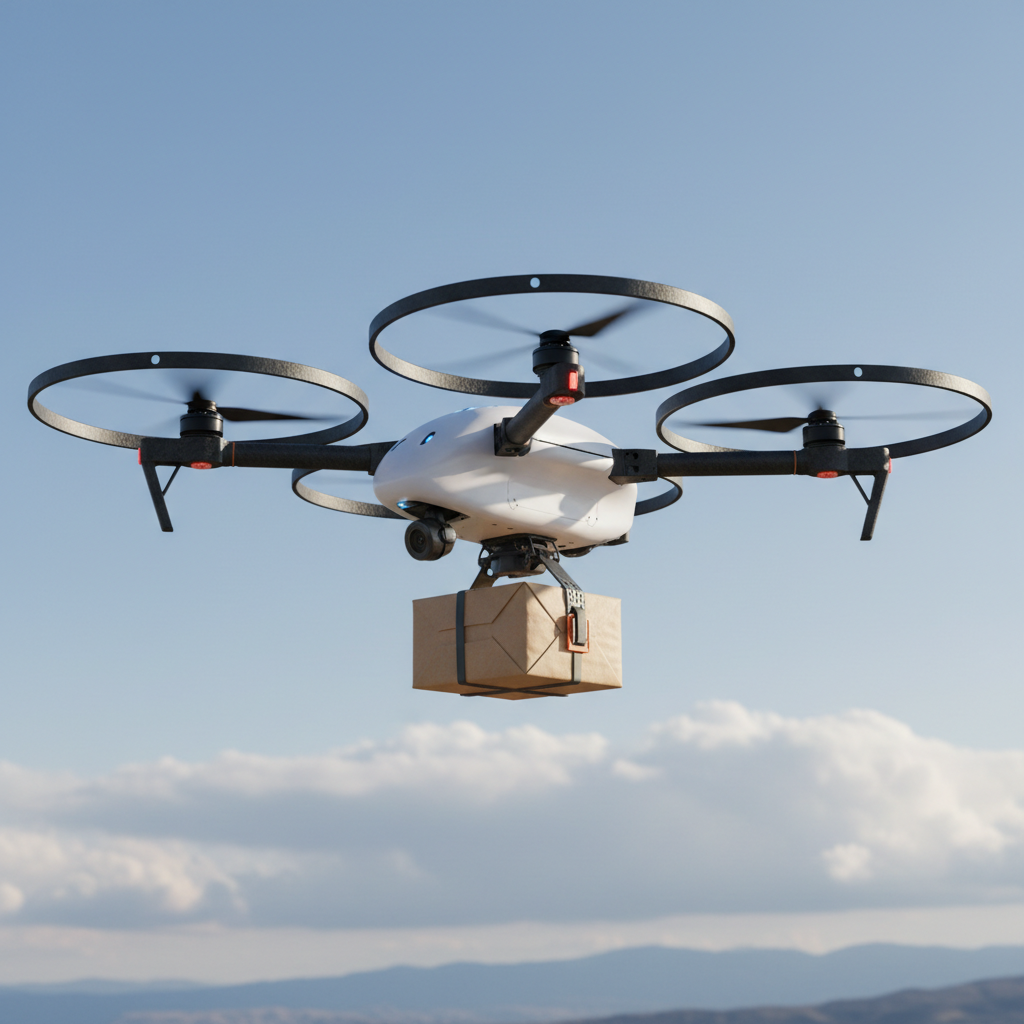
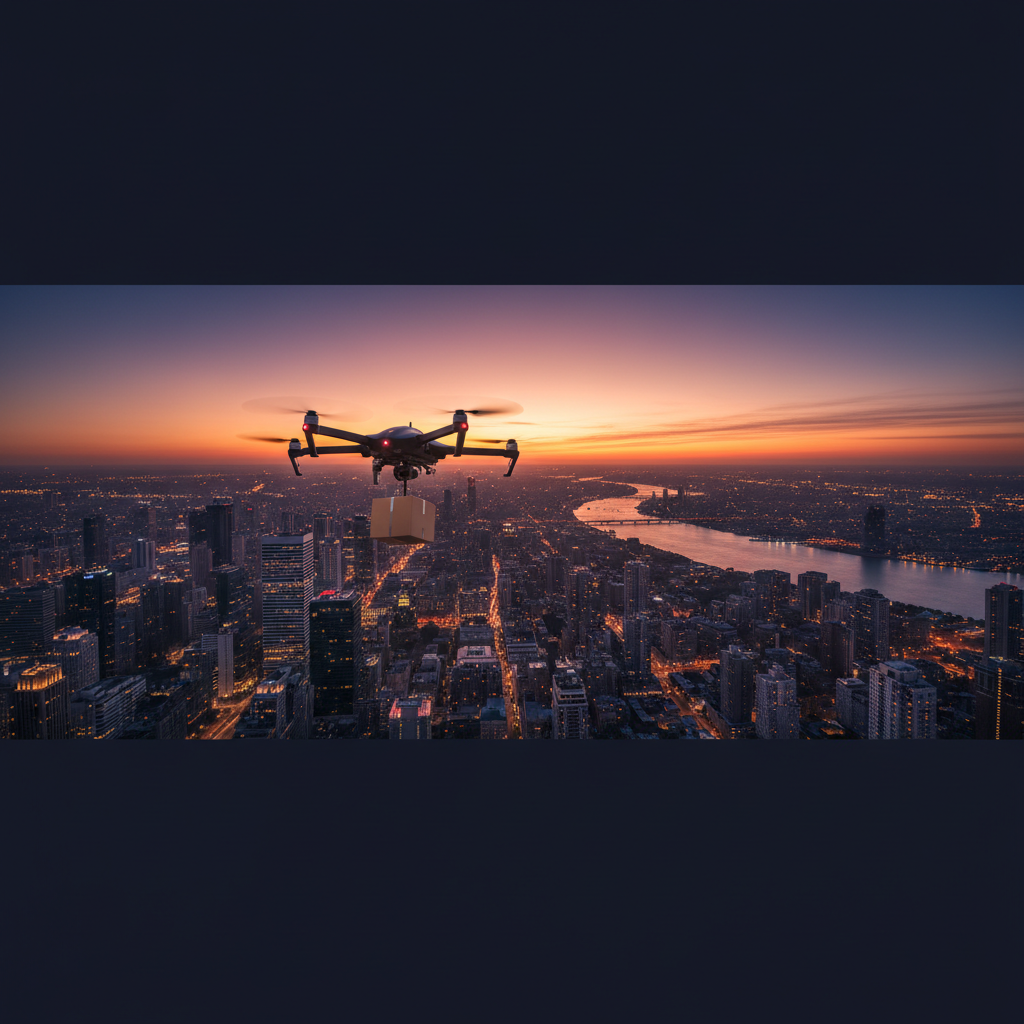
Drone delivery regulations exist because a delivery drone shares the same airspace as light aircraft, helicopters, birds and, increasingly, other drones, all while flying over people's homes at low altitude. Aviation regulators everywhere start from the same three concerns: preventing mid-air collisions, protecting people and property on the ground from a falling aircraft, and giving the public some means of recourse if a drone causes damage, noise nuisance or a privacy breach through its onboard camera.
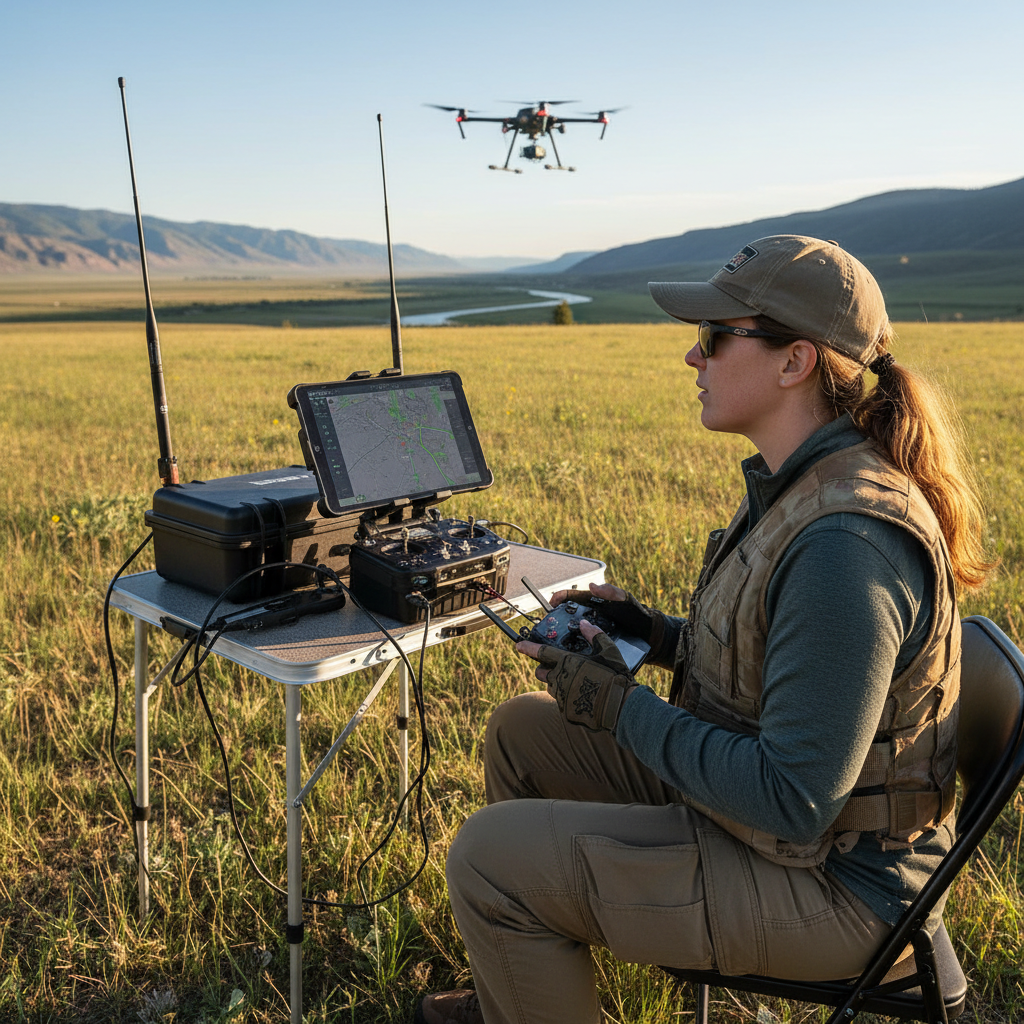
Because delivery drones need to fly routine, repeated routes over populated areas — rather than a one-off hobbyist flight in an open paddock — they trigger a stricter tier of rules almost everywhere. The core requirement common to nearly every jurisdiction is approval to fly beyond visual line of sight (BVLOS), since a delivery network cannot function if an operator must keep every aircraft in eyesight at all times.

Australia: CASA's staged approach
In Australia, the Civil Aviation Safety Authority (CASA) regulates drone delivery through its remotely piloted aircraft systems (RPAS) framework. Commercial operators need a ReOC (Remote Operator's Certificate) and BVLOS approval, which is assessed case by case based on the drone's safety case, the population density under the flight path, and the operator's demonstrated ability to detect and avoid other aircraft. Several delivery trials have run in Logan, Canberra and parts of regional Queensland under specific CASA exemptions rather than a blanket national rule, meaning approval in one suburb does not automatically extend to another.
Local councils also weigh in on noise and land-use planning even where CASA has cleared the airspace, so an operator can hold full aviation approval and still need a separate local permit to establish a delivery hub or landing zone.
The United States: FAA Part 108 and waivers
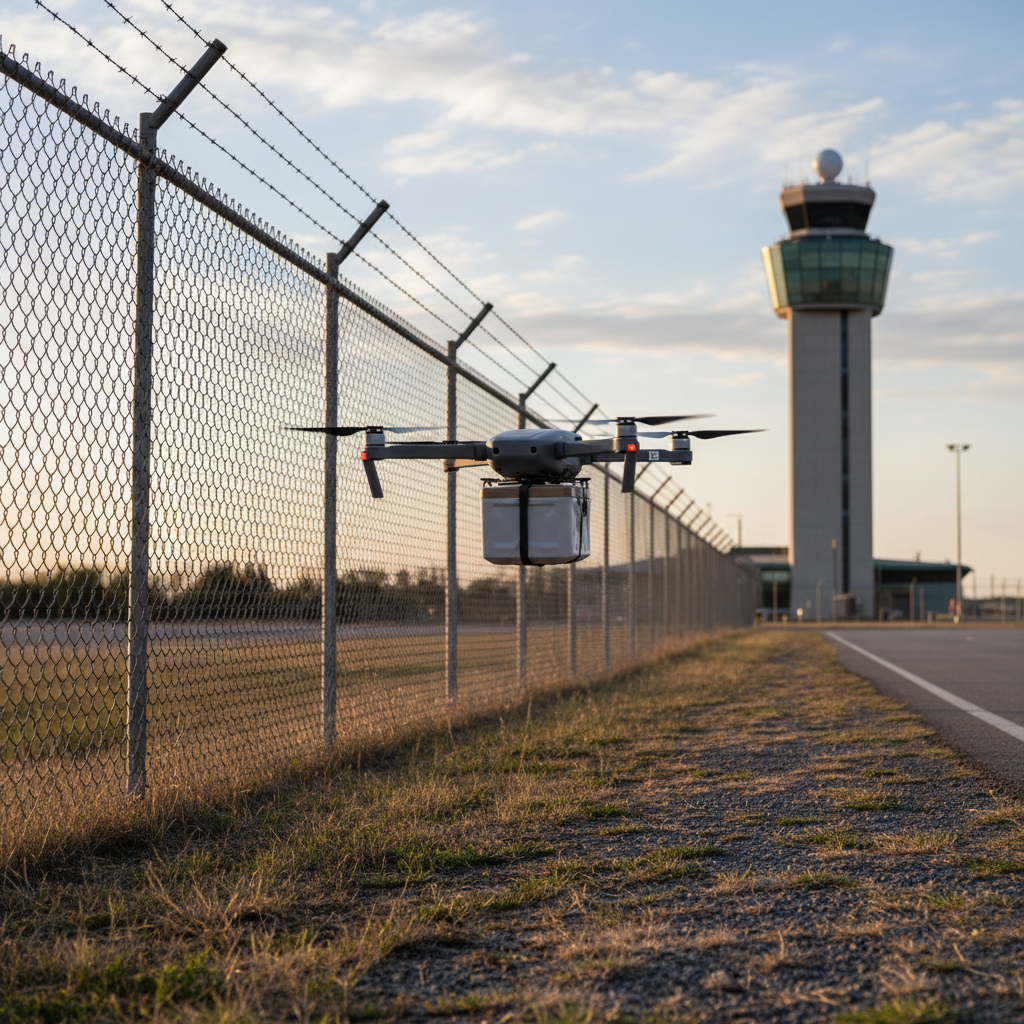
The US Federal Aviation Administration (FAA) has historically required individual BVLOS waivers under Part 107 for each delivery operator, a slow and resource-intensive process. The FAA has been developing a dedicated Part 108 rule specifically for scalable BVLOS operations, aimed at replacing one-off waivers with a standing certification pathway. Until that rule is fully in force, major US delivery drone operators still fly under negotiated waivers that specify exact routes, altitudes and population limits, and those waivers can be revoked or narrowed after incidents.
State and city governments in the US also regulate drone noise and, in some cases, restrict delivery drone operating hours, adding a local layer on top of federal aviation approval.
Europe and the UK: a harmonised but cautious framework
The European Union Aviation Safety Agency (EASA) operates a risk-based system with three categories — open, specific and certified — and delivery drones almost always fall into the specific or certified category because of their weight, BVLOS routes and flight over people. EASA's framework is more harmonised across member states than the US patchwork, since a specific-category authorisation issued in one EU country can, in some cases, be recognised in others. The UK Civil Aviation Authority runs a broadly similar risk-based model post-Brexit but sets its own national approvals separately from EASA.
Both regimes place heavy weight on a documented safety case, known as a Specific Operations Risk Assessment (SORA), which forces operators to quantify the ground risk and air risk of every proposed route before flying.
Common sticking points across jurisdictions
Regardless of country, the same handful of issues keep drone delivery regulations restrictive. Detect-and-avoid technology that reliably spots other aircraft, birds and obstacles without a human observer on the ground is still maturing, and regulators are reluctant to approve dense delivery networks until it is proven at scale. Noise complaints from residents under repeated flight paths have led to operating-hour restrictions in several trial areas. Privacy concerns about onboard cameras recording backyards have prompted some jurisdictions to require automated blurring or restricted camera use outside the delivery moment itself. Liability insurance requirements also differ significantly, with some countries mandating specific third-party liability cover before any BVLOS approval is granted.
What this means for households and businesses
For most Australian and international readers, drone delivery is currently available only in specific trial areas rather than nationwide, and the regulations mean a service approved in one postcode may take months or years to reach a neighbouring one. Businesses considering drone delivery as a logistics option should expect a long regulatory approval process, ongoing reporting obligations, and the likelihood that rules will keep evolving as detect-and-avoid technology and BVLOS frameworks mature.