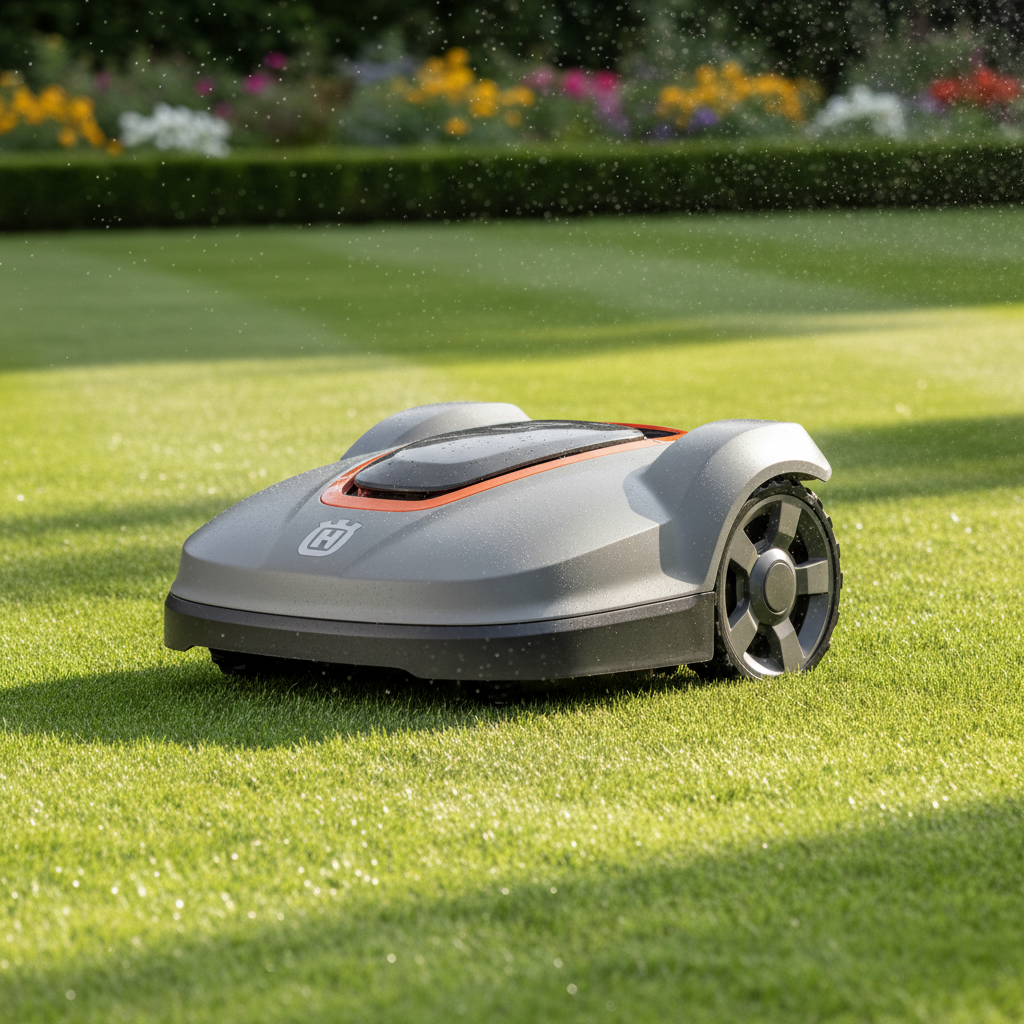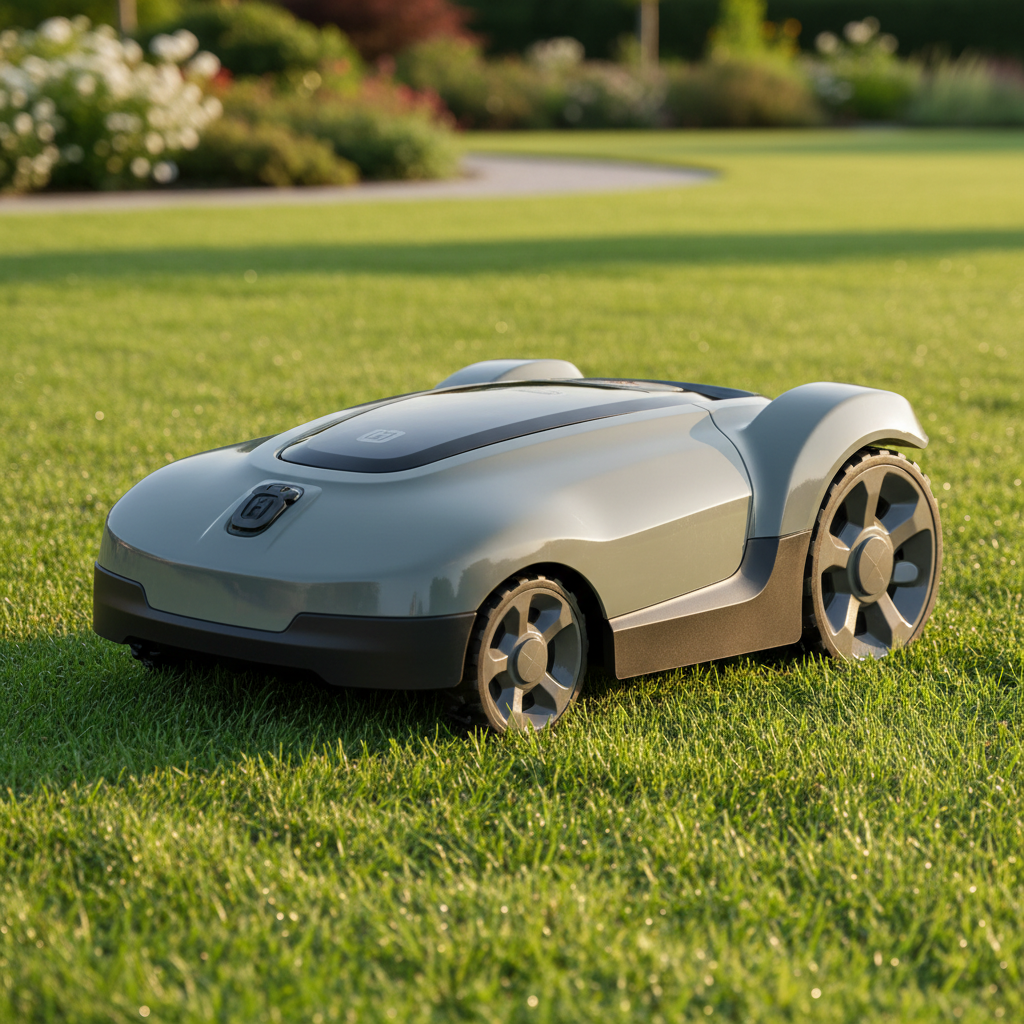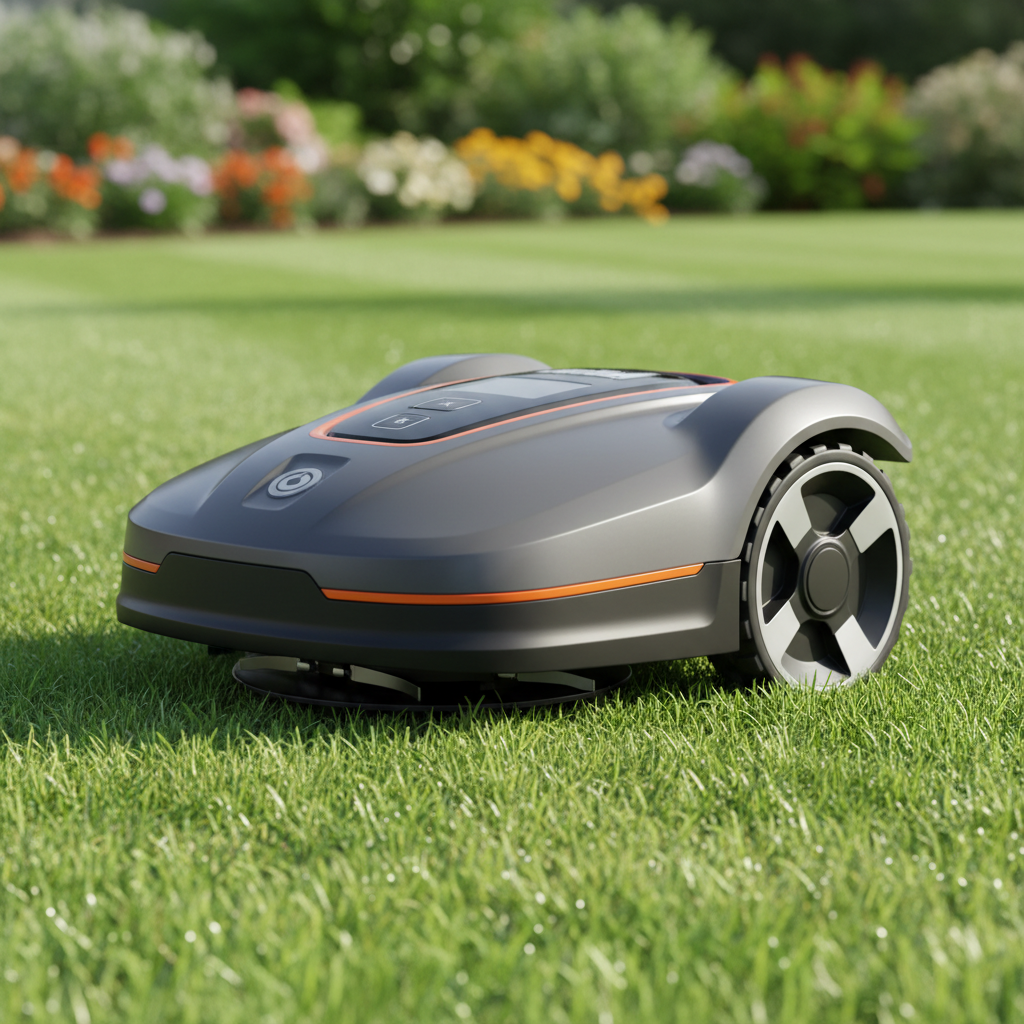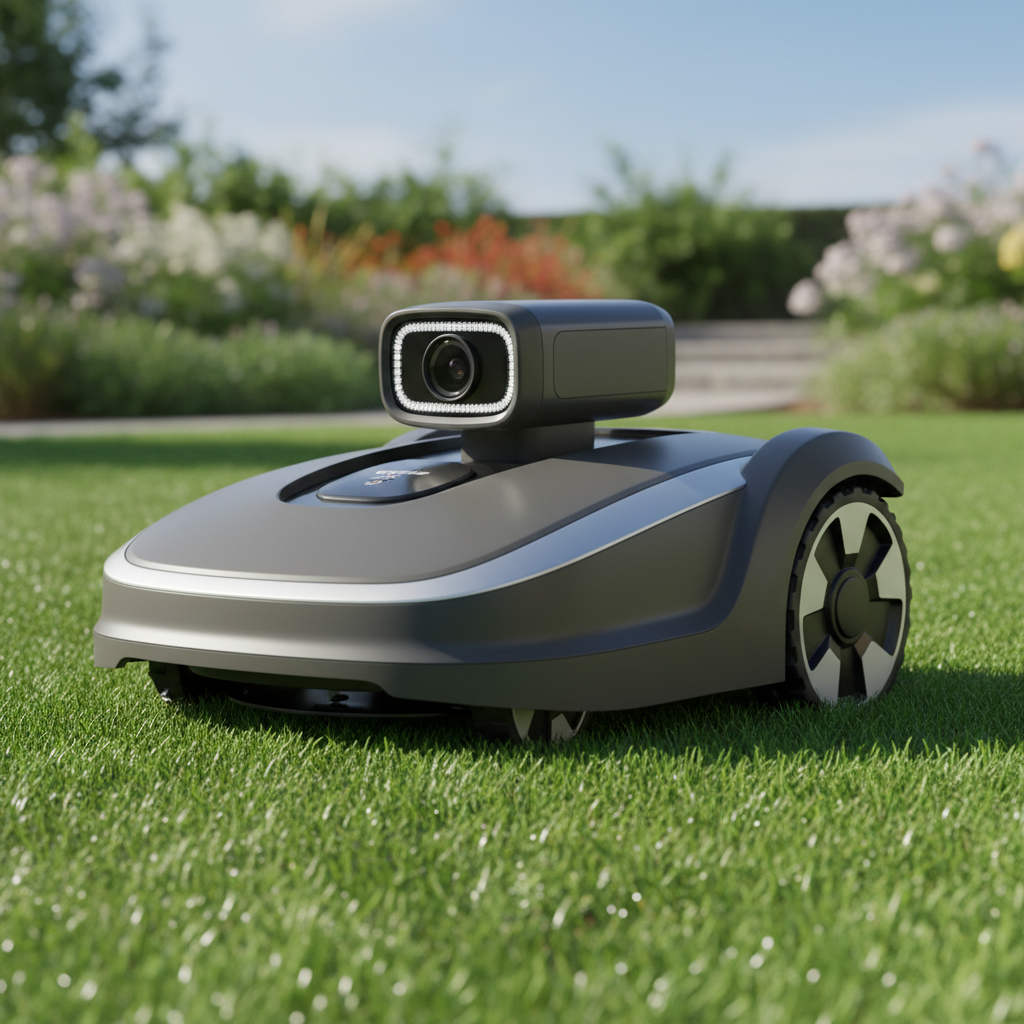
How wire-free navigation actually works
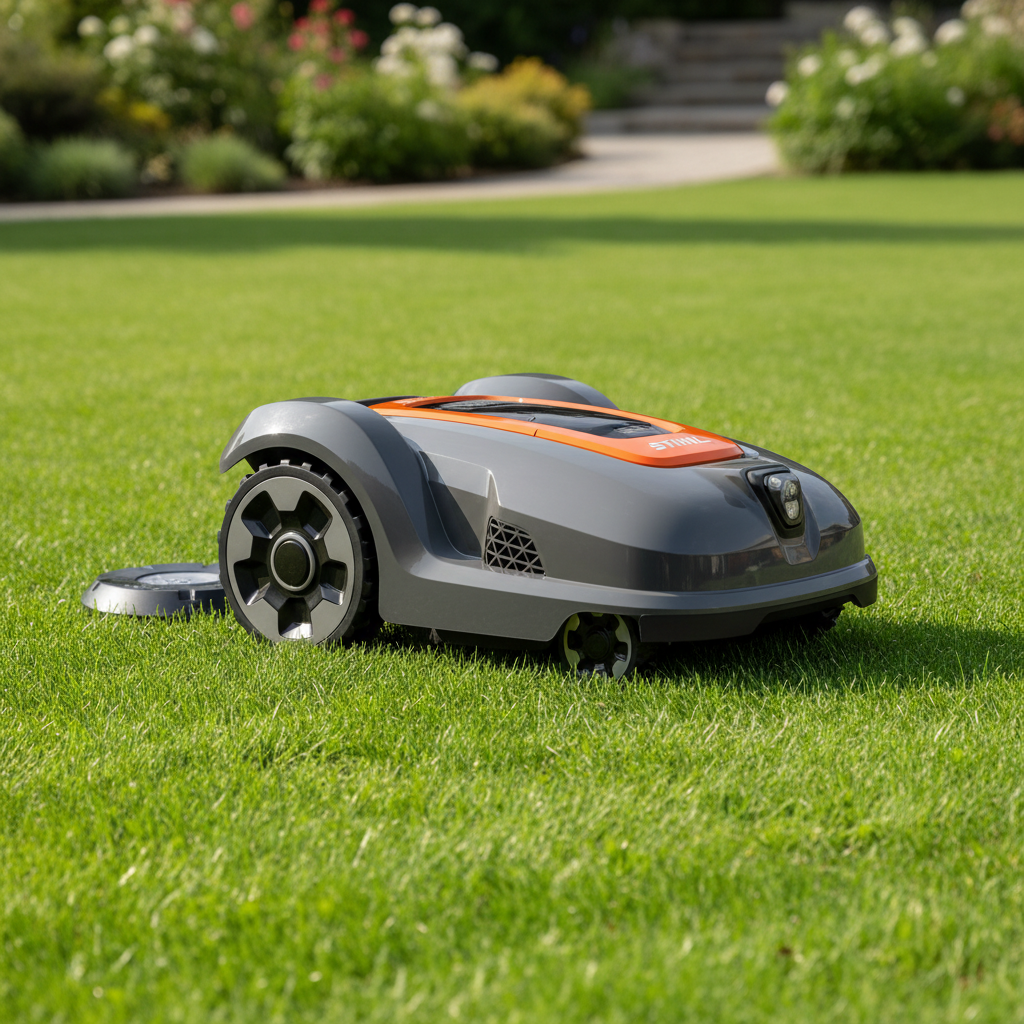
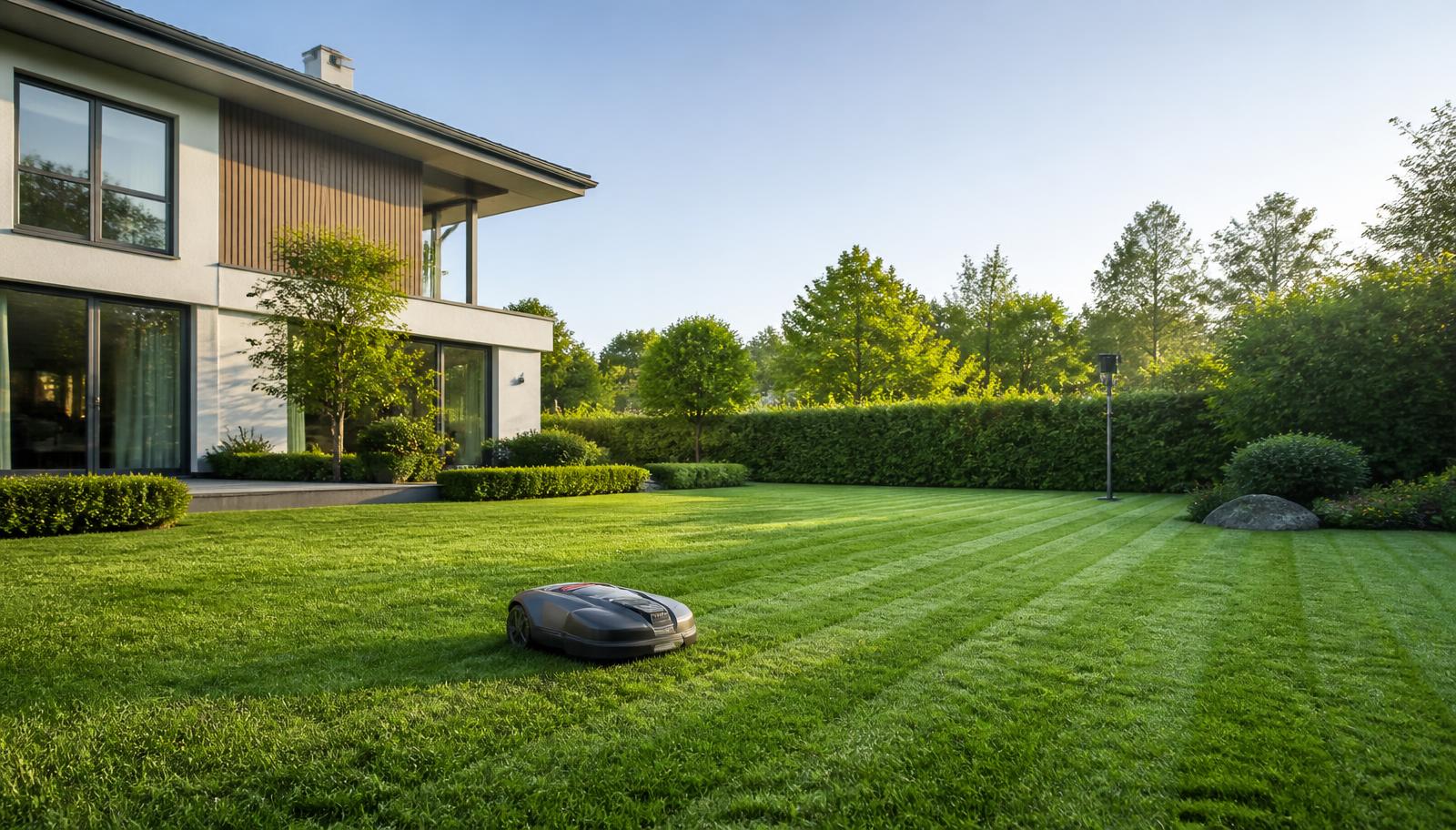
Traditional robot lawn mowers rely on a thin wire buried or pegged around the lawn's perimeter, which the mower detects electronically to know where to stop and turn. A robot mower without boundary wire instead uses satellite positioning — typically RTK-corrected GPS, which is accurate to within a few centimetres rather than the several metres of standard GPS — combined with onboard sensors such as cameras, ultrasonic detectors or bump sensors to build and remember a map of the lawn's edges and obstacles.
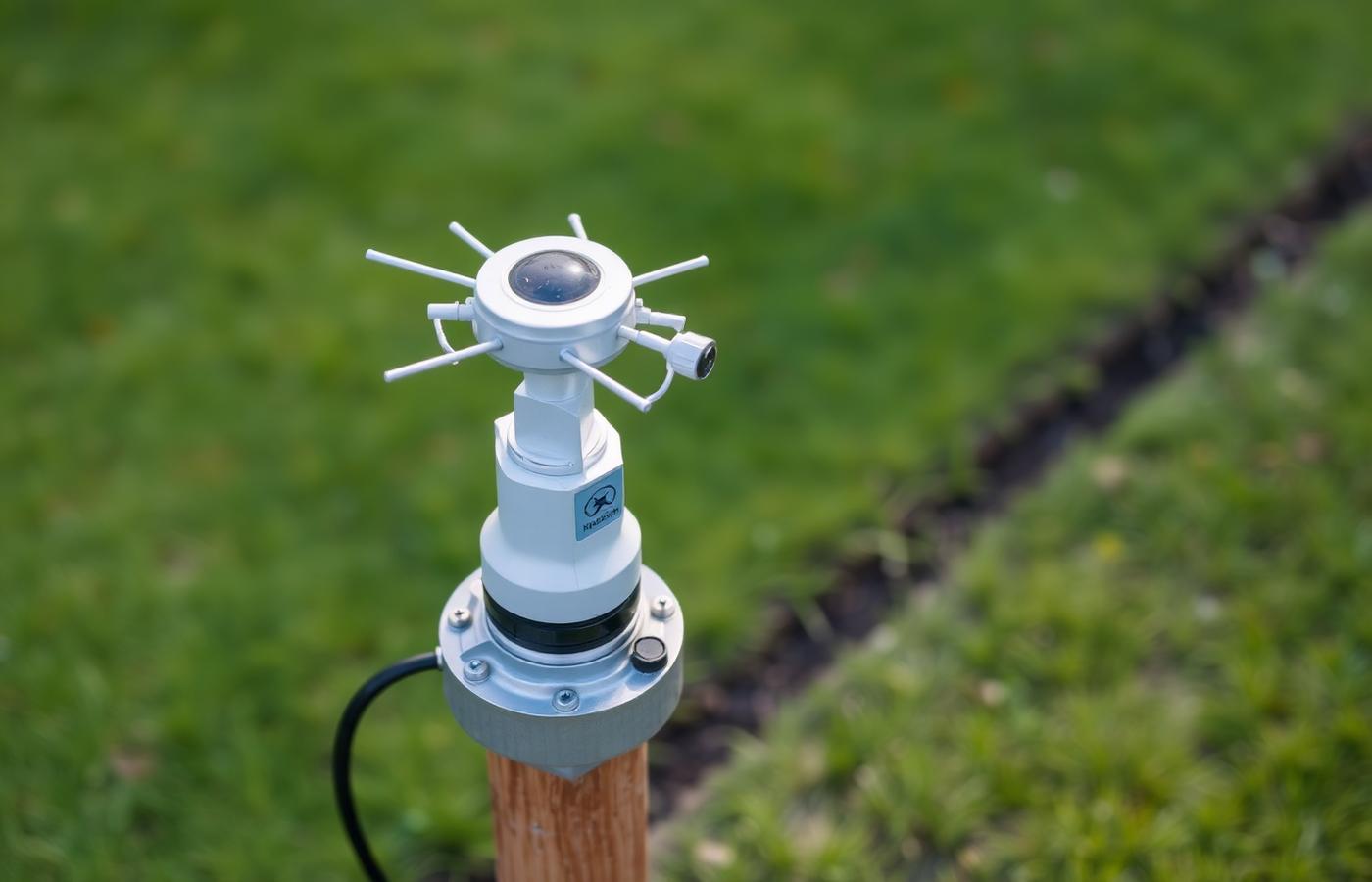
Setup usually involves either driving or walking the mower once around the lawn's boundary using a remote or app-guided walk mode, after which the mower saves the perimeter as a digital map. Some models supplement this with a small base station that broadcasts a local correction signal to sharpen GPS accuracy, since consumer-grade GPS alone is not precise enough for reliable lawn-edge tracking.
Why buyers choose wire-free over wired
The most obvious advantage is setup time: installing a wired boundary system on a typical suburban lawn can take several hours of trenching or wire-pegging, while a wire-free mower's boundary can be mapped in well under an hour. Wire-free systems also make it far easier to redraw or adjust the mowing area later, useful for households that change garden bed layouts, add a trampoline, or want to exclude a new vegetable patch, since there is no physical wire to dig up and relay.
Multi-zone lawns — for example a front and back yard connected by a narrow side path — are also generally easier to manage with wire-free systems, since the mower can be taught separate zones and a travel path between them without needing a continuous physical wire loop connecting every area.
Where wire-free mowers still have limits
Satellite-based navigation needs a relatively clear view of the sky to maintain accuracy, so lawns heavily shaded by large trees, surrounded by tall fences, or close to multi-storey buildings can experience GPS drift, where the mower's understanding of the boundary shifts slightly and it strays closer to or further from the true edge than intended. Wired boundary systems do not suffer this problem, since the wire itself is the boundary regardless of satellite visibility.
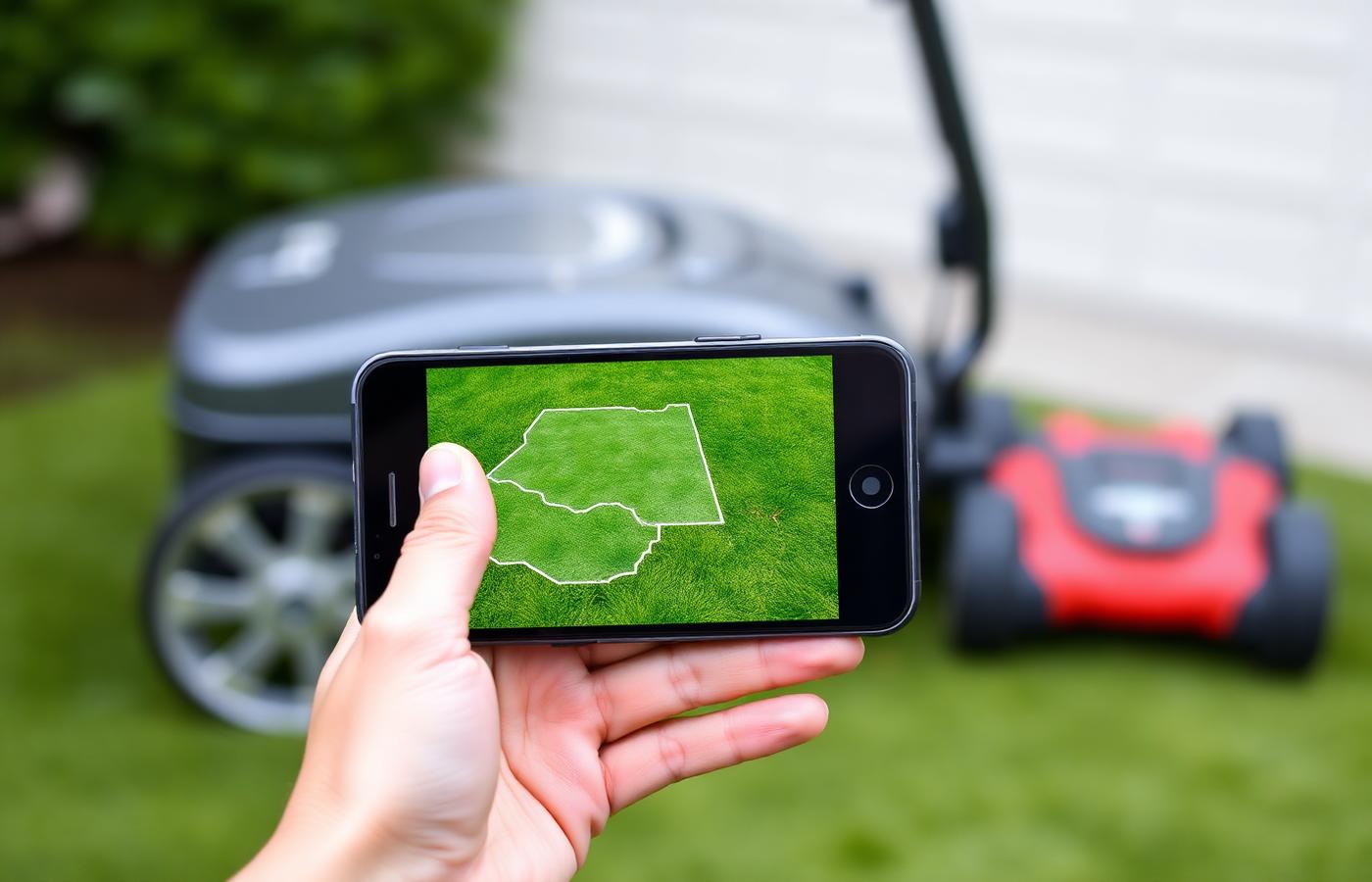
Complex, highly irregular lawn shapes with many tight corners or narrow strips can also be more challenging for a wire-free mower to map precisely on the first attempt, sometimes requiring a couple of boundary walk-throughs and manual map corrections in the app before the mowing pattern is accurate.
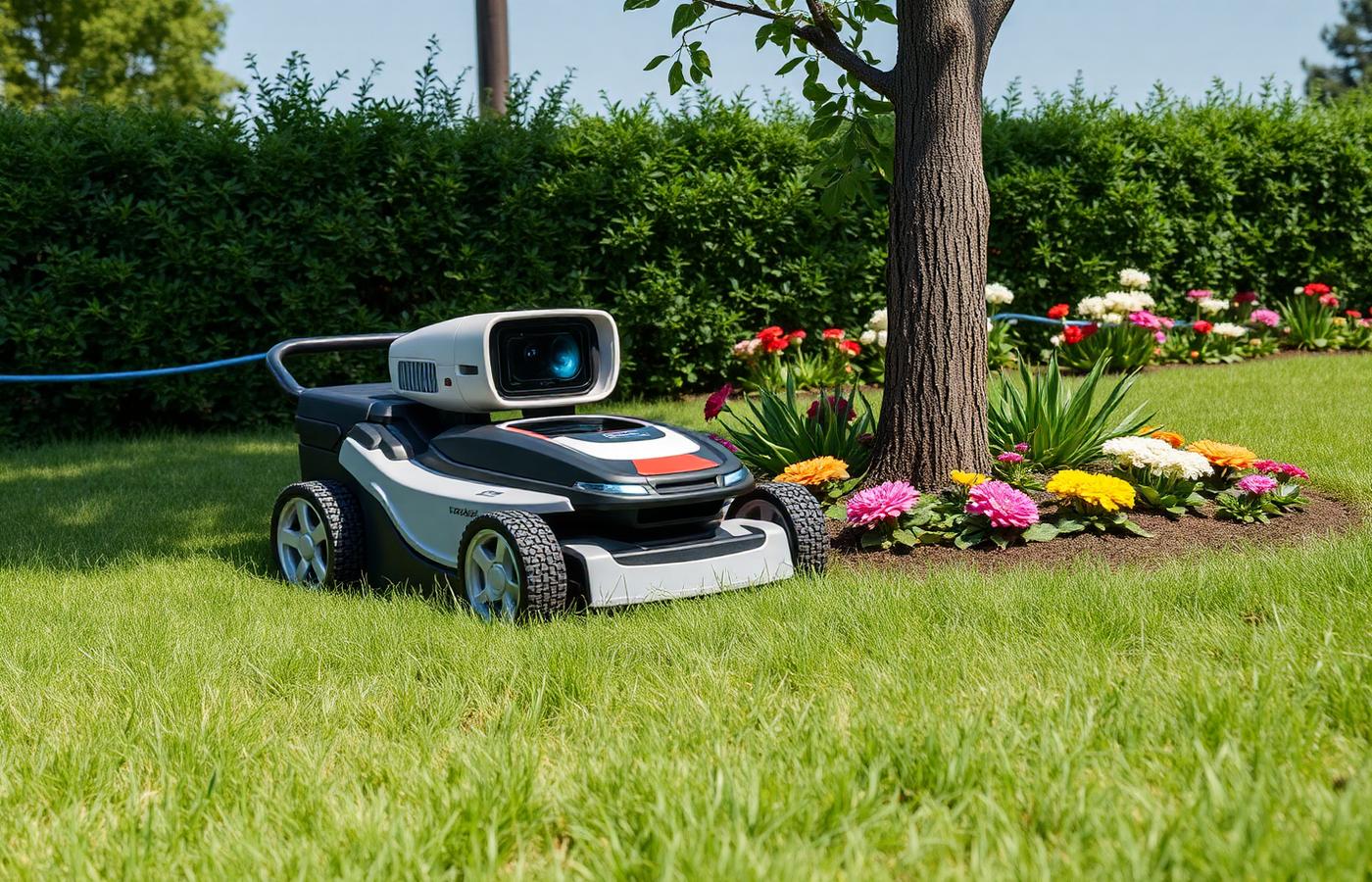
Obstacle detection and safety
Because wire-free mowers cannot rely on a buried wire to define exclusion zones around obstacles like garden beds, ponds or play equipment, they lean more heavily on cameras, ultrasonic sensors and sometimes lidar to detect and steer around objects in real time, alongside virtual no-go zones drawn directly in the mapping app. This approach generally handles moved objects — such as a hose left out or a ball on the lawn — better than a purely wire-based system, since it is reacting to what it currently sees rather than only knowing where the wire is buried.
That said, sensor-based detection can occasionally miss very low or thin obstacles, so manufacturers still recommend clearing obvious hazards before each mow and checking blade safety switches remain functional, exactly as with wired mowers.
Pricing and what to expect in Australia
Wire-free robot lawn mowers currently sit at a premium compared with equivalent wired models, reflecting the added cost of RTK GPS modules and more sophisticated sensor suites. Entry-level wire-free mowers for small lawns start around $1,200–$1,800, mid-range models suited to typical suburban blocks run $1,800–$3,000, and premium multi-zone units with advanced obstacle avoidance can exceed $3,500–$4,500.
This is generally higher than a comparably sized wired mower, though the gap is narrowing as RTK GPS components become cheaper, and the saved installation labour and flexibility to change the mowing area can offset some of the higher upfront price over the mower's lifetime.