The two navigation families
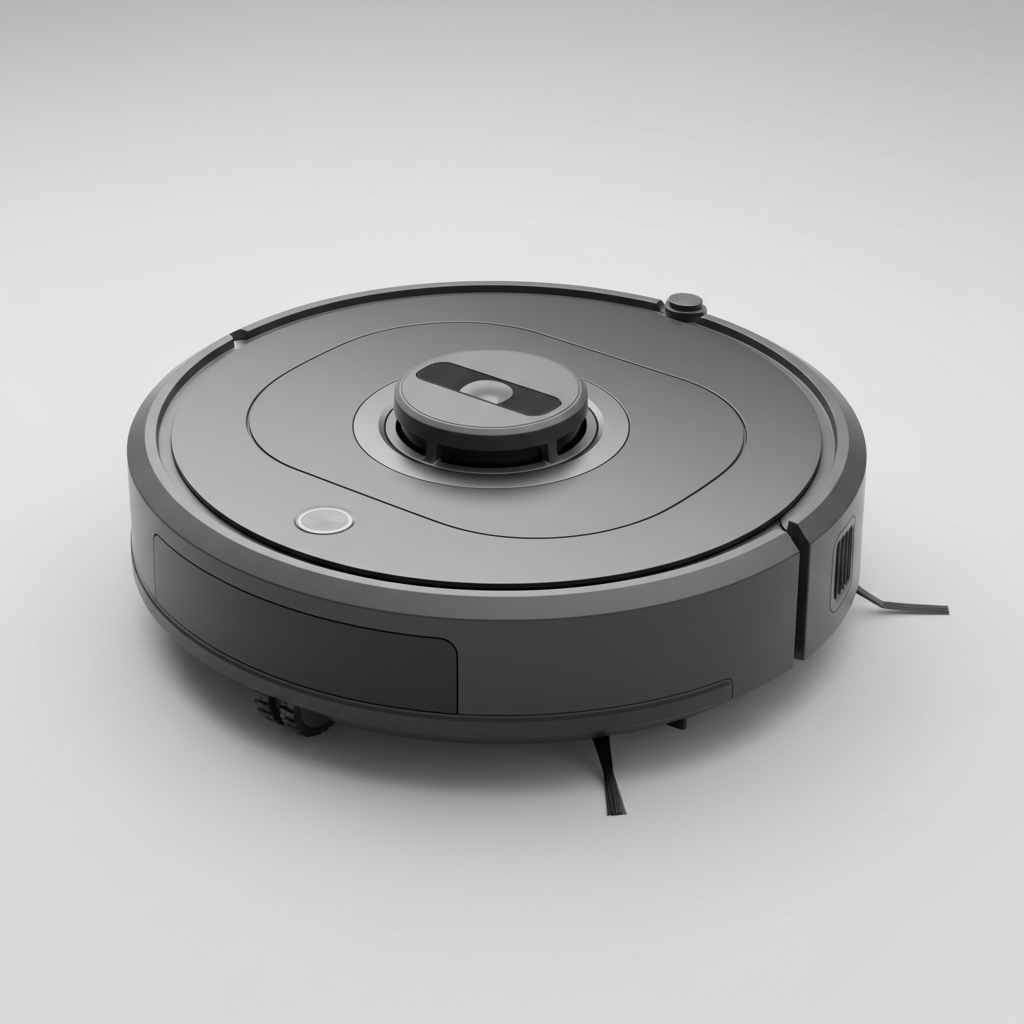
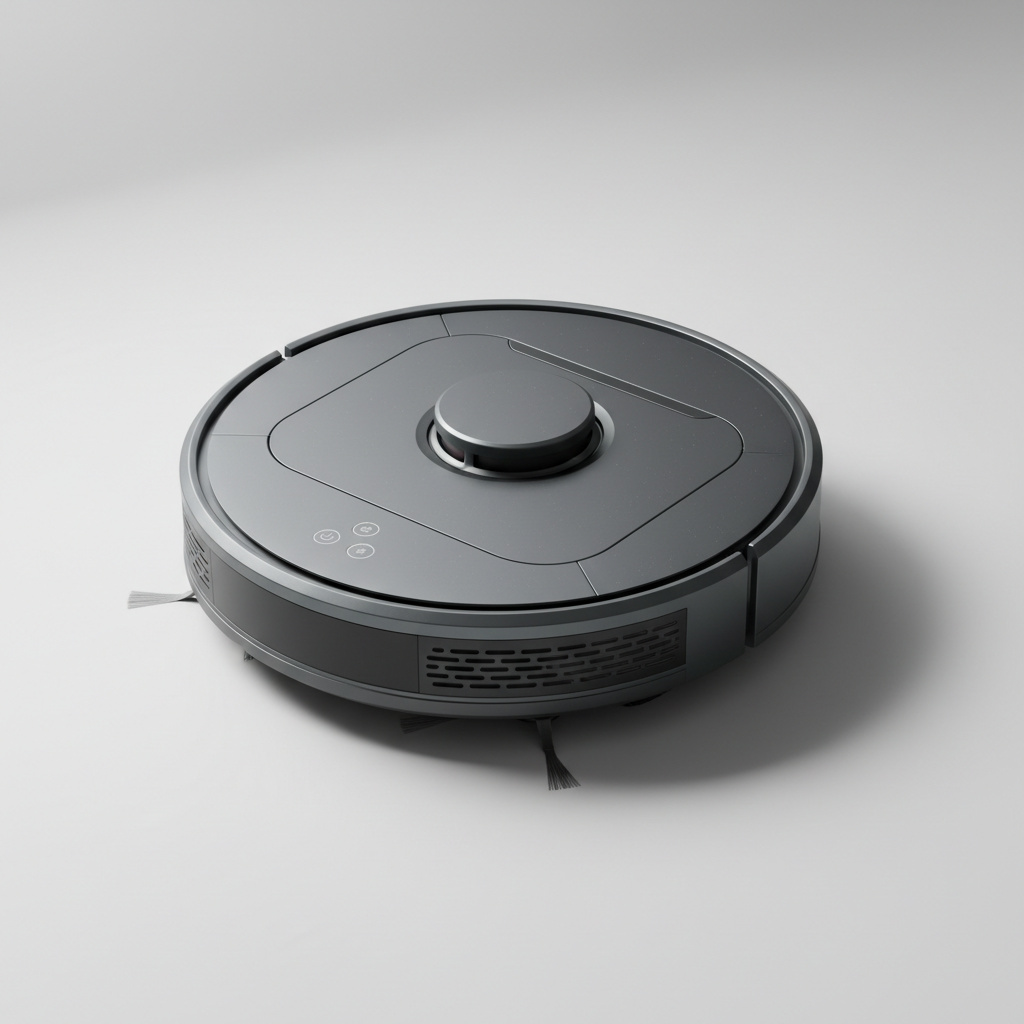
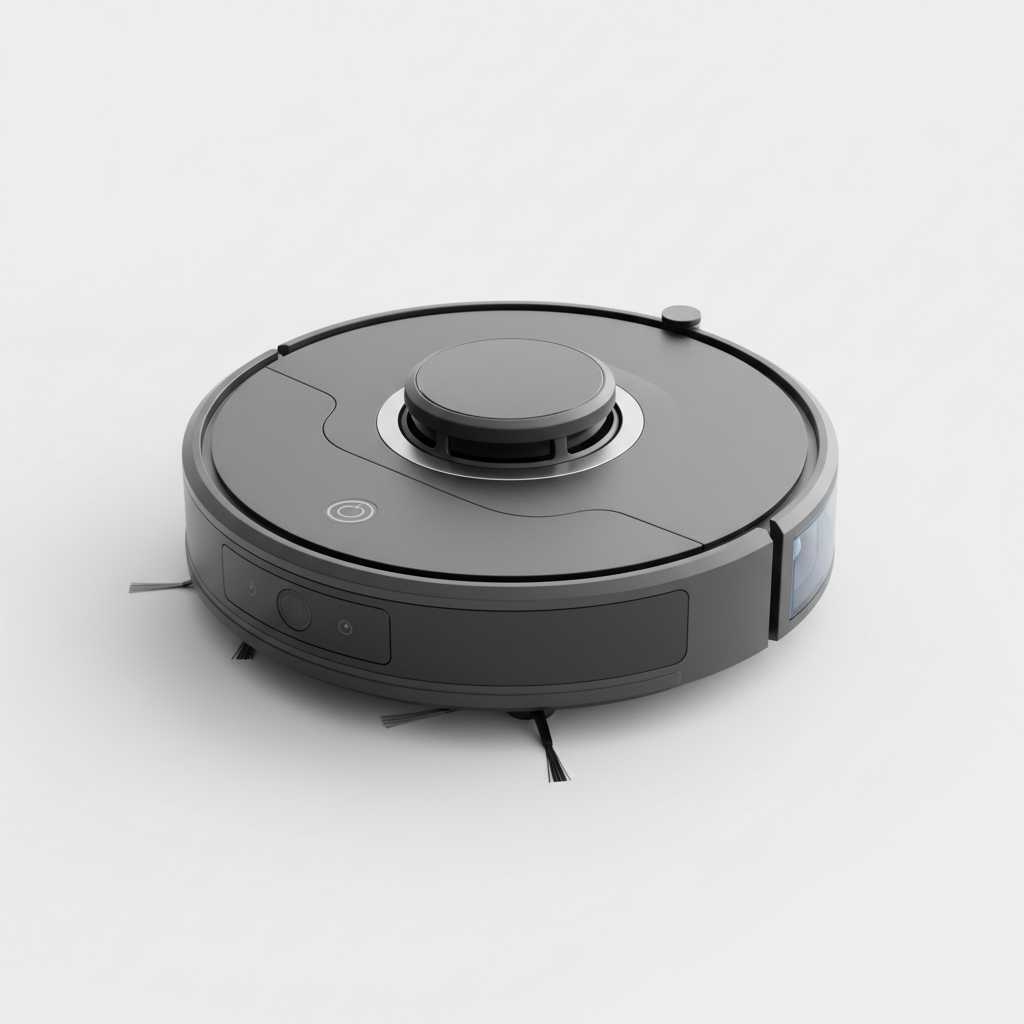
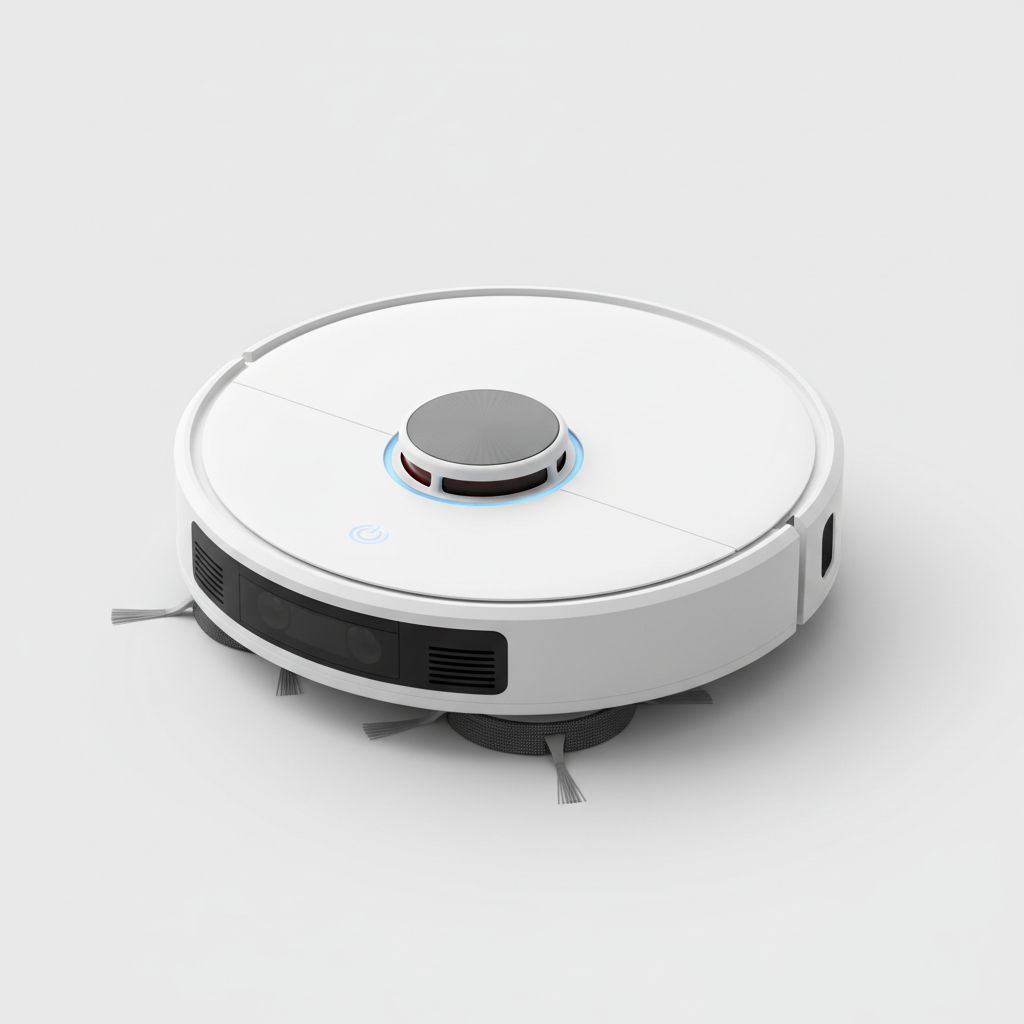
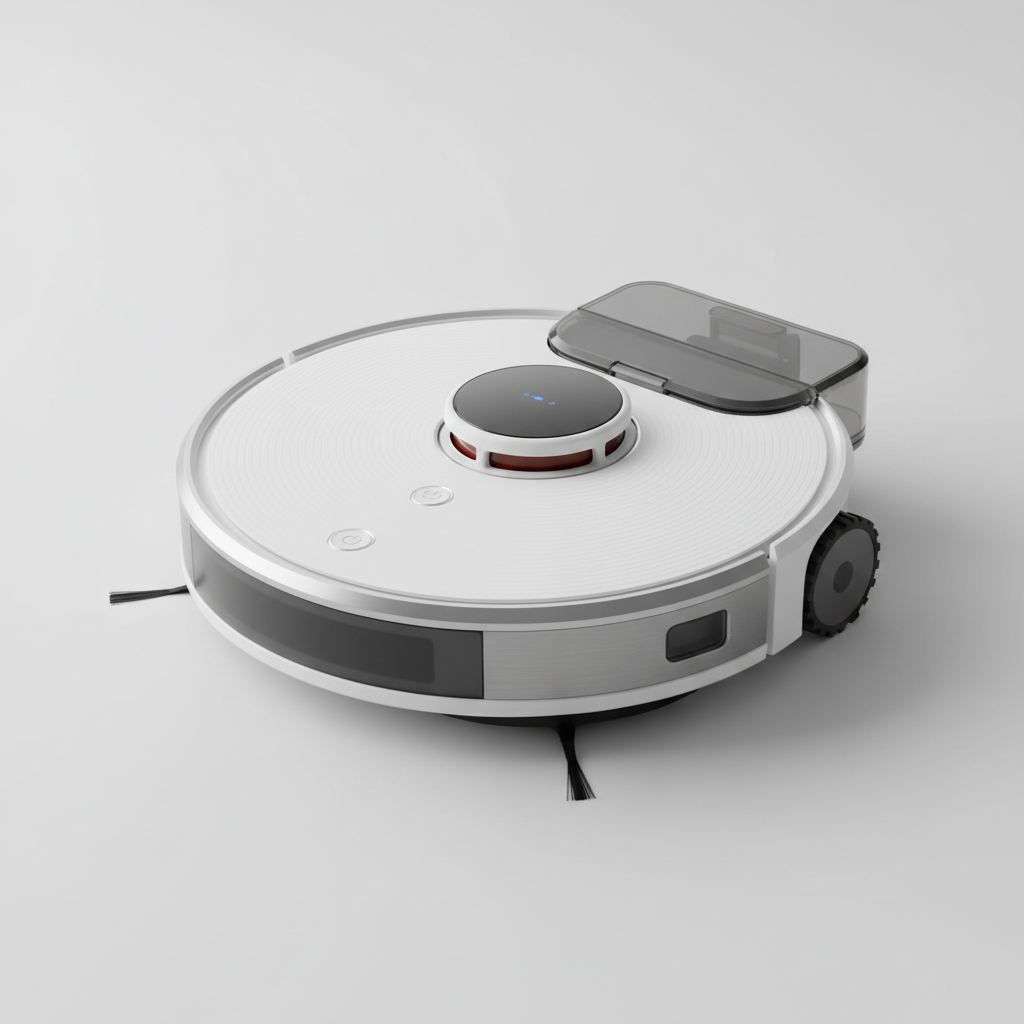
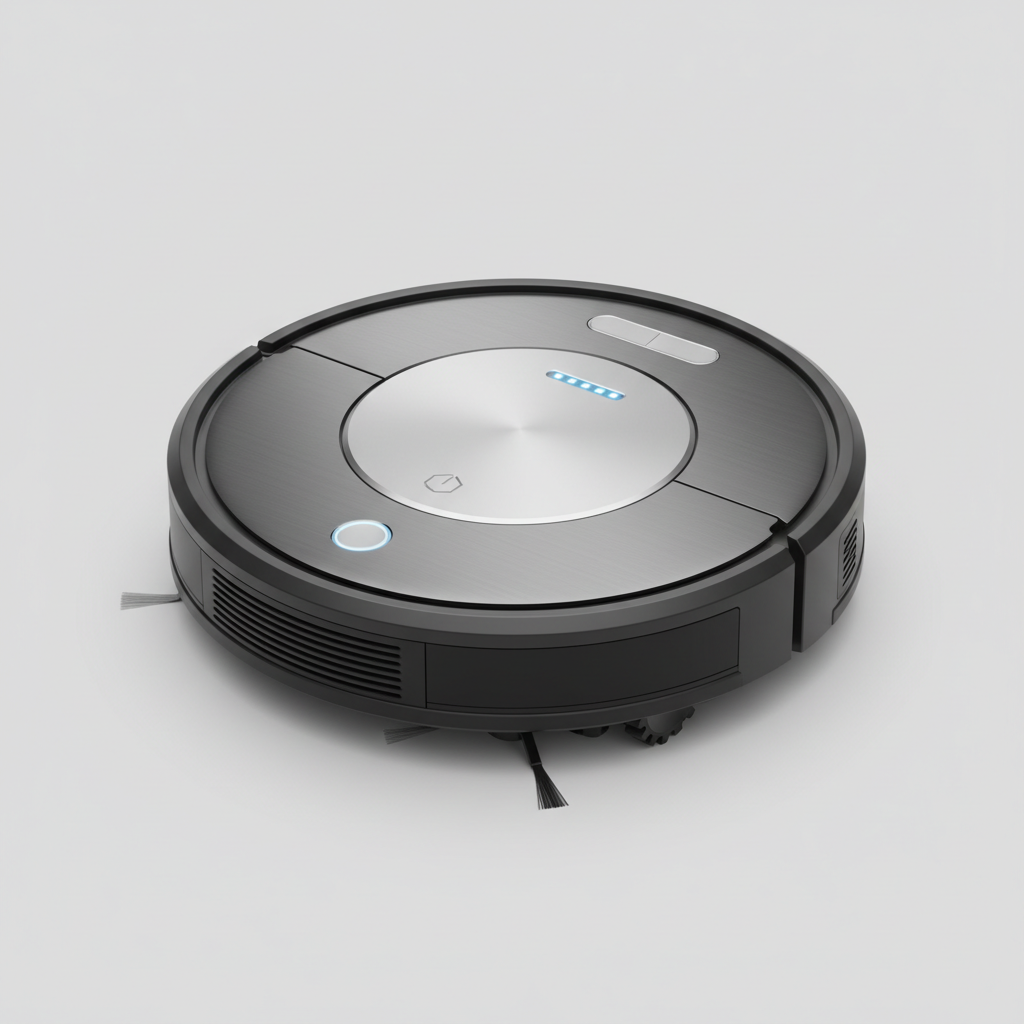
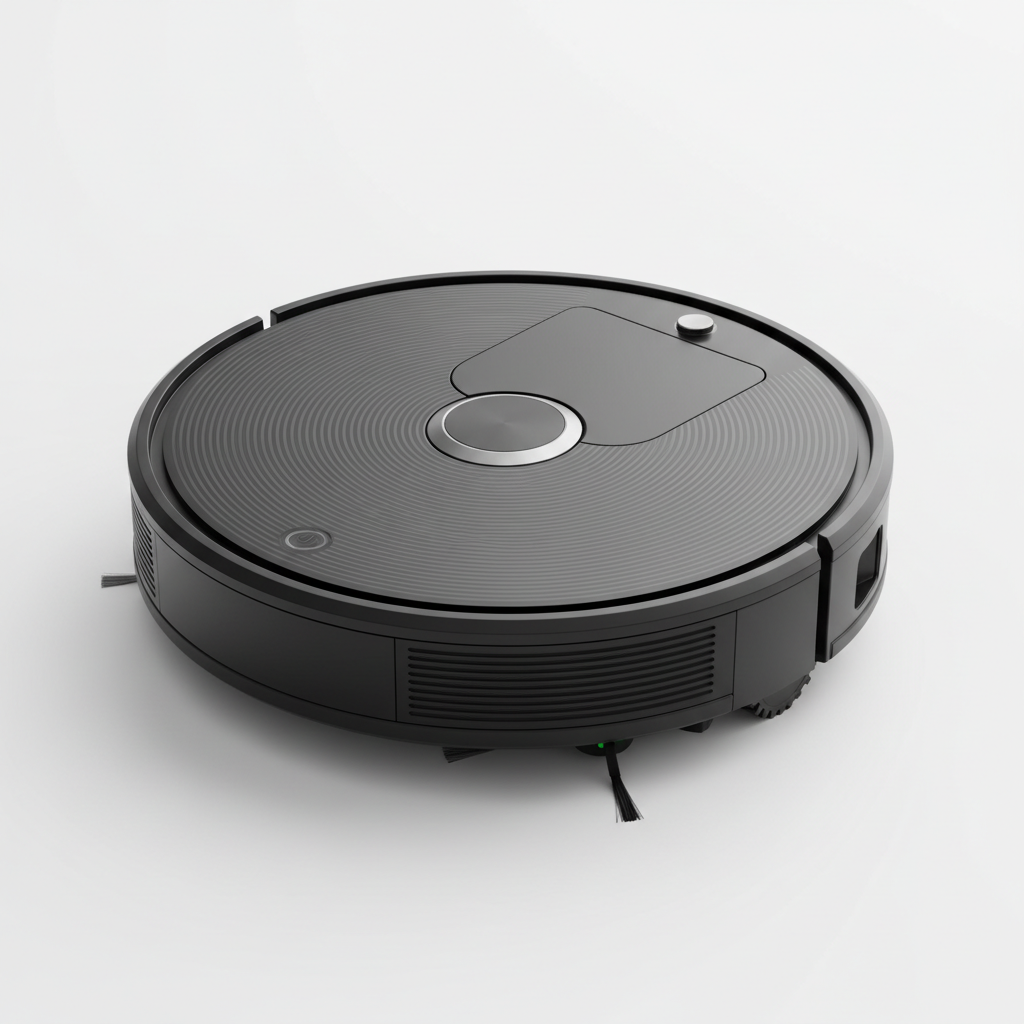
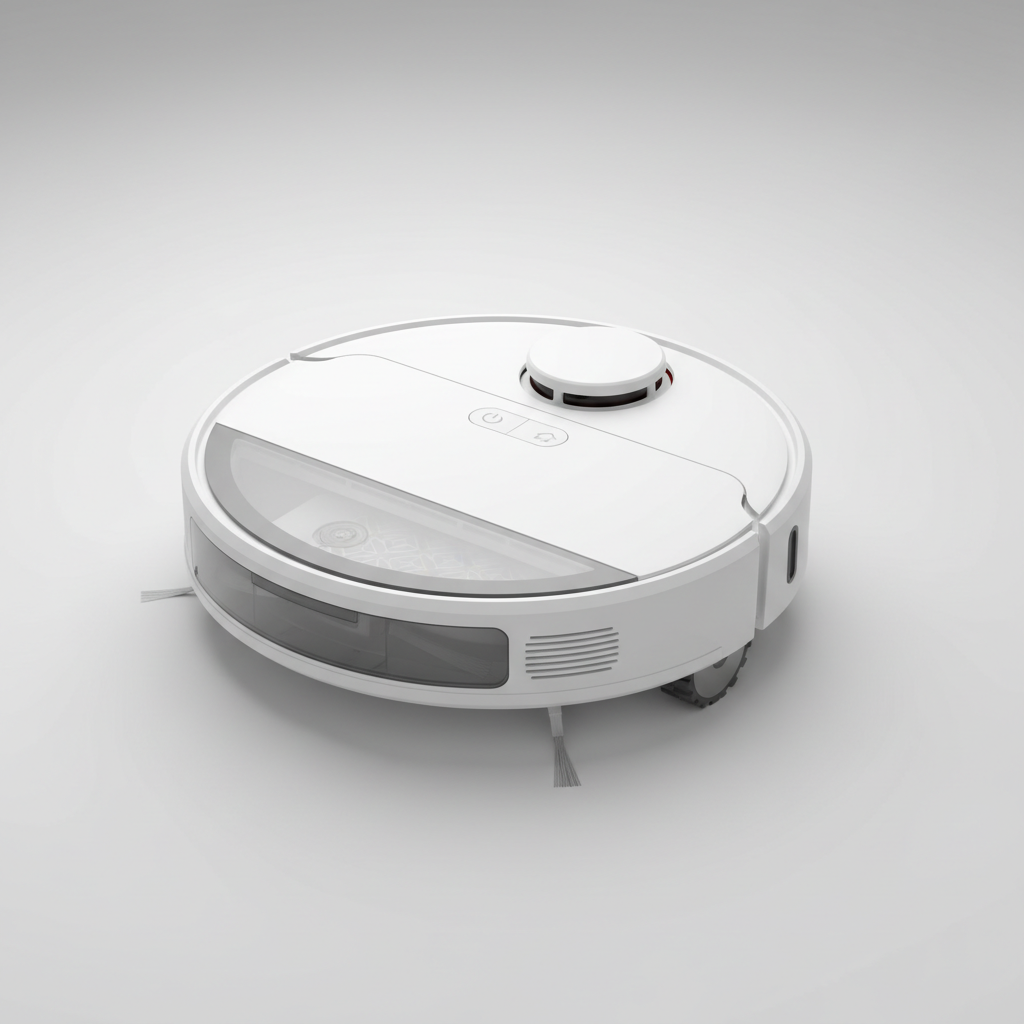
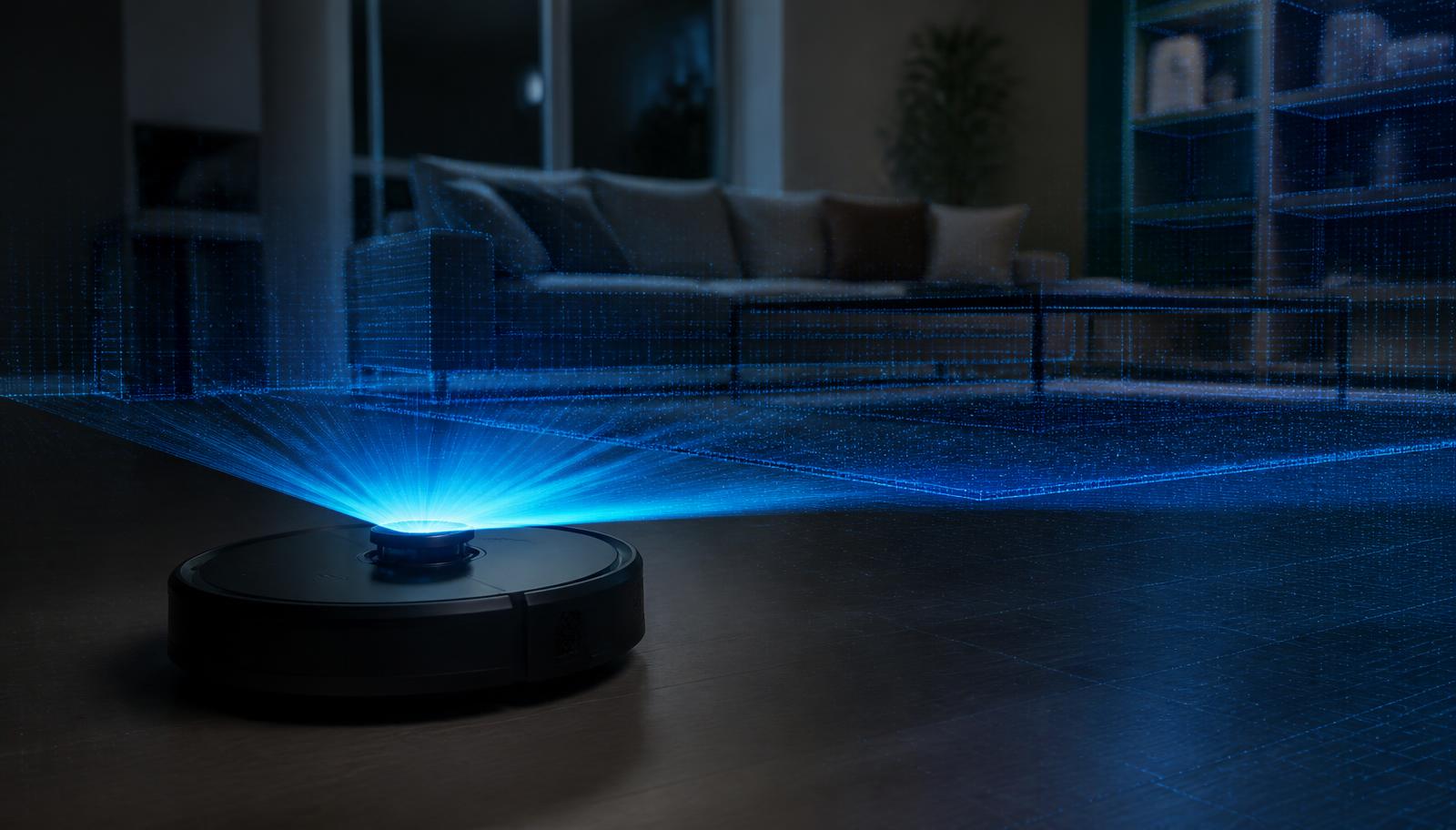
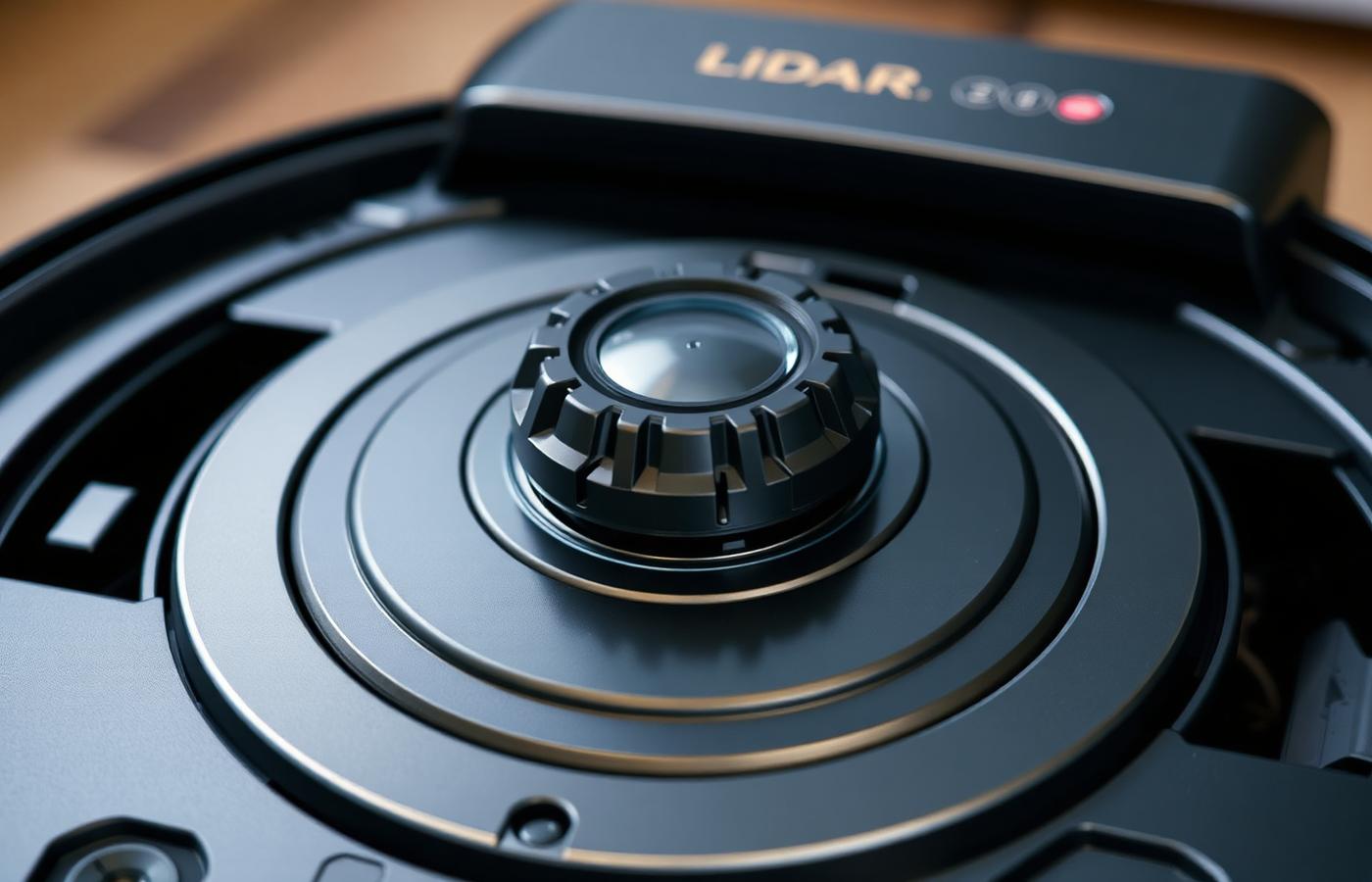
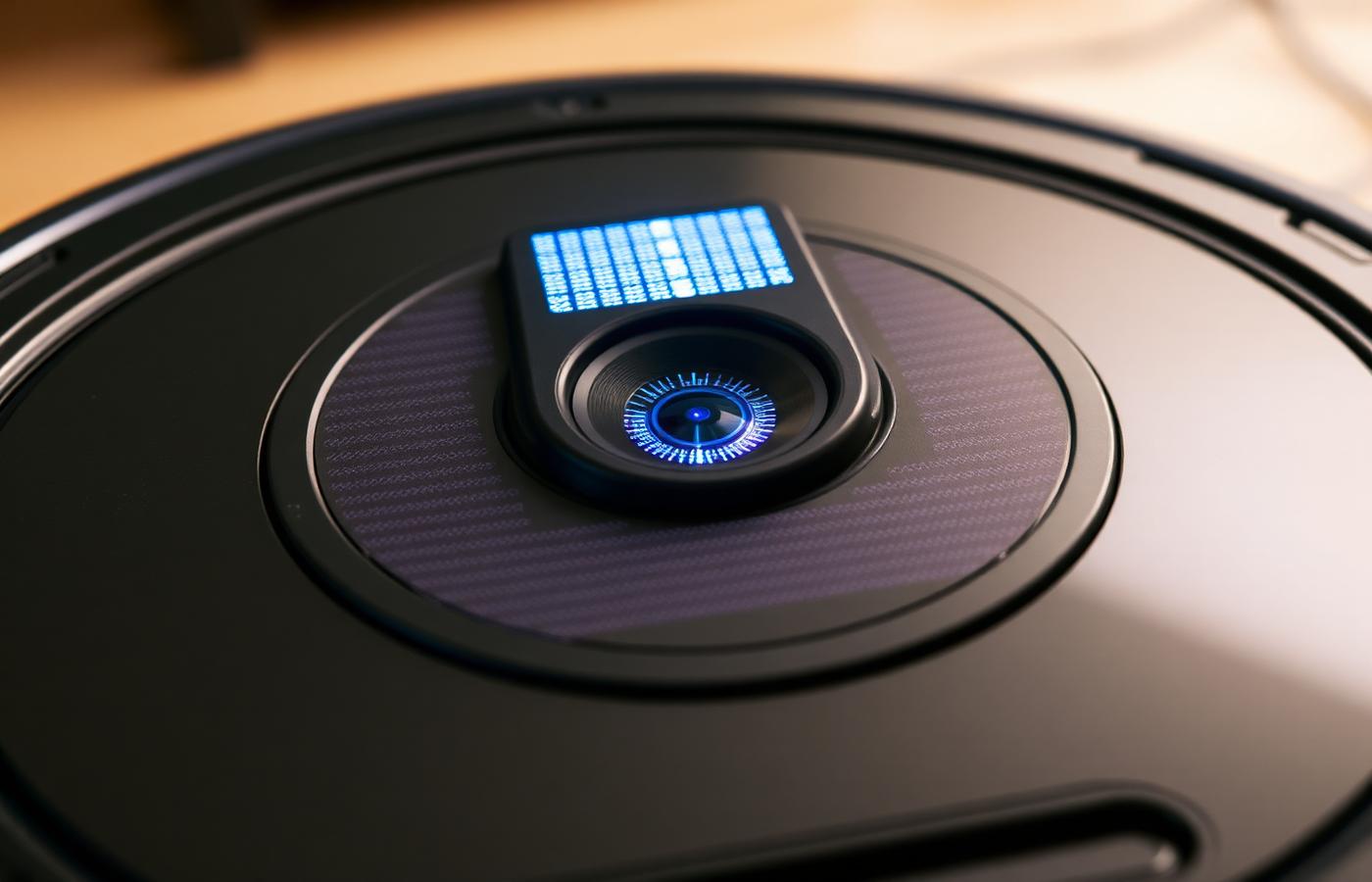
Robot vacuum navigation today comes down to two competing sensor strategies. LiDAR (light detection and ranging) uses a spinning turret, usually mounted on top of the robot, that fires an infrared or red laser thousands of times per second and measures the time each pulse takes to bounce back off walls and furniture. The result is a precise 2D point-cloud of the room that the robot's software turns into a floor plan accurate to within a few centimetres, regardless of ambient light.
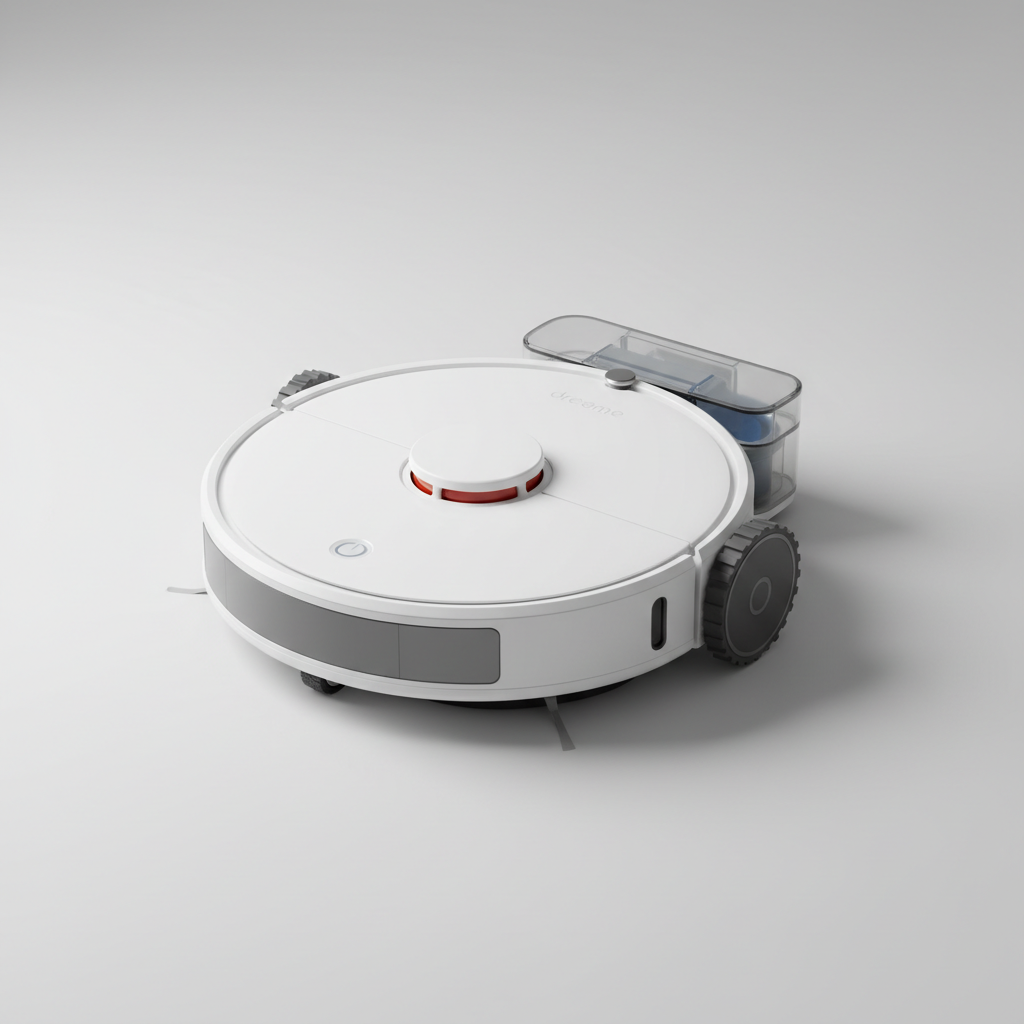
vSLAM (visual simultaneous localisation and mapping) instead uses one or two ordinary cameras, usually paired with an inertial measurement unit and wheel-rotation sensors. The robot recognises visual landmarks — a table leg, a skirting board, a picture frame — and calculates its own position relative to them as it moves. It is a cheaper, lower-profile solution, but it depends on adequate light and enough visual texture in the room to work reliably.
Accuracy, speed and obstacle handling
In practice, LiDAR-equipped robots map a typical 90 m² home in under three minutes on the first run and rarely need to re-map unless furniture moves substantially. Mapping accuracy is typically quoted at 1–3 cm, which is tight enough to draw precise no-go zones and virtual walls in the companion app. Because the laser works identically in daylight or pitch darkness, LiDAR robots clean confidently at night or under a bed with the lights off.
vSLAM robots generally take longer on a first-run map — often five to eight minutes — and can lose their position ('re-localise') in large open-plan spaces or very dim rooms, causing a visible pause while the robot re-orients itself. The trade-off is a lower unit cost and a slimmer body, since there is no raised turret to accommodate. Many mid-range vSLAM robots pair the camera with structured-light or dToF sensors on the front bumper specifically to compensate for weak object detection, closing much of the gap on obstacle avoidance.
What this means for obstacle avoidance
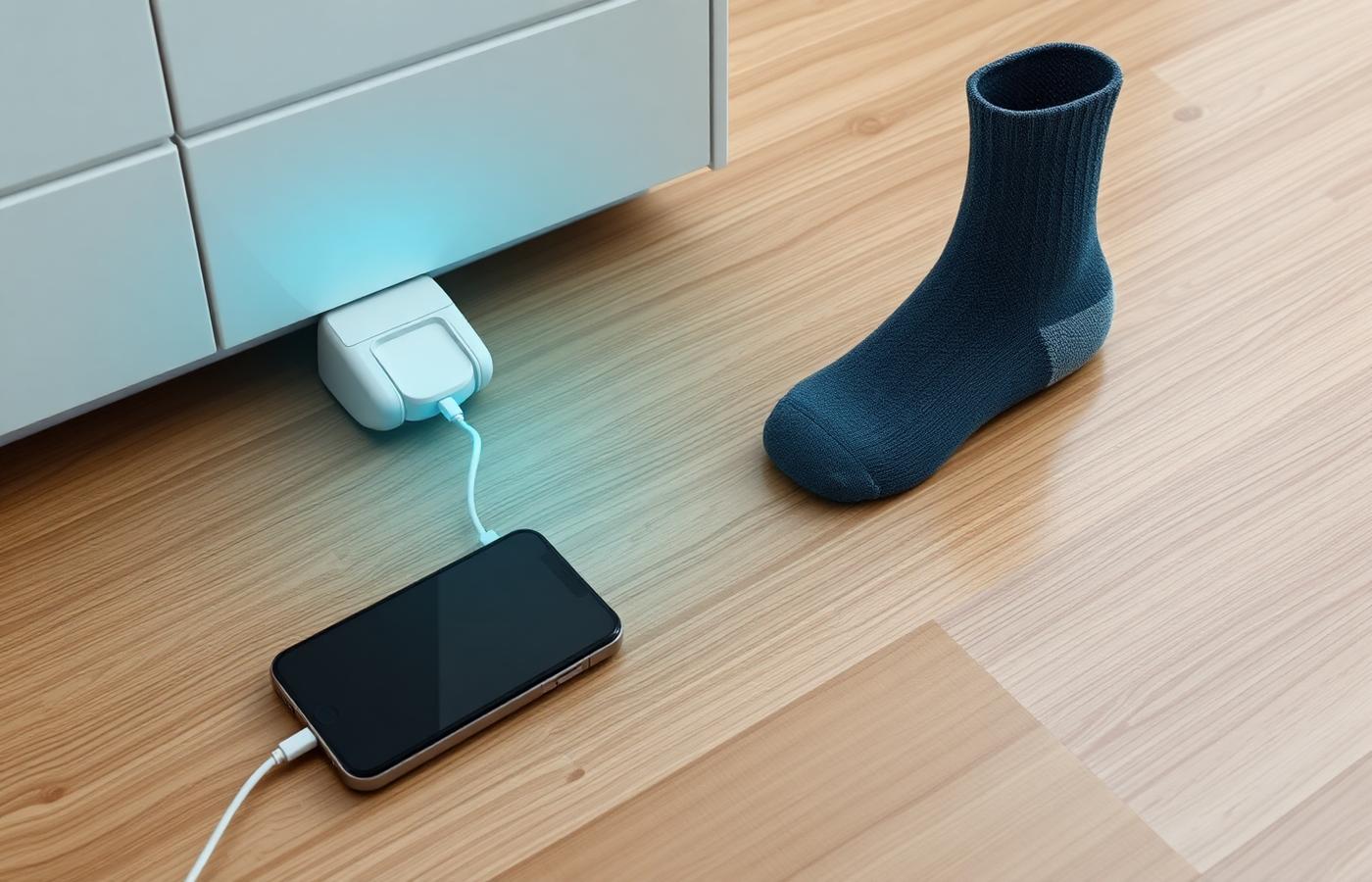
Navigation and obstacle avoidance are related but separate systems. A robot can map a home superbly with LiDAR yet still need a dedicated front camera and AI model to recognise a phone charger cable or a pet accident on the floor. The best current flagships combine LiDAR for structural mapping with a forward RGB camera and onboard AI object recognition, giving both an accurate map and real-time identification of loose objects, shoes and cables.
Budget vSLAM-only robots typically rely on bump-and-run contact sensing plus basic infrared cliff sensors, which is adequate for open rooms but clumsier around chair legs and low-hanging tablecloths.
Cost and where each shows up in the market
LiDAR navigation used to be a $700-plus flagship feature; it now appears on robots from roughly $350 as the components have commoditised. vSLAM remains the default on sub-$300 robots and is still common in the $300–$600 mid-range, often layered with extra bumper sensors to improve reliability. Above $800, almost every serious model uses LiDAR, frequently combined with a structured-light or ToF (time-of-flight) camera for close-range obstacle detail that LiDAR's flat 2D scan plane cannot see, such as low steps or thin cables.
Runtime is affected too: the LiDAR turret and its processing draw a small but constant amount of power, while vSLAM's main draw is continuous camera and image-processing use. In practice the difference in battery life between comparable models is marginal — both typically deliver 120–180 minutes on eco mode.
Which should you buy?
Choose LiDAR if your home has multiple similarly shaped rooms, low light hallways, open-plan living areas over 60 m², or if you want dependable no-go zones and room-specific scheduling. Choose a well-specified vSLAM model if your budget is under $400, your home is well-lit and modestly sized, and you mainly want a low, quiet robot that slides under furniture. Either way, check the manufacturer states the sensor type explicitly — 'smart navigation' alone is marketing language, not a specification.