How a self cleaning litter box actually works
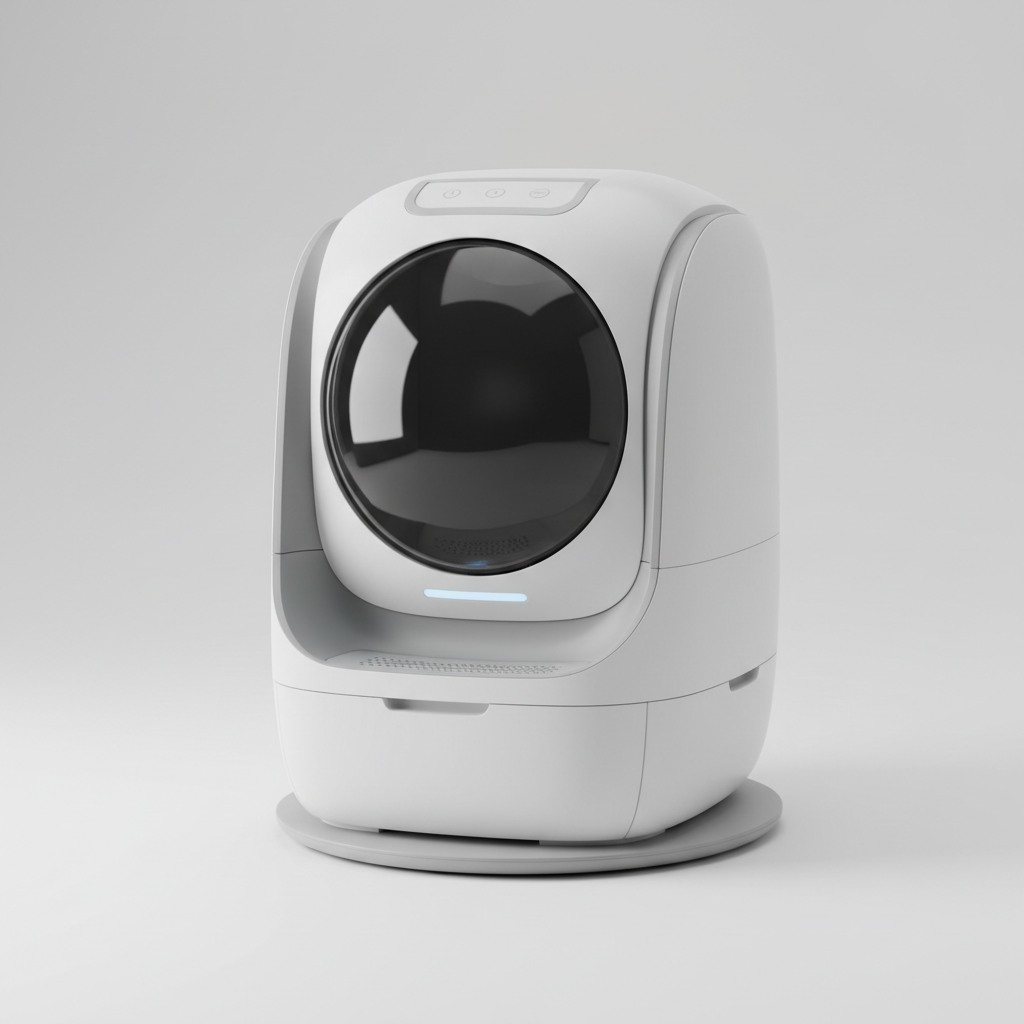
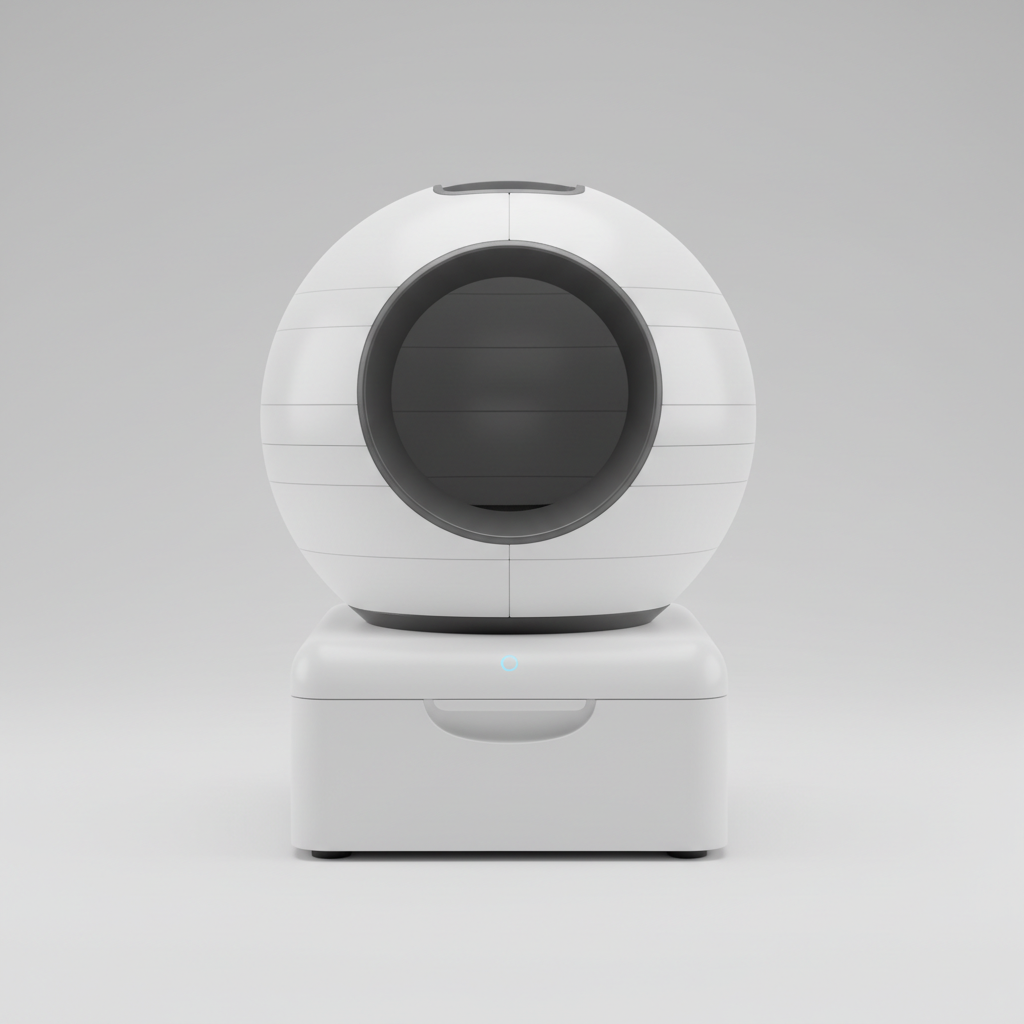
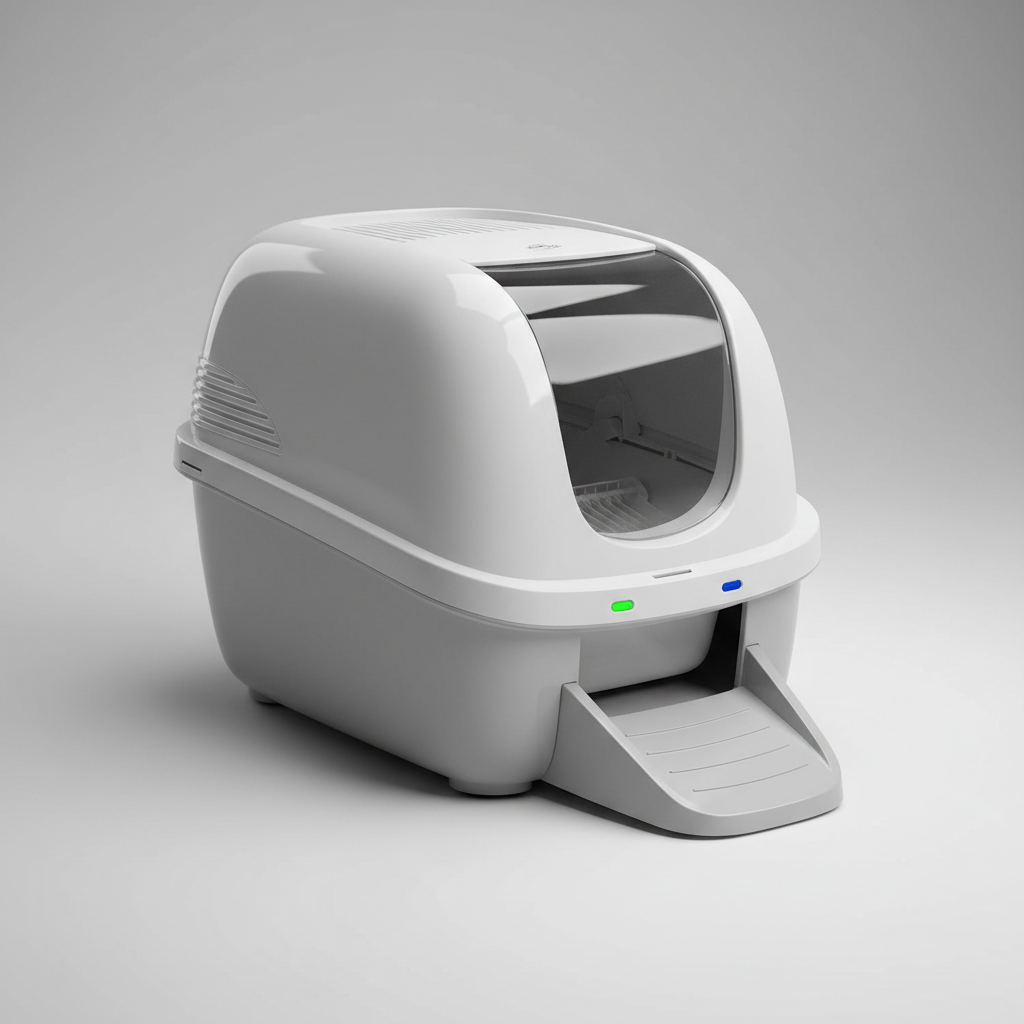
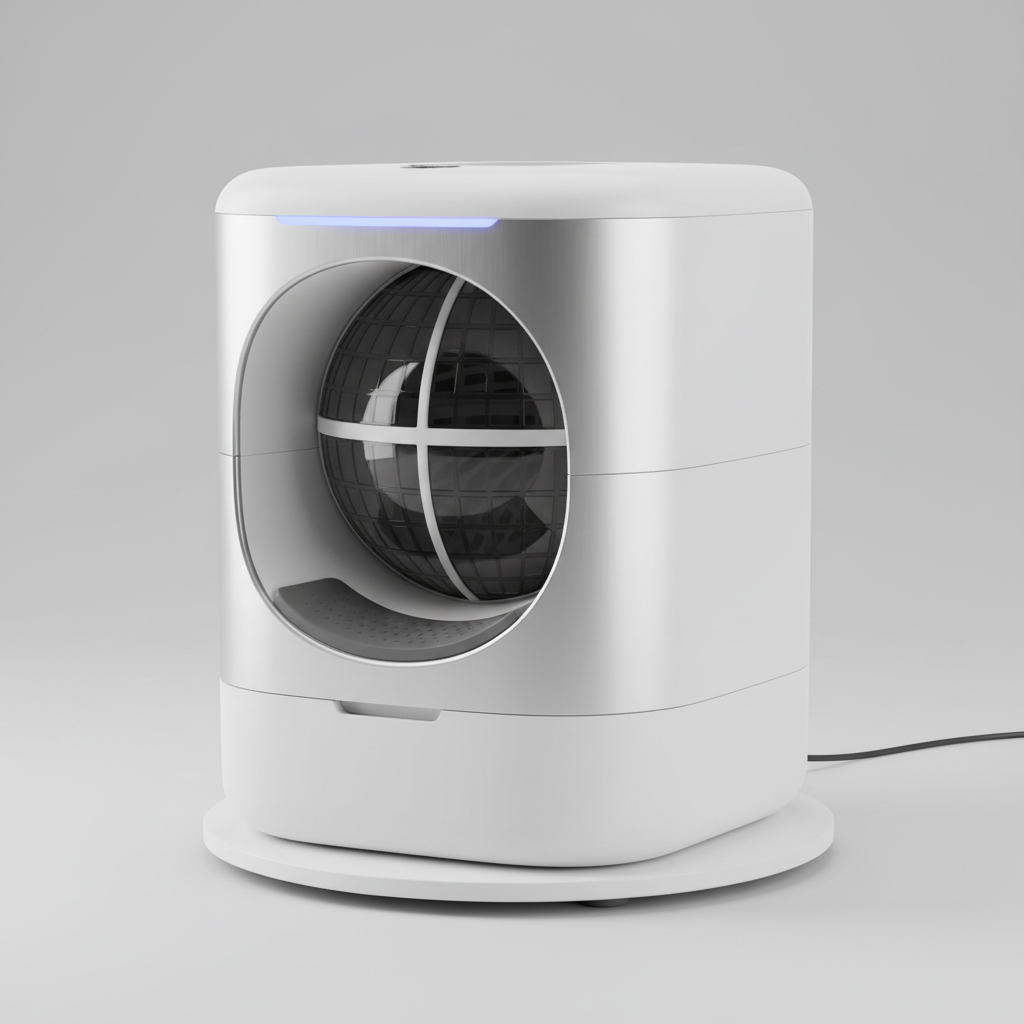
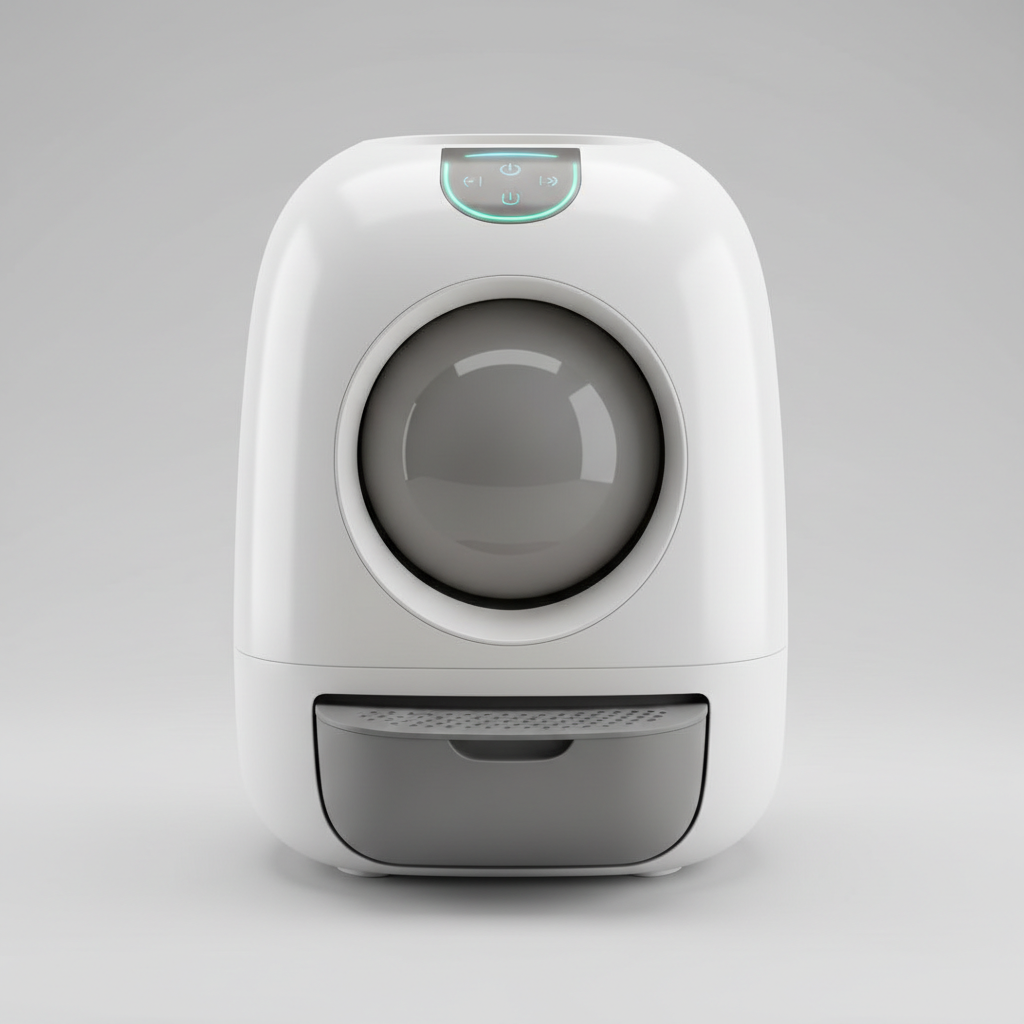
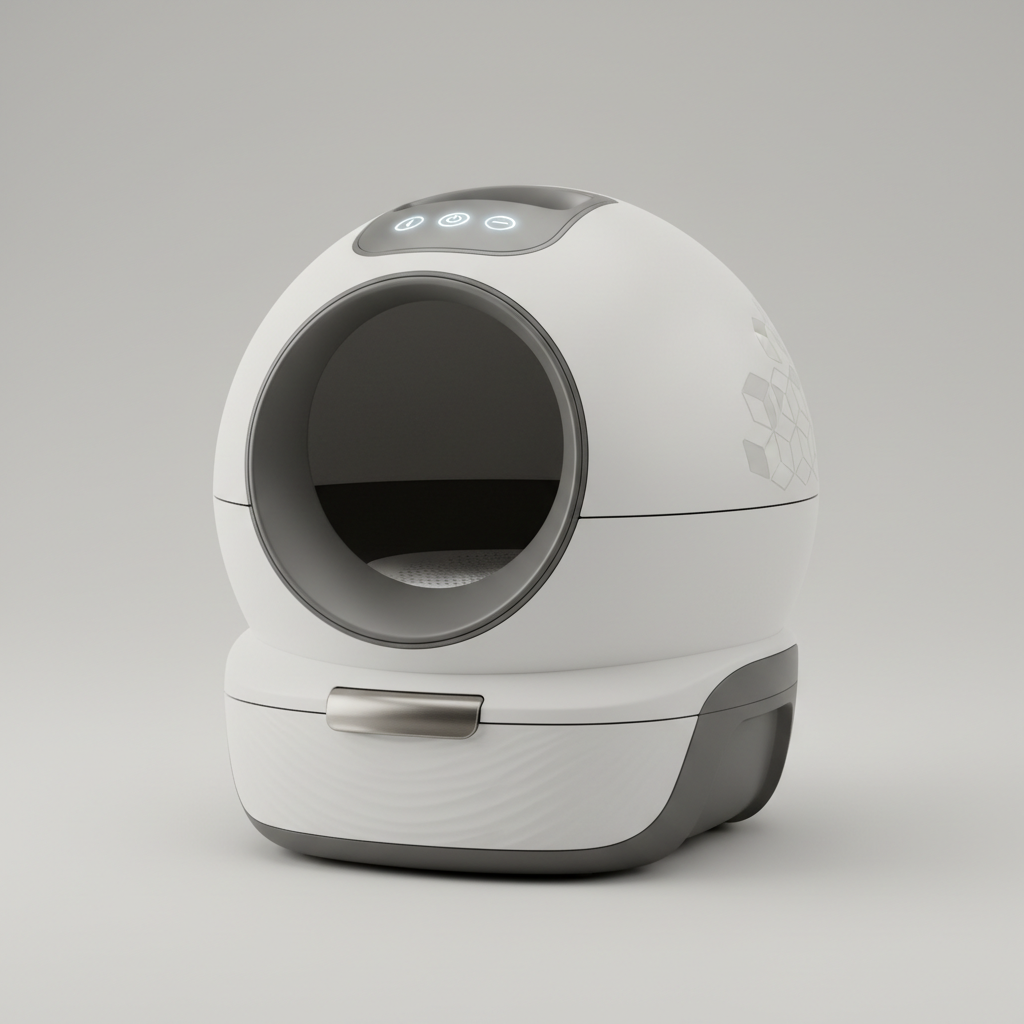
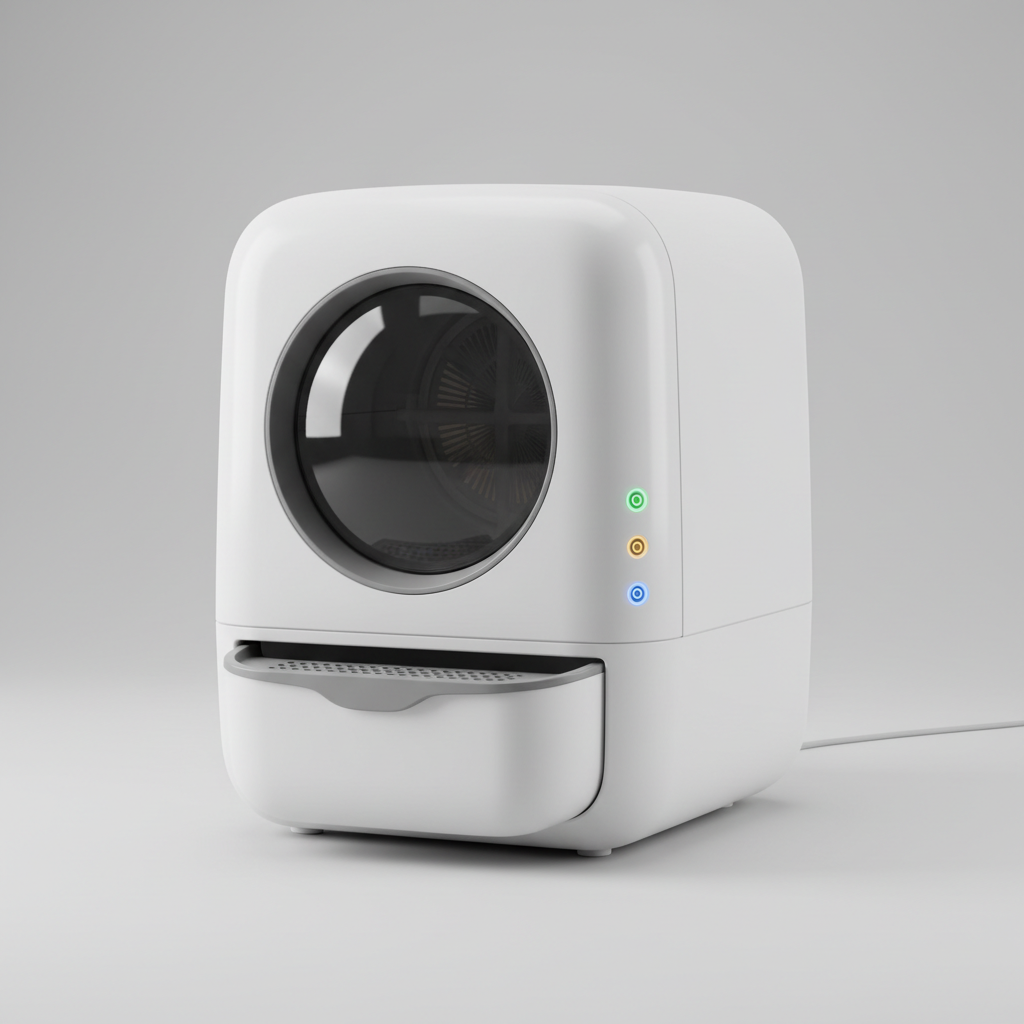
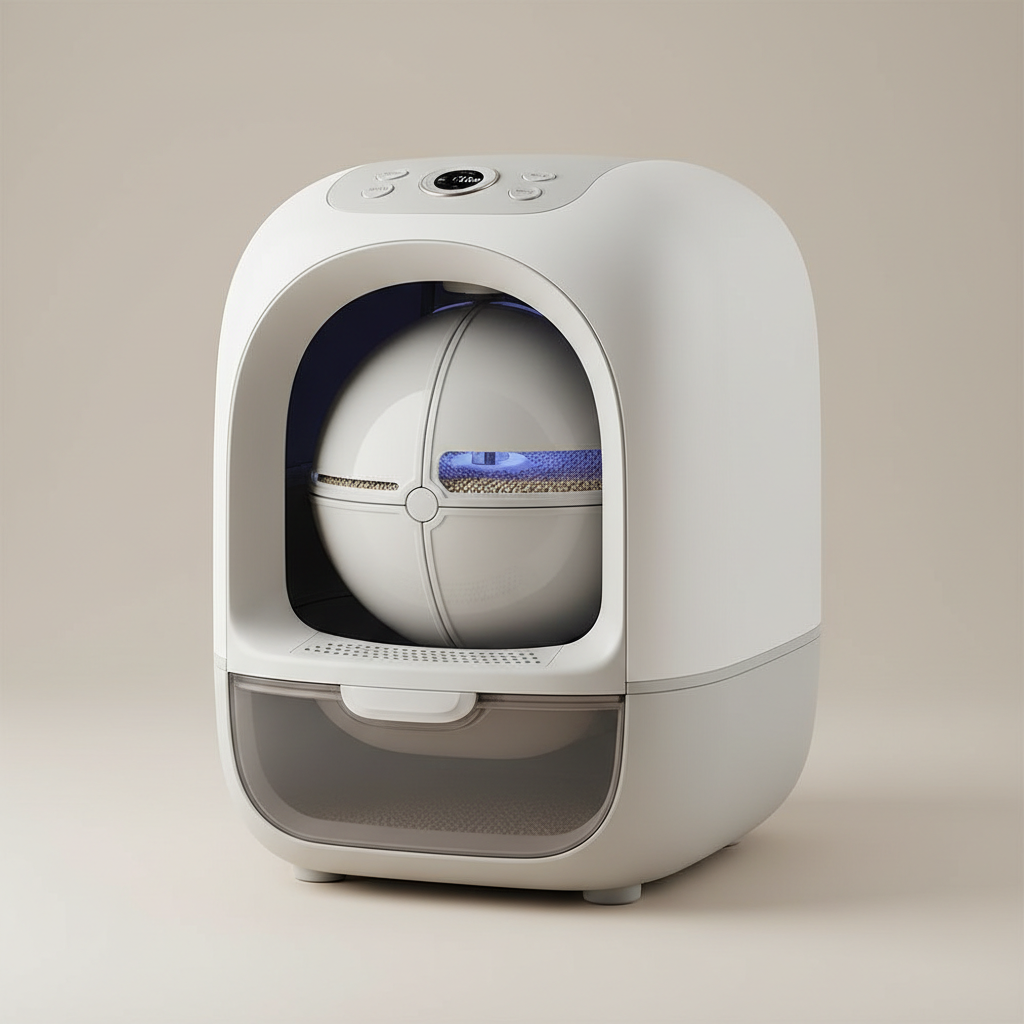
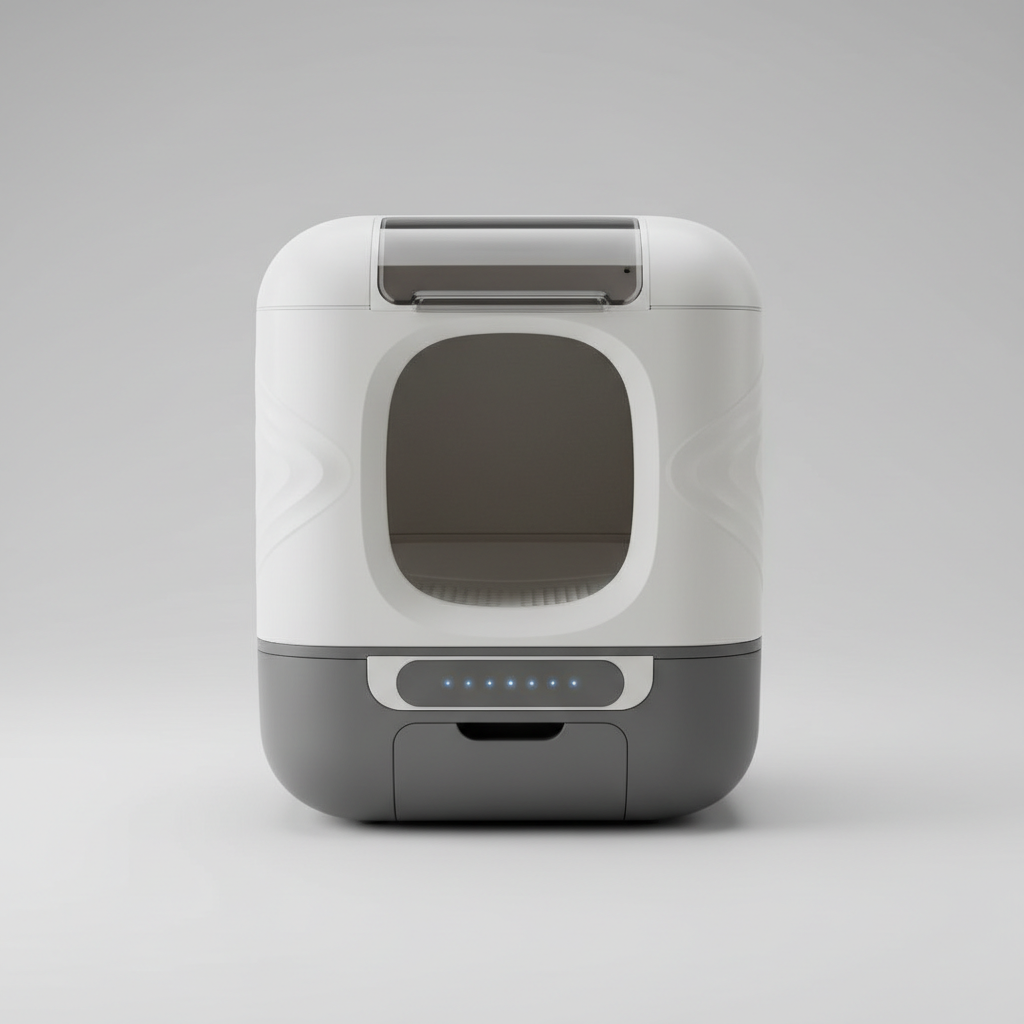
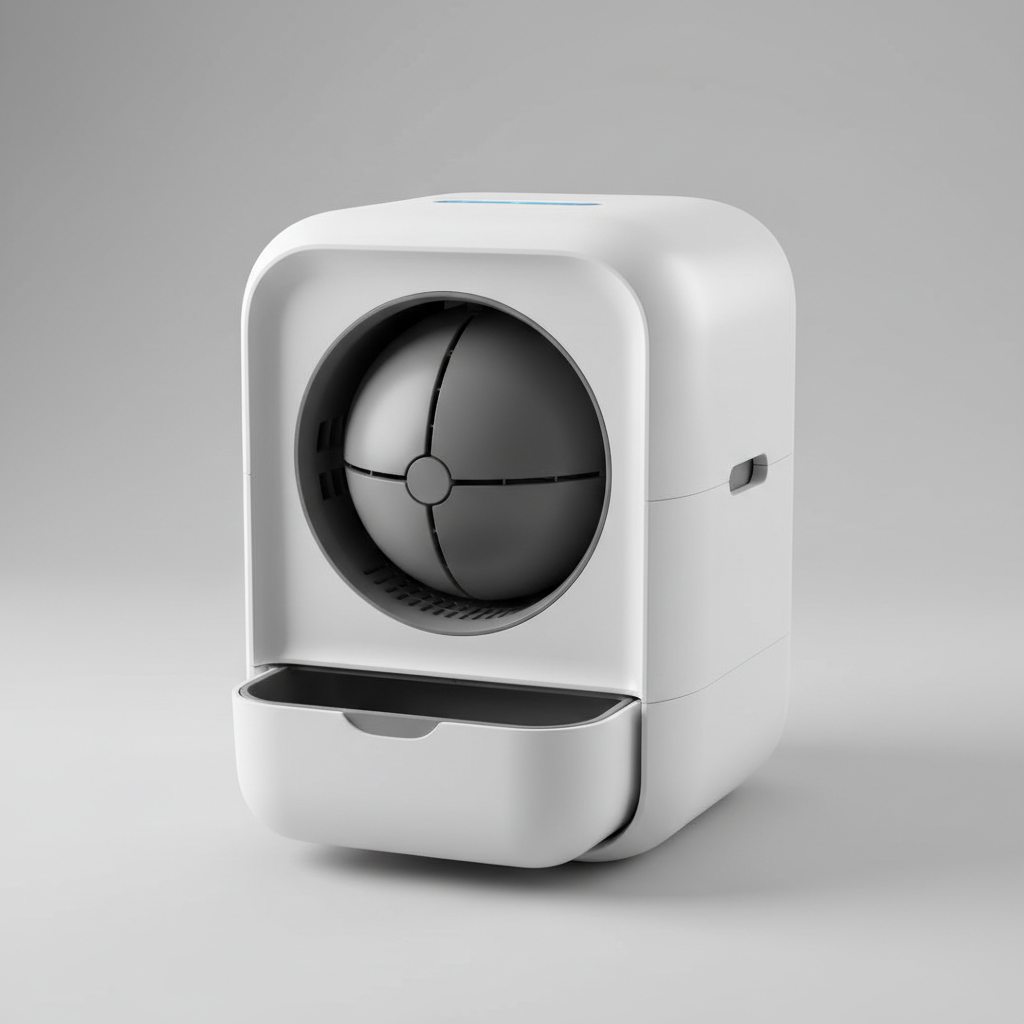
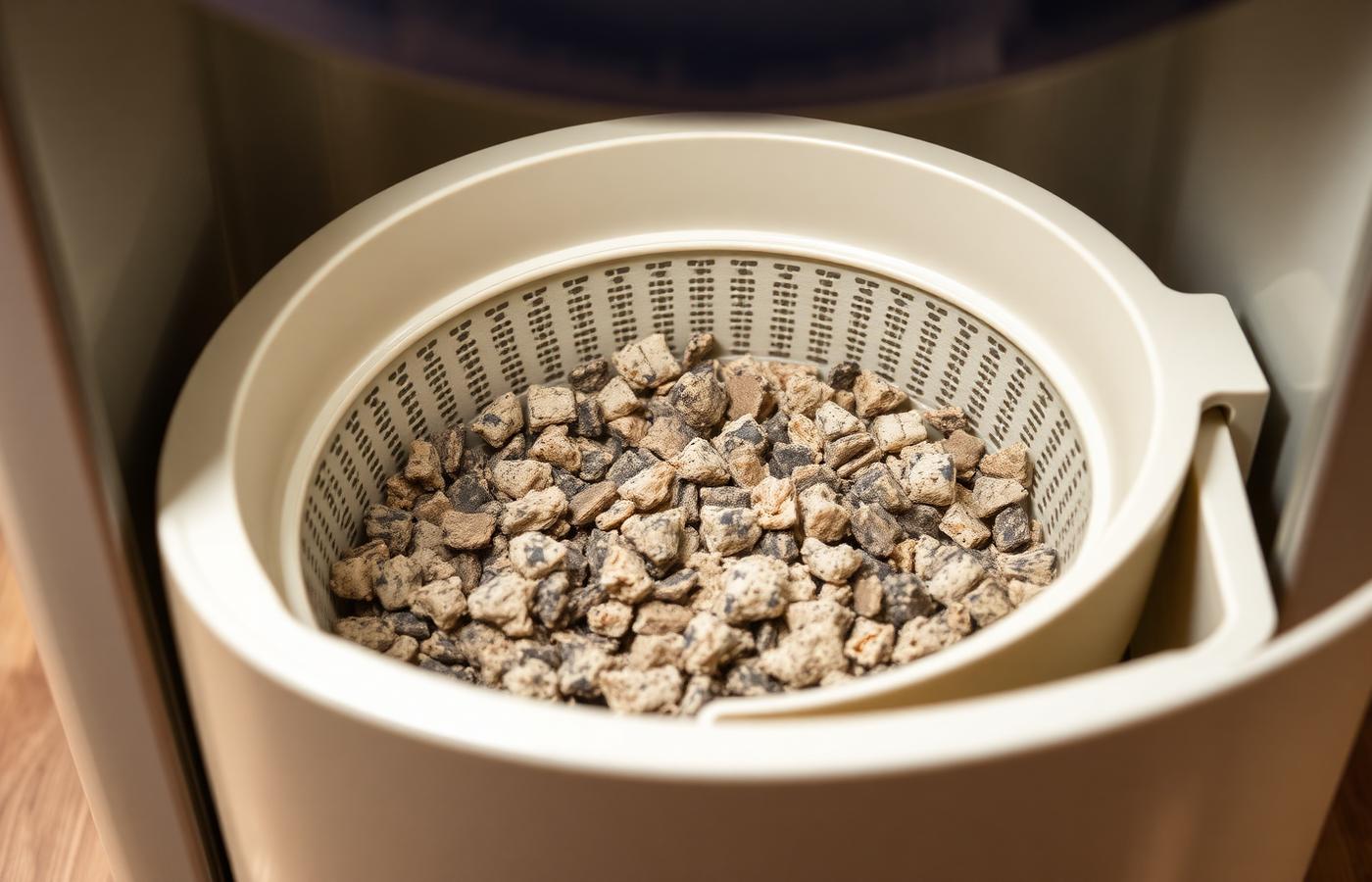
Every self cleaning litter box on the market today uses one of two mechanisms. The rake style waits a set interval after your cat leaves — usually 8 to 20 minutes, adjustable in the app — then drags a comb through clumping litter, pushing solid waste into a covered receptacle while sifted clean litter falls back through a grate. The rotating-globe style instead turns the entire drum a set number of degrees, letting gravity and a fixed sifting screen do the separation before the drum returns to its resting position. Both approaches need clumping litter with a reasonably consistent particle size; crystal or non-clumping litter clogs the sifting screens on most machines and voids the warranty on several brands.
Weight sensors under the base do two jobs: they stop the cleaning cycle from firing while a cat is still inside, and on multi-cat households they log which animal used the box based on weight profile, flagging sudden weight changes that can be an early sign of illness. Infrared or laser presence sensors add a second layer of safety, halting the rake mid-cycle if anything breaks the beam.
What genuinely separates good units from bad ones
Waste bin capacity and liner compatibility matter more than most buyers expect. A single-cat household can go 7 to 10 days between waste bag changes with a 7-litre sealed bin; a two-cat household on the same unit is emptying it every 3 to 4 days. Check whether the machine takes proprietary bags — usually $8 to $15 for a pack of six — or standard kitchen bags, which is materially cheaper over a year of ownership.
Noise is the second differentiator. Rake mechanisms typically run at 45–55 dB, comparable to a quiet dishwasher, and finish a cycle in under a minute; globe mechanisms are marginally quieter but take longer per rotation. Read the decibel spec, not just 'quiet operation' marketing copy, and if your cat is nervous, look for a manual delay setting so the cycle only fires when the room is empty.
Odour control comes from three things working together: a sealed waste compartment, an activated-carbon filter that needs replacing every 2 to 3 months, and cycle frequency. A box that only cleans twice a day will smell regardless of filtration; look for on-demand or short-interval cycling as standard, not an optional upgrade.
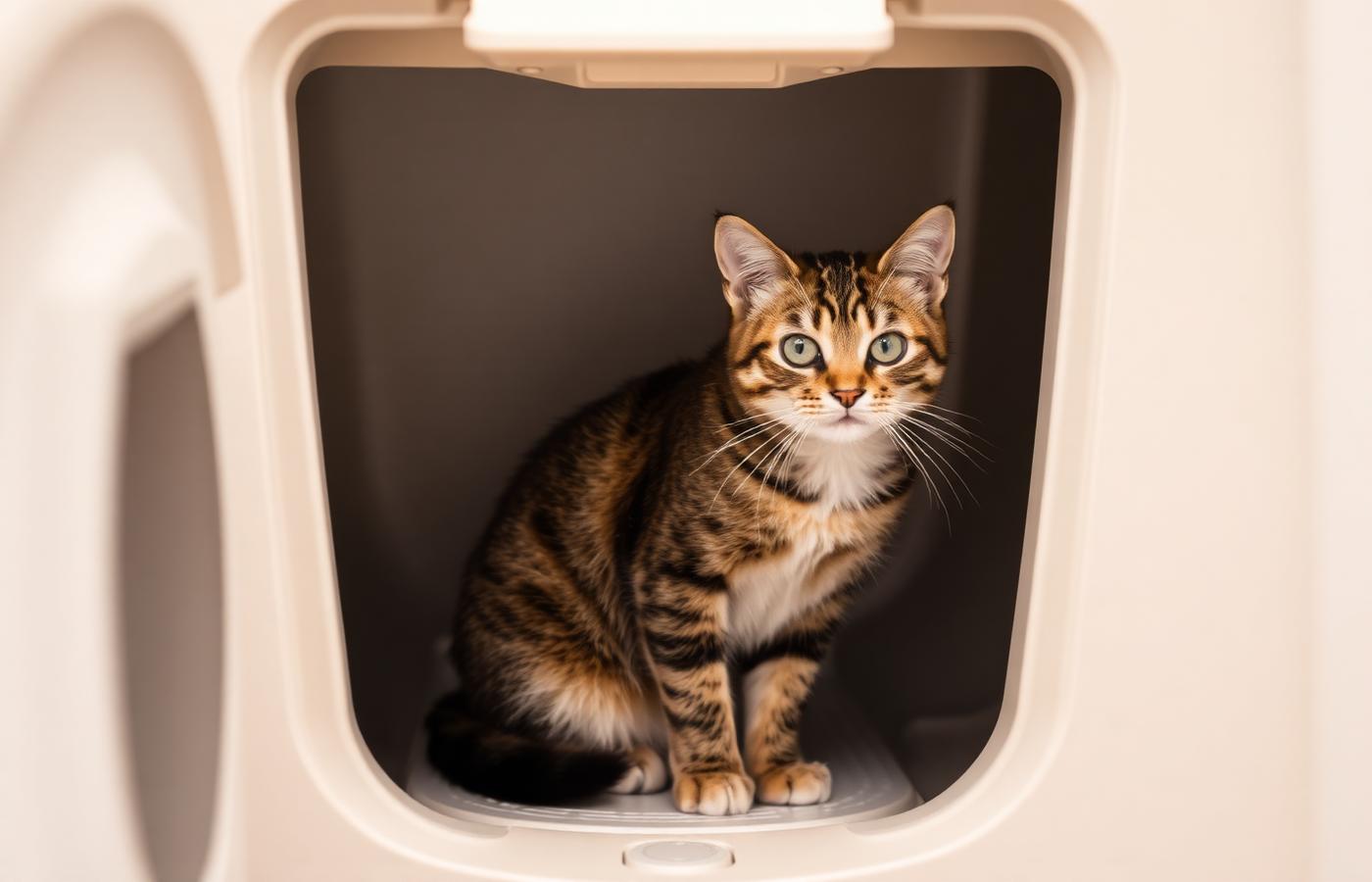
Health monitoring worth paying for
The best self cleaning litter boxes now double as passive health monitors. Per-cat weight tracking logged over weeks can surface gradual weight loss — often the first visible sign of hyperthyroidism, diabetes or kidney disease in cats — well before a routine annual check-up would. Litter box visit frequency and duration are tracked too, and a spike in visits with little output is a recognised early indicator of urinary tract issues, which are common and can become an emergency in male cats within 24 to 48 hours if a blockage forms.
These features are software, not hardware, so they cost nothing extra to run once you own a connected unit — but they only work if the box is on Wi-Fi and the app notifications are switched on. Treat the data as a prompt to call your vet, never as a diagnosis.
Cost of ownership
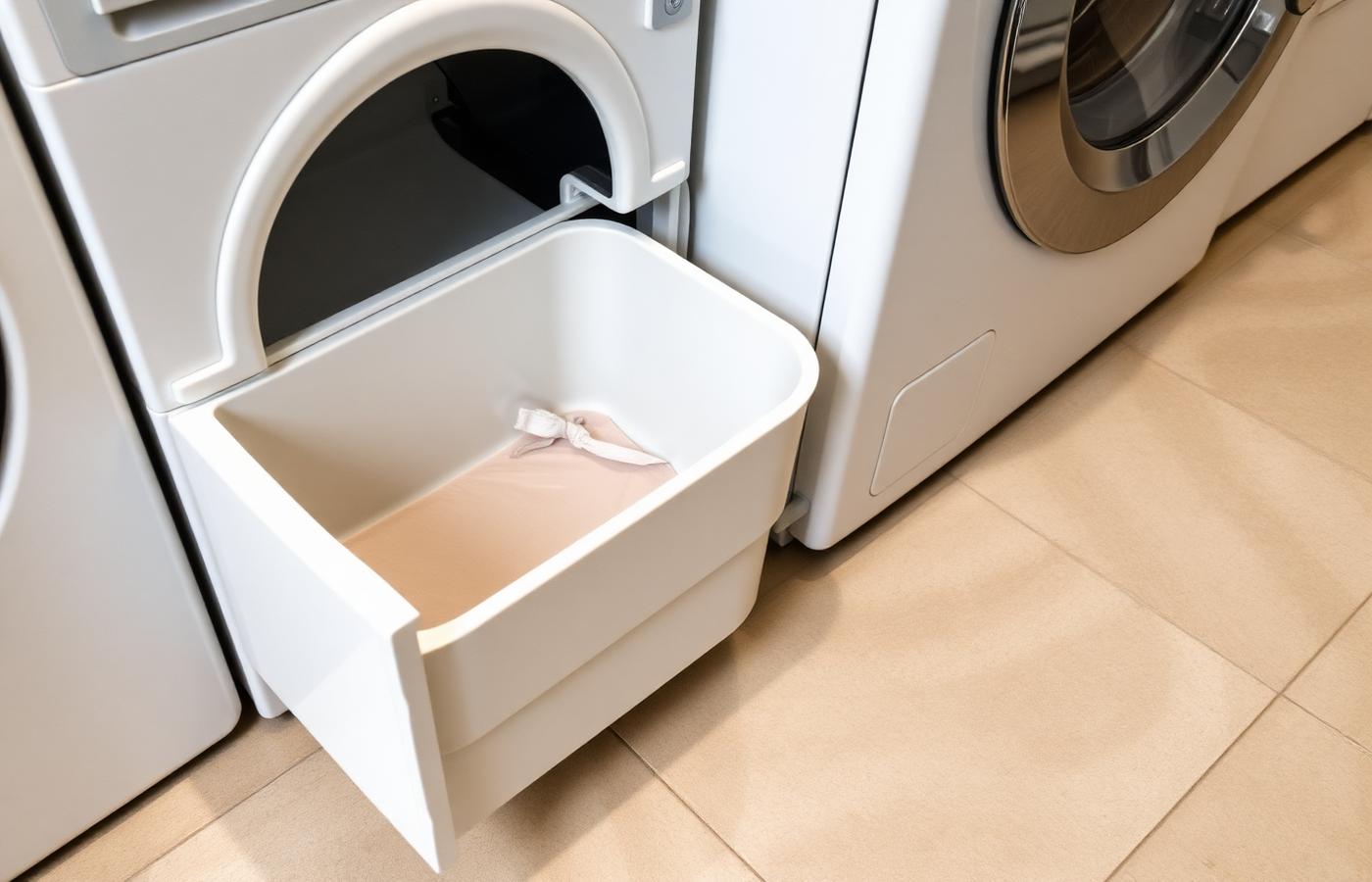
Entry-level self cleaning litter boxes with basic rake automation and app alerts start around $180–$280. Mid-range units with odour-sealed waste bins, multi-cat weight profiles and quieter motors run $350–$550. Premium models with integrated odour-neutralising systems, larger interiors for bigger breeds and advanced health analytics reach $650–$800. Running costs add $15–$30 a month in clumping litter (most units use more litter than a manual tray to maintain sift depth) plus $10–$20 a month in waste liners and $8–$12 every few months for carbon filters.
Against that, weigh the actual time saved — daily scooping across a year is a genuine chore — and the earlier detection of costly veterinary problems, which can save far more than the unit's purchase price in a single avoided emergency visit.
Choosing the right size and placement
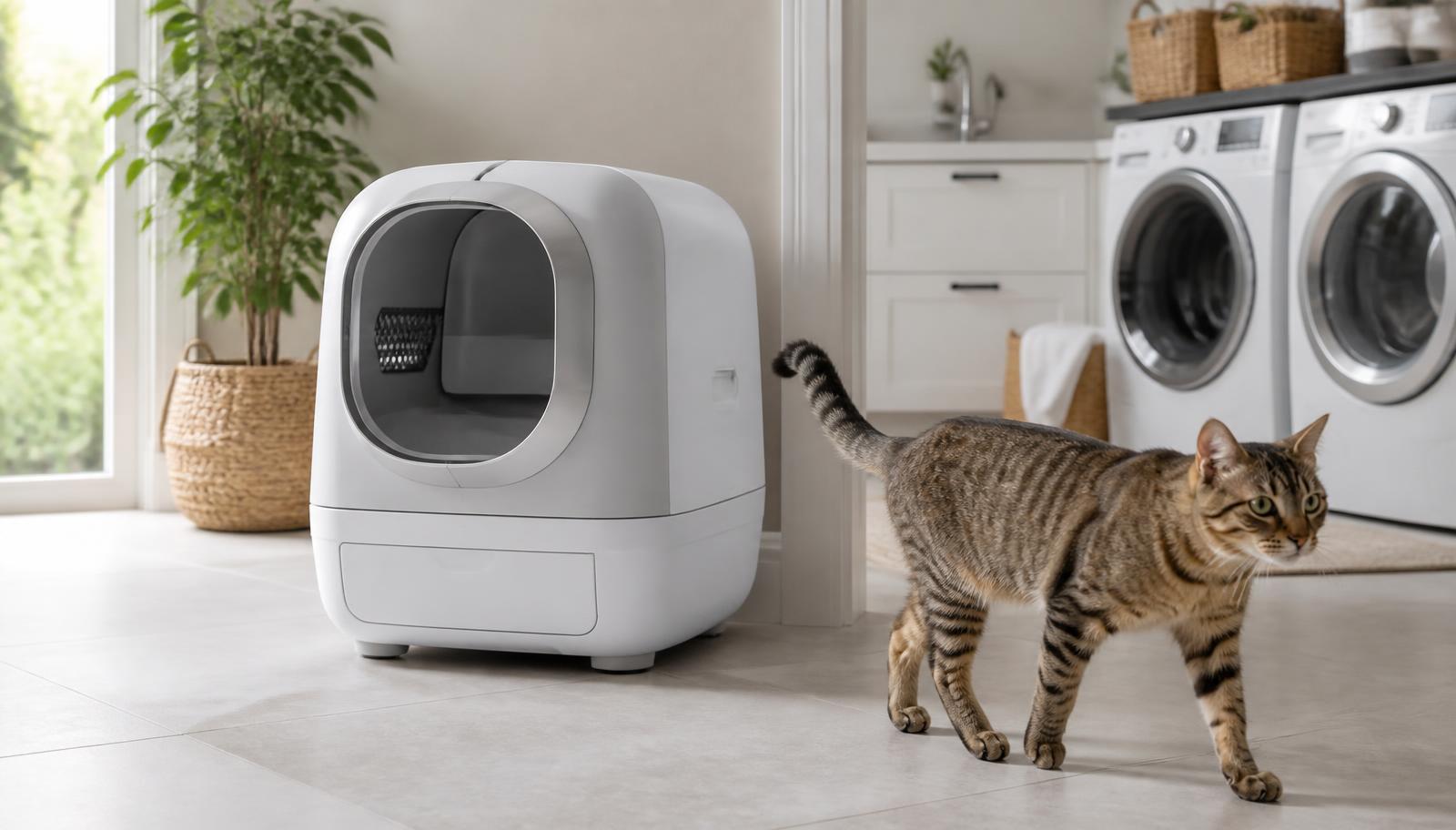
Match interior floor area and entry height to your cat's size before anything else; a large Maine Coon needs a genuinely bigger drum or rake tray than the compact units designed around an average 4–5 kg cat, and a cramped box is the single most common reason cats reject automation and go back to using the floor. Place the unit on a hard, level floor near ventilation, away from washing machines or loud HVAC units that can spook a cat mid-cycle, and keep at least one traditional or second automatic box per additional cat in the household — sharing a single automated unit across three or more cats overwhelms the waste bin and increases odour and jam risk considerably.