Robot Mops

Robot mops for hard floors โ€” the complete buying guide

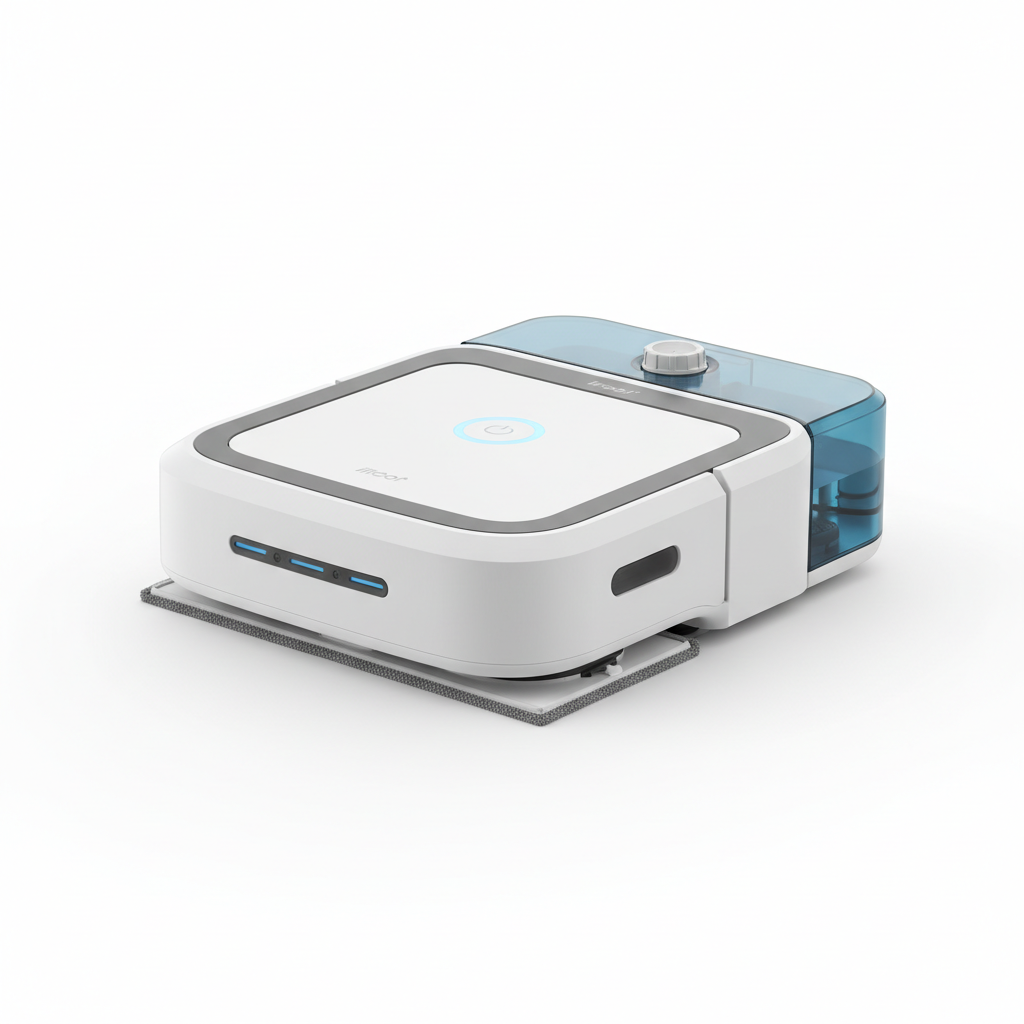
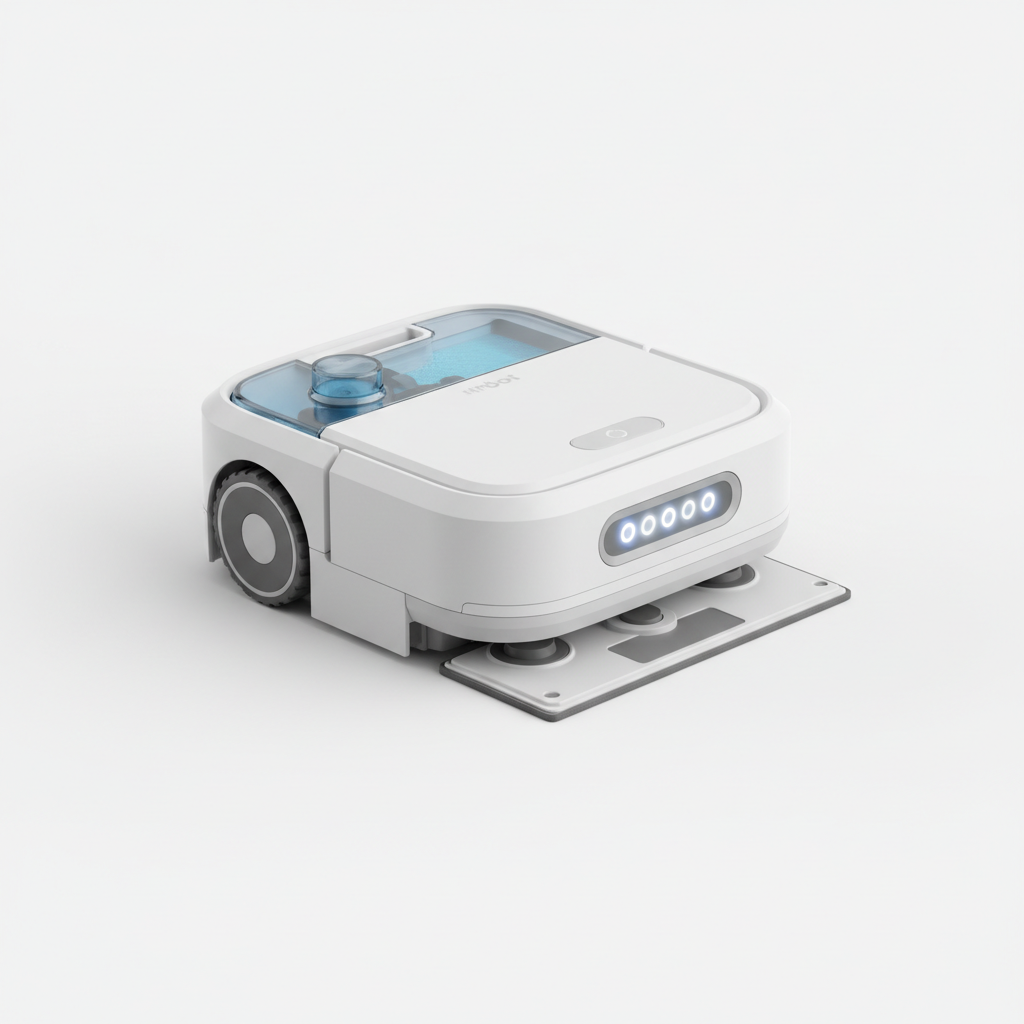
A robot mop is a dedicated hard-floor cleaner that wets, agitates and lifts dried spills and grime without you pushing a bucket around. It is a narrower, more specialised machine than a vacuum-mop combo, and for homes with mostly tile, hardwood or vinyl it often produces a genuinely cleaner floor. Here is how the mechanics differ and what to look for.

Published 15 August 2026 ยท Cleaning Robots editorial team

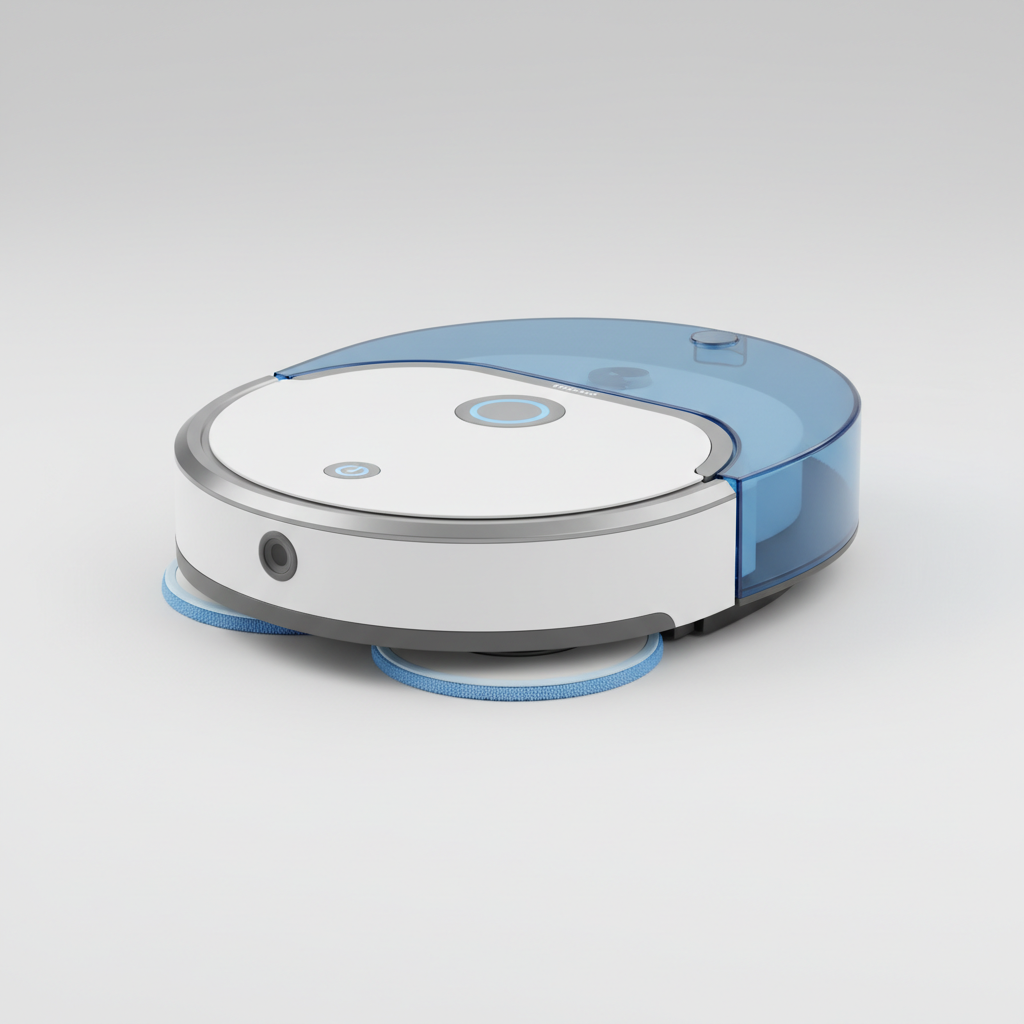
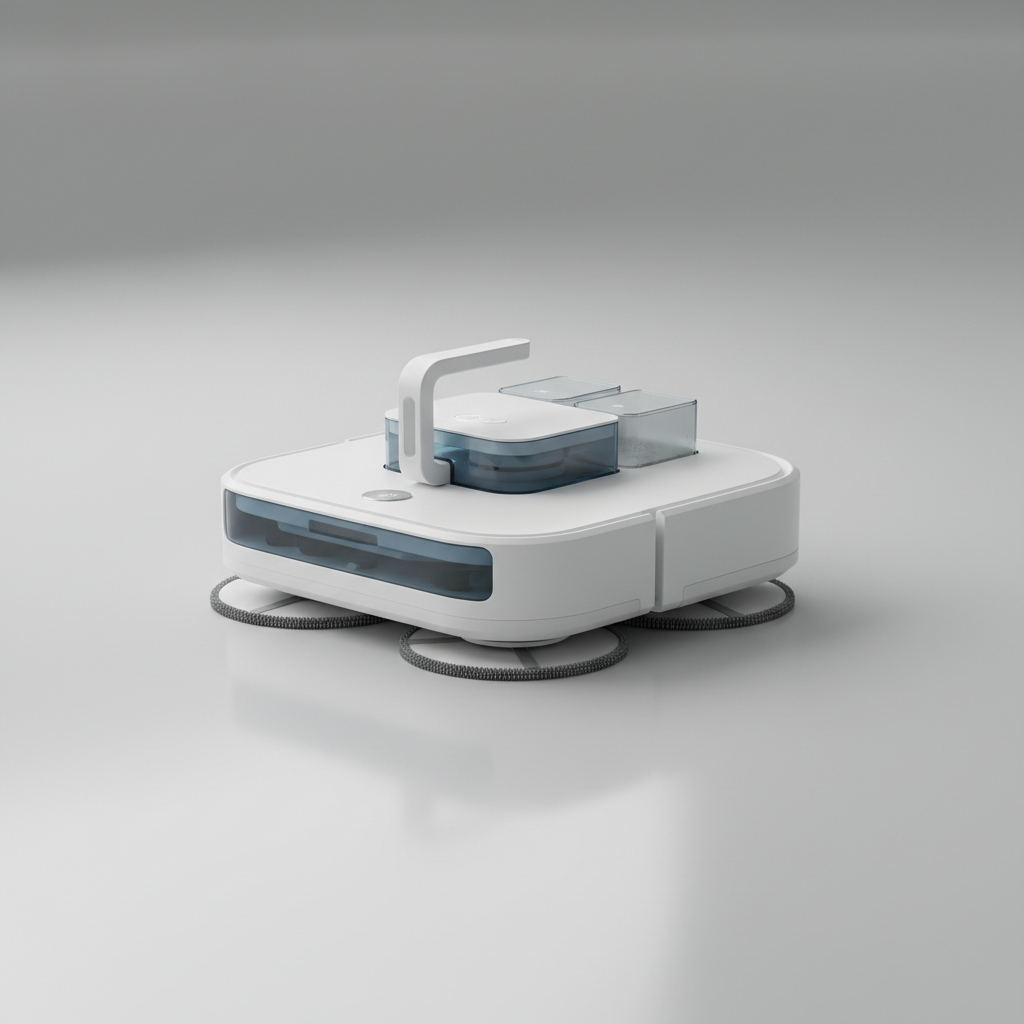
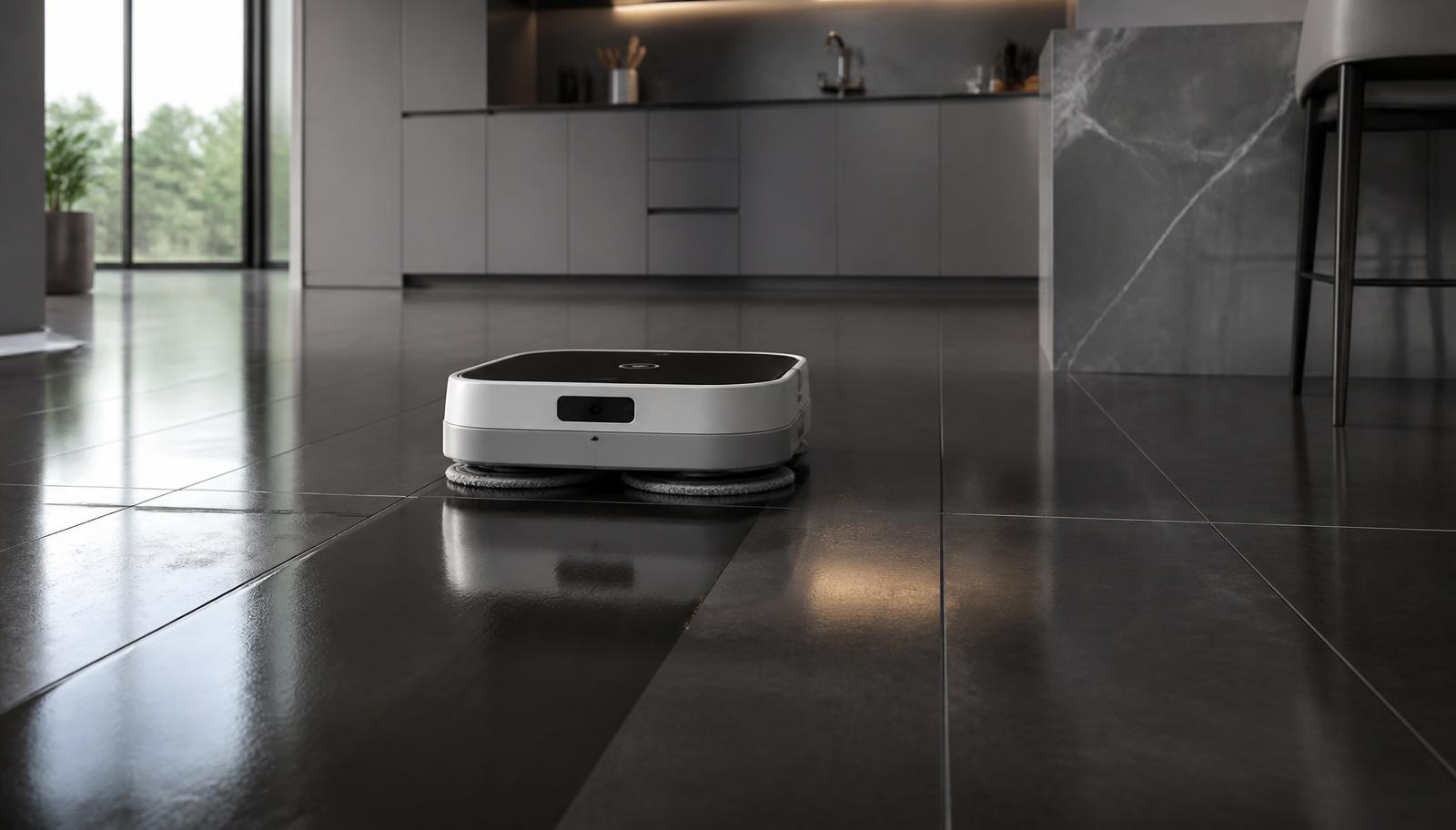
A robot mop with a dual spinning pad cleaning a large tiled kitchen floor, visible water sheen behind it. Image by www.CleaningRobots.Online.
Dedicated robot mops carry larger water tanks and stronger pads than combo units, built purely for hard floors.
Advertisement

How a dedicated robot mop differs from a combo

A robot mop is built exclusively for hard floors: tile, sealed hardwood, laminate, vinyl and stone. Unlike a vacuum-mop combo, it carries no suction motor or brush roll, which frees up chassis space for a larger water tank โ€” typically 200-350 ml onboard, or several litres when paired with a self-refilling dock. That extra water and a dedicated pump means a robot mop can sustain genuine wet mopping for 90-120 minutes, considerably longer than the light dampening most combo units manage before their small tank runs dry.

The trade-off is coverage: a robot mop cannot vacuum first, so any loose debris, crumbs or pet hair on the floor gets pushed around or smeared rather than lifted. For that reason most owners either vacuum first with a separate robot or run a dedicated mop only on floors that see food and drink spills rather than dry dust.
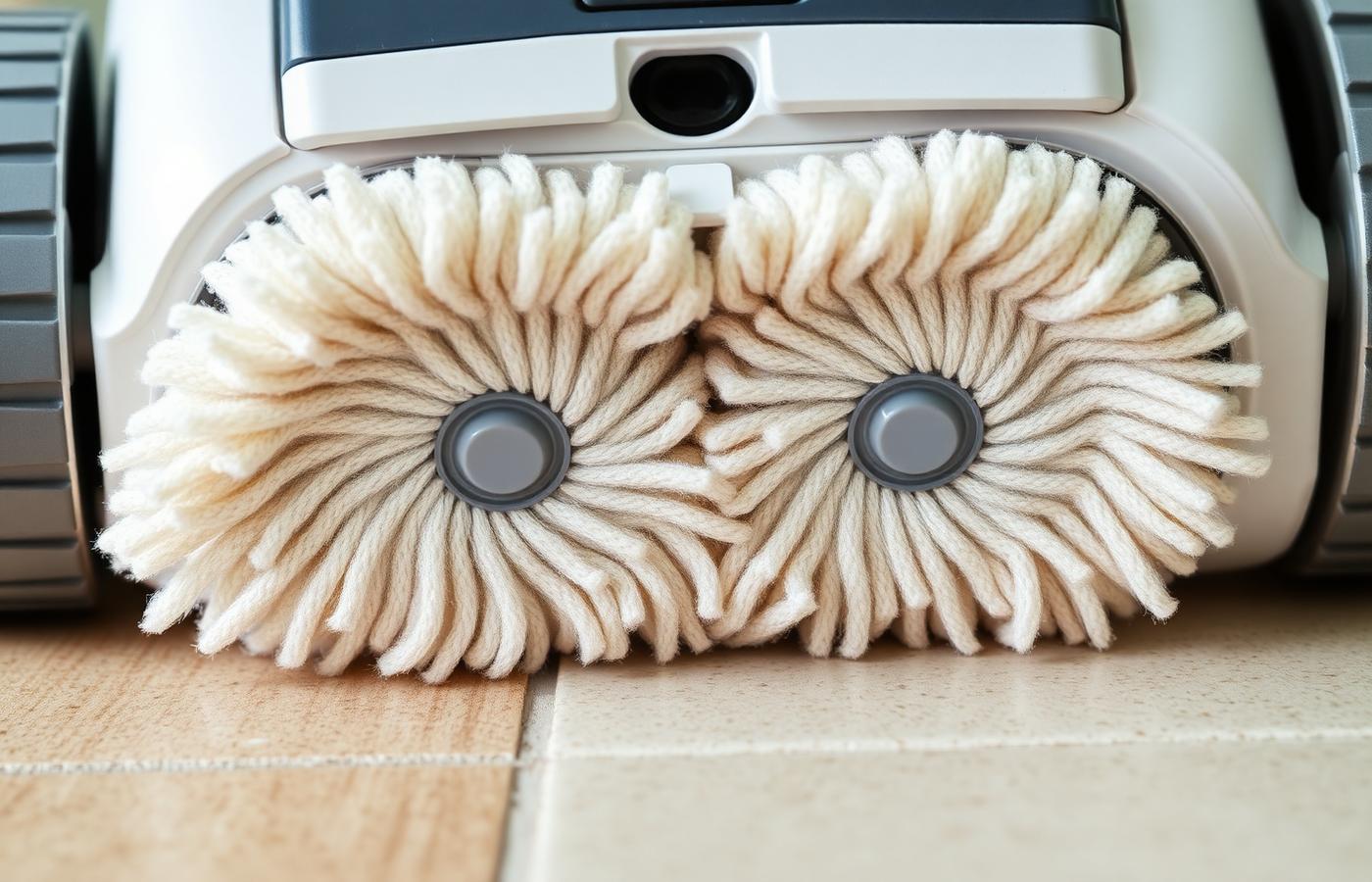
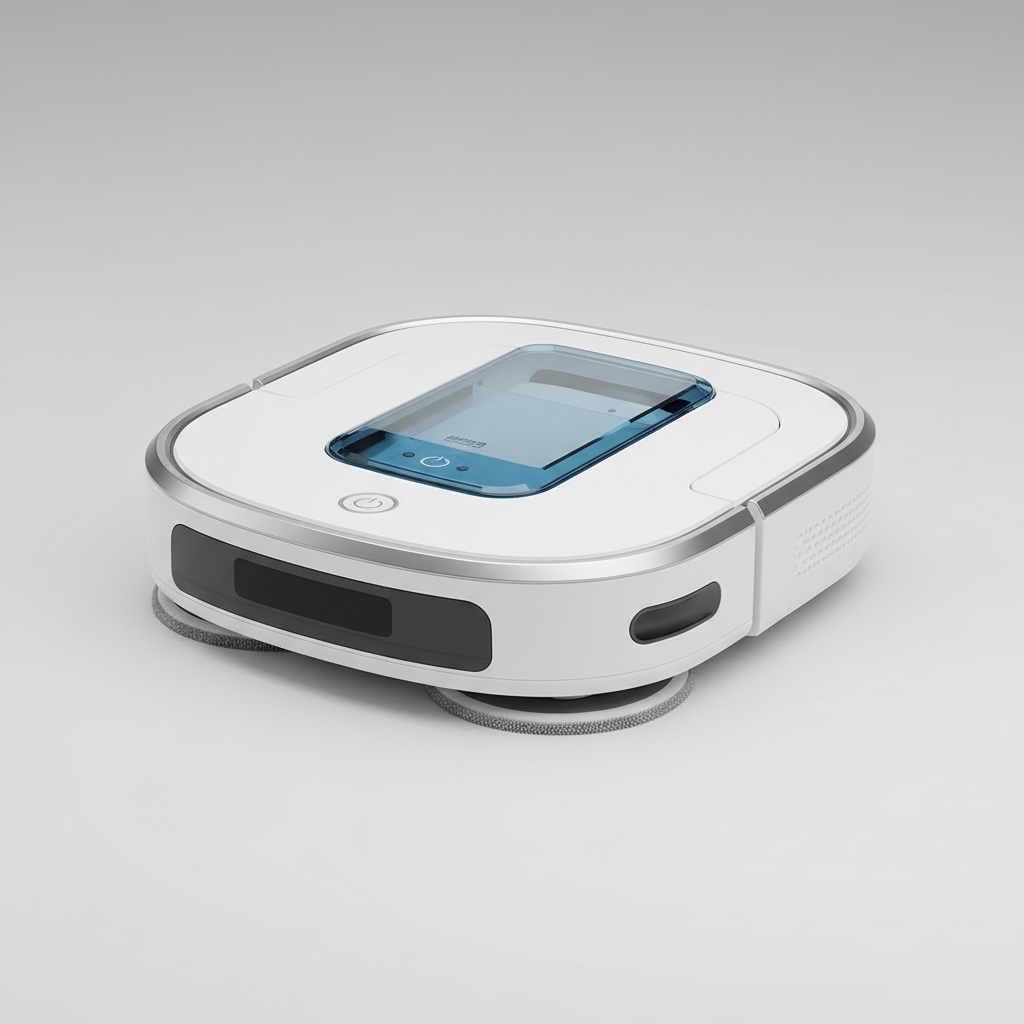
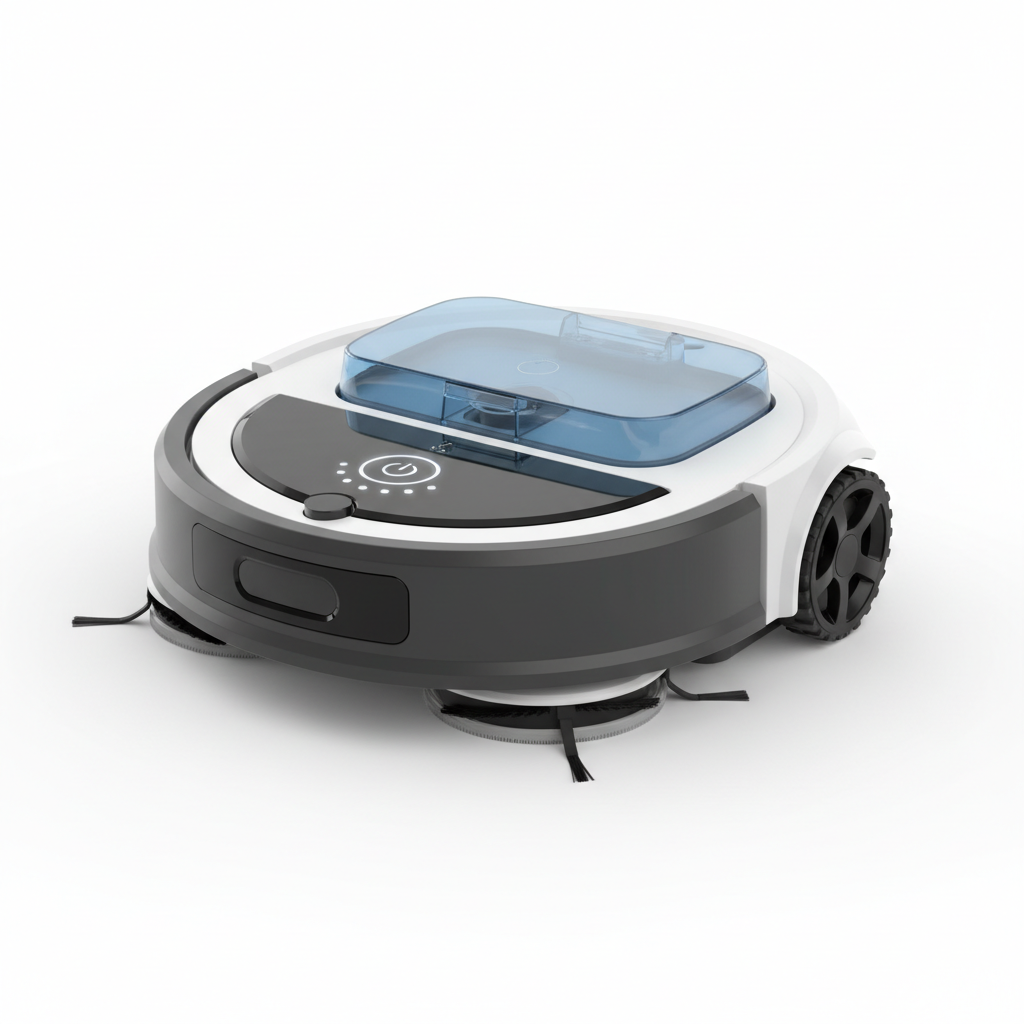
Close-up of a robot mop's rotating microfibre pads pressing down and scrubbing a stained tile floor. Image by www.CleaningRobots.Online.
Rotating pads spin at up to 180-200 rpm, generating genuine scrubbing friction rather than just dragging a wet cloth.

Vibrating pads vs rotating pads

Two mechanisms dominate the category. Vibrating (oscillating) mops shake a flat pad back and forth up to 3,000 times a minute, applying steady downward pressure โ€” some models exceed 6 N (newtons) of force โ€” which works well on dried, stuck-on spills like fruit juice or sauce. Rotating mops spin one or two circular pads at 150-200 rpm, producing a genuine scrubbing action closer to a manual scrub-brush motion, which tends to outperform vibration on greasy kitchen floors and grout lines.

A smaller number of premium models combine both: a rotating pad with an additional vibration or edge-extension arm that reaches right up to skirting boards. Whichever mechanism, check whether the robot lifts its pads automatically when it crosses onto carpet or rugs โ€” models without this will simply soak a rug as they cross it.
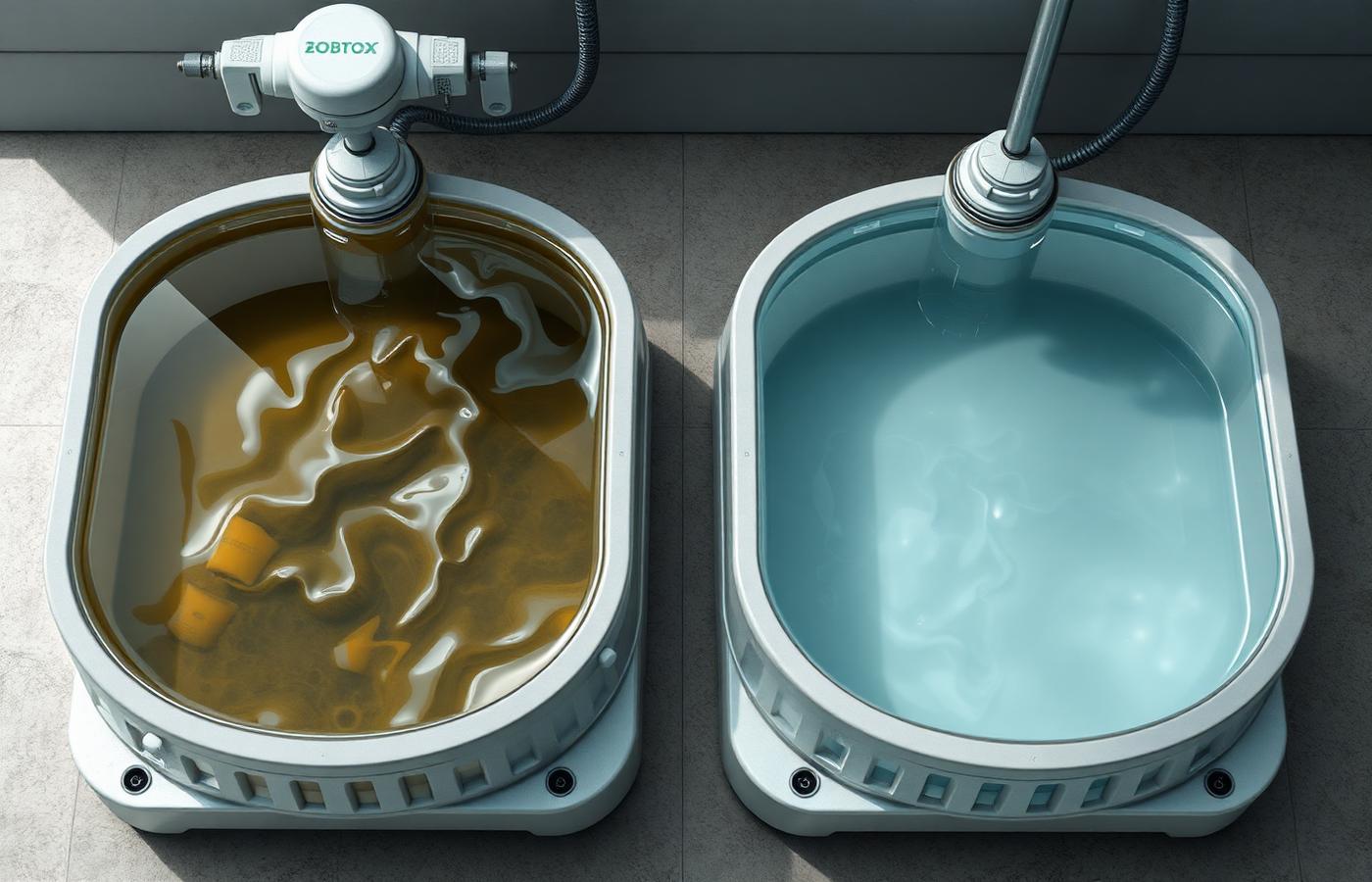
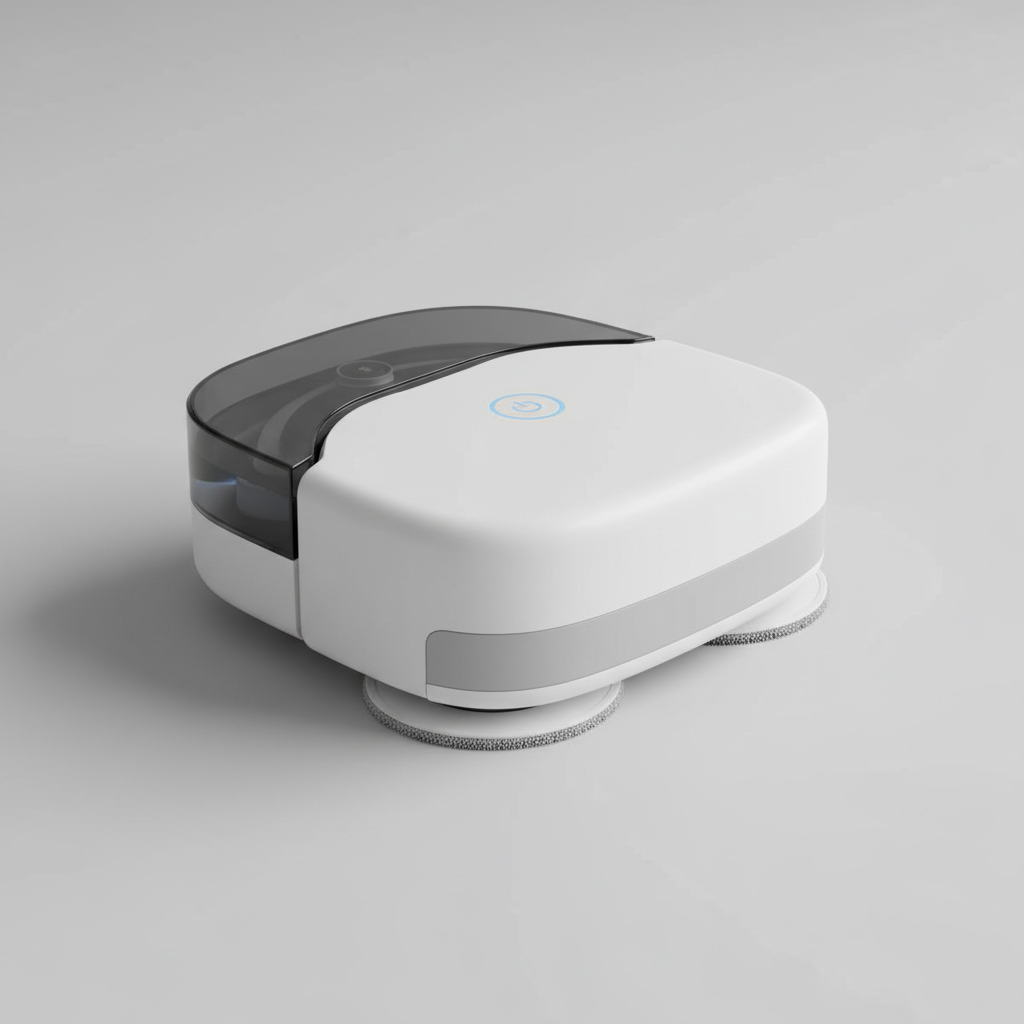
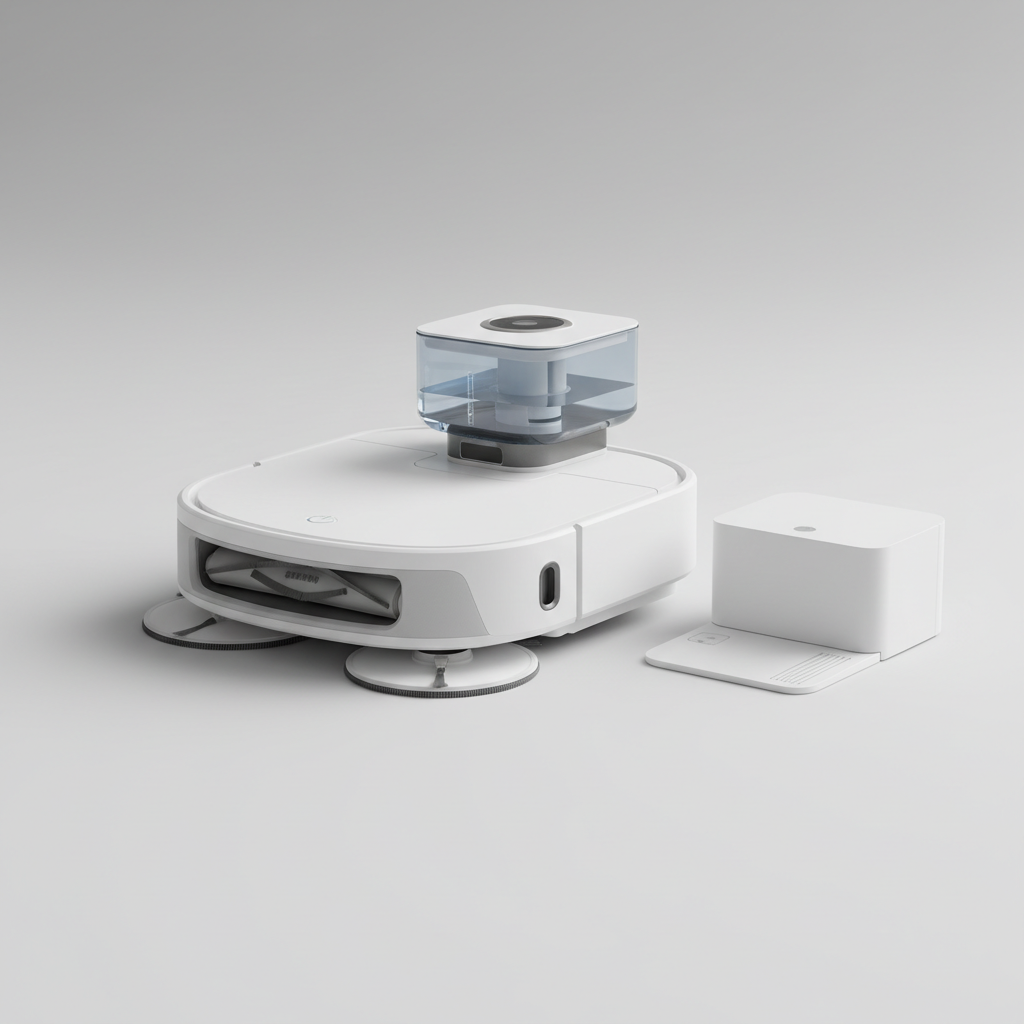
A robot mop docked at its base station being refilled with clean water automatically. Image by www.CleaningRobots.Online.
Self-washing docks refill the clean tank and rinse the pads between rooms, extending unattended run time.

Water tanks, docks and self-cleaning

Entry-level robot mops at $200-$350 use a manually filled onboard tank and require you to rinse the pad by hand after each run. Mid-range models at $400-$700 add a self-cleaning dock that rinses pads with clean water and captures the dirty runoff after each cycle, letting the robot mop repeatedly without you touching a pad. Flagship units at $800-$1,200 add hot-water pad washing (typically 40-75ยฐC) and hot-air drying, which materially reduces the mildew smell that plagues mop pads left damp in a dock overnight.

Tank capacity governs coverage per fill: a 300 ml onboard tank typically covers 60-80 mยฒ before needing a refill, while a docked system with a 3-4 litre reservoir can run several sessions across a whole single-storey home unattended.
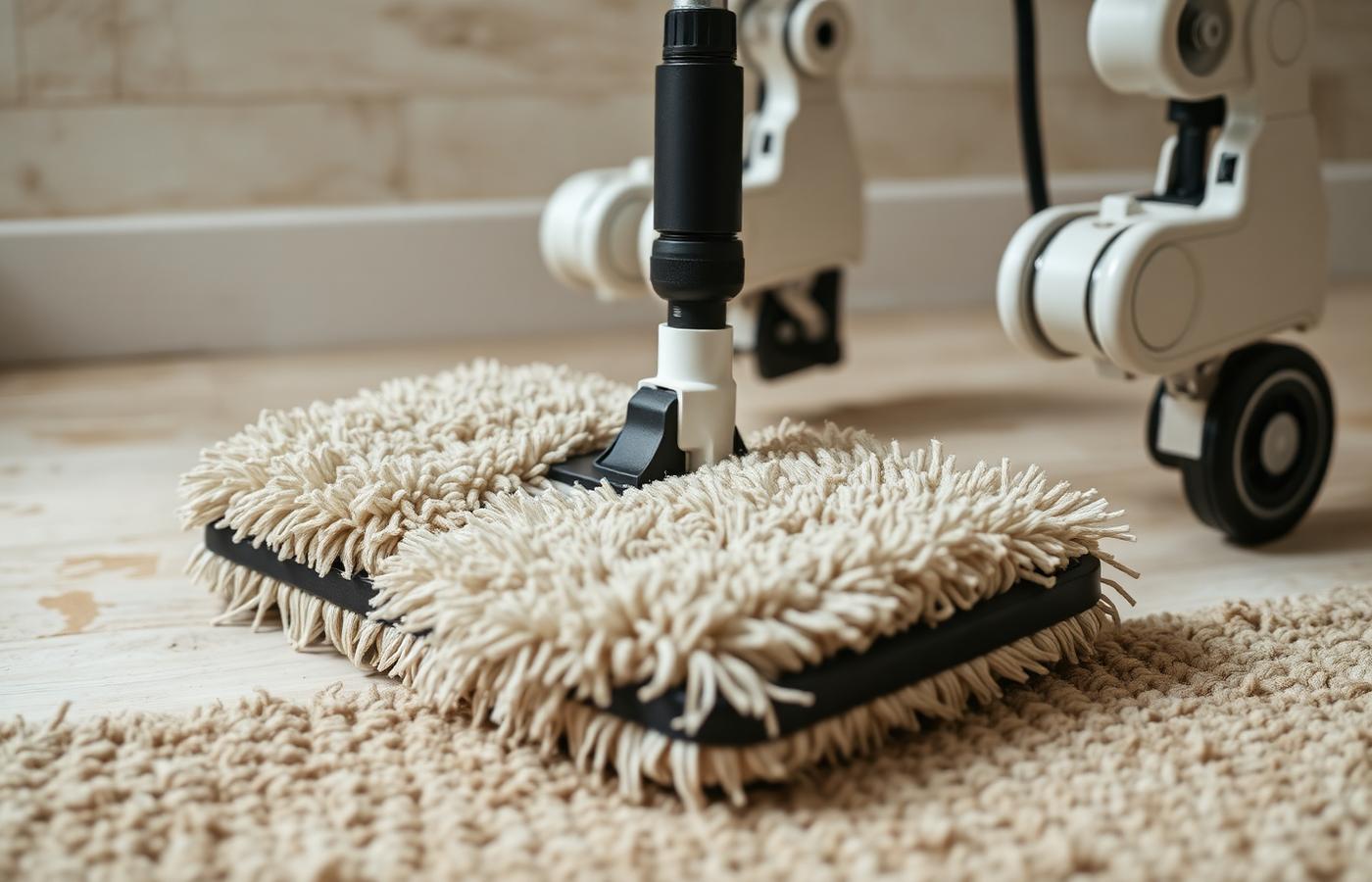
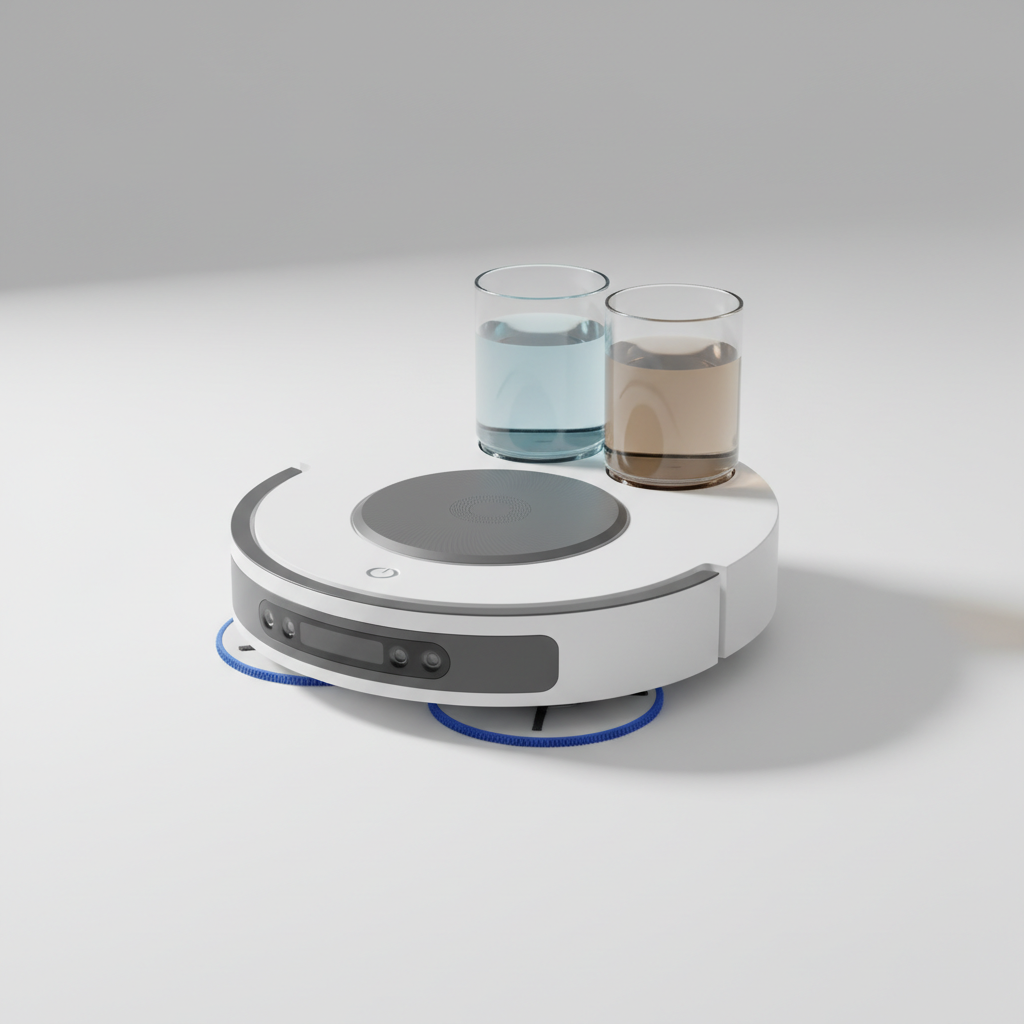
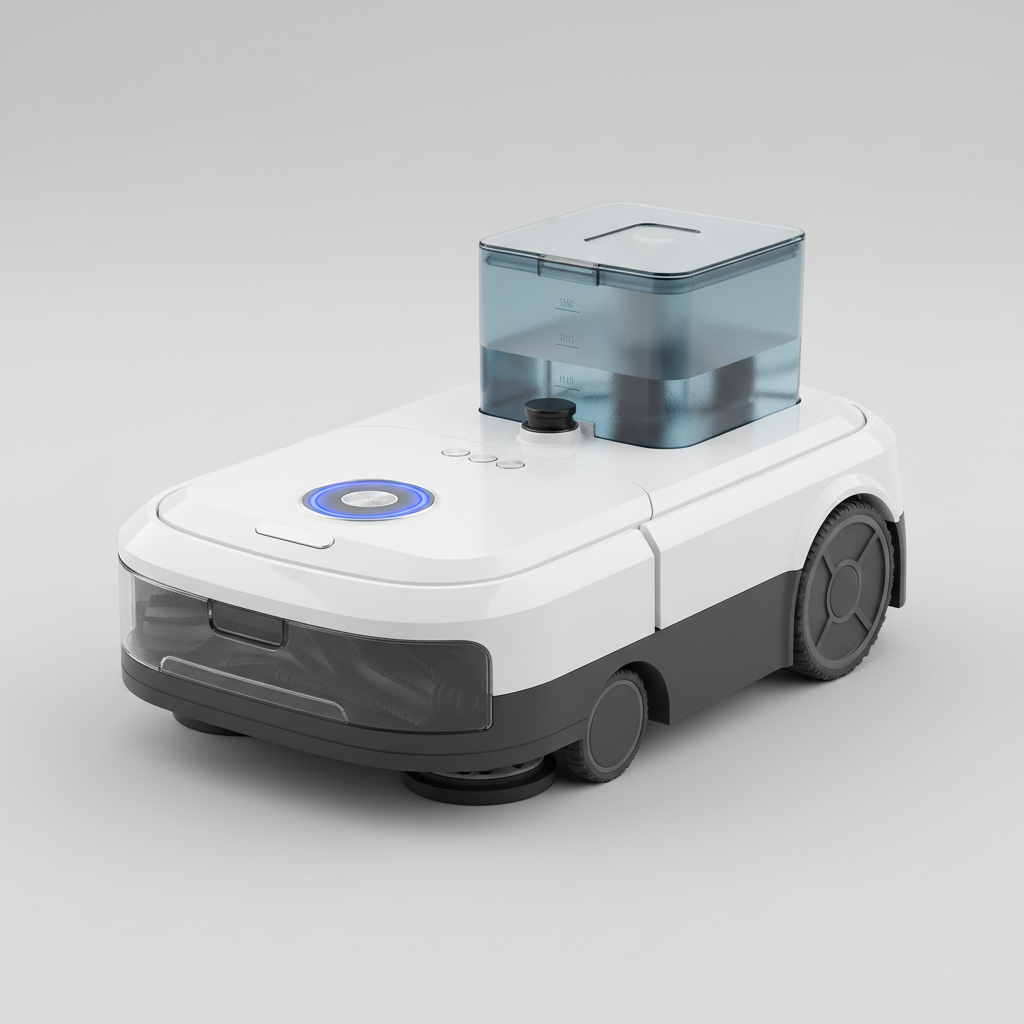
A robot mop navigating around kitchen chair legs on a hardwood floor using front sensors. Image by www.CleaningRobots.Online.
Edge-detection sensors let the mop hug skirting boards and cabinet toe-kicks without soaking timber trim.

Cleaning solution, hygiene and maintenance

Most manufacturers sell a proprietary floor cleaning solution that mixes automatically with tank water at a set ratio; plain water works too but a mild pH-neutral solution improves grease-cutting on kitchen floors. Pads should be replaced every 2-3 months of regular use โ€” a worn pad loses texture and starts smearing rather than lifting grime. Budget $15-$30 for a two-pack of replacement pads.

Hygiene is the main maintenance concern: a damp pad left in a warm dock is an ideal environment for bacteria, so hot-air drying or a manual pad swap after each session matters more for a robot mop than it does for a vacuum.

Who should buy a dedicated mop

A dedicated robot mop suits homes that are largely hard floor โ€” kitchens, bathrooms, open-plan living areas โ€” where genuine wet cleaning and stain removal matter more than picking up dust and hair. Households with mostly carpet, or with pets shedding heavily, are usually better served by a vacuum-mop combo or a two-robot setup: vacuum first, mop second. If your floors regularly need actual scrubbing rather than a light wipe, the extra water capacity and scrubbing force of a dedicated mop is the better investment.
Frequently asked questions

Can a robot mop replace vacuuming?
No. A robot mop has no suction, so loose dust, crumbs and hair are smeared rather than lifted. Vacuum first, either with a separate robot vacuum or by hand, then mop.
Will a robot mop soak my rugs?
Better models detect carpet and rugs and automatically lift their pads or divert around them. Cheaper models without this sensor should be kept out of rooms with rugs using virtual no-go zones.
How often should mop pads be replaced?
Every 2-3 months of regular use is typical. A pad that has lost its texture will smear dirty water rather than lift it, so replace it as soon as cleaning performance drops.
Are rotating pads better than vibrating pads?
Rotating pads generally scrub greasy and grouted floors more effectively; vibrating pads apply strong, steady downward pressure that suits dried, stuck-on spills. Some premium models use both.
Do self-cleaning docks actually prevent odour?
Hot-water rinsing and hot-air drying meaningfully reduce mildew smell versus a cold-water rinse or a pad left damp overnight, but pads still need periodic manual washing and replacement.
Advertisement

All our Robot Mops โ€” 10 models reviewed

Every model we cover in this category, ranked with specs, pricing and honest pros and cons.

See the full Robot Mops category

Related robot categories

Read our other Full Feature Articles

Outdoor Cleaning RobotsThe Robot Pool Cleaner Buying Guide: What Actually MattersCordless vs Corded Robot Pool Cleaners: Which Suits Your PoolSolar Pool Skimmer Robots: What They Do and Their LimitsLiDAR vs vSLAMRobot Lawn Mowers Without Boundary Wire: How They NavigateSelf-emptying robot vacuum systems explainedThe Robot Vacuum Buying Guide: What Actually Matters in 2026Are Vacuum Mop Combo Robots Worth It in 2026?Self Cleaning Litter BoxThe Best Robot Vacuum for Pet Hair in a Shedding HouseholdThe Robot Window Cleaner Guide: How They Work and Who Needs OneThe Grill Cleaning Robot Guide: How They Work and What They CostHome Assistant Robots for Elder Care: A Practical GuideChoosing a Robot Mower for Slopes and Large LawnsSecurity Patrol Robots for Home and Business: What to KnowHow a flying delivery drone actually gets a parcel to your doorDrone Delivery Regulations Worldwide: A Country-by-Country OverviewHow a Food Delivery Robot Gets Your Order to Your DoorCommercial Floor Scrubbing Robots: What They Cost and How They WorkWarehouse Lifting Robots: Cutting Manual Handling Injuries on the FloorWorkplace Safety RobotsThe Complete Robot Vacuum Maintenance ChecklistSmart Home Cleaning Robot Integration, ExplainedThe Real Cost of Cleaning Robots, Beyond the Sticker PriceGutter Cleaning Robots Explained: How They Work, What They CostThe Best Gutter Cleaning Robot for 2026: A Buyer's ShortlistiRobot Looj Alternatives: What to Use Now for Gutter CleaningOutdoor Sweeper Robots: Keeping Driveways and Paths Clear Automatically

30 full feature articles published ยท browse them all