What a food delivery robot actually is
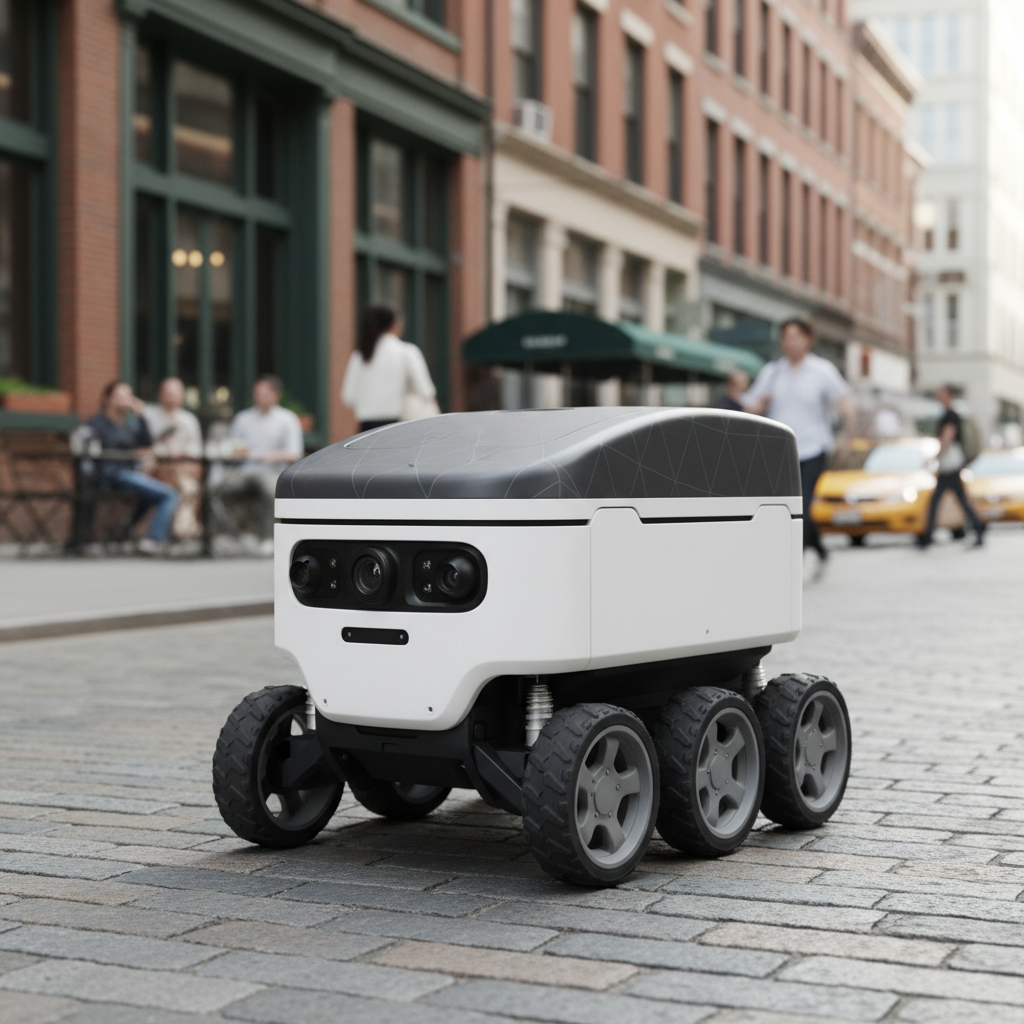
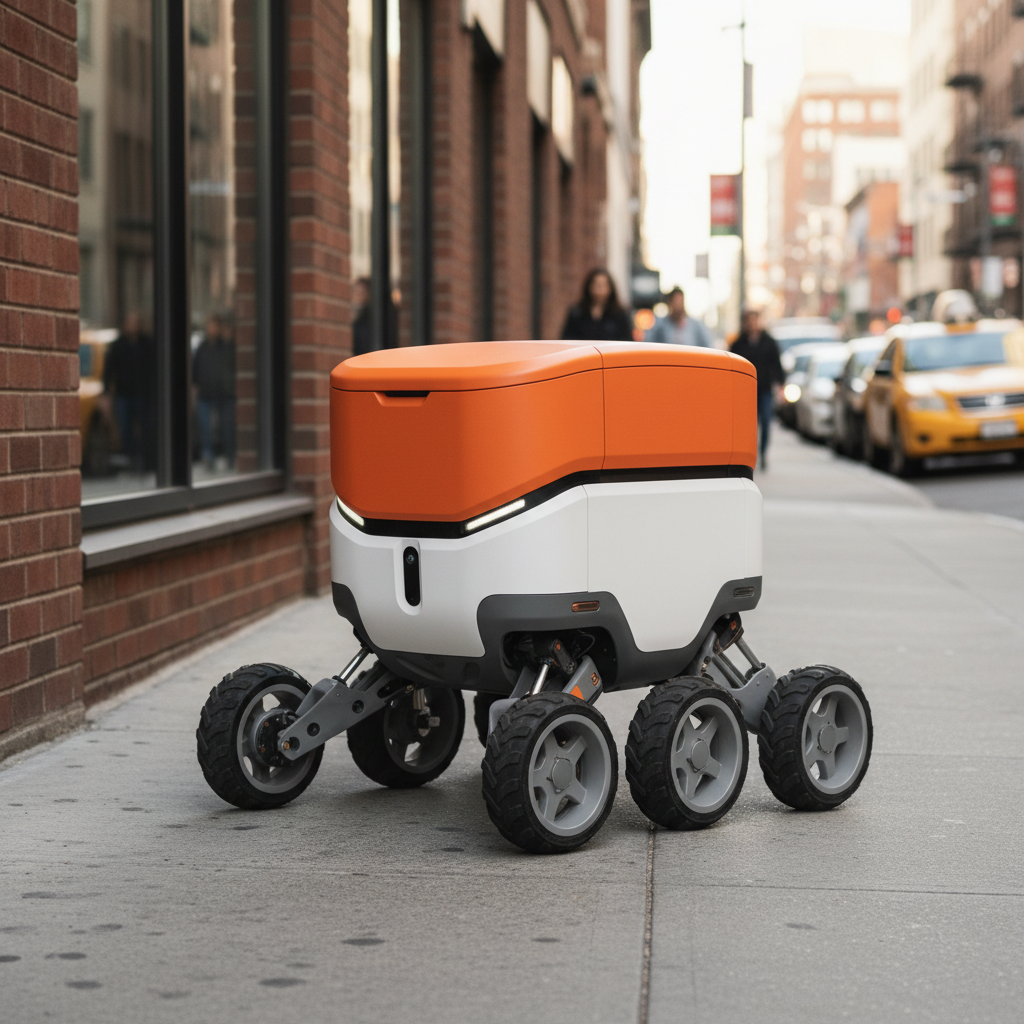
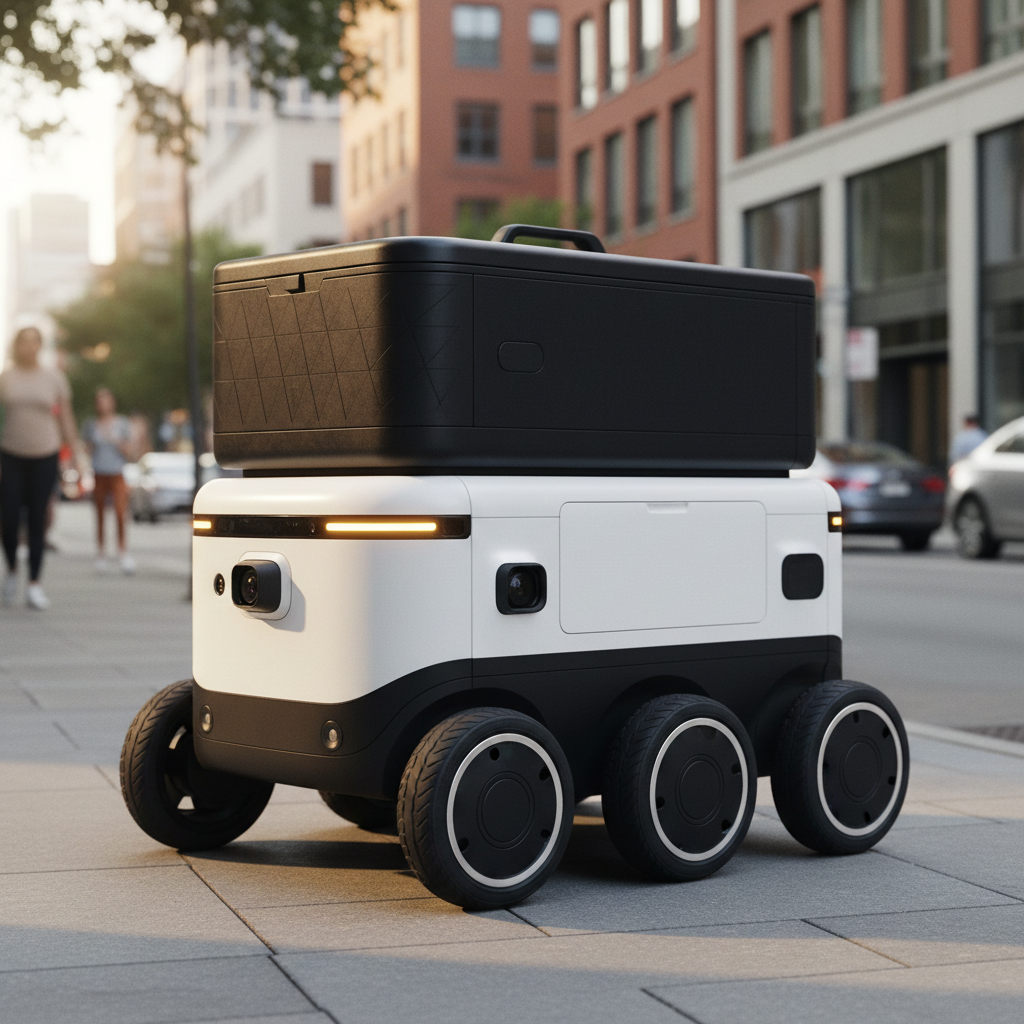
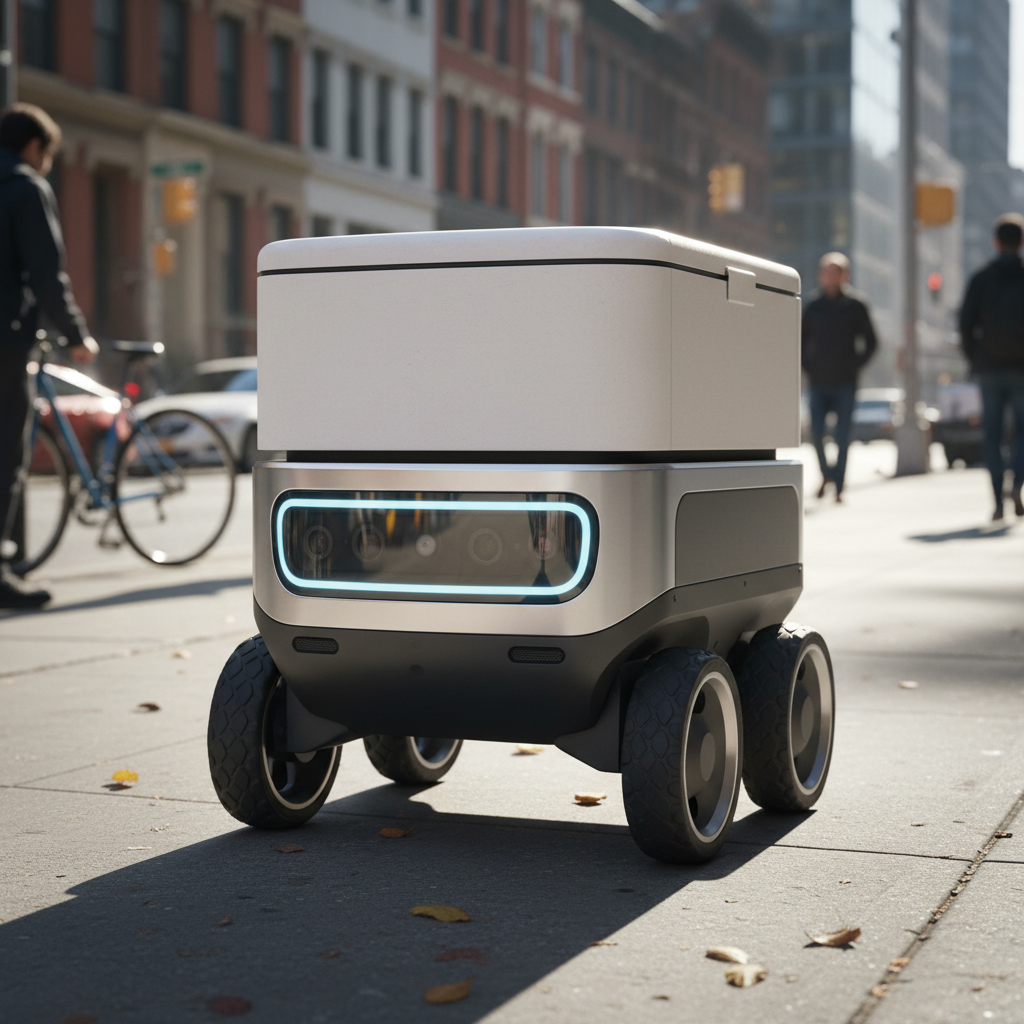
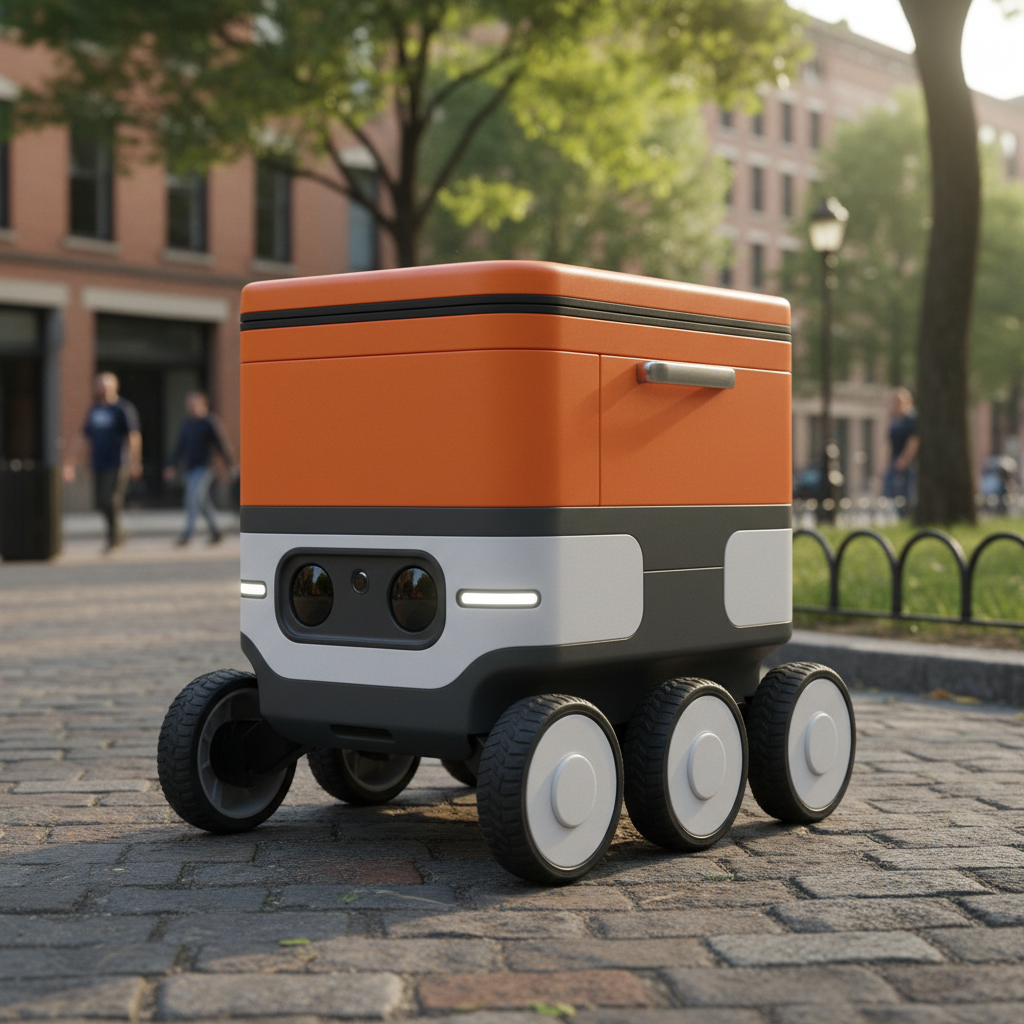
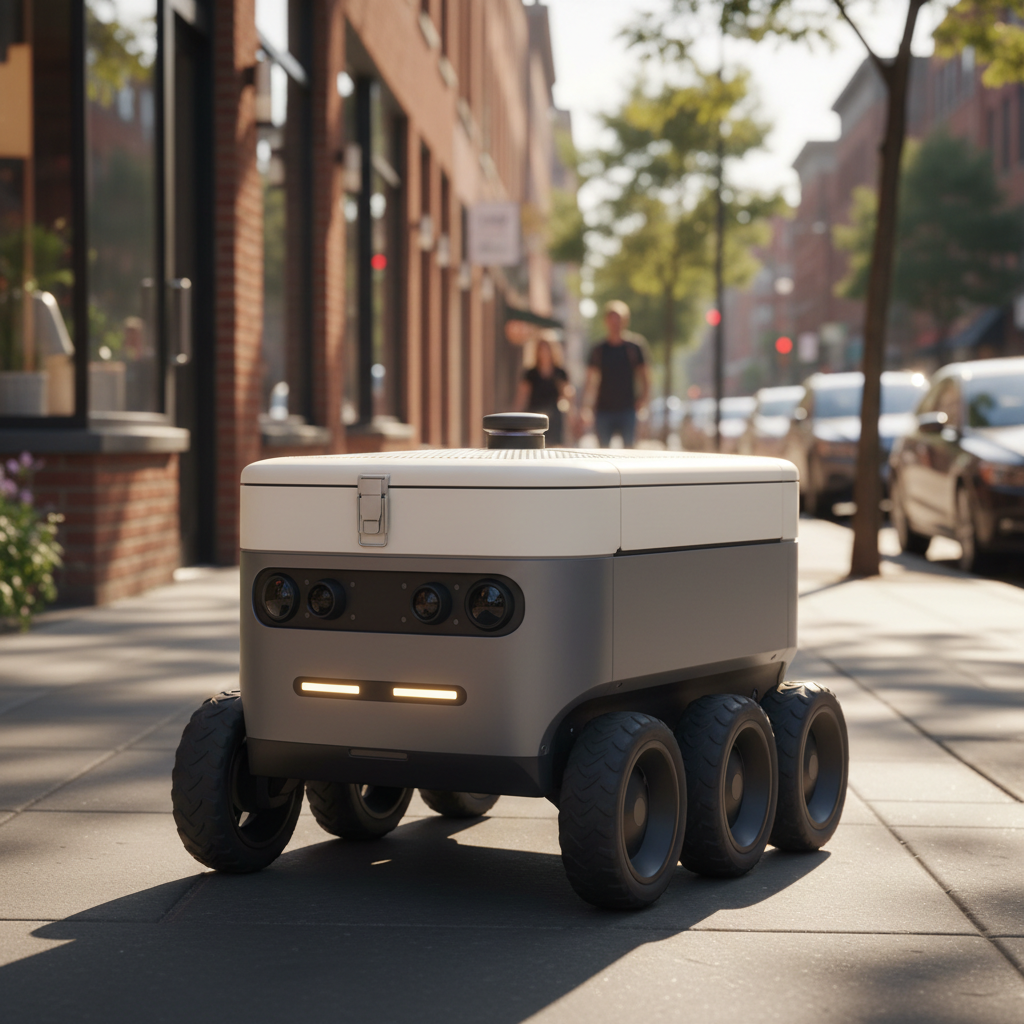
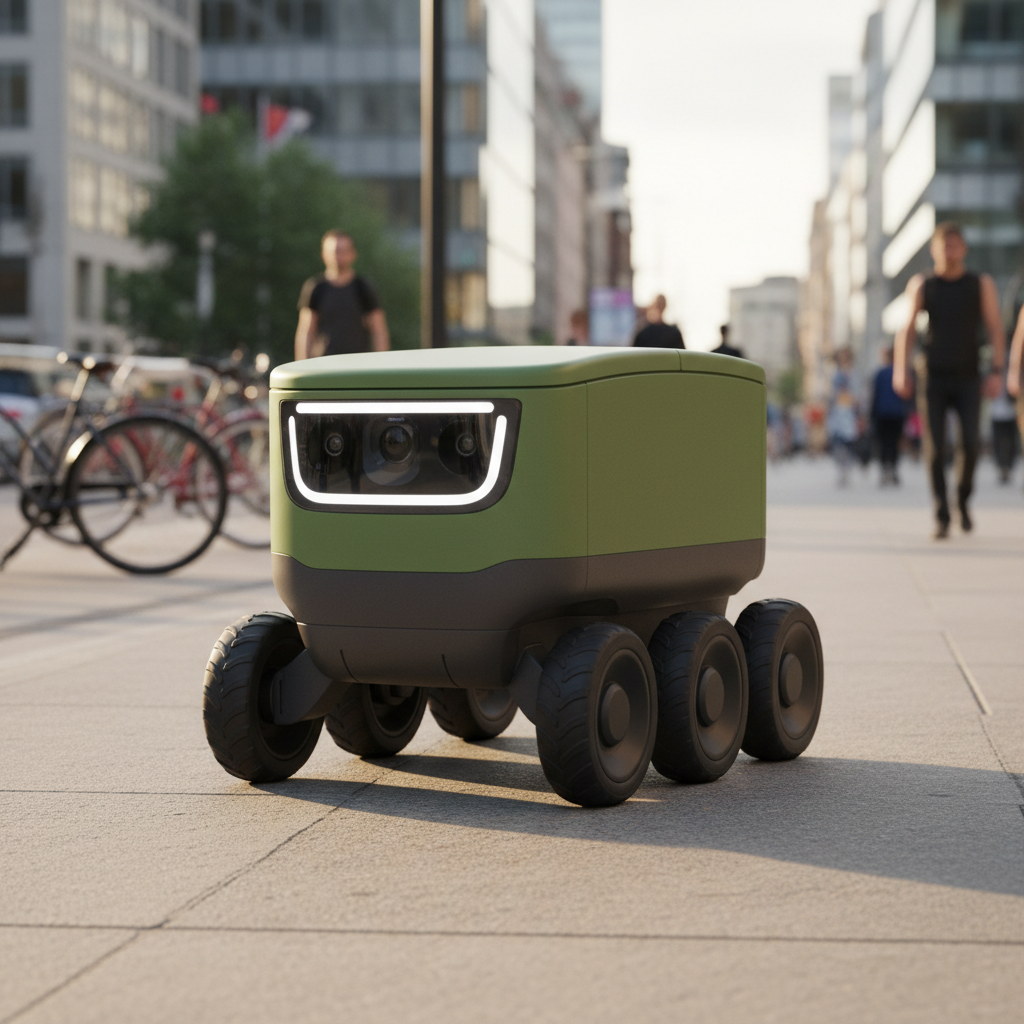
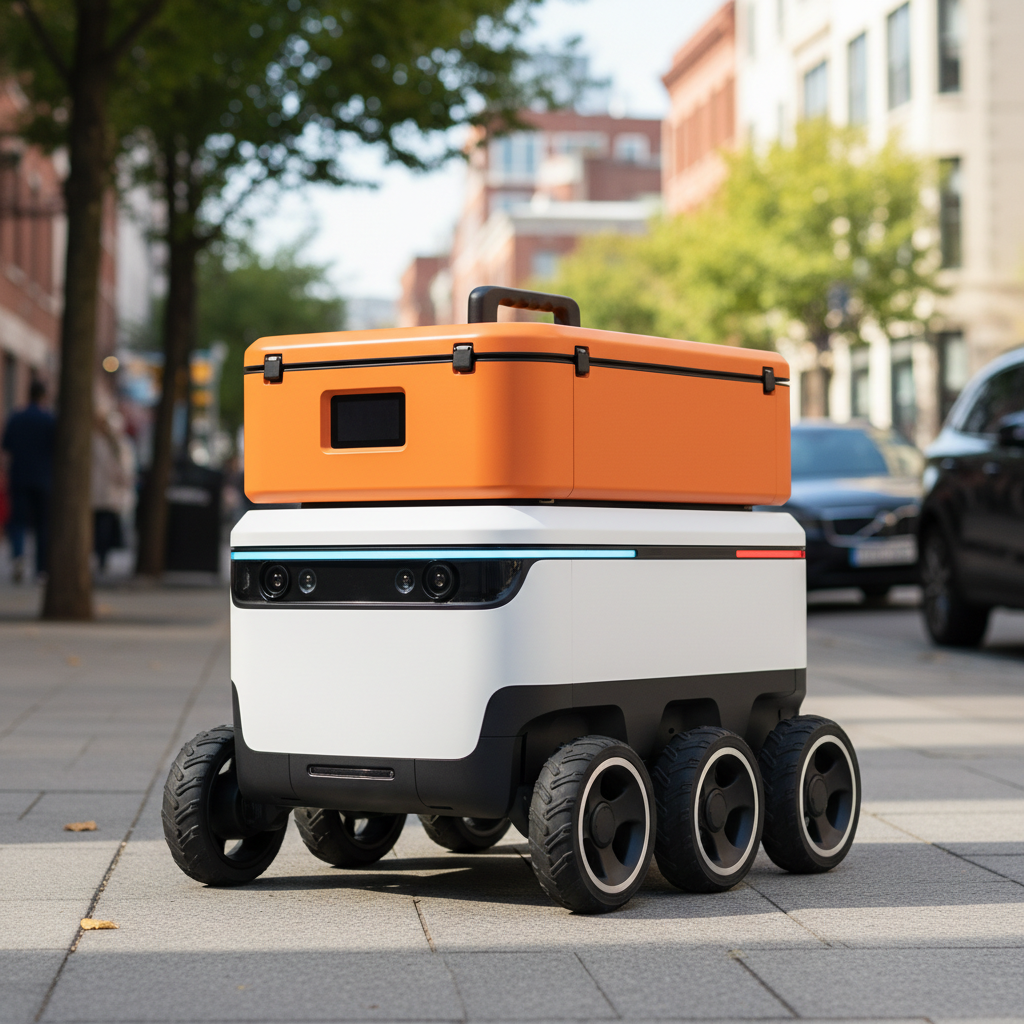
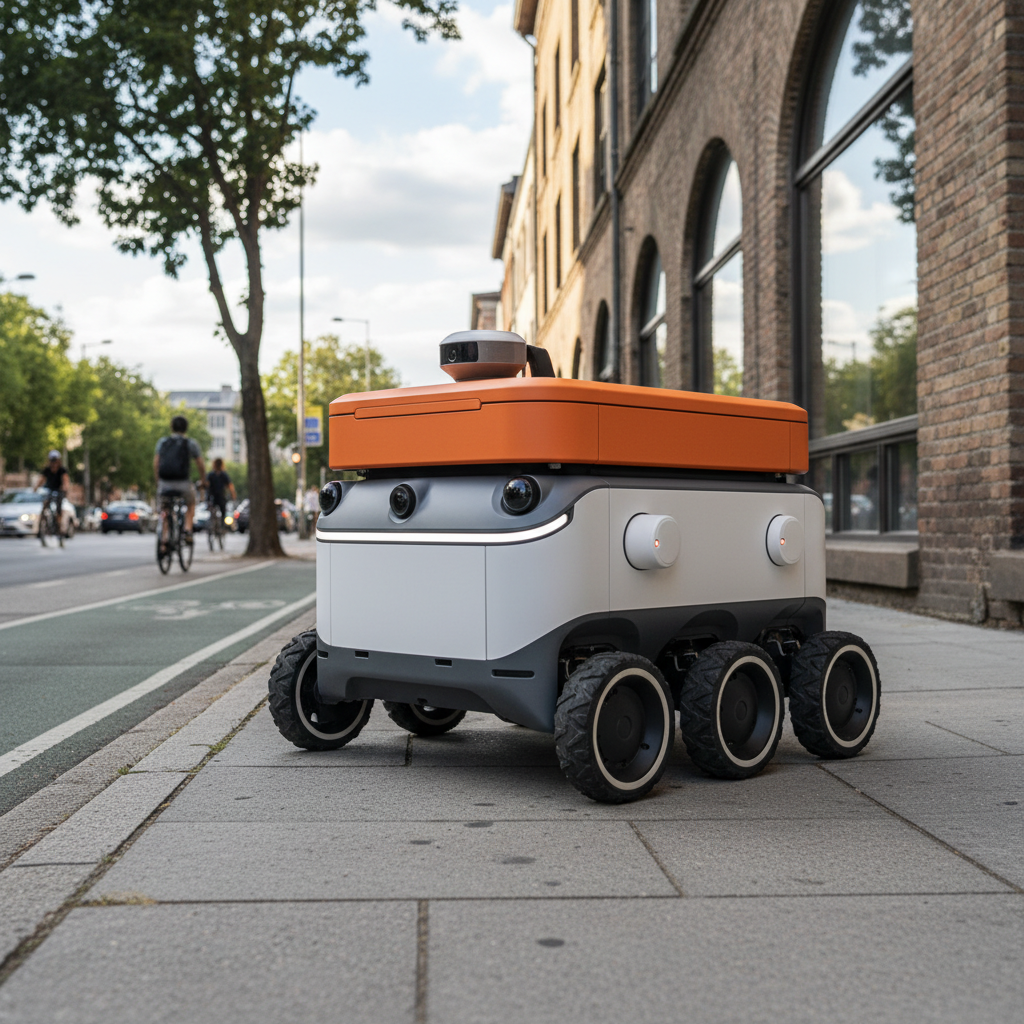
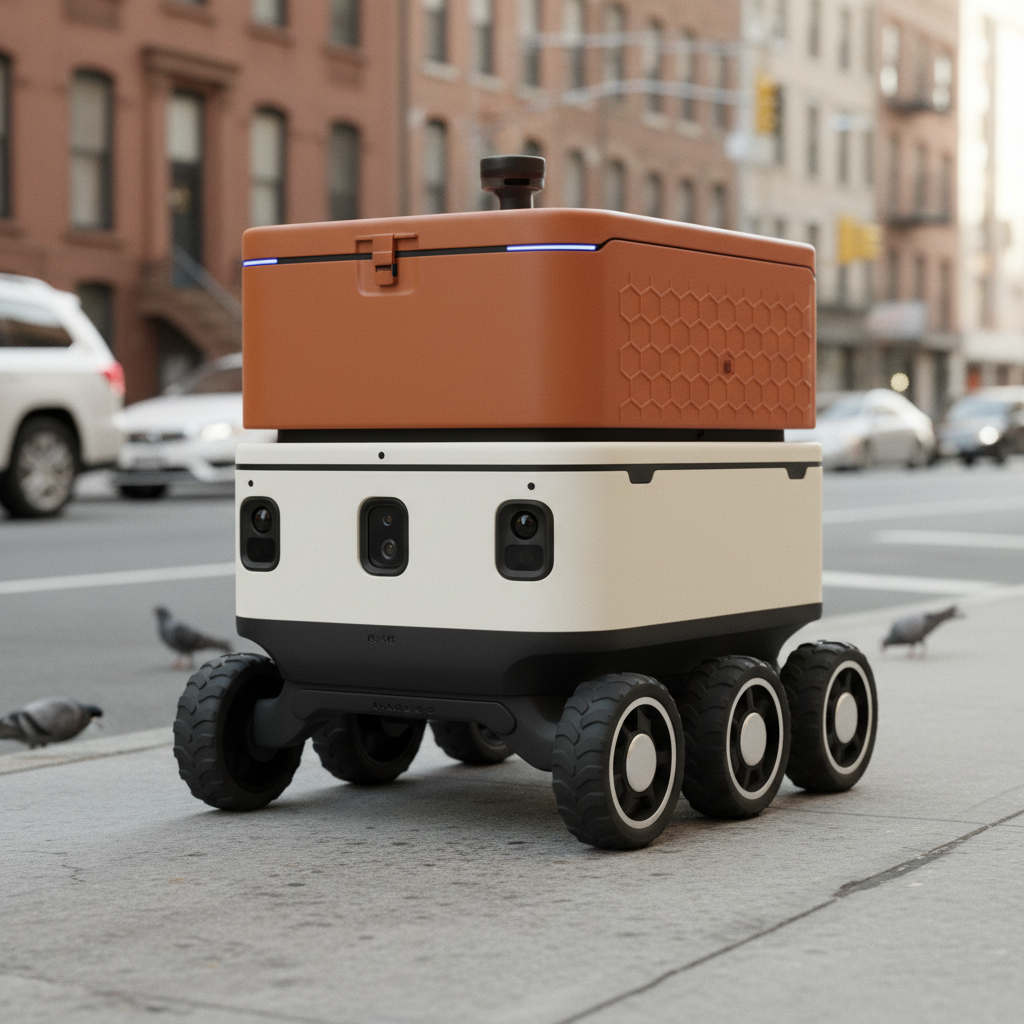
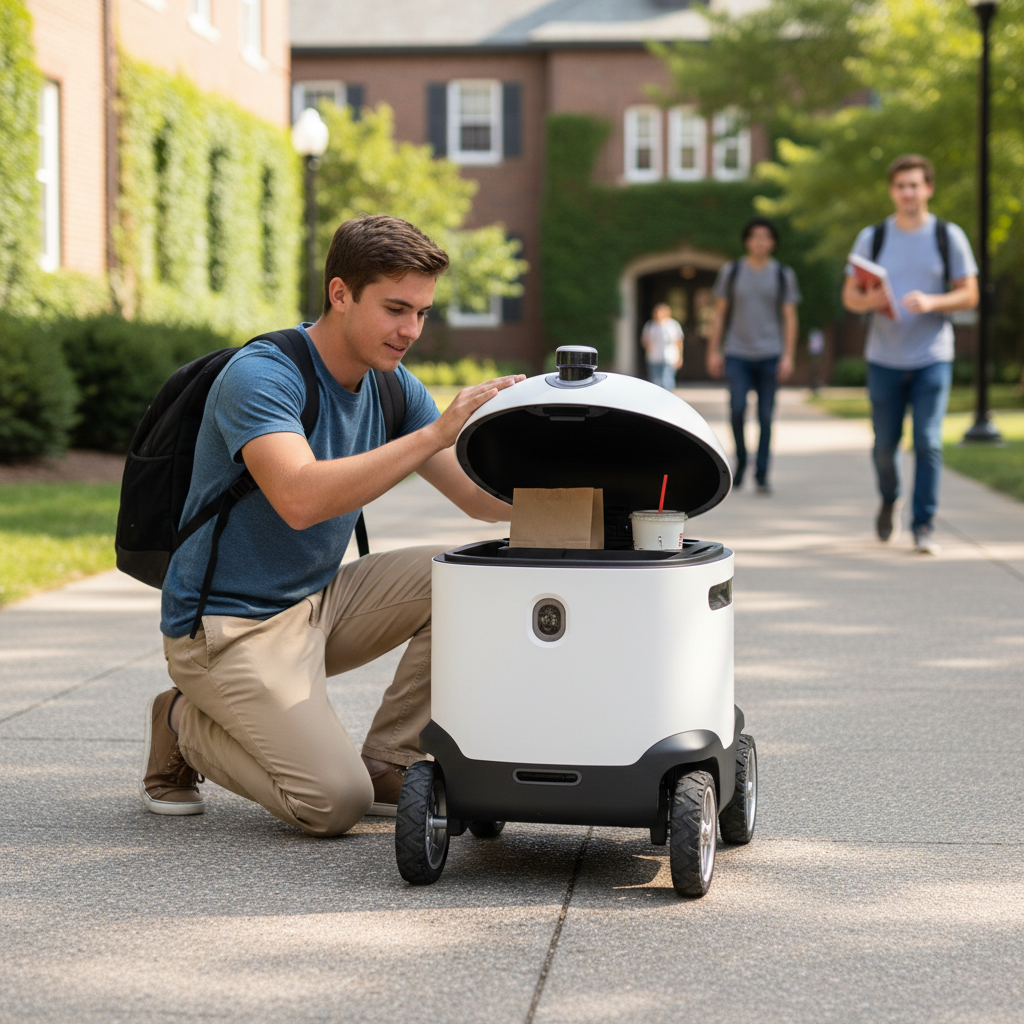
A food delivery robot is a battery-powered, wheeled vehicle, usually about the size of an esky, that travels on footpaths rather than roads to bring an order from a restaurant or store to a customer's door. Most units use six small wheels for stability over kerbs and uneven paving, travel at a walking pace of roughly 5–6 km/h, and carry an insulated compartment split into one or two sections to keep hot and cold items separate. The compartment locks during transit and only unlocks for the recipient, usually via a code sent through an app or a tap-to-confirm step once the robot arrives at the address.
Unlike a flying delivery drone, a sidewalk robot does not require aviation approval, which is part of why it has scaled faster in some cities — the regulatory hurdle is closer to that of a motorised wheelchair or footpath vehicle than an aircraft.
How it finds its way
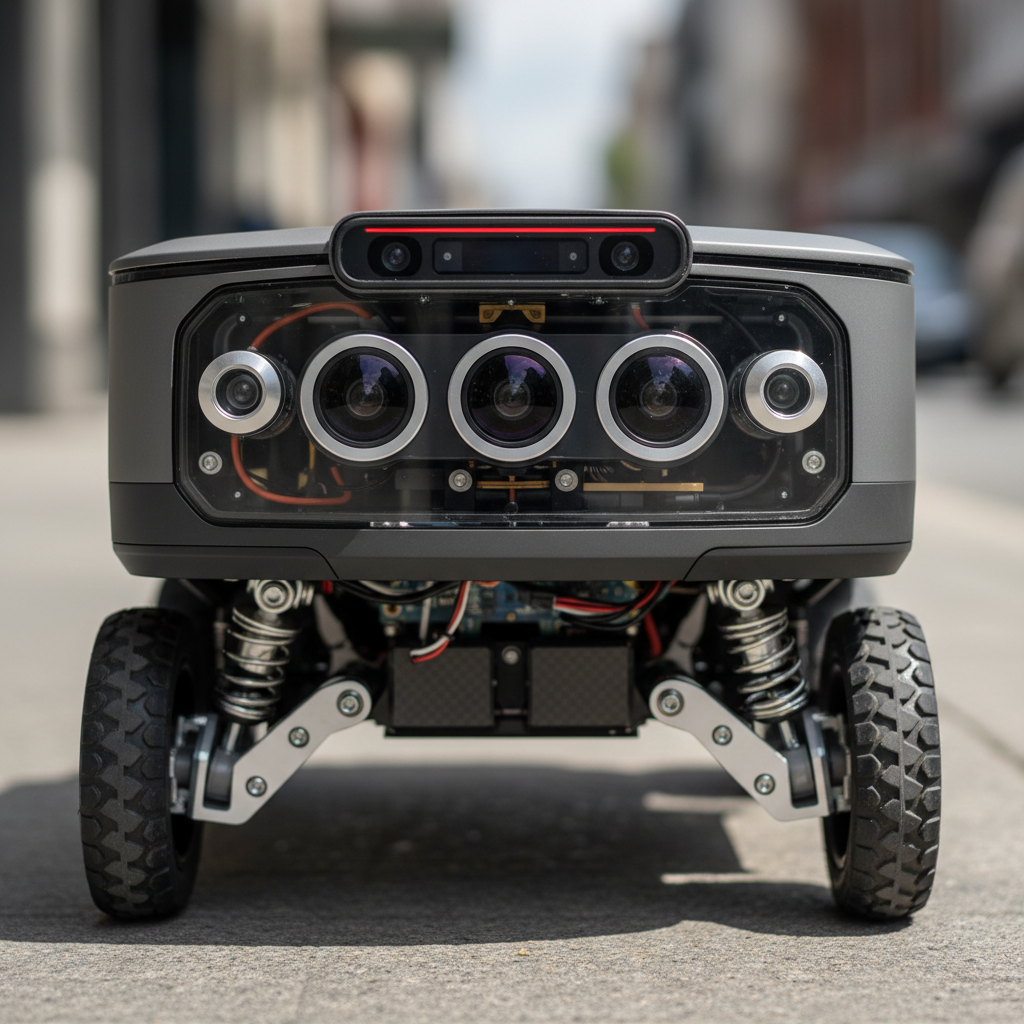
Navigation combines several sensor types: cameras for reading the footpath surface and spotting pedestrians, kerbs and obstacles; ultrasonic or short-range radar sensors for close-proximity obstacle avoidance; and GPS for coarse route planning between the pickup point and delivery address. A pre-built map of the service area, refined over repeated trips, lets the robot recognise fixed features like kerb cuts, driveways and pedestrian crossings rather than relying purely on live sensing.
Most operators keep a remote human supervisor monitoring a fleet of robots simultaneously, ready to take manual control if the robot encounters a genuinely confusing situation — a blocked path, an aggressive dog, or a pedestrian crossing it cannot safely interpret. This human-in-the-loop backup is standard across the industry rather than a sign the robot is failing at full autonomy; it is treated as a safety layer.
What it can and can't carry
Typical payload capacity sits between 10 and 25 kilograms, comfortable for one or two takeaway meals, a small grocery order or a parcel, but not for a full weekly shop or bulky items. The insulated compartment maintains temperature reasonably well over a short trip of a few kilometres, but it is not designed for long-haul delivery where food would need active heating or refrigeration over an hour or more.
Because the robot travels on public footpaths, most services operate within a defined radius of a partner restaurant or a depot, typically one to three kilometres, rather than across an entire city. Steep hills, unpaved paths, stairs and heavily obstructed footpaths outside this radius remain outside the robot's practical range.
Where it currently operates
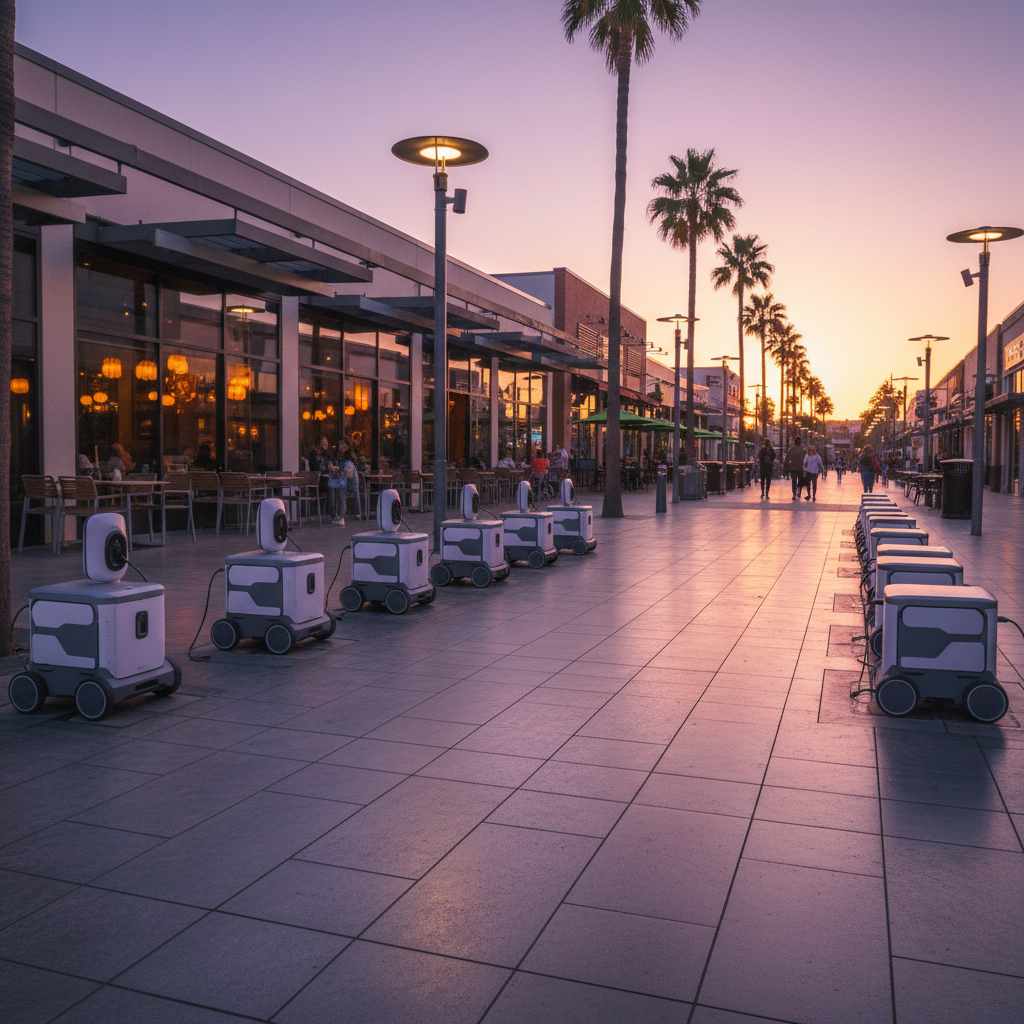
Sidewalk delivery robots operate under local council or state permits rather than a single national framework, and coverage remains patchy: pilot programs and limited commercial rollouts exist in specific university campuses, business districts and selected suburbs, mostly in the US, UK, parts of Europe and a small number of Asian cities. Australia has seen trials in select precincts, but nationwide, unrestricted sidewalk robot delivery is not yet common. Expansion depends on local footpath infrastructure, pedestrian density and each council's willingness to permit an unattended vehicle sharing space with pedestrians.
Safety, theft and etiquette
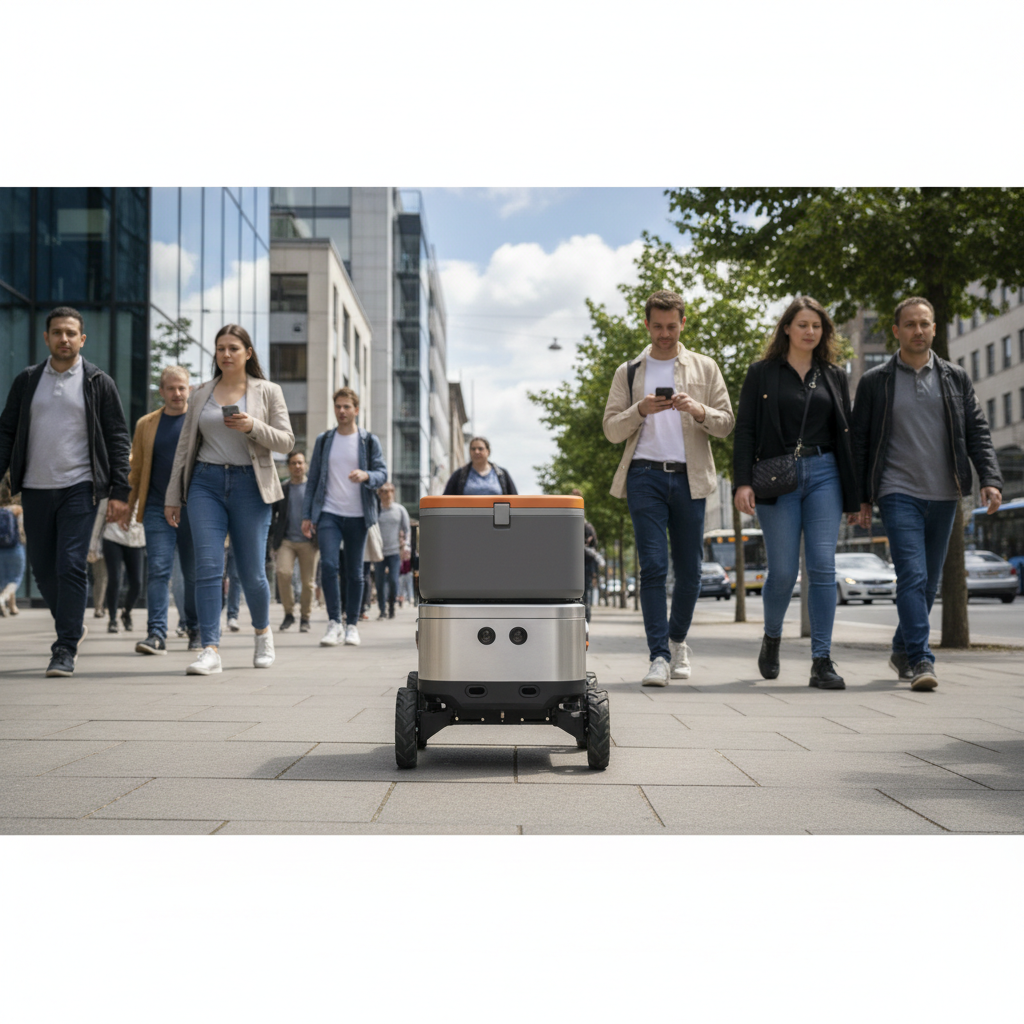
Robots are fitted with lights, indicators and audible alerts to signal turns or stops, similar in spirit to vehicle indicators but scaled for pedestrian interaction. Locking compartments and onboard cameras deter theft and vandalism, and most operators report tampering incidents as uncommon relative to delivery volume, though isolated cases do occur in any city where the robots run. Etiquette guidance from operators generally asks pedestrians to give the robot right of way at narrow points, since it cannot always reverse or reroute as quickly as a person can step aside.
Costs and the business case
For restaurants and retailers, delivery fees using sidewalk robots are often marketed as lower than car-based courier fees for short-radius orders, since the robot avoids fuel, parking and a human driver's wage for that leg of the trip. For customers, delivery fees for robot-served orders in areas where the service operates commonly sit somewhat below typical rideshare-style delivery fees, though pricing varies by platform and city. The economics work best at higher order density within a tight radius, which is why campuses and dense inner-city precincts have been the most common early deployment sites.