Start with navigation, not suction power
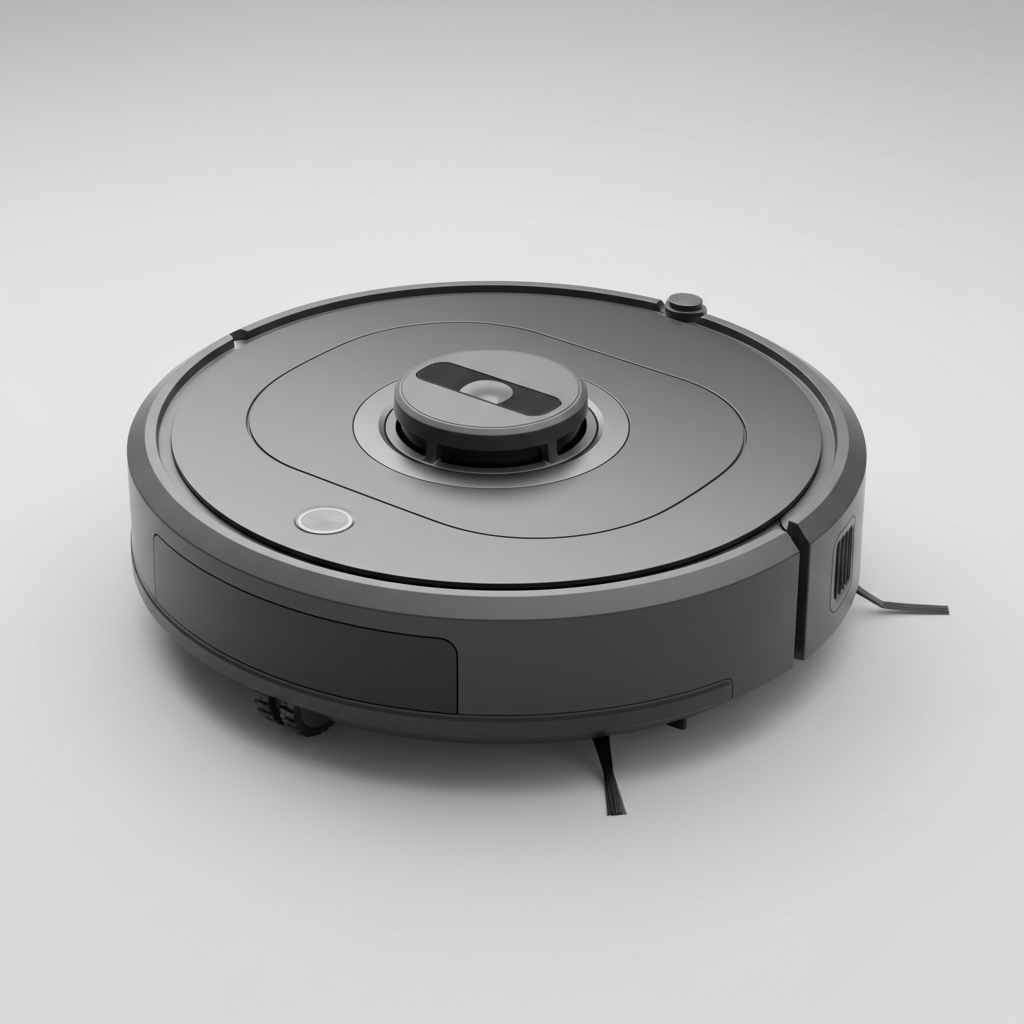
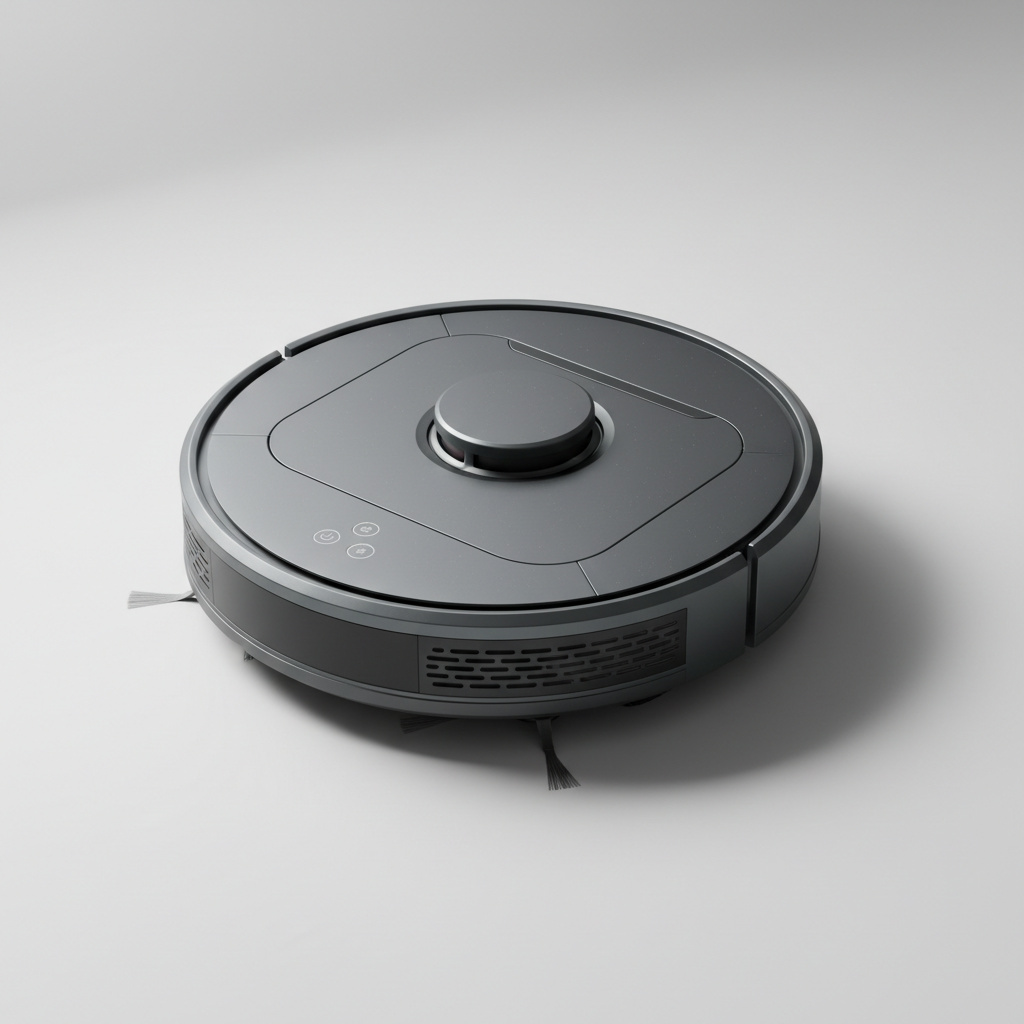
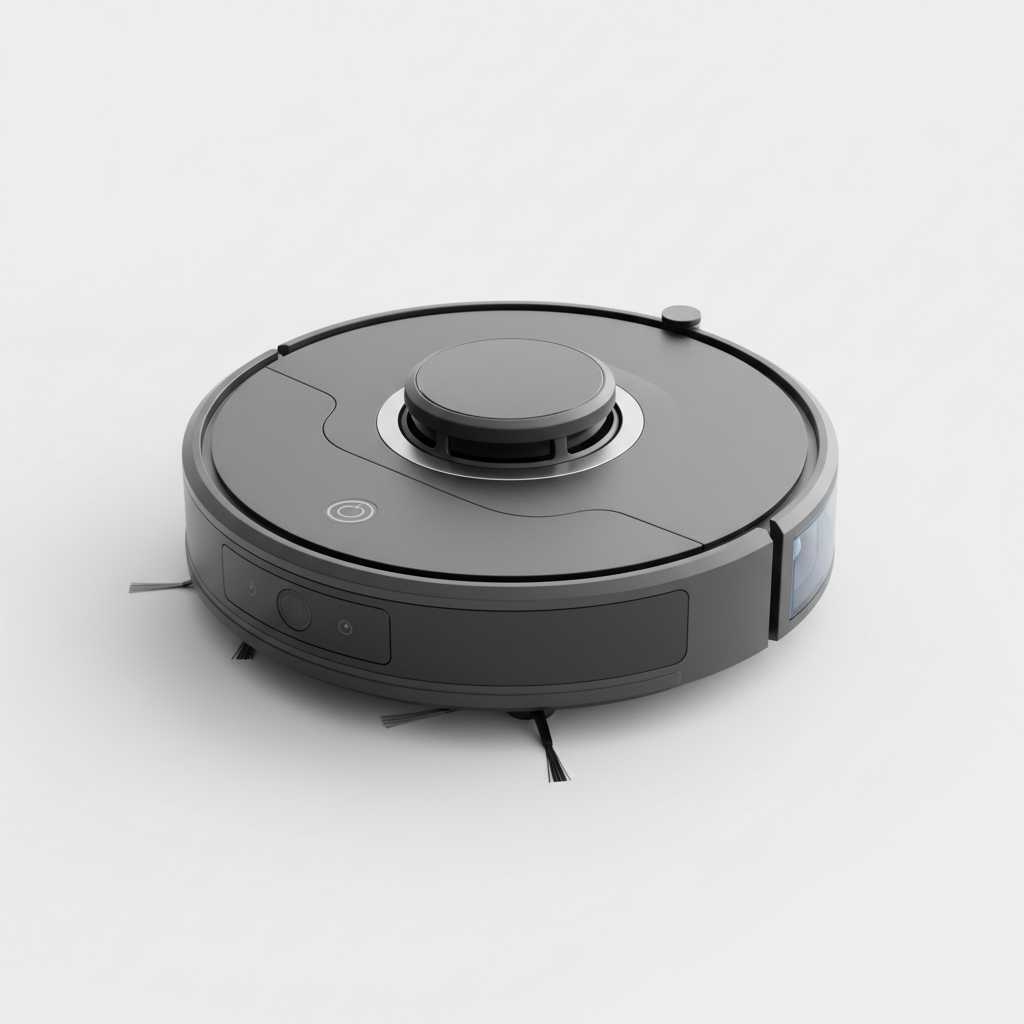
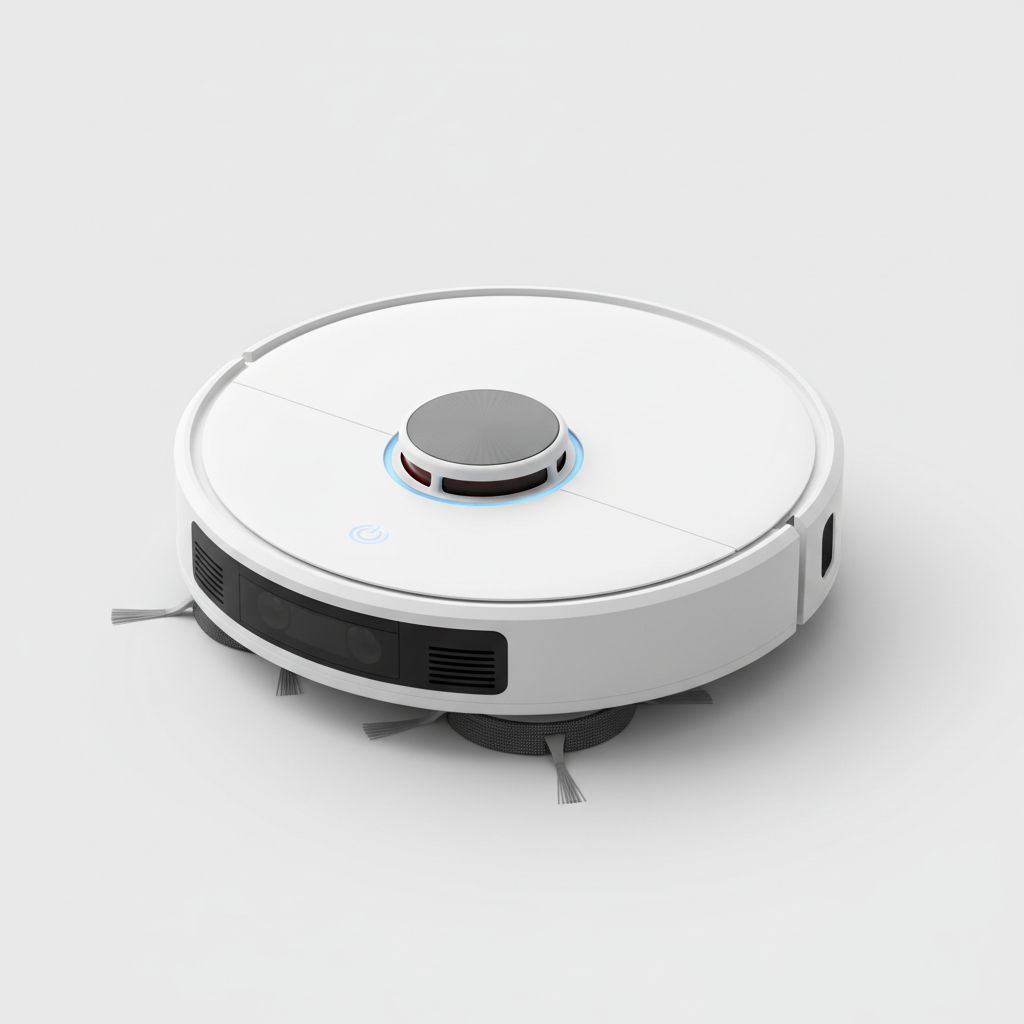
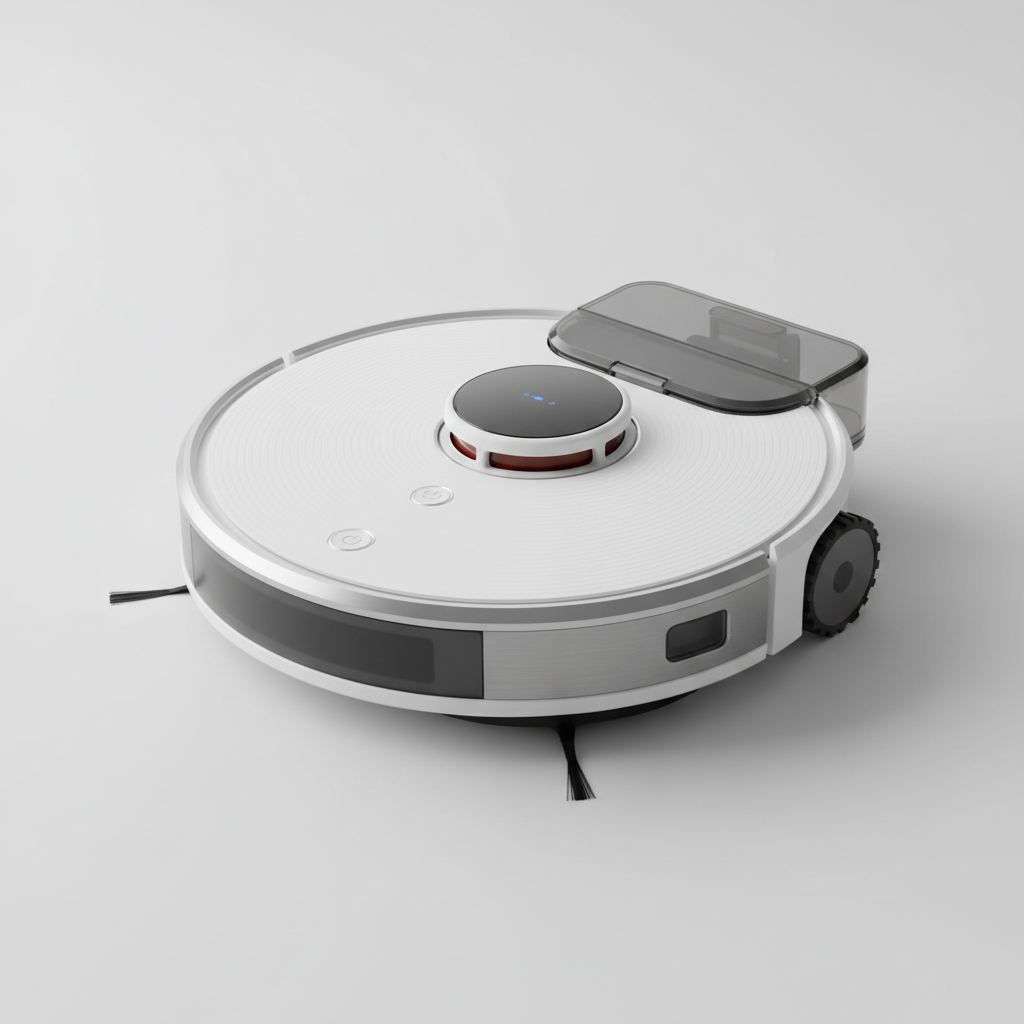
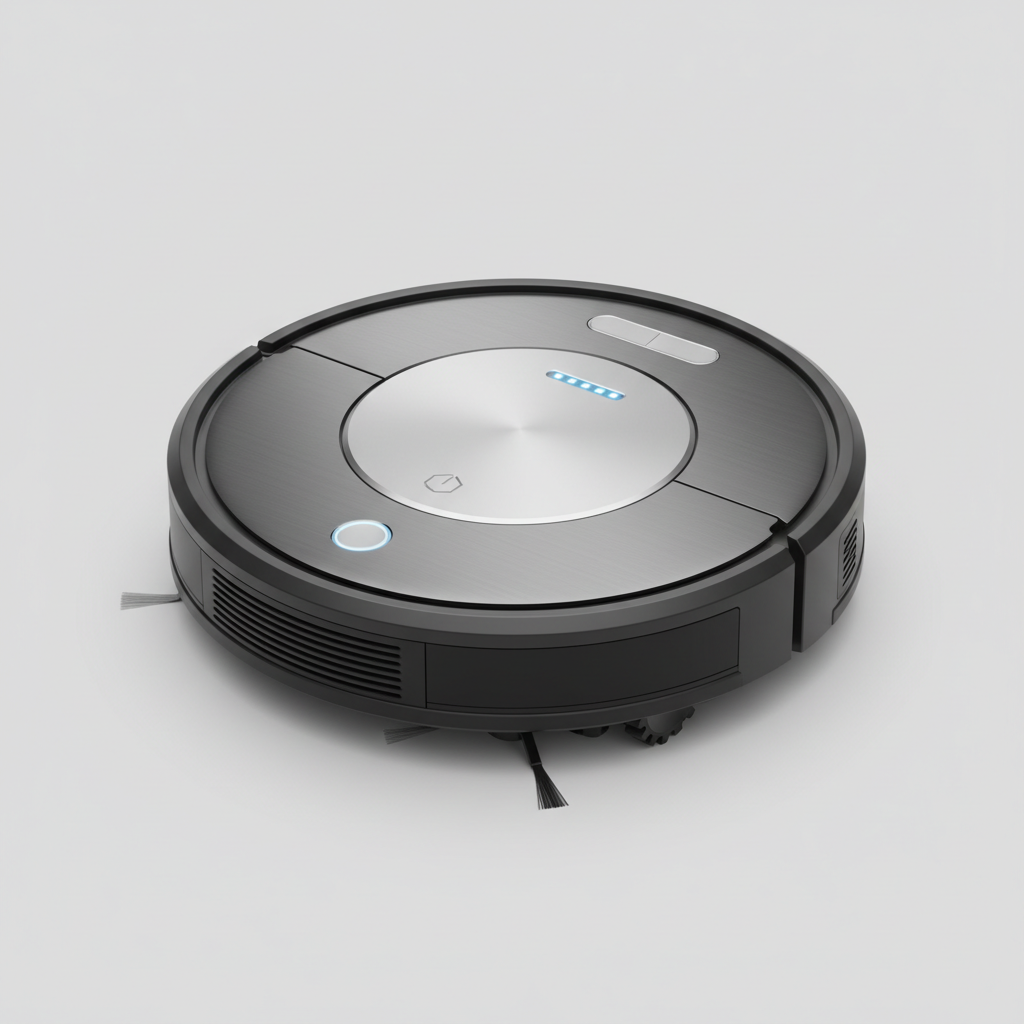
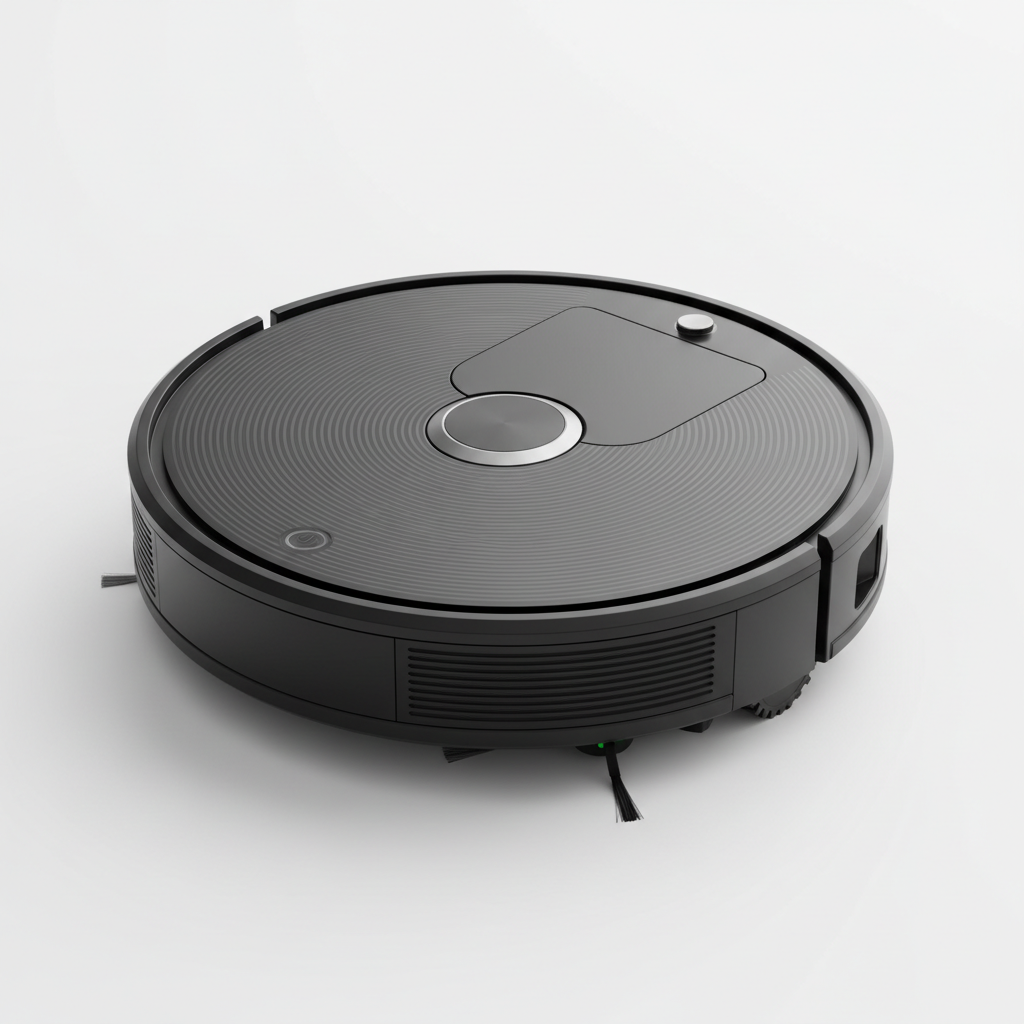
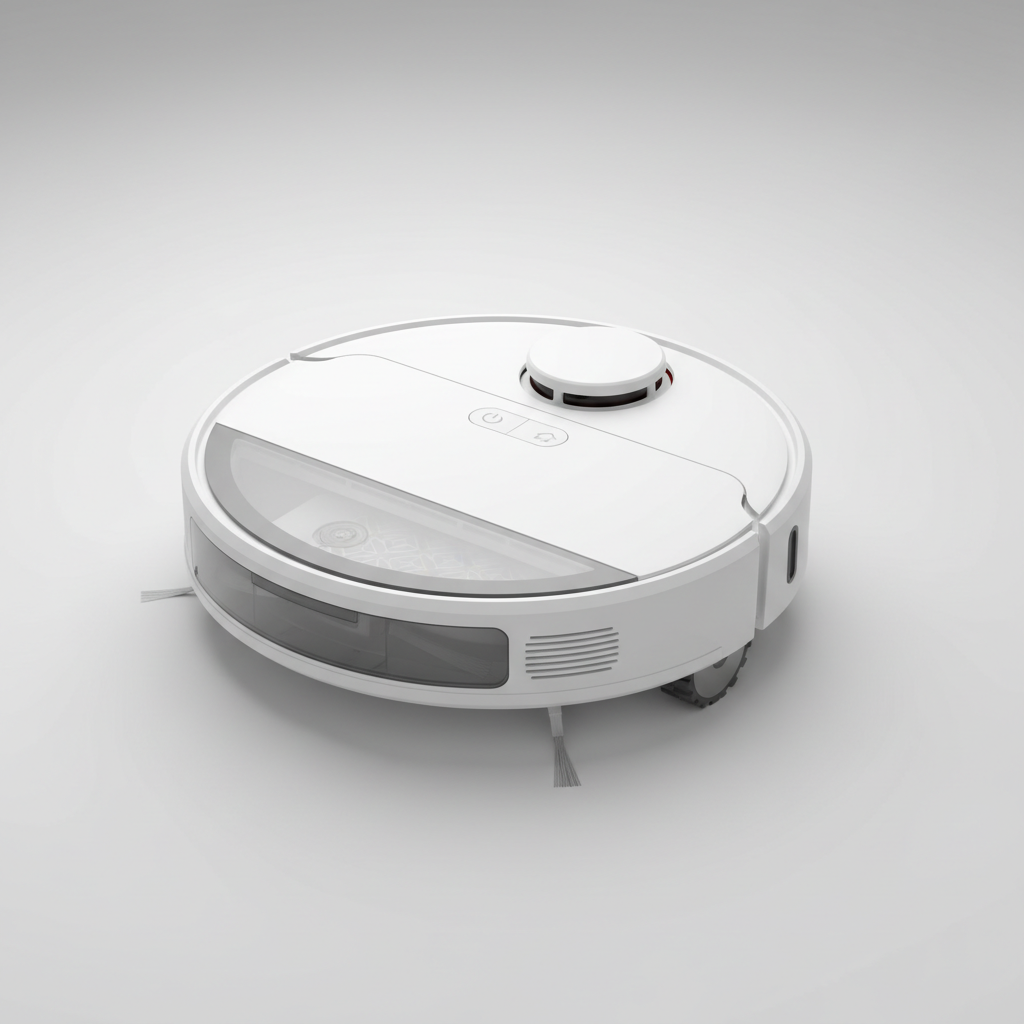
Marketing copy loves to headline suction figures in pascals, but navigation quality has a far bigger effect on whether a robot vacuum actually cleans your whole floor. LiDAR-based models use a spinning laser turret to build an accurate room map in a single pass, then clean in efficient straight lines. Camera and structured-light systems achieve similar accuracy in good lighting but can struggle in dark rooms. Cheaper gyroscope-and-bump-sensor models still exist and are noticeably slower, sometimes missing sections of a room or repeating passes, though they are also the most affordable entry point.
If your home has multiple rooms, doorways, or furniture with thin legs, prioritise a model with LiDAR or visual SLAM mapping and multi-floor map storage. This lets the robot remember several levels of a house and resume cleaning from where it left off after a battery recharge, which matters a great deal in homes over roughly 120 square metres.
Suction and brush design still matter for the finish
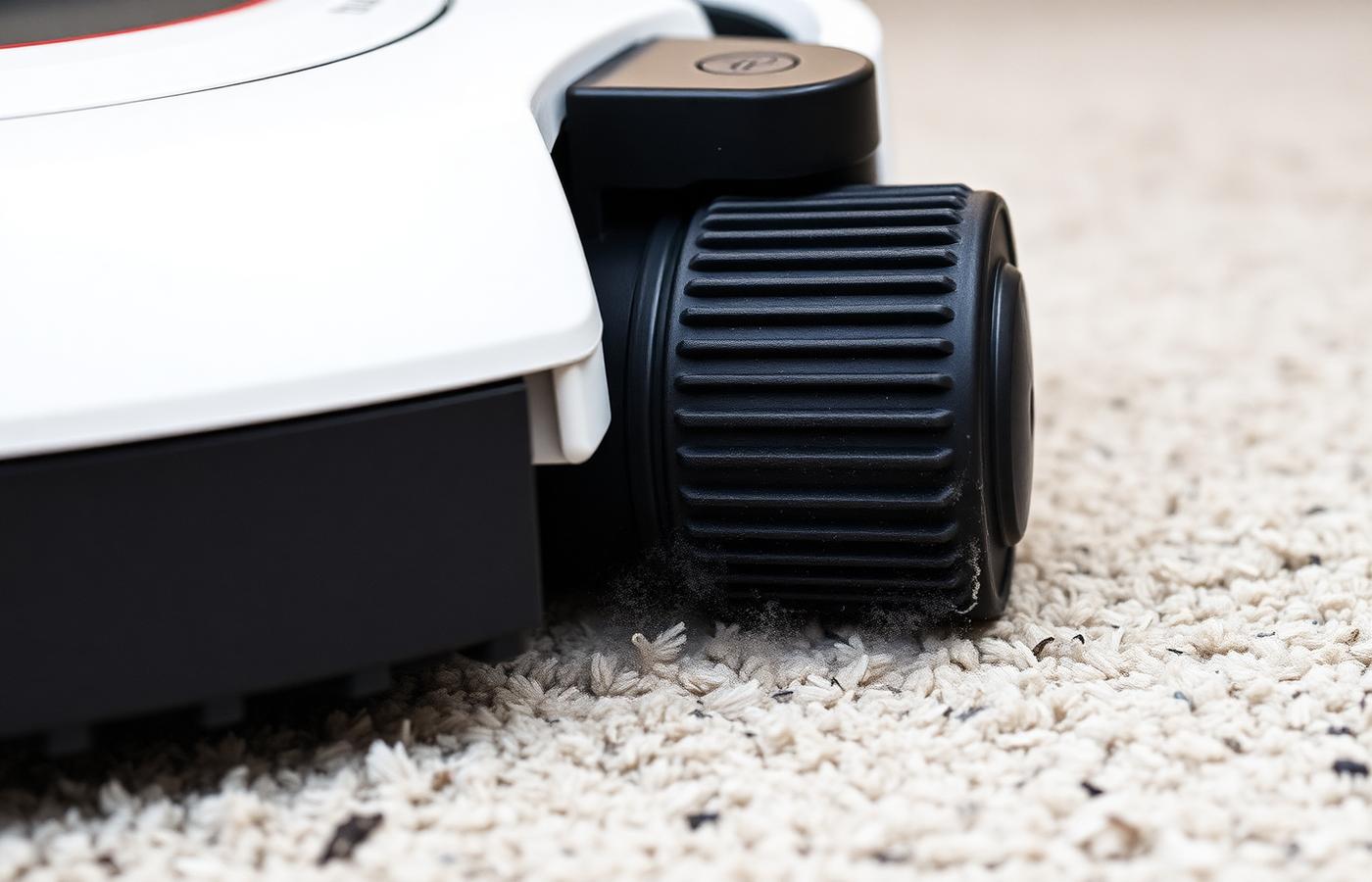
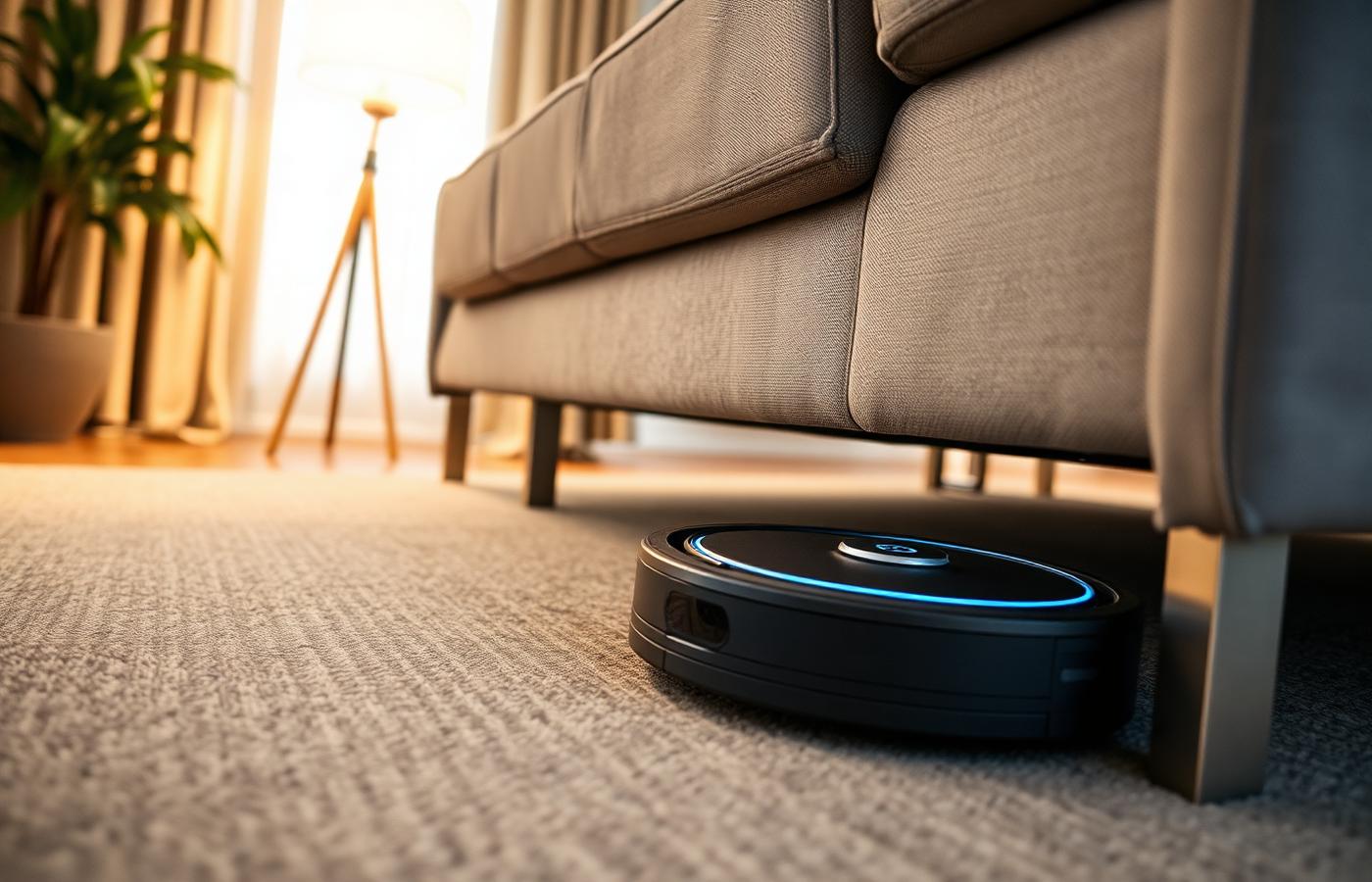
Once navigation is sorted, suction and brush type decide how clean the floor actually looks afterwards. Most mid-range robot vacuums in 2026 sit between 2,500 and 6,000 pascals of suction, which is sufficient for everyday dust, crumbs and light pet hair on hard floors and low-pile carpet. Homes with medium-to-high pile carpet or heavy pet shedding benefit from models above 6,000 Pa paired with a rubber, tangle-resistant main brush rather than a bristled one, since bristled brushes wrap hair more readily.
Edge and corner cleaning is another differentiator: some models use a side brush combined with an extending or rotating main brush arm that reaches closer to skirting boards, which noticeably reduces the dust line that gathers along walls between cleans.
Self-empty docks and maintenance features
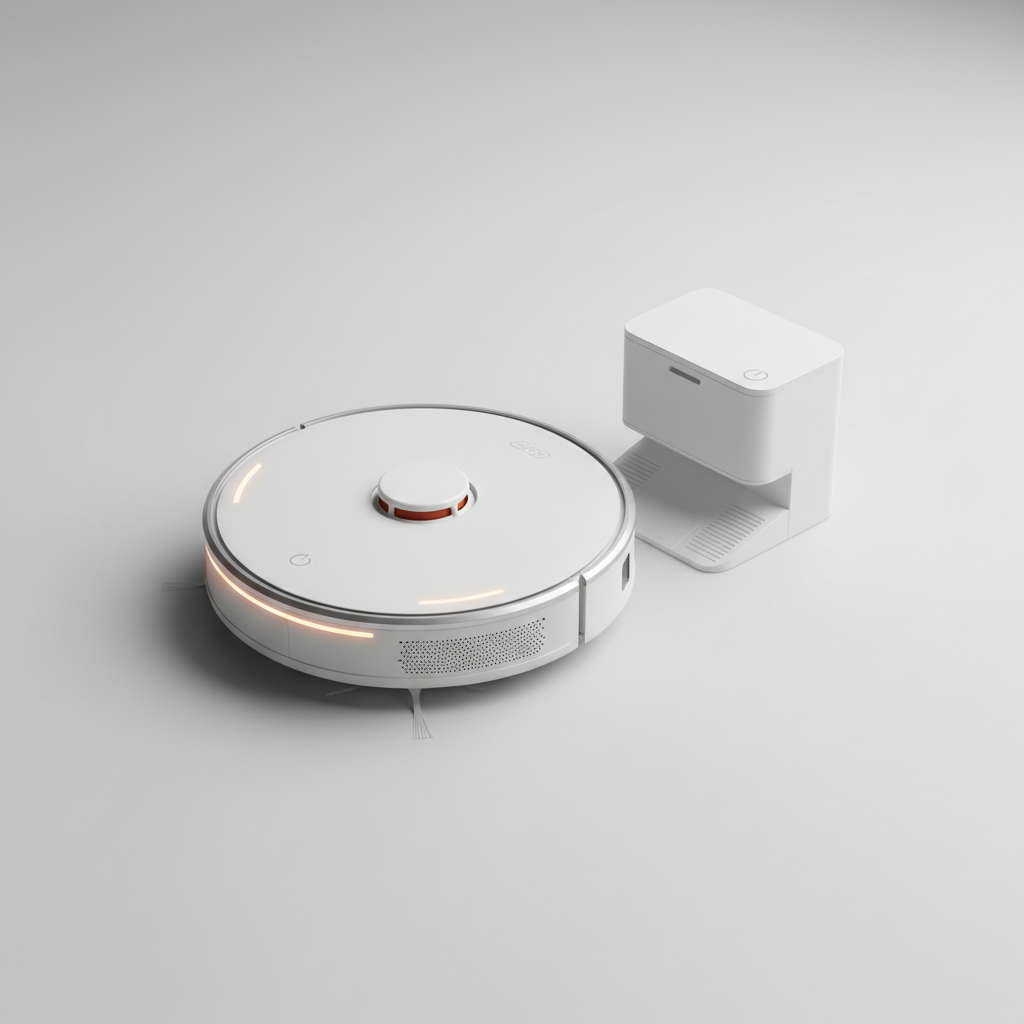
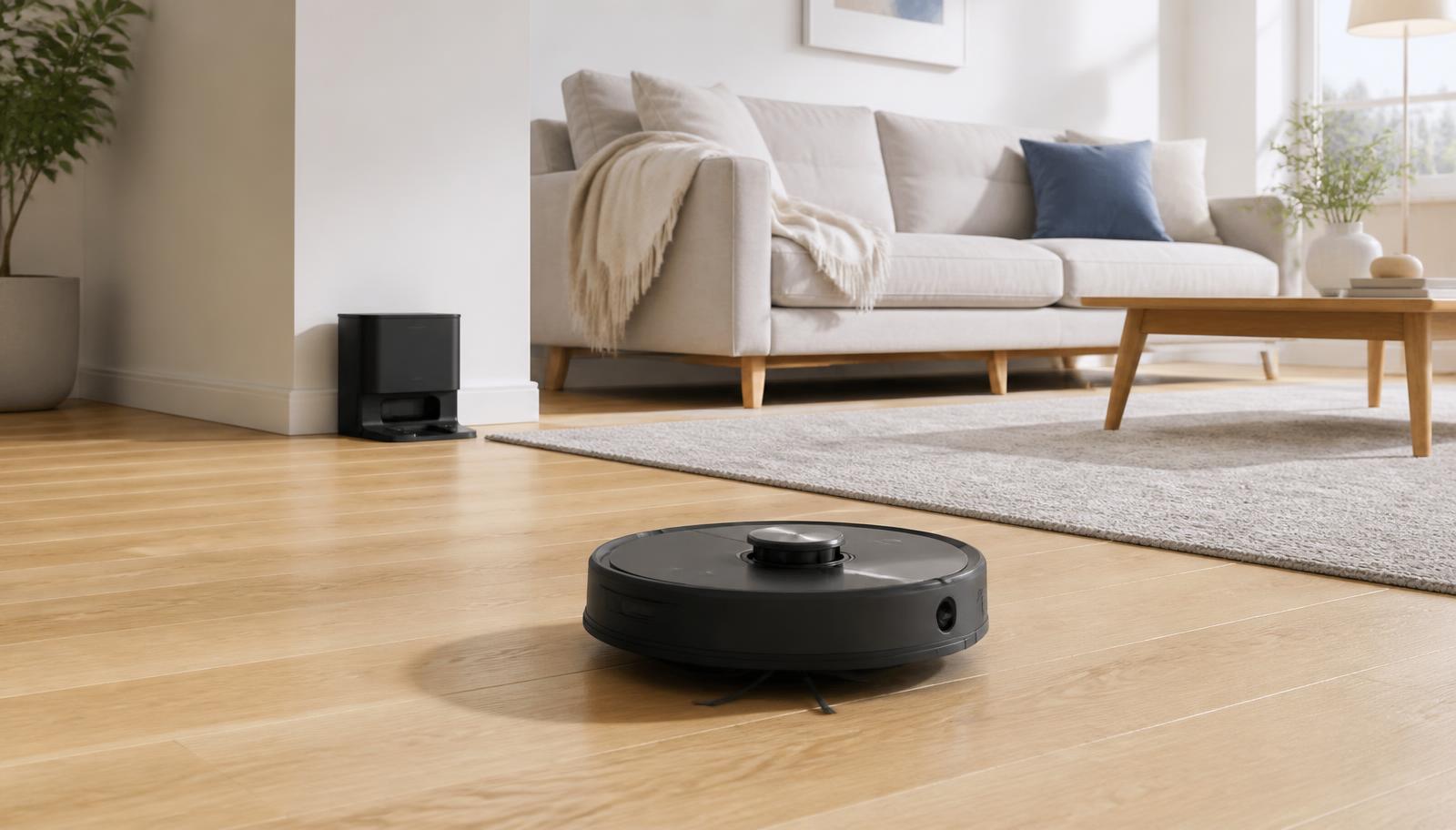
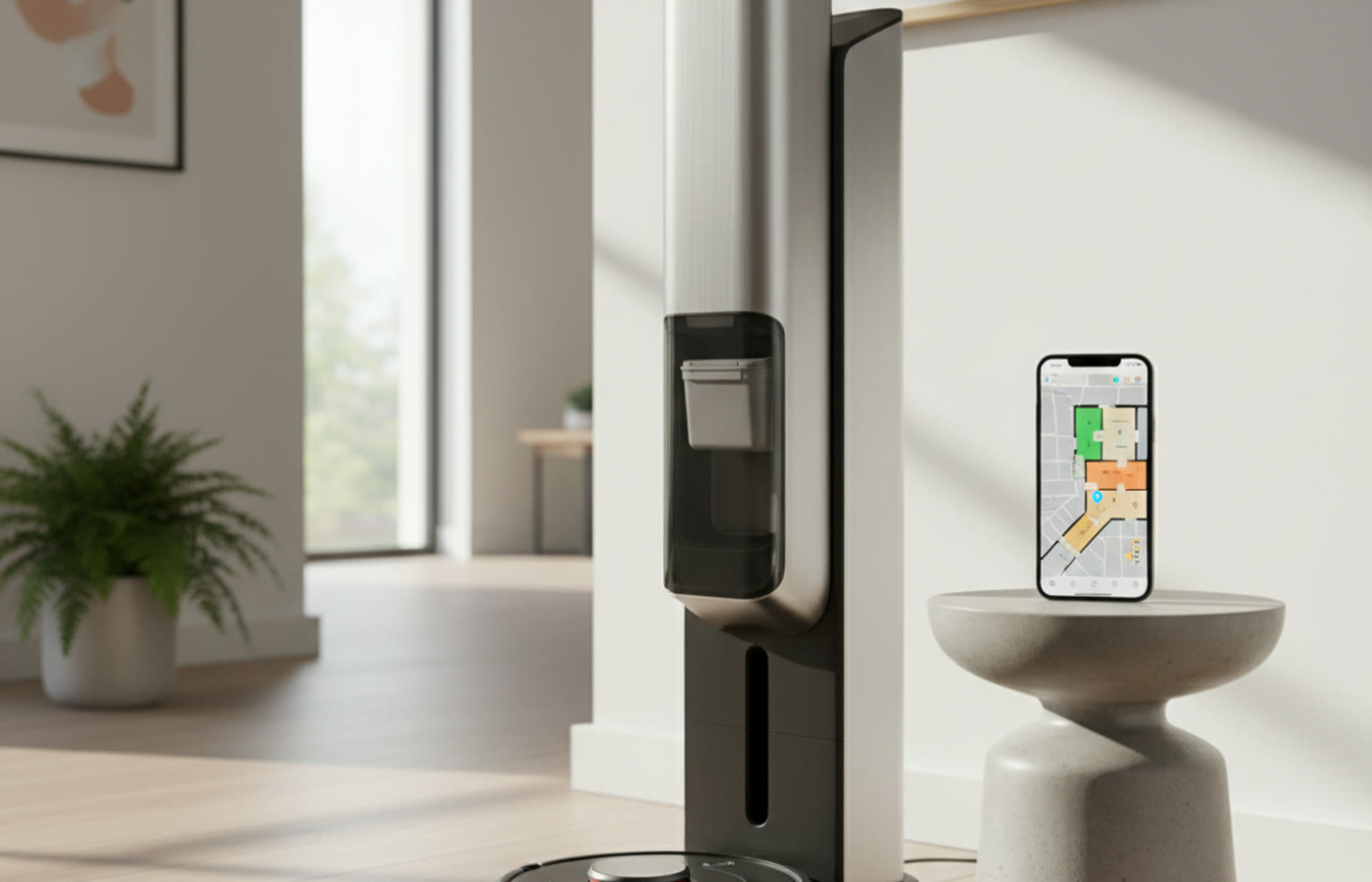
A self-emptying dock automatically vacuums the robot's onboard bin into a larger sealed bag or bin at the base station, extending the interval between manual emptying from a couple of days to several weeks. This is the single feature that most changes the ownership experience, particularly in pet-owning households, though it adds roughly $150–$400 AUD to the price and requires replacement dust bags every few months.
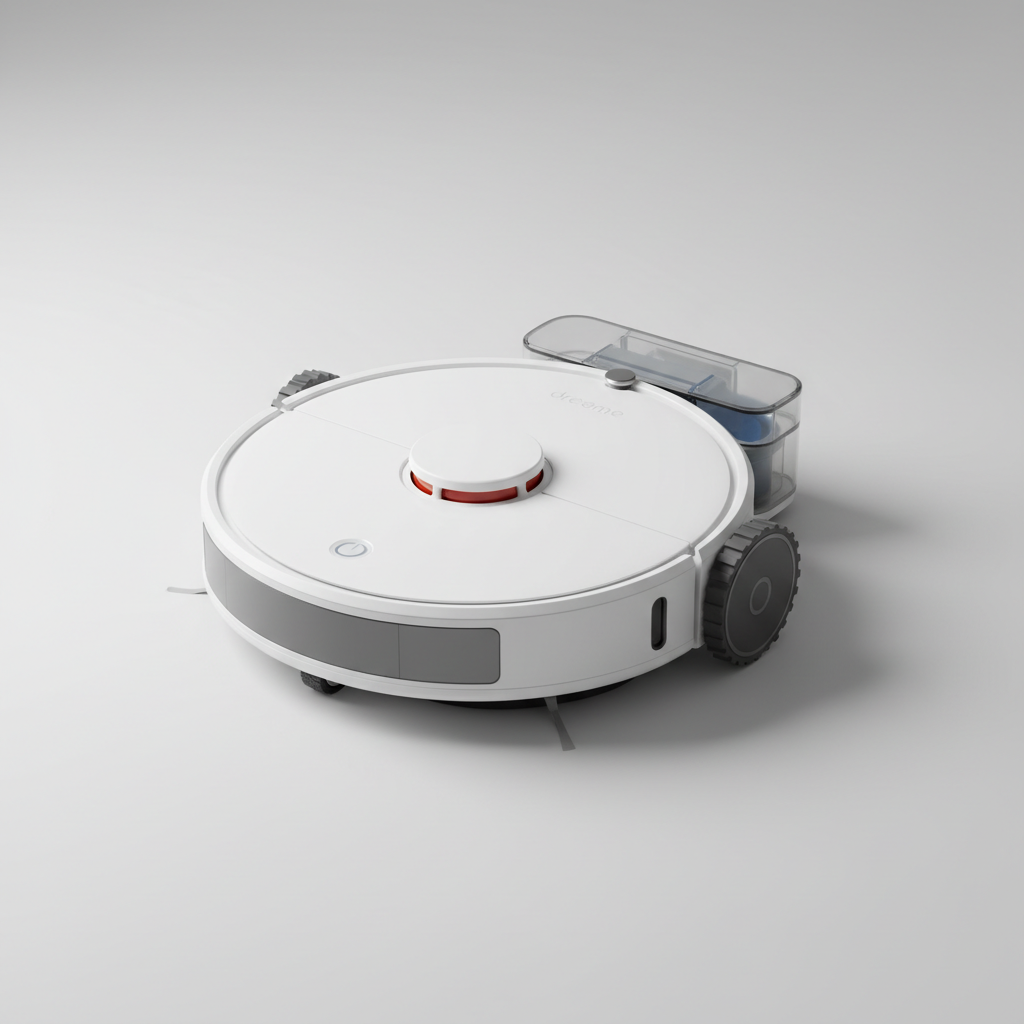
Some docks add auto-refill and self-cleaning mop pads for combo units, hot-air drying to prevent mildew smell, and automatic detergent dosing. These add convenience but also add moving parts that can fail, so weigh them against your tolerance for occasional troubleshooting.
Matching the robot to your floor types
Homes with a mix of hard floors and carpet need a robot that automatically detects the transition and increases suction or lifts a mop pad accordingly. Look for stated carpet-height clearance, usually 15–20 mm for capable models, and confirm the robot can climb door thresholds of similar height without getting stuck.
Pure hard-floor homes have more flexibility and can prioritise navigation and quiet operation over raw suction, since dust and hair lift far more easily off tile, timber or vinyl than out of carpet fibres.
Realistic 2026 pricing in Australia
Entry-level robot vacuums with basic mapping start around $250–$400 AUD. Mid-range models with LiDAR navigation, app scheduling and no-go zones typically run $500–$900. Premium models with self-empty docks, advanced obstacle avoidance and combo mop functions generally sit between $1,000 and $1,800, with flagship units occasionally exceeding that. These are approximate ranges and vary with sales periods and retailer.