What a workplace safety robot actually does
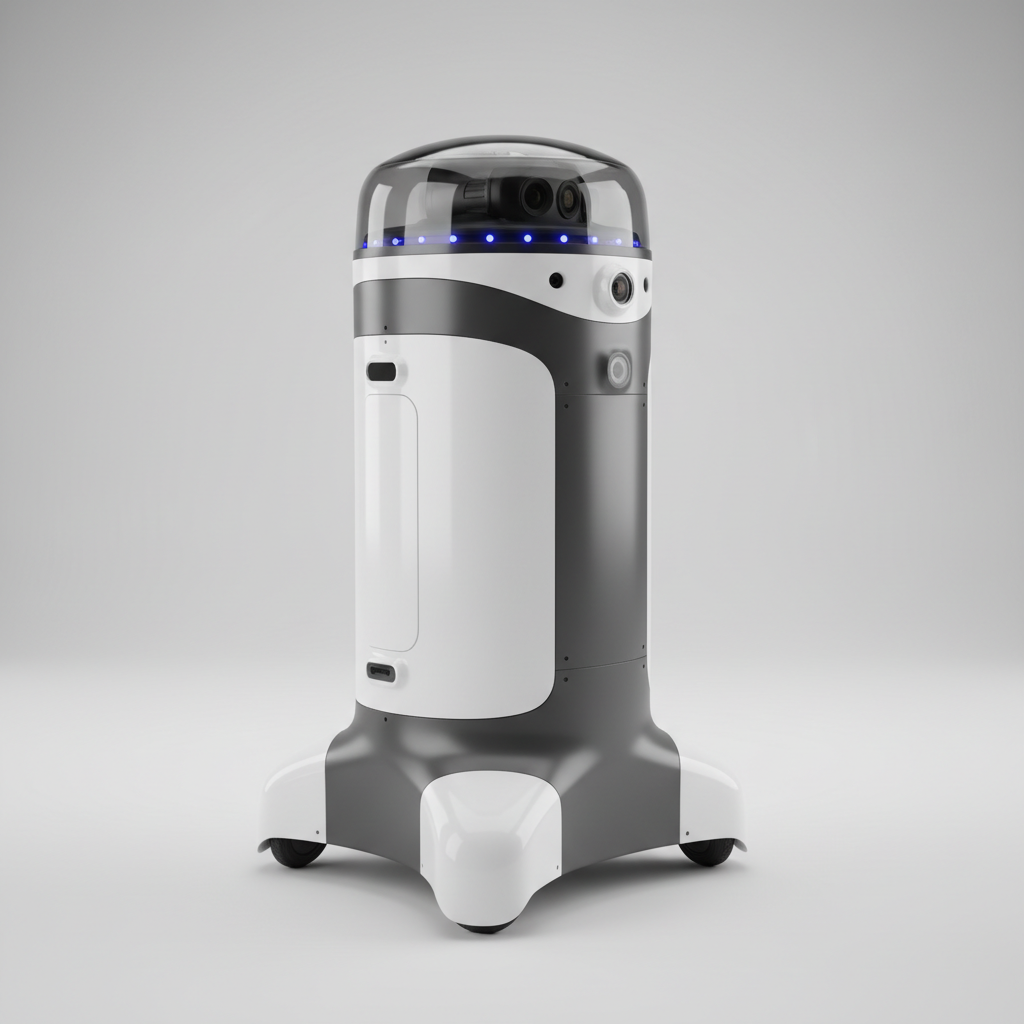
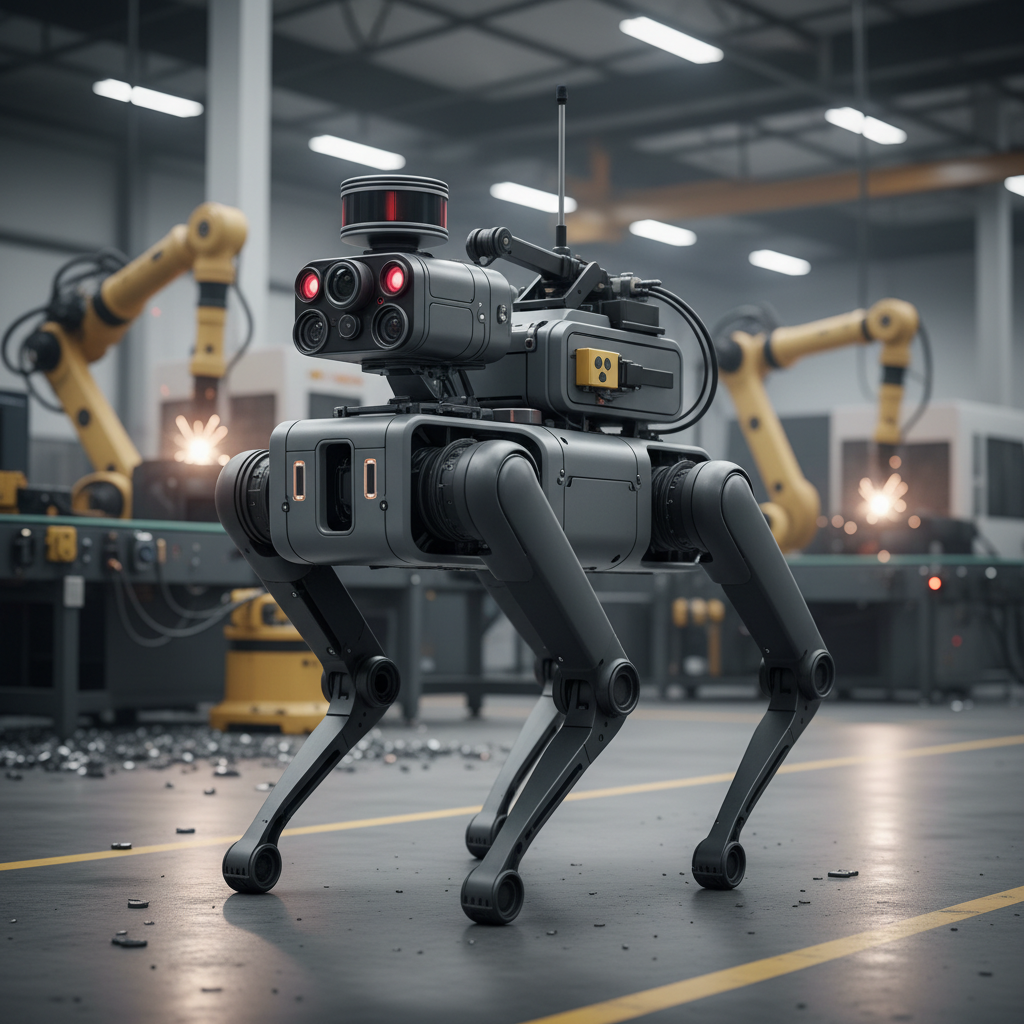
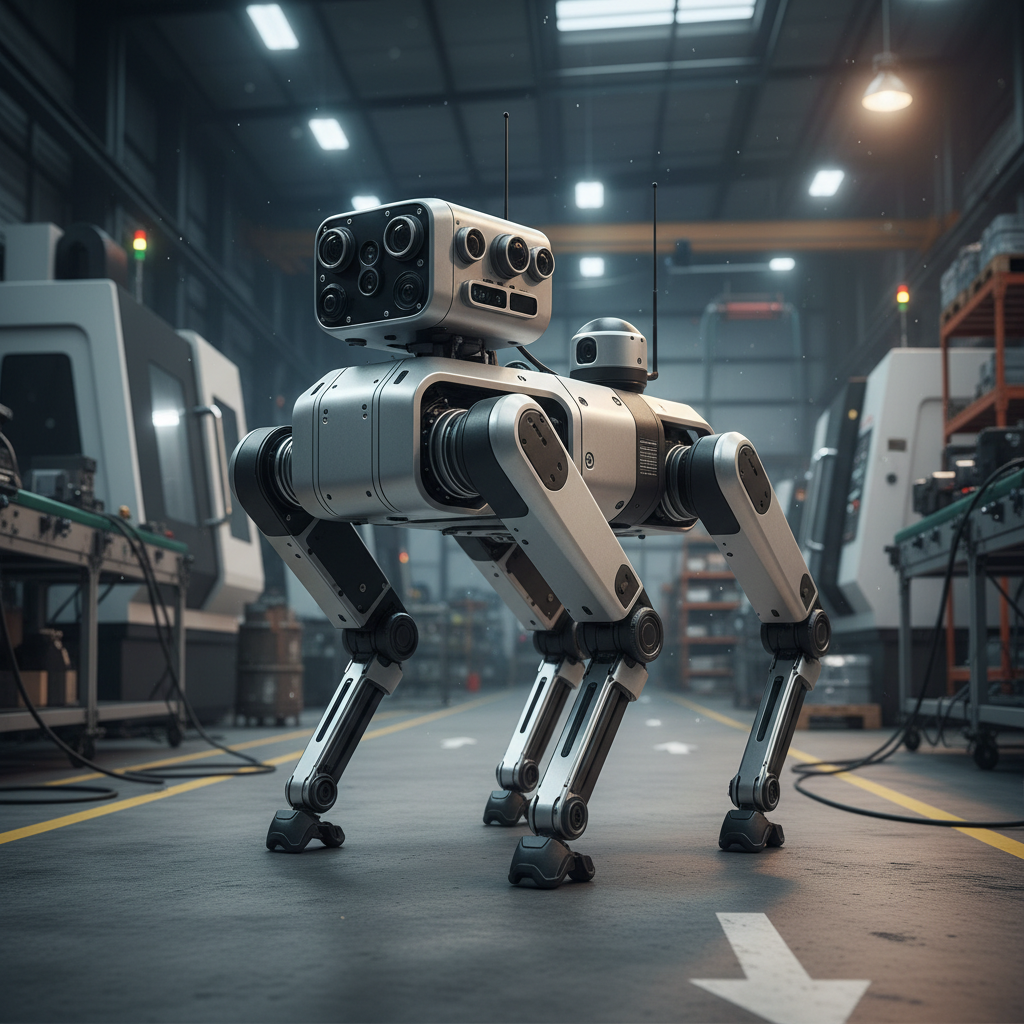
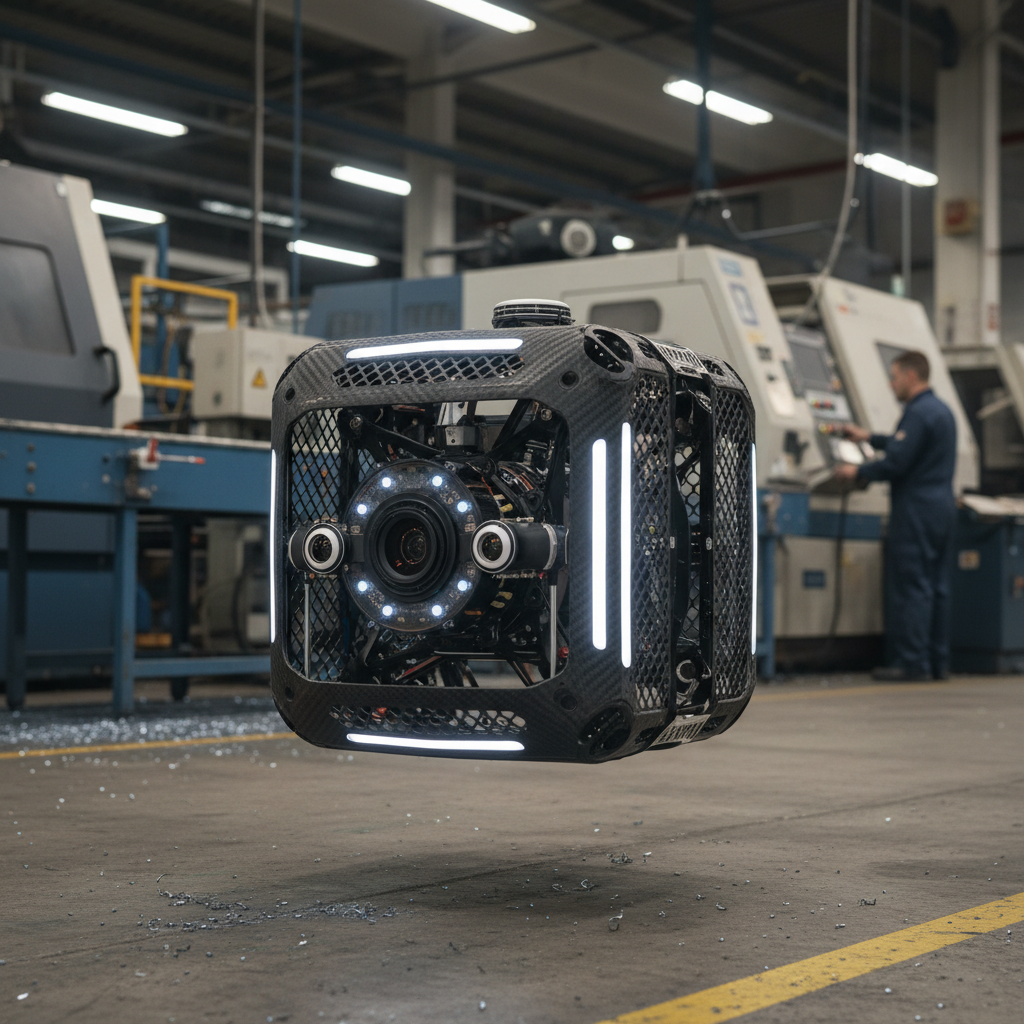
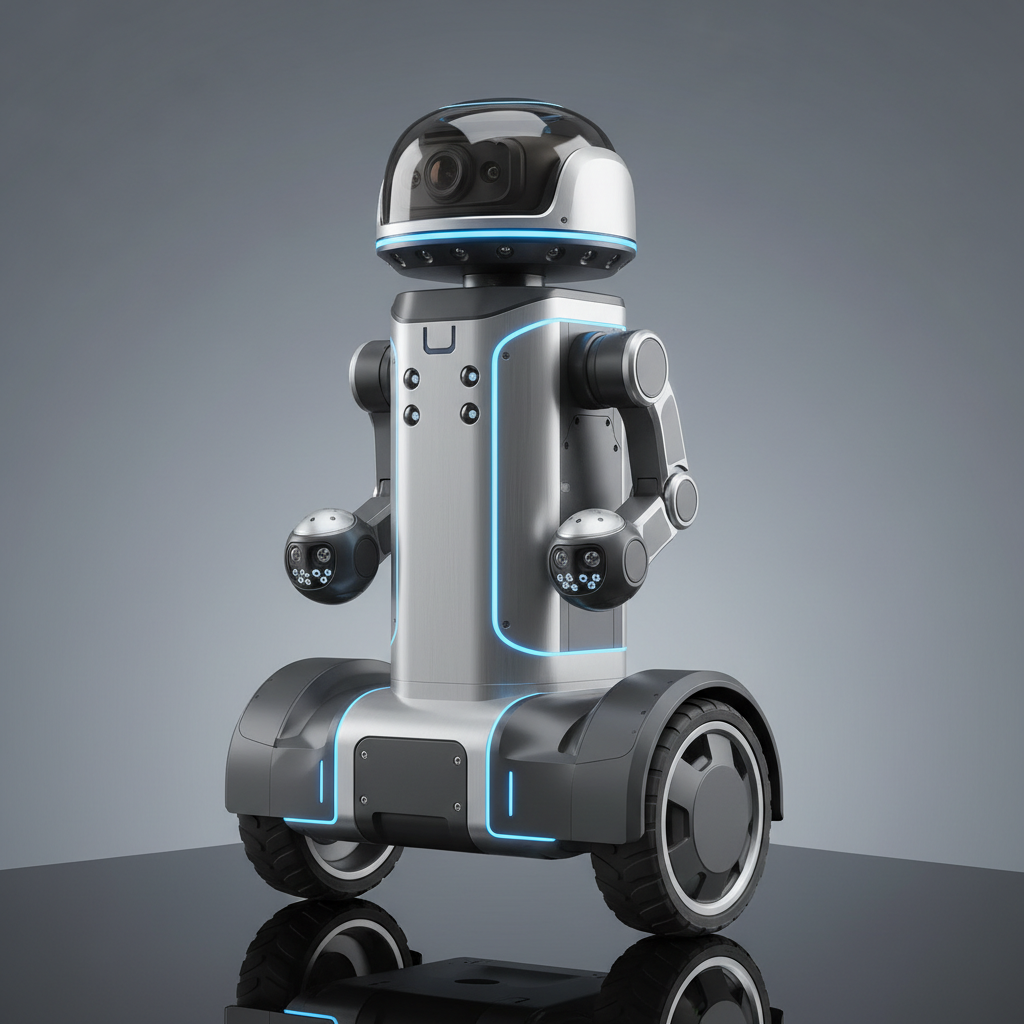
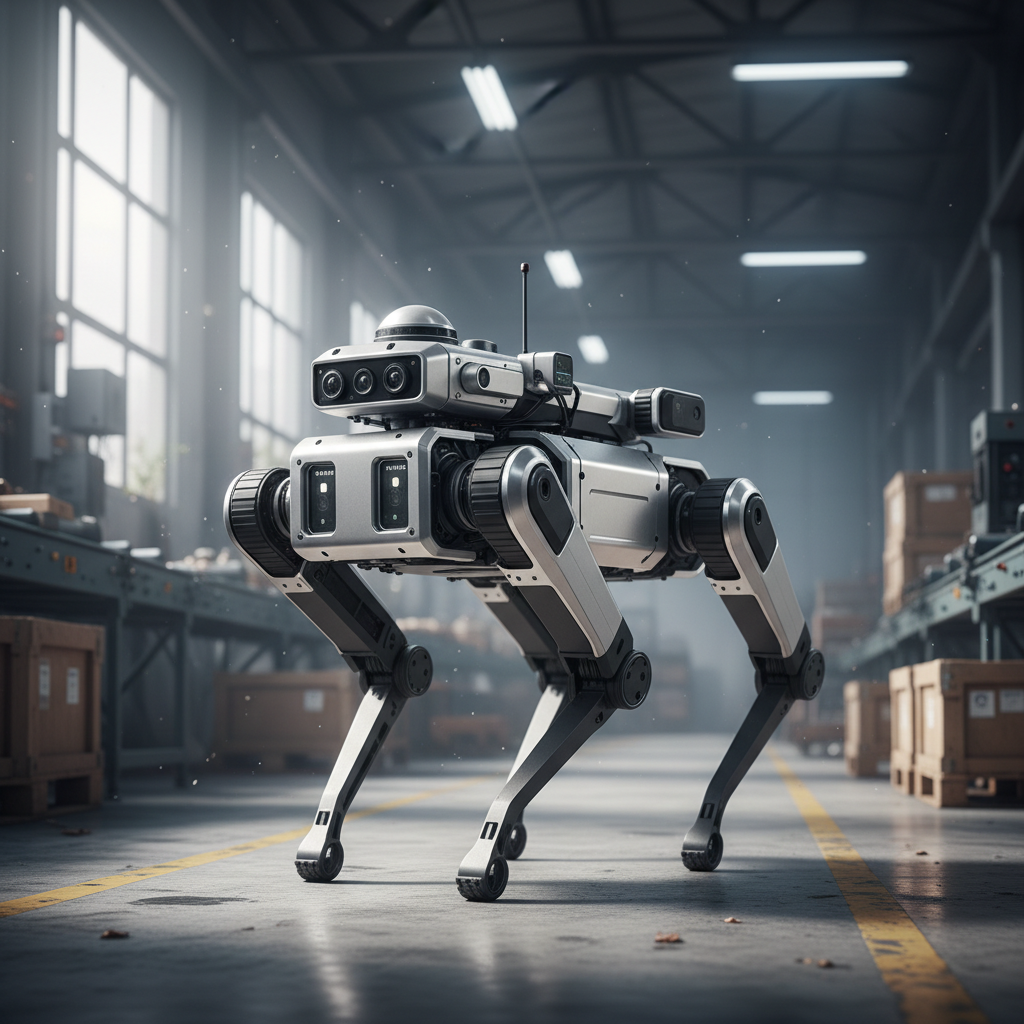
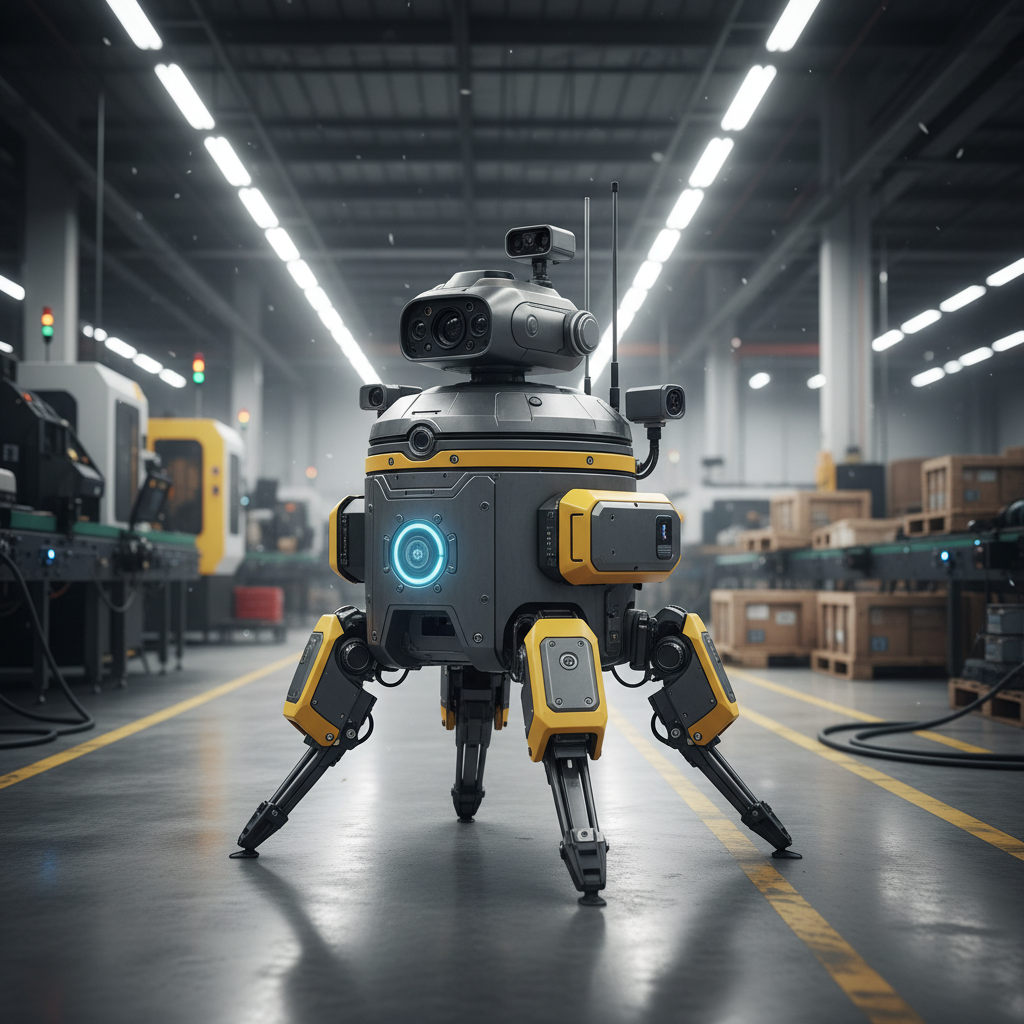
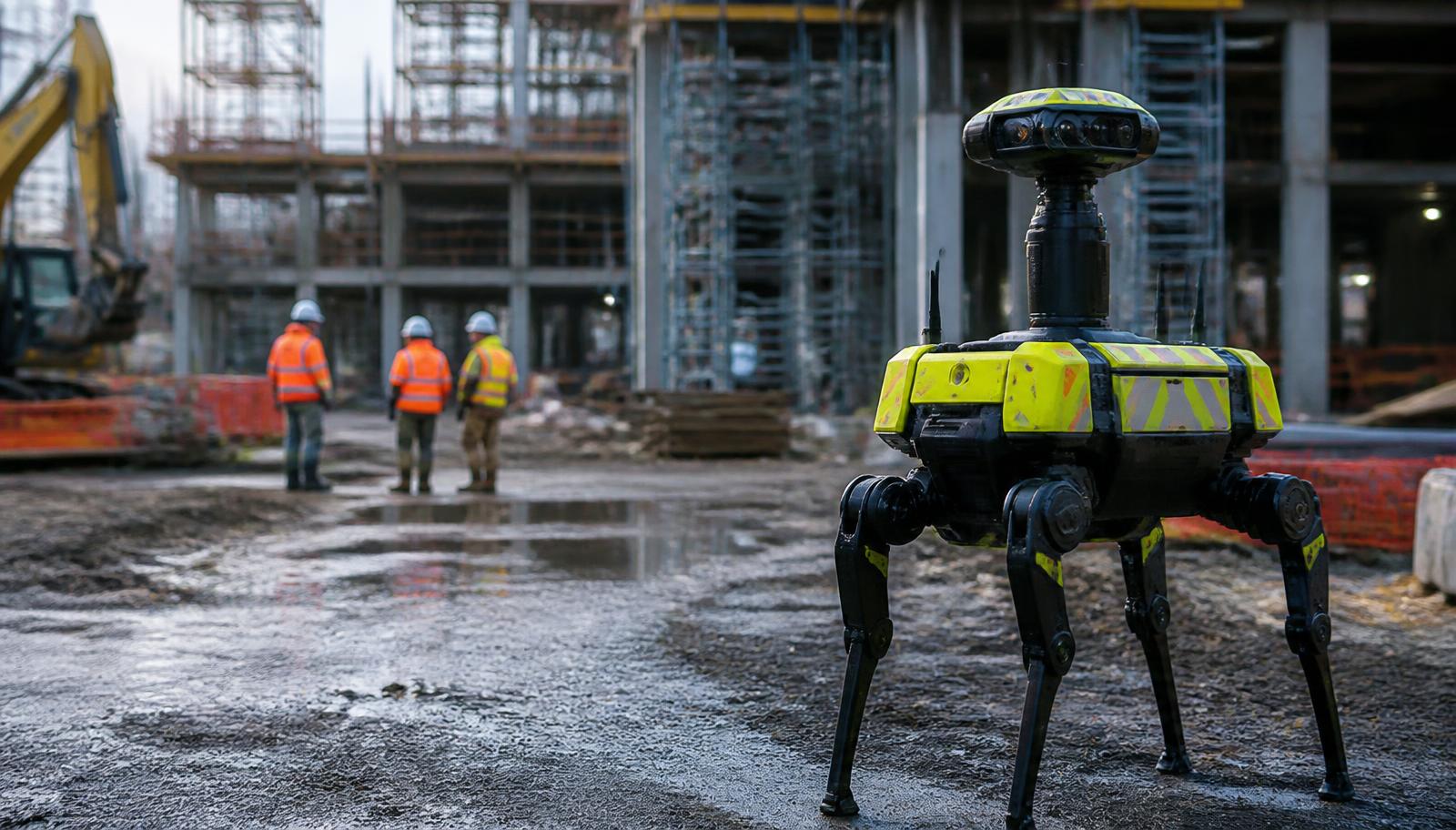
A workplace safety robot is an autonomous mobile platform that patrols fixed or dynamic routes through a facility, logging conditions that a human inspector would otherwise check on an hourly walk-round. Typical sensor payloads include thermal imaging for early fire and overheating-motor detection, gas and volatile-organic-compound sensors for leak detection, decibel meters for noise-exposure compliance, and LiDAR or stereo cameras for detecting spills, blocked fire exits and pedestrians in restricted zones. Unlike a fixed CCTV network, the robot moves, so a single unit can cover the equivalent of 15–25 static sensor points across a warehouse or plant.
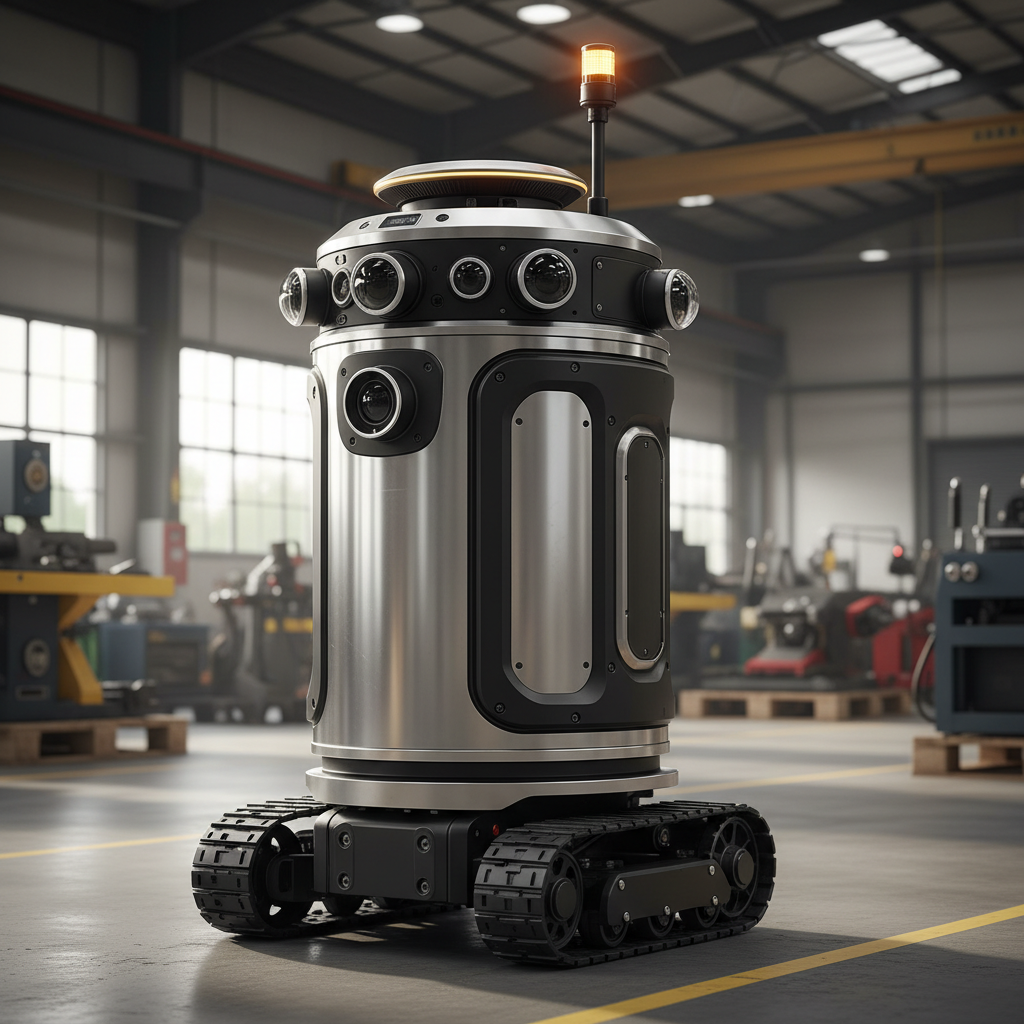
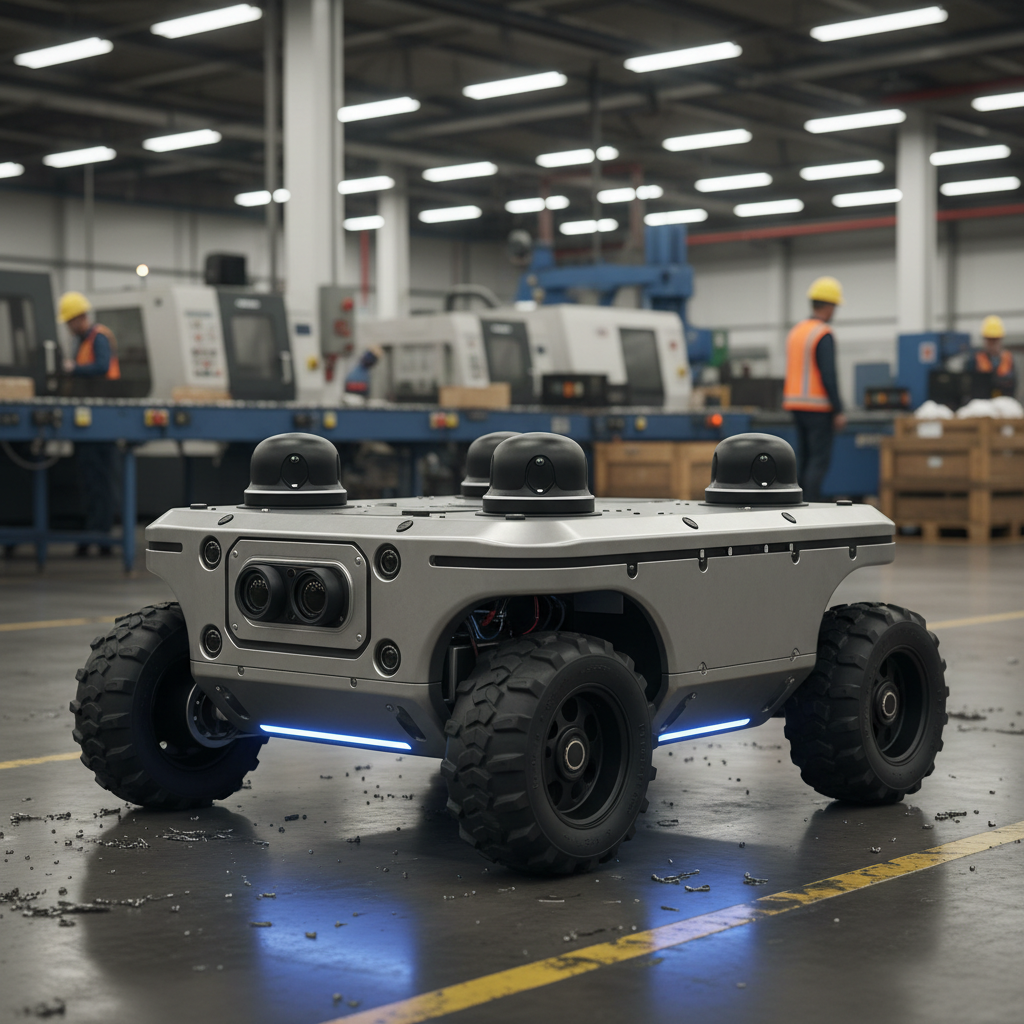
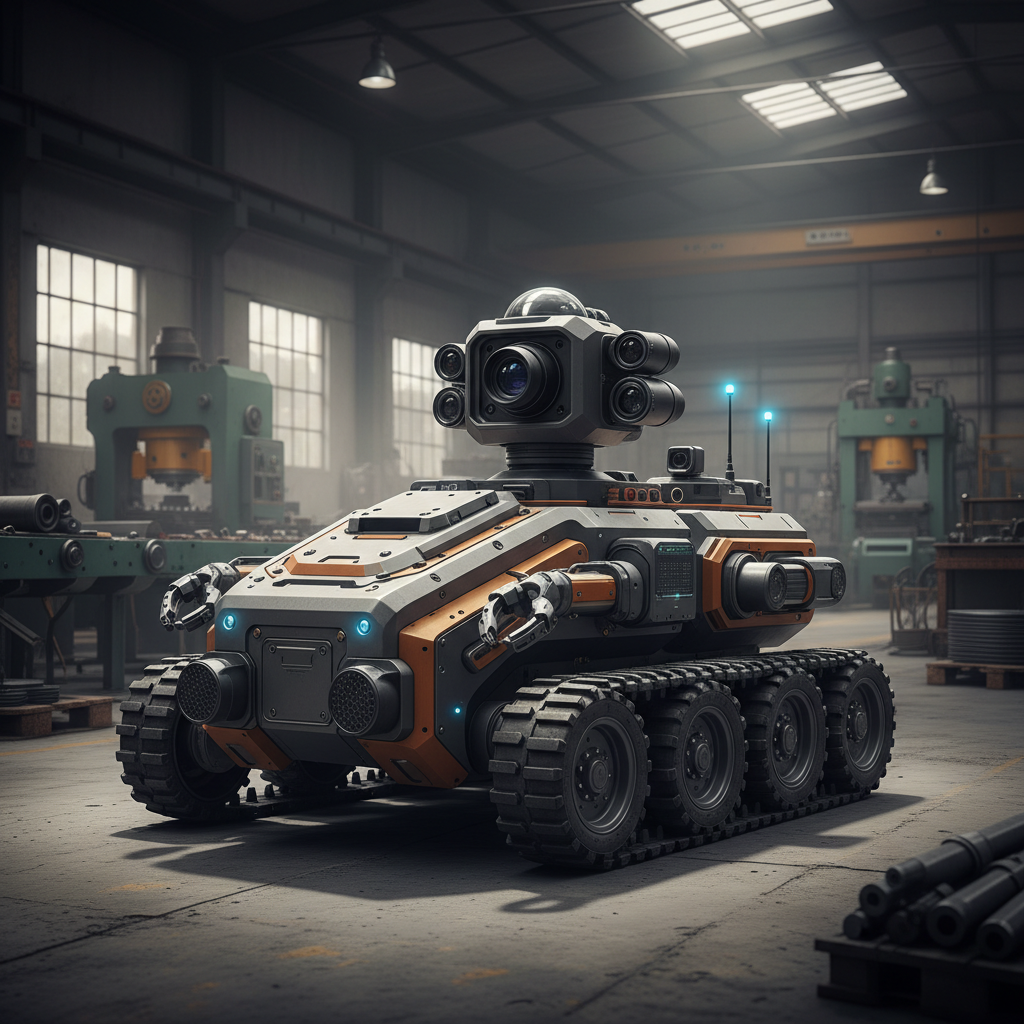
Most commercial units on the market today are wheeled, differential-drive platforms rated for indoor concrete or epoxy floors, though tracked variants exist for construction sites and outdoor yards. Battery-electric operation is near-universal, with runtimes of 8–12 hours per charge and automatic return-to-dock behaviour when state of charge drops below roughly 20 percent.
The standards that actually govern deployment
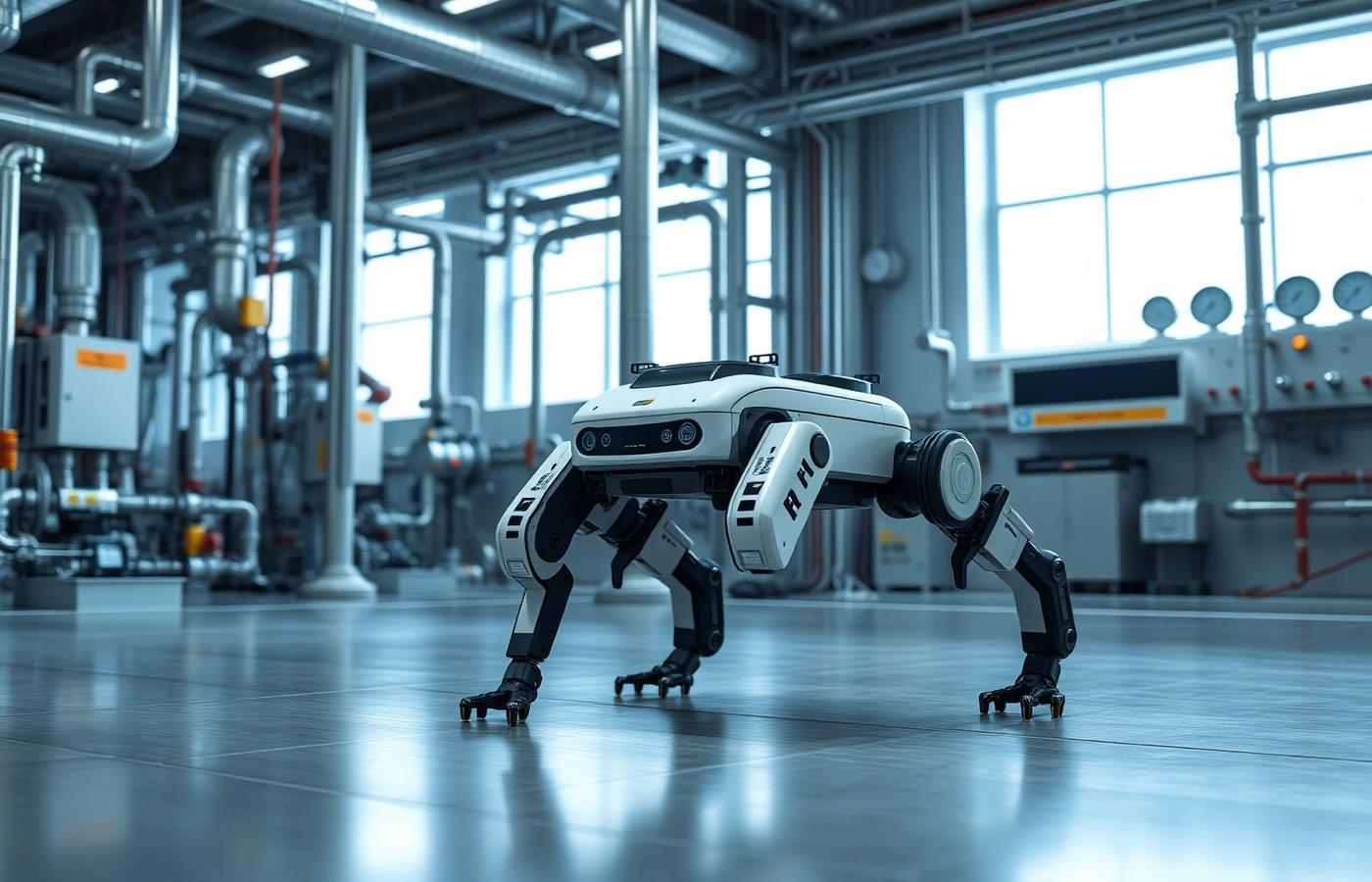
Any autonomous mobile robot sharing floor space with pedestrians should be specified against ISO 3691-4, the international standard covering driverless industrial trucks, which sets requirements for safety-related control systems, speed limitation near people and emergency stop behaviour. In North America the equivalent reference is ANSI/ITSDF B56.5, which US facilities auditors and insurers will typically ask about directly. Neither standard is optional in any facility with union safety representation or a formal OHS management system — ask any vendor for documentary evidence of third-party certification, not just a claim of 'compliance'.
Beyond the mobility standard, check the sensor calibration schedule. Gas sensors drift and typically need recalibration every 6–12 months against a certified reference gas, at a cost of $80–$200 per sensor per visit. A robot that cannot produce a calibration log is not a serviceable safety instrument, whatever its navigation looks like.
What it costs to deploy
Entry-level patrol robots with basic camera and thermal payloads start around $15,000–$25,000 to purchase outright, or $1,200–$2,500 per month on a subscription-with-support model that is now the dominant sales structure in this category. Mid-tier units with full gas-sensing arrays and multi-floor mapping run $30,000–$60,000, and site-wide fleets with a central operations dashboard for large distribution centres can exceed $200,000 in year one including installation, Wi-Fi/5G infrastructure and staff training.
Ongoing costs are dominated by connectivity, software licensing and sensor recalibration rather than the robot hardware itself. Budget 15–20 percent of the purchase price annually for software subscription, plus $500–$1,500 per unit per year in sensor servicing. Battery packs on daily-duty patrol robots are commonly rated for 1,500–2,000 charge cycles, translating to a 4–6 year replacement interval under continuous nightly charging.

Choosing between patrol styles
Fixed-route patrol robots follow a mapped path on a schedule and are the simplest, cheapest and most predictable option — appropriate for warehouses with stable layouts. Dynamic-route robots use SLAM navigation to adapt to blocked aisles or rack changes in real time and cost 20–40 percent more, but are worth it for sites where layout changes weekly. A smaller number of vendors offer teleoperated escalation, where a human operator can take manual control of the robot's camera and drive during an alarm event — a useful feature for sites with a remote security operations centre.
Integration matters as much as the robot itself. Confirm the platform can push alerts into your existing incident-management system (commonly via a REST API or a webhook to Slack/Teams) rather than requiring staff to watch a dedicated app all shift.
Making the business case
The financial case for a workplace safety robot rests on incident avoidance and labour reallocation rather than direct cost replacement. A single lost-time injury in a US warehouse setting averages well over $40,000 in direct and indirect cost once workers' compensation, investigation time and lost productivity are included; avoiding even one incident a year can justify a mid-tier deployment on its own. Reallocating the two to four hours a day a safety officer currently spends on manual walk-rounds toward proactive risk work is the second, less-quantified but real, benefit most sites report internally after 6–12 months of use.
Start with a single-shift pilot on one floor before committing to a full-site fleet. Vendors that resist a paid pilot in favour of a straight annual contract are a warning sign worth taking seriously.