Window Cleaning Robots

The Robot Window Cleaner Guide: How They Work and Who Needs One

Cleaning upper-storey or awkward windows is one of the more dangerous household chores, and a robot window cleaner offers a genuine alternative to balancing on a ladder. But suction-based robots have real limits around frame types, power backup and glass thickness that are worth understanding before you spend money on one.

Published 11 August 2026 ยท Cleaning Robots editorial team

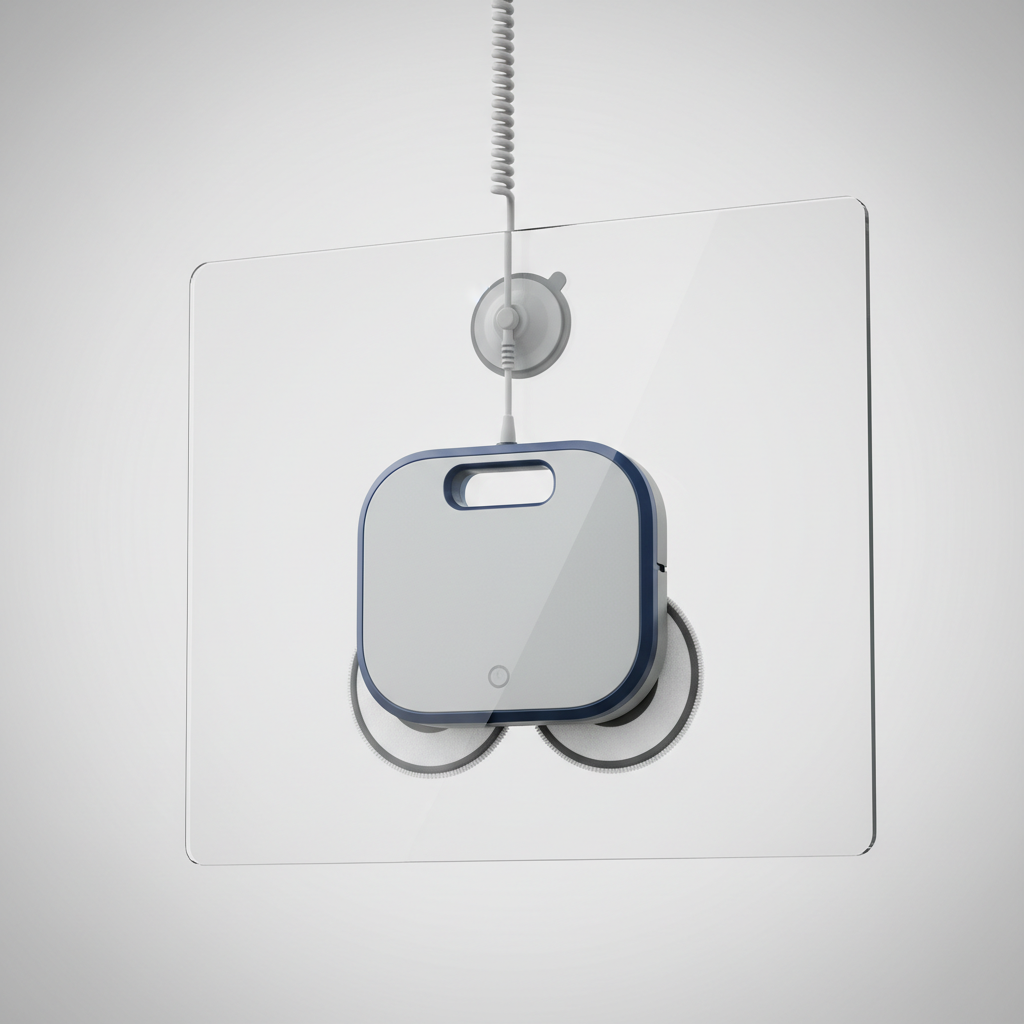
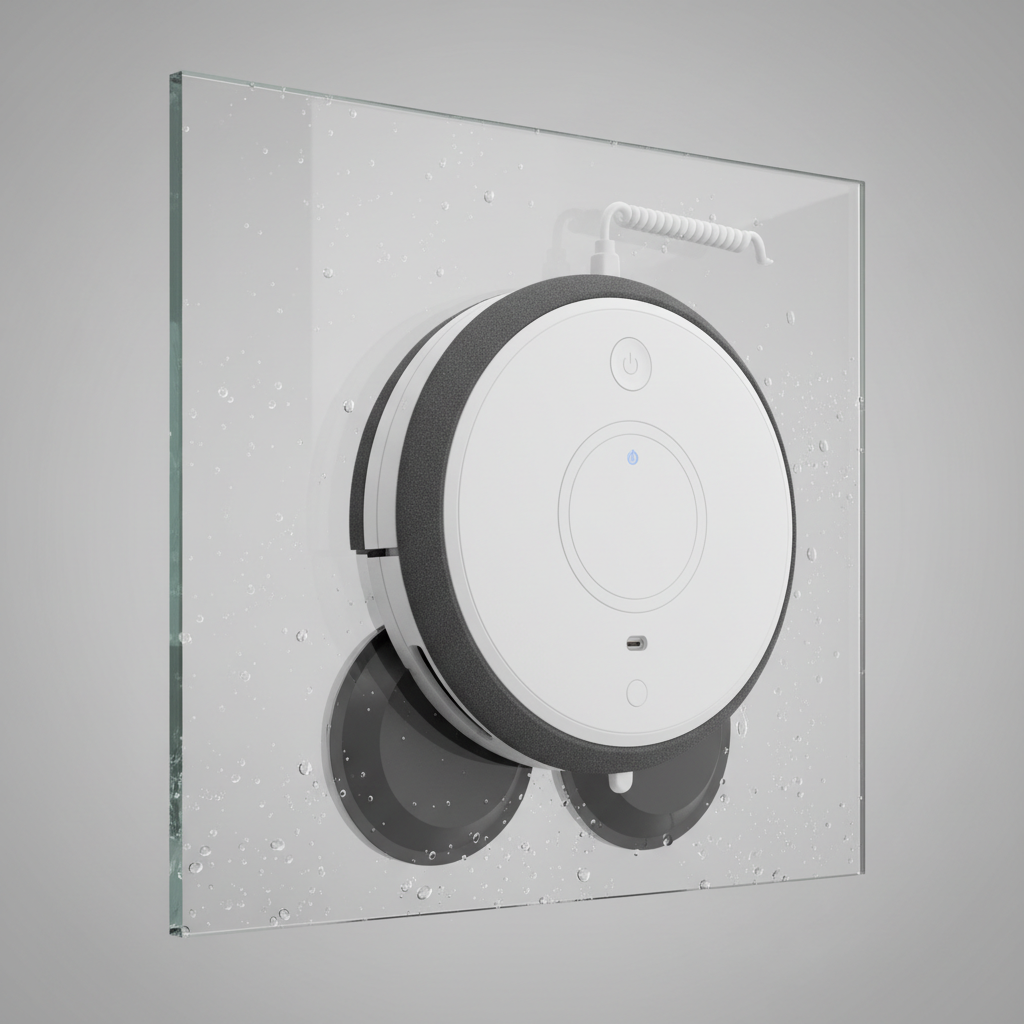
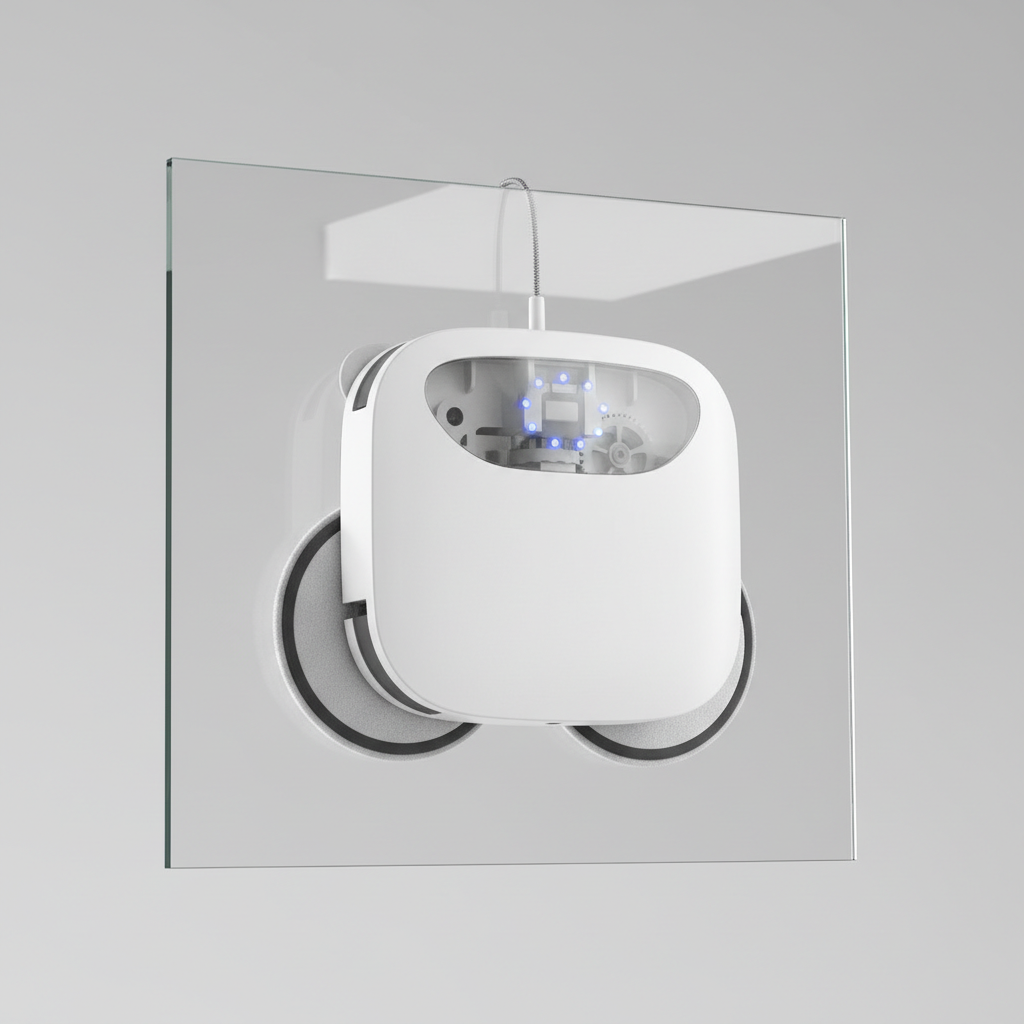
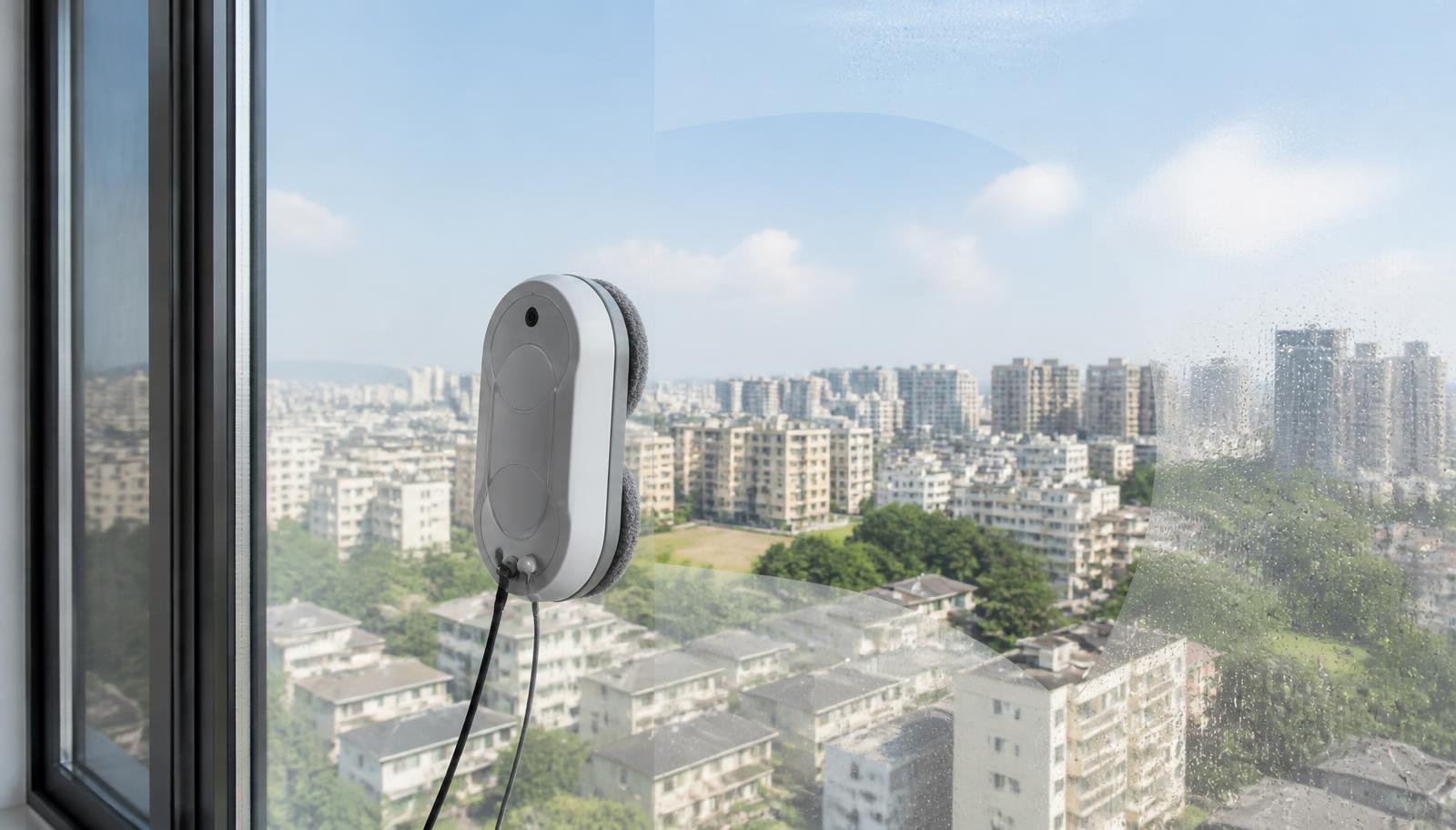
A robot window cleaner attached to a large glass window on a high-rise building. Image by www.CleaningRobots.Online.
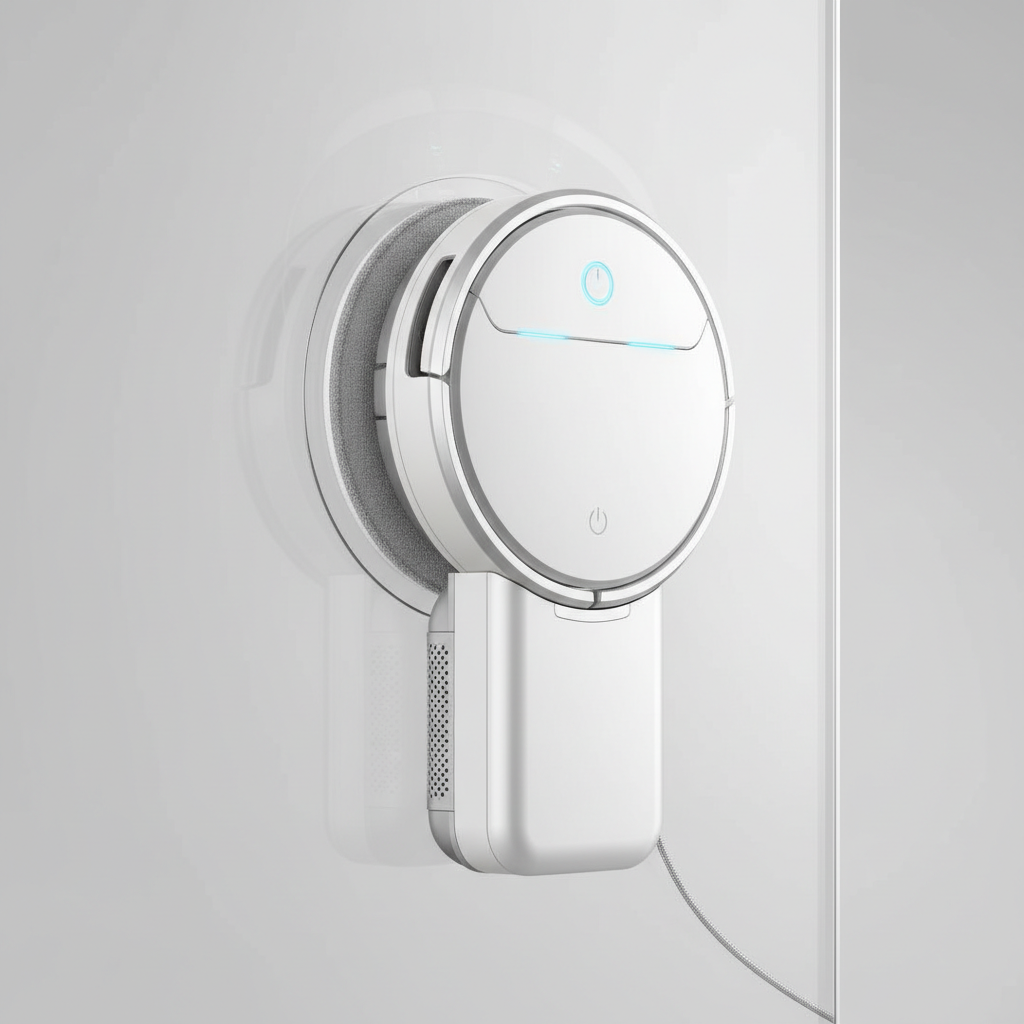
A vacuum suction base holds the robot flat against the glass while it moves in overlapping paths.
Advertisement

How a robot window cleaner stays on the glass

A robot window cleaner uses a vacuum pump to create continuous suction against the glass surface, holding itself flat while wheels or a sliding chassis move it in overlapping vertical or horizontal paths. Microfibre pads on the underside scrub and squeegee the surface as it travels, and most units carry a small onboard water or cleaning fluid reservoir to loosen dust and grime ahead of the pad.

Because the entire device relies on maintained suction, almost every reputable model includes a battery backup that keeps the pump running during a power outage or if it becomes unplugged, along with a physical safety rope or tether that should always be anchored to a fixed point when cleaning upper-storey windows. Skipping the tether on any window above ground level is a real safety risk, not just a manufacturer formality.

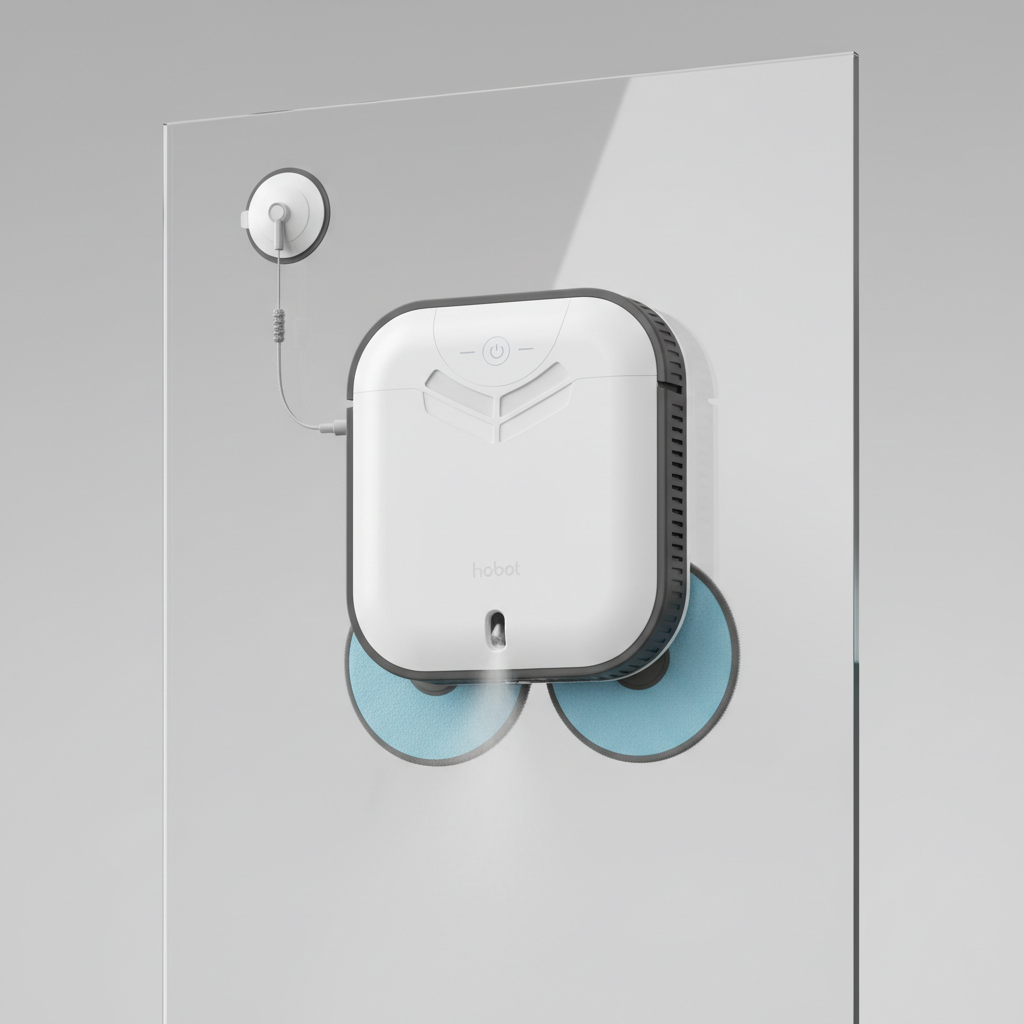
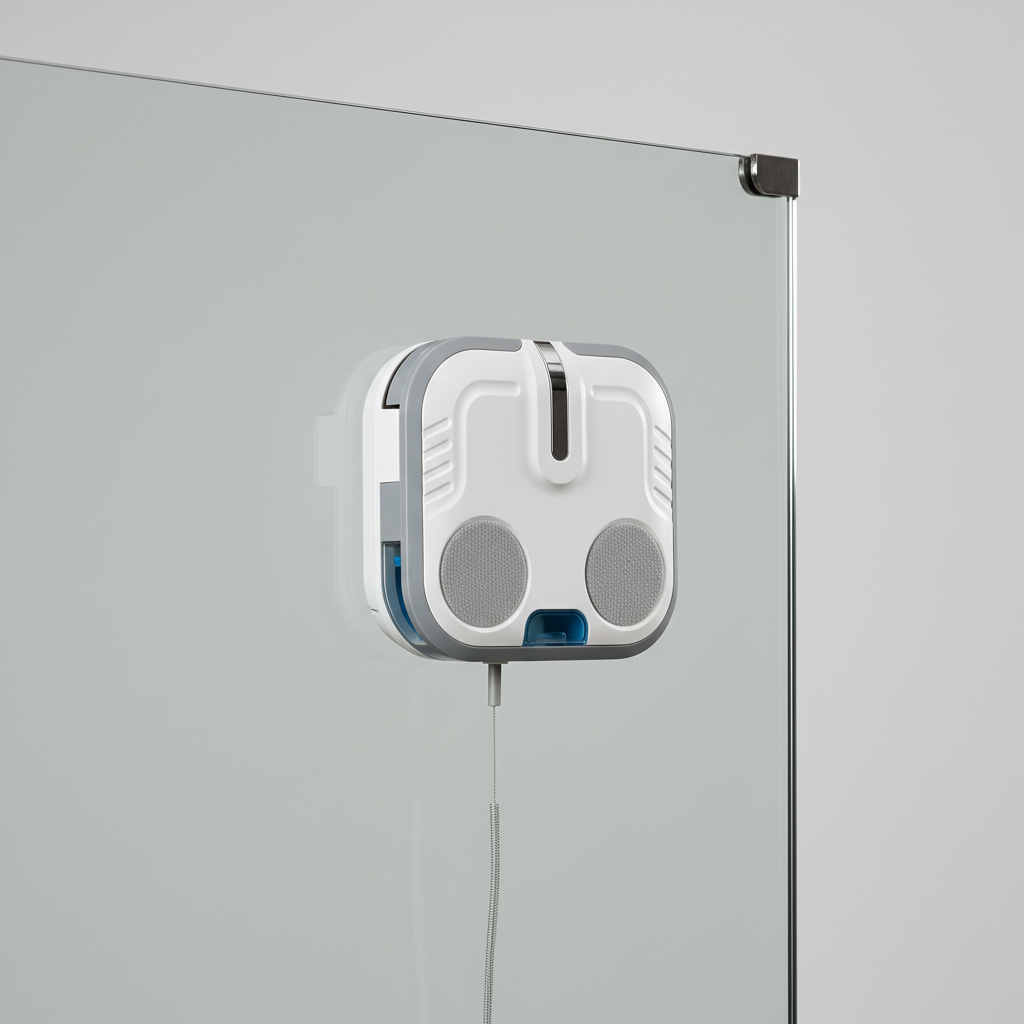
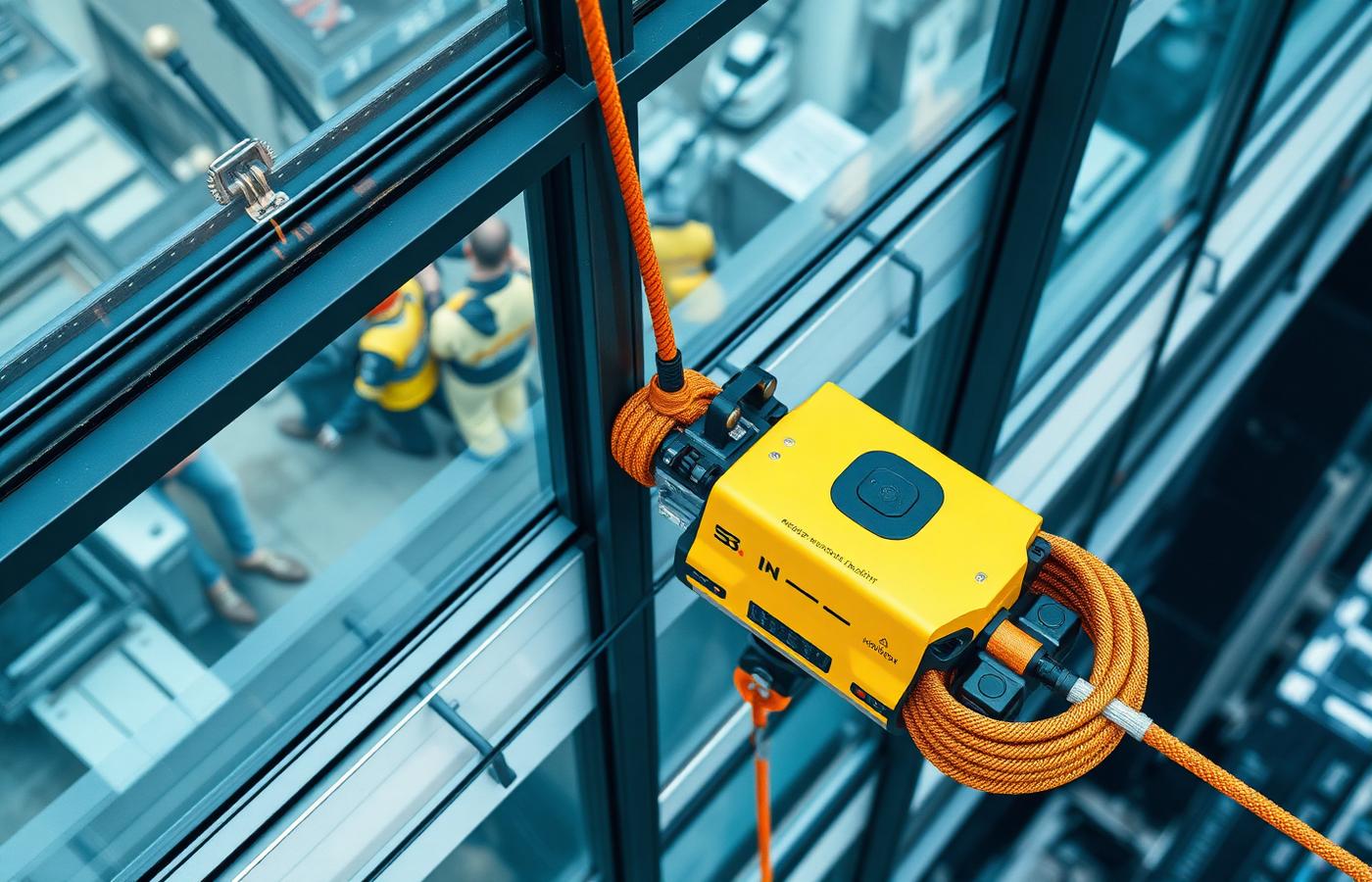
Close-up of a robot window cleaner's microfibre cleaning pads and safety tether. Image by www.CleaningRobots.Online.
Microfibre pads scrub and dry the glass, while a safety tether or rope backs up the suction seal.

Which windows suit a robot cleaner

Robot window cleaners work best on flat, smooth glass without deep frames, mullions or bars interrupting the surface, since the robot cannot cross a raised frame mid-clean. Standard single-pane and most double-glazed residential windows with glass panels of at least 30 cm on their shortest side are typically suitable. Windows with heavy external grilles, decorative leadlight patterns, or very small individual panes are usually not compatible.

Frameless or minimally framed glass, such as some balcony balustrades and shopfronts, tends to give the strongest suction seal and the most reliable results. Textured or frosted glass can reduce suction effectiveness and should be checked against the specific model's glass-type compatibility list before purchase.
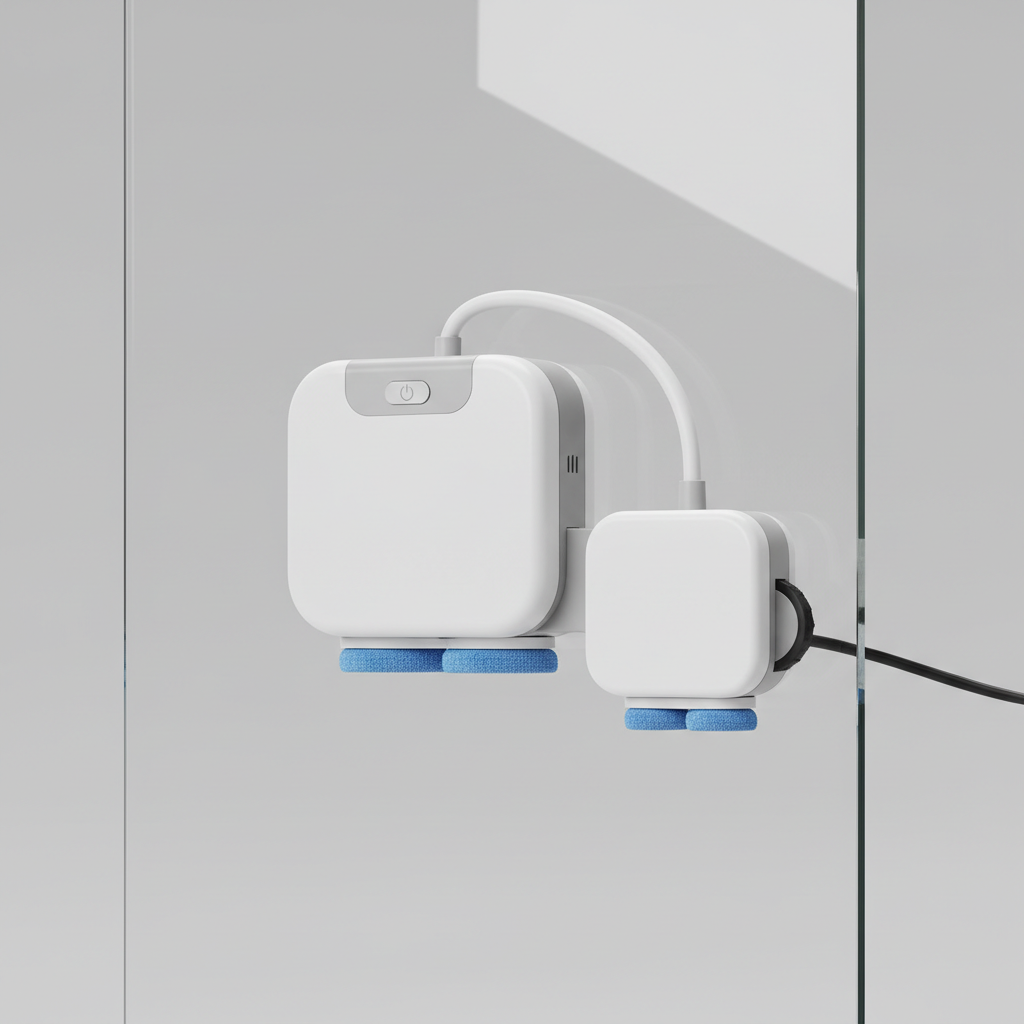
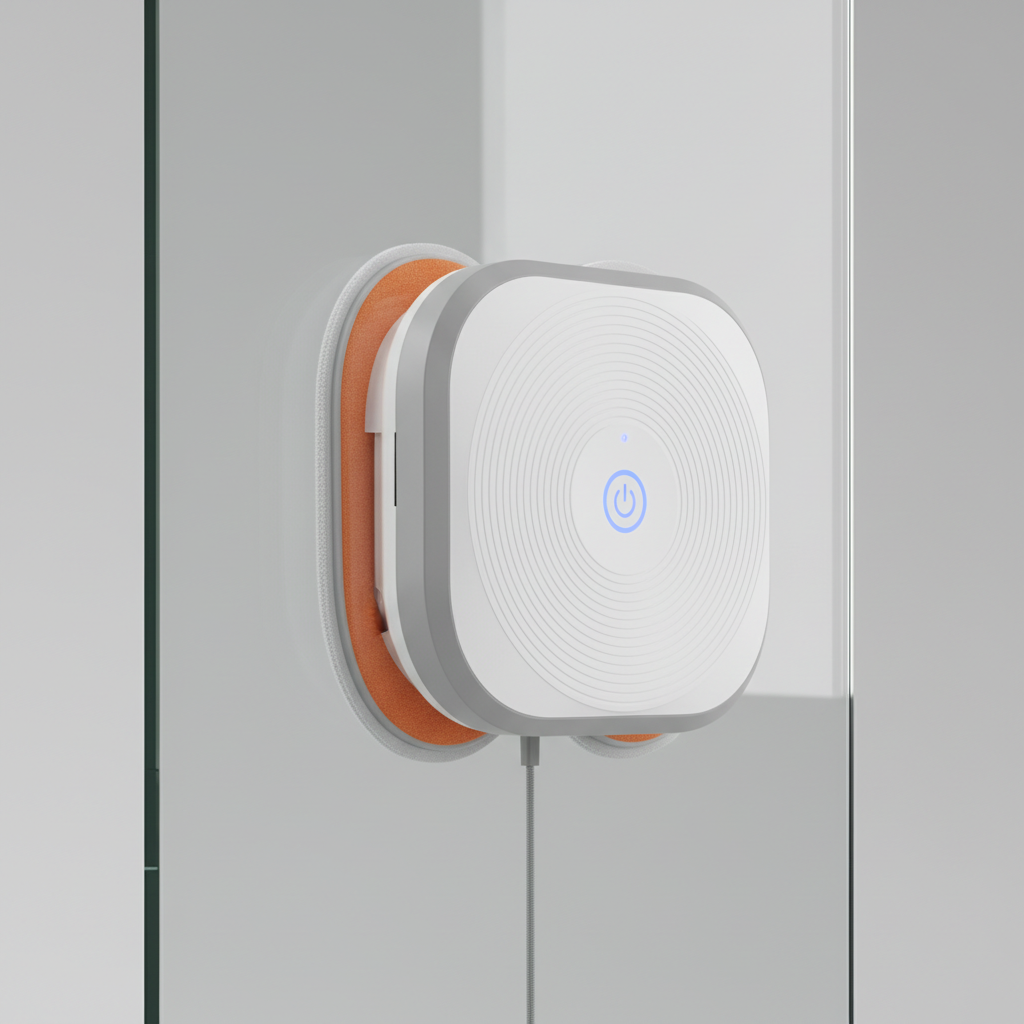
A person setting a robot window cleaner onto an indoor glass sliding door. Image by www.CleaningRobots.Online.
Framed windows and sliding doors are generally easier for a robot to seal against than frameless glass.

Safety features worth checking before buying

For any window above single-storey height, prioritise models with a genuine battery backup rated for at least 15โ€“20 minutes of continued suction, an audible alarm on power loss, and a rated safety rope with a stated weight capacity that exceeds the robot's own weight several times over. Anchor points should be a fixed structural fitting, not furniture or loose fixtures.

Edge-detection sensors that stop the robot before it drives off the pane are standard on capable models, but they are not a substitute for the mechanical tether, since sensor failures, though rare, do happen.
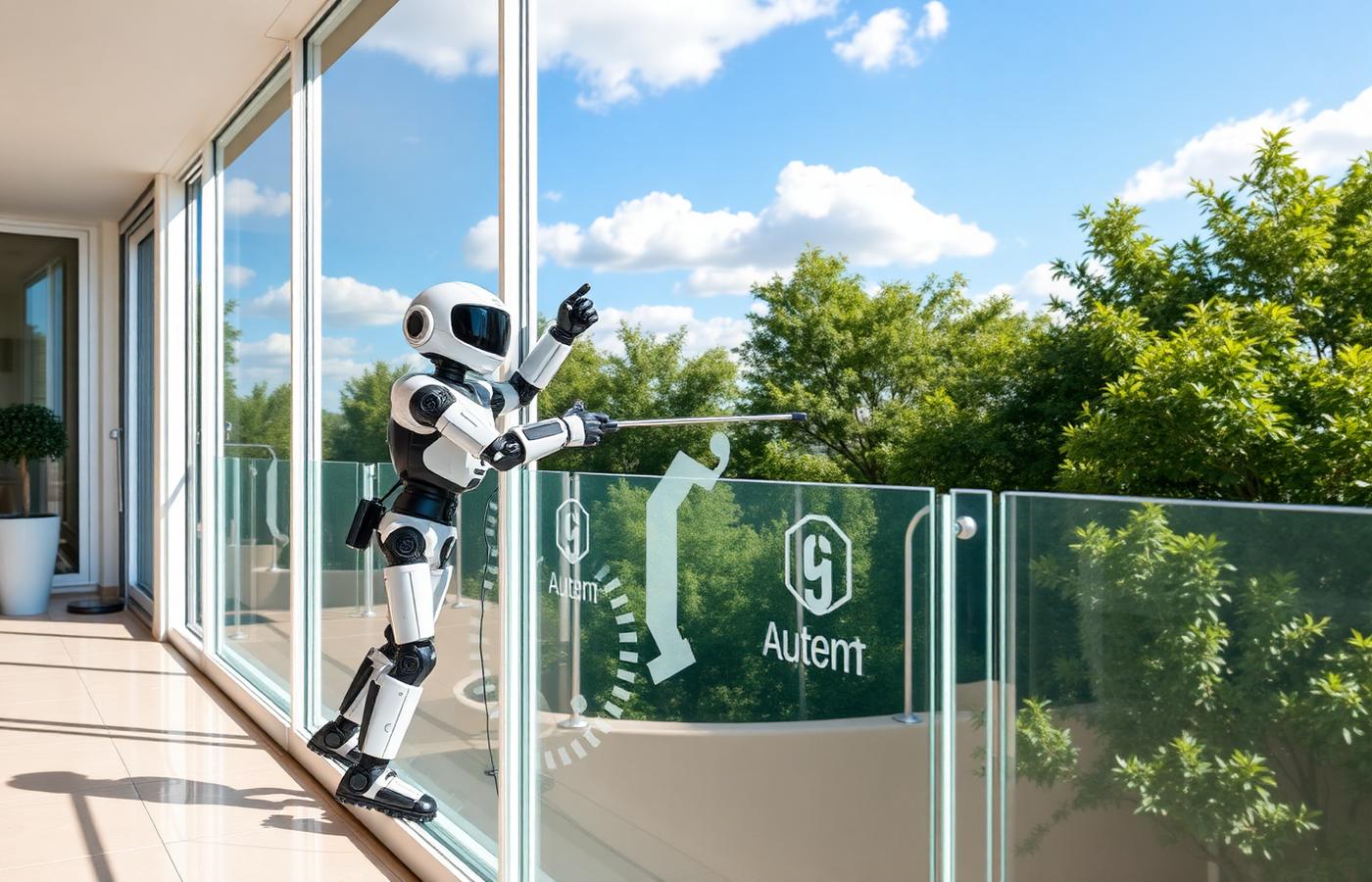
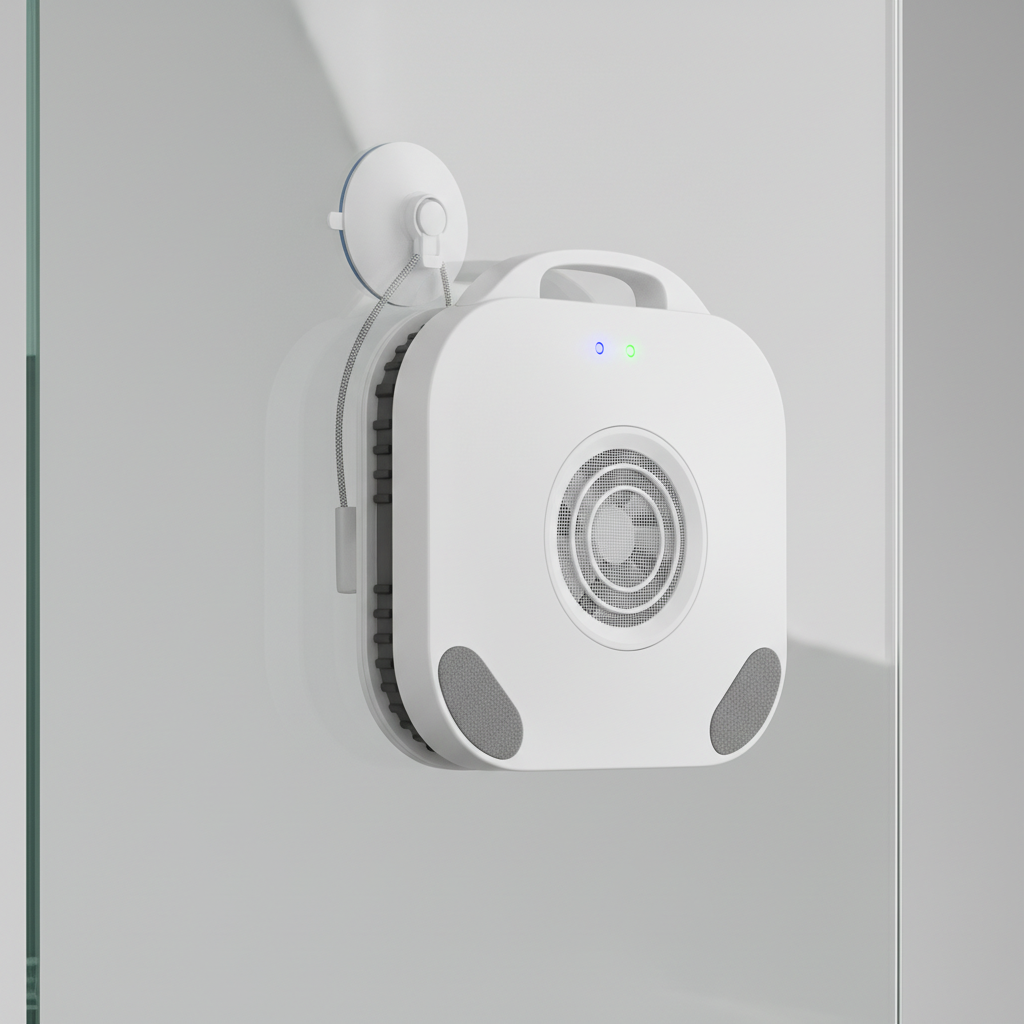
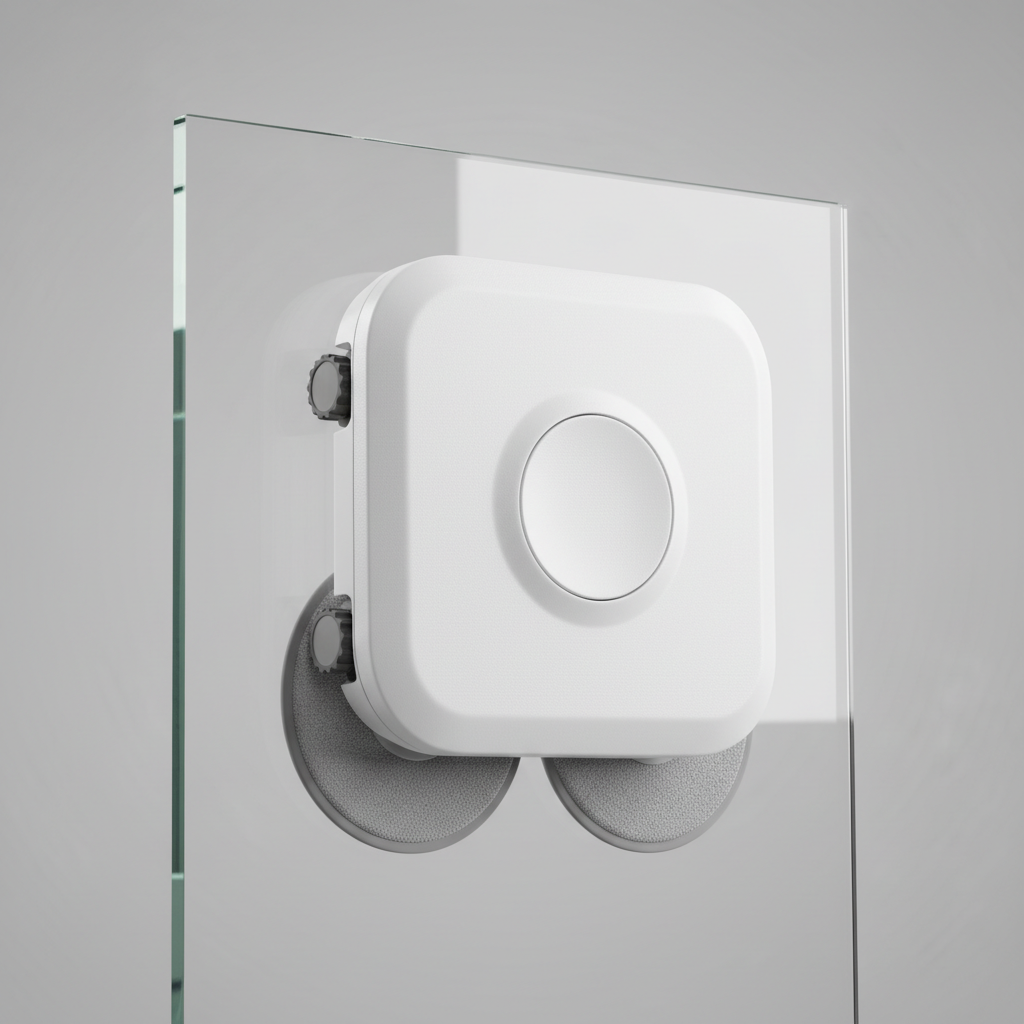
A robot window cleaner navigating around a window frame edge with sensors visible. Image by www.CleaningRobots.Online.
Edge sensors detect the window frame and reverse direction, keeping the robot from driving off the glass.

What it will not clean

A robot window cleaner cleans the flat glass surface only. It does not clean frames, tracks, external sills, screens or heavily caked-on residue such as paint splatter, sap or mineral deposits from sprinklers โ€” those still need a manual scrape or dedicated cleaner beforehand. Very dirty glass, especially after long neglect or construction dust, generally benefits from one manual pre-clean so the robot's pads are not doing the heavy lifting on the first pass.

Exterior use in wind, rain or extreme heat is also typically restricted by the manufacturer, since these conditions affect suction reliability and pad performance.

Realistic pricing in Australia

Basic indoor-only robot window cleaners without app control start around $150โ€“$250 AUD. Mid-range models with app scheduling, remote control and indoor/outdoor use typically run $300โ€“$500. Premium units with stronger suction motors, larger cleaning coverage and more robust safety tethers for high-rise use can reach $600โ€“$900. These are approximate ranges and vary by retailer and season.
Frequently asked questions

Is it safe to use a robot window cleaner on upper-storey windows?
Only with a battery backup and a properly anchored safety tether rated well above the robot's weight. Never operate one above ground level without both safeguards in place.
What happens if the power goes out while it's cleaning?
Reputable models switch to an onboard battery that maintains suction for a limited time, usually 15โ€“20 minutes, giving you time to remove the robot safely.
Can it clean frosted or textured glass?
Not reliably. Textured and frosted surfaces reduce suction effectiveness, so check the manufacturer's compatible glass types before buying if your windows are not plain flat glass.
Does it clean window frames and tracks too?
No, it only cleans the flat glass pane. Frames, tracks, sills and screens still need manual cleaning.
How wide a window frame can it cross?
Most units cannot cross a raised frame at all mid-clean; they detect the frame edge and reverse direction, so each separate pane generally needs its own cleaning cycle.
Advertisement

All our Window Cleaning Robots โ€” 10 models reviewed

Every model we cover in this category, ranked with specs, pricing and honest pros and cons.

See the full Window Cleaning Robots category

Related robot categories

Read our other Full Feature Articles

Outdoor Cleaning RobotsThe Robot Pool Cleaner Buying Guide: What Actually MattersCordless vs Corded Robot Pool Cleaners: Which Suits Your PoolSolar Pool Skimmer Robots: What They Do and Their LimitsLiDAR vs vSLAMRobot Lawn Mowers Without Boundary Wire: How They NavigateSelf-emptying robot vacuum systems explainedRobot mops for hard floorsThe Robot Vacuum Buying Guide: What Actually Matters in 2026Are Vacuum Mop Combo Robots Worth It in 2026?Self Cleaning Litter BoxThe Best Robot Vacuum for Pet Hair in a Shedding HouseholdThe Grill Cleaning Robot Guide: How They Work and What They CostHome Assistant Robots for Elder Care: A Practical GuideChoosing a Robot Mower for Slopes and Large LawnsSecurity Patrol Robots for Home and Business: What to KnowHow a flying delivery drone actually gets a parcel to your doorDrone Delivery Regulations Worldwide: A Country-by-Country OverviewHow a Food Delivery Robot Gets Your Order to Your DoorCommercial Floor Scrubbing Robots: What They Cost and How They WorkWarehouse Lifting Robots: Cutting Manual Handling Injuries on the FloorWorkplace Safety RobotsThe Complete Robot Vacuum Maintenance ChecklistSmart Home Cleaning Robot Integration, ExplainedThe Real Cost of Cleaning Robots, Beyond the Sticker PriceGutter Cleaning Robots Explained: How They Work, What They CostThe Best Gutter Cleaning Robot for 2026: A Buyer's ShortlistiRobot Looj Alternatives: What to Use Now for Gutter CleaningOutdoor Sweeper Robots: Keeping Driveways and Paths Clear Automatically

30 full feature articles published ยท browse them all