Three types of warehouse lifting robot
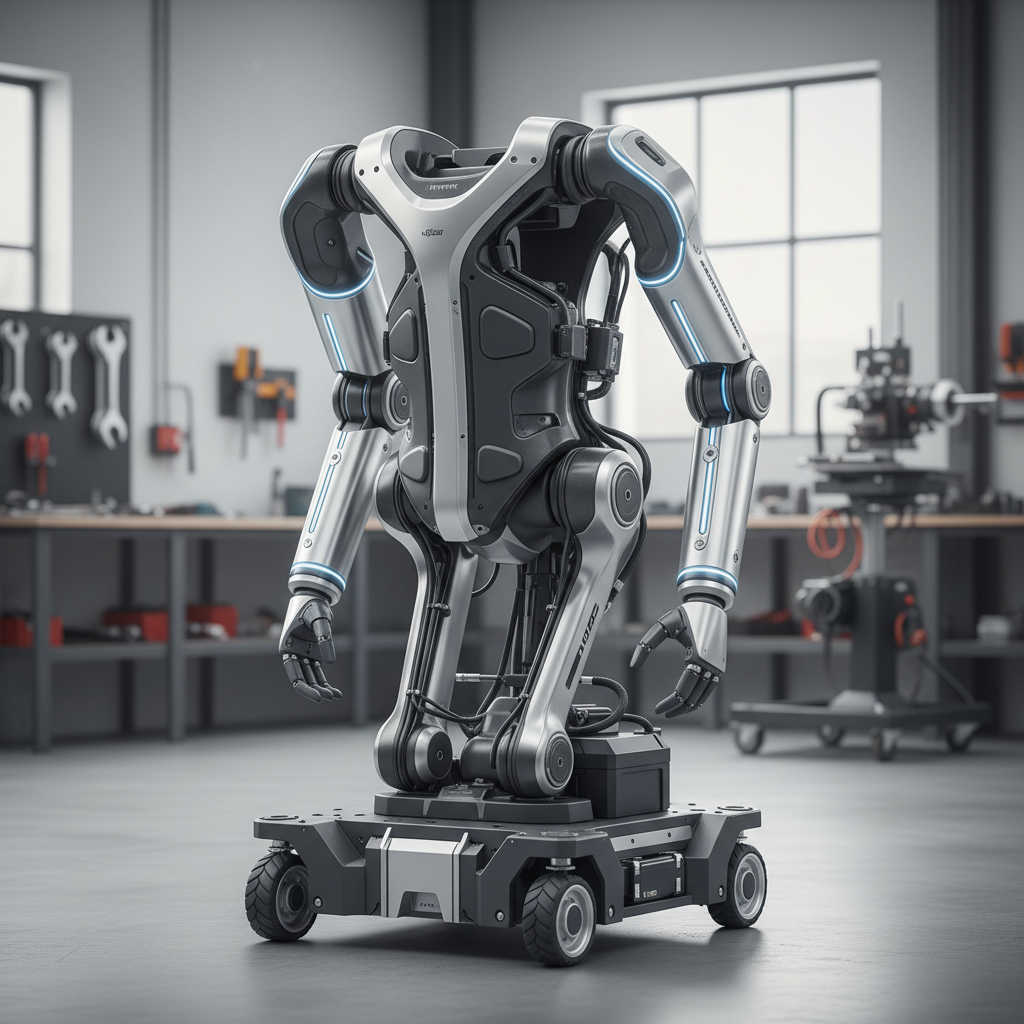
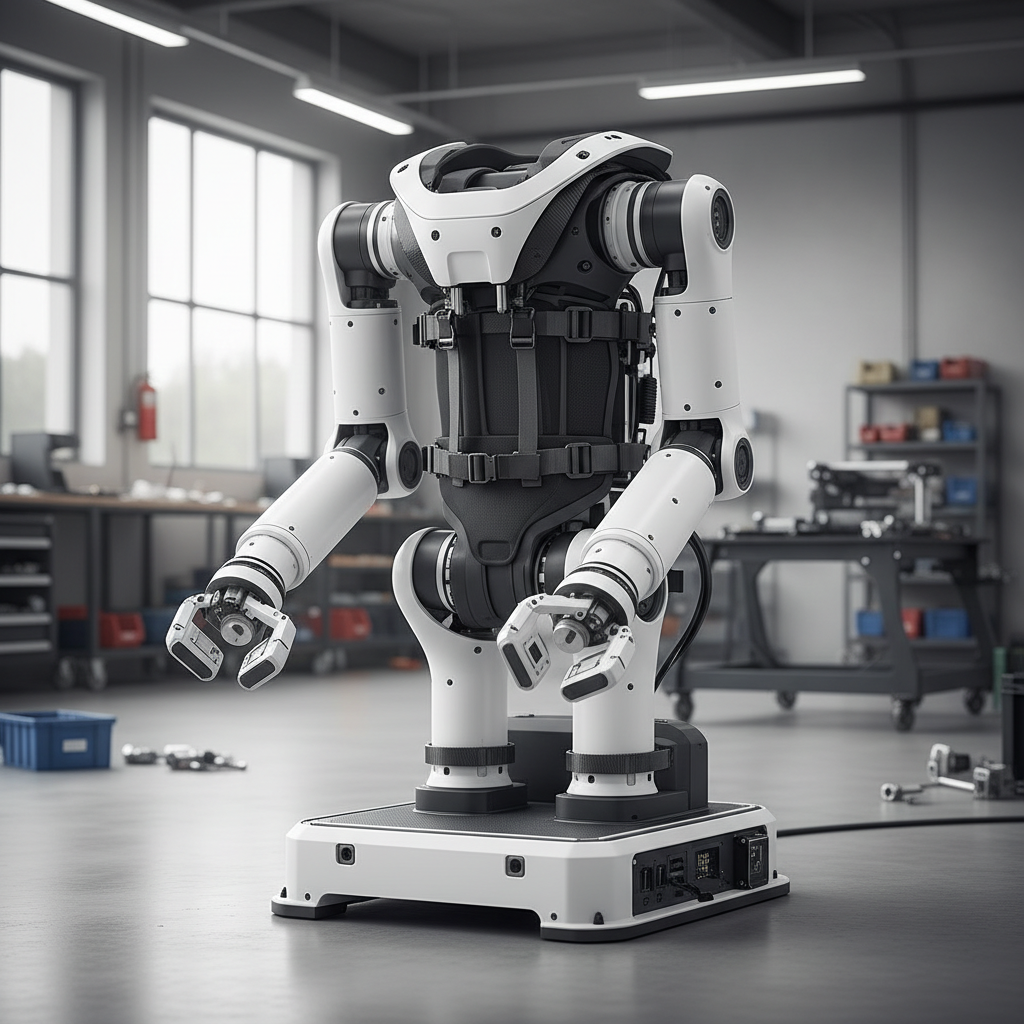
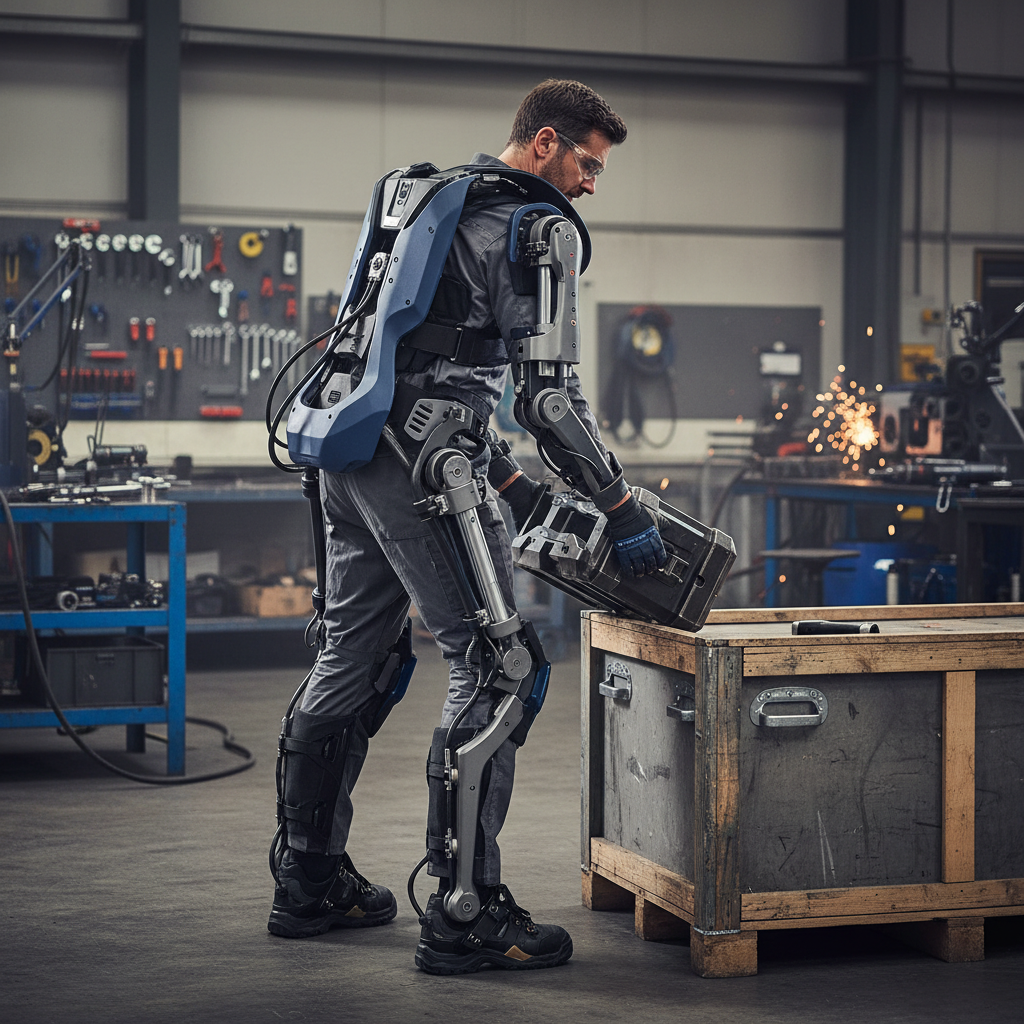
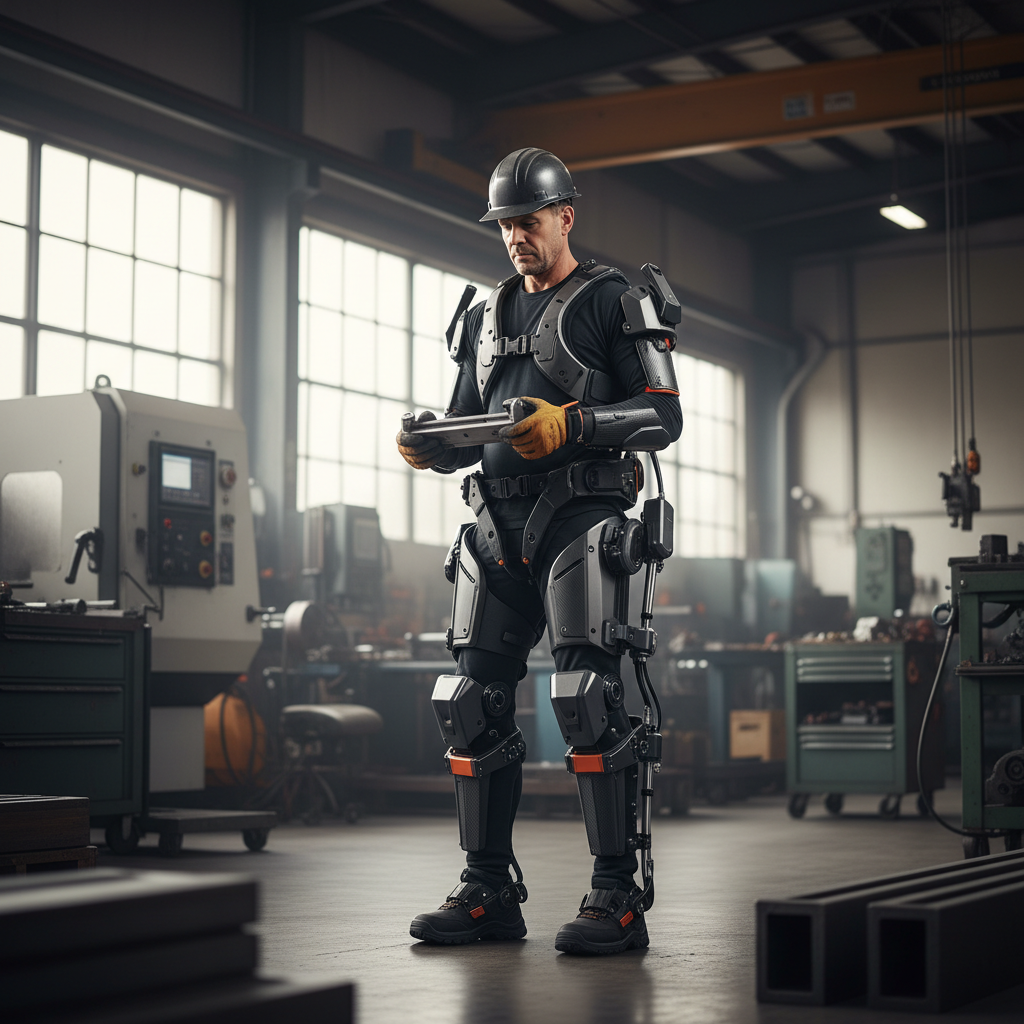
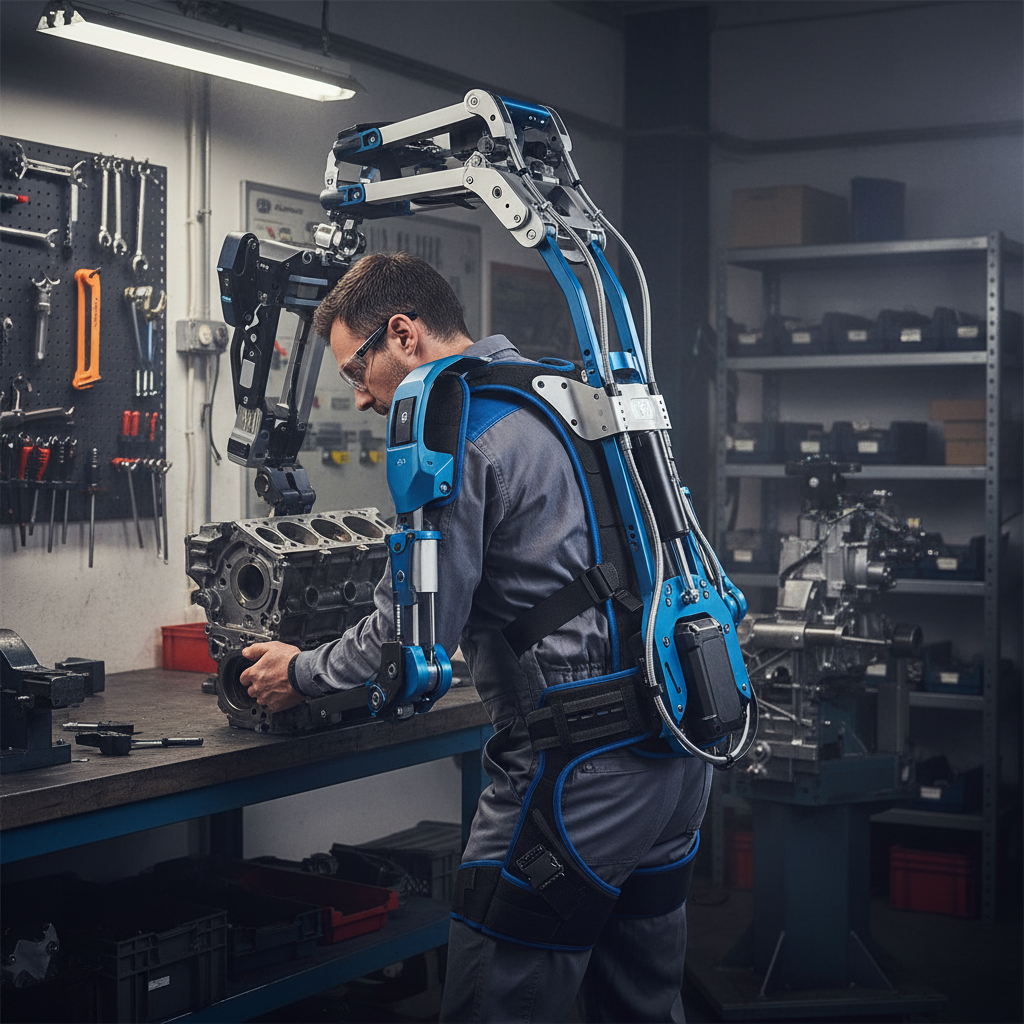
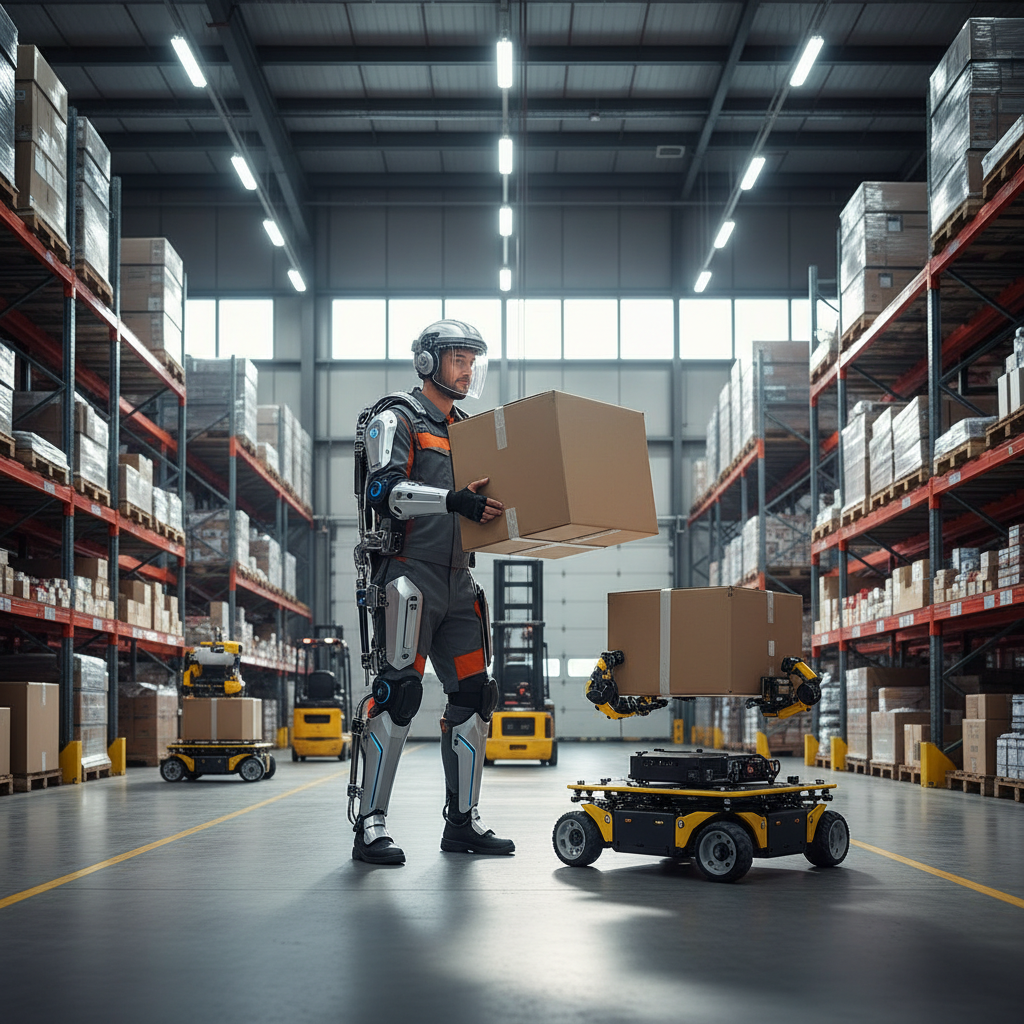
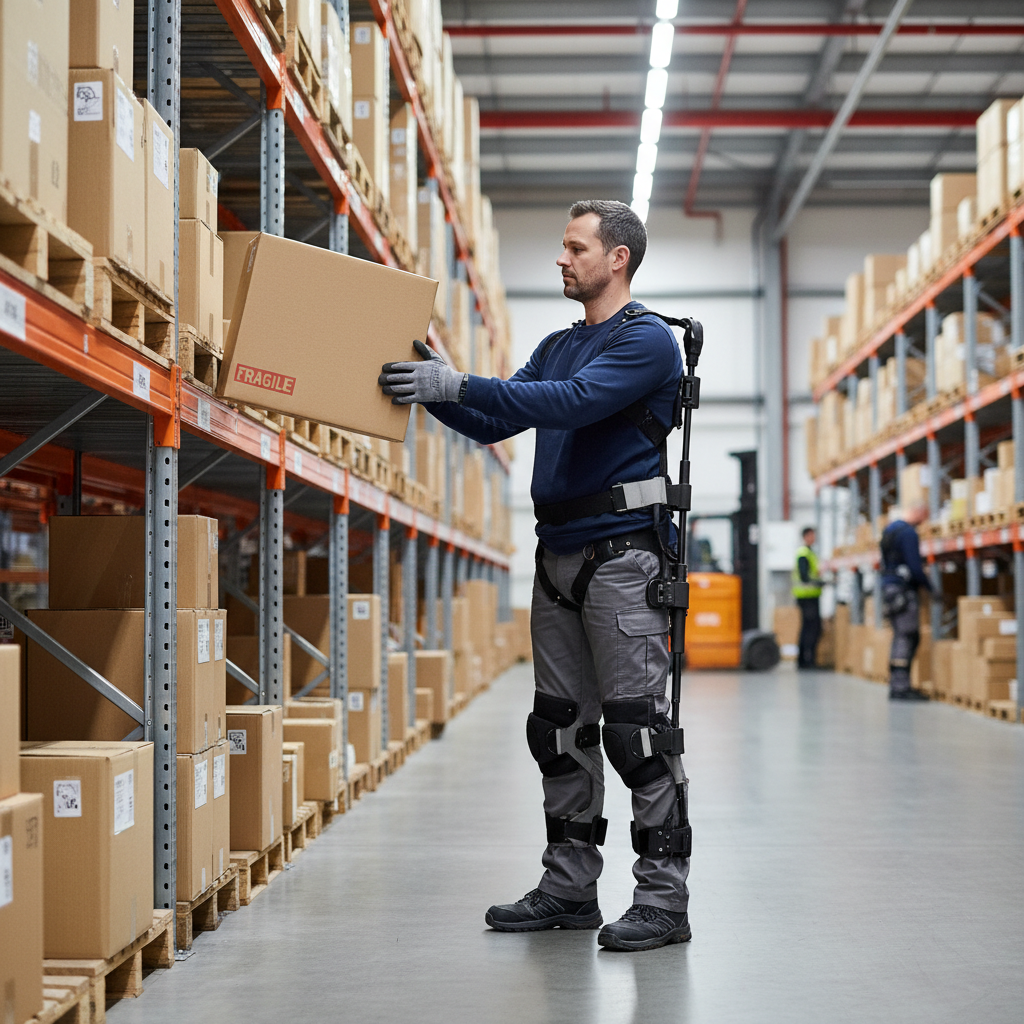
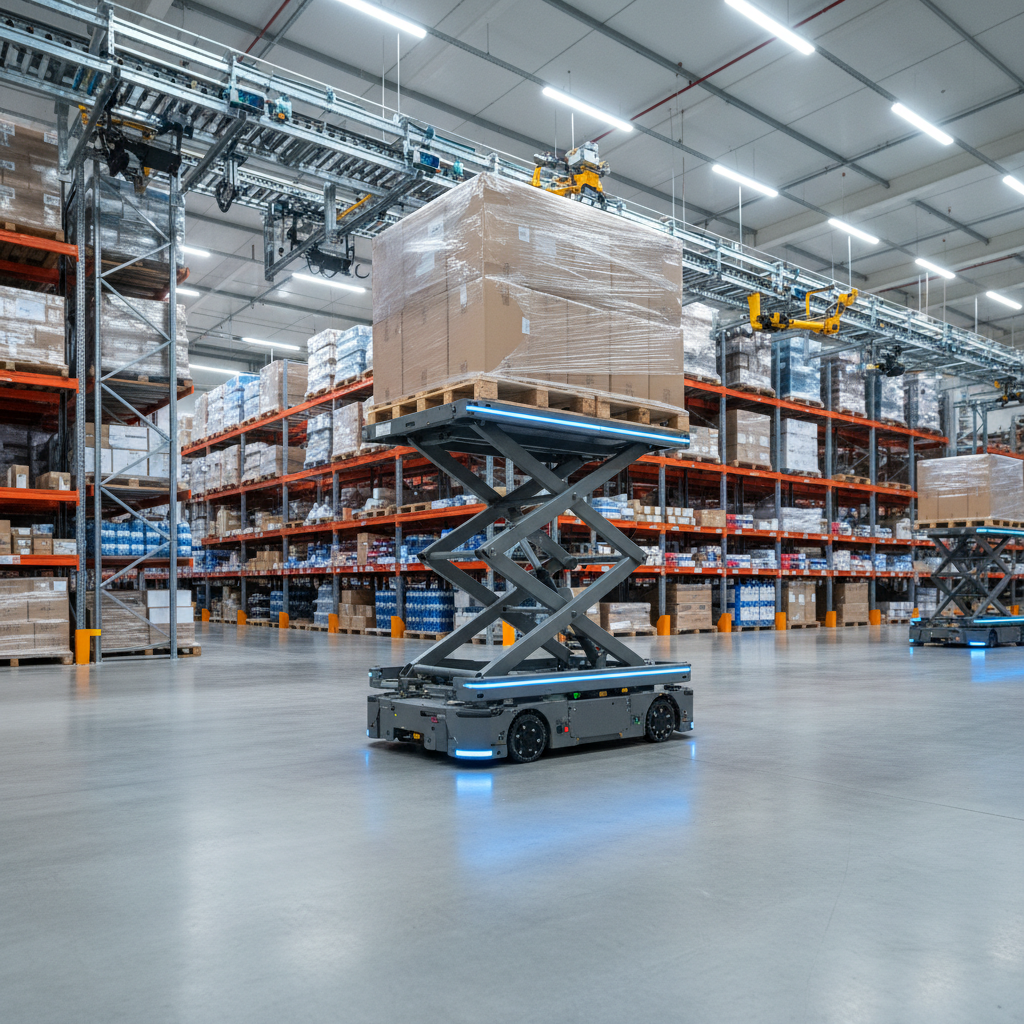
The term 'warehouse lifting robot' covers three fairly distinct categories, and confusing them is the most common mistake buyers make. Wearable exoskeletons are strapped to a worker's back, shoulders or legs and use springs, cables or small motors to reduce the load on the spine and joints during manual lifting — the person still does the lifting, but with mechanical assistance. Autonomous mobile robots (AMRs) with lifting decks or forks can pick up palletised loads and move them between locations without a person physically carrying anything. Collaborative robot arms (cobots) mounted at a fixed station lift and place individual boxes or totes, typically for palletising, depalletising or feeding a conveyor line.
Each category solves a different problem: exoskeletons address the physical strain of tasks that still require a human's judgement and dexterity, AMRs remove people entirely from heavy transport tasks, and cobots automate repetitive, predictable lifting motions at a fixed point in the workflow.
Exoskeletons: assisting, not replacing, the worker
Passive exoskeletons use springs or elastic elements to store and release energy during a lift, reducing peak load on the lower back by a meaningful margin without needing a battery. Powered exoskeletons add small motors for stronger assistance, useful for repeated overhead work or heavier loads, but add weight, cost and a charging requirement. Fit and adjustability matter enormously: an exoskeleton sized or adjusted poorly can create new strain points rather than reducing them, so proper fitting and a trial period with affected staff is essential before a wider rollout.
Exoskeletons suit tasks that are too variable or dexterous for full automation — irregular box shapes, awkward angles, or tasks mixed in with other duties — where a human still needs to make the call on how to grip and place each item.
Autonomous mobile robots for pallet and load transport
AMRs built for lifting typically use a scissor-lift deck, forks, or a tugger mechanism to move palletised or heavy wheeled loads between fixed points such as racking, staging areas and loading docks. They navigate using LiDAR and camera-based mapping similar to autonomous floor scrubbers, following pre-mapped routes while dynamically avoiding people and obstacles. These units remove the need for staff to manually push heavy pallet jacks or operate a forklift for routine, repetitive transport runs, which is where a large share of shoulder, back and crush-injury incidents originate.
AMRs generally require a reasonably structured, mapped facility with consistent floor surfaces and clear travel lanes; highly chaotic or constantly rearranged warehouse layouts reduce their reliability and may need more frequent remapping.
Collaborative robot arms for repetitive lifting
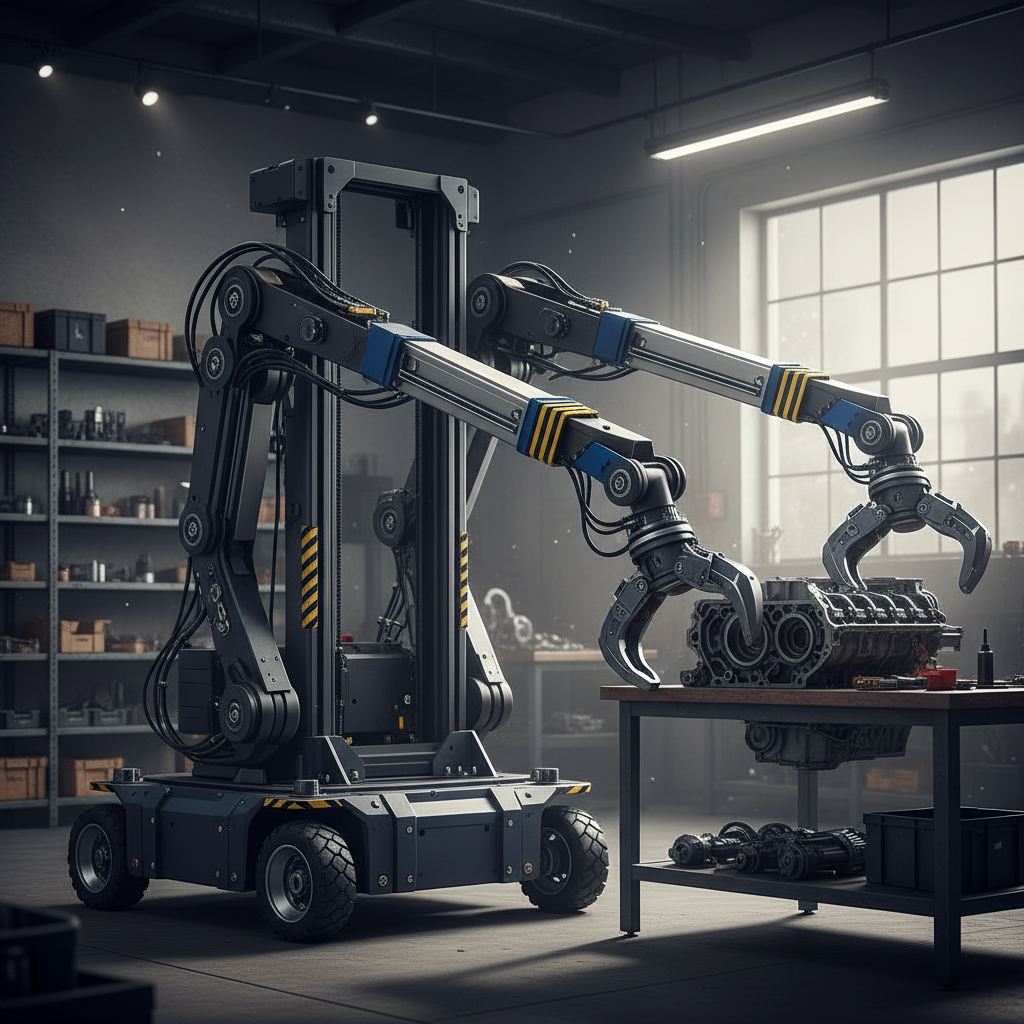
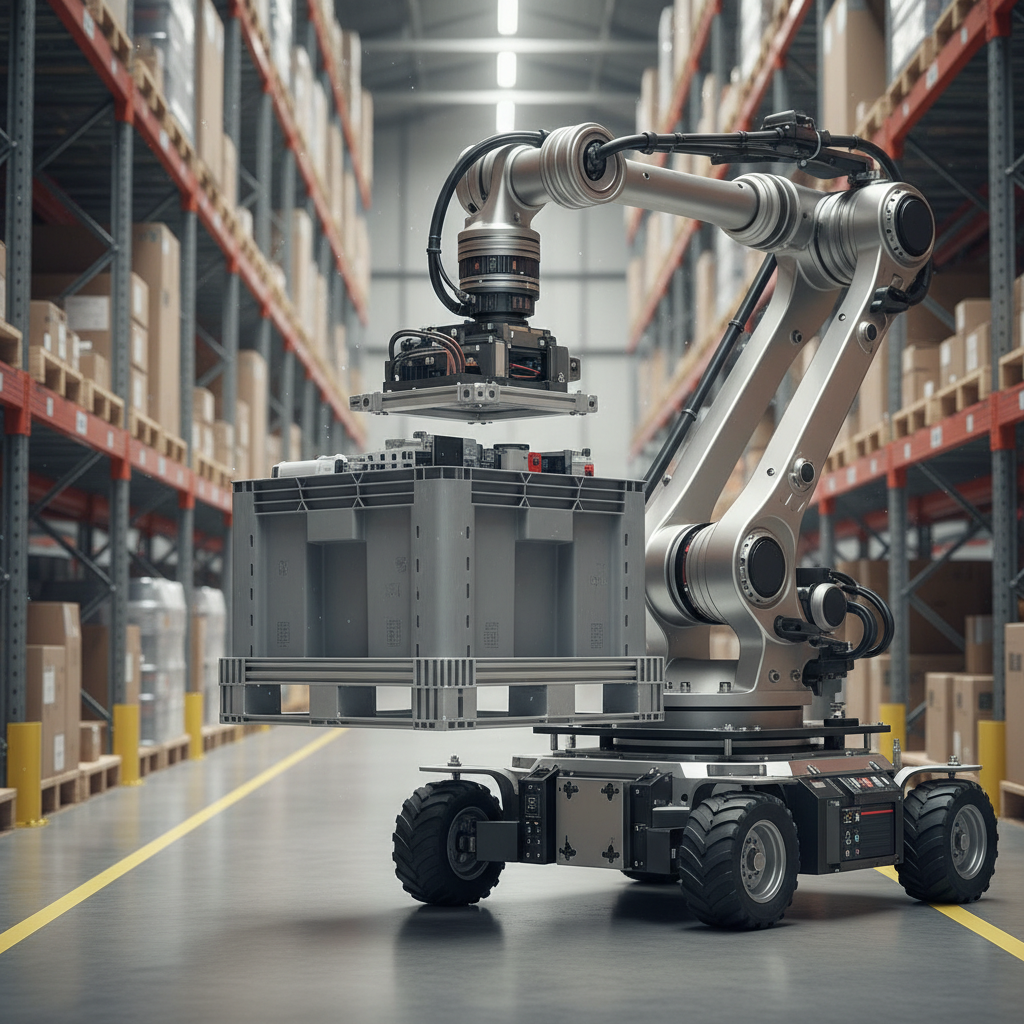
Fixed cobot arms handle high-repetition lifting tasks such as stacking boxes onto a pallet, unloading a conveyor, or feeding cartons into a packing line. Because the task geometry is predictable, these arms can run at high speed and volume, and modern safety-rated cobots include force-limiting joints and sensors that stop movement if a person enters the working zone, allowing them to operate near staff without a full safety cage in many configurations.
Payload capacity for typical warehouse cobots ranges from a few kilograms up to around 20–35 kilograms per lift for mid-range models, with heavier-duty industrial arms exceeding that for pallet-level loads, though those larger arms usually do require more substantial guarding.
Costs and return on investment
Passive exoskeletons are the lowest-cost entry point, typically running from around $1,000 to $5,000 AUD per unit, making a multi-worker rollout feasible for many mid-size operations. Powered exoskeletons cost more, often $8,000 to $20,000 AUD per unit. AMRs with lifting capability represent a much larger investment, commonly $40,000 to $150,000 AUD depending on load capacity and navigation sophistication, and are frequently financed through leasing or robot-as-a-service arrangements rather than outright purchase. Fixed cobot arm installations, including integration and safety assessment, often range from $50,000 to $120,000 AUD for a complete station.
Return on investment calculations typically weigh reduced manual handling injury claims and associated downtime against the upfront and ongoing costs, alongside any throughput gains from faster, more consistent lifting cycles compared with manual work.
Safety assessment before deployment
Before introducing any lifting robot, a proper task and risk assessment should identify which specific lifting motions cause the most strain or injury in the current workflow, since that determines which robot category is appropriate. Staff consultation matters particularly for exoskeletons, where comfort and fit directly affect whether workers actually use the device consistently. For AMRs and cobots, a documented safety zone assessment and staff training on how to interact with the robot safely are standard requirements under most workplace health and safety frameworks before the unit goes into regular operation.