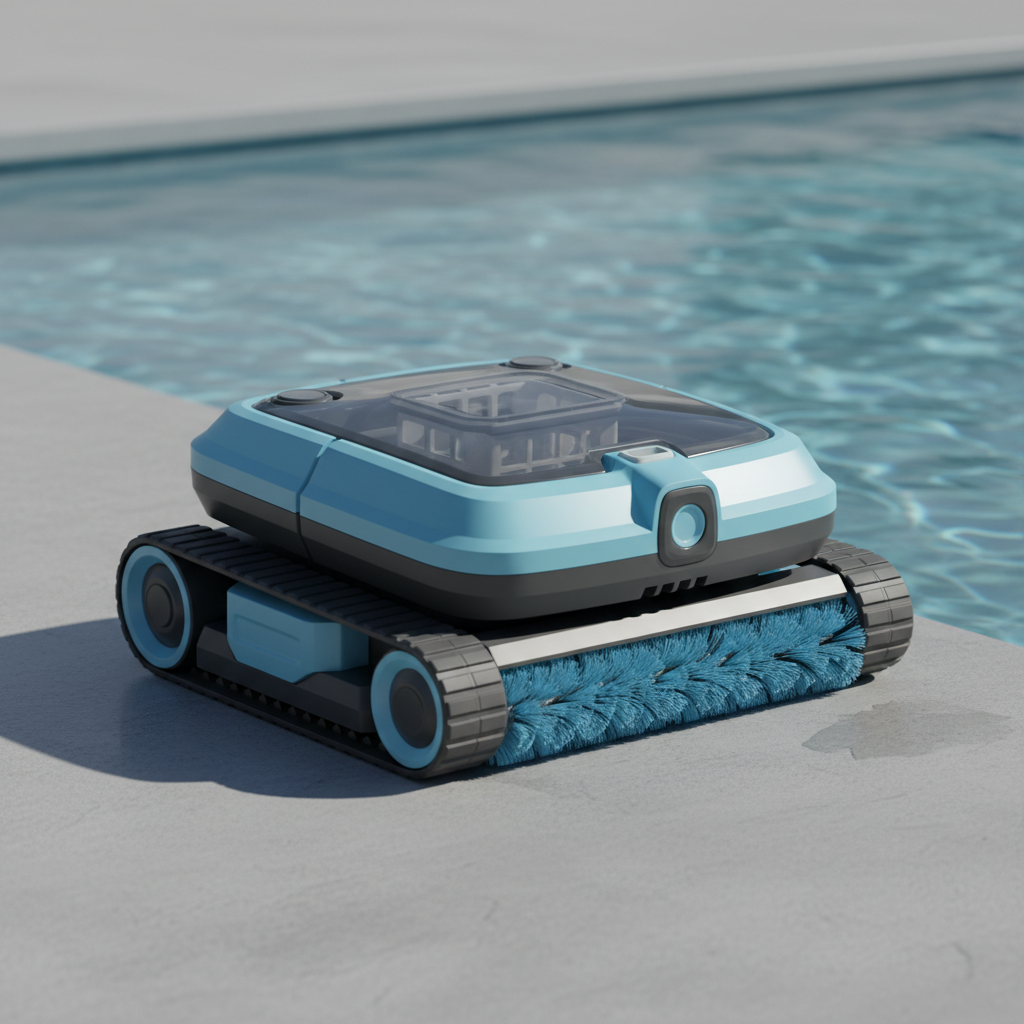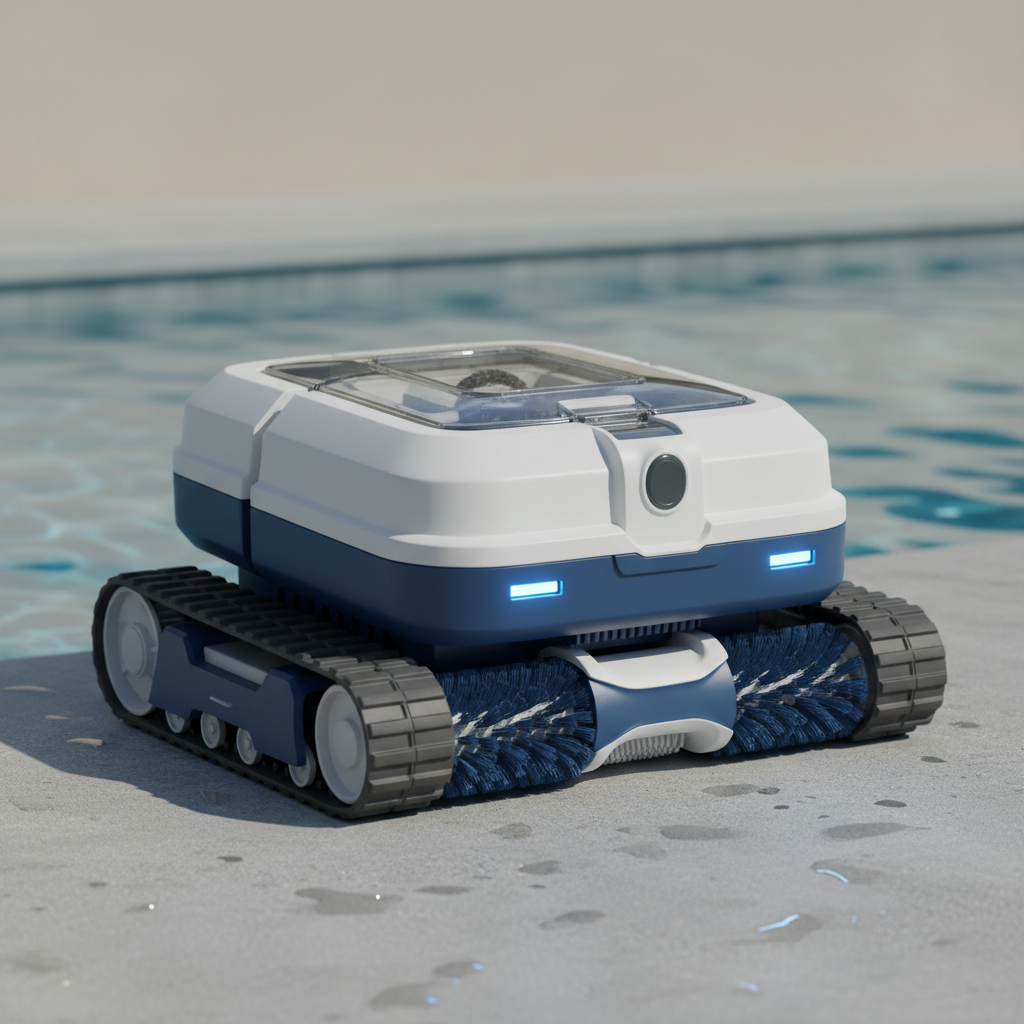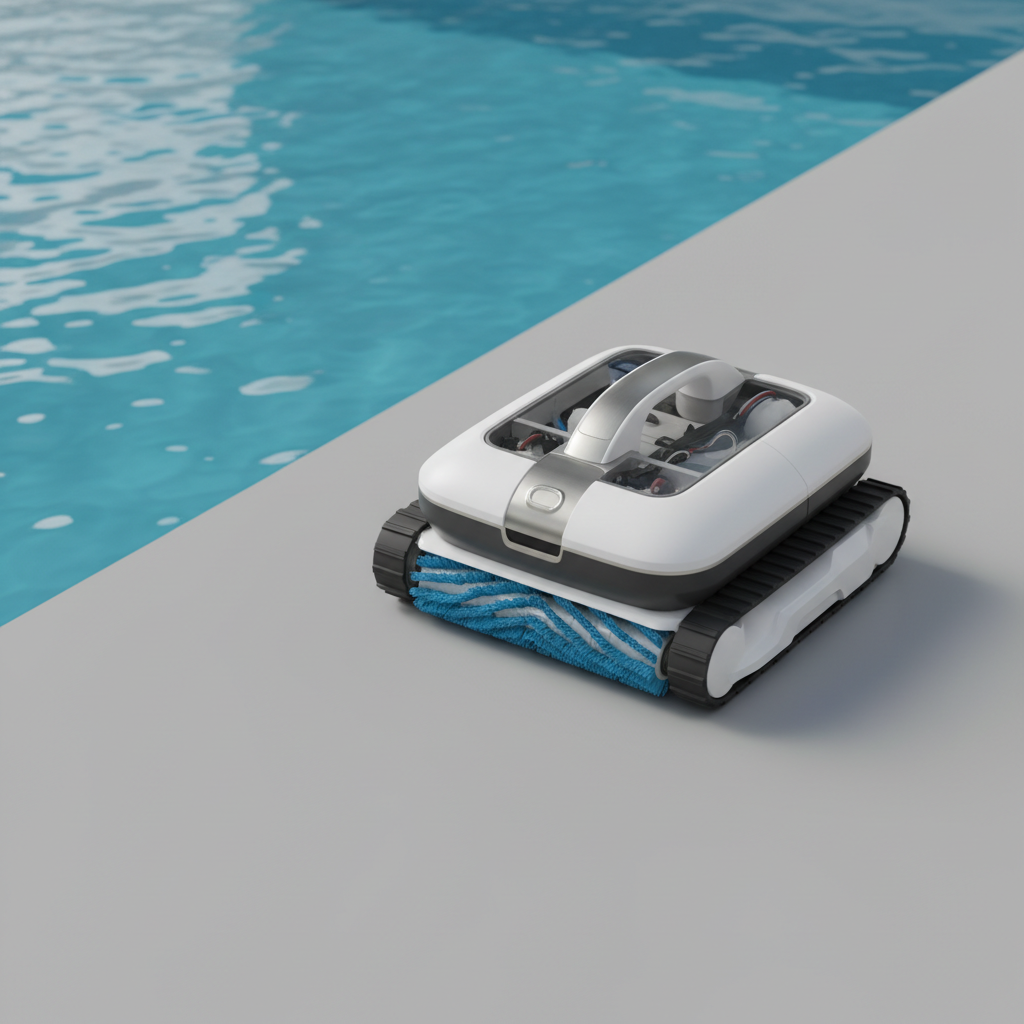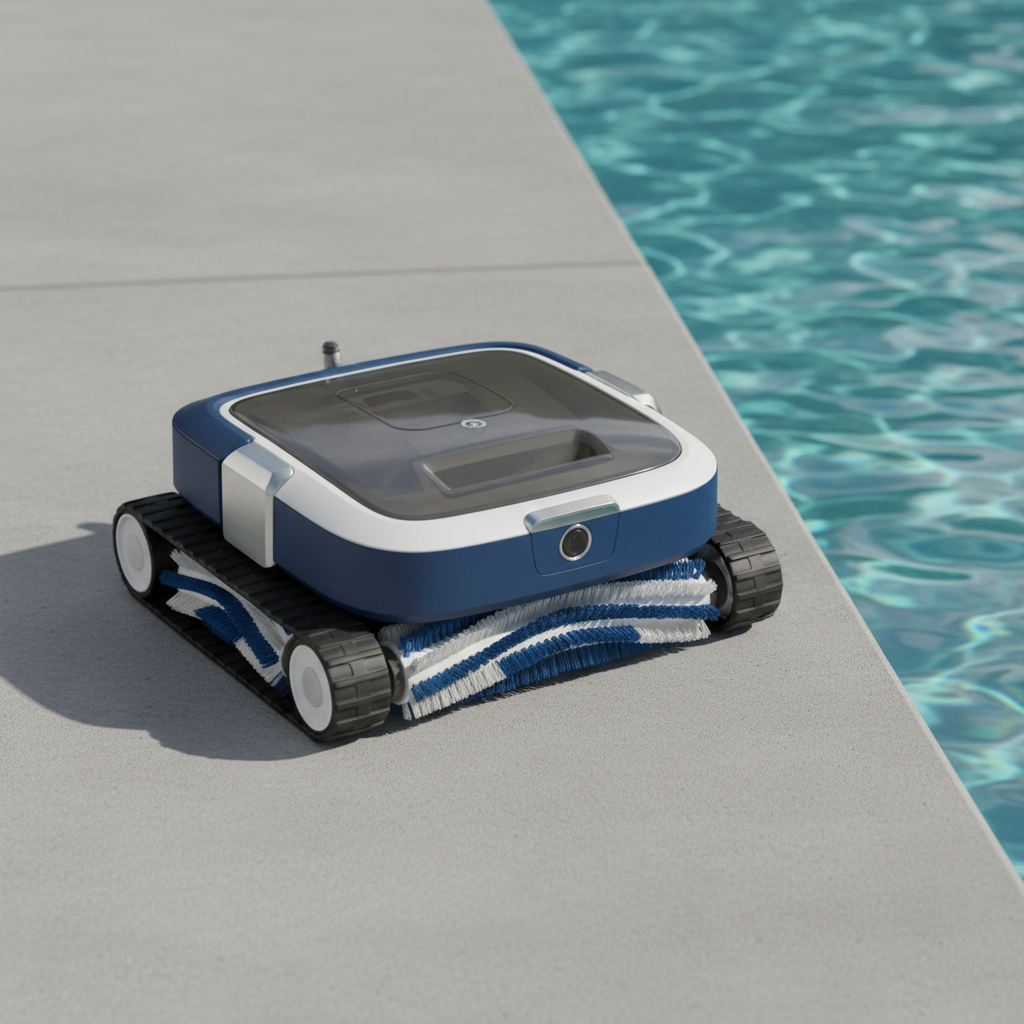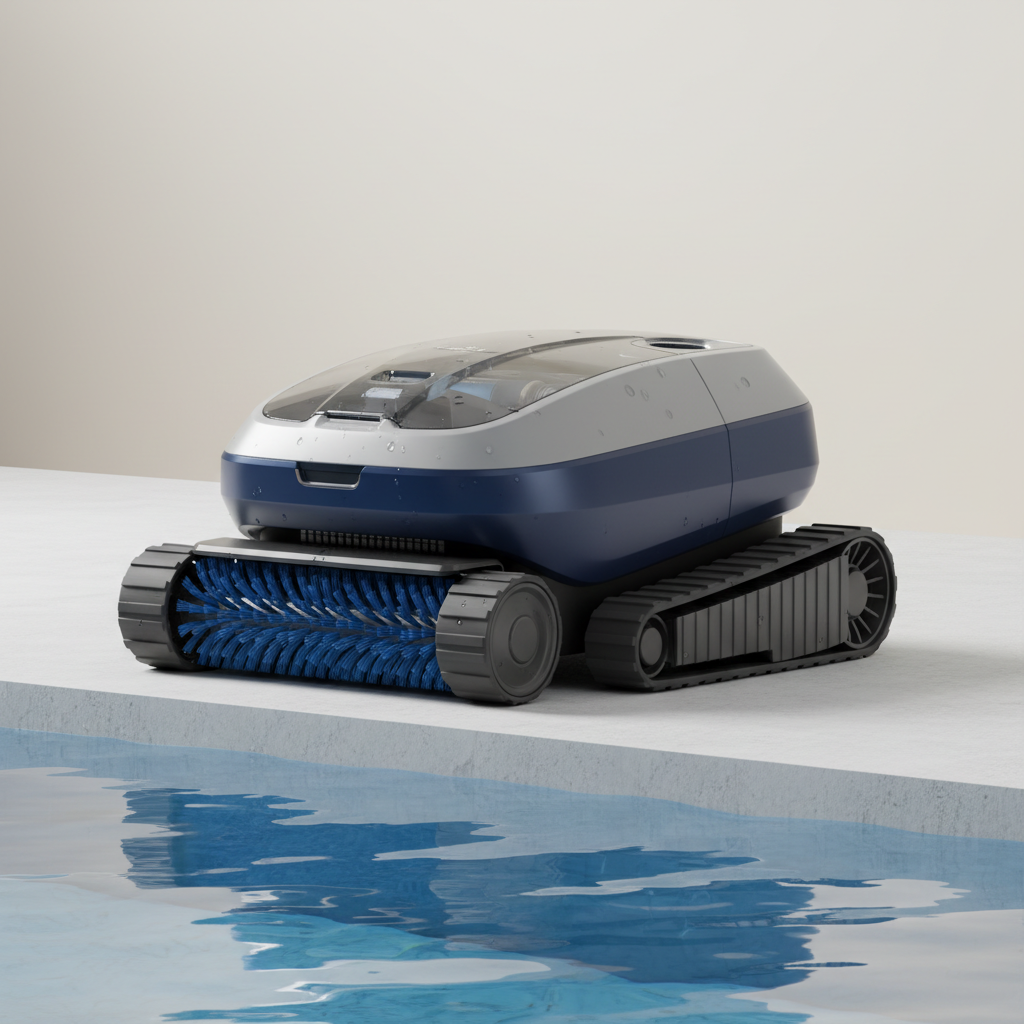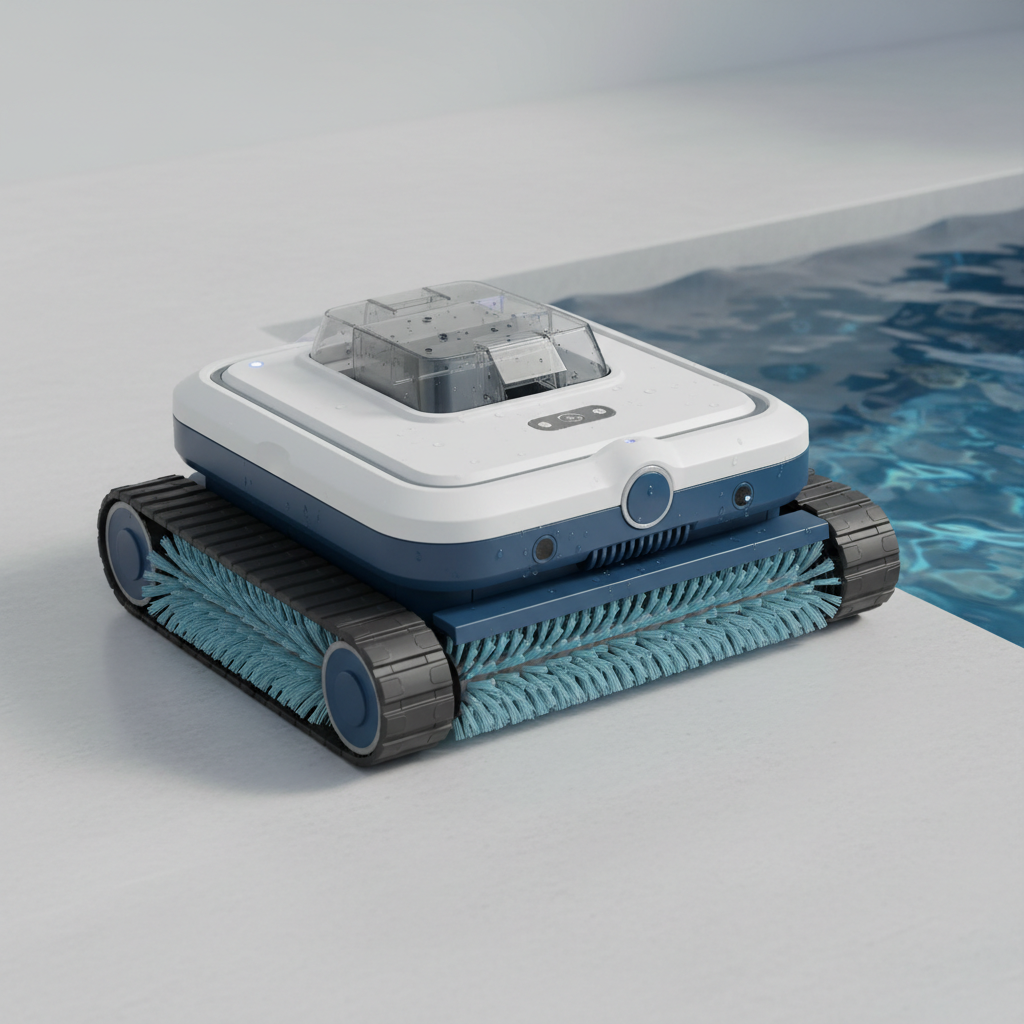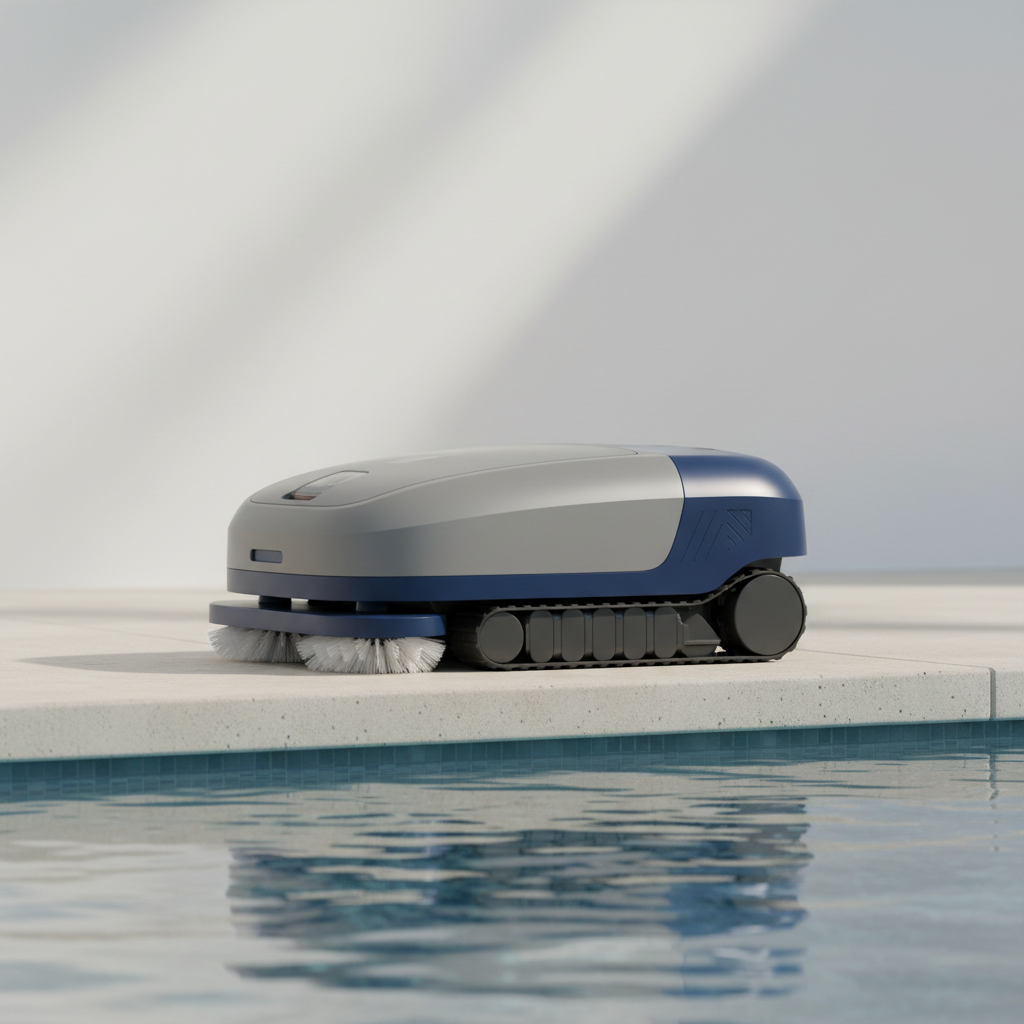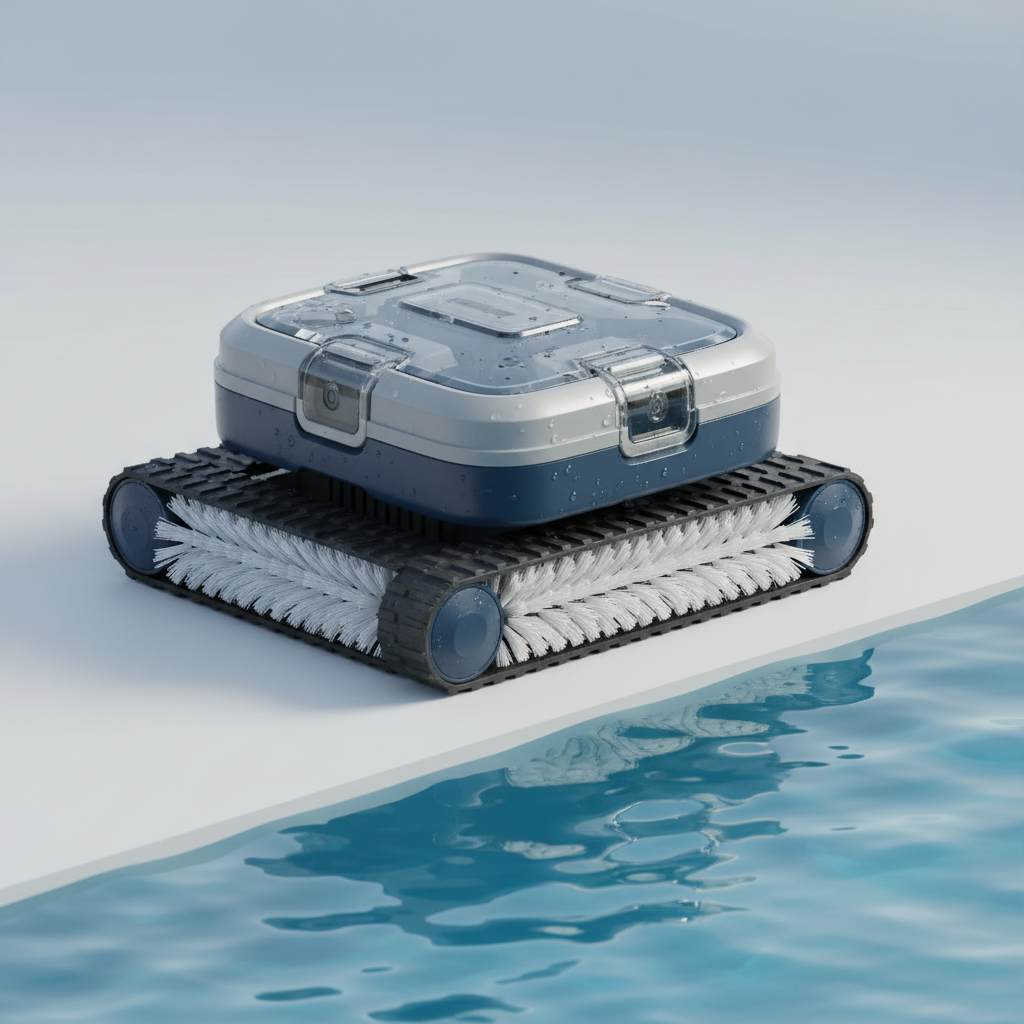
The Rise of Robotic Pool Cleaners for Above-Ground Setups
Above-ground pools have long been a popular, affordable option for Australian families seeking a backyard oasis. However, their maintenance can often be underestimated. Leaves, twigs, dust, and even fine sand can quickly accumulate, particularly after a breezy day or a dust storm. Traditionally, this meant regular manual vacuuming, brushing, and skimming – a time-consuming chore that can detract from the joy of pool ownership.
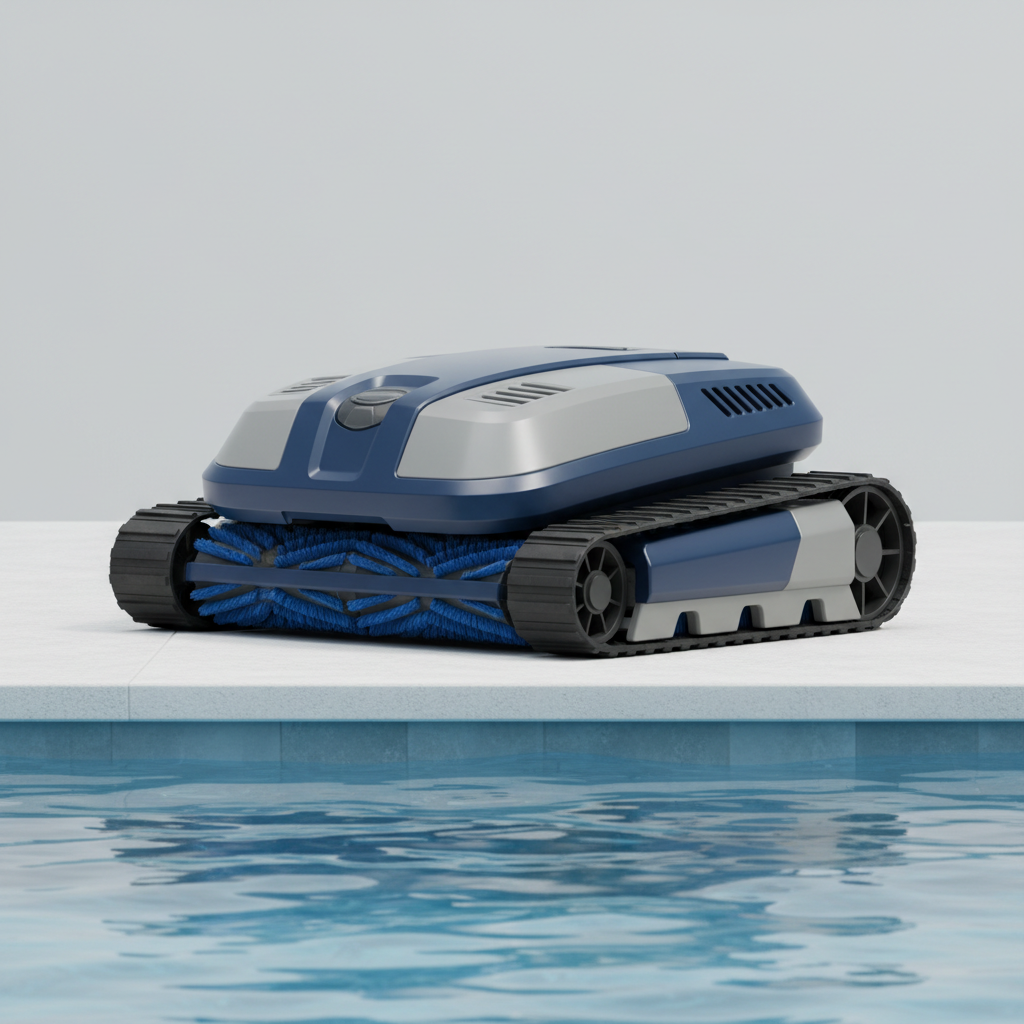
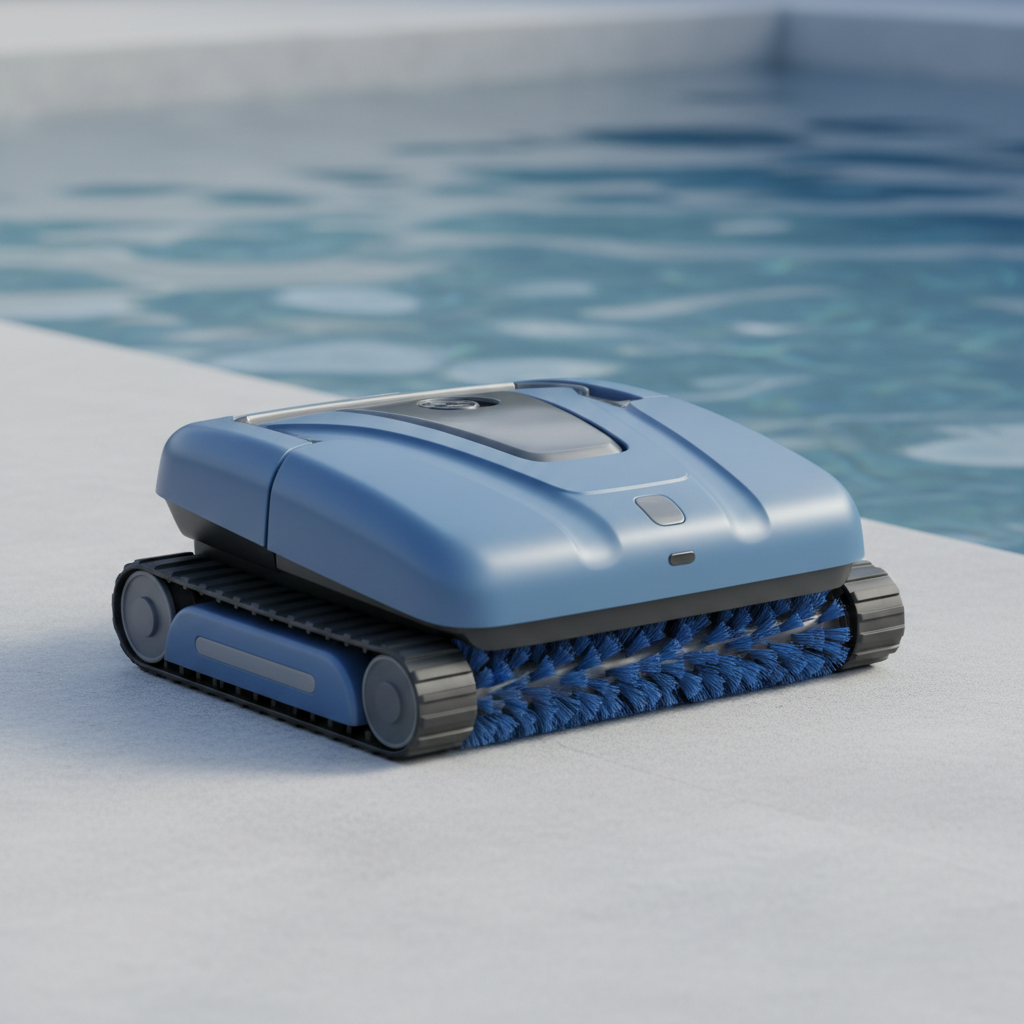
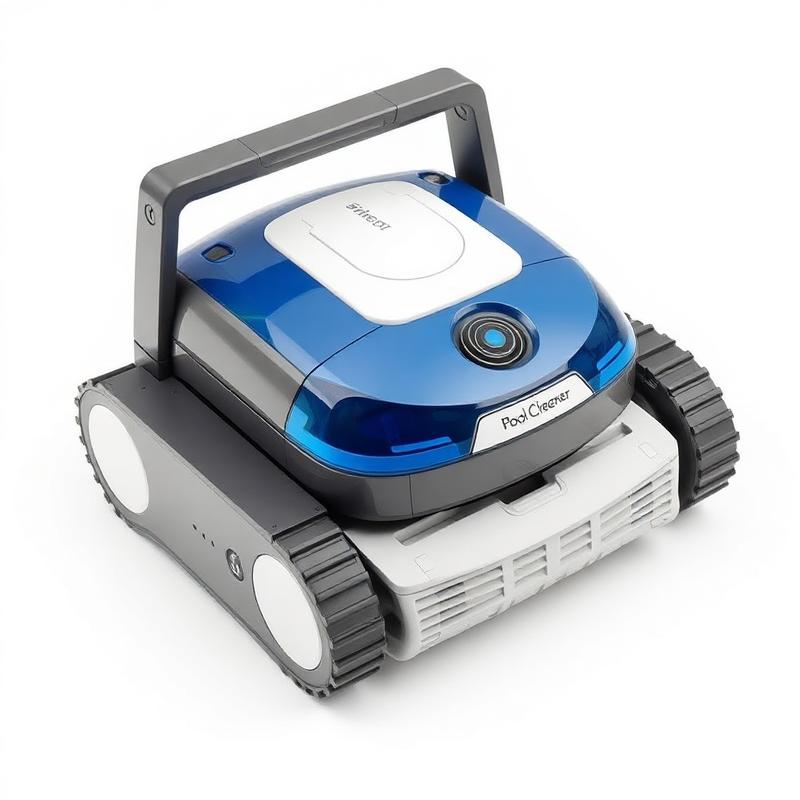
Enter the robotic pool cleaner, a sophisticated device designed to automate this process. While initially more associated with their in-ground counterparts, manufacturers have increasingly focused on developing models specifically tailored for above-ground pools. These specialised robots offer a 'set and forget' solution, allowing owners to reclaim their weekends and enjoy a consistently clean swimming environment with minimal effort.
Key Features and Considerations for Above-Ground Models
Unlike in-ground pools, above-ground pools often present unique challenges for robotic cleaners. The most significant difference is usually the pool wall material (often liner-based) and the absence of a deep end, meaning cleaners don't always require robust wall-climbing capabilities. When selecting a robot for your above-ground pool, consider these crucial features:
**Filtration System:** Look for models with easily accessible, fine-mesh filters or cartridge systems capable of capturing everything from large leaves to microscopic dirt and algae. Some advanced filters can even manage super-fine particles common in dusty environments.
**Cleaning Coverage and Programming:** Most above-ground specific robots focus on floor and cove cleaning. Advanced navigation systems, sometimes incorporating intelligent mapping, ensure comprehensive coverage. Basic models might employ a more random cleaning pattern, which is often sufficient for smaller pools. Programmable options allow you to schedule cleaning cycles at your convenience.
**Weight and Portability:** Above-ground pools typically don't have built-in skimmer lines for power, meaning robots are self-contained. Lighter models are easier to retrieve and store, which is a practical consideration for regular use.
**Power Source:** Most robotic cleaners are low-voltage (24V DC) and connect to a transformer unit placed safely away from the pool, plugging into a standard power point. Ensure the cable length is adequate for your pool's dimensions and the power outlet's location.
Benefits of Automated Cleaning
Investing in an above-ground pool robot offers several tangible advantages beyond just convenience:
**Time-Saving:** The most obvious benefit. Instead of spending an hour or more manually cleaning, you simply drop the robot in and let it do its job.
**Improved Water Quality:** By consistently removing debris and circulating water through its own filter, a robotic cleaner reduces the load on your pool's primary filtration system. This can lead to clearer water and potentially less reliance on chemical treatments.
**Energy Efficiency:** Many robotic cleaners are designed to be energy-efficient, using significantly less power than running your pool's main pump and filter for vacuuming.
**Extended Pool Life:** Keeping the pool floor and liner clean prevents the build-up of abrasive dirt and algae, which can prolong the life of your pool's surfaces.
**Healthier Swimming Environment:** Regular, thorough cleaning minimises the presence of contaminants, contributing to a more hygienic and enjoyable swimming experience.
What to Expect: Performance and Pricing
The performance of an above-ground pool robot largely depends on its design and features. Basic models excel at picking up leaves and general debris from the pool floor. More advanced units can tackle finer particles, scrub the coves (where the floor meets the wall), and some might even manage a limited degree of wall climbing, depending on the liner material and pool shape.
In Australia, you can expect to find reliable above-ground robotic pool cleaners ranging from approximately AUD $600 to $1,500. Entry-level models typically offer floor-only cleaning with a basic filtration system. As the price increases, you gain features like enhanced navigation, more robust filtration for finer debris, lighter weight, and potentially app-based control for scheduling and cycle selection. It's crucial to research models suitable for your specific pool size and type.
While they significantly reduce manual effort, it's important to remember that robotic cleaners are not a complete replacement for all pool maintenance tasks. You'll still need to monitor chemical levels, backwash your main filter occasionally, and perform routine skimming of surface debris.
Installation, Maintenance, and Longevity
One of the appeals of robotic pool cleaners for above-ground setups is their ease of use. Installation typically involves little more than plugging in the power supply, dropping the robot into the water, and pressing a button. No complicated plumbing or connections are usually required.
Maintenance is also straightforward. After each cleaning cycle, you'll need to remove and clean the robot's internal filter basket or cartridges. This usually involves rinsing them with a garden hose. Periodically, checking the brushes and drive tracks for wear or debris entanglement is also a good practice.
The longevity of a robotic cleaner can vary significantly between brands and models, but with proper care, many units can last for several years. Key factors influencing lifespan include the quality of materials, frequency of use, and adherence to maintenance guidelines. Ensuring the power supply unit is kept dry and out of direct sunlight will also contribute to its lifespan.