The Operational Shift in High-Foot-Traffic Environments
Maintaining floor hygiene across expansive commercial footprints has traditionally relied on intensive manual labour. In environments like international airport terminals and high-volume supermarkets, floor maintenance must run continuously without disrupting passenger flow or shopping activity. Rising award wages under the Australian Cleaning Services Award, paired with ongoing recruitment challenges, have placed severe pressure on facility management budgets.
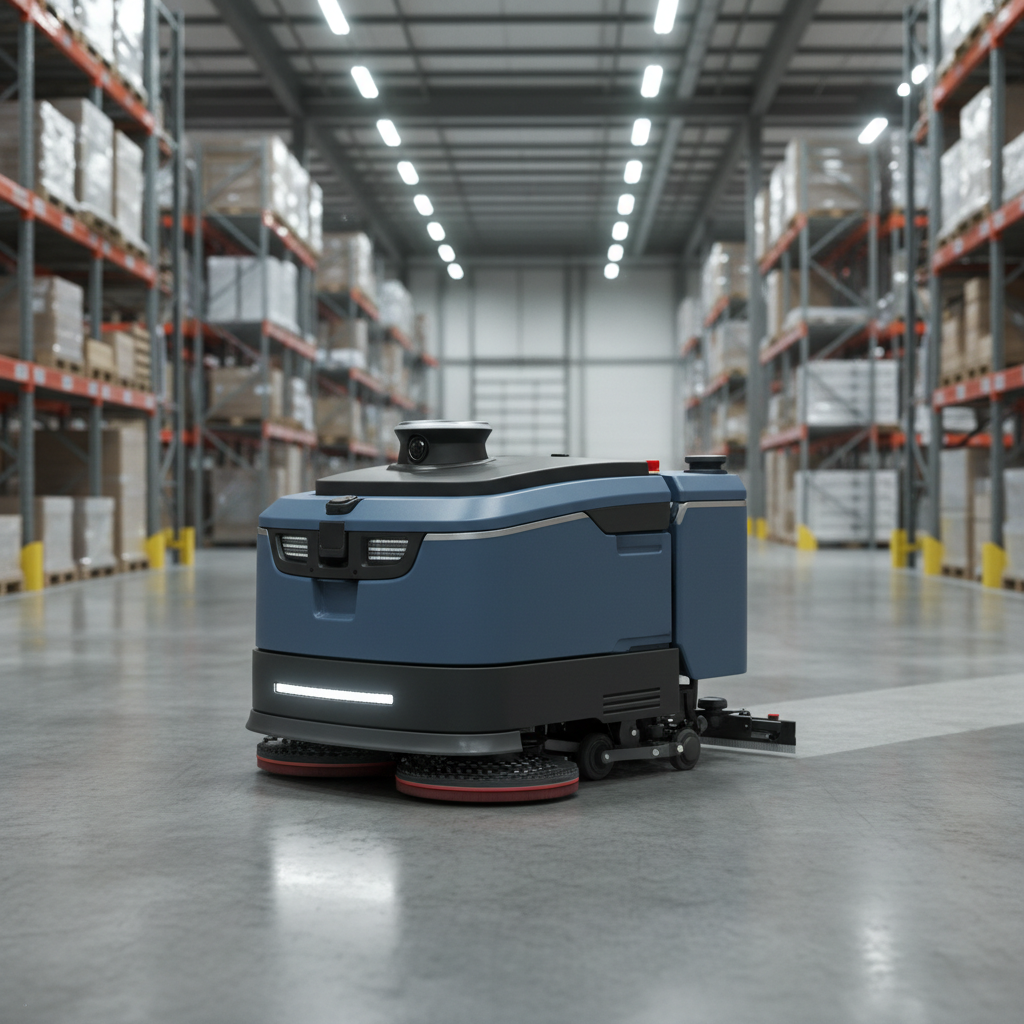
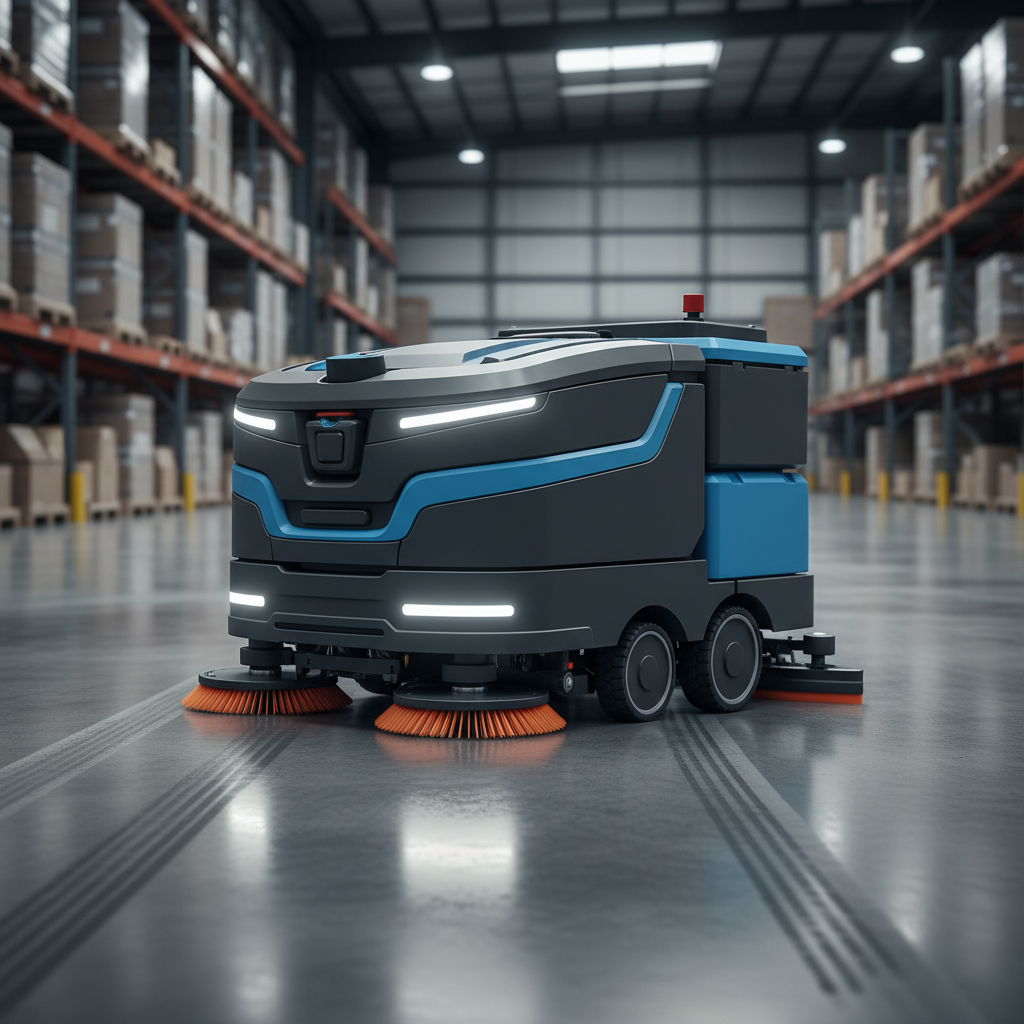
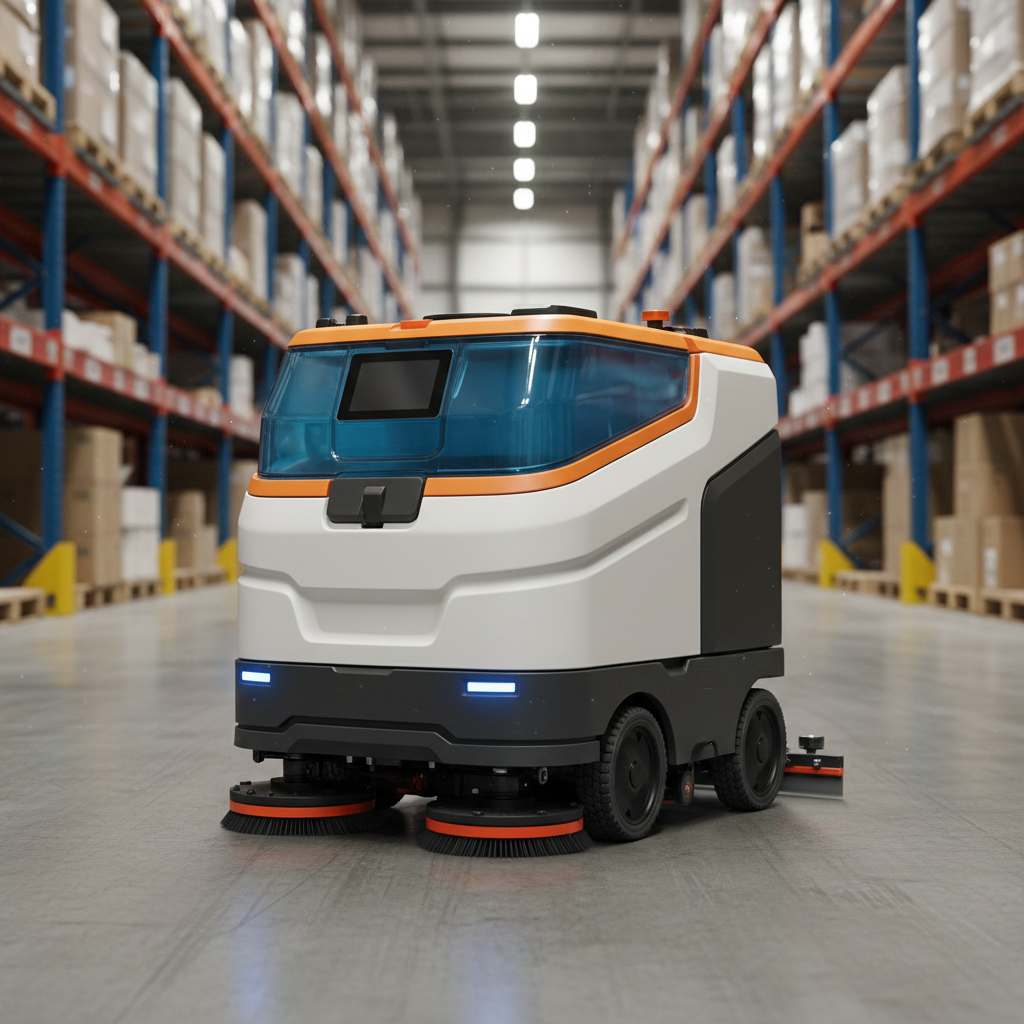
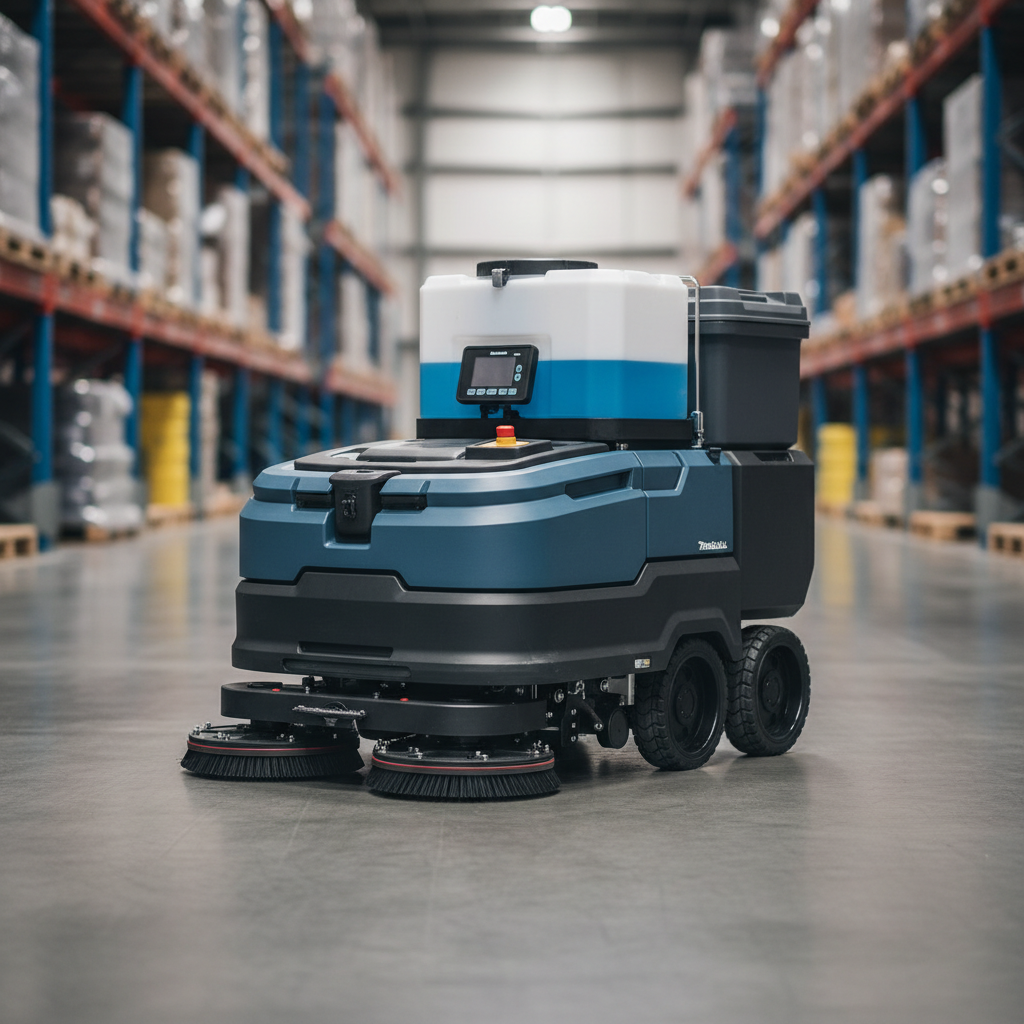
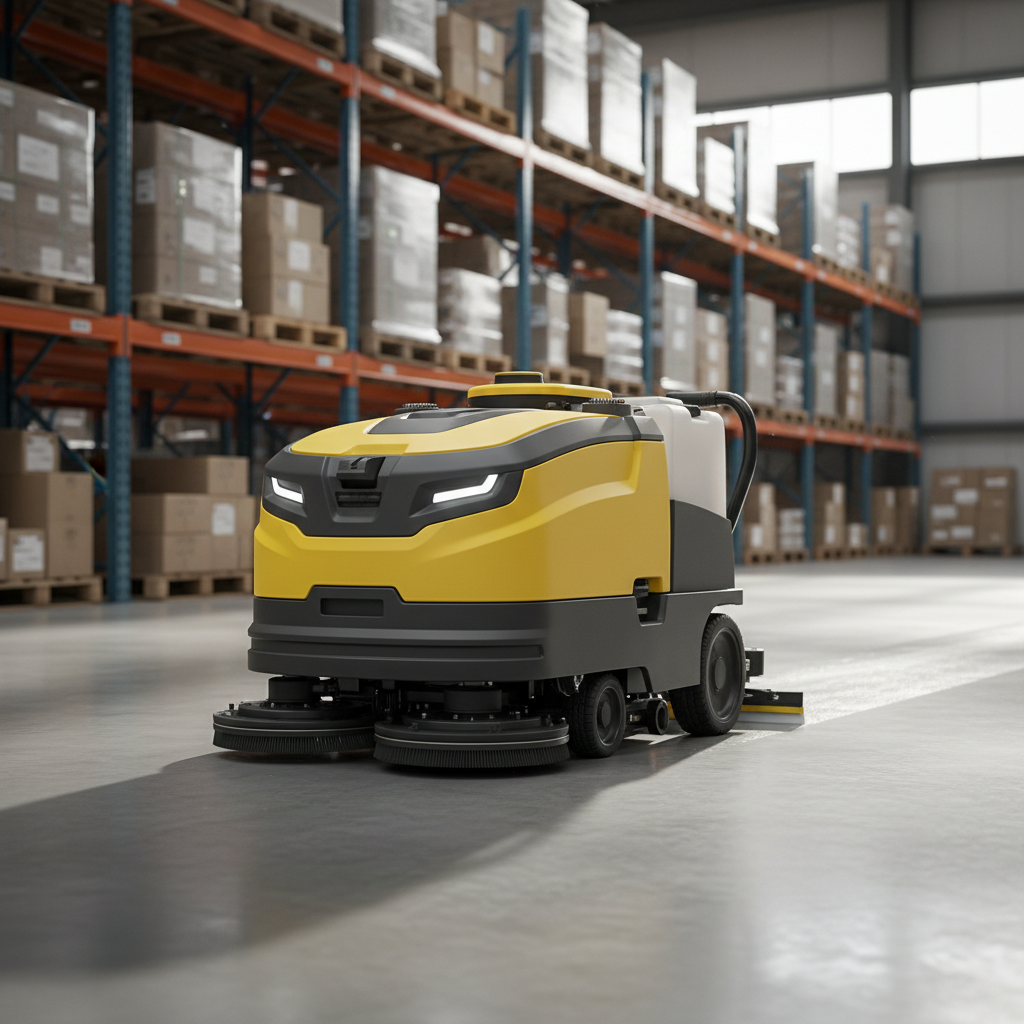
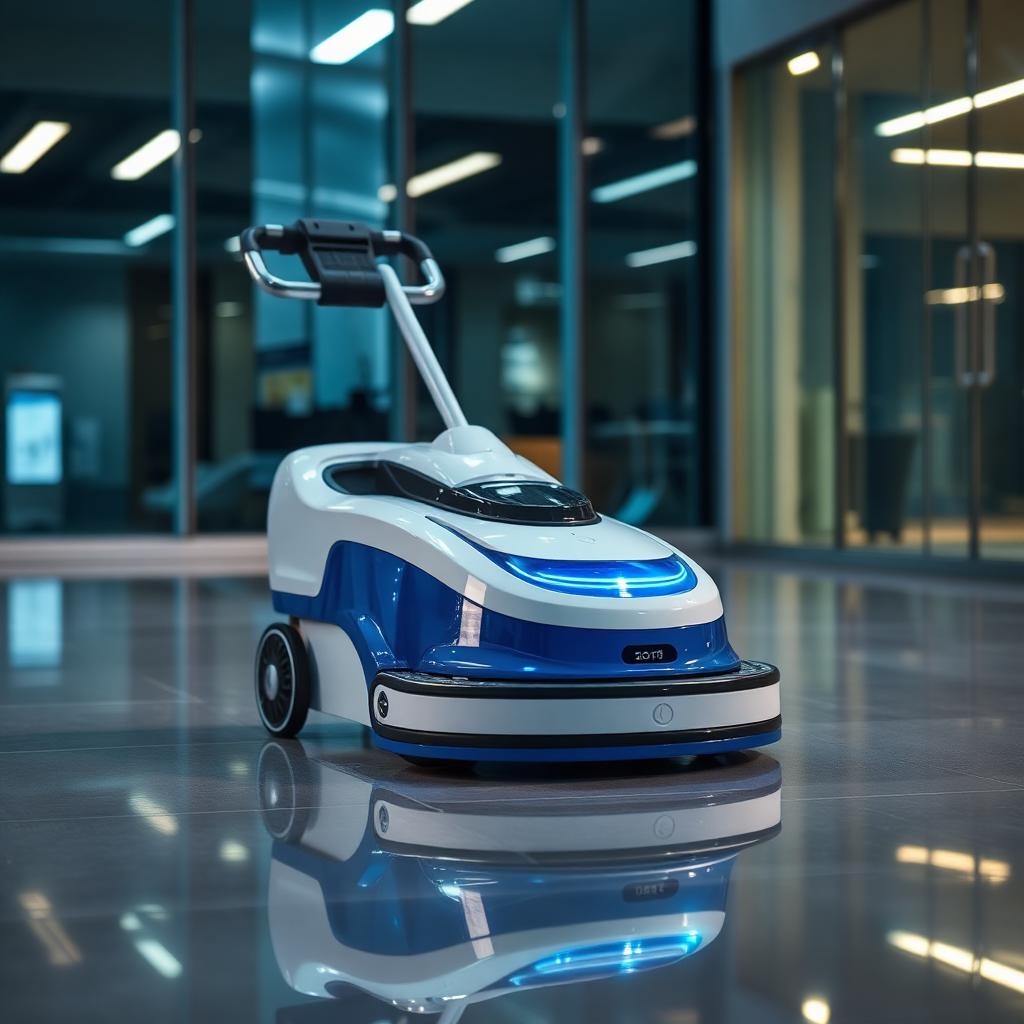
An autonomous floor scrubber addresses these operational constraints by shifting predictable, repetitive scrubbing from human teams to robotics. This transition does not necessarily remove cleaning staff entirely; rather, it repurposes personnel toward high-touch sanitation, rapid spill response, and waste handling. The result is a more consistent cleaning standard and measurable telemetry on square metres covered per shift.
Sensory Payloads and Collision Avoidance Systems
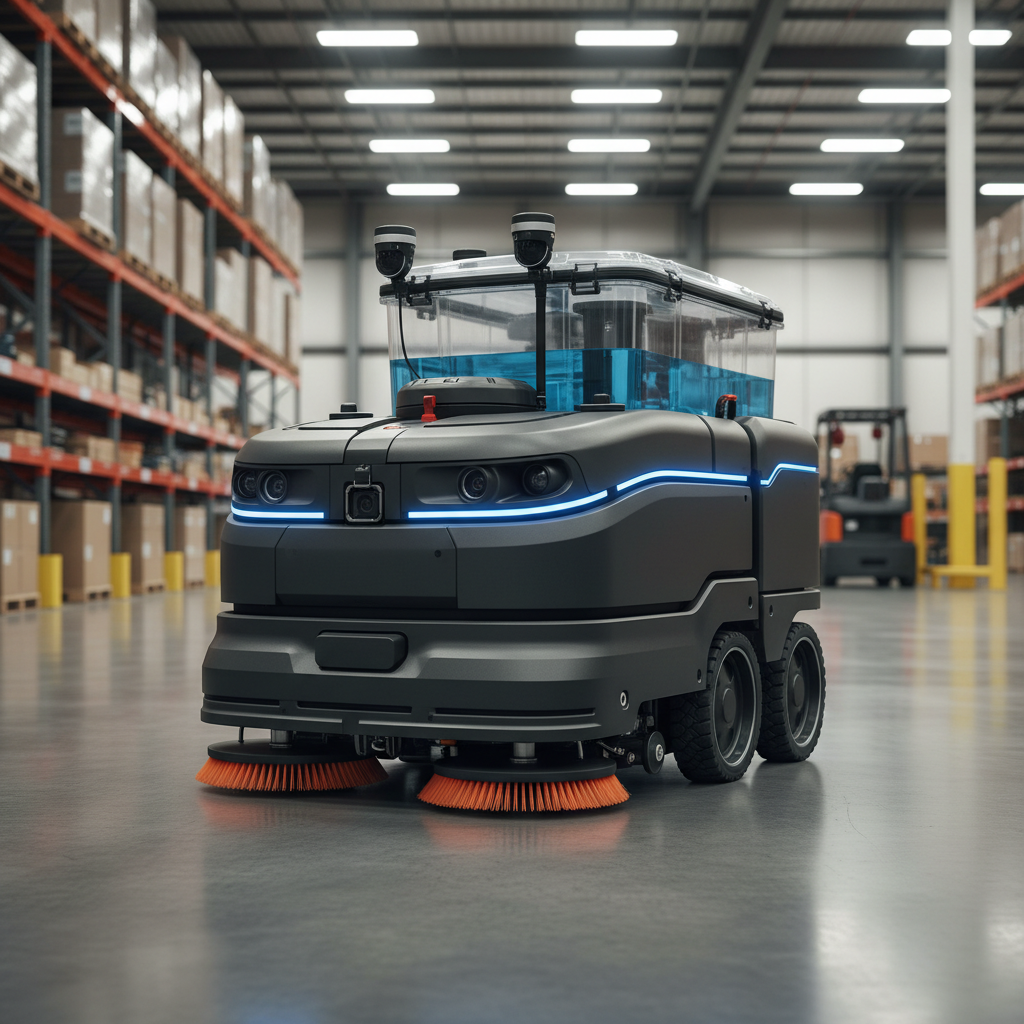
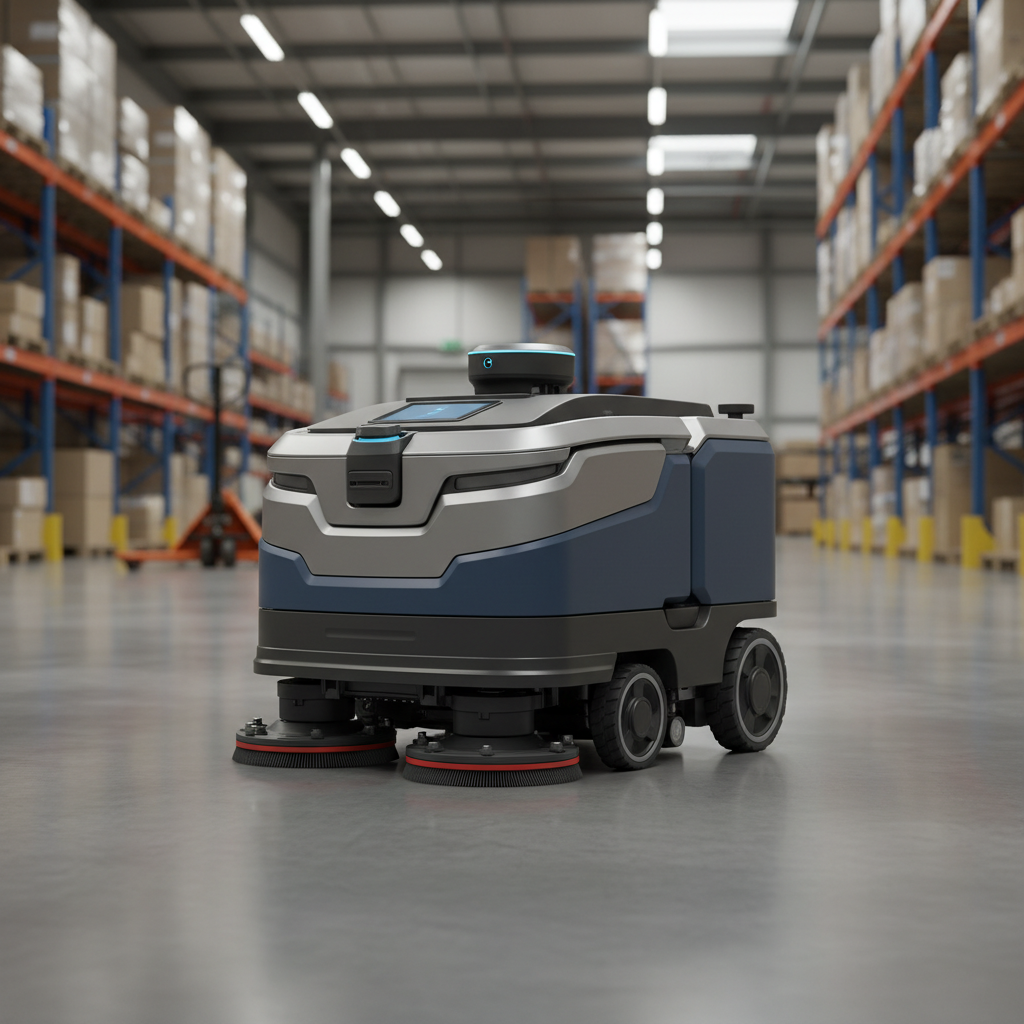
Operating an industrial autonomous floor scrubber safely alongside members of the public requires a layered sensor architecture. Standard units combine multi-channel 2D or 3D LiDAR, stereoscopic optical cameras, time-of-flight (ToF) sensors, and ultrasonic proximity arrays. This telemetry feeds into onboard simultaneous localisation and mapping (SLAM) algorithms, enabling the machine to localise itself within static floor plans while continuously charting dynamic paths around unpredictable obstacles.
In Australia, commercial machinery operating in public environments must adhere to rigorous risk management frameworks, including AS/NZS machinery safety standards. Automated scrubbers use certified safety relays and mechanical bumper strips that physically cut motor power if an unexpected contact occurs. Furthermore, optical sensors are calibrated to detect negative obstacles, such as descending escalators or terminal drop-offs, preventing catastrophic falls.
Supermarket Realities: Narrow Aisles and Dynamic Hazards
Supermarkets present an exceptionally dense navigational challenge. Aisles are narrow, shelf displays change frequently, and unpredictable obstacles—ranging from unattended shopping trolleys to small children—are regular occurrences. For an autonomous floor scrubber deployed in a grocery setting, spatial agility and reactive deceleration profiles are paramount.
Modern retail-oriented scrubbers utilise compact footprints with zero-degree turning radii, allowing them to turn around within standard grocery aisles. The software must also accommodate temporary blockages, such as restocking pallets or promotional end-caps, without freezing in place. When confronted with an obstructed path, the system pauses, signals via audible and visual indicators, and recalculates an alternate route rather than generating a complete operational fault.
Airport Terminals: Scale, Continuous Cleaning, and Telemetry
In contrast to retail, domestic and international airport concourses offer expansive stretches of polished concrete, terrazzo, and specialised tiles. Here, the challenge shifts from tight manoeuvres to continuous runtime, water conservation, and massive areal coverage. Units operating in terminals frequently cover tens of thousands of square metres in a single night shift.
To manage these vast footprints, higher-capacity industrial scrubbers often include integrated water-recycling and multi-stage filtration systems. By filtering recovered wash-water, these machines extend runtime between tank refills, significantly lifting productivity. Aviation facility managers also rely heavily on cellular fleet telematics to verify that terminal gates and concourses meet strict contractual service-level agreements before morning flight waves commence.
Procurement Models: Capital Outlay versus Robotics-as-a-Service
Acquiring an industrial-grade autonomous floor scrubber typically requires an investment ranging between $40,000 and $100,000 AUD per machine, depending on scrubbing width, battery capacity, and sensor specifications. For large facilities requiring multiple units, upfront capital expenditure can represent a notable hurdle.
Consequently, the Australian commercial sector has seen rapid adoption of Robotics-as-a-Service (RaaS) subscription agreements. Under a RaaS model, operators pay an ongoing monthly fee that incorporates equipment hardware, preventative maintenance, consumables like squeegees and brushes, software updates, and cellular connectivity. This shifts procurement from CapEx to OpEx, transferring technological obsolescence and mechanical breakdown risks back to the vendor.
Integration Practicalities: Water, Waste, and Flooring Substrates
Deploying robotic scrubbers involves critical environmental and infrastructural checks before activation. Facilities must provide secure docking stations fitted with trade-waste drainage, automated clean-water replenishment valves, and high-amperage industrial charging circuits. Discharging recovered effluent must strictly comply with local Australian water authority trade-waste regulations, particularly regarding chemical wash solutions.
Flooring materials also dictate system efficacy. While dense terrazzo and sealed concrete are ideal for squeegee performance, textured non-slip tiles common in loading docks and food prep zones accelerate pad wear and impede water recovery. Facility managers must conduct thorough surface-friction audits to select appropriate brush pressures and pad compounds, ensuring clean, dry, and slip-resistant floors that protect the public.