The Australian Roofing Context: High Debris and Extreme Weather
In Australia, gutter maintenance is not merely an aesthetic chore; it is a critical component of home maintenance and bushfire preparedness. Native foliage, particularly from Eucalyptus species, sheds dense, oily leaves and stringy bark throughout the year. During the dry summer months, this accumulation transforms dry gutters into primary ignition vectors for ember attacks. Conversely, sudden storm bursts during the wet season quickly overwhelm obstructed channels, resulting in water ingress behind eaves and into ceiling cavities.
To prevent structural damage, homeowners must clean their roof drainage networks two to four times annually, depending on tree canopy density. While hiring contractors has long been the standard approach, the emergence of compact robotic gutter cleaners has introduced a modern alternative. Deciding between a one-off robotic purchase and scheduled trade visits requires evaluating operational realities, roof access risks, and the overall gutter cleaning cost over several seasons.
Mechanics of Gutter Robots: Features and Real-World Limitations
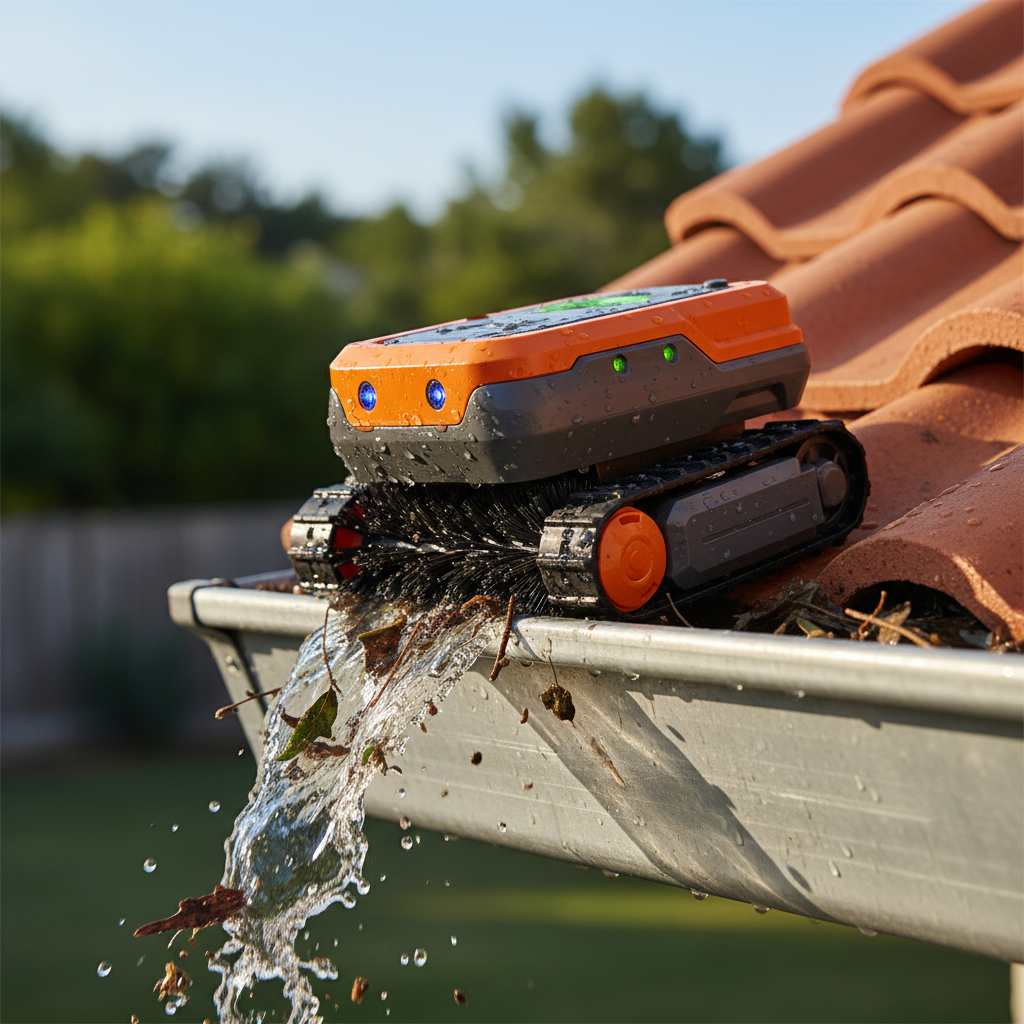
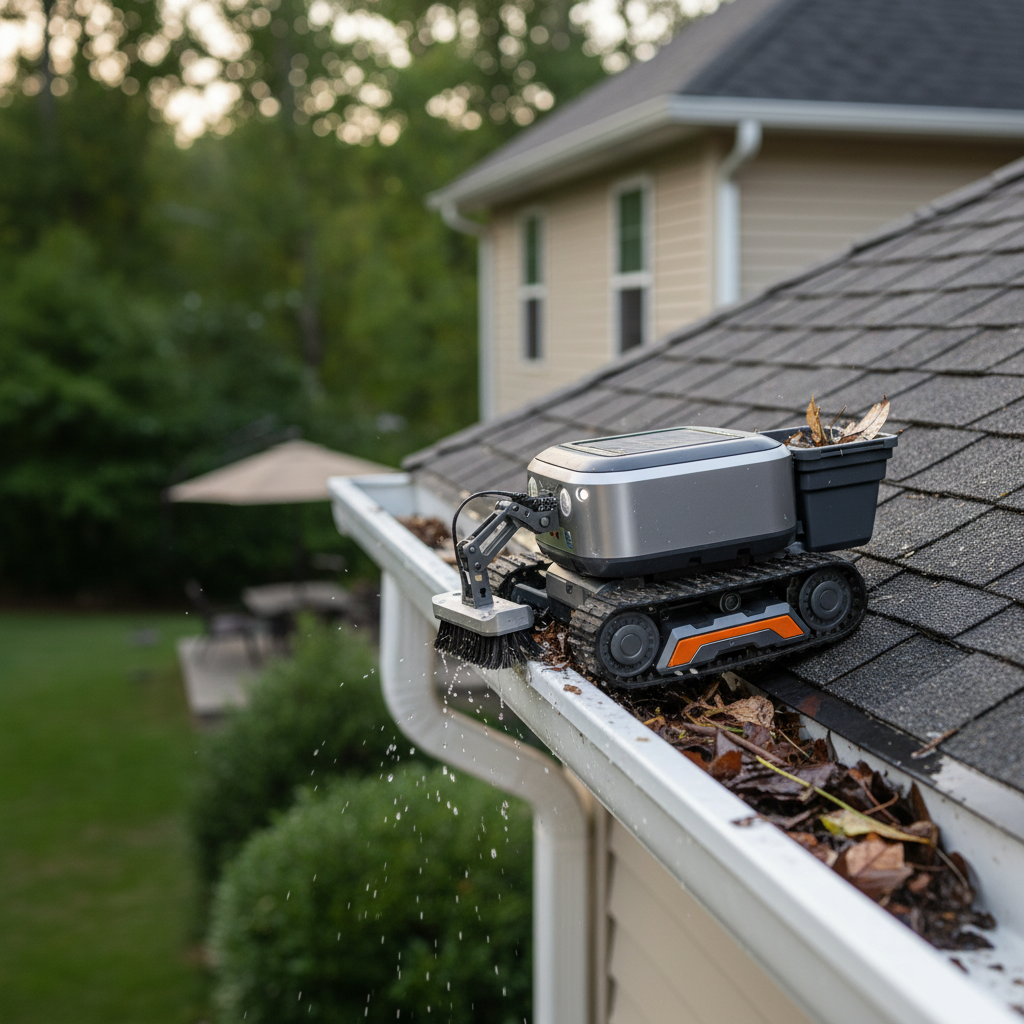
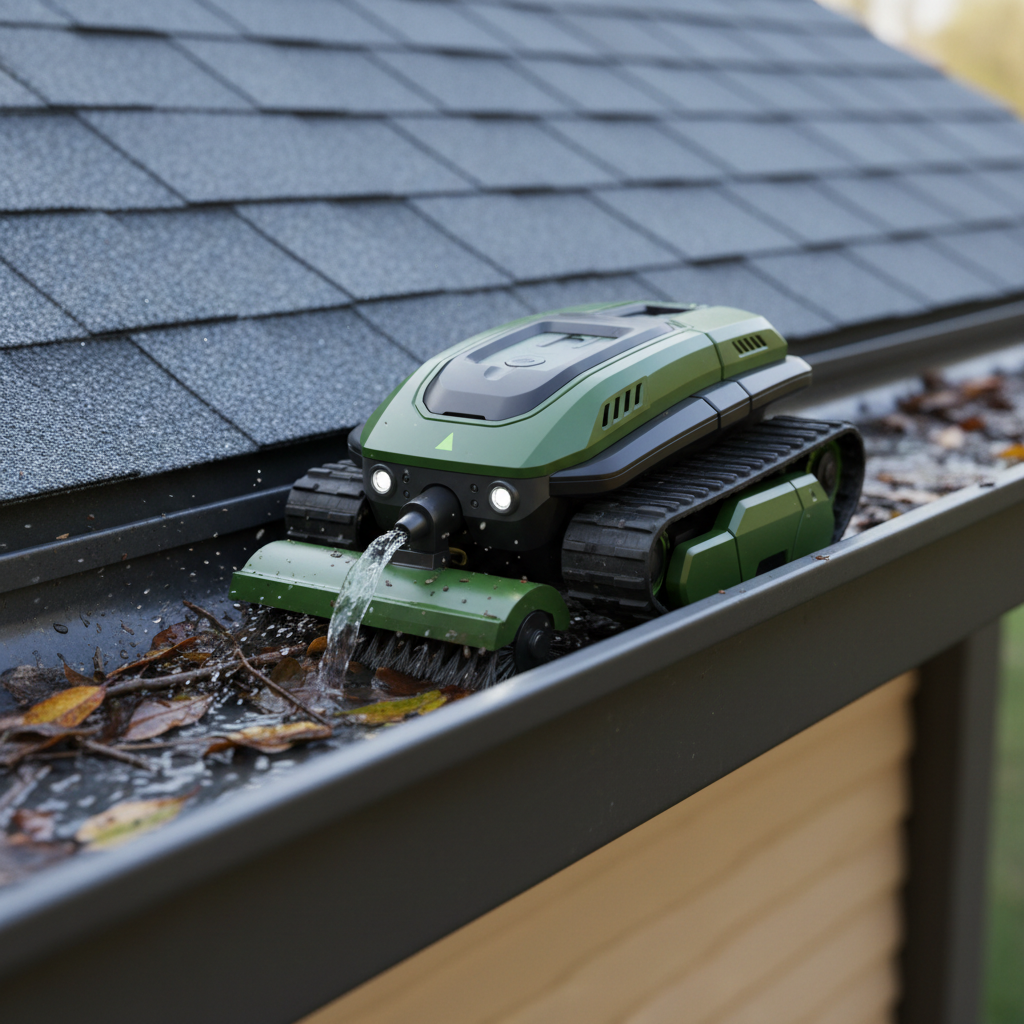
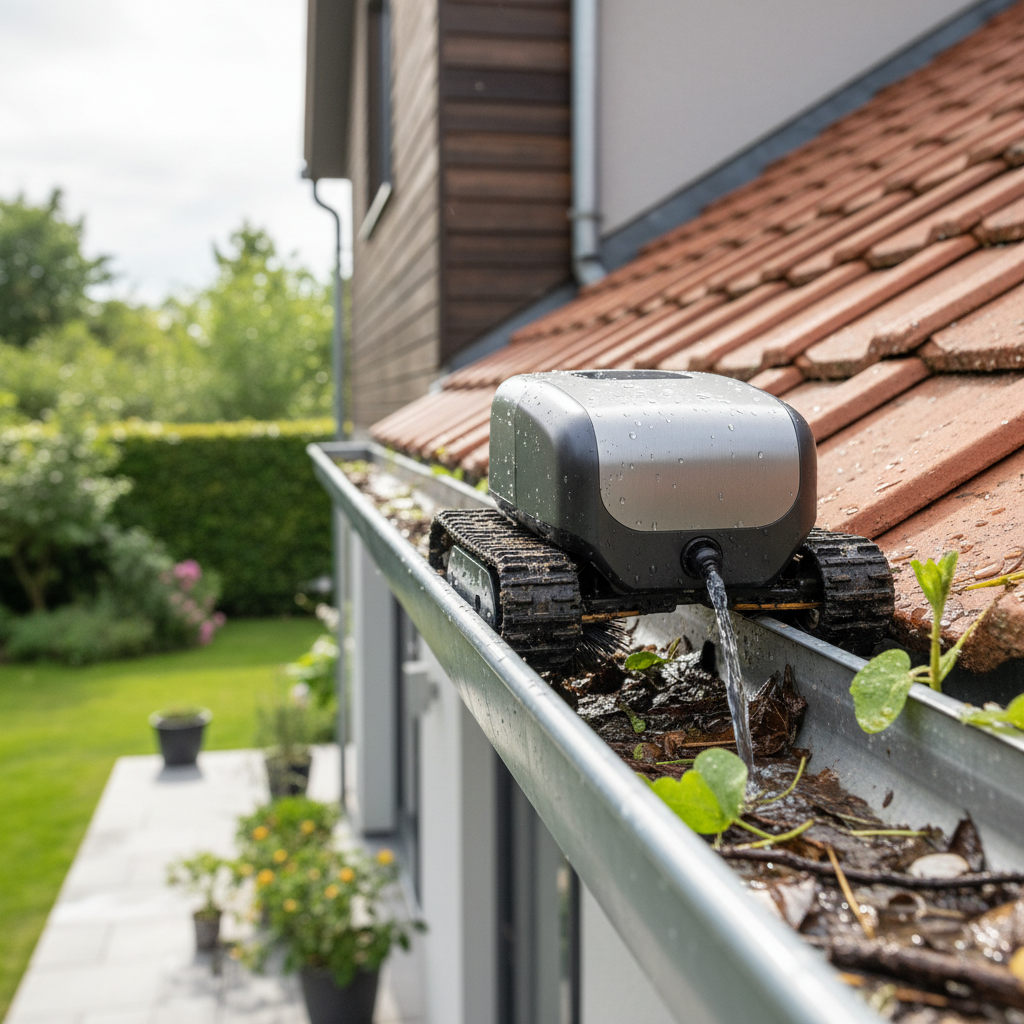
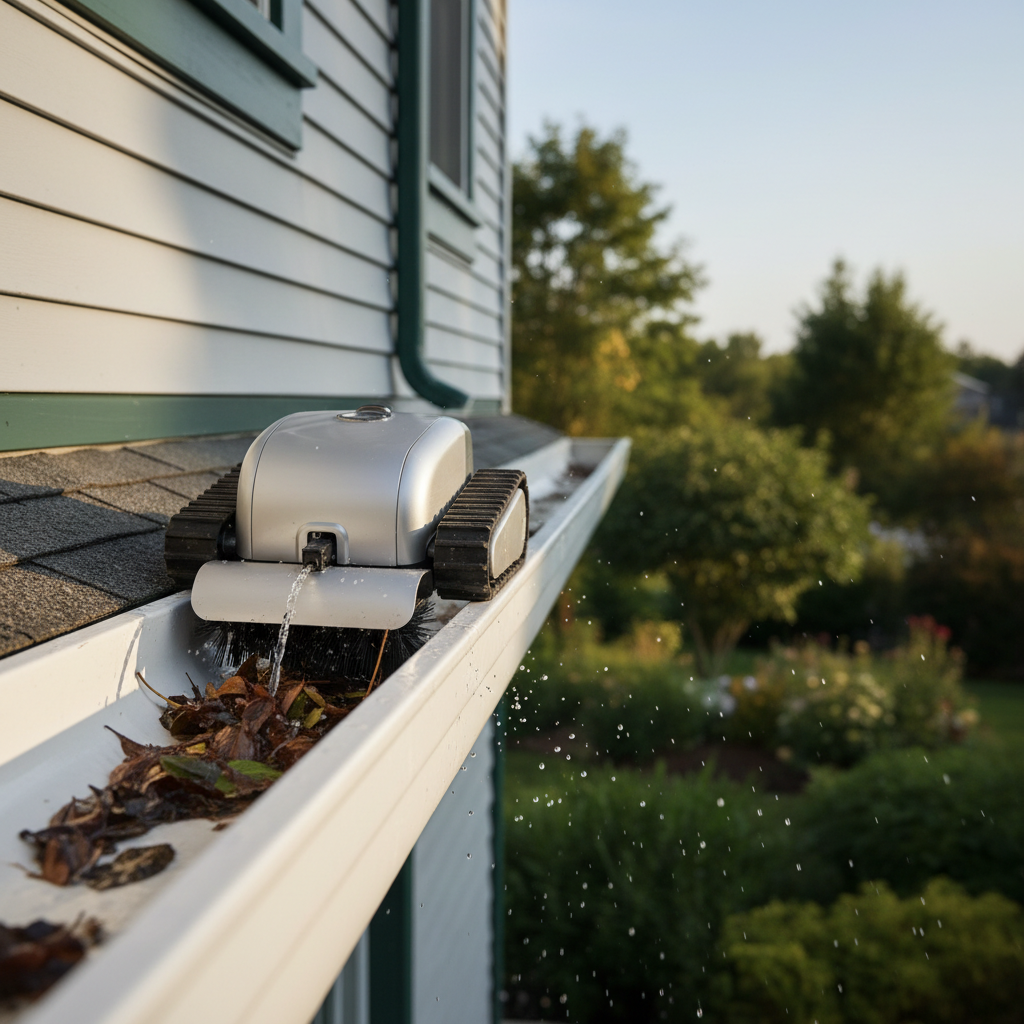
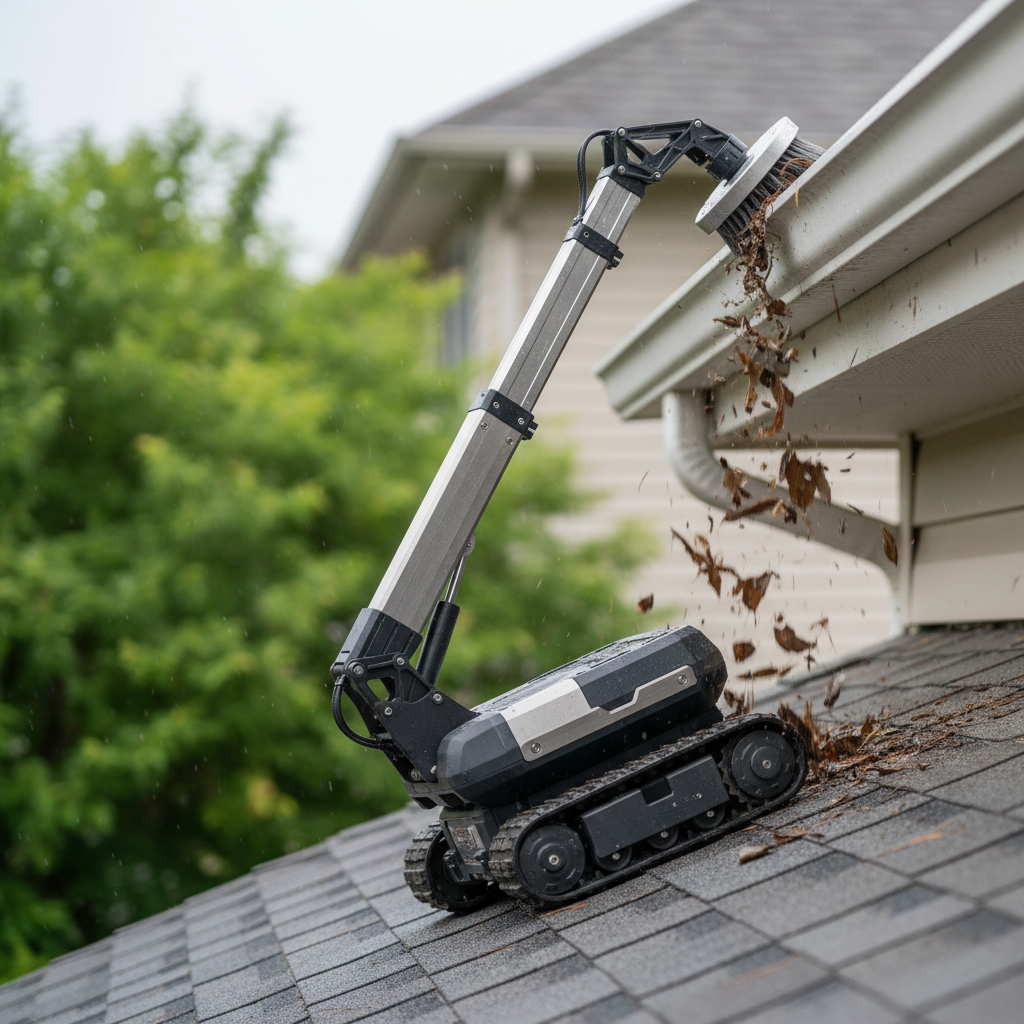
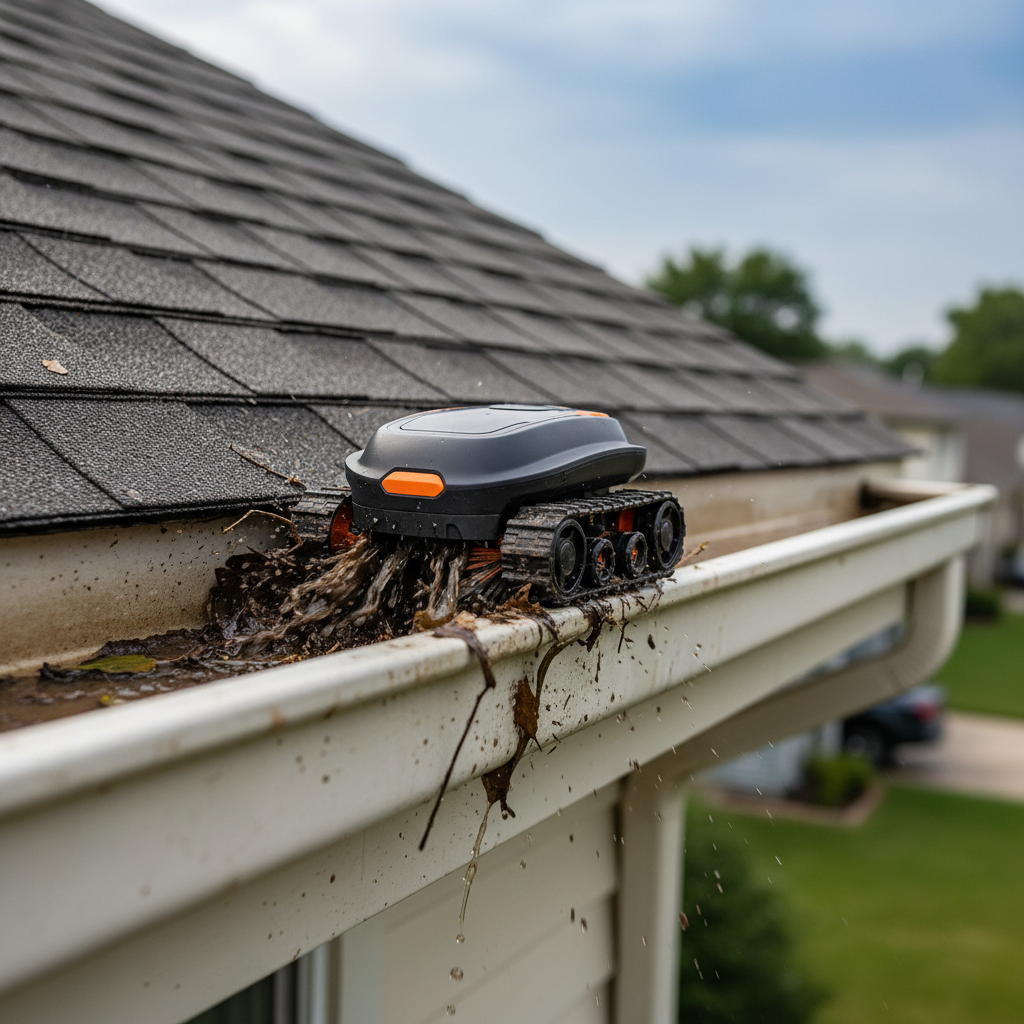
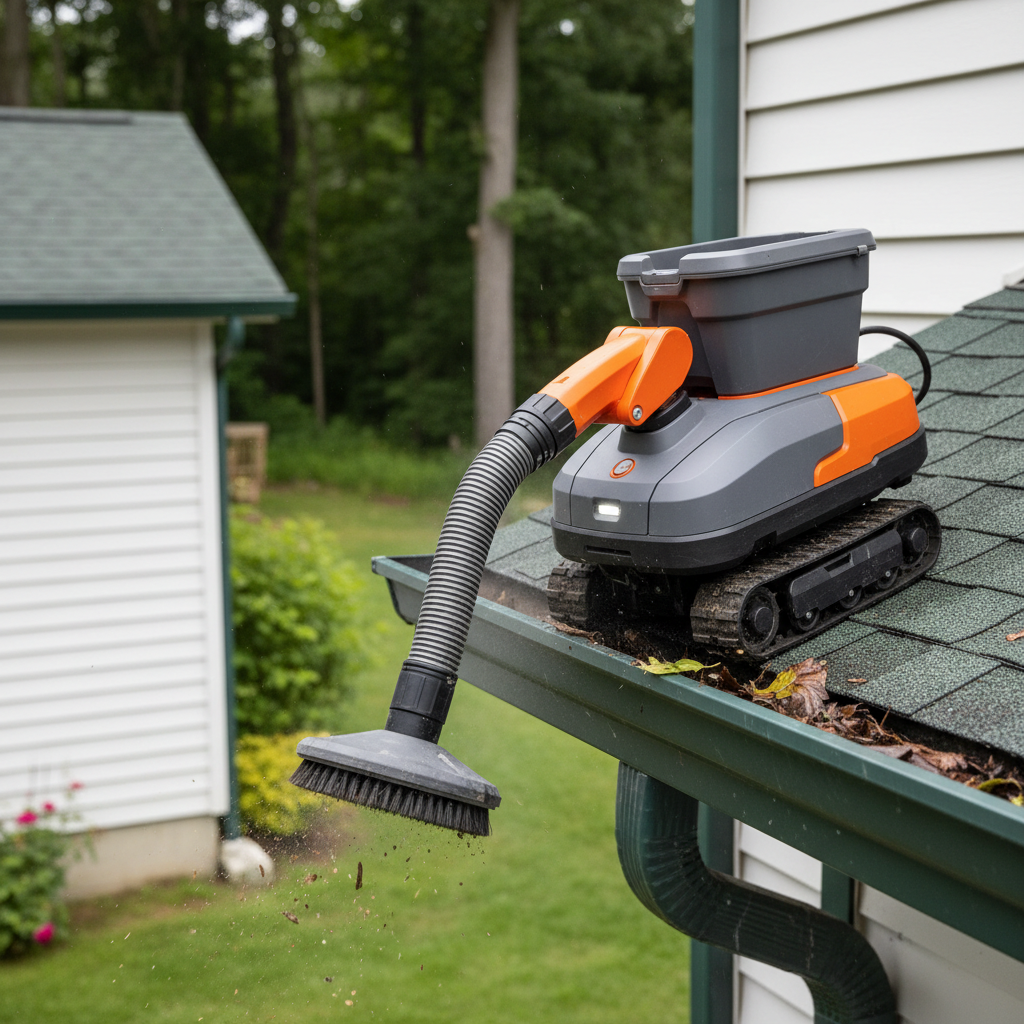
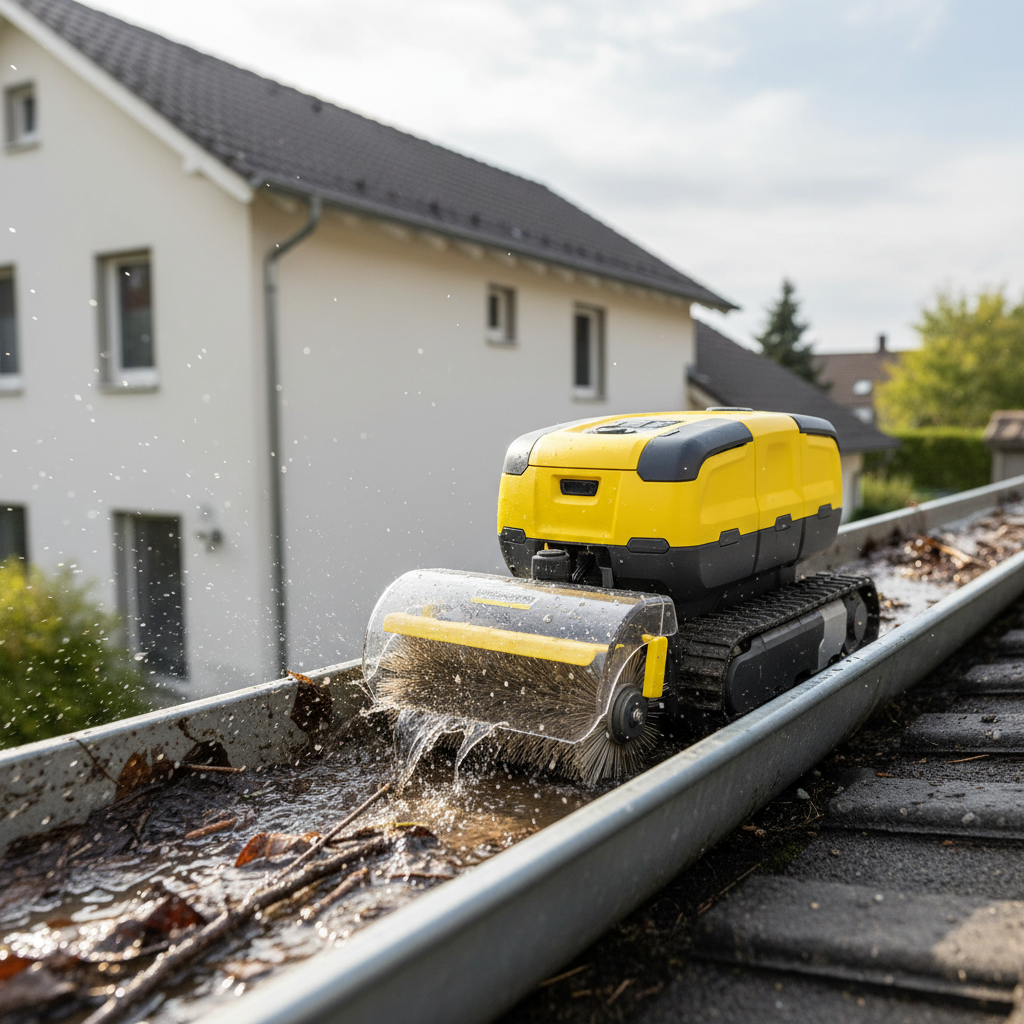
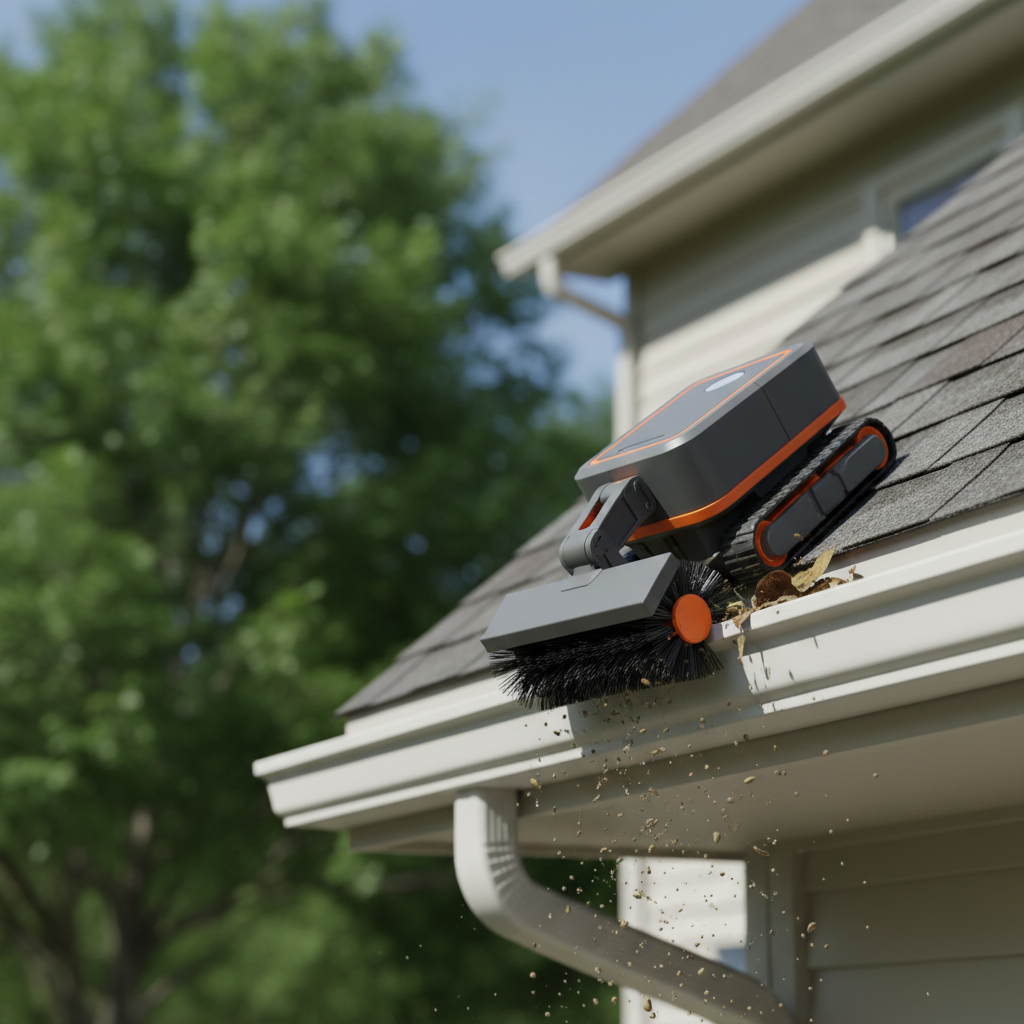
Gutter-cleaning robots typically employ continuous rubber tracks or high-traction rollers paired with high-speed augers or rotating composite paddles. Placed directly into the channel, the device drives forward, breaking apart leaf dams and flinging debris outward over the gutter lip. Handheld wireless remotes or autonomous forward-reverse sensing routines dictate their travel along the metal or PVC trough.
While these devices clear loose, dry pine needles and light gum leaves effectively, they encounter difficulty with damp, compacted sludge. In older Australian installations, internal brackets, anchor straps, and joint overlaps can cause mechanical jams. Furthermore, standard robots measure roughly 70 to 80 millimetres in profile, making them incompatible with properties featuring integrated micro-mesh gutter guards. Even when the robot works reliably, the homeowner must still scale a ladder to deposit and retrieve the unit at each isolated run.
Evaluating the True Gutter Cleaning Cost for Trade Services
When assessing professional maintenance, the gutter cleaning cost varies significantly based on roof pitch, structural height, and site accessibility. For a standard single-storey three-bedroom Australian home, professional contractors typically charge between $180 and $350 AUD per visit. For steep, double-storey builds, or architectures requiring specialised safety harness rigging, the figure often escalates into the $400 to $700 AUD bracket.
This expenditure covers more than manual labour. Professional contractors utilise truck-mounted, high-volume wet and dry industrial vacuum systems that extract debris without spraying muddy runoff across brickwork, paths, or outdoor living zones. Furthermore, a licensed gutter professional evaluates downpipe clearance, checks the alignment of Colorbond or Zincalume sections, and identifies early signs of corrosion or cracked terracotta tiles that a ground-bound operator relying on a robot would miss.
Upfront Investment vs Ongoing Value: The Financial Comparison
From an equipment perspective, acquiring a purpose-built gutter cleaning robot alongside necessary accessories involves an upfront outlay of roughly $350 to $650 AUD. Consumables, such as replacement paddle sets, rechargeable lithium-ion packs, and drive treads, add modest ongoing operational expenses over a standard three- to five-year lifespan.
At first glance, the equipment pays for itself after two or three cleanings, assuming comparison against baseline service charges. However, this equation excludes incidental purchases, such as a stable safety ladder, stabiliser stand-offs, and appropriate fall-arrest gear. When calculating the complete gutter cleaning cost over five years, a robot offers paper savings for single-storey dwellings surrounded by heavy leaf canopies. For multi-storey residences with difficult rooflines, the safety liability and physical limits of consumer hardware quickly diminish any financial advantage.
Safety Realities: Why Working at Heights Remains the Crucial Factor
Ladder-related falls remain a leading cause of non-occupational hospitalisations in Australia, particularly among middle-aged and older homeowners. Consumer robotics manufacturers advertise their machines as tools to minimise dangerous roof time. While it is true that you do not need to walk the entire perimeter of the roof, the device does not eliminate ladder ascents.
A typical Australian hip roof features multiple detached gutter segments separated by gables, valleys, and downpipe drops. Deploying a robot requires ascending a ladder to position the unit, monitoring its progress, and clearing inevitable jams caused by twisted eucalypt twigs. You must then retrieve the robot and move your ladder to the next run. Conversely, certified trades carry public liability insurance, possess height-safety certification, and assume all occupational risks, ensuring complete adherence to national workplace safety standards.
The Verdict: Balancing Automation with Professional Maintenance
Gutter-cleaning robots are best viewed as supplementary maintenance appliances rather than complete replacements for skilled trade services. They excel on single-storey properties with uninterrupted, straight runs of modern quad or square-line gutters surrounded by low-moisture deciduous foliage. In these conditions, periodic robotic sweeps extend the intervals required between comprehensive trade visits.
However, homes situated in bushfire-prone areas, properties higher than a single level, or structures with intricate roof layouts still demand professional intervention. When factoring in property safety, downpipe flush-outs, and early roof damage detection, absorbing the professional gutter cleaning cost remains the more secure, practical, and comprehensive choice for most Australian property owners.