Understanding the Allergy Challenge in Australian Homes
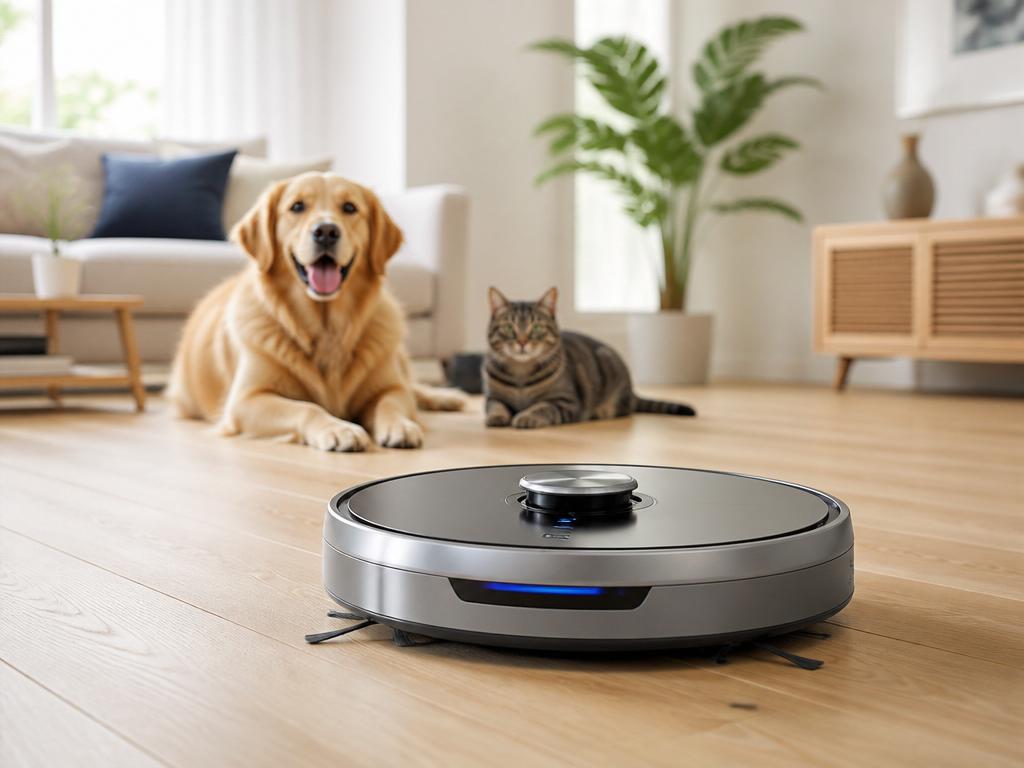
Australia's unique climate and environment contribute to a high prevalence of allergies. Common triggers include dust mites, pet dander from beloved companions, pollen from native flora and introduced species, and mould spores. These microscopic particles often settle into carpets, rugs, and onto hard floors, becoming airborne with everyday activity and exacerbating allergy symptoms like sneezing, itchy eyes, and respiratory discomfort.
Traditional cleaning methods, while effective, can sometimes stir up these allergens, temporarily worsening air quality. For allergy sufferers, consistent and thorough floor cleaning is crucial, but it's also a task that can trigger symptoms. This is where the automation and specialised filtration of a HEPA robot vacuum become particularly appealing.
What is HEPA Filtration and Why Does It Matter for Allergies?
HEPA stands for High-Efficiency Particulate Air. A true HEPA filter is designed to capture 99.97% of airborne particles as small as 0.3 microns. To put that into perspective, common allergens like dust mite faeces (10-24 microns), pollen (10-100 microns), pet dander (0.5-100 microns), and mould spores (3-100 microns) are all well within or above this capture threshold.
Unlike standard filters that might allow smaller, allergy-triggering particles to pass through and recirculate into the air, a HEPA filter traps them securely within the vacuum's dustbin. This significantly reduces the concentration of these irritants in your home's air, leading to a noticeable improvement in air quality and a reduction in allergy symptoms for many users.
Key Features for Allergy-Friendly Robot Vacuums
Beyond the HEPA filter itself, several features are important for an effective allergy-focused robot vacuum. Look for models with a sealed system, meaning that air is filtered before being exhausted back into the room. A poorly sealed system can leak unfiltered air, negating the benefits of even the best HEPA filter.
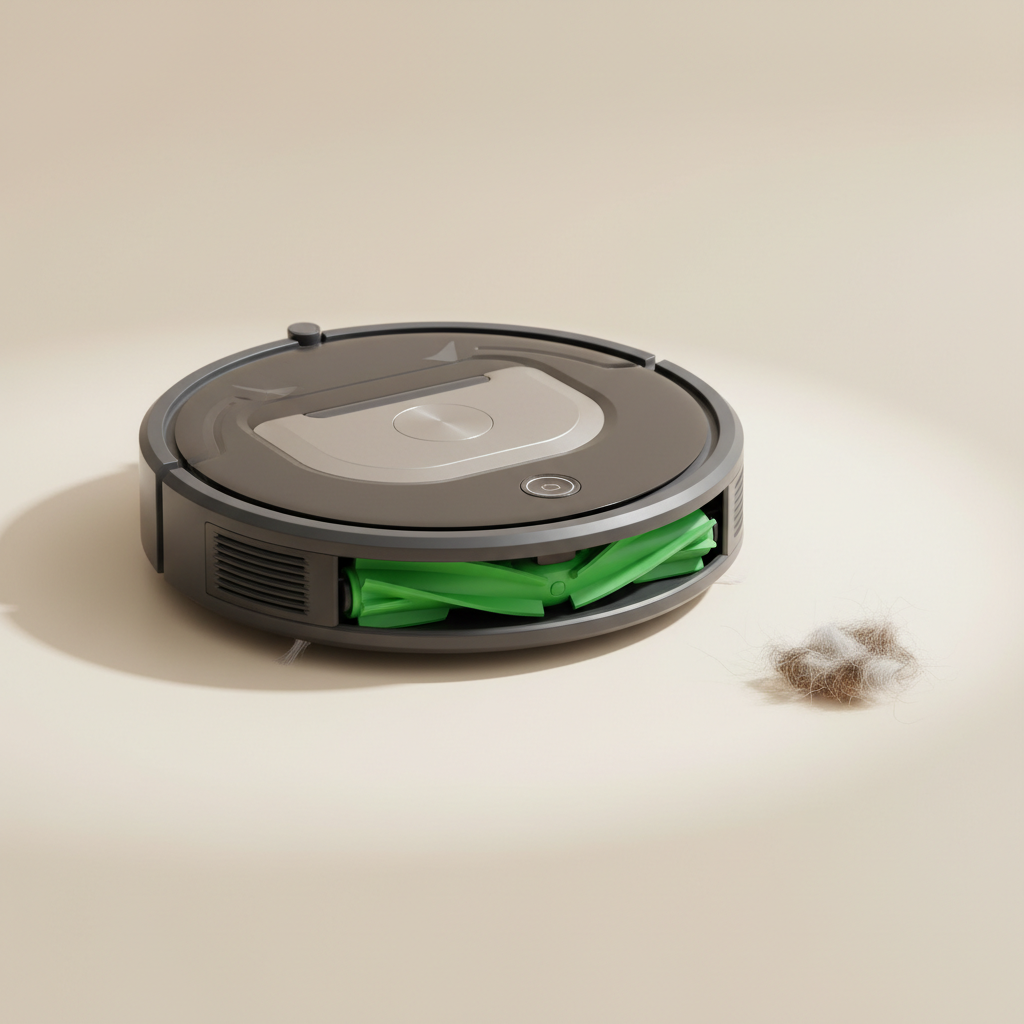
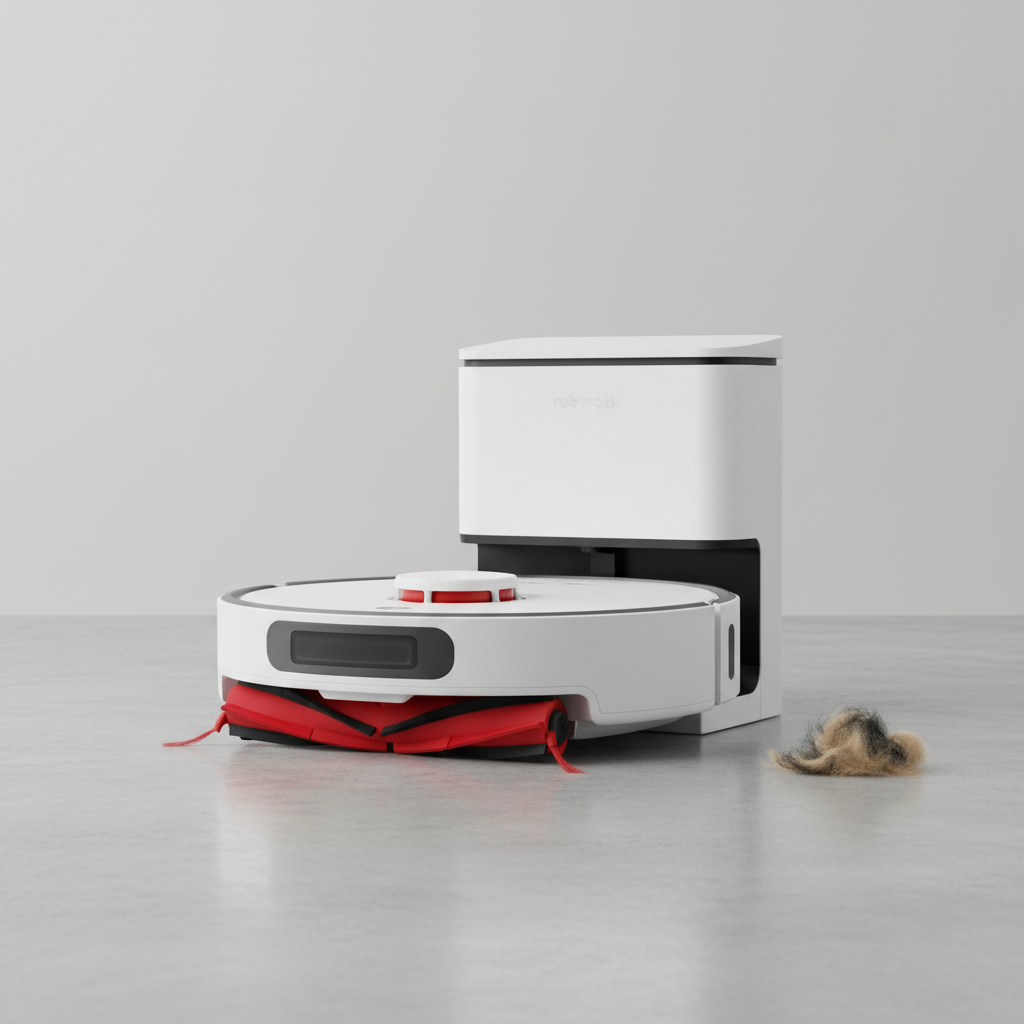
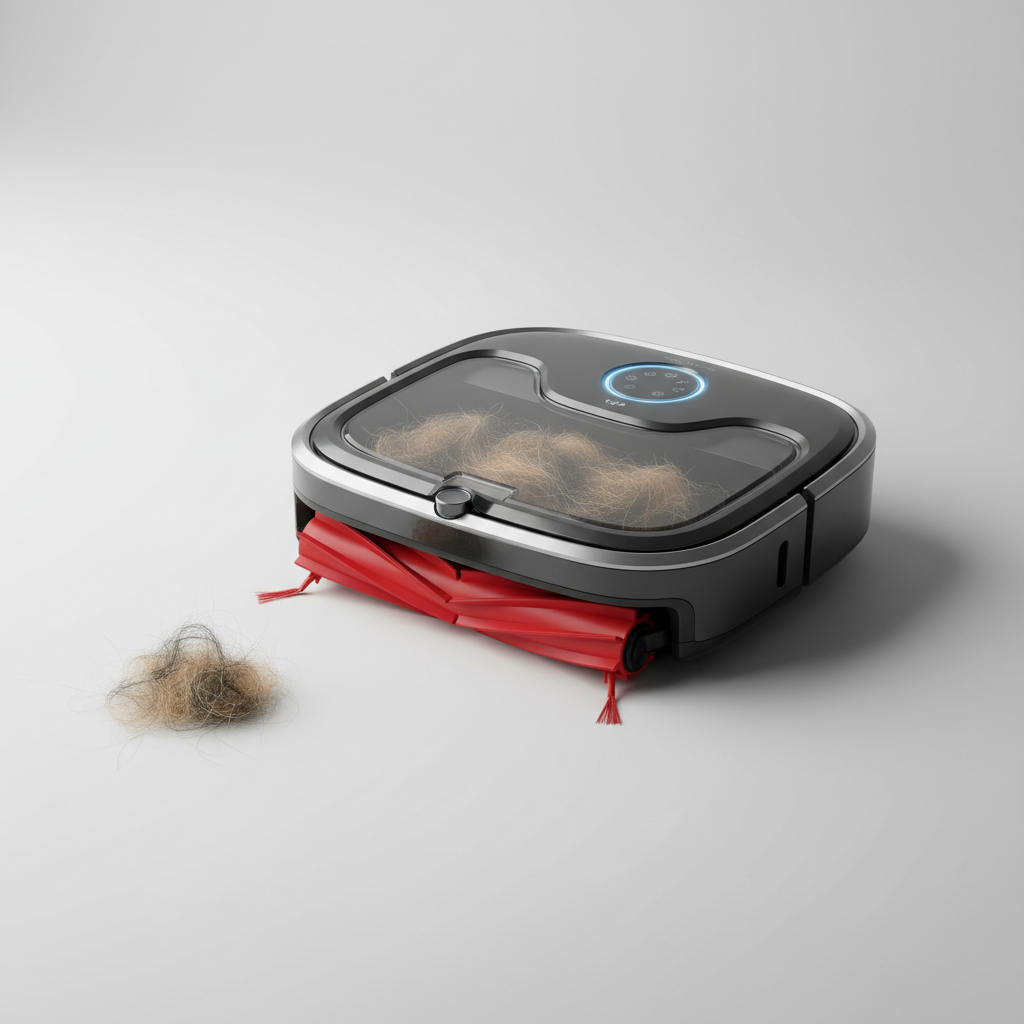
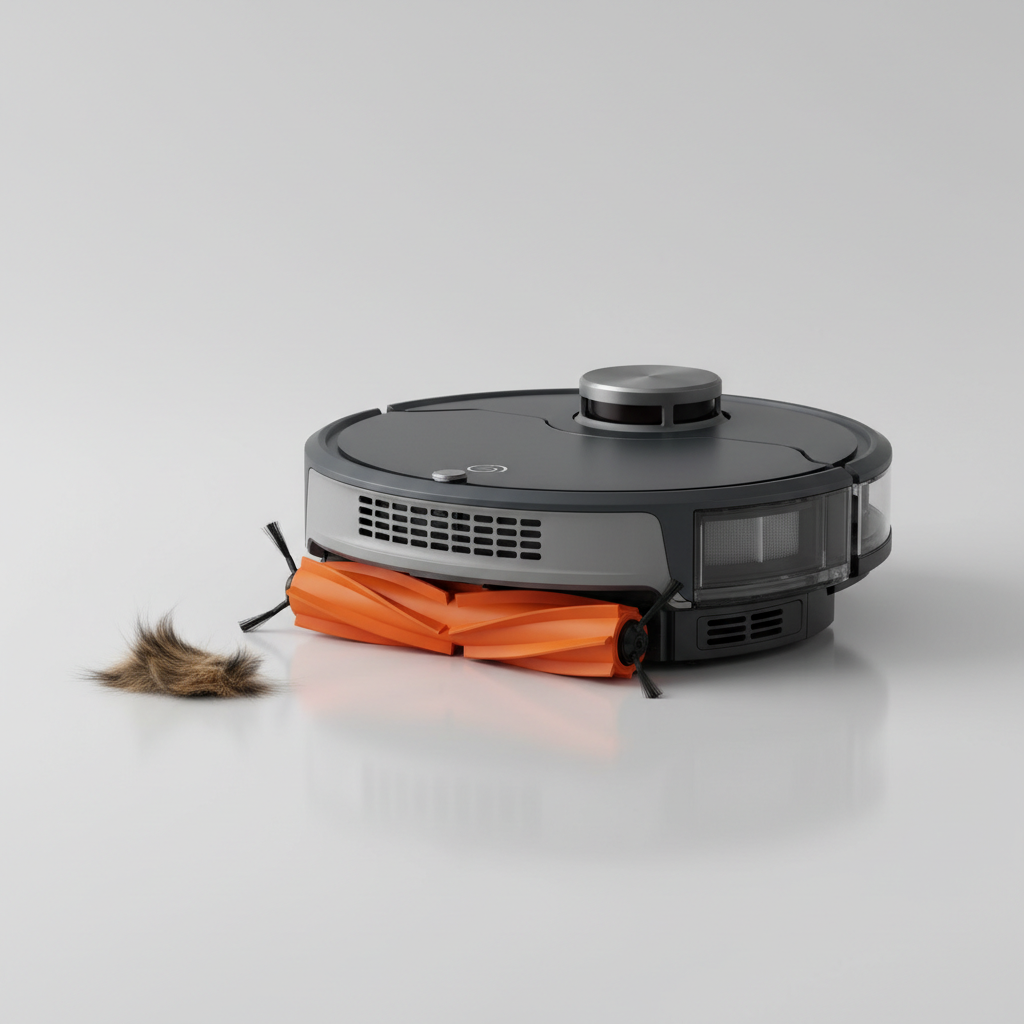
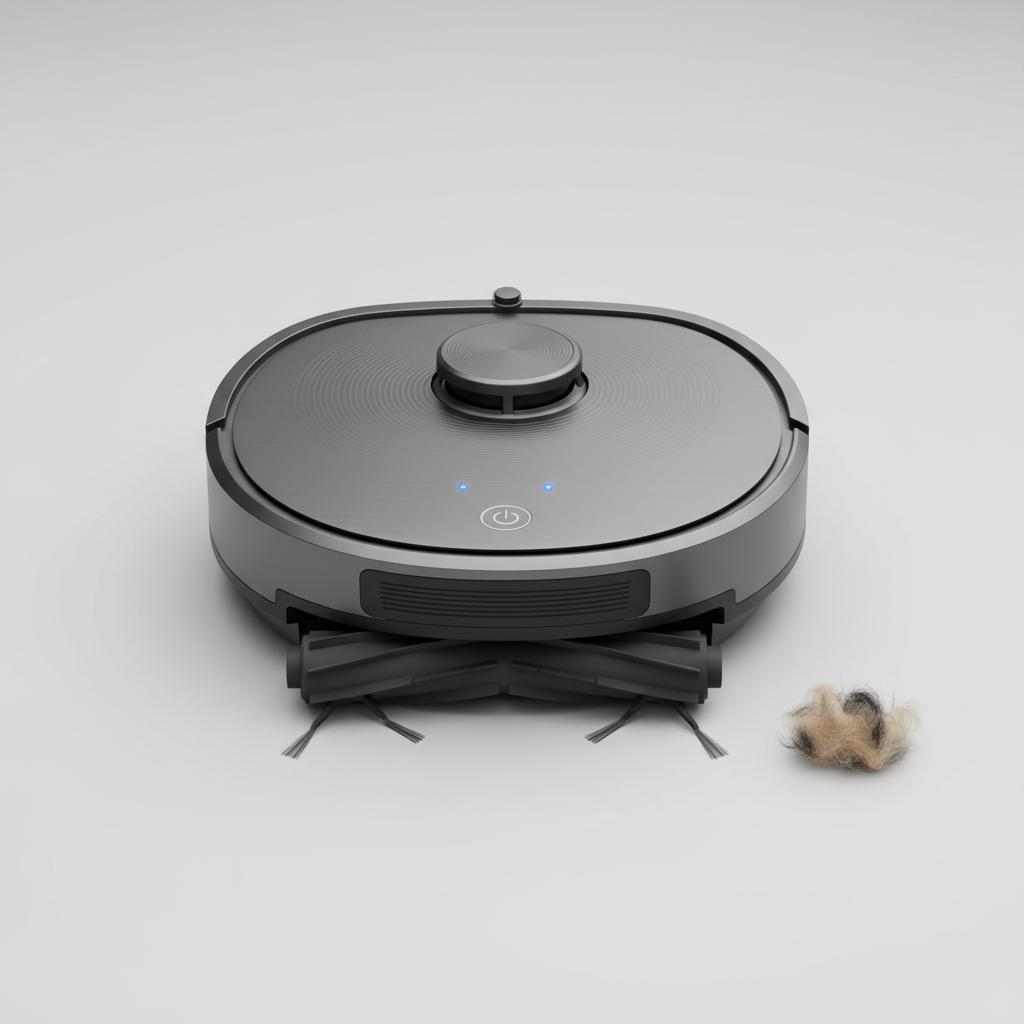
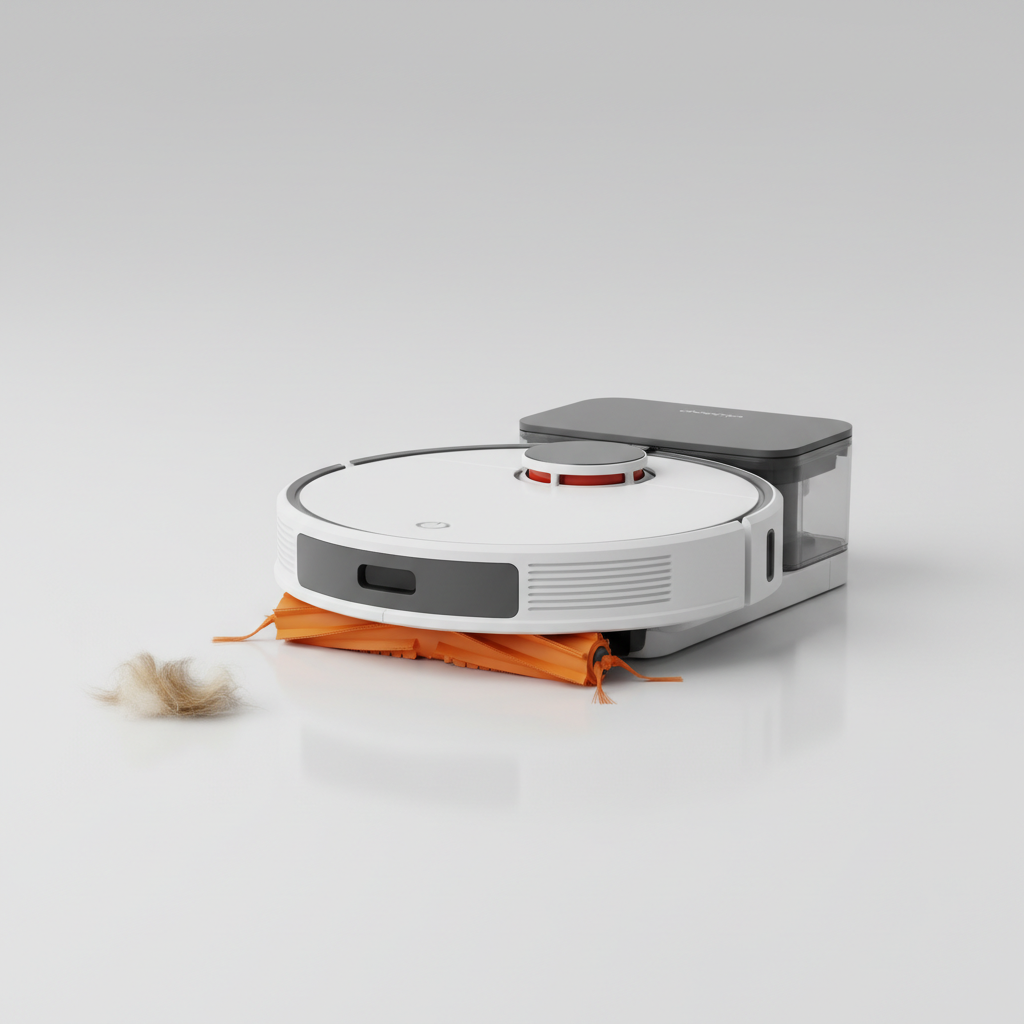
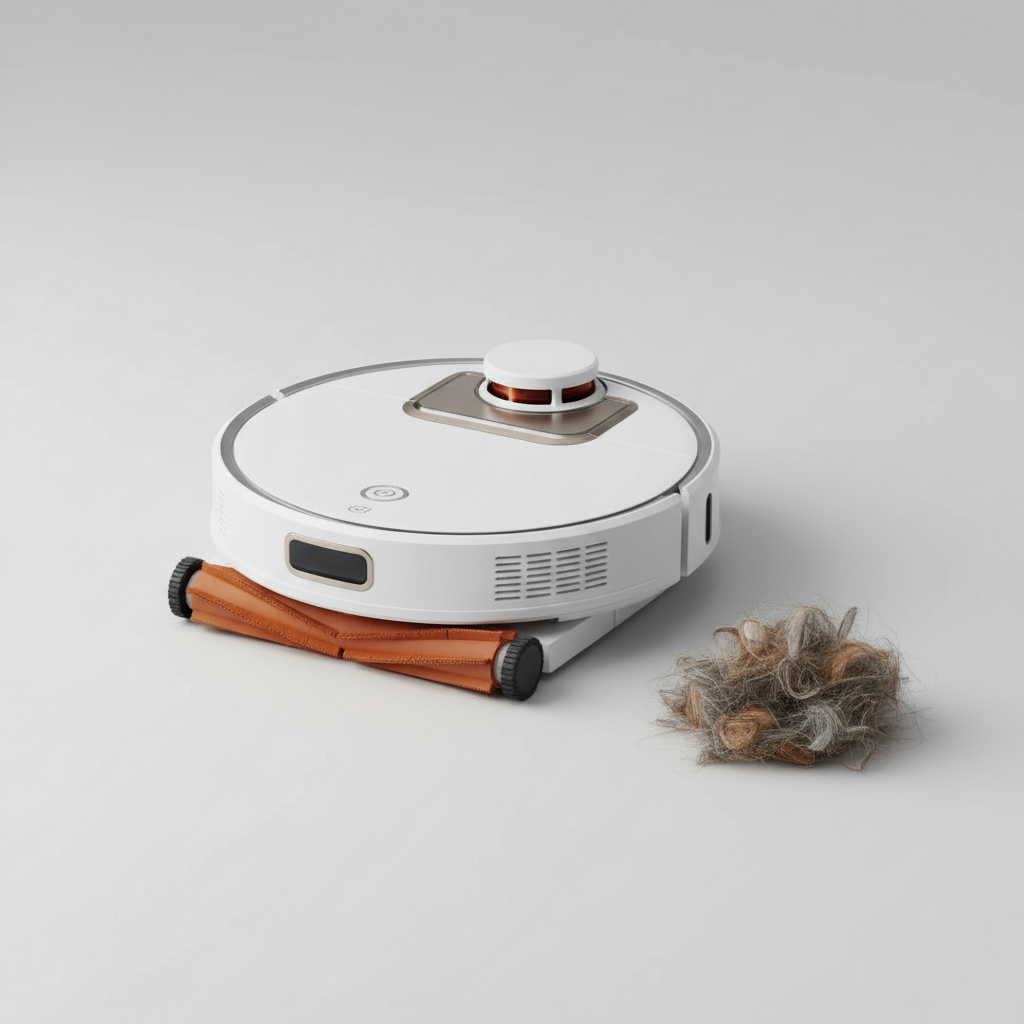
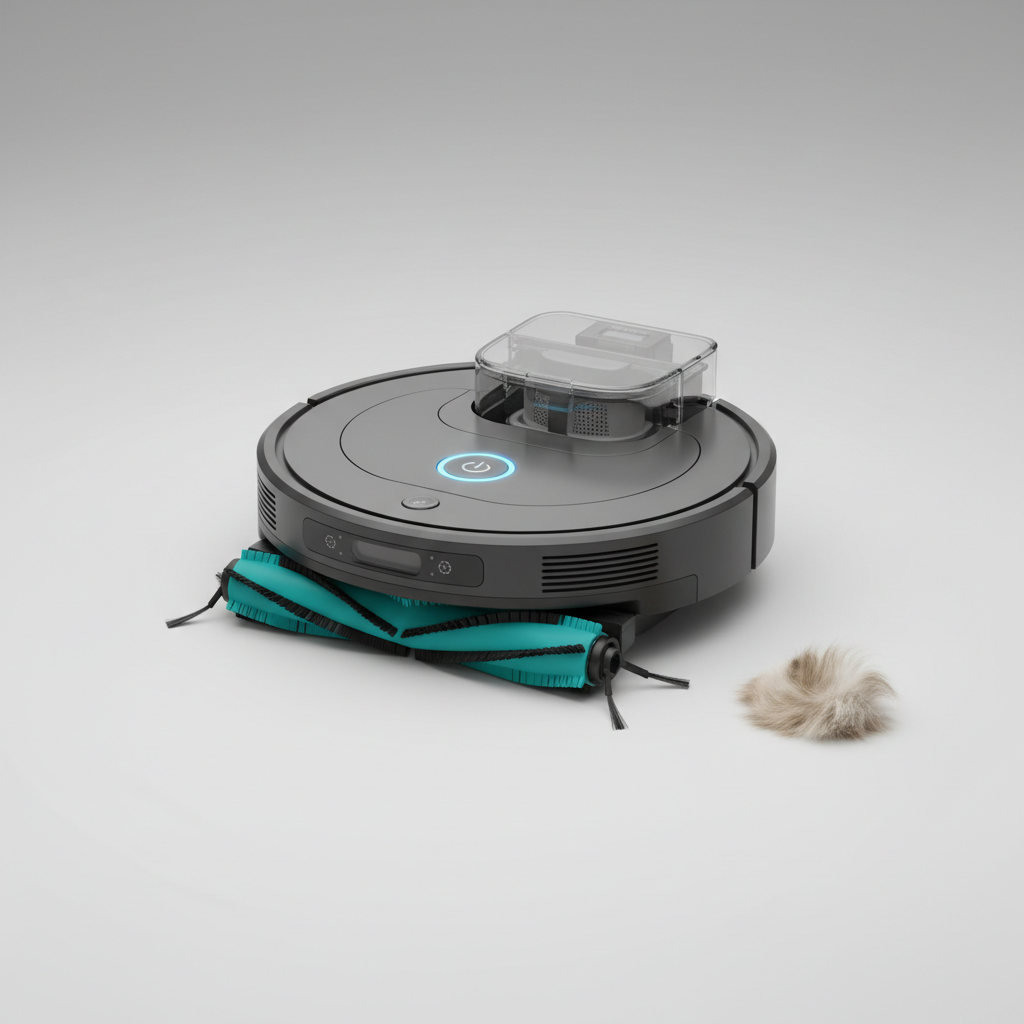
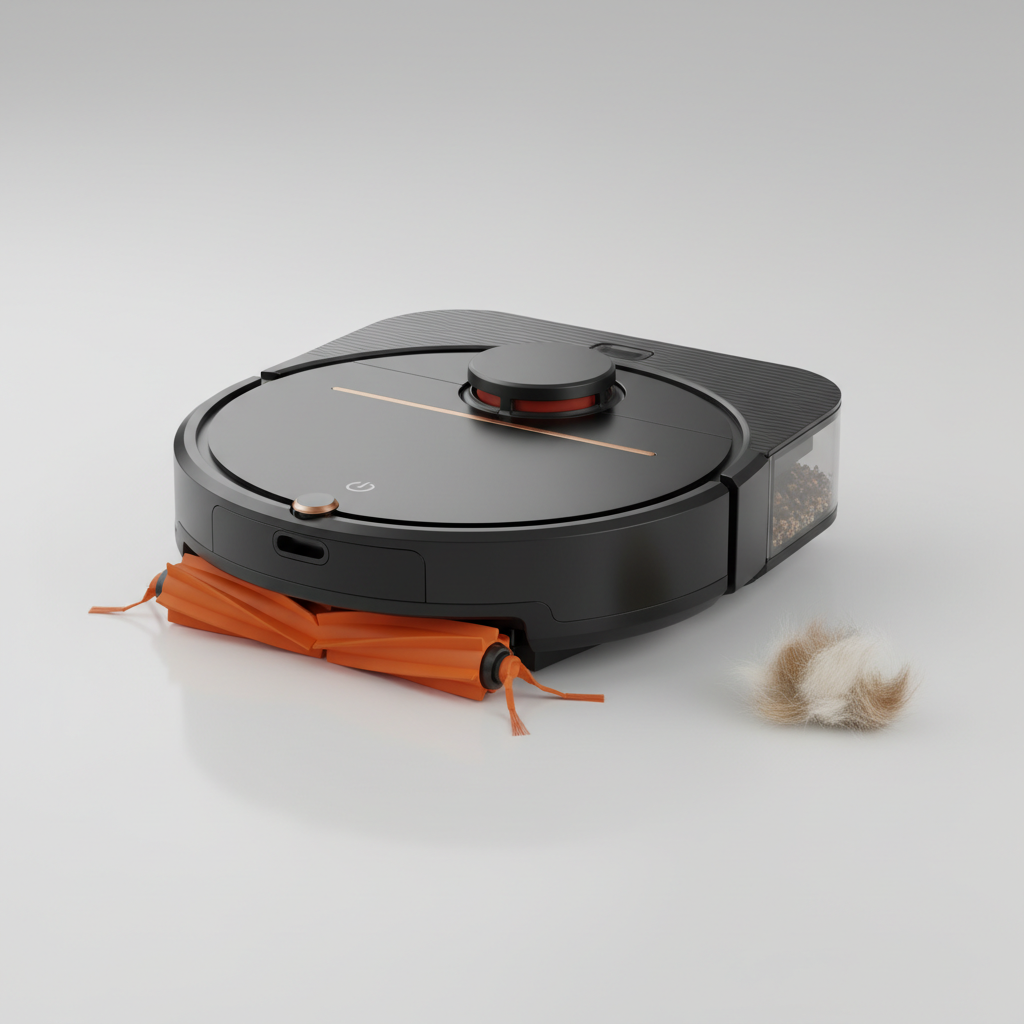
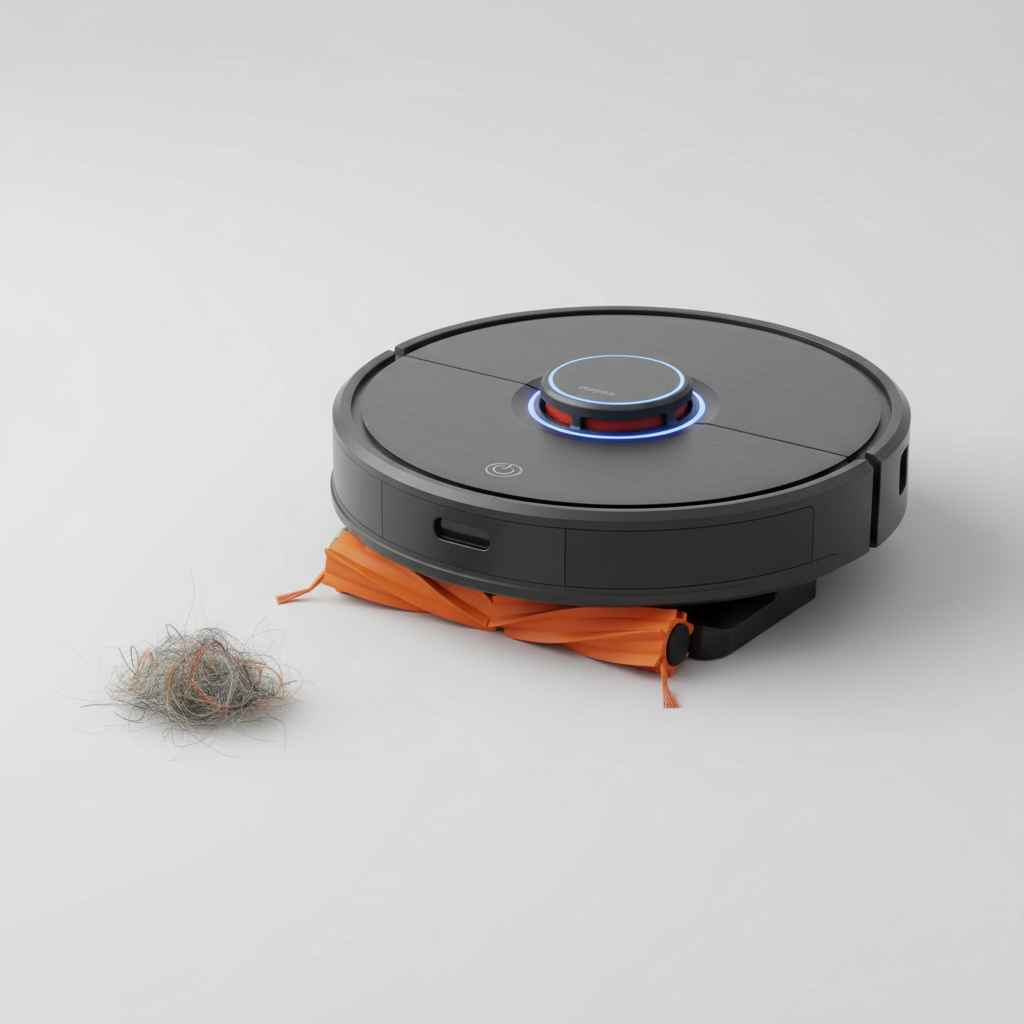
Strong suction power is also critical to lift deeply embedded allergens from carpets and extract them from crevices. Brush types matter too; silicone or rubber multi-surface brushes can be more effective at agitating and lifting dust without tangling excessive pet hair, which itself can carry dander. Some advanced models also offer automatic dirt disposal into a sealed bag within their charging dock, further minimising direct contact with collected allergens during bin emptying.
Navigating the Market: What to Expect in Australia
The Australian market offers a growing range of HEPA-equipped robot vacuums. Entry-level models with basic HEPA filtration might start from around AUD $300-$500, offering good baseline performance for smaller spaces or as a supplementary cleaner. Mid-range options, typically priced from AUD $600-$1000, often include better navigation, stronger suction, and more robust HEPA systems, sometimes with self-emptying bins.
Premium models, ranging from AUD $1200 upwards, integrate advanced mapping, AI object recognition, powerful suction, multi-stage filtration, and sophisticated self-emptying and even self-washing mop features. When comparing, always verify that the filter is a 'true HEPA' filter, not just a 'HEPA-style' or 'high-efficiency' filter, which may not meet the stringent 99.97% capture rate standard. Check for certified HEPA ratings in product specifications.
Maintenance for Optimal Allergy Relief
To maintain the effectiveness of your HEPA robot vacuum, regular maintenance is key. HEPA filters eventually become clogged with trapped particles, reducing airflow and filtration efficiency. Most manufacturers recommend replacing HEPA filters every 3 to 6 months, depending on usage and household allergen levels. Some filters are washable, but it's crucial to ensure they are completely dry before reinstallation to prevent mould growth.
Regularly empty the dustbin – ideally into a sealed bag if you have severe allergies – and clean the brushes and sensors. For self-emptying models, remember to replace the dust bag in the charging dock when full. Consistent maintenance ensures your robot continues to provide maximum allergen capture and optimal air quality benefits.