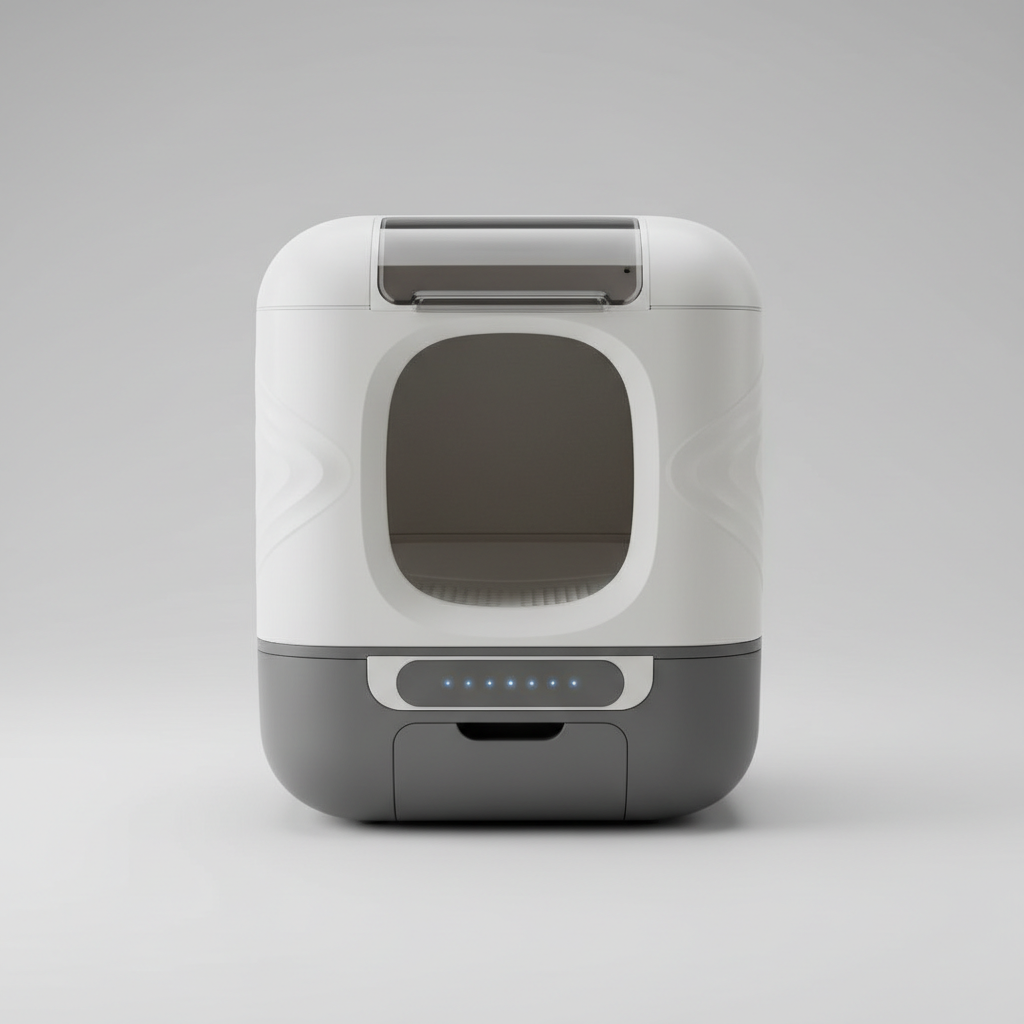
The Challenge of Multi-Cat Litter Management
In a multi-cat household, the recommendations for litter boxes typically state one per cat, plus one extra. This often means multiple trays needing daily (or even more frequent) scooping to maintain hygiene and prevent undesirable behaviours. Traditional litter boxes can quickly become overwhelmed, leading to persistent odours, potential mess outside the box, and disgruntled feline residents. For many Australian cat owners, juggling these demands alongside work and family commitments can be a constant struggle. This is where the appeal of automated solutions, like a litter robot for multiple cats, becomes evident.
How Automated Litter Boxes Operate
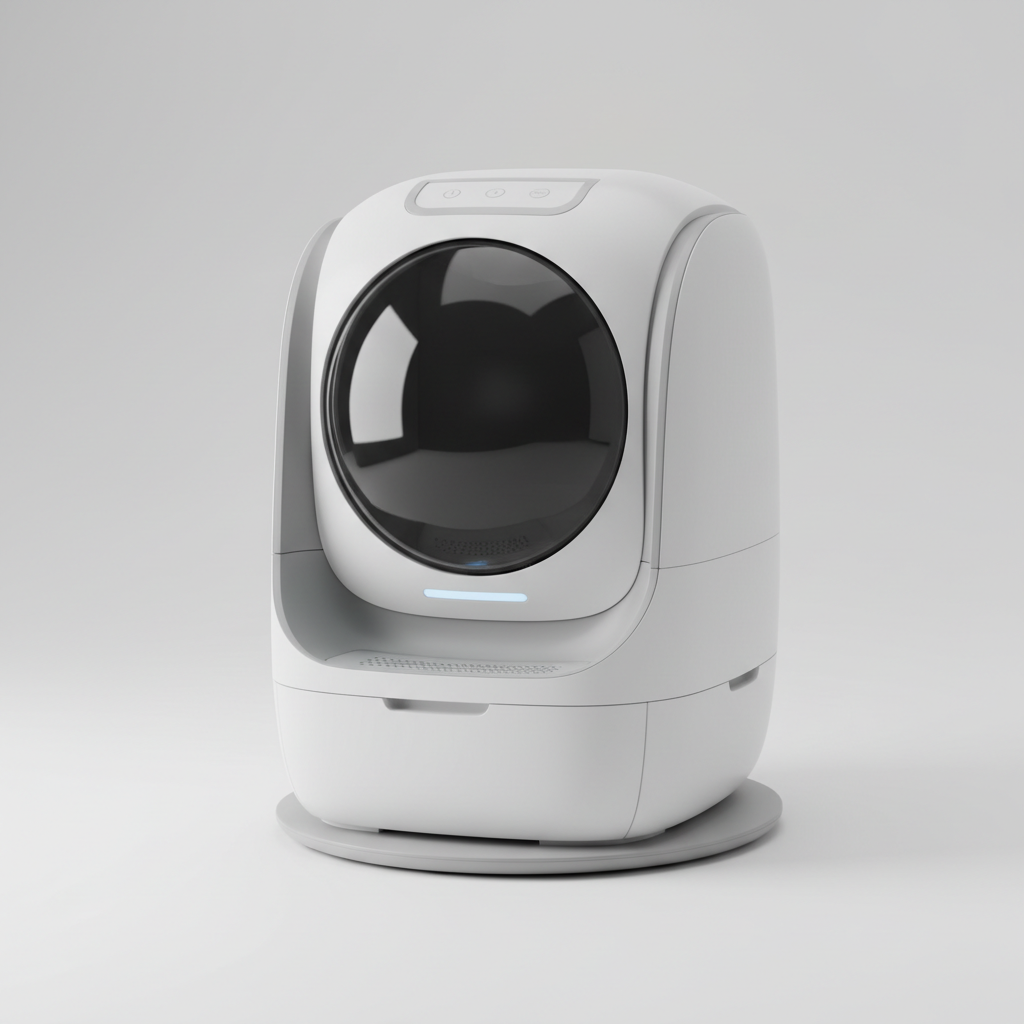
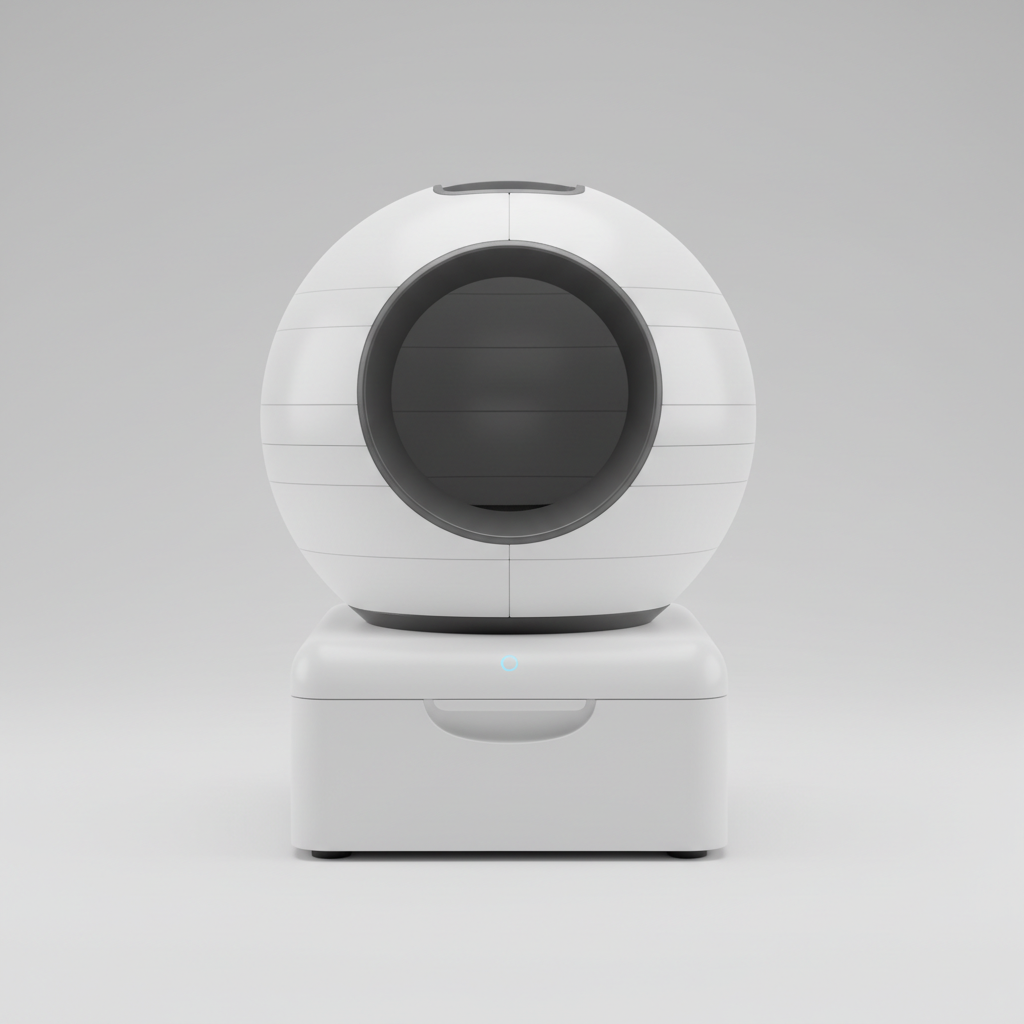
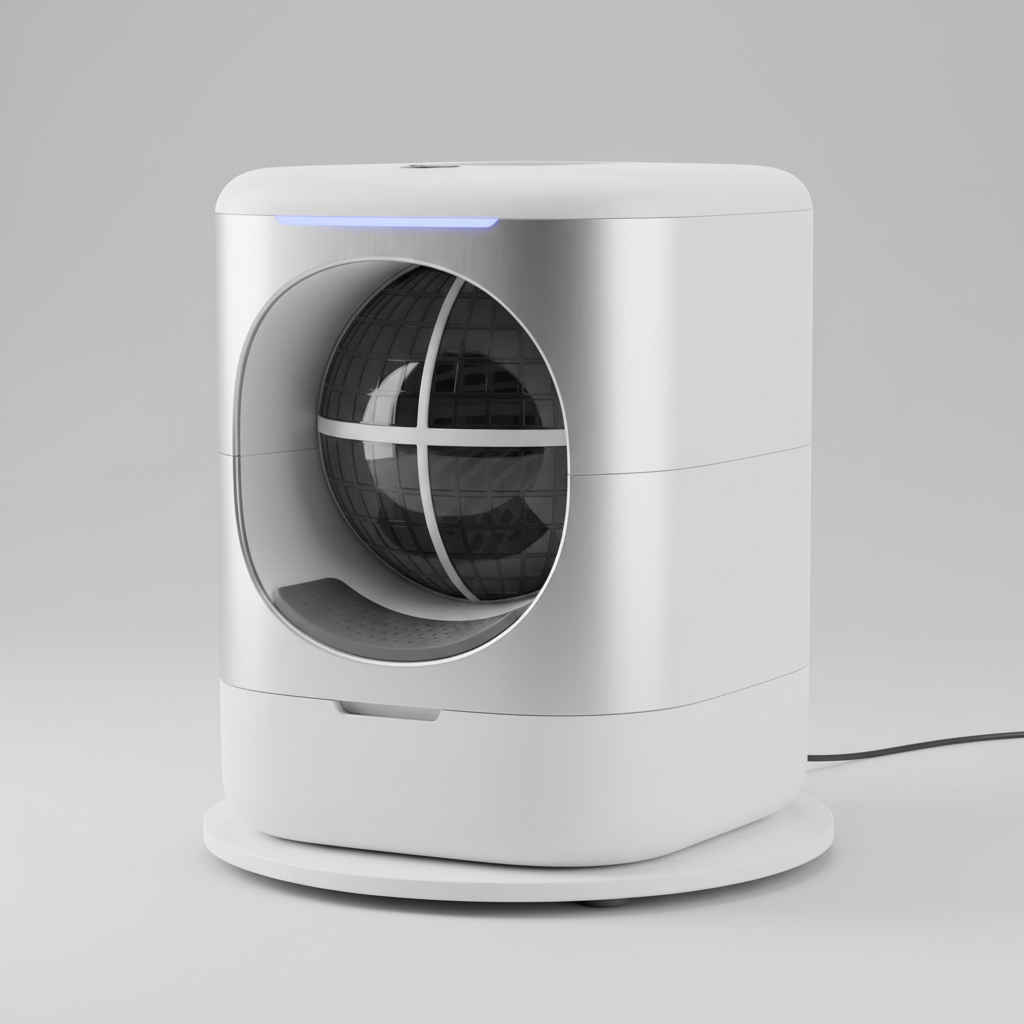
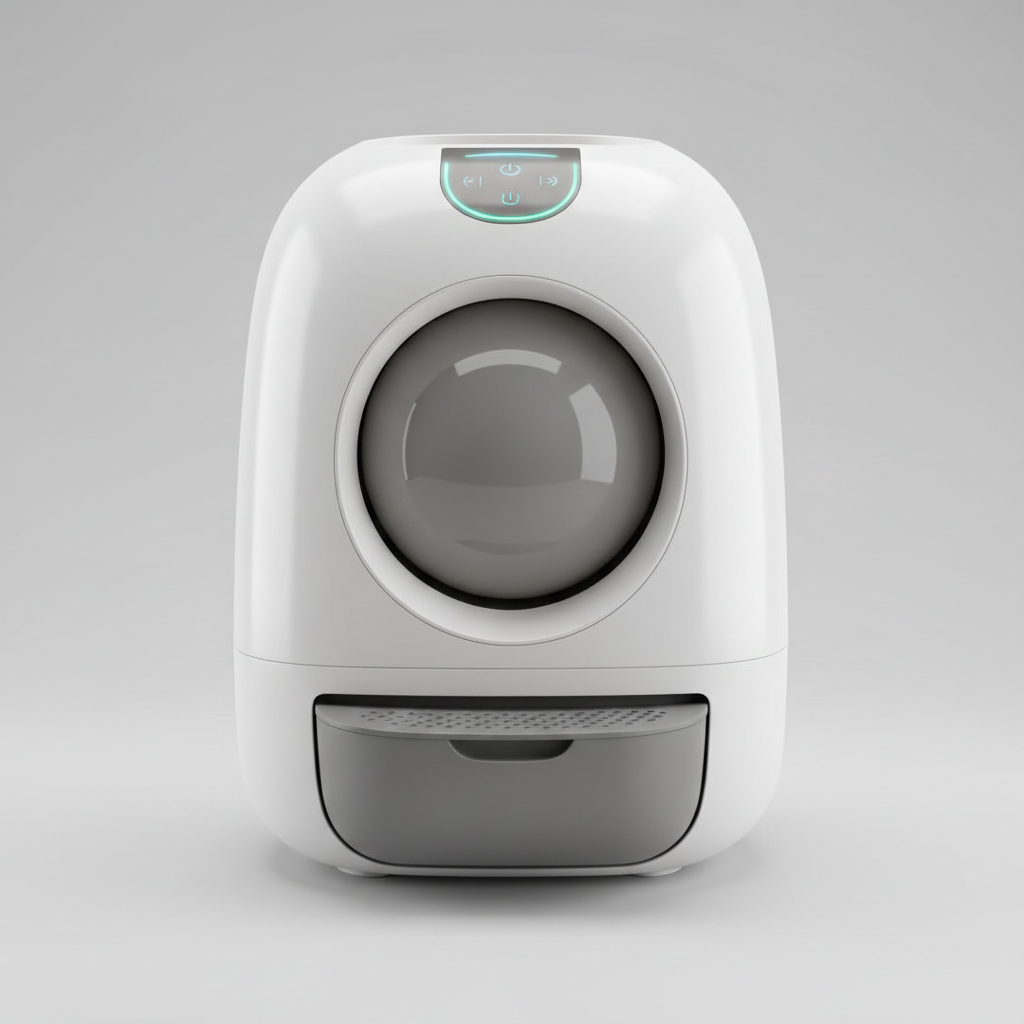
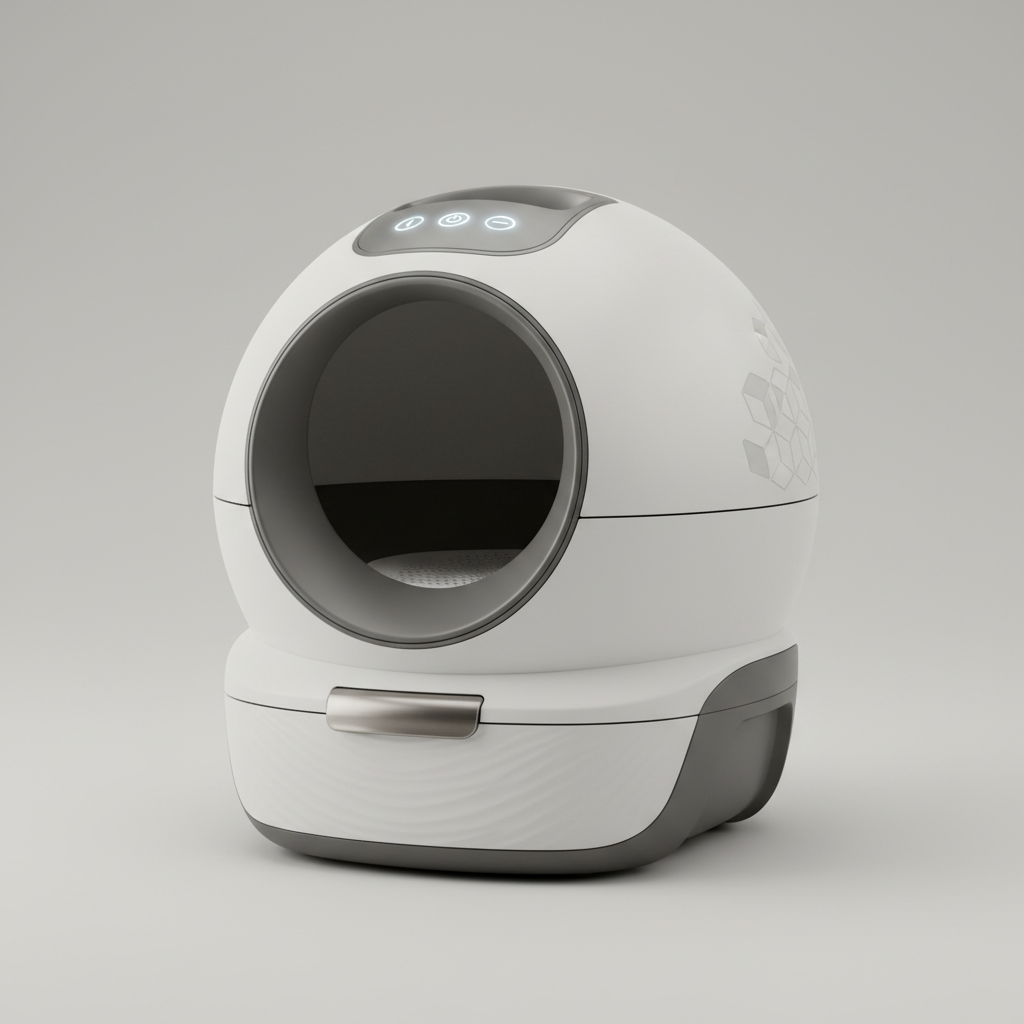
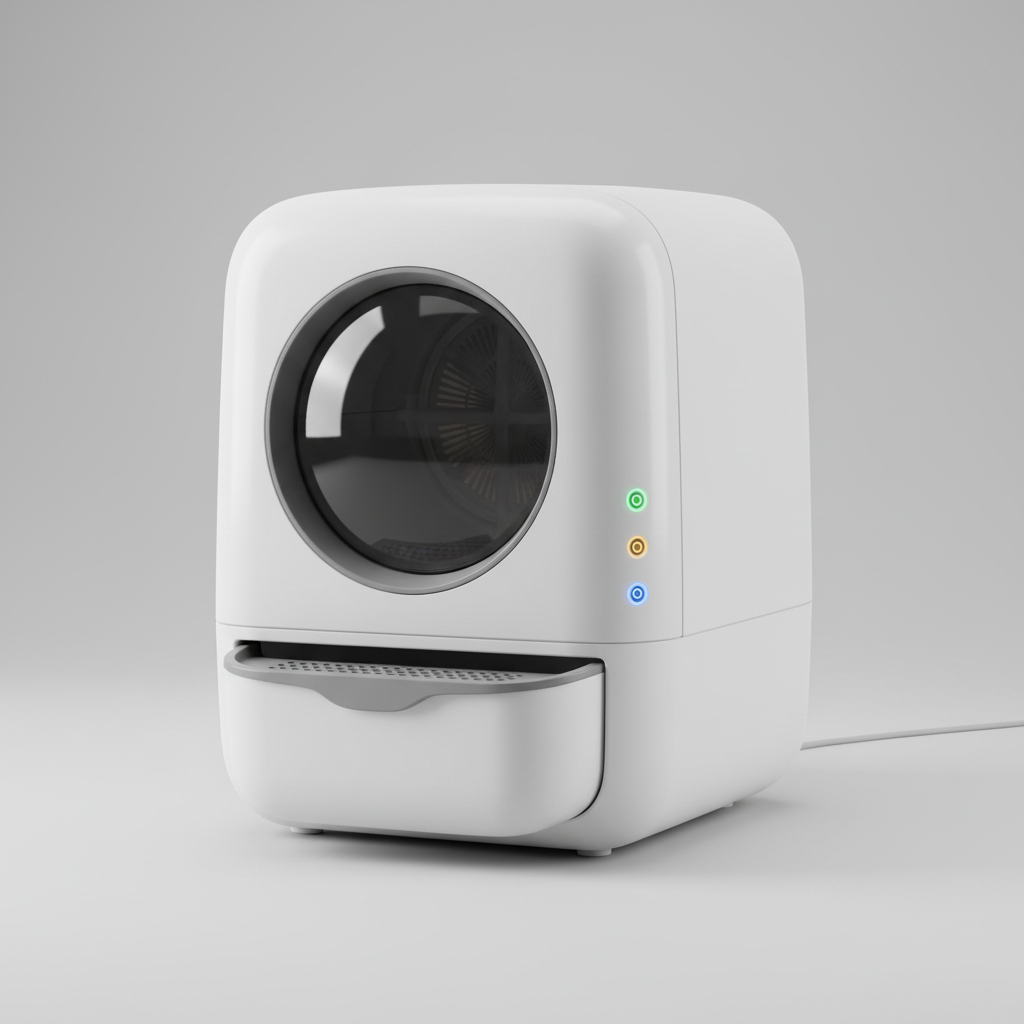
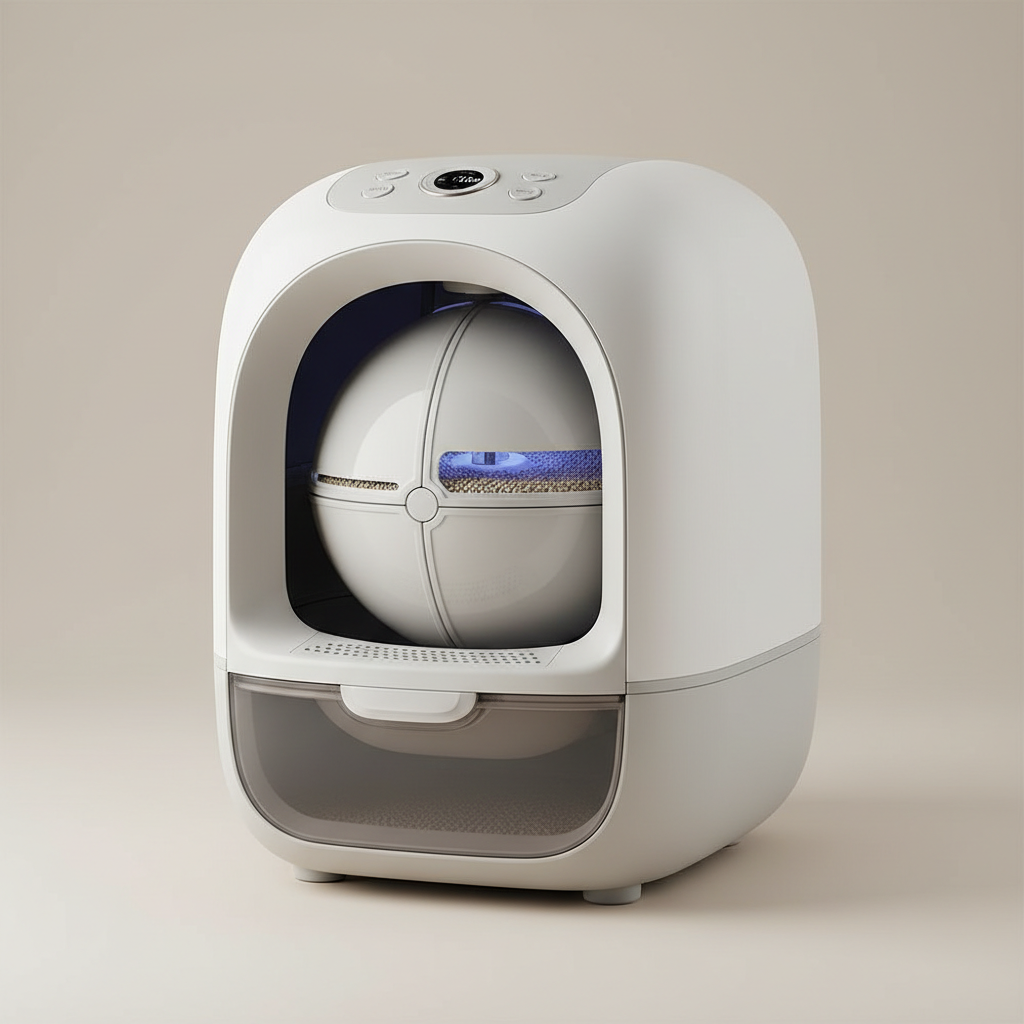
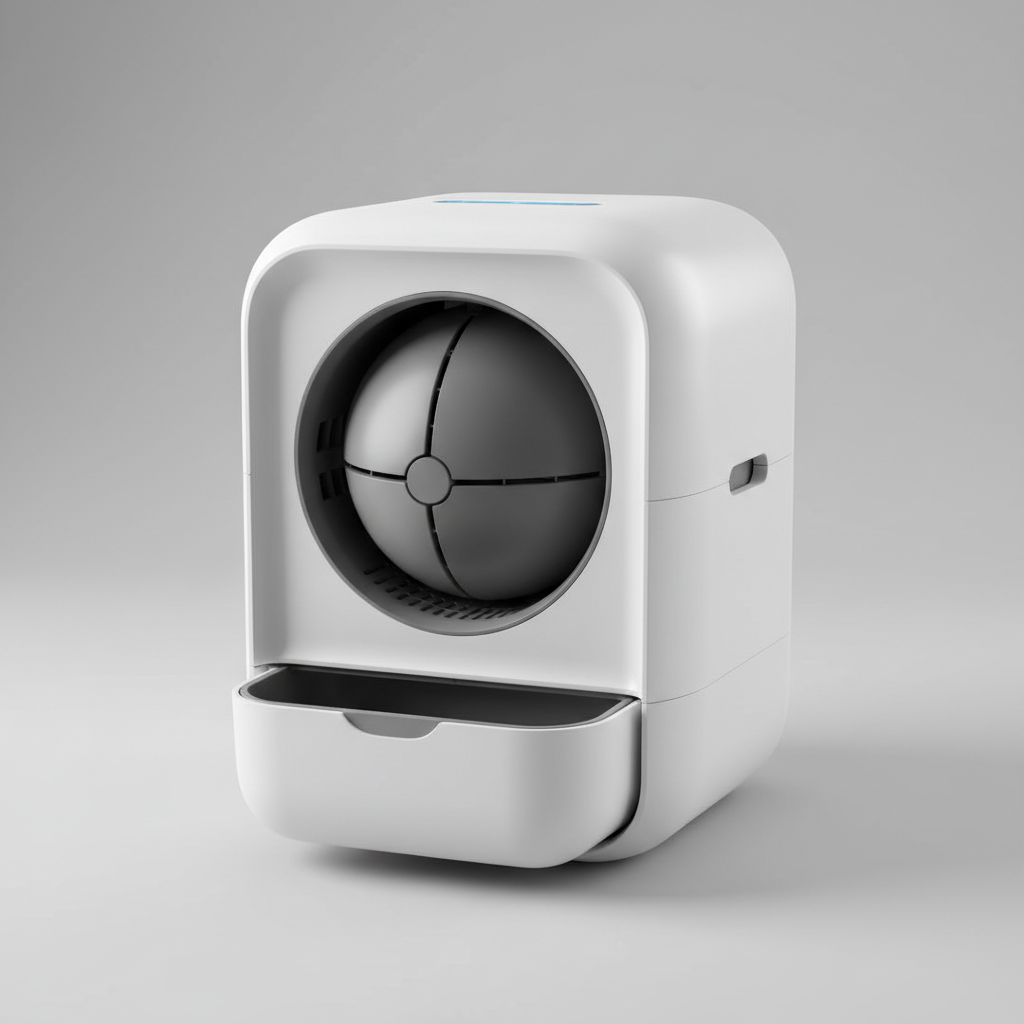
Robot litter boxes are designed to automatically clean themselves after each use. Typically, they consist of a large, enclosed globe or drum that sifts waste from clean litter. After a cat exits the unit, a timer initiates a cycle, rotating the globe to separate clumps and solid waste, depositing them into a sealed waste drawer or compartment. This process typically uses clumping clay litter, although some models are compatible with specific crystal or plant-based litters. The waste drawer is usually lined with a standard rubbish bag, making disposal straightforward. This constant cleaning cycle ensures a fresh bed of litter for each subsequent use, significantly reducing odour and manual scooping.
Key Benefits for Multi-Cat Households
For homes with several cats, the advantages of integrating a robot litter box are substantial. Firstly, odour control is dramatically improved. By removing waste promptly and sealing it, the pervasive 'cat litter smell' that often plagues multi-cat homes is significantly diminished. Secondly, the daily chore of scooping is virtually eliminated, freeing up considerable time. Owners only need to empty the waste drawer every few days to a week, depending on the number of cats and their habits.
Furthermore, many cats prefer a clean litter box, and an automated system ensures this continuously, potentially reducing 'accidents' outside the box caused by an unappealing toilet. The units can also help monitor litter usage, as some advanced models track usage patterns. While not a complete replacement for all traditional boxes in very large multi-cat setups, a well-placed litter robot for multiple cats can significantly reduce the overall number of required trays and the associated upkeep.
Choosing the Right Litter Robot for Multiple Cats
When selecting an automated litter box for a multi-cat environment, several factors are crucial. Capacity is paramount; ensure the waste drawer can handle the output of multiple felines for a reasonable period between emptying. Noise level during operation might also be a consideration, especially if the unit is placed in a living area.
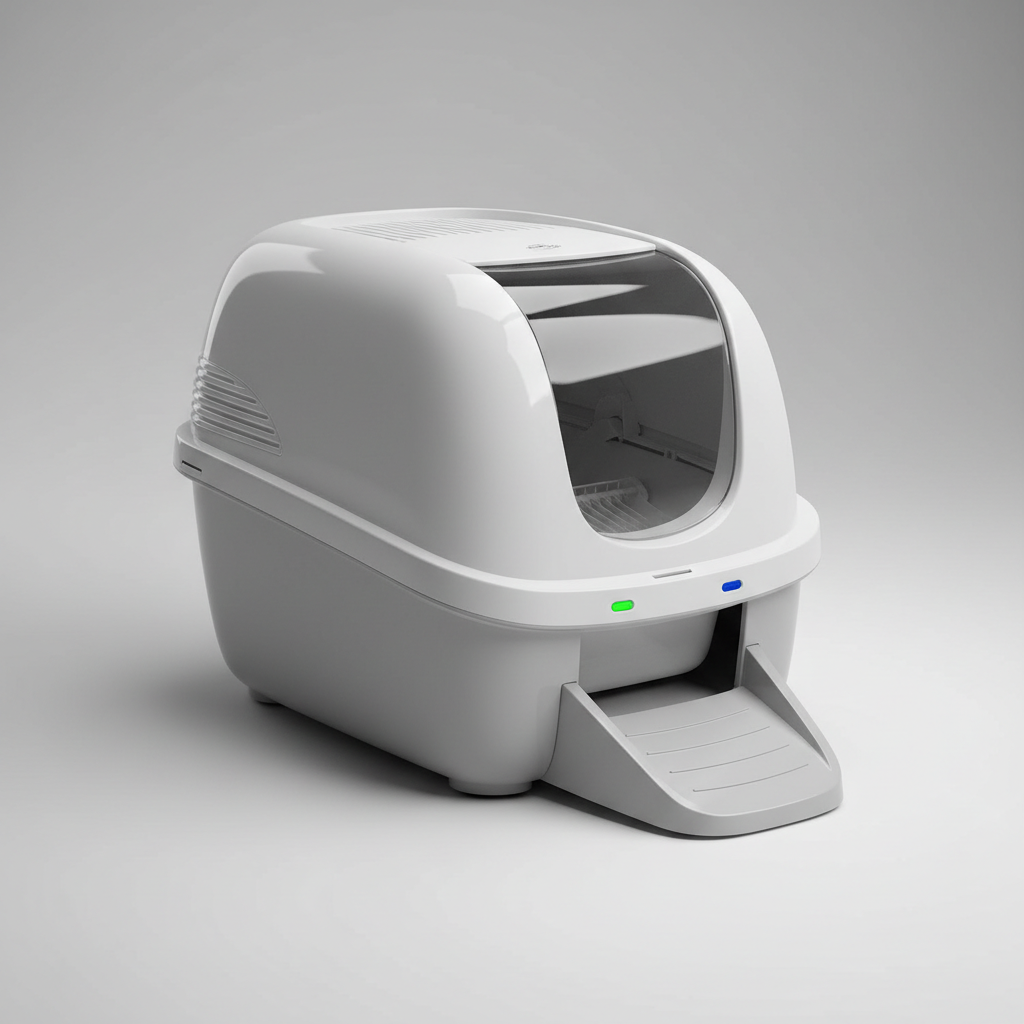
Consider the type of litter it supports, as specific clumping litters often yield the best results. Look for models with reliable safety features, such as weight sensors to prevent cycling when a cat is inside. The size of the entry point is also important to accommodate larger breeds. Finally, ease of cleaning for the unit itself (beyond just emptying the waste) should be evaluated, as periodic deep cleaning will still be required.
Cost, Maintenance, and Considerations
Automated litter boxes represent a significant initial investment, with models typically ranging from approximately AUD $600 to over AUD $1,500. This higher upfront cost is offset by potential savings on litter, as efficient sifting often means less litter is wasted. While regular scooping is eliminated, routine maintenance is still required. This includes emptying the waste drawer, refilling litter, and periodic cleaning of the globe and internal mechanisms.
It's important to note that not all cats immediately take to an automated system. A gradual introduction, often involving keeping a traditional box nearby initially, is recommended. Some units may require specific waste bags or carbon filters, adding to ongoing costs. Australian consumers should also consider warranty, local support, and compatibility with standard power outlets. While they offer immense convenience, they are not a 'set and forget' solution, but rather a powerful tool to streamline litter management for busy multi-cat homes.