The Logistics Deficit in Remote Primary Care
Delivering time-sensitive clinical supplies across regional Australia involves logistical hurdles rarely encountered in urban centres. Community clinics, Aboriginal Medical Services, and regional multipurpose health centres often rely on road transport that can be severed by seasonal flooding, dust storms, or road degradation. When an isolated clinic requires specialised antivenom, blood products, or culture swabs, light road vehicles may take four to eight hours to traverse several hundred kilometres.
Medical drone delivery bypasses surface infrastructure entirely, converting winding gravel tracks into direct, point-to-point transit vectors. By replacing dedicated four-wheel-drive courier routes with autonomous aerial platforms, regional health networks can dramatically shorten diagnostic turnarounds. Instead of batching pathology samples until a weekly courier arrives, regional practitioners can dispatch specimens immediately, preserving analytical integrity and allowing clinicians to start targeted treatments earlier.
Platform Architectures: Fixed-Wing vs Hybrid VTOL
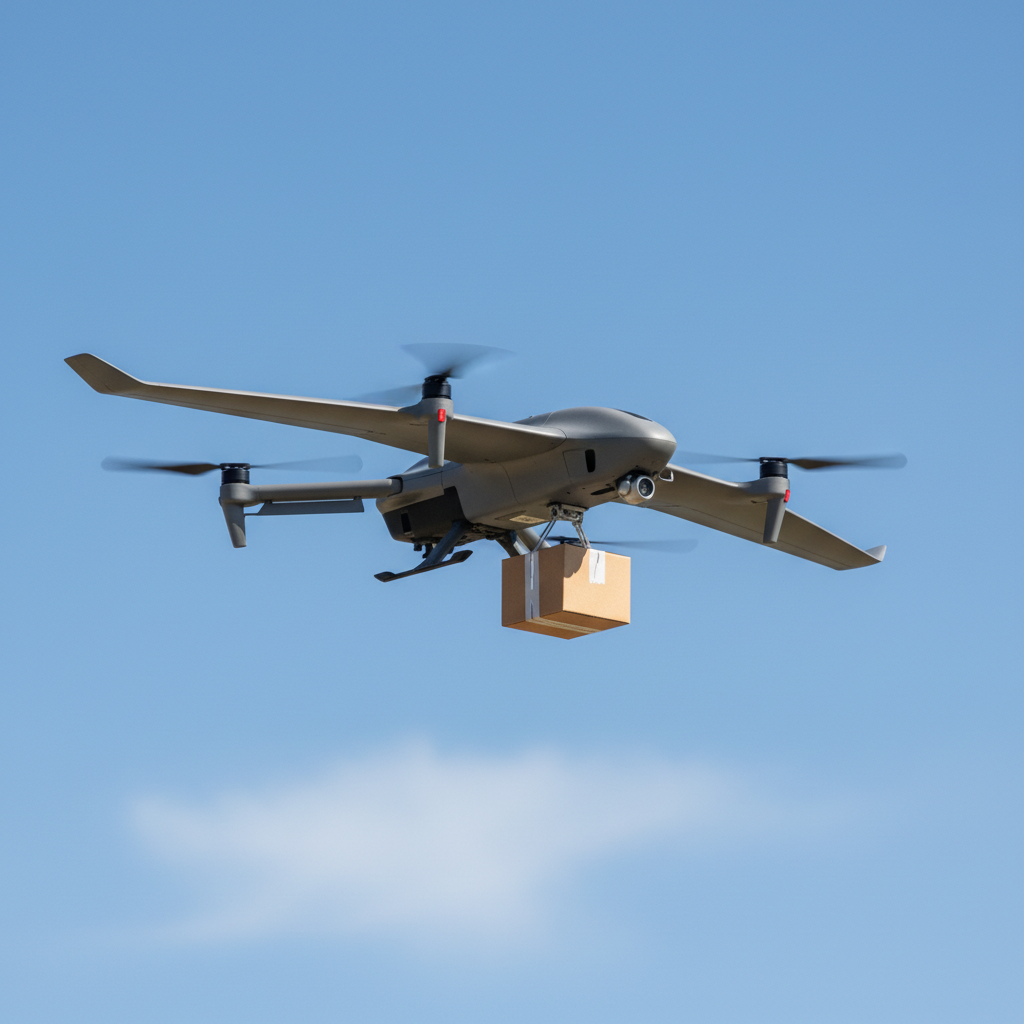
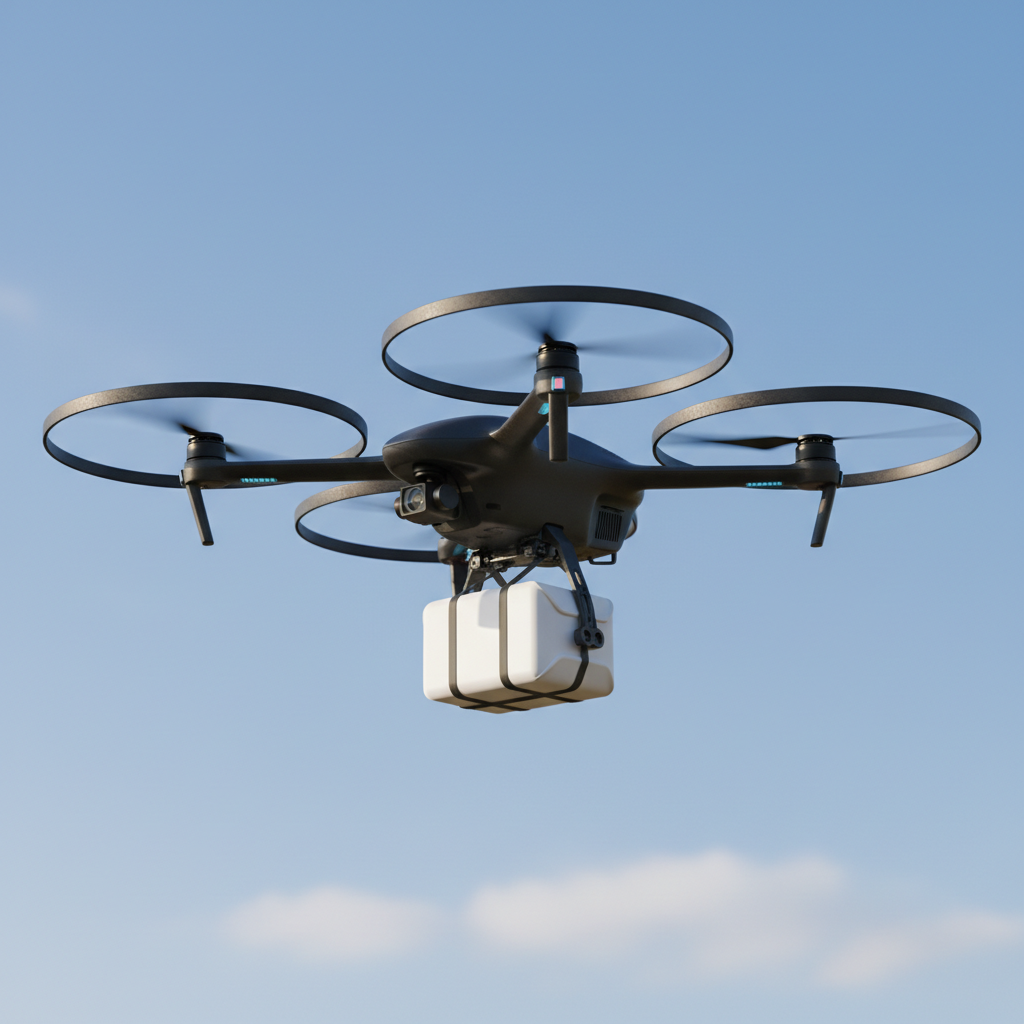
Medical logistics requires aerial platforms capable of balancing payload capacity with flight endurance. Standard multi-rotor drones, while mechanically simpler, suffer from high energy consumption and limited operational radii, typically restricted to under 30 kilometres. Consequently, regional operations prioritise hybrid Vertical Take-Off and Landing (VTOL) systems and fixed-wing airframes.
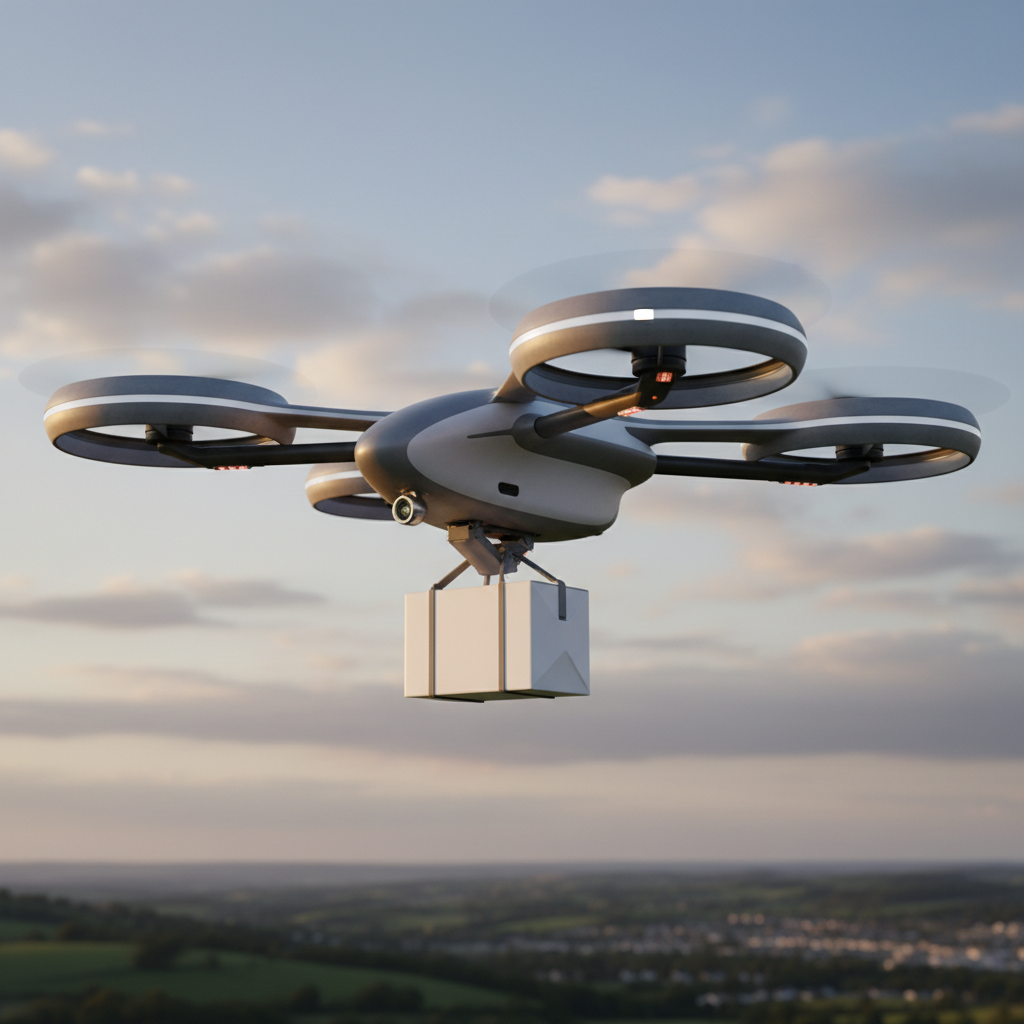
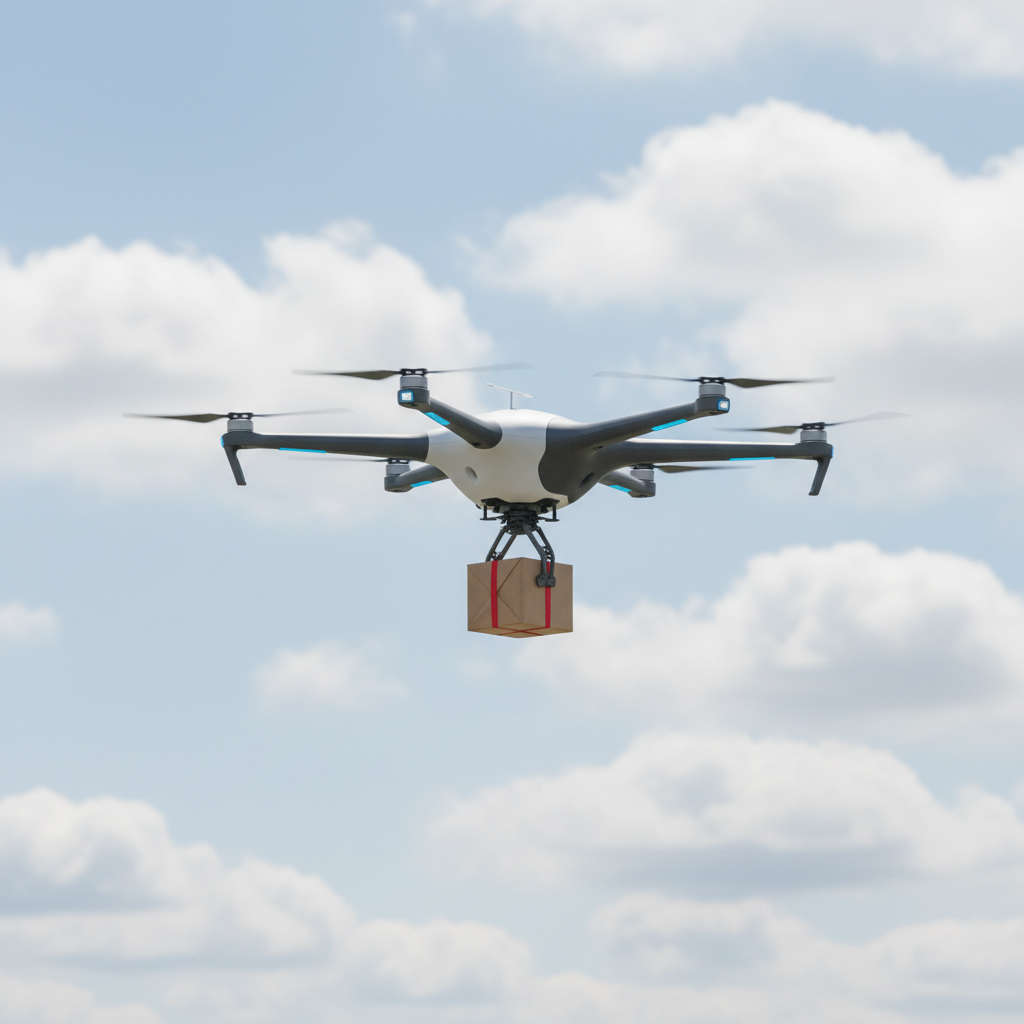
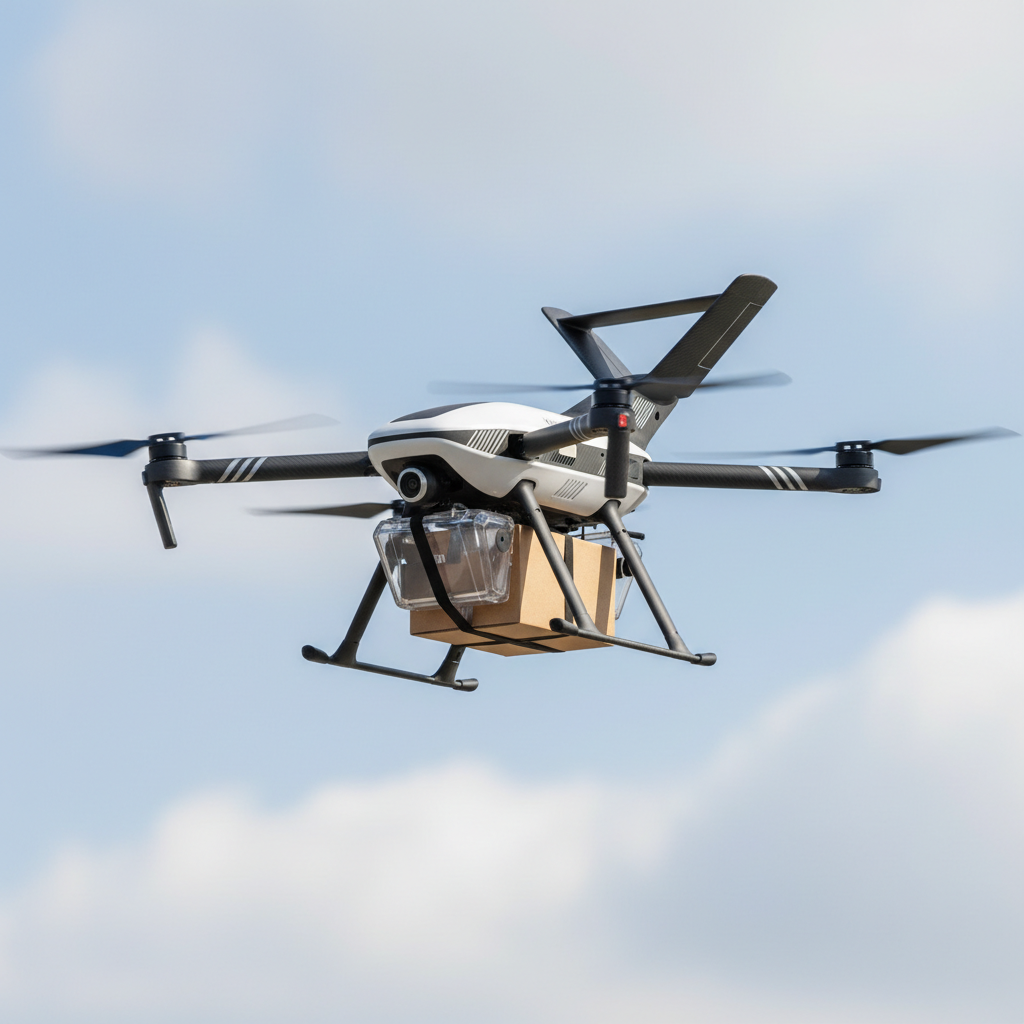
Hybrid VTOL platforms combine the hover efficiency of multi-rotors for launch and recovery with the aerodynamic lift of fixed wings for forward cruising. These aircraft routinely achieve cruise speeds between 90 and 130 km/h, delivering operational ranges spanning 80 to 160 kilometres on a single battery cycle or hybrid fuel charge. The ability to take off and land vertically eliminates the need for runways, allowing operators to deploy medical drone delivery platforms directly from hospital helipads, council depots, or fenced clinic yards.
CASA Oversight and Beyond Visual Line of Sight Operations
In Australia, the commercial viability of medical drone delivery hinges on Beyond Visual Line of Sight (BVLOS) regulatory approvals governed by the Civil Aviation Safety Authority (CASA). Operating beyond the direct sight of a remote pilot demands rigorous risk mitigations under the Specific Operations Risk Assessment (SORA) methodology.
To obtain BVLOS certification, logistics providers must demonstrate fail-safe redundancies across satellite communication links, flight termination systems, and detect-and-avoid (DAA) avionics. Ground-based secondary radar, ADS-B receivers, and optical sensors allow the drone to identify and yield to crewed aircraft, such as Royal Flying Doctor Service turboprops or agricultural sprayers. Standardised flight corridors and automated geofencing further reduce airspace conflict, establishing clear operational boundaries across sparsely populated flight paths.
Payload Protection, Active Cooling, and Biosecurity
Transporting biological materials through the harsh Australian climate introduces severe thermal risks. Ambient summer temperatures in regional Queensland, the Northern Territory, and Western Australia frequently exceed 40 degrees Celsius, conditions that quickly degrade insulin, vaccines, and whole blood products.
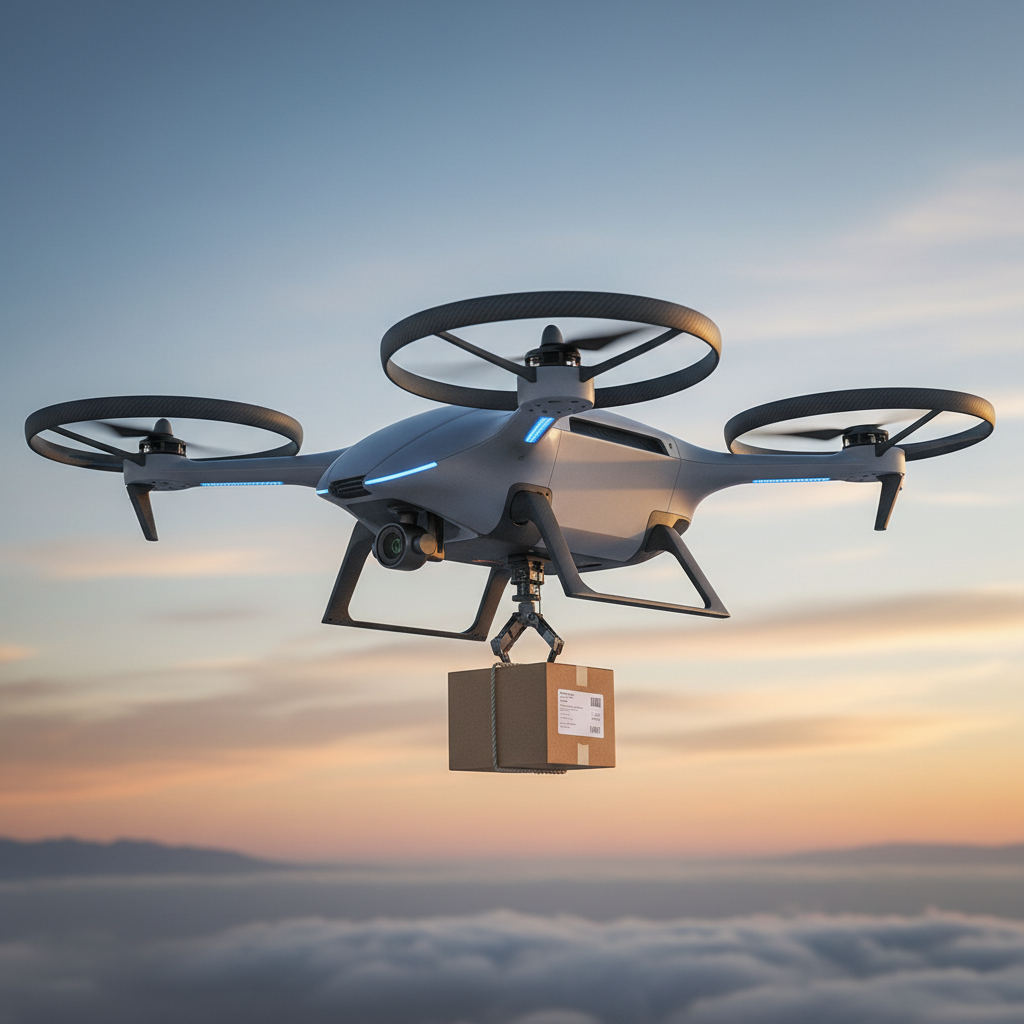
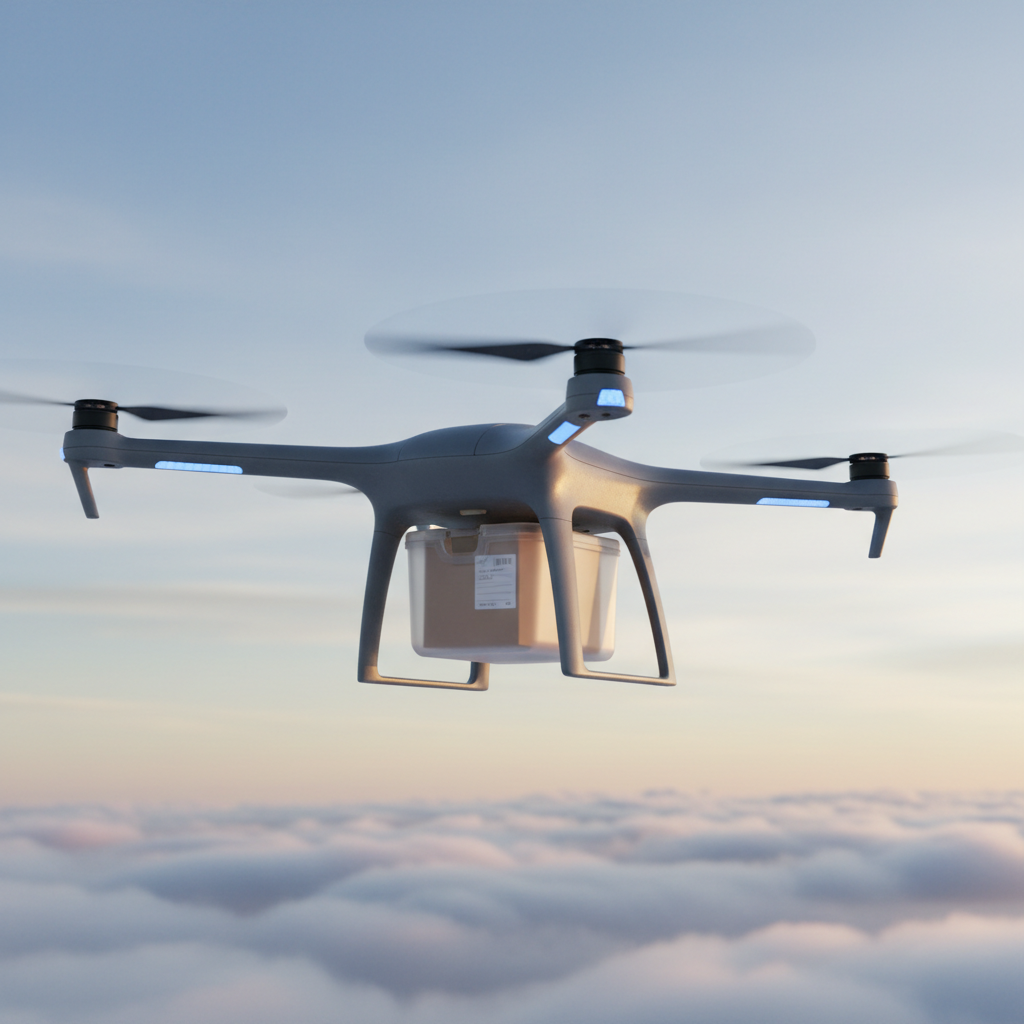
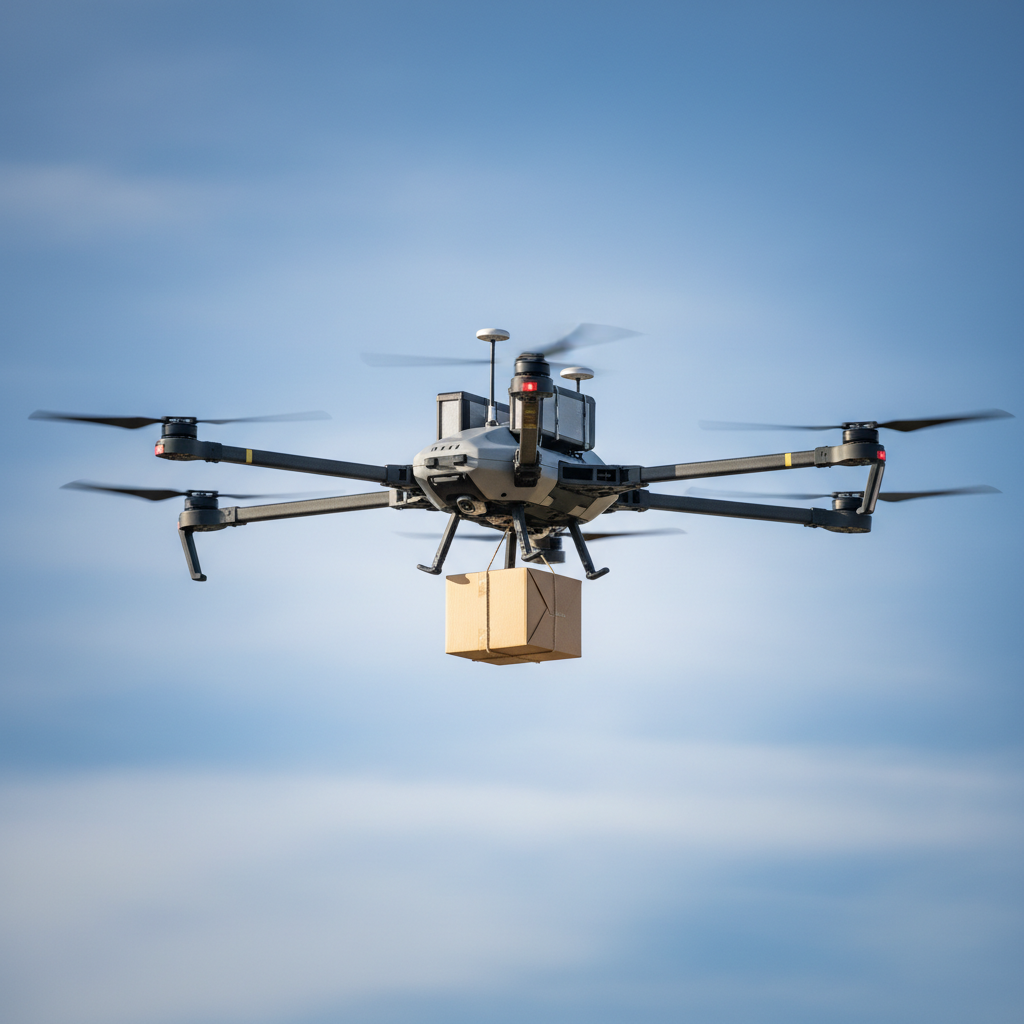
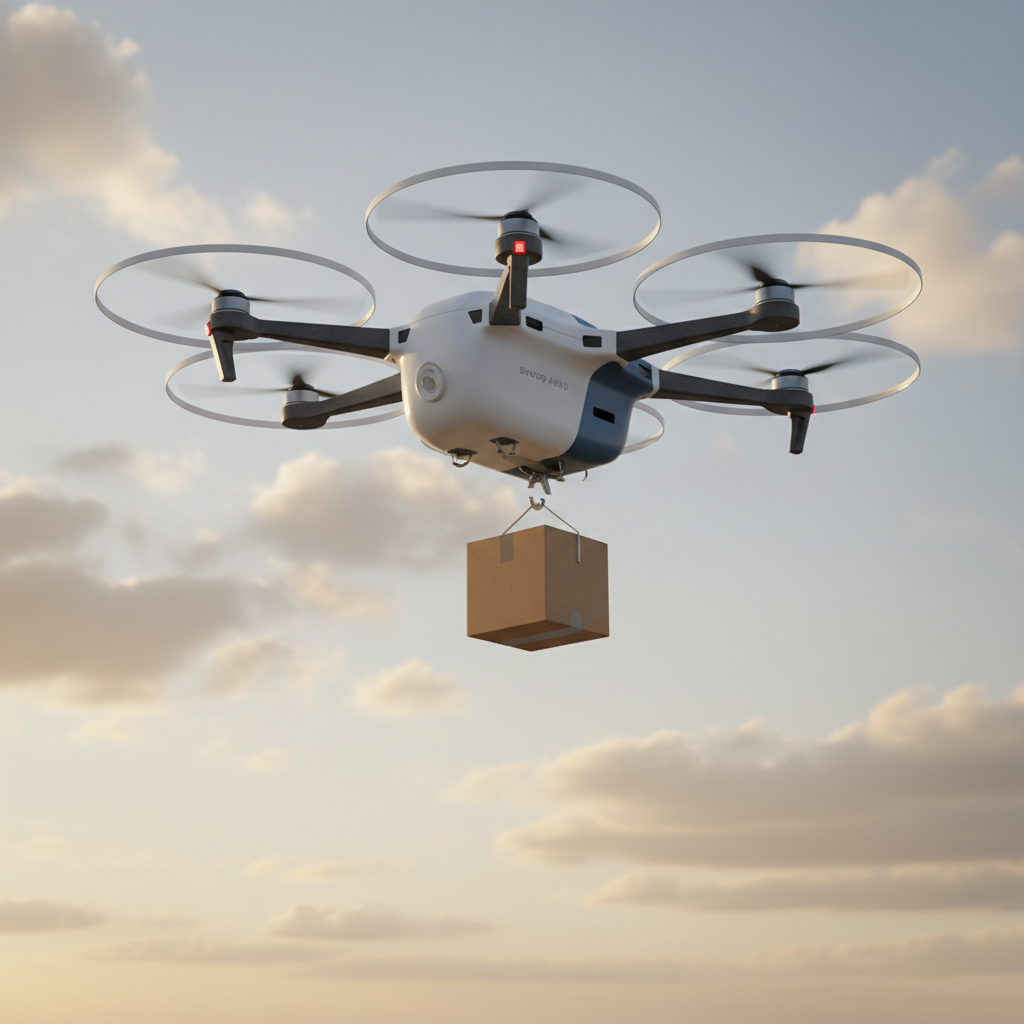
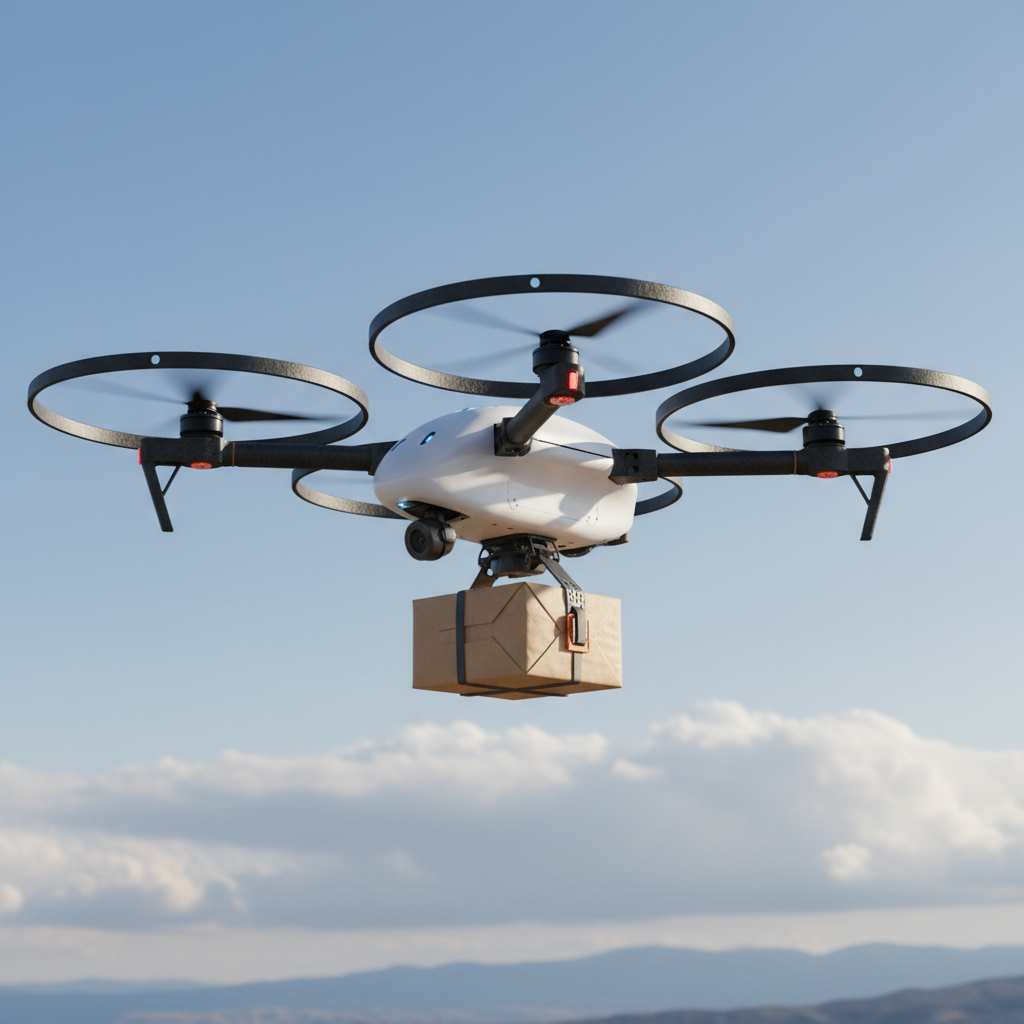
To safeguard cargo, medical drone delivery systems employ insulated, actively monitored composite compartments. Solid-state thermoelectric cooling or high-grade phase-change materials maintain internal temperatures strictly within required ranges—typically 2 to 8 degrees Celsius for vaccines or frozen parameters for specific plasma samples. Integrated data loggers record temperature, barometric pressure, and vibration in real time. Payloads can be delivered via automated tether winches that lower the insulated capsule to ground level from a hover height of 15 metres, eliminating landing risks in unpaved or unsecured areas.
Automation Parallels: Ground and Aerial Systems
The autonomy underpinning medical flight shares technical foundations with advanced industrial service robotics. Just as autonomous indoor scrubbing systems navigate complex floorplans using LiDAR, sensor fusion, and predictive path planning, medical cargo drones rely on multi-constellation GNSS, inertial measurement units (IMUs), and automated landing-zone evaluation algorithms.
Centralised fleet management software tracks multiple aircraft simultaneously from remote operations centres hundreds of kilometres away. Ground support is moving toward automated docking enclosures capable of automated battery swaps, system self-diagnostics, and data offloading. This high degree of mechanical autonomy reduces the operational burden on regional medical staff, who merely need to load an insulated cargo cassette and confirm dispatch via a touchscreen terminal.
Capital Costs and Infrastructure Feasibility
Integrating automated aerial supply chains requires realistic financial assessment. Enterprise-grade commercial VTOL systems with BVLOS avionics and redundant propulsion generally cost between AUD $45,000 and AUD $140,000 per airframe, excluding ground stations, docking infrastructure, and regulatory certification expenses.
While initial capital outlays exceed those of conventional road fleet acquisitions, operational expenditures tell a different story. Electricity costs per flight kilometre are a fraction of diesel consumption, and tyre, suspension, and vehicle wear on unsealed roads are entirely eliminated. When evaluated against the prohibitive cost of chartering crewed aircraft for emergency pathology or medication dispatch, routine medical drone delivery presents a sustainable, repeatable model for state health departments and regional health networks.