Why Winter Storage Matters Down Under
While Australian winters can be milder than those in the Northern Hemisphere, they still bring conditions unfavourable for continuous robot mower operation. Lower temperatures, increased rainfall, and slower grass growth mean your robot will spend more time idle. Leaving it exposed to the elements, especially moisture and fluctuating temperatures, can lead to corrosion, battery degradation, and damage to sensitive electronic components. A bit of preventative maintenance now can save you significant repair costs and headaches later.
Beyond weather protection, off-season care also involves essential cleaning and inspection. Over the mowing season, grass clippings, dirt, and debris can accumulate, impacting performance. Addressing these issues before storage prevents them from hardening or causing long-term damage. Think of it as a well-deserved spa day for your autonomous gardening assistant.
Step 1: The Grand Farewell - Cleaning and Inspection
Before anything else, ensure your robot mower is switched off and completely disconnected from its charging station. Safety first! Using a soft brush, damp cloth, and perhaps a plastic scraper, meticulously remove all grass clippings, mud, and debris from the underside, wheels, and chassis. Pay particular attention to the cutting deck and around the blades. Avoid using a high-pressure washer directly on the mower, as this can force water into sensitive electronics. Compressed air can be useful for clearing hard-to-reach crevices.
Once clean, conduct a thorough visual inspection. Check for any damaged blades – these should be replaced before storage or at the start of the next season. Examine the wheels, chassis, and any sensors for cracks, wear, or loose connections. Take note of any issues that might require professional attention or parts replacement. This proactive approach ensures minor problems don't escalate during dormancy.
Step 2: Battery Health is Paramount
The battery is arguably the most critical component to consider during winter storage. For most modern robot mowers, which use Lithium-Ion batteries, storing them fully charged or completely depleted is detrimental. The ideal charge level for long-term storage is typically between 40% and 60%. Consult your mower's manual for specific recommendations, as some manufacturers suggest a different percentage or even removing the battery entirely.
If your manual advises removal, do so carefully and store the battery in a cool, dry place away from direct sunlight and extreme temperatures. If the battery remains in the mower, ensure it's stored in a stable, temperate environment. Avoid leaving it connected to the charging station for months on end unless explicitly stated by the manufacturer, as this can sometimes lead to overcharging or continuous trickle charging that isn't ideal for battery longevity. Periodically checking the battery's charge level every couple of months and topping it up to the recommended storage percentage can also be beneficial.
Step 3: Preparing the Charging Station and Boundary Wire
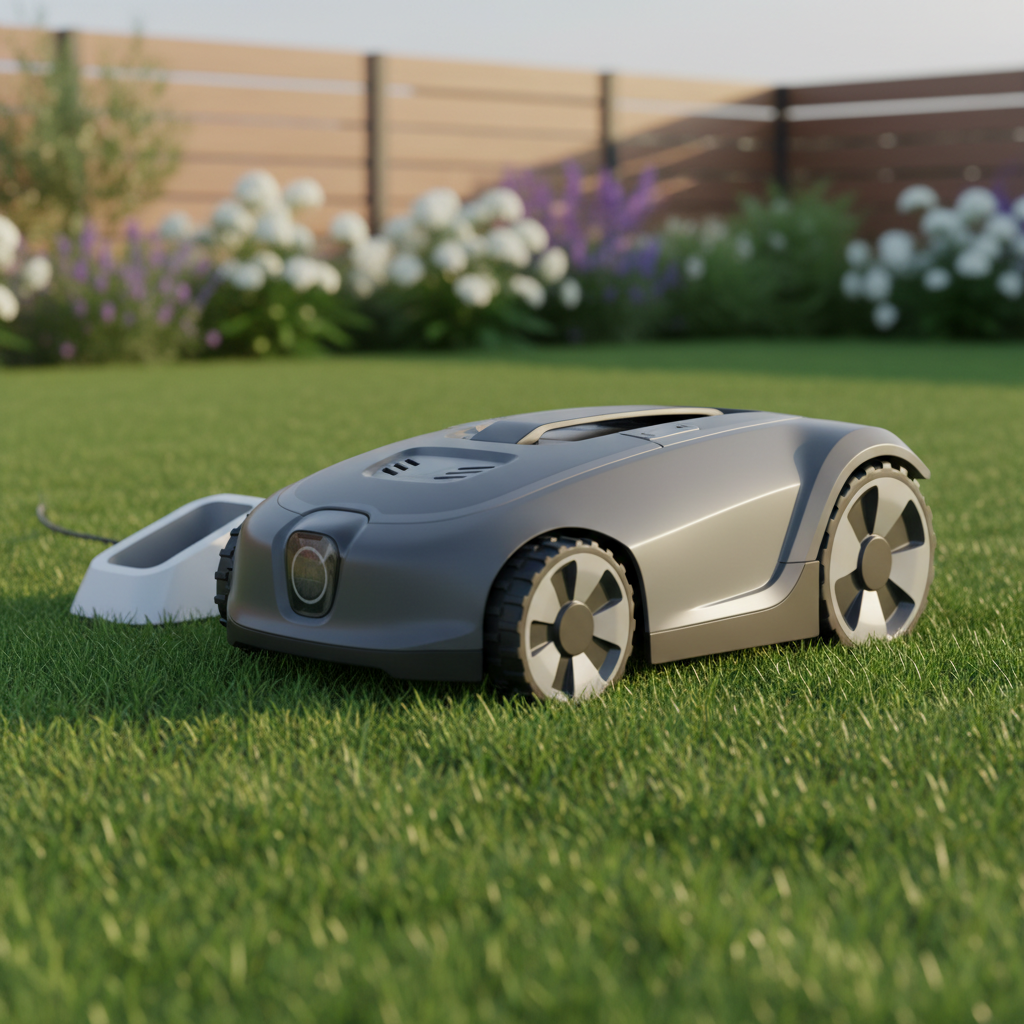
Your charging station also needs attention. Disconnect it from the power supply and, if possible, from the boundary wire. Clean it thoroughly, removing any dirt, grass, or insect nests. While some robust charging stations are designed to withstand Australian winters, bringing them indoors is generally the safest option, especially if they are exposed to direct rain or harsh sun. This protects the electronics and connection points from corrosion and damage.
Regarding the boundary wire, if it's surface-laid, you might consider lifting and storing it, although for many, this isn't practical. If it's buried, it can typically remain in place. However, it's a good time to inspect exposed sections for damage from garden tools, pests, or natural wear and tear. Make a note of any repairs needed before the next mowing season. Covering any exposed wire ends left in the garden can prevent accidental damage or moisture ingress.
Step 4: The Ideal Storage Location
Choose a storage location that is dry, frost-free, and has a relatively stable temperature. A shed, garage, or even a spare cupboard inside your home are excellent choices. Avoid uninsulated outdoor sheds that might experience extreme temperature swings or damp conditions. High humidity can lead to corrosion, even indoors, so a climate-controlled space is optimal if available.
Ensure the mower is stored on a flat surface and is not exposed to direct sunlight, which can degrade plastic components over time. If storing the battery separately, ensure it's kept in a similar environment. Covering the robot mower with a breathable dust cover can protect it from dust accumulation and minor bumps, but avoid non-breathable covers that can trap moisture.
Spring Awakening: Preparing for Next Season
When the warmer weather returns, and your lawn starts growing again, retrieving your robot mower from storage is straightforward. First, fully charge the battery. Reconnect the charging station and boundary wire, ensuring all connections are secure. Replace any blades you noted for replacement during your winter inspection.
It's a good idea to perform a quick test run in a clear area to ensure all functions are operational before deploying it for its first full cut of the season. A little off-season care goes a long way in ensuring your robot mower provides years of reliable, autonomous lawn maintenance, making your investment truly worthwhile.