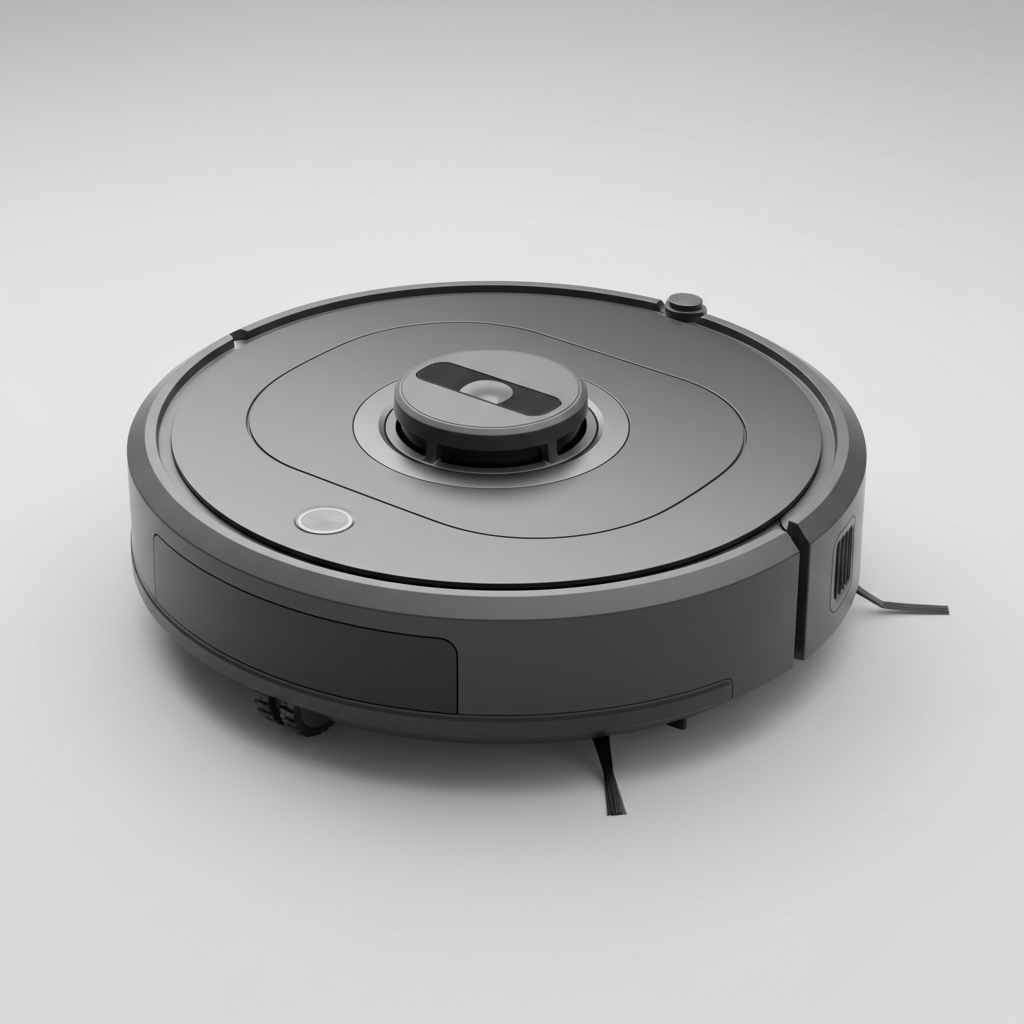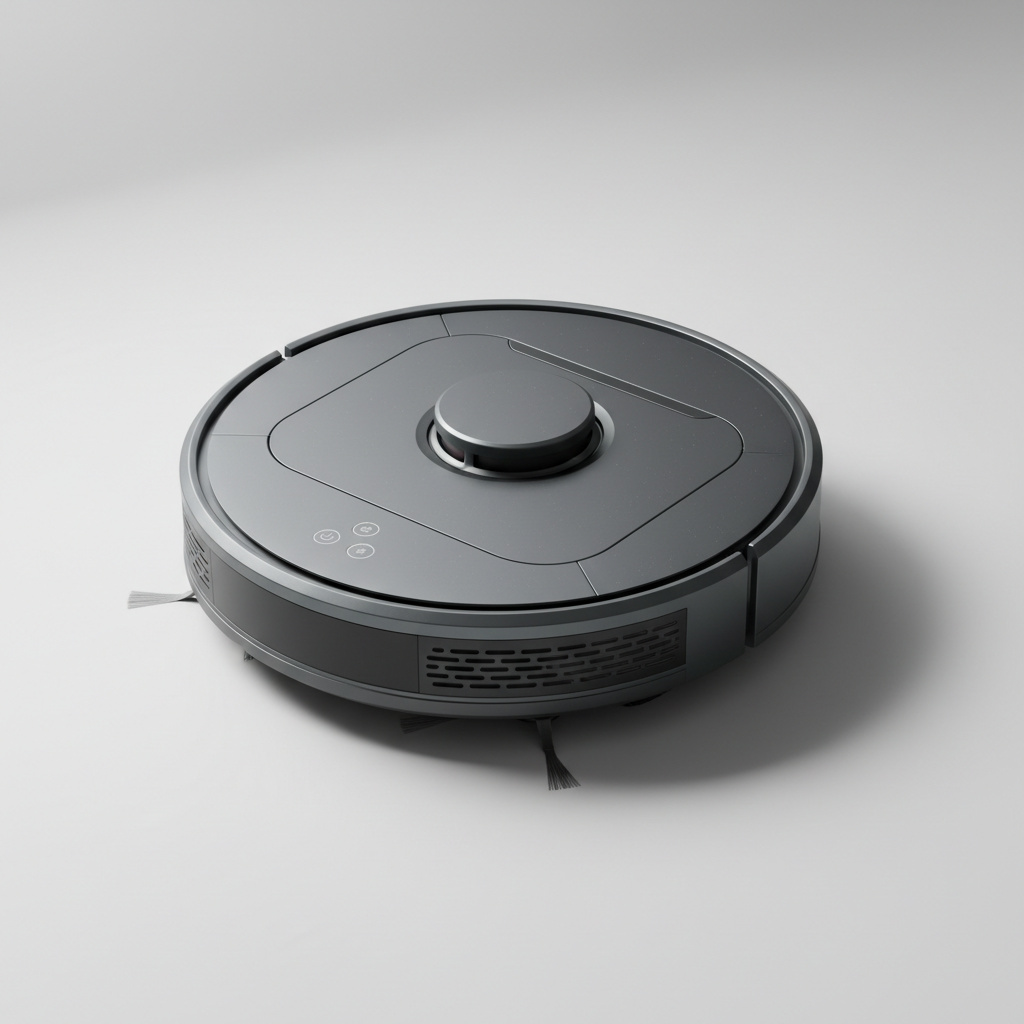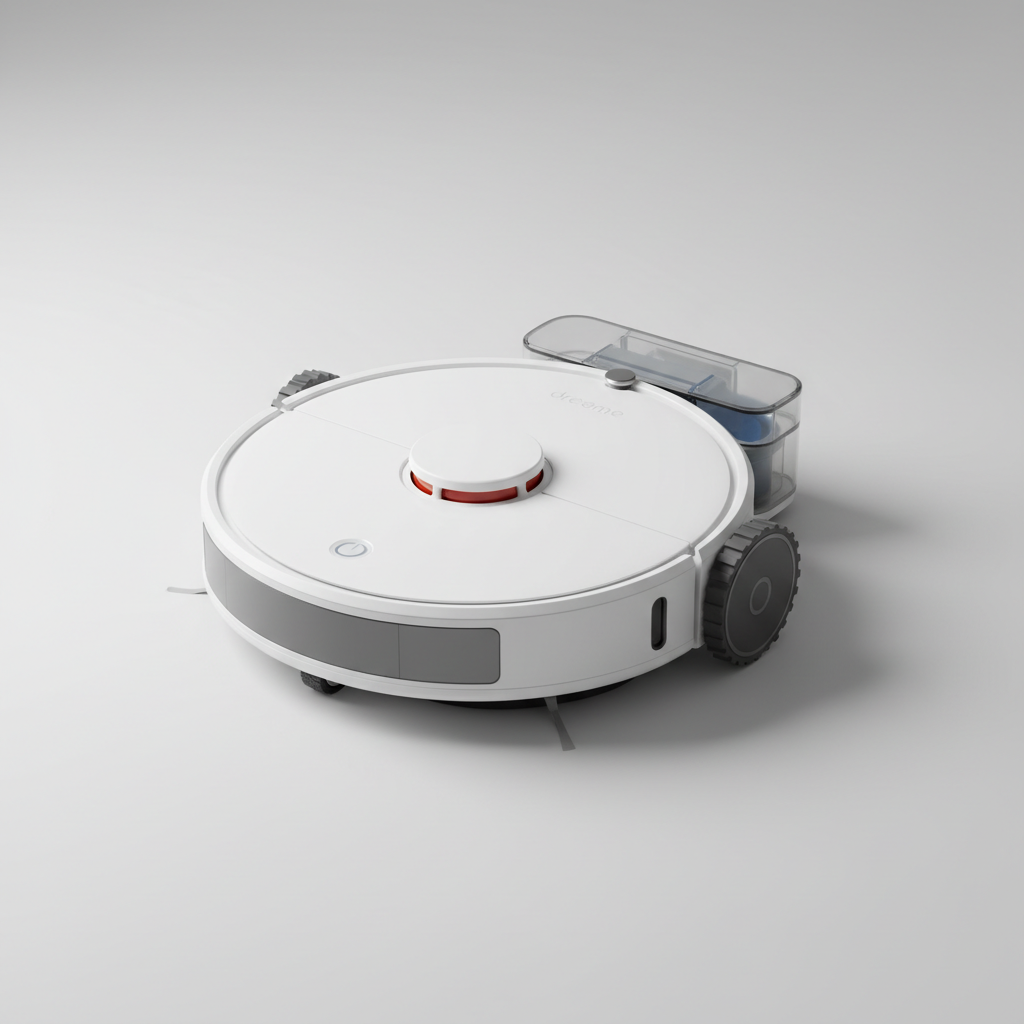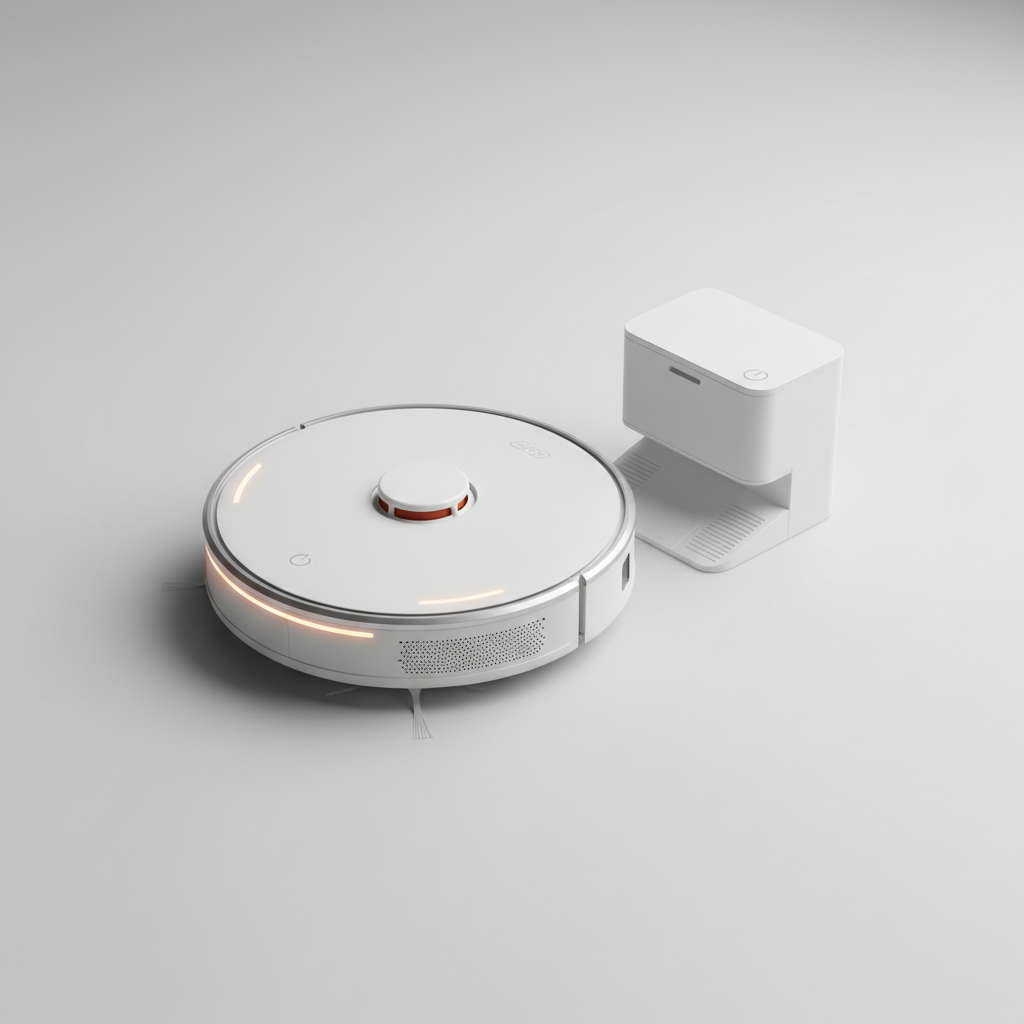
The Core Challenge: Why Carpets Are Different
Unlike hard surfaces where debris rests on top, carpet fibres trap dirt, dust, and pet hair within their strands. Thick or high-pile carpets, in particular, require substantial suction power to dislodge these embedded particles. Furthermore, the resistance offered by dense fibres can impede a robot vacuum's movement, affecting navigation and battery life. For Australian homes with plush shag rugs or deep-pile broadloom, these challenges are amplified, necessitating a more robust cleaning solution.
Beyond suction, the design of the cleaning brush is paramount. Standard bristle brushes might struggle to penetrate deep into long fibres, whereas a combination of bristles and rubber fins, or dedicated anti-tangle designs, can prove far more effective. The overall weight and traction of the robot also play a role, ensuring it can maintain contact and manoeuvre without getting bogged down.
Key Features for Carpet Performance
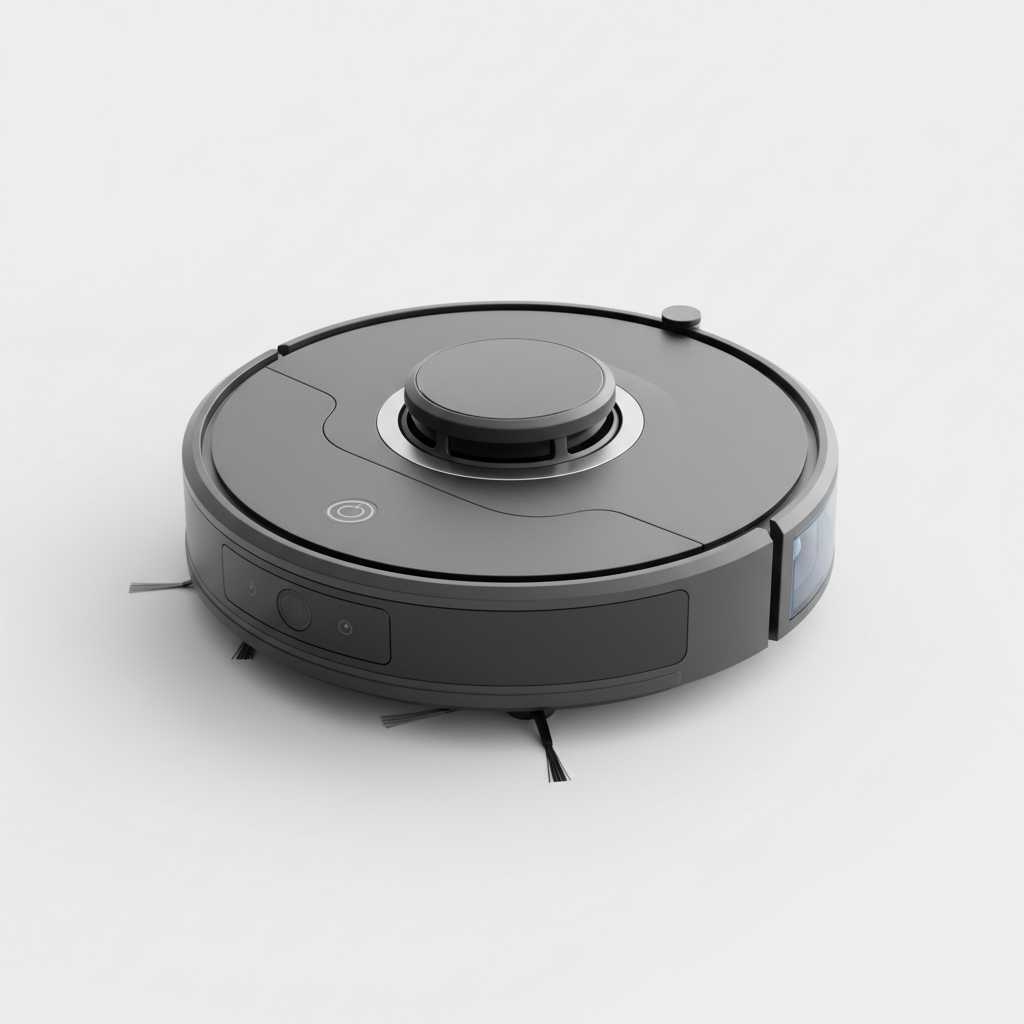
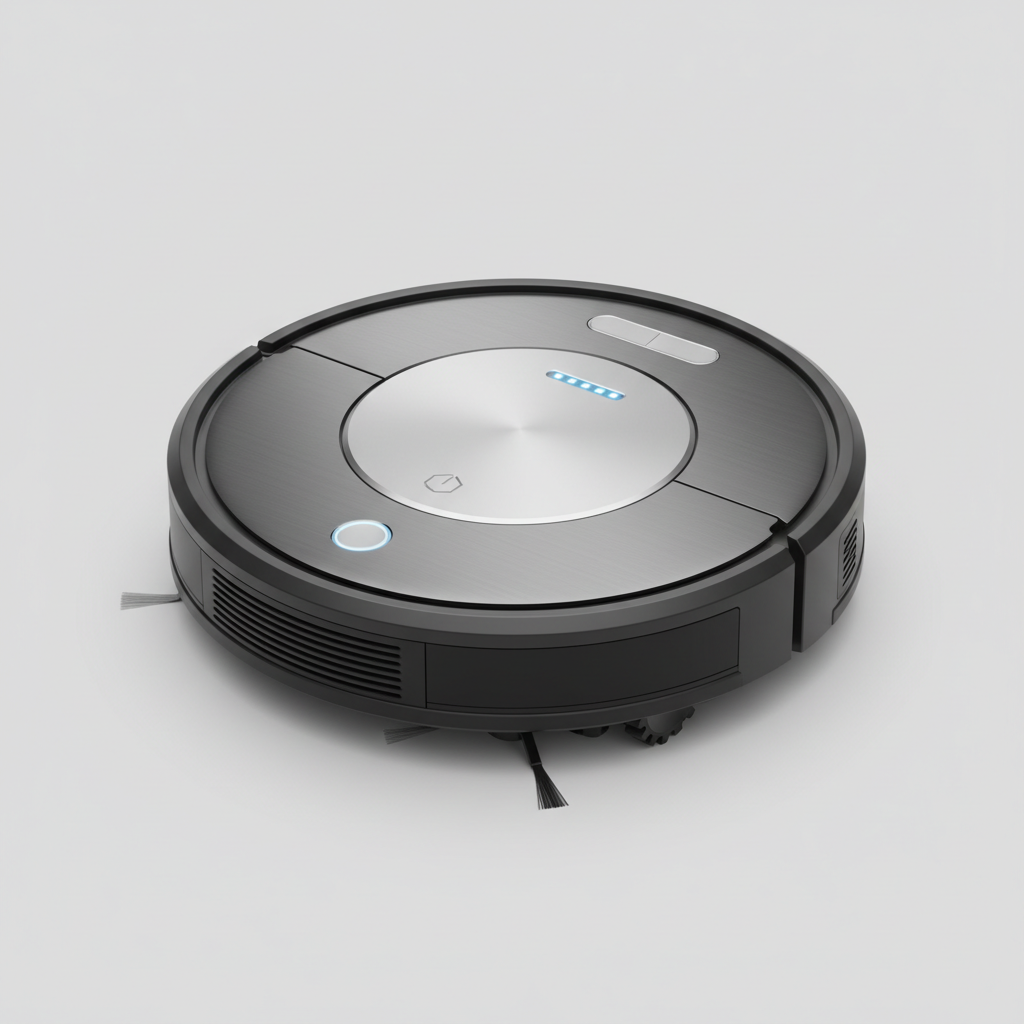
When considering a robot vacuum for carpet, several specifications are critical. **Suction Power**, often measured in Pascals (Pa), is perhaps the most significant. While entry-level models might offer 1000-2000 Pa, effective carpet cleaning typically requires 2500 Pa or more, with premium models reaching well over 5000 Pa. Many advanced models also feature 'carpet boost' modes, automatically increasing suction when a carpeted surface is detected.
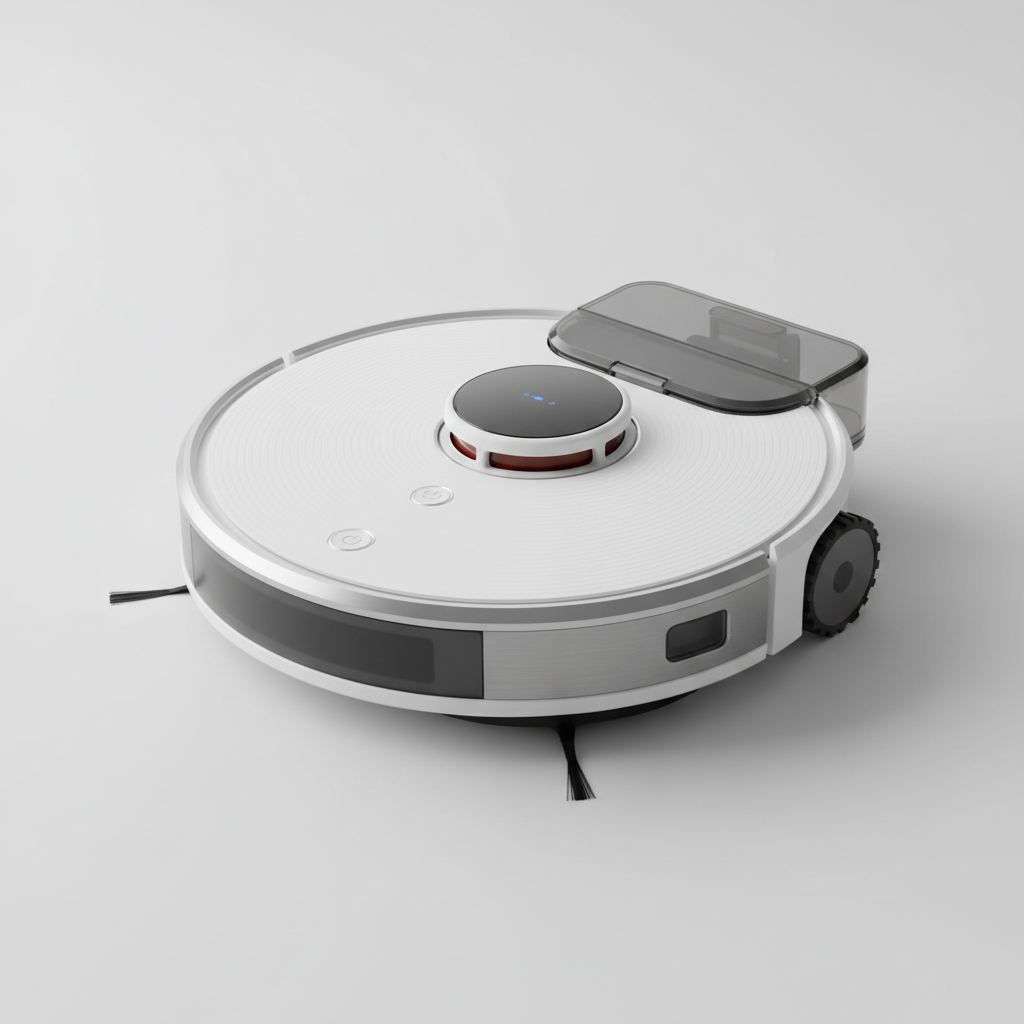
The **Main Brush Design** is equally important. Look for units with strong, multi-surface brushes, often combining traditional bristles with rubber blades. Some brands offer self-cleaning brushes or anti-tangle designs, which are invaluable for pet owners. **Wheel Size and Traction** also influence performance; larger, more robust wheels with good grip help the robot traverse uneven surfaces and climb onto thicker rugs without getting stuck. A higher clearance is also beneficial for navigating varying carpet thicknesses.
Navigation and Mapping on Carpeted Terrain
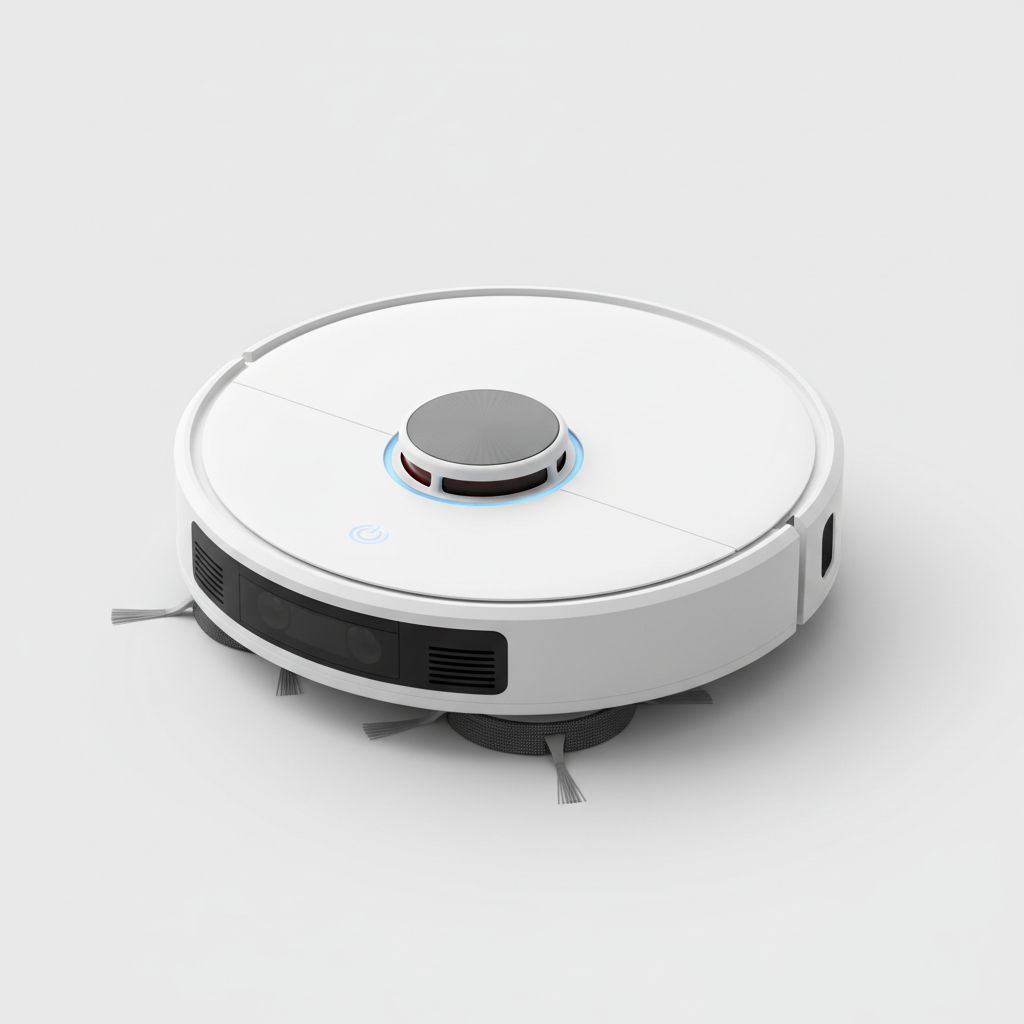
Effective cleaning isn't just about raw power; intelligent navigation is crucial. While all robot vacuums use sensors to avoid obstacles, the way they perceive and map carpeted areas can affect their efficiency. Advanced **LiDAR or VSLAM (Visual Simultaneous Localisation and Mapping)** systems help robots create accurate floor plans, identifying different zones and planning efficient cleaning paths. This precision ensures comprehensive coverage, reducing the likelihood of missed spots.
Some robots can even differentiate between carpet and hard floors, adjusting their cleaning mode accordingly. This means they can ramp up suction on carpets and revert to a quieter, lower power mode on hard surfaces, conserving battery. For homes with a mix of flooring, this adaptive intelligence ensures optimal performance across the entire living space.
Maintenance Considerations for Carpet Use
Robot vacuums used primarily on carpets will require more frequent maintenance. The main brush can accumulate pet hair and carpet fibres rapidly, potentially reducing efficiency and leading to tangles. Regular inspection and cleaning of the brush roll, side brushes, and dustbin are essential. Dustbins on carpet-focused models tend to fill up faster due to the amount of embedded dirt extracted, so a larger capacity dustbin or an auto-empty dock is a worthwhile investment.
Filters, particularly HEPA filters, also need regular cleaning or replacement to maintain air quality and suction power. Some Australian households might find that a robot vacuum dedicated to carpet areas, possibly paired with a separate hard floor cleaner or a hybrid model, offers the best overall cleaning strategy.
Price Points and Performance Expectations
The cost of a robot vacuum capable of handling thick carpets varies. Entry-level models (approx. AUD $300-$500) may offer basic carpet boost but might struggle with high-pile rugs. Mid-range options (approx. AUD $600-$1000) typically provide stronger suction, more advanced brush designs, and better navigation, offering a noticeable improvement on most carpets. Premium models (approx. AUD $1200-$2500+) feature the highest suction, sophisticated mapping, self-emptying docks, and advanced brush systems, making them the most effective choice for deep carpet cleaning.
For Australian homes with significant carpeted areas or specific types like shag pile, investing in a higher-end model often translates to a more satisfying and thorough cleaning experience. While no robot vacuum can entirely replace a powerful upright or canister vacuum for deep cleaning, the right model can significantly reduce the frequency of manual vacuuming and maintain carpet freshness.