Beyond Basic Mopping: The Hot Water Advantage
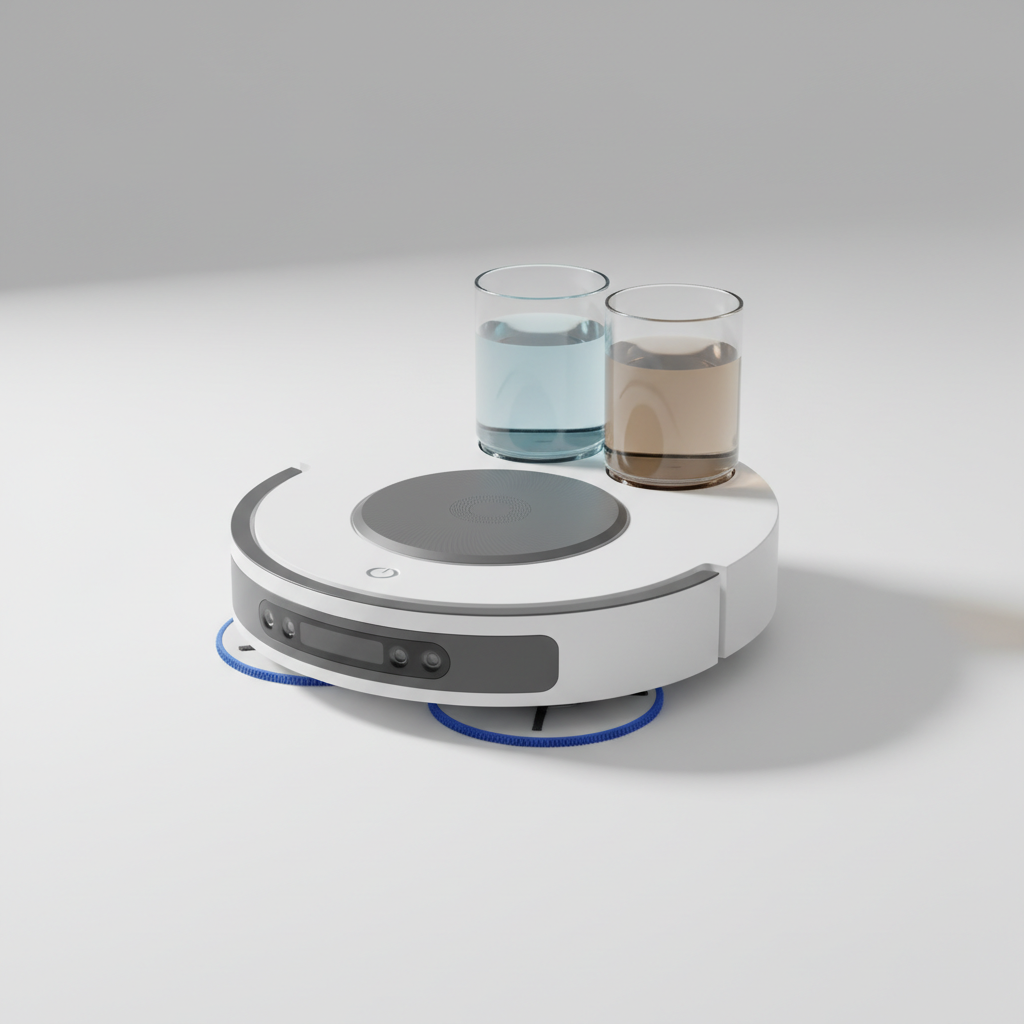
Traditional robot mops, while convenient, often use cold water and simple damp pads, struggling with dried-on spills and embedded dirt. The introduction of hot water washing fundamentally elevates their cleaning performance. Hot water acts as a natural degreaser, helping to break down oily films, sticky residues, and tough stains more effectively than cold water alone.
This isn't just about superficial cleaning; it's about achieving a deeper level of hygiene. Warm water also contributes to a more effective sterilisation process, particularly when paired with cleaning solutions. For Australian households grappling with common issues like muddy footprints, kitchen spills, or pet messes, the hot water function is a significant upgrade, delivering a noticeably cleaner and more sanitised floor surface.
The Self-Washing and Drying Base: A Game Changer for Convenience
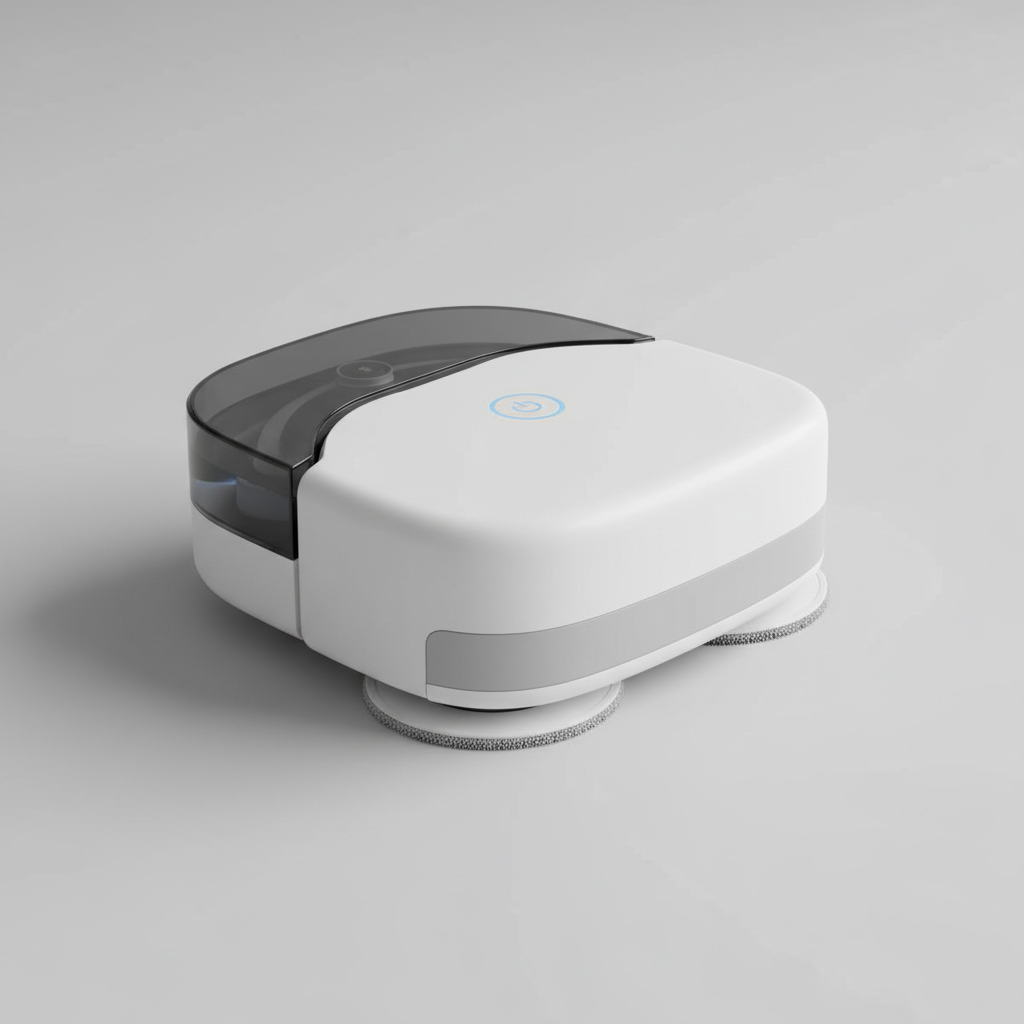
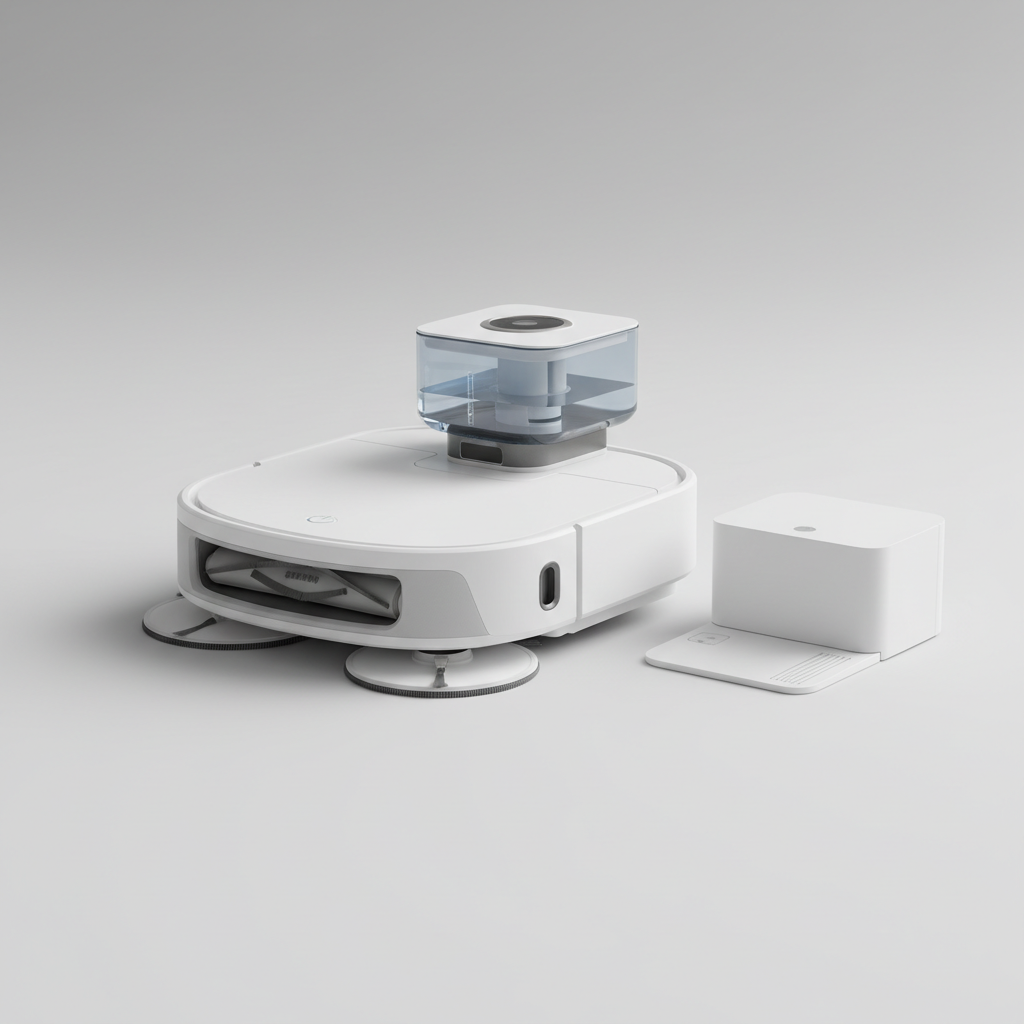
The true innovation of these advanced self-washing robot mop systems lies in their sophisticated docking stations. After each cleaning cycle, or even mid-cycle for larger areas, the robot automatically returns to its base. Here, the dirty mop pads are thoroughly washed with hot water and, in some models, a dedicated cleaning solution. This process removes collected dirt, grime, and odours from the pads, preventing them from being redeposited onto the floor.
Following the wash cycle, the pads undergo a heated drying process. This is crucial for preventing mildew, bacterial growth, and unpleasant smells that can plague traditional damp mop pads. The result is consistently fresh, clean mop pads ready for the next cleaning task, significantly reducing manual intervention and improving the overall hygiene of your home.
How the Technology Works: Precision and Efficiency
These self-washing robot mops integrate several sophisticated technologies to achieve their superior cleaning results. High-precision navigation, often utilising LiDAR or VSLAM (Visual Simultaneous Localisation and Mapping), ensures comprehensive coverage and efficient mapping of your home's layout. This allows the robot to plan optimal cleaning paths and avoid obstacles.
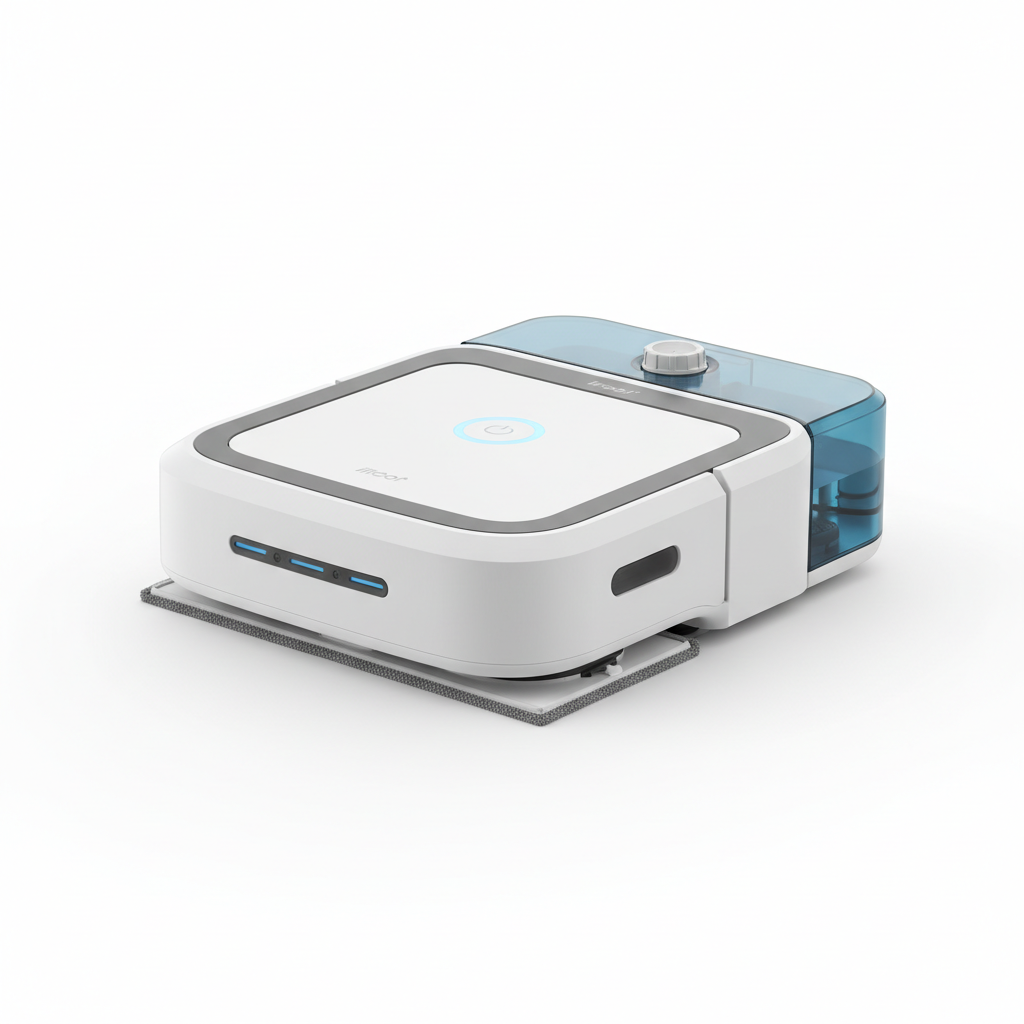
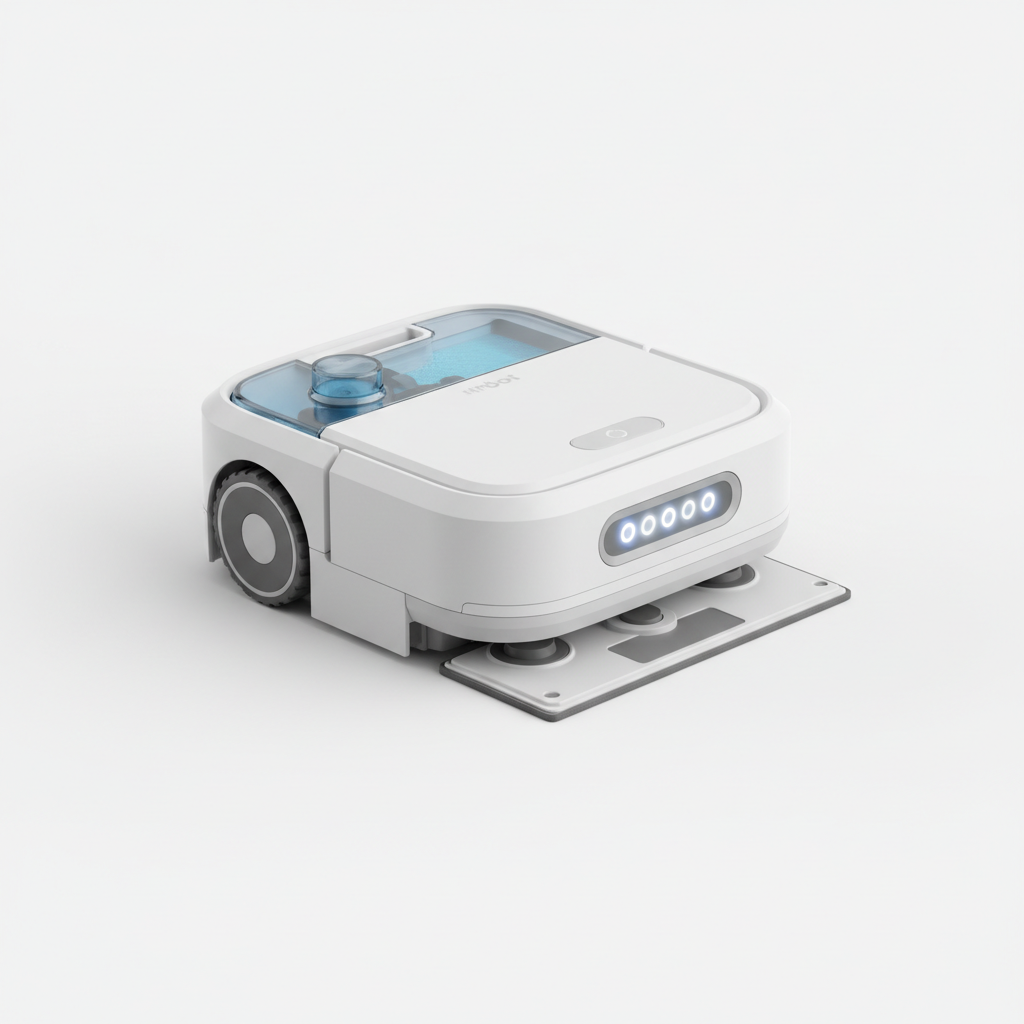
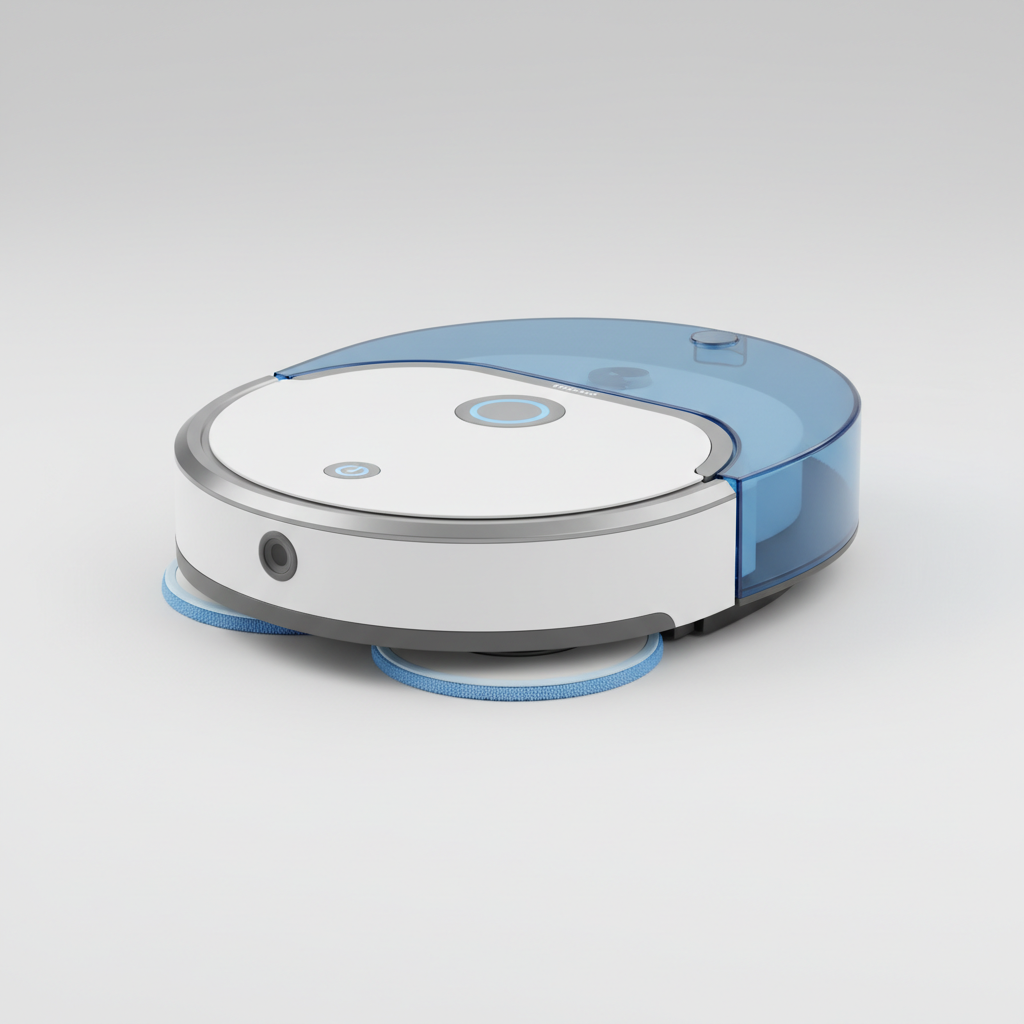
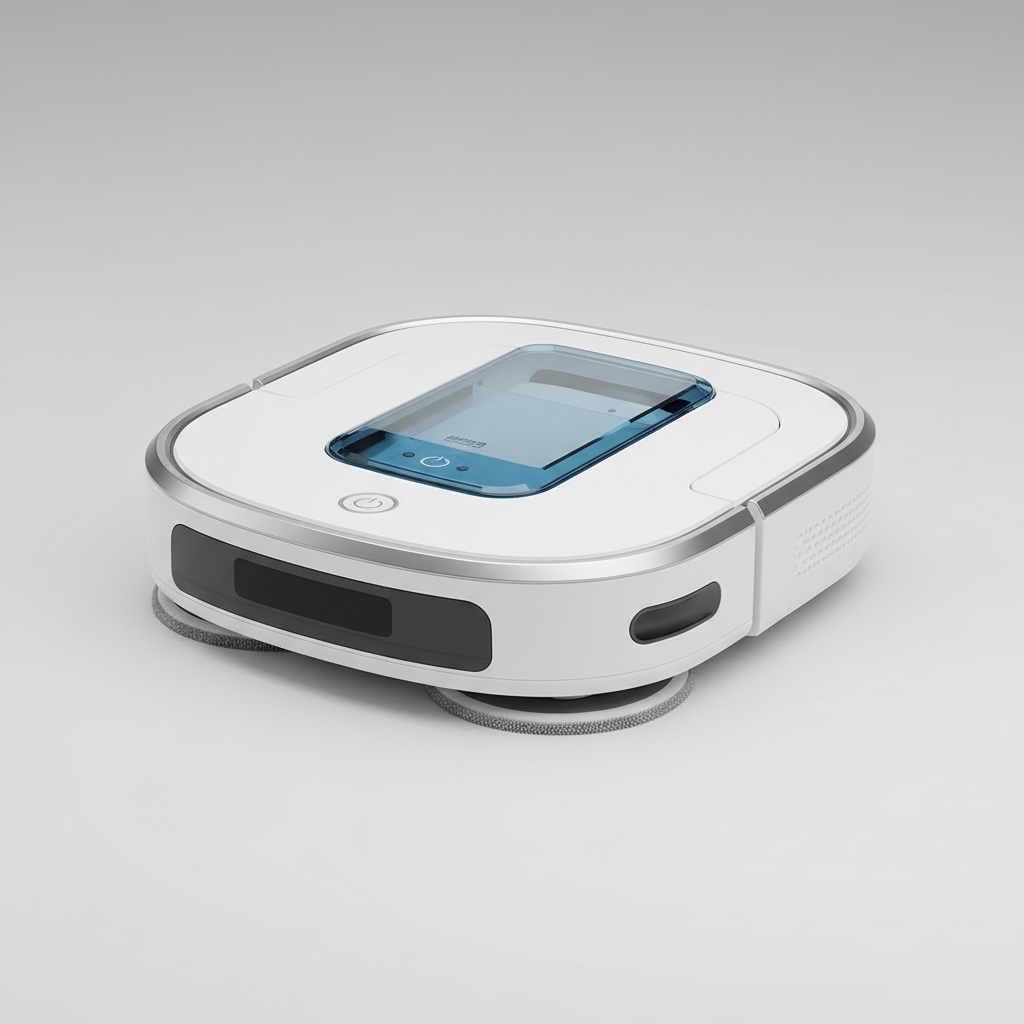
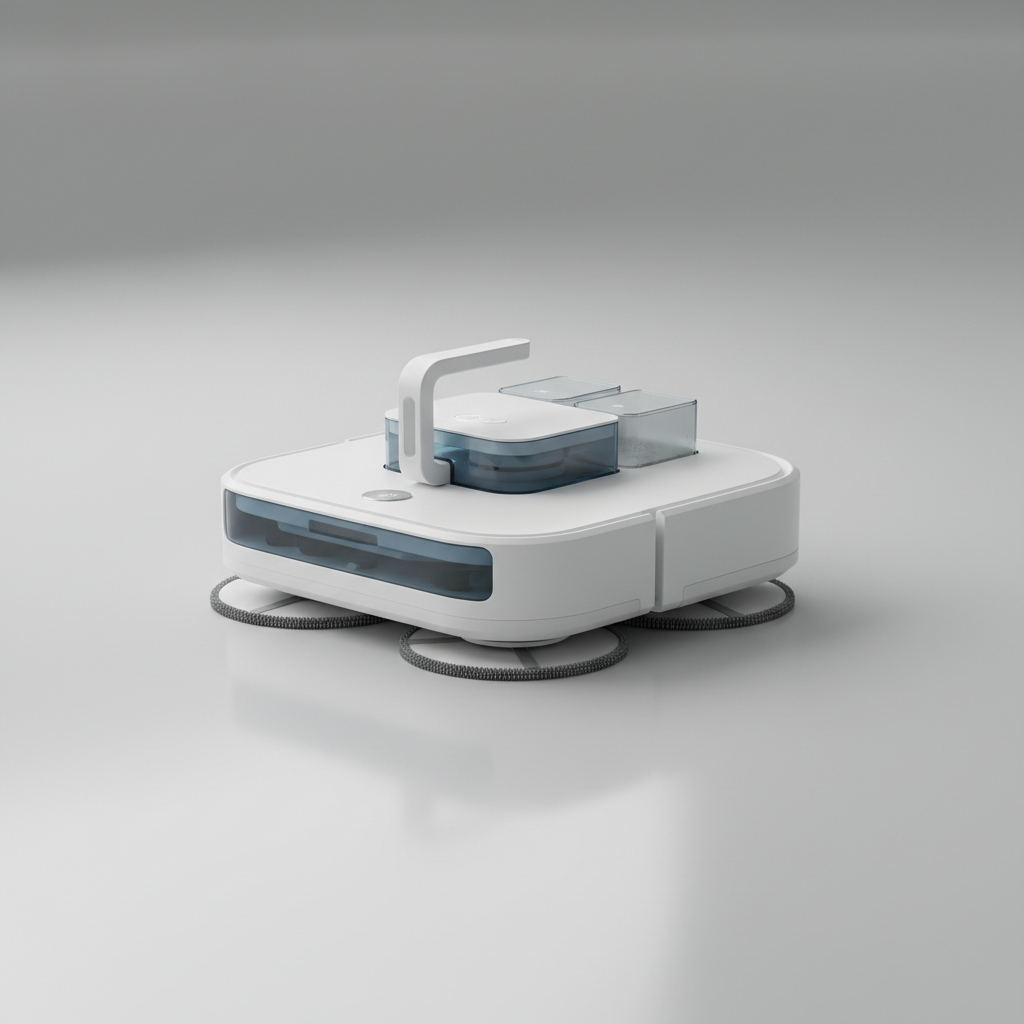
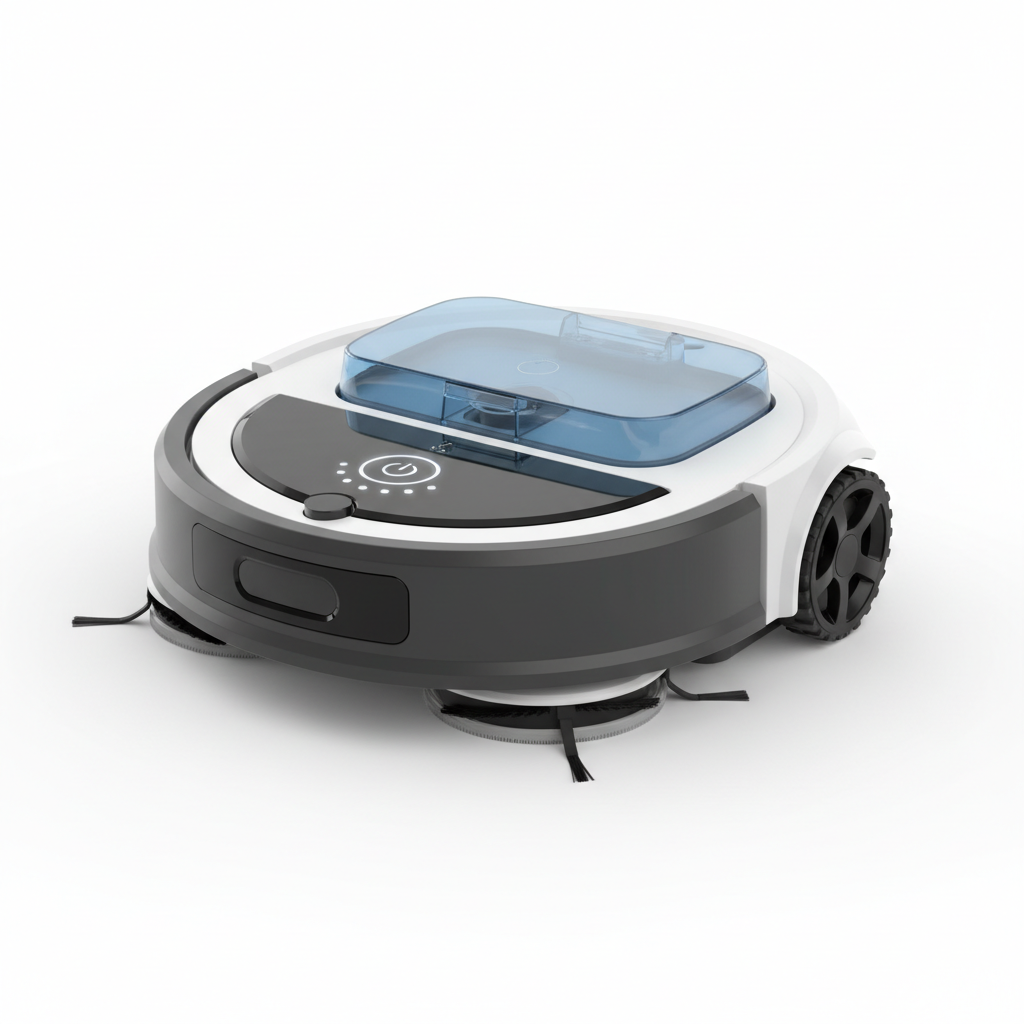
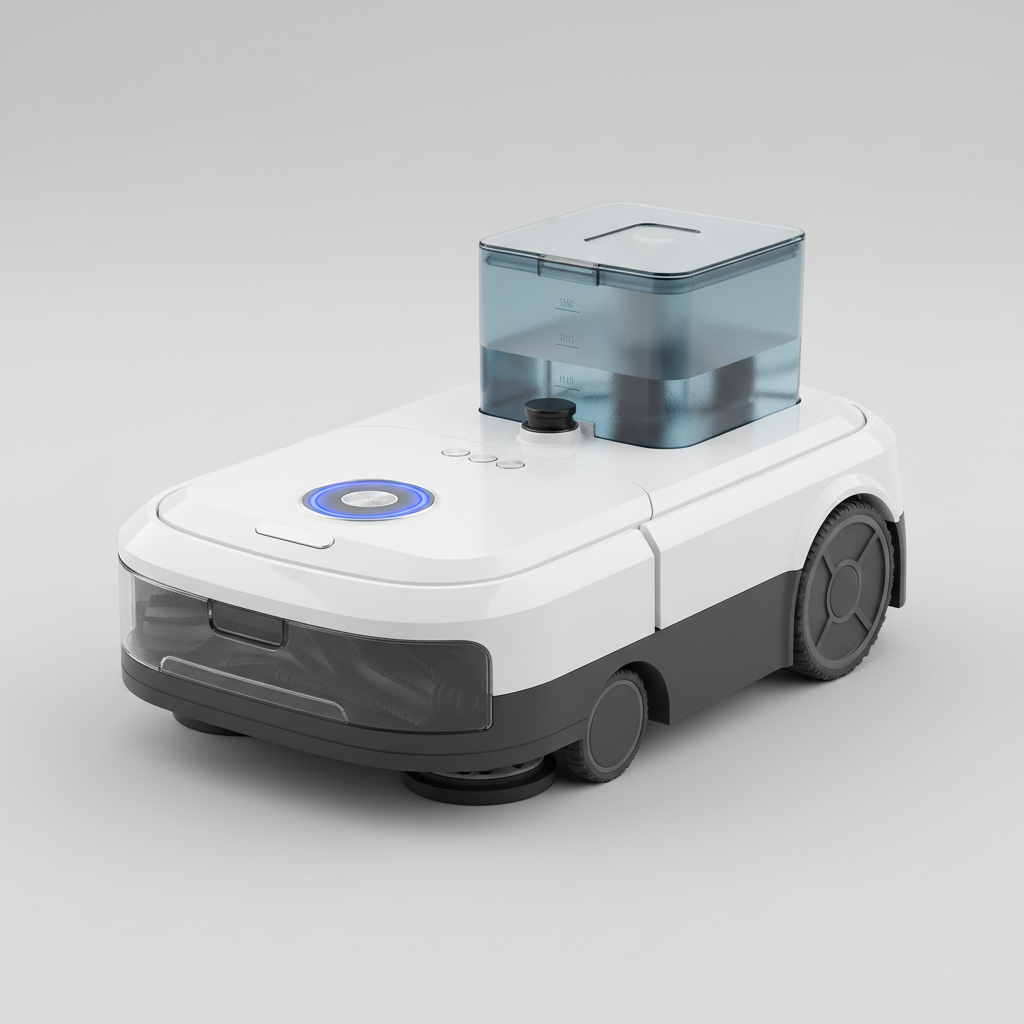
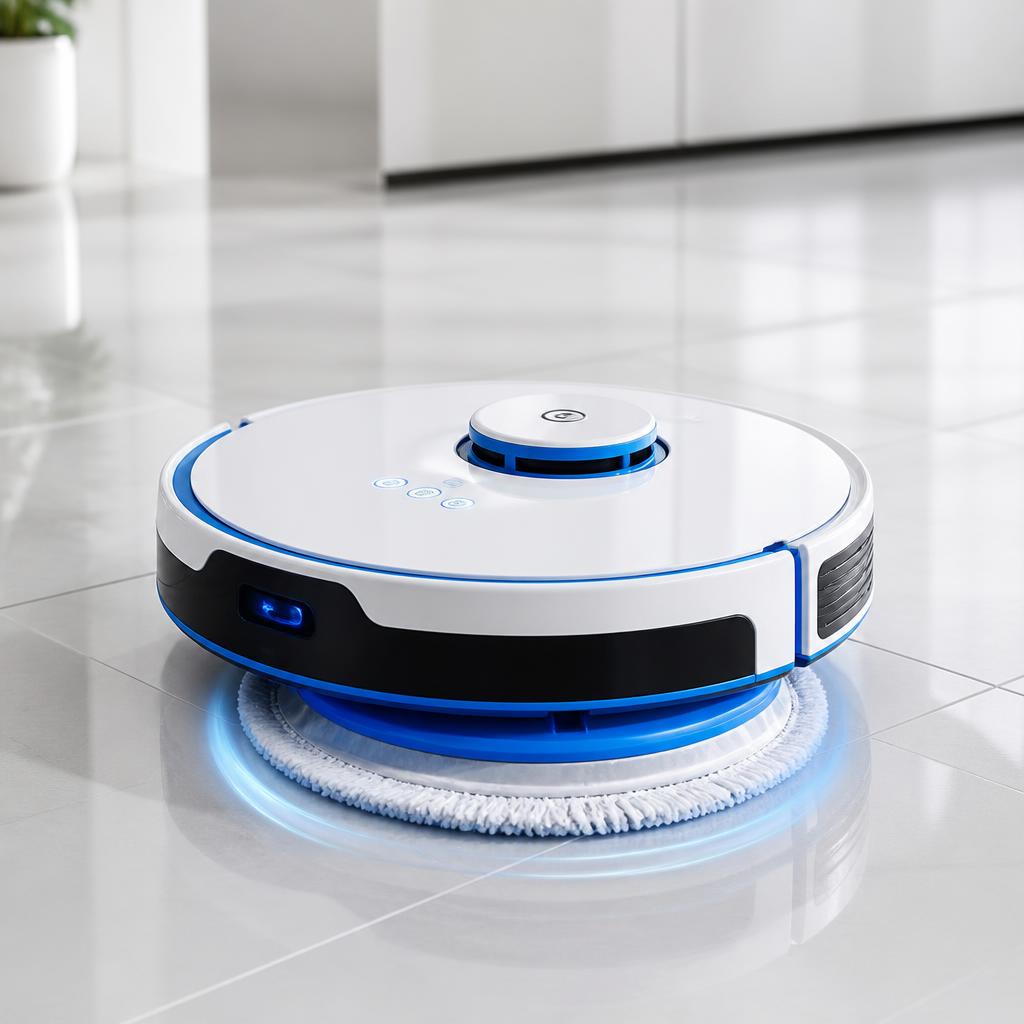
During mopping, many models employ rotating or vibrating mop pads that apply consistent pressure, mimicking manual scrubbing. The hot water is typically heated onboard the base station before being delivered to the mop washing tray. Some systems also feature automatic detergent dispensing, ensuring the correct ratio of cleaning solution for optimal results. Dirtied water is then collected in a dedicated waste tank in the base, keeping it separate from the clean water supply.
Benefits for Australian Households
For Australian homes, the advantages of a self-washing robot mop with hot water are numerous. Firstly, improved hygiene is paramount, especially for families with children or pets, or those dealing with allergy concerns. The ability to tackle dried-on mud and red dirt, common in many parts of Australia, is a significant plus.
Secondly, the convenience factor is undeniable. Eliminating the need to frequently wash and dry mop pads by hand saves considerable time and effort. The automated process means your floors can be maintained more regularly without any manual chore. Finally, the heated drying prevents odours and extends the lifespan of the mop pads, offering a more pleasant and economical long-term solution compared to disposable alternatives.
Considerations Before Investing
While highly effective, these advanced cleaning robots come with a few considerations. They typically represent a premium investment, with models generally ranging from approximately AUD $1,200 to over AUD $2,500. The docking stations are also larger than standard charging bases, requiring a dedicated space with access to a power outlet.
Maintenance, though significantly reduced, still involves periodically emptying the dirty water tank, refilling the clean water tank, and occasionally cleaning the base station's components. Users should also factor in the ongoing cost of replacement cleaning solution and mop pads, though these are generally less frequent than with disposable systems. It's also important to ensure the chosen model is suitable for your specific flooring types, as some surfaces may not be ideal for consistent wet mopping.
The Future of Automated Floor Care is Here
The evolution of self-washing robot mops with hot water and heated drying bases marks a significant milestone in automated home cleaning. They address the long-standing limitations of earlier robot mopping solutions, offering a level of cleanliness and convenience that was previously unattainable.
As technology continues to advance, we anticipate even smarter navigation, more robust cleaning capabilities, and potentially more compact designs. For those seeking the pinnacle of automated floor hygiene and willing to invest in a truly hands-off cleaning experience, these sophisticated devices are well worth considering for the modern Australian home.