The Unique Challenges of Frameless Glass and Skylights
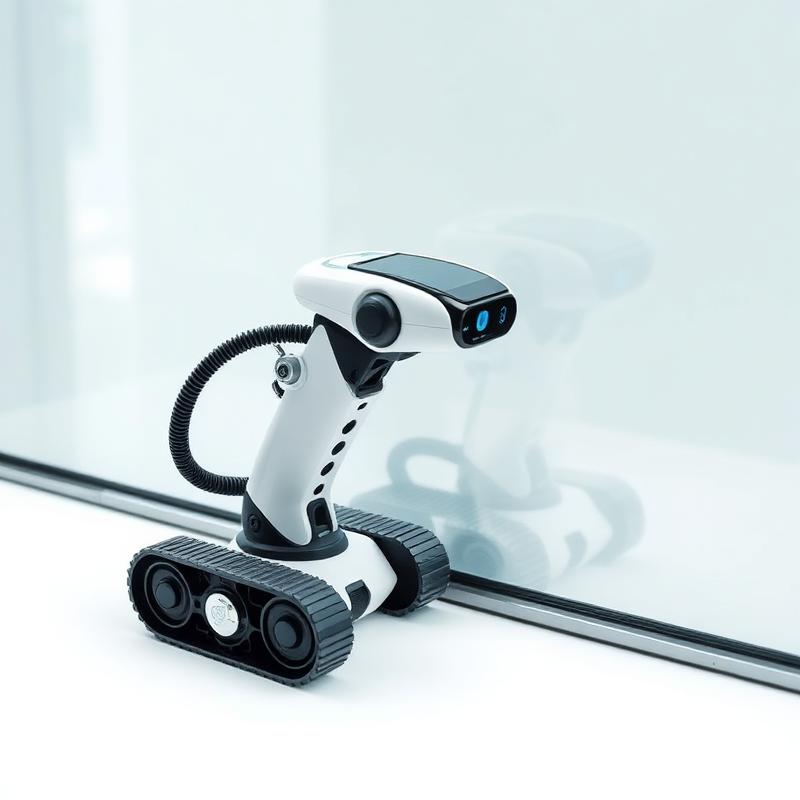
Traditional robotic window cleaners often rely on a frame or edge detection system to navigate and prevent falls. This design presents a significant hurdle when dealing with frameless glass, such as pool fences, shower screens, or modern architectural panels, where no such boundary exists. Without a reliable edge-detection mechanism, a standard robot risks falling, leading to damage to the unit or the surrounding environment.
Skylights introduce another layer of complexity. Their often steep angle and elevation make manual cleaning difficult and dangerous, requiring ladders or professional services. Furthermore, the glass type and potential for direct sunlight exposure can influence cleaning efficacy and the longevity of the robot's components. A robot designed for skylights must possess robust suction, precise navigation, and durable materials to withstand outdoor conditions and varying angles.
How 'Frameless-Ready' Robots Overcome Obstacles
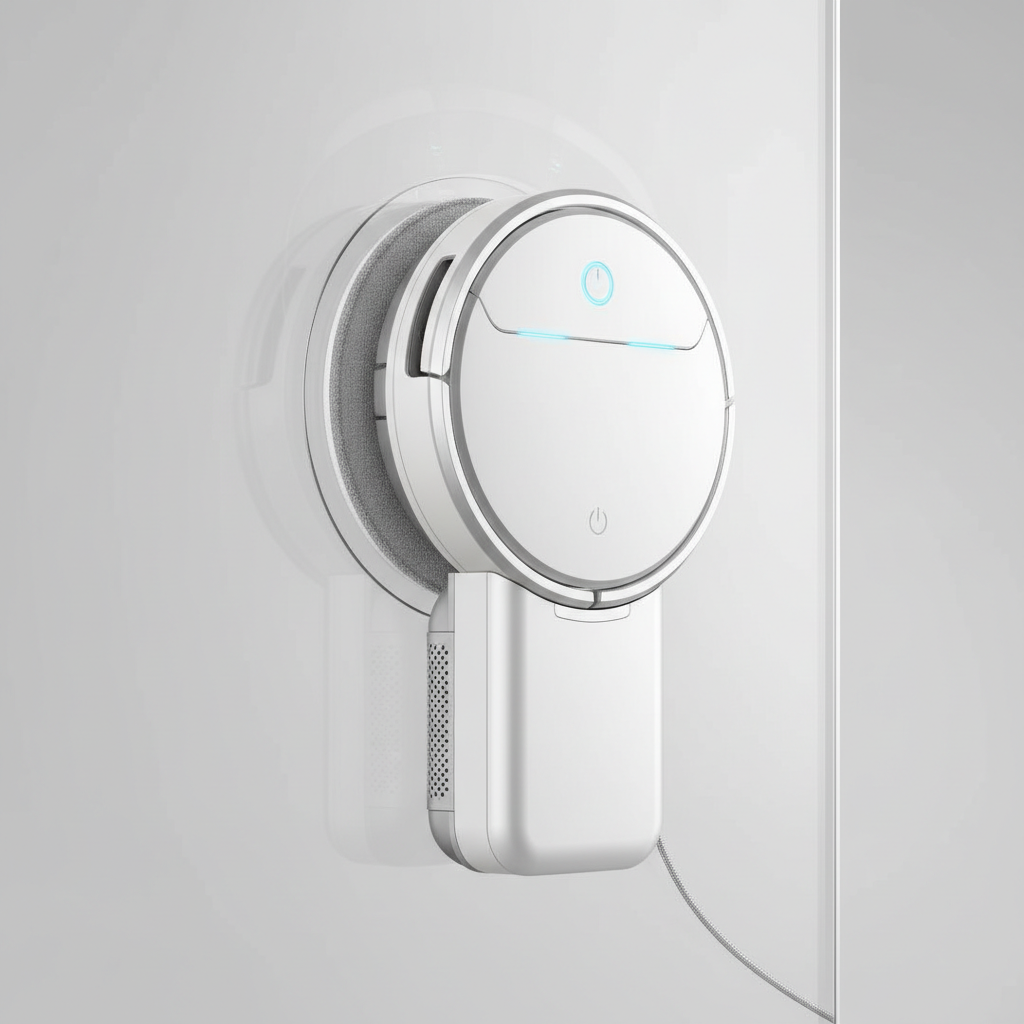
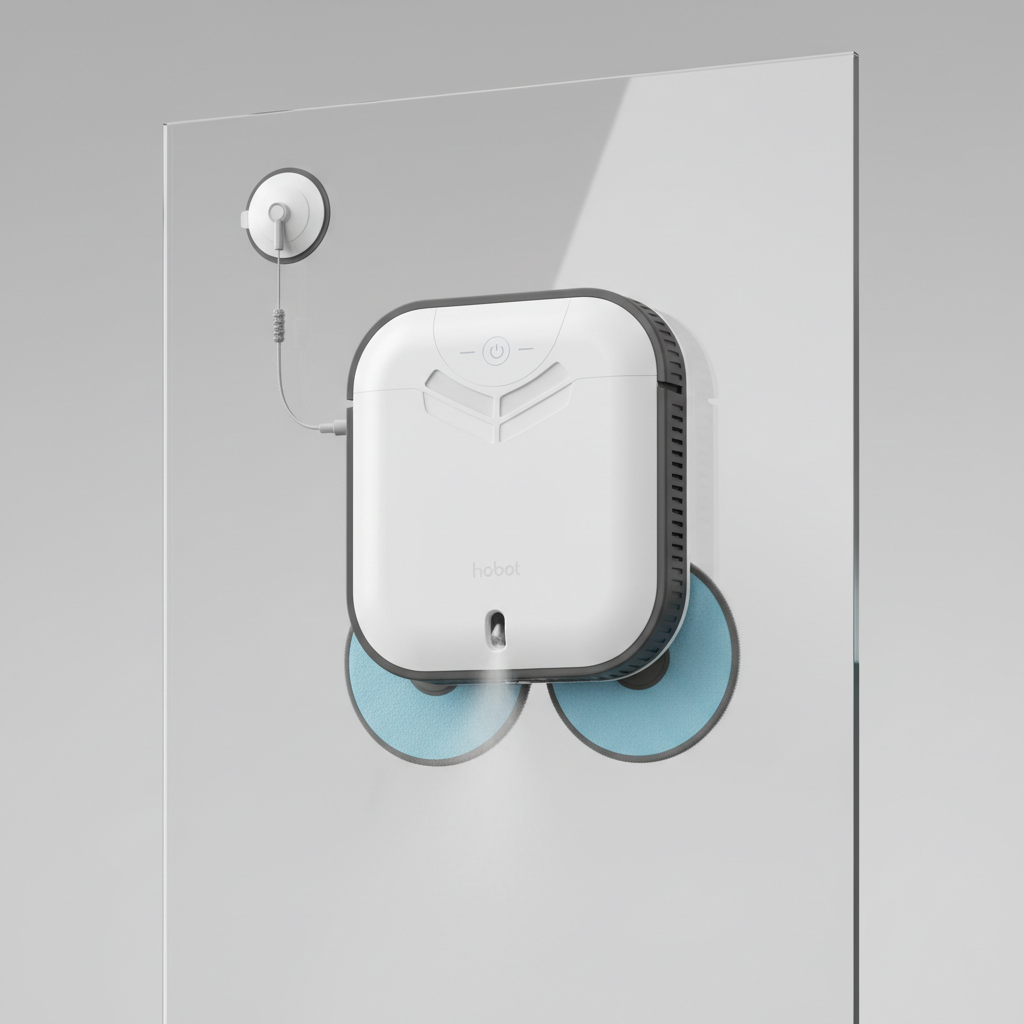
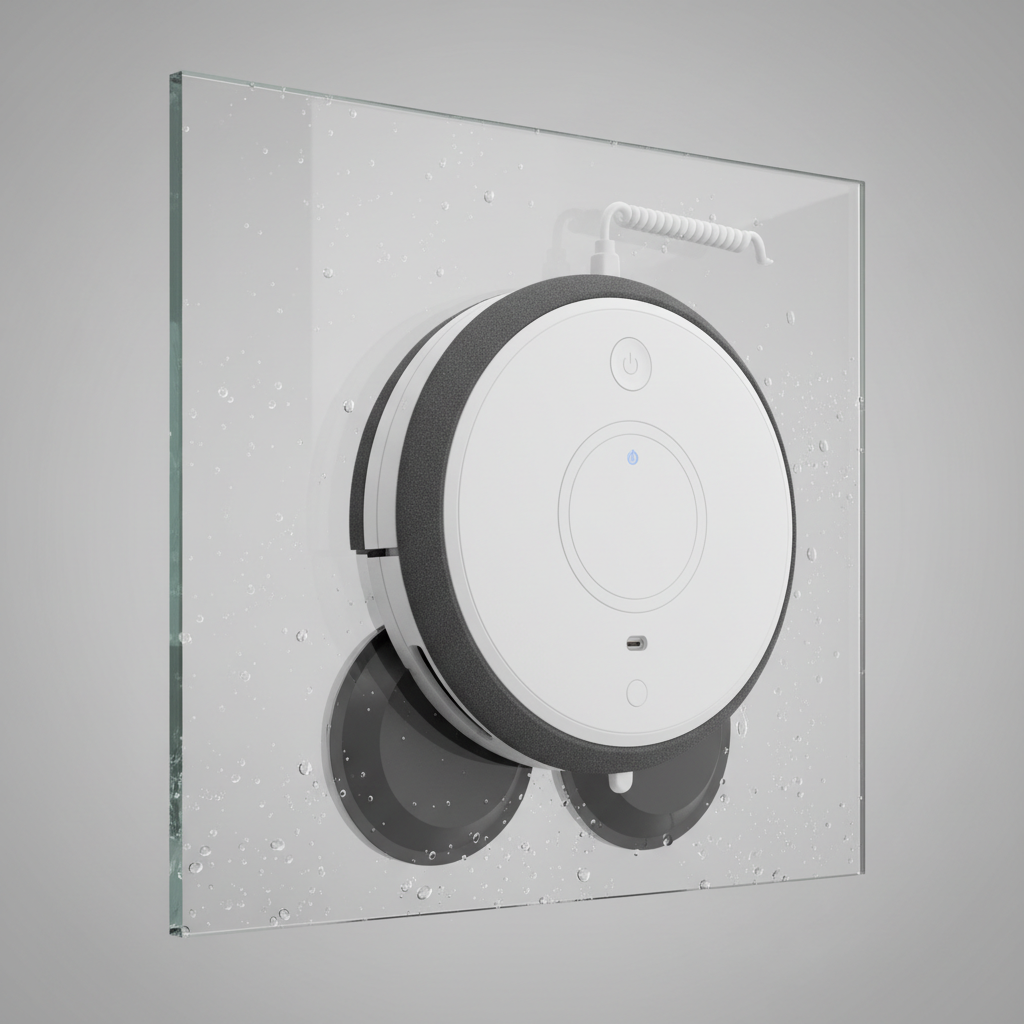
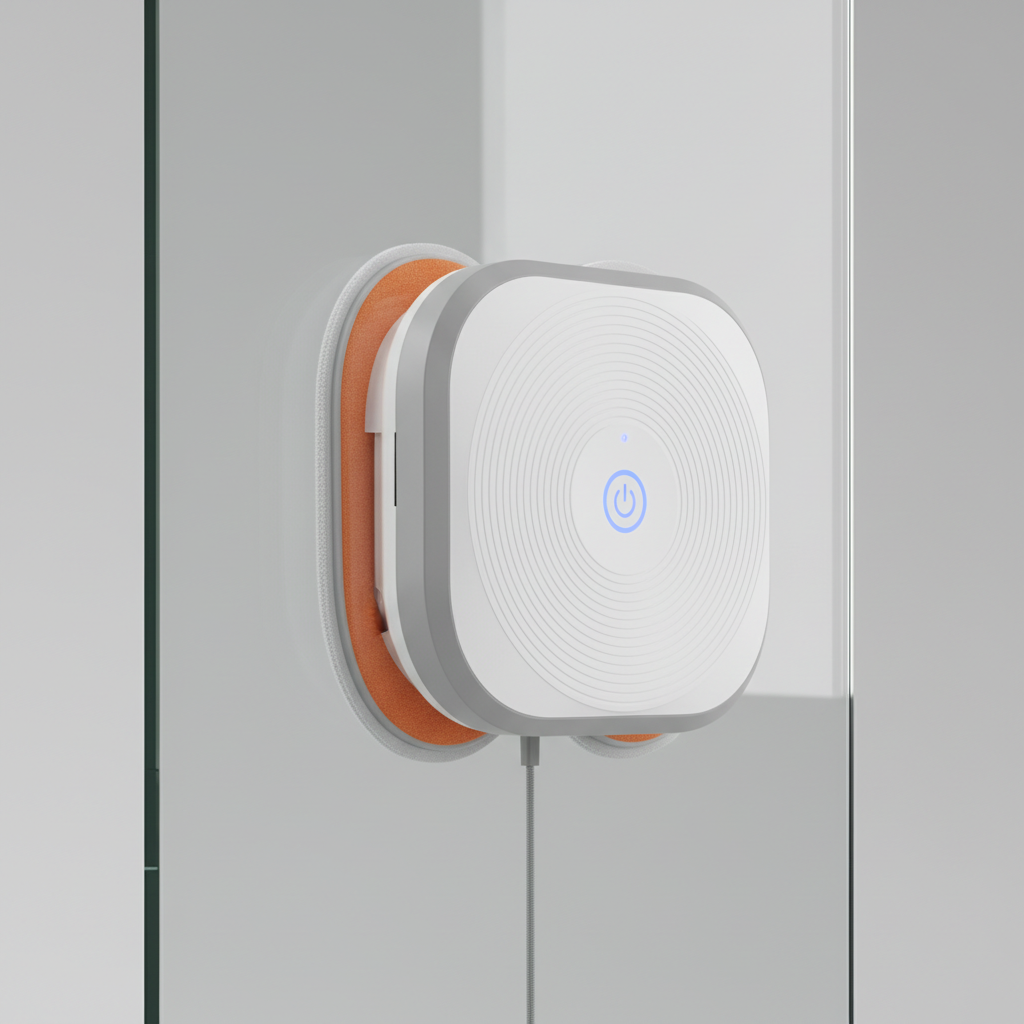
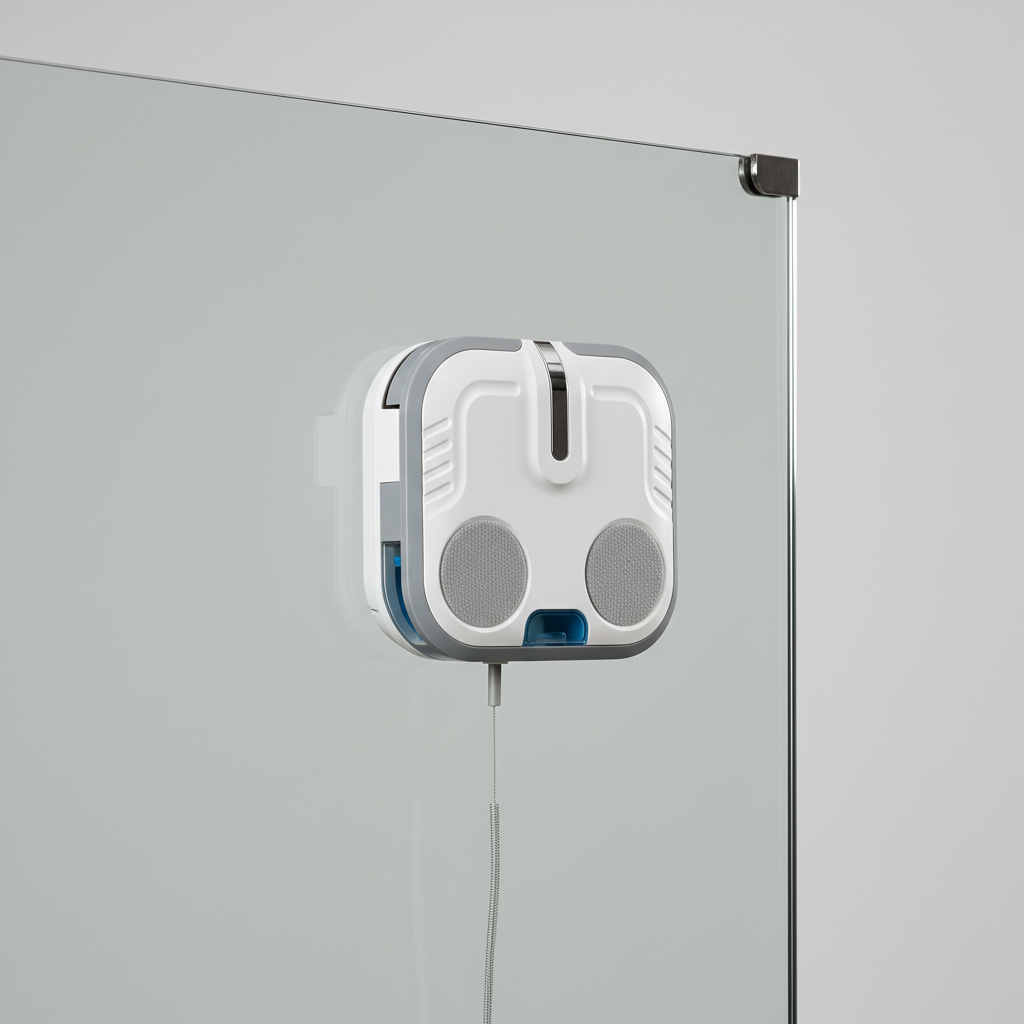
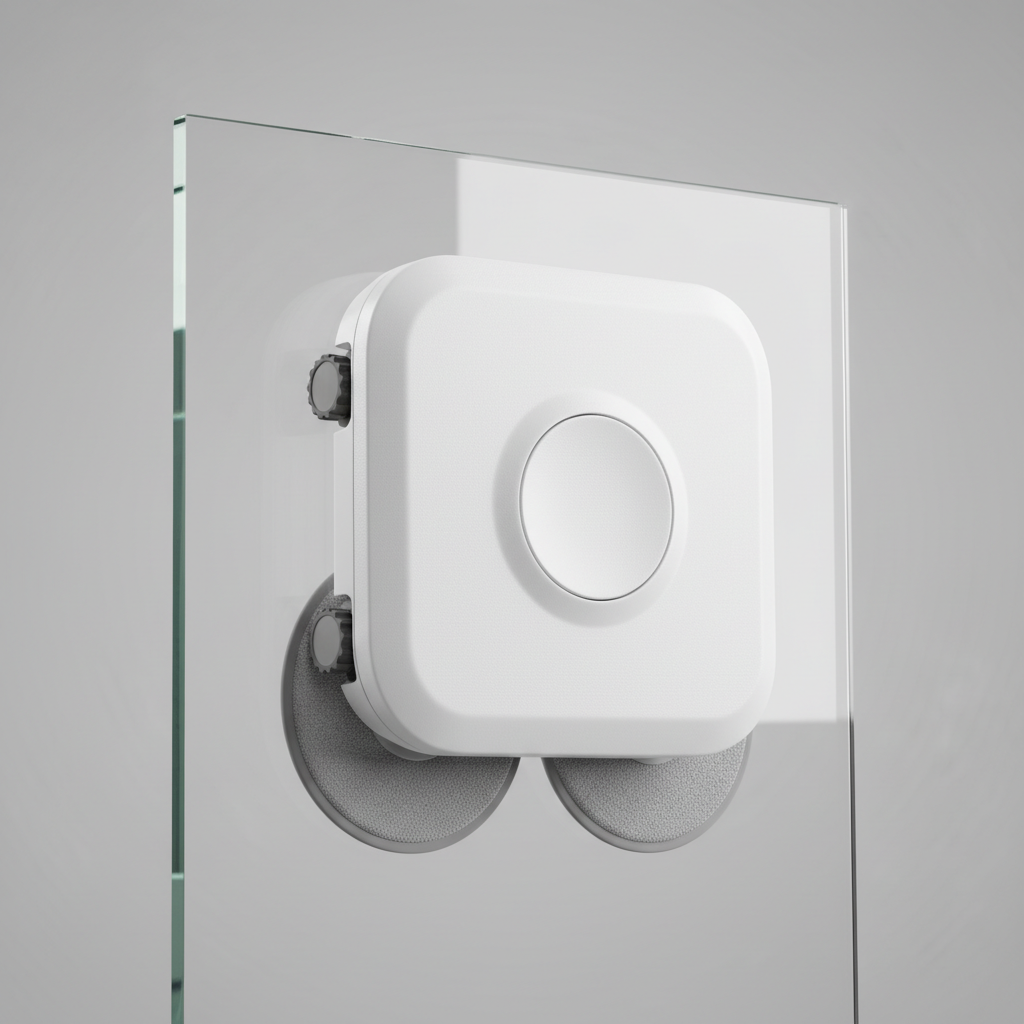
Specialised robot window cleaners address the frameless conundrum primarily through advanced sensor arrays and sophisticated algorithms. Instead of relying on a physical frame, these robots employ a combination of gyroscopes, accelerometers, and sometimes ultrasonic or infrared sensors to map the glass surface. They can detect the 'end' of the glass by a sudden lack of reflective surface or a change in capacitance, allowing them to reverse course before falling.
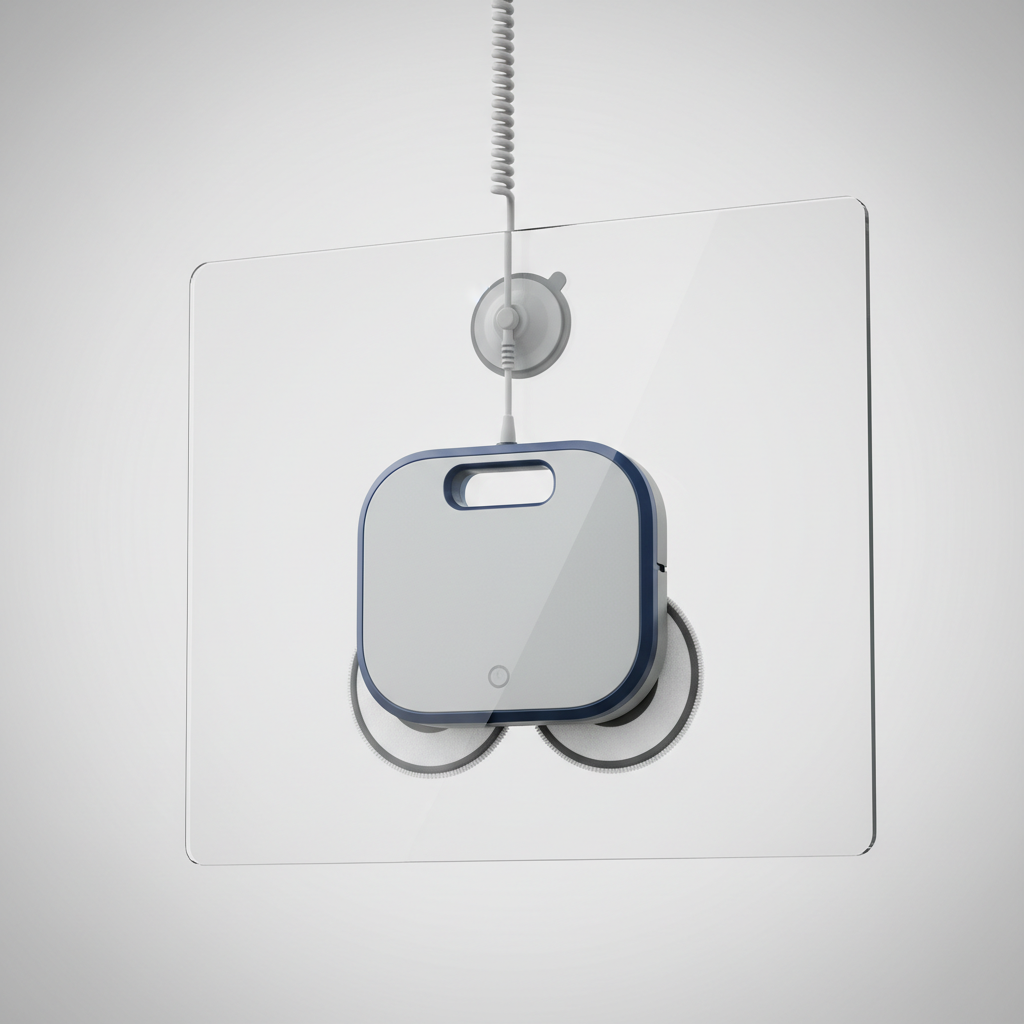
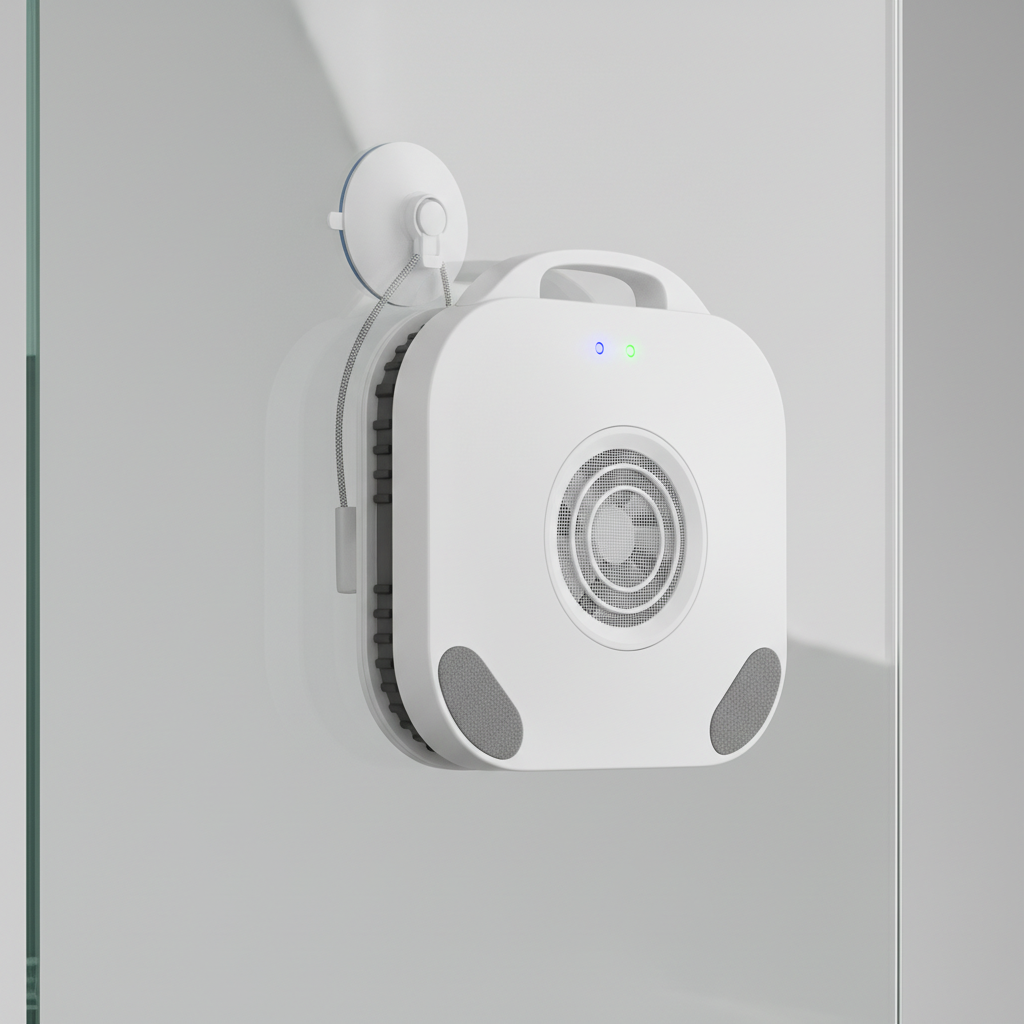
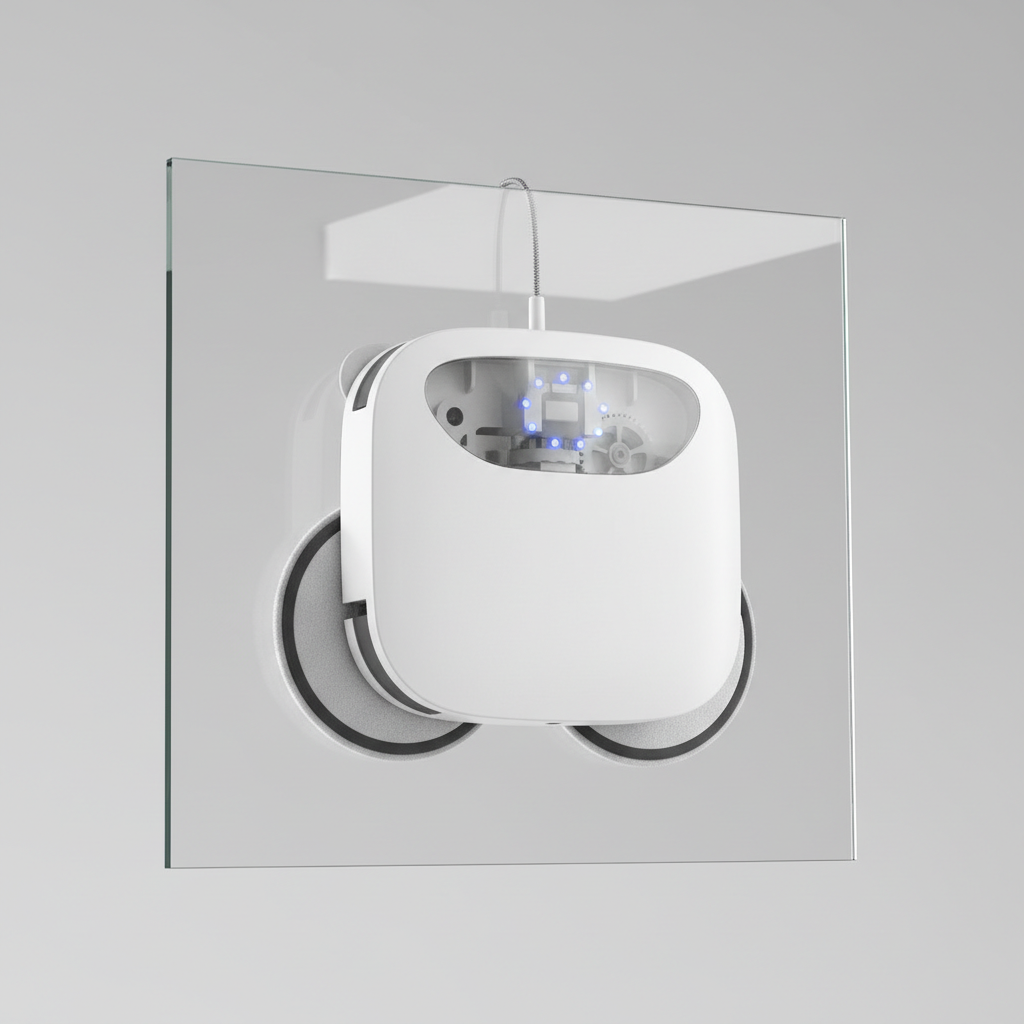
For skylights, strong suction power is paramount. These robots typically feature powerful vacuum motors that create a secure seal against the glass, even on inclined or vertical surfaces. Many models also incorporate a safety tether system, an essential backup in case of power loss or suction failure. Their cleaning paths are often optimised for larger, uninterrupted surfaces, ensuring comprehensive coverage without repeated passes that could leave streaks.
Key Technologies and Features to Look For
When considering a robot for frameless glass or skylights, several technological features are crucial. **Edge detection for frameless surfaces** is non-negotiable; look for models specifically stating this capability, often leveraging laser or advanced capacitive sensors. **Powerful suction** is vital, especially for overhead or angled glass, ensuring the robot remains securely attached.
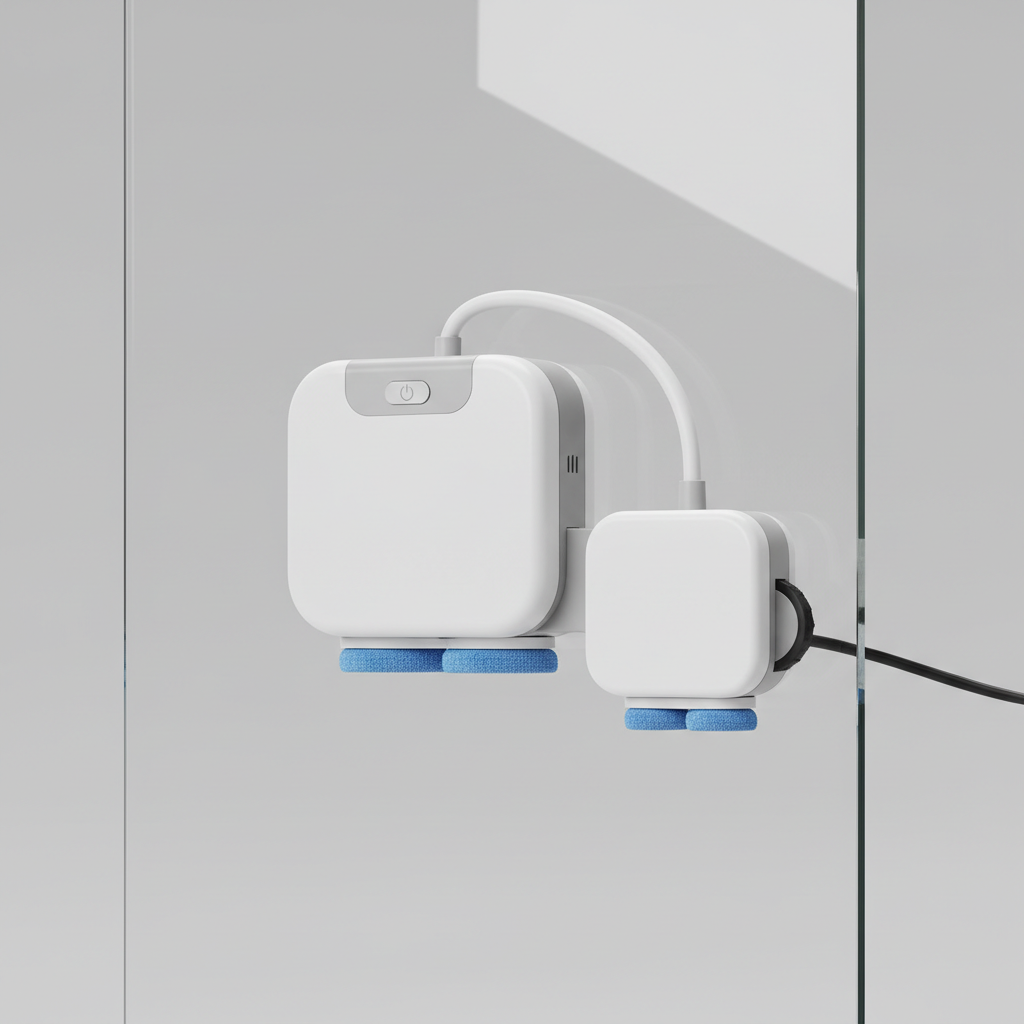
**Multiple cleaning modes** can be beneficial, offering options for single-pass quick cleans or more thorough dual-pass scrubbing. **Rechargeable battery backup** is a standard safety feature, allowing the robot to remain attached for a period (typically 20-30 minutes) even if mains power is interrupted. A **safety rope and carabiner** are also standard inclusions, particularly for external windows or skylights.
Consider **smart navigation algorithms** that map the cleaning area efficiently, preventing missed spots or redundant cleaning. Some advanced units may offer app control for scheduling and monitoring, while remote control operation is common. Finally, assess the **cleaning pad material** and availability of replacements, as these directly impact cleaning performance and cost of ownership.
Performance and Practical Considerations
While these robots offer convenience, their performance is influenced by several factors. **Glass condition** is significant; heavily soiled windows may require a pre-clean or multiple passes. For external skylights, accumulated dust, bird droppings, or pollen can challenge even the best robots. Using the manufacturer-recommended cleaning solution or distilled water is generally advised to prevent streaks.
**Noise levels** can vary, with some models being noticeably louder than others due to their powerful suction motors. This might be a factor for internal frameless glass or frequently used skylights. **Setup and retrieval** are usually straightforward, but ensuring the robot is properly positioned and secured (especially with a safety tether) is essential for safe operation. Expect an average cleaning time of 2-5 minutes per square metre, depending on the robot's design and chosen cleaning mode.
Expected Investment in the Australian Market
For Australian consumers, the investment in a specialised robot window cleaner for frameless glass or skylights typically ranges from approximately AUD $400 to over AUD $1,000. Entry-level models capable of basic frameless detection might sit at the lower end, while premium models offering advanced navigation, stronger suction, app integration, and superior cleaning performance will occupy the higher price brackets.
Factors influencing the price include brand reputation, motor power, sensor sophistication, battery life, included accessories (such as multiple cleaning pads or a carry case), and warranty terms. While it represents an initial outlay, for homes with numerous challenging glass surfaces, the long-term savings on professional cleaning services and the enhanced safety aspects can make it a worthwhile investment.
Conclusion: A Clear View Ahead
Robot window cleaners designed for frameless glass and skylights are more than just a novelty; they are practical tools addressing specific cleaning challenges. By leveraging advanced sensor technology and powerful suction, these devices offer a safer, more efficient, and often more cost-effective way to maintain sparkling glass surfaces in modern Australian homes. As the technology continues to evolve, we can expect even more sophisticated and user-friendly solutions to emerge, making the dream of effortless, pristine windows a clear reality.