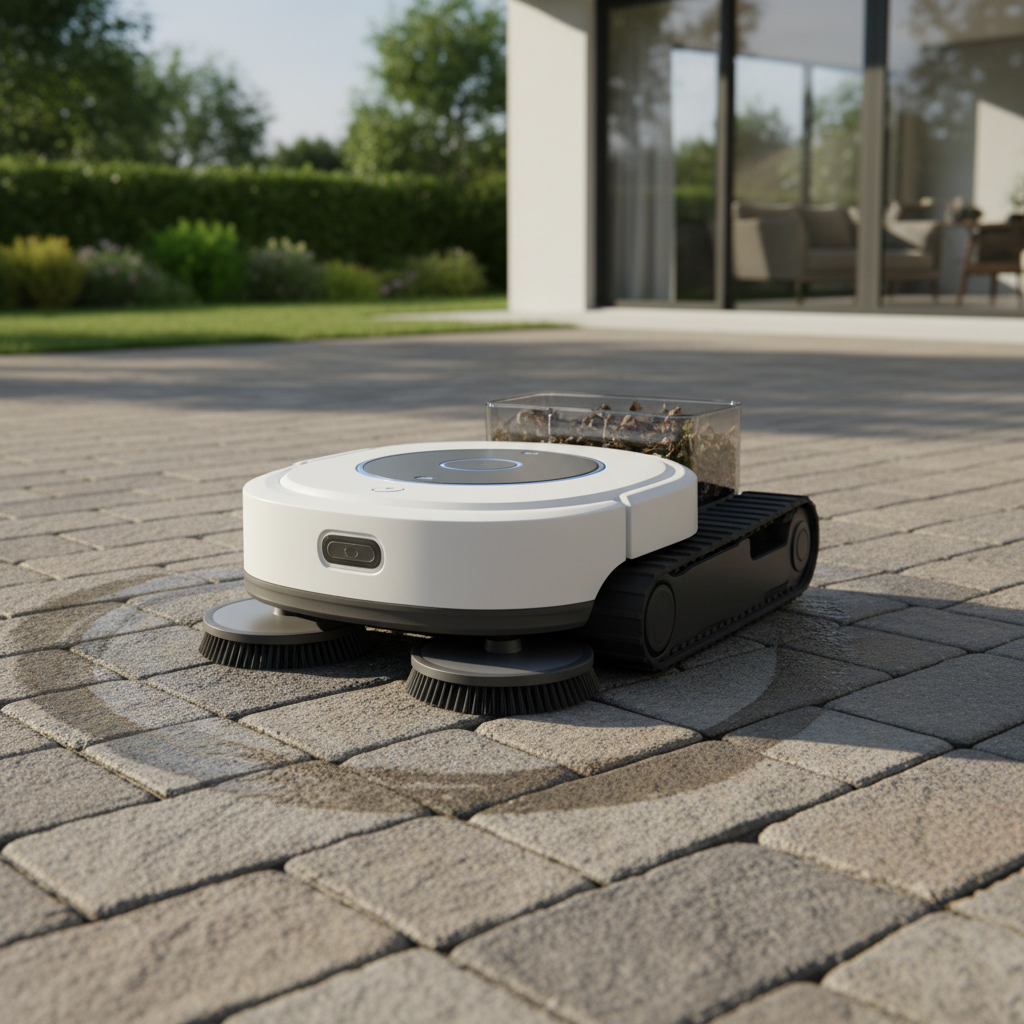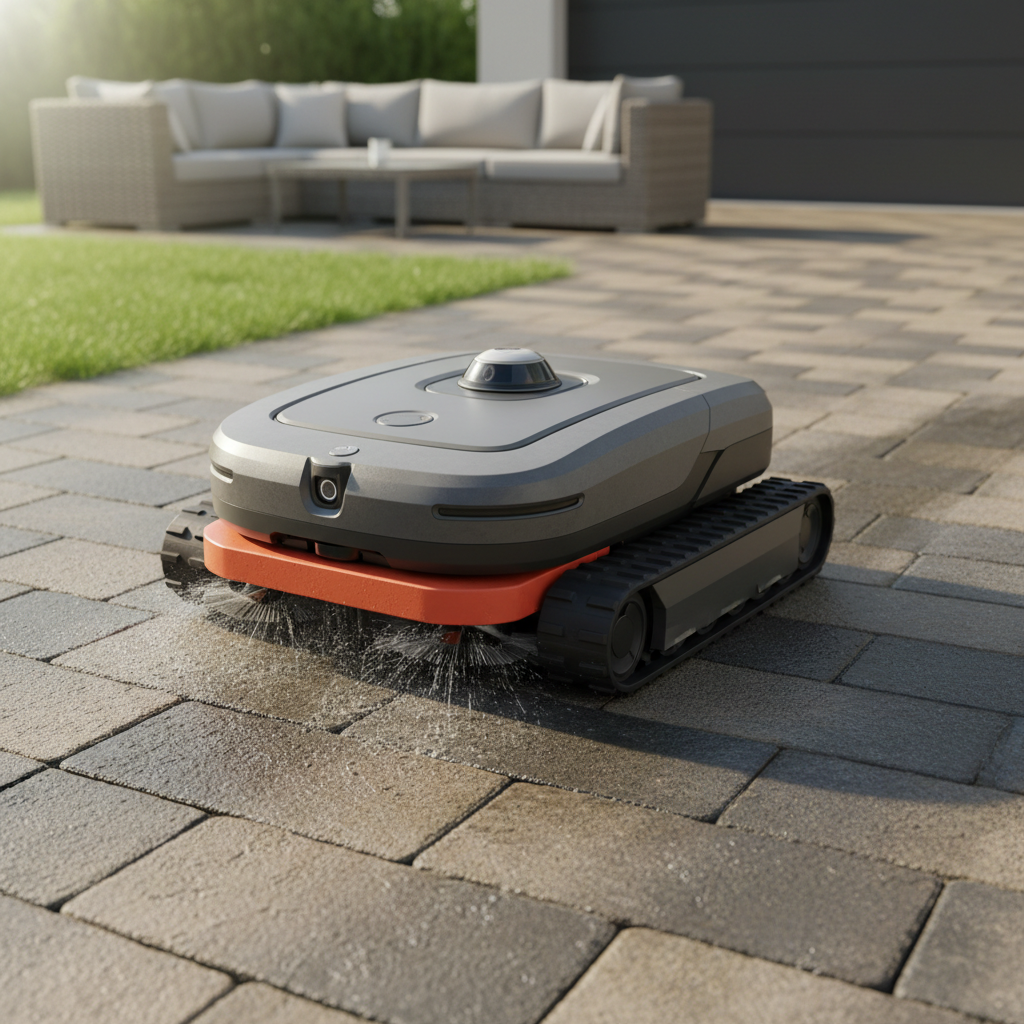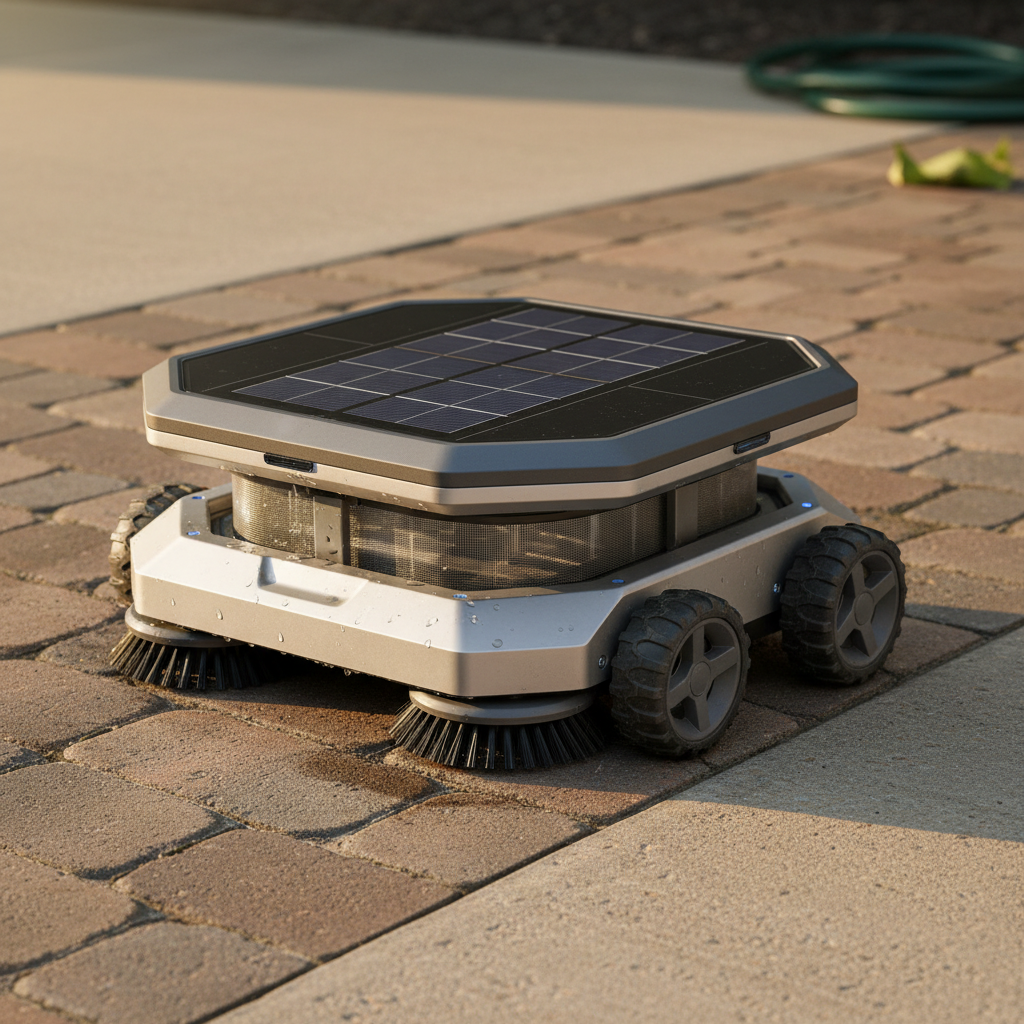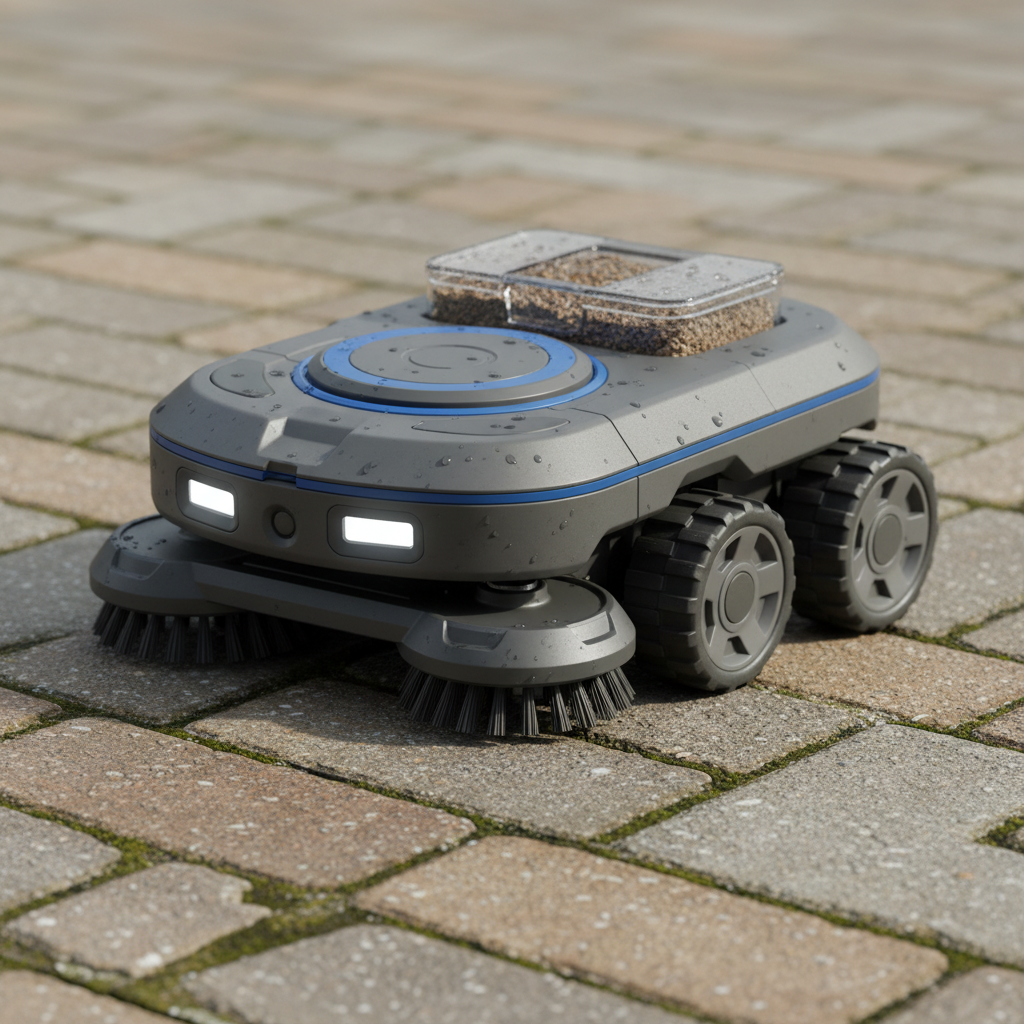
The Evolution of Off-Grid Outdoor Cleaning
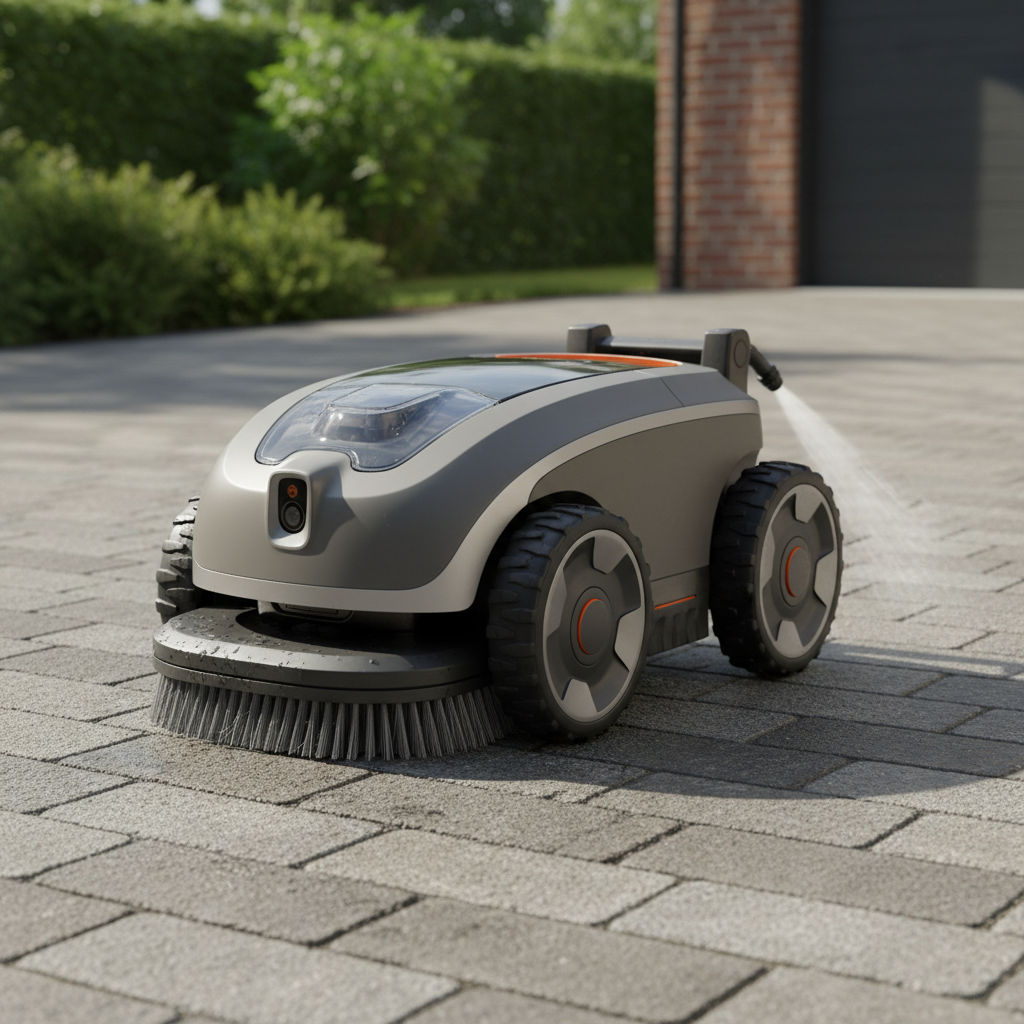
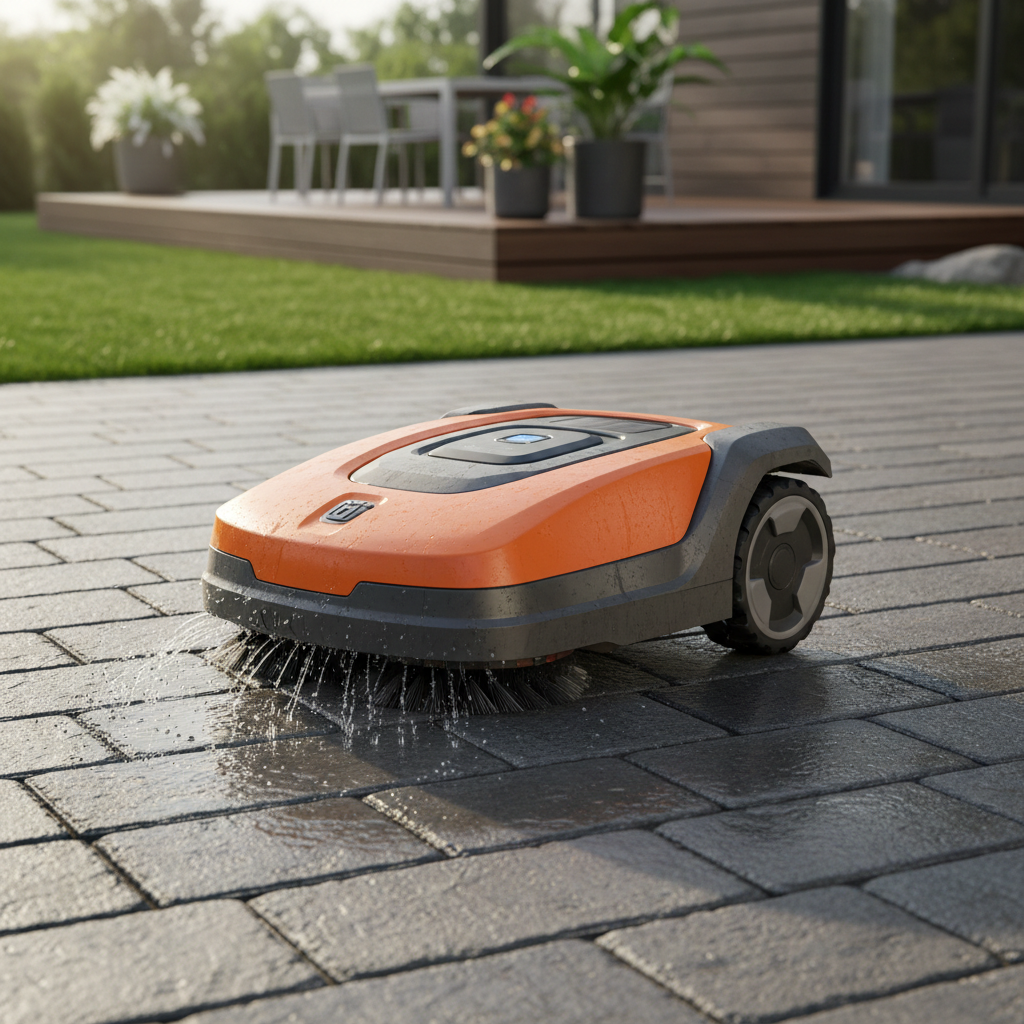
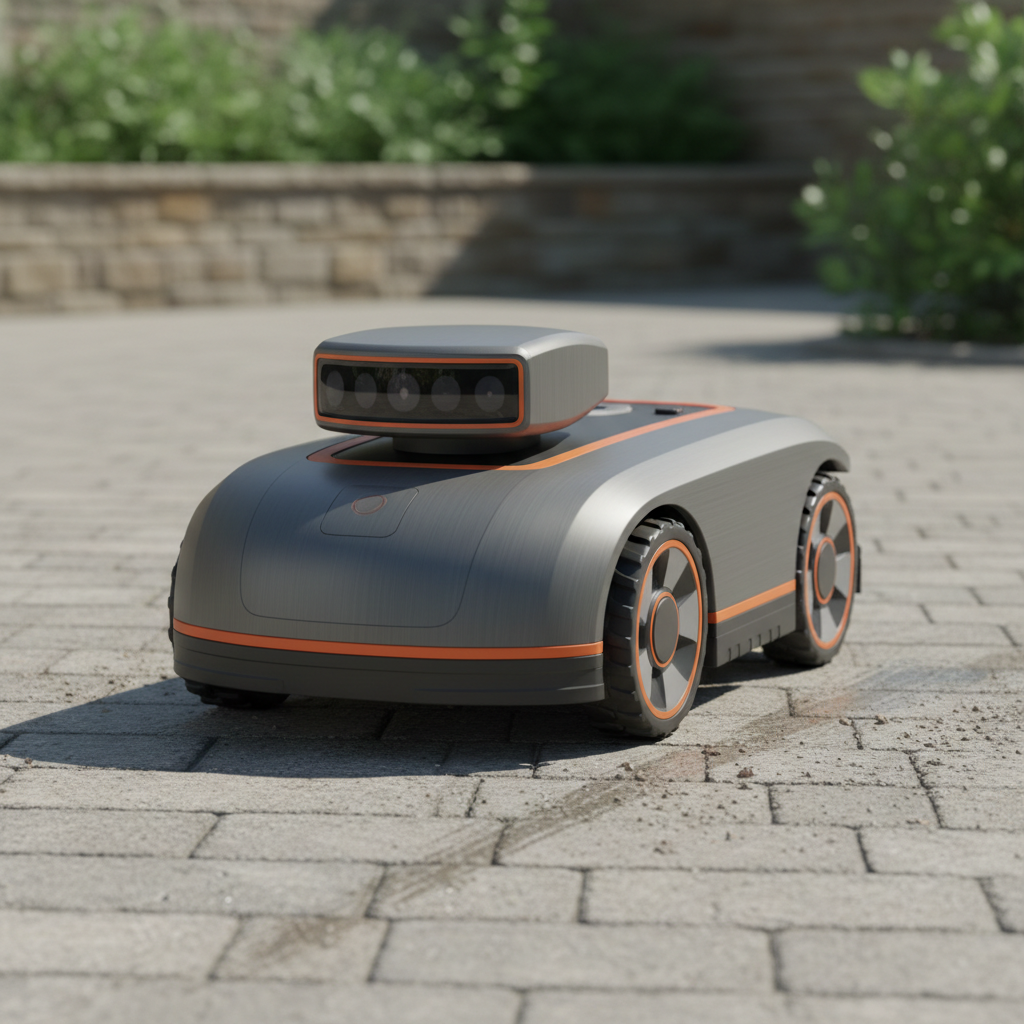
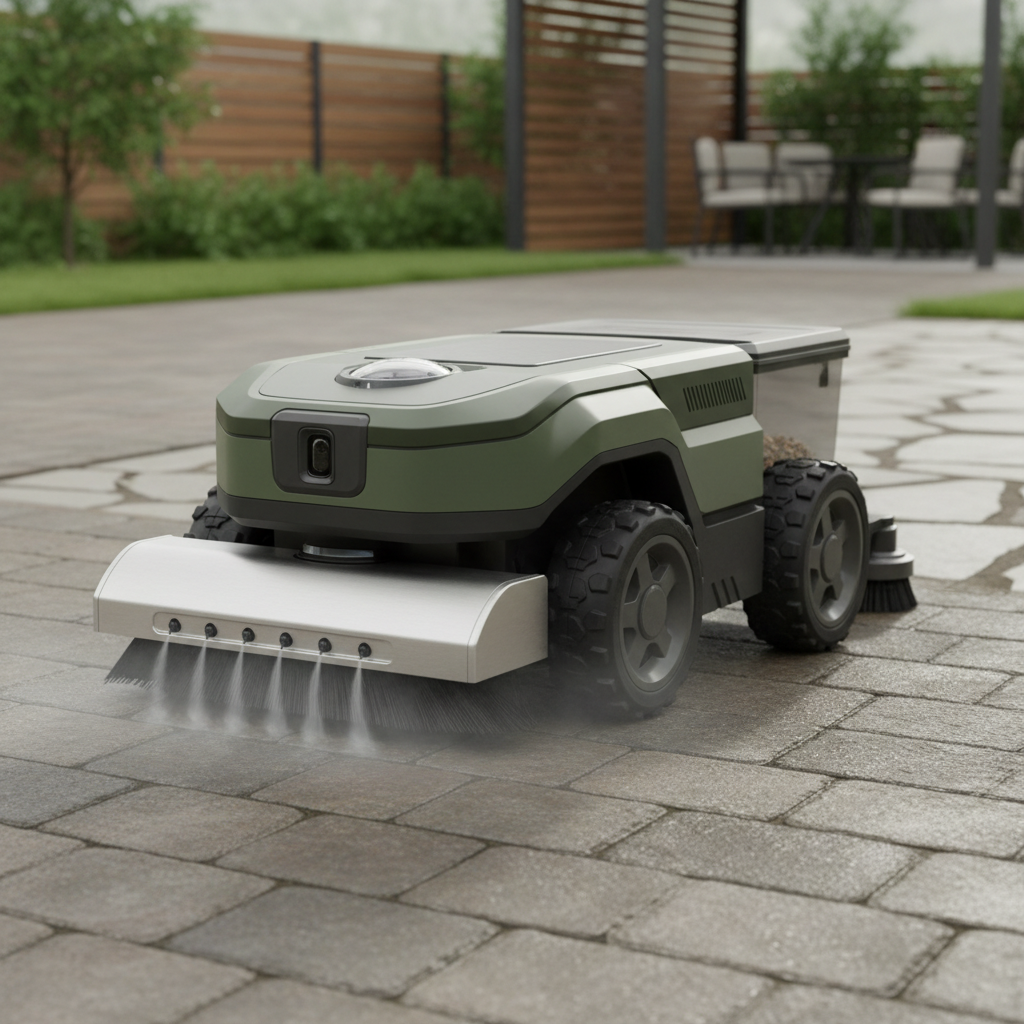
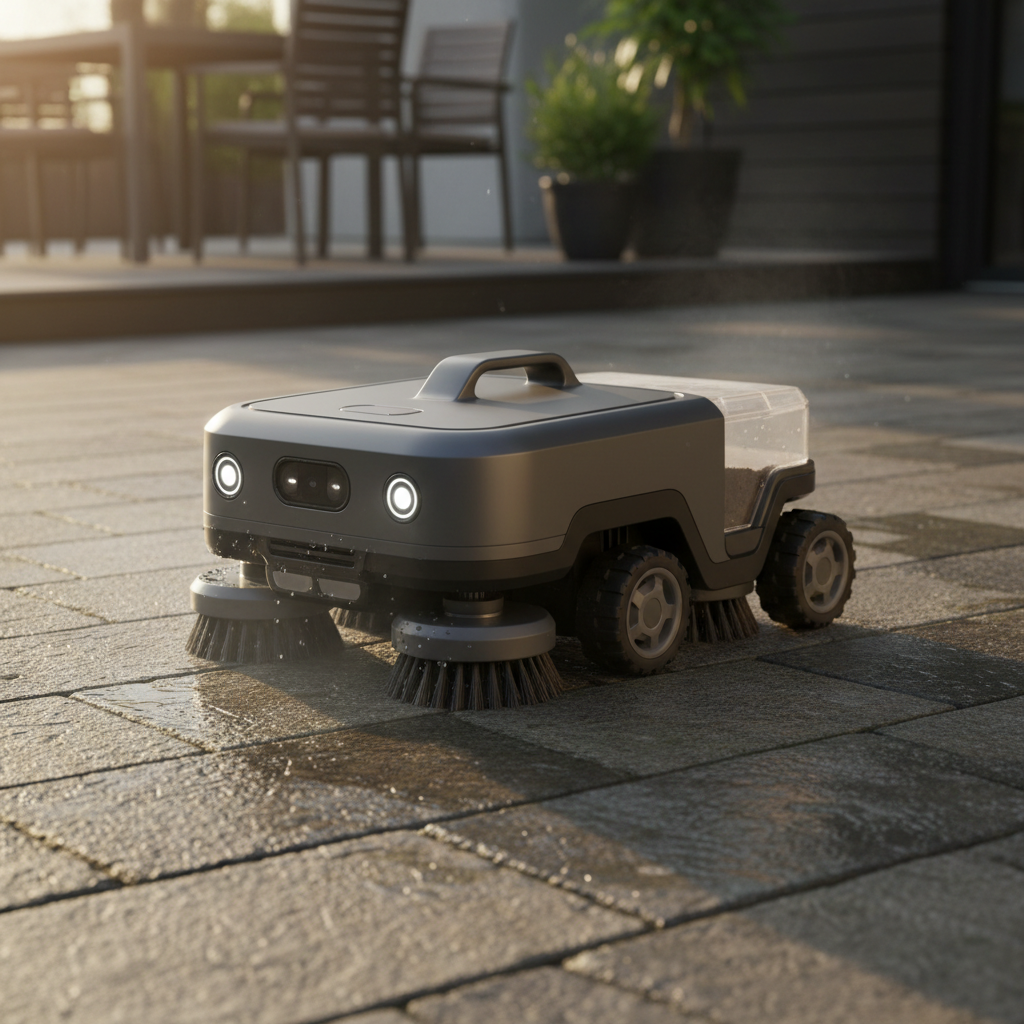
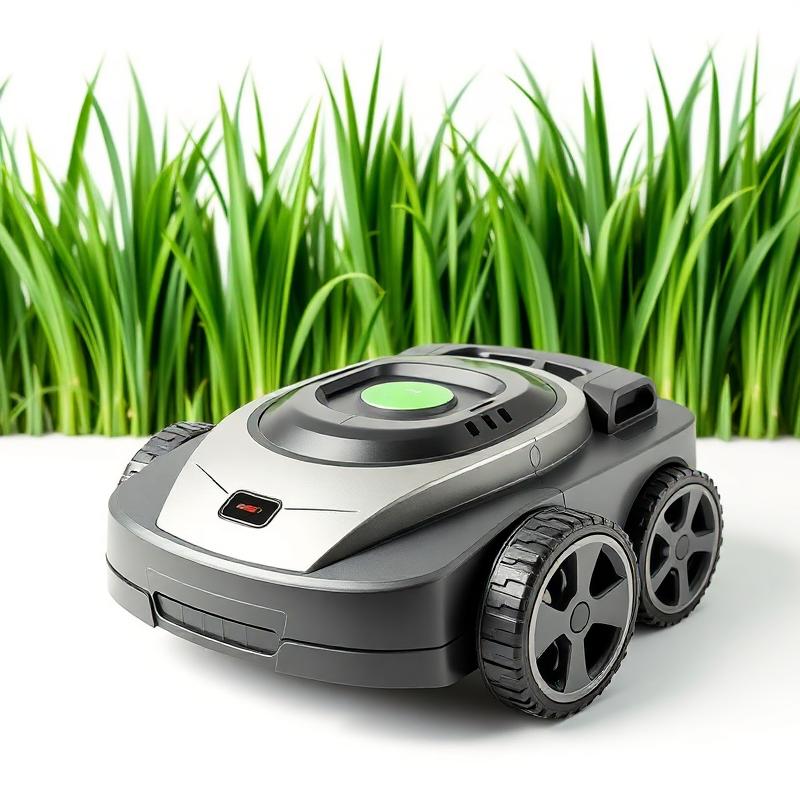
Outdoor domestic robotics has long been constrained by power management. Traditional robotic pressure cleaners and tracked yard sweepers depend on heavy umbilical cables or dock-bound lithium packs requiring constant mains recharging. The emergence of the dedicated solar cleaning robot changes this dynamic by harvesting ambient daylight to extend operational cycles indefinitely during daylight hours.
In Australia, where mean daily solar irradiance ranks among the highest globally, the technical viability of self-sustaining cleaning robots is exceptionally strong. Rather than returning to an indoor or wall-mounted docking station every ninety minutes, these machines convert available irradiance directly into mechanical locomotion and filtration power. Current commercial models focus predominantly on two distinct outdoor challenges: surface skimming for residential swimming pools and dry-sweeping dust from rooftop photovoltaic arrays.
Solar Pool Skimmers: Surface Debris Automation
Surface skimmers represent the most mature consumer category for solar-powered cleaning robotics. Unlike sub-surface crawling units that require significant torque to scale vertical pool walls, surface vessels operate with minimal hydrodynamic drag. Low-wattage DC thrusters paired with top-mounted monocrystalline panels allow these units to cruise continuously from dawn to dusk.
These units capture floating organic matter—including eucalyptus leaves, blossoms, and insects—before it waterlogs and sinks to the pool floor. By intercepting debris at the surface, a solar cleaning robot reduces the mechanical workload on the primary pool filtration pump, allowing homeowners to trim pump operating schedules by multiple hours each week. Most models integrate twin paddle wheels or micro-propellers, guided by ultrasound bumpers or internal gyroscopes that redirect the craft away from coping edges, steps, and lane ropes without human intervention.
Automated Solar Panel and Hardstand Sweepers
A secondary, rapidly growing application is the maintenance of rooftop photovoltaic installations. Airborne particulate matter, coastal sea spray, and agricultural dust can reduce domestic solar yield by five to twenty per cent over prolonged dry spells. Specialist track-mounted robots designed for panel cleaning are increasingly adopting onboard solar arrays to recharge their internal cells between automated sweeps.
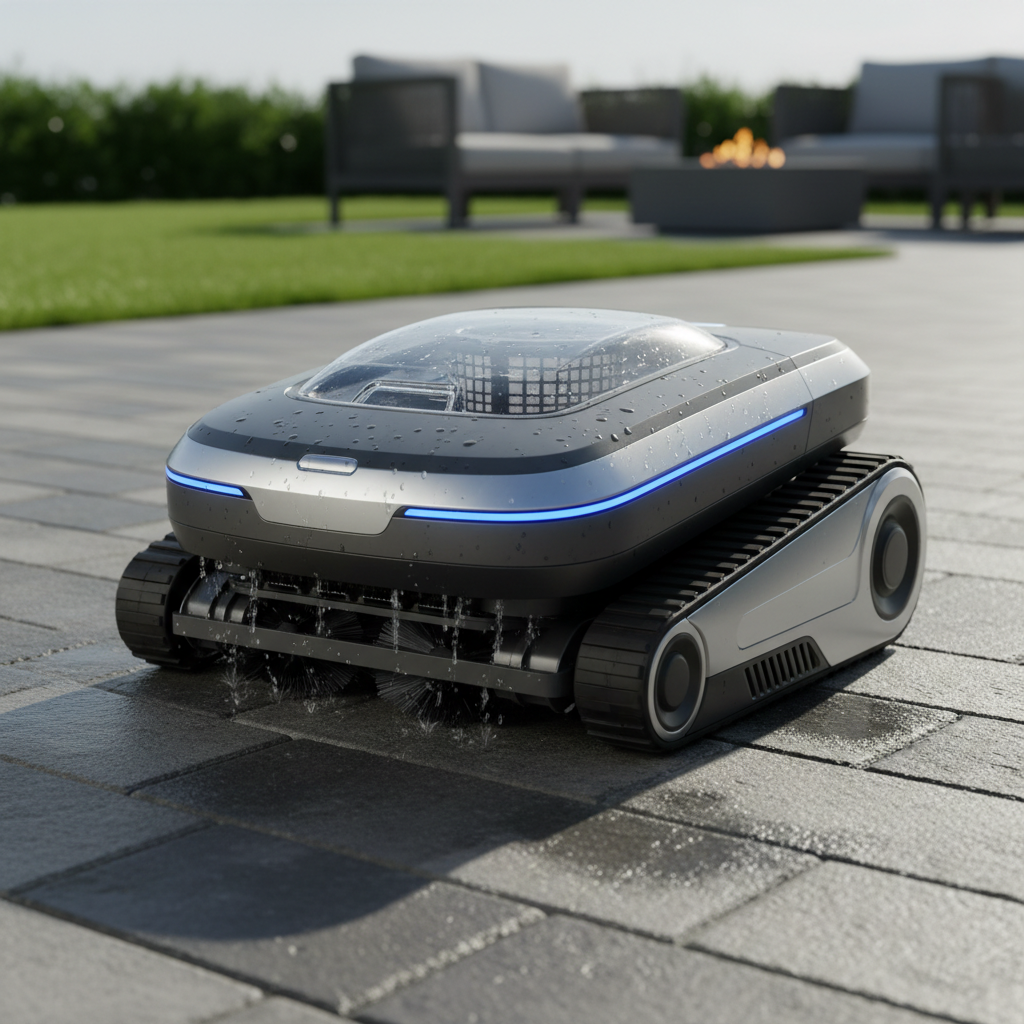
Operating without water in many configurations, these dry-cleaning robots use specialised microfibre rollers and electrostatic wiper blades to shift soil without scratching tempered anti-reflective glass. Because residential roofs are hazardous to access, these units remain stationed at the edge of the panel bank, initiating cleaning routines via programmed timers or onboard light-differential sensors that detect accumulation-induced efficiency drops.
Australian Climate Demands: Heat, UV, and Ingress
Engineering an outdoor autonomous robot for the Australian climate presents distinct material challenges. Solar exposure delivering six to eight kilowatt-hours per square metre per day also carries extreme ultraviolet degradation risks. Unstabilised plastics become brittle within two seasons, leading to cracked motor housings and failed water seals. Buyers must verify that chassis mouldings utilise high-grade ASA (Acrylonitrile Styrene Acrylate) or UV-stabilised polycarbonates rather than standard ABS.
Thermal management is equally critical. Enclosed battery compartments sitting on sunlit water or dark rooftop tiles can reach internal temperatures exceeding sixty degrees Celsius. High-ambient operating conditions rapidly degrade standard lithium-cobalt chemistry; as a result, manufacturers are transitioning to Lithium Iron Phosphate (LiFePO4) or implementing active thermal cut-offs that pause charging until internal sensors record safe operating thresholds.
Energy Architecture: Direct Drive vs Hybrid Storage
The internal electronics of a modern solar cleaning robot balance real-time harvest against storage reserves. Direct-drive architectures—where panels power motors exclusively without intermediate storage—are light and inexpensive, but they stall under partial tree shade or during overcast conditions. Modern practical designs instead employ a hybrid battery buffer.
In a buffered setup, the solar panel supplies a steady trickle charge to an internal pack, which delivers regulated voltage to the propulsion and sensor logic boards. This buffer accommodates peak current draws when clearing heavy debris or pushing through strong surface chop. Excess harvest collected during peak midday sun charges the cell to support operation for two to four hours into twilight, ensuring evening insect swarms are cleared before settling.
Investment Profiles and Maintenance Overhead
Consumer solar cleaning robots generally range between $800 AUD for entry-level domestic pool skimmers up to $2,500 AUD for semi-autonomous, dual-powered rooftop or commercial-grade surface cleaners. While higher than basic non-robotic maintenance tools, this outlay is offset over multi-year periods by reduced mains consumption from pool filtration systems and restored efficiency to residential solar arrays.
Maintenance requirements are modest but non-negotiable. Debris collection trays and filter baskets must be emptied regularly to avoid motor strain. The onboard photovoltaic glass itself requires occasional wiping to clear mineral deposits and salt film, which can degrade panel output by more than thirty per cent if left unchecked. Impellers and drive tracks should also be inspected biannually for hair or fibrous plant matter fouling the drivetrain.